

Michelin Plate
Our verdict
A Michelin Plate-recognised creative restaurant in the Casentino forest village of Moggiona, Mater offers two menu formats — the fuller 'Madre' and the lighter 'In libertà' — in a dining room with an open kitchen and floor-to-ceiling French doors framing the surrounding woodland.

Pearl is the En Primeur Club membership app — saves, bookings, and concierge access live there. Same editors, same standards.
- Address
- Via di Camaldoli, 52, 52014 Moggiona AR, Italy
- Phone
- +39 366 503 5127
- Hours
- Daily Closed
- Website
- ristorantemater.it
- Directions
- Get directions
- Booking
- Book on the venue's website
The menu
What to order
- Sweetbreads with Casentino gray pork jus
- Grilled guinea fowl
Where the Casentino Forest Sets the Agenda
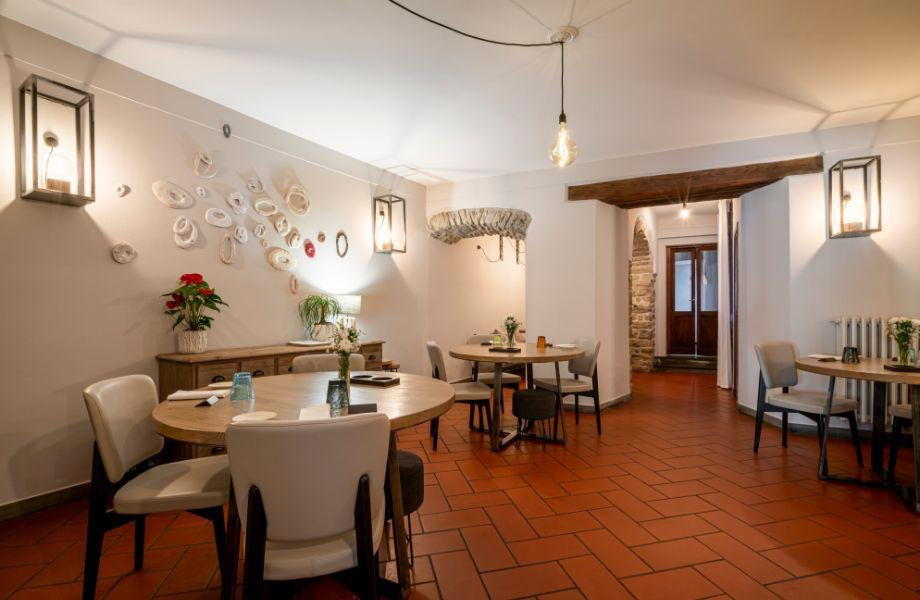
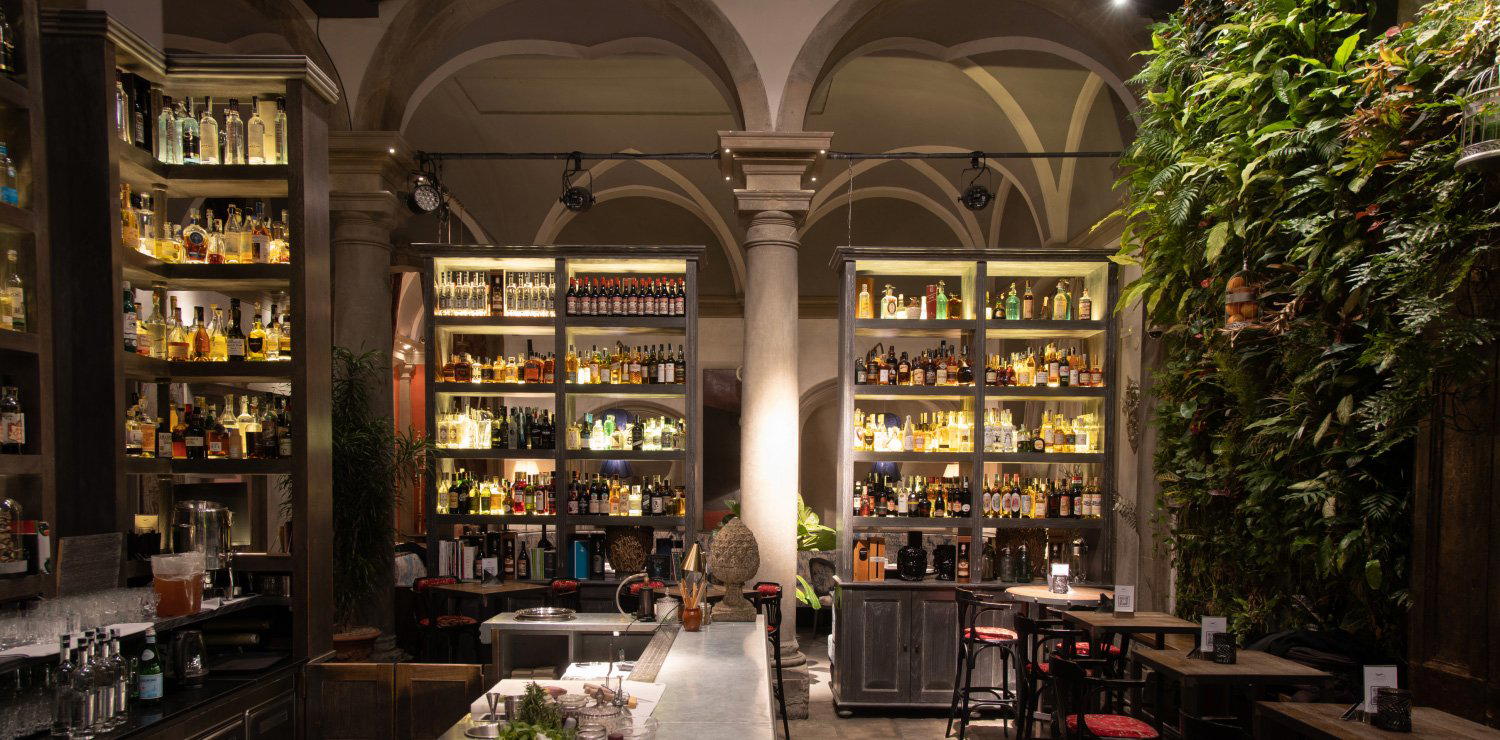
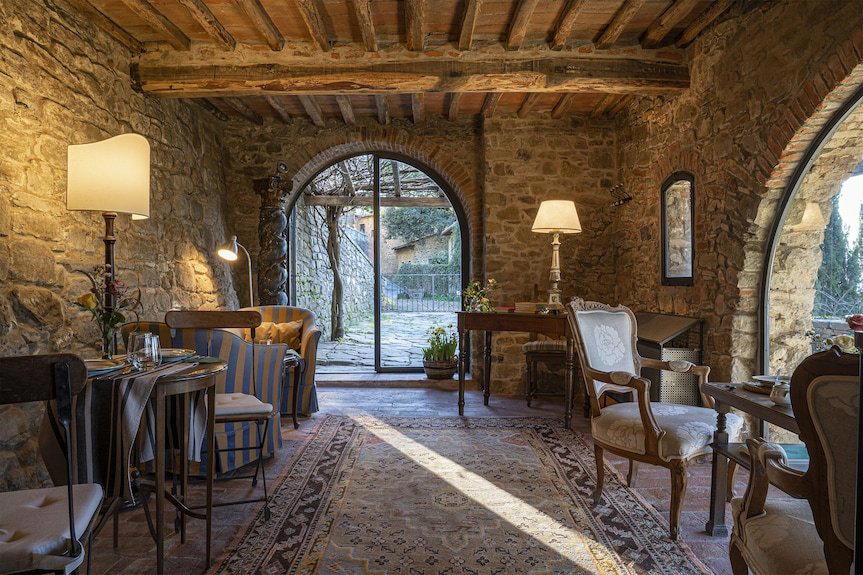
The road into Moggiona narrows as it climbs through the Casentino, a valley in eastern Tuscany that most Italian food itineraries skip in favour of Chianti or the Maremma. That oversight has kept places like Mater operating at a remove from the hype cycles that shape restaurant reputations in Florence or Siena. The dining room opens onto the forest through large French doors, and the light that enters shifts with the weather and the season. There is an open kitchen on the opposite wall. The arrangement is deliberate: the landscape and the cooking face each other across the same room, and the menu is built around that relationship.
This is the dominant mode of creative Italian cooking in rural settings right now. Kitchens from the Apennines to the Alpine foothills have spent the past decade moving away from imported luxury ingredients toward a deeper engagement with immediate geography. Atelier Moessmer Norbert Niederkofler in Brunico and Reale in Castel di Sangro represent the high-investment end of that shift, each carrying multiple Michelin stars and operating at the €€€€ tier. Mater holds a different position: a Michelin Plate in consecutive years (2024 and 2025) at €€€, which places it in the tier where serious culinary intent and relative accessibility overlap.
The Casentino as Culinary Territory
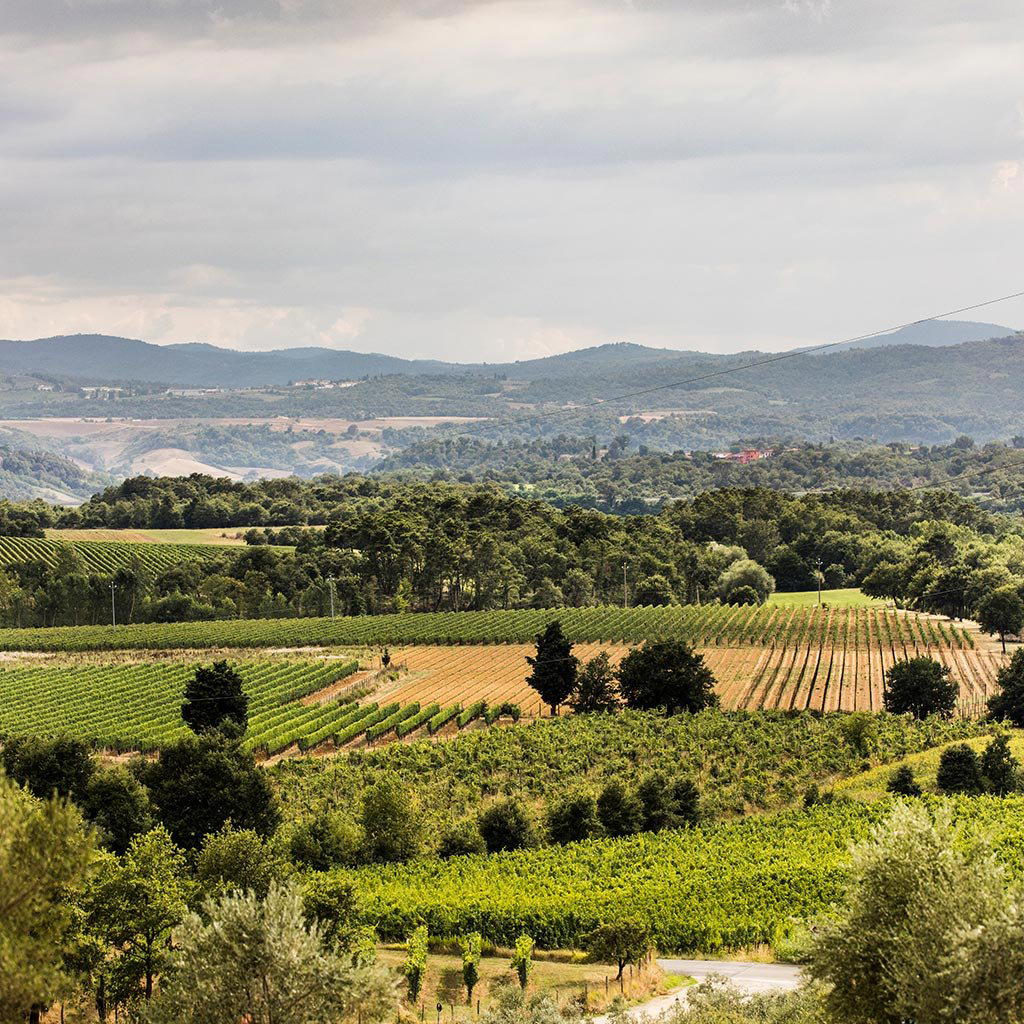
The Casentino sits between the upper Arno valley and the Apennine ridge, a stretch of forest and small agricultural communities that has historically supplied Tuscany's monasteries and rural estates rather than its cities. Camaldoli, just above Moggiona, is among the oldest monastic communities in Italy, and the surrounding forest — a protected nature reserve since 1993 — has shaped local food culture around foraging, game, and slow-raised livestock rather than the olive oil and vine-dominated agriculture of lowland Tuscany.
Casentino gray pork, a local heritage breed, is one of the valley's most cited ingredients among regional food writers and slow food advocates. The breed nearly disappeared in the twentieth century and has since been revived by a small number of Casentino producers. When the kitchen at Mater uses a gray pork jus to finish the sweetbreads, one of the dishes the restaurant's own Michelin entry singles out, that choice connects to a specific agricultural recovery story as much as to flavour logic. This is how regional creative cooking earns credibility: not through technique alone, but through ingredient traceability that actually reflects the surrounding territory.
The grilled guinea fowl, also cited in the venue's Michelin recognition, belongs to the same tradition. Guinea fowl has been raised across central Italy for centuries, and in Casentino farmhouse cooking it has long been treated more robustly than in city restaurants, where it tends to appear as a delicate alternative to chicken. A version described as carrying bold, traditional flavour aligns with that local register rather than softening it for a wider audience.
Two Menus, One Table
Mater structures its offer around two formats. The 'Madre' menu is the fuller expression of the kitchen's creative direction. The 'In libertà' option allows three courses of the diner's choosing plus a dessert, with the constraint that the entire table selects the same format. That last condition is common at this level of Italian creative cooking, it preserves kitchen rhythm and prevents the service dynamic from fragmenting, but it is worth knowing before you arrive with a group that has different appetites or budget thresholds.
The €€€ price point positions Mater meaningfully below the top tier of Italian creative restaurants. Osteria Francescana in Modena, Enoteca Pinchiorri in Florence, and Enrico Bartolini in Milan all operate at €€€€ with multiple Michelin stars. At the same price bracket as Mater, the comparison set shifts toward regionally-rooted creative kitchens that prioritise territory over prestige ingredient lists. Quattro Passi in Marina del Cantone and Uliassi in Senigallia represent the coastal end of Italian creative cooking with different ingredient vocabularies, while Piazza Duomo in Alba and Le Calandre in Rubano operate further up the award ladder in northern Italy. Mater's position is its own: a forest-rooted kitchen in a village that most of these restaurants' clientele would have to make a specific decision to reach.
It indicates a sustained and largely consistent guest experience rather than a spike driven by novelty or a single viral moment.
Getting There and Planning Around It
Moggiona is not on a rail line and is not easily served by public transport. The village sits within the municipality of Poppi in the province of Arezzo, and the most practical approach is by car from Arezzo (roughly 40 kilometres north-east) or from Florence via the SS70 through the Consuma pass. The drive from Florence takes between 75 and 90 minutes depending on traffic over the pass. This is relevant to how you plan the visit: Mater works well as a destination in its own right rather than as an add-on to a day of Florentine sightseeing. Consider pairing the meal with a night in the area; our full Moggiona hotels guide covers the local accommodation options.
For those building a broader itinerary around Casentino dining, Il Cedro in Moggiona represents the Tuscan trattoria end of the local spectrum, while our full Moggiona restaurants guide maps the wider dining picture. Drinking and winery options in the valley are covered in our Moggiona bars guide and our Moggiona wineries guide; for activities beyond the table, our Moggiona experiences guide covers the forest trails and cultural sites that make this area worth more than a single meal.
For readers tracking the broader movement of Italian creative cooking in rural locations, Dal Pescatore in Runate offers a useful long-view comparison, a family-run Italian contemporary kitchen that has operated at the highest level for decades. Beyond Italy, Alléno Paris au Pavillon Ledoyen and JAN in Munich represent how the creative format plays in major European urban contexts, which makes the contrast with a village kitchen like Mater more legible rather than less.
Frequently asked questions
Is Mater expensive?
Pricing at Mater is listed as €€€.
A Pricing-First Comparison
| Venue | Cuisine | Price | Awards | Notes |
|---|---|---|---|---|
| MaterThis venue — the venue you are viewing | Modern Tuscan Wild Cuisine | $100–150 | Michelin Plate | Not listed |
| Atelier Moessmer Norbert Niederkofler | Italian, Creative | Not listed | Michelin 3 Star | Not listed |
| Dal Pescatore | Italian, Italian Contemporary | Not listed | Michelin 3 Star | Not listed |
| Enoteca Pinchiorri | Contemporary Italian Fine Dining | $200–300 | 3 Michelin Stars · World's 50 Best #32 | Italian - French, Italian Contemporary |
| Enrico Bartolini | Creative | Not listed | Michelin 3 Star | Not listed |
| Osteria Francescana | Avant-Garde Italian Contemporary | $300–500 | 3 Michelin Stars · World's 50 Best #1 | Progressive Italian, Creative |
Recognition history
Dated appearances from independent guides and award organizations, with the underlying list record or original source where available.
Michelin Plate
Michelin
Opinionated About Dining Top Restaurants in Europe Recommended
Opinionated About Dining
Full recognition history (5 entries)
Opinionated About Dining Newly Added European Restaurants
Opinionated About Dining
Michelin Plate
Michelin
Michelin Plate
Michelin
Continue exploring
More in Moggiona
Restaurants in Moggiona
Browse all →
Bars in Moggiona
Browse all →
Hotels in Moggiona
Browse all →

Details
- Intimate
- Elegant
- Rustic
- Scenic
- Sophisticated
- Date Night
- Special Occasion
- Open Kitchen
- Garden
- Extensive Wine List
- Farm To Table
- Local Sourcing
- Mountain
- Garden
- Tasting Menu
- A La Carte
- Natural Wine
- Vegetarian Friendly
Current opening hours
- Monday
- Closed
- Tuesday
- Closed
- Wednesday
- Closed
- Thursday
- Closed
- Friday
- Closed
- Saturday
- Closed
- Sunday
- Closed
Hours can change for holidays and private events. Last verified .
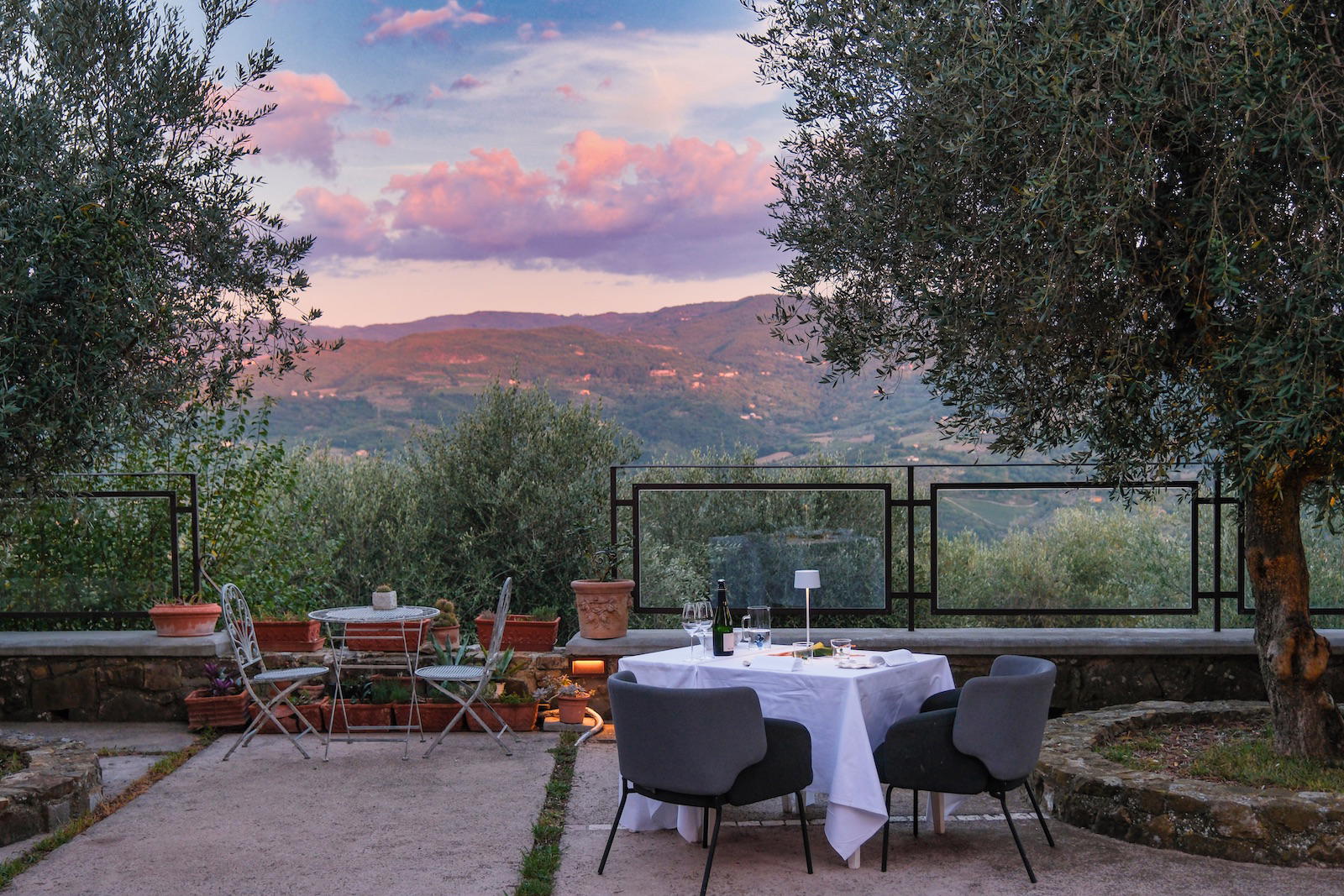
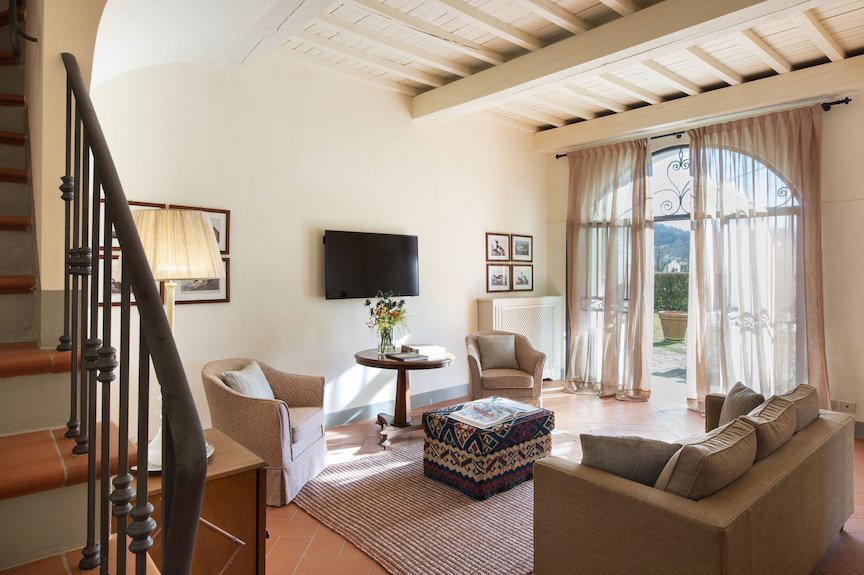
Cozy and elegant dining room with natural light from large French doors offering valley views, open kitchen, and serene forest surroundings.