
Michelin Plate
Our verdict
A Michelin Plate-recognised Japanese restaurant in Kyoto's Nakagyo Ward, Masaki builds its menu around the architecture of dashi — specifically, a first-draught dashi combined with fish bone broth that the chef developed after training at a traditional ryotei. The meal ends with white rice and clear soup, a deliberate return to simplicity after a menu structured around seasonal depth and wanmono technique.

Pearl is the En Primeur Club membership app — saves, bookings, and concierge access live there. Same editors, same standards.
- Address
- 15-20 Mibubanbacho, Nakagyo Ward, Kyoto, 604-8805, Japan
- Phone
- +81 50-5493-2287
- Hours
- Daily 12–1:30 PM, 6–8 PM
- Website
- masak-kyoto.gorp.jp
- Directions
- Get directions
Where Kyoto's Approach to Flavour Parts Ways with Tokyo
The contrast between Tokyo and Kyoto dining is structural, not cosmetic. Tokyo restaurants build reputations on precision, novelty, and a pace that rewards the decisive reservation window. Kyoto operates differently: the value proposition is depth accumulated over time, expressed through technique that slows the meal down and demands the diner's attention. That distinction matters most in Japanese cuisine, where the question of how flavour is built — not just what it tastes like — is itself part of the conversation. Masaki, in Nakagyo Ward, is a useful lens for that argument.
Recognised with a Michelin Plate in both 2024 and 2025, Masaki sits at the considered, mid-tier end of Kyoto's Japanese dining scene, priced at ¥¥¥, which positions it below the ¥¥¥¥ bracket occupied by houses such as Isshisoden Nakamura and Kenninji Gion Maruyama, but within a register where technical seriousness is still the expectation rather than the exception.
The Architecture of Dashi
In Tokyo's kaiseki and kappo rooms, dashi functions as a foundation, present, technically sound, rarely the point. Kyoto cooking, particularly in its more classically rooted expressions, tends to treat dashi as the subject. The difference is audible in the vocabulary: Kyoto chefs discuss dashi in terms of layers and draw, not simply clarity.
At Masaki, the approach is anchored in wanmono, the lidded soup course that many Kyoto practitioners consider the spine of a Japanese meal. The chef trained at a ryotei where simmered dishes and soups were a primary responsibility, and that grounding is visible in the menu's architecture. The defining technical decision here is the combination of first-draught dashi with fish bone broth, a method that builds a more assertive flavour depth than first-draught alone would yield, without sacrificing the clarity that distinguishes Kyoto-style stock from the more concentrated broths common in Tokyo ramen or Tokyo-style kappo.
Surinagashi, a smooth, strained vegetable soup served warm, typically expressing a single seasonal ingredient, is the dish the kitchen treats as a point of pride, and it functions as a reliable indicator of seasonal intent. The version changes with the calendar, which is the entire point: what a surinagashi says about the moment in the year is part of what you are eating. That approach is distinctly Kyoto in temperament, where the season is never just backdrop but ingredient.
The Meal's Logic
The menu at Masaki is structured to move between contrast and accumulation. The varied tone of successive courses, built on that layered dashi architecture, resolves at the end with white rice and clear soup. That closing gesture is not an afterthought. In Japanese meal structure, particularly in the Kyoto tradition, returning to the most elemental forms at the end of a meal is a deliberate compositional choice: it asks the diner to notice what they are tasting when there is nothing else complicating the picture.
This logic places Masaki in a specific lineage of Kyoto cooking: restaurants less interested in the theatrical finish than in whether the final note is clean. For comparison, the ¥¥¥¥ tier in Kyoto, represented by houses like Kikunoi Roan and Kodaiji Jugyuan, tends to carry more elaborate presentation and broader course architecture. Masaki's ¥¥¥ positioning reflects a narrower, more focused menu, one that concentrates its energy on a smaller number of courses executed with precision.
Kyoto vs. Tokyo: A Structural Reading
The Tokyo dining axis that runs through places like Harutaka in Tokyo, Myojaku, and Azabu Kadowaki prizes immediacy: the flavour is direct, the technique demonstrable, and the counter format encourages a transparency between chef and diner that Kyoto's more enclosed, tatami-inflected rooms do not always offer. Kyoto's argument back is that restraint compounds, that a meal built around stock architecture and seasonal soup tells you something about place and time that a technically brilliant Tokyo omakase does not attempt.
Neither position is correct in the abstract. They are answers to different questions. But for diners whose primary interest is in what Japanese cuisine looks like when it is most deeply rooted in a single city's cooking logic, Kyoto's end of that argument is instructive. Masaki, with its ryotei lineage and wanmono-led structure, represents that position clearly.
For context across Japan's broader dining geography, the regional contrasts extend further: HAJIME in Osaka pursues a highly conceptual French-Japanese idiom, akordu in Nara works a Spanish-influenced frame, Goh in Fukuoka draws on Kyushu's seafood culture, and 1000 in Yokohama and 6 in Okinawa each reflect their cities' distinct culinary characters. Masaki's point of difference within this map is its commitment to traditional Kyoto stock technique, a category that remains relatively narrow nationally.
Neighbourhood and Peer Context
Nakagyo Ward sits between Kyoto's northern temple districts and the more touristic Gion corridor to the east. It is a working ward of the city, with a denser residential and commercial character than Higashiyama. Restaurants in Nakagyo tend to serve a local and regional clientele rather than a primarily international one, which shapes the register: menus here are designed for diners who know what they are looking at.
Gion Matayoshi, operating in the Gion precinct, offers a useful comparison point for how location within the city shapes a restaurant's audience and presentation register, even at similar price levels.
Planning Your Visit
| Detail | Masaki | Peer Range (Kyoto ¥¥¥–¥¥¥¥) |
|---|---|---|
| Price tier | ¥¥¥ | ¥¥¥ – ¥¥¥¥ |
| Michelin recognition | Plate (2024, 2025) | Plate to Star level across tier |
| Cuisine focus | Japanese, wanmono-led | Kaiseki, kappo, Japanese |
| Location | Nakagyo Ward | Nakagyo, Gion, Higashiyama |
| Varies; typically 4.3–4.8 |
Address: 15-20 Mibubanbacho, Nakagyo Ward, Kyoto, 604-8805, Japan. For a wider view of the city's dining options, see our full Kyoto restaurants guide, and explore Kyoto hotels, Kyoto bars, Kyoto wineries, and Kyoto experiences through the EP Club platform.
What Regulars Order at Masaki
These are not marquee dishes in the sense of a visually striking tasting-menu centrepiece; they are technique demonstrations, and the regulars who return to Masaki tend to be the ones most interested in tracking how the surinagashi shifts across seasons. The white rice and clear soup closing is equally reported as a considered moment rather than a formality.
Frequently asked questions
Where is Masaki in Kyoto?
Masaki is located at 15-20 Mibubanbacho, Nakagyo Ward, Kyoto, 604-8805, Japan, Kyoto.
What awards or recognition does Masaki have?
Masaki has received recognition including: The chef learned at a ryotei how to produce rich flavours by combining ingredients. Having been responsible for the simmered dishes and soups there, he pours his strength into wanmono. His search for ever greater depth of flavour led him to….
What do regulars order at Masaki?
The meal closes with white rice and clear soup — a deliberate simplicity after the layered dashi work that precedes it. Masaki holds a Michelin Plate for 2024 and 2025, placing it within Kyoto's recognised dining tier without the prix-fixe rigidity of a starred house.
Is Masaki more mid-range or high-end?
Pricing at Masaki is listed as ¥¥¥.
Category Peers
A short peer table to compare basics side-by-side.
| Venue | Cuisine | Price | Awards | Notes |
|---|---|---|---|---|
| MasakiThis venue — the venue you are viewing | Seasonal Japanese Omakase | $200–300 | Michelin Plate | Not listed |
| Gion Sasaki | Modern Kaiseki | $300–500 | 3 Michelin Stars · La Liste Top Restaurants | Kaiseki, Japanese |
| cenci | Innovative Italian-Japanese Fusion | $100–150 | 1 Michelin Star · World's 50 Best #76 | Italian |
| Ifuki | Sumibi Kappo Kaiseki | $200–300 | 2 Michelin Stars · La Liste Top Restaurants | Kaiseki |
| Kyokaiseki Kichisen | Kyoto Kaiseki | $200–300 | 2 Michelin Stars · La Liste Top Restaurants | Japanese |
| Kyo Seika | Seasonal Chinese Fine Dining in Kyoto | Not listed | 1 Michelin Star | Chinese |
Recognition history
Dated appearances from independent guides and award organizations, with the underlying list record or original source where available.
Michelin Plate
Michelin
Full recognition history (3 entries)
Michelin Plate
Michelin
Michelin Plate
Michelin
Continue exploring
More in Kyoto
Restaurants in Kyoto
Browse all →
Bars in Kyoto
Browse all →
Hotels in Kyoto
Browse all →
Wineries in Kyoto
Browse all →
Details
- Cozy
- Intimate
- Elegant
- Special Occasion
- Date Night
- Chefs Counter
- Sake Program
- Local Sourcing
- Omakase
- Sake
- Vegetarian Friendly
Current opening hours
- Monday
- 12–1:30 PM, 6–8 PM
- Tuesday
- 12–1:30 PM, 6–8 PM
- Wednesday
- 12–1:30 PM, 6–8 PM
- Thursday
- 12–1:30 PM, 6–8 PM
- Friday
- 12–1:30 PM, 6–8 PM
- Saturday
- 12–1:30 PM, 6–8 PM
- Sunday
- 12–1:30 PM, 6–8 PM
Hours can change for holidays and private events. Last verified .
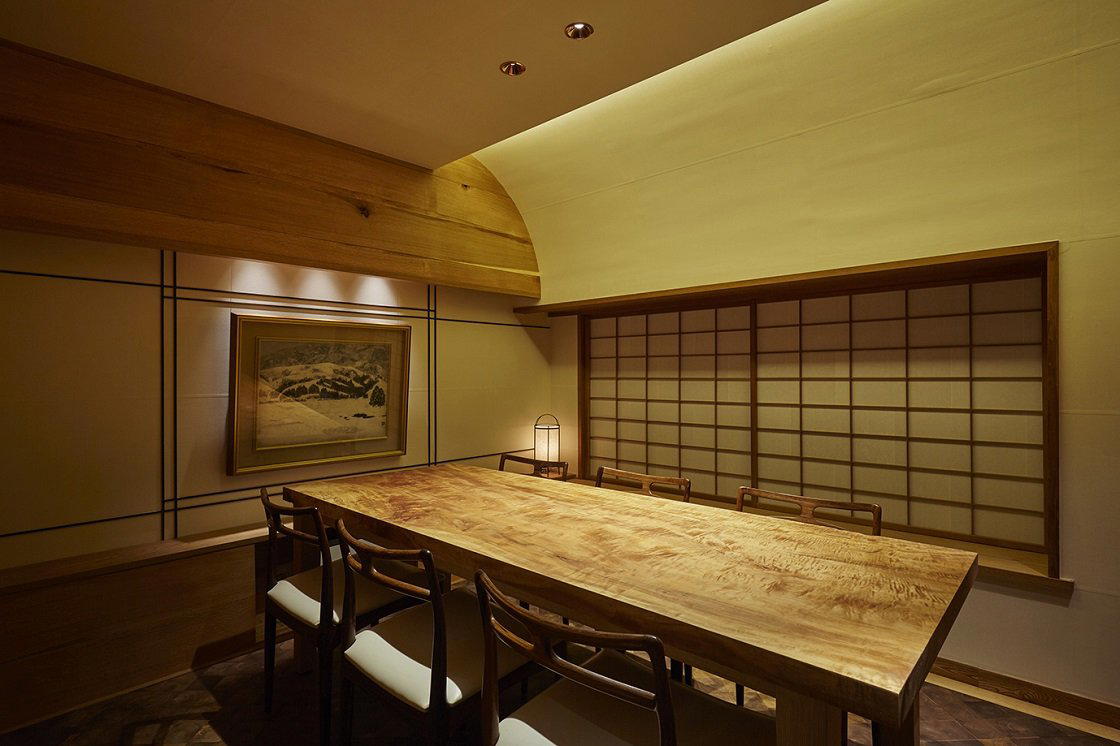
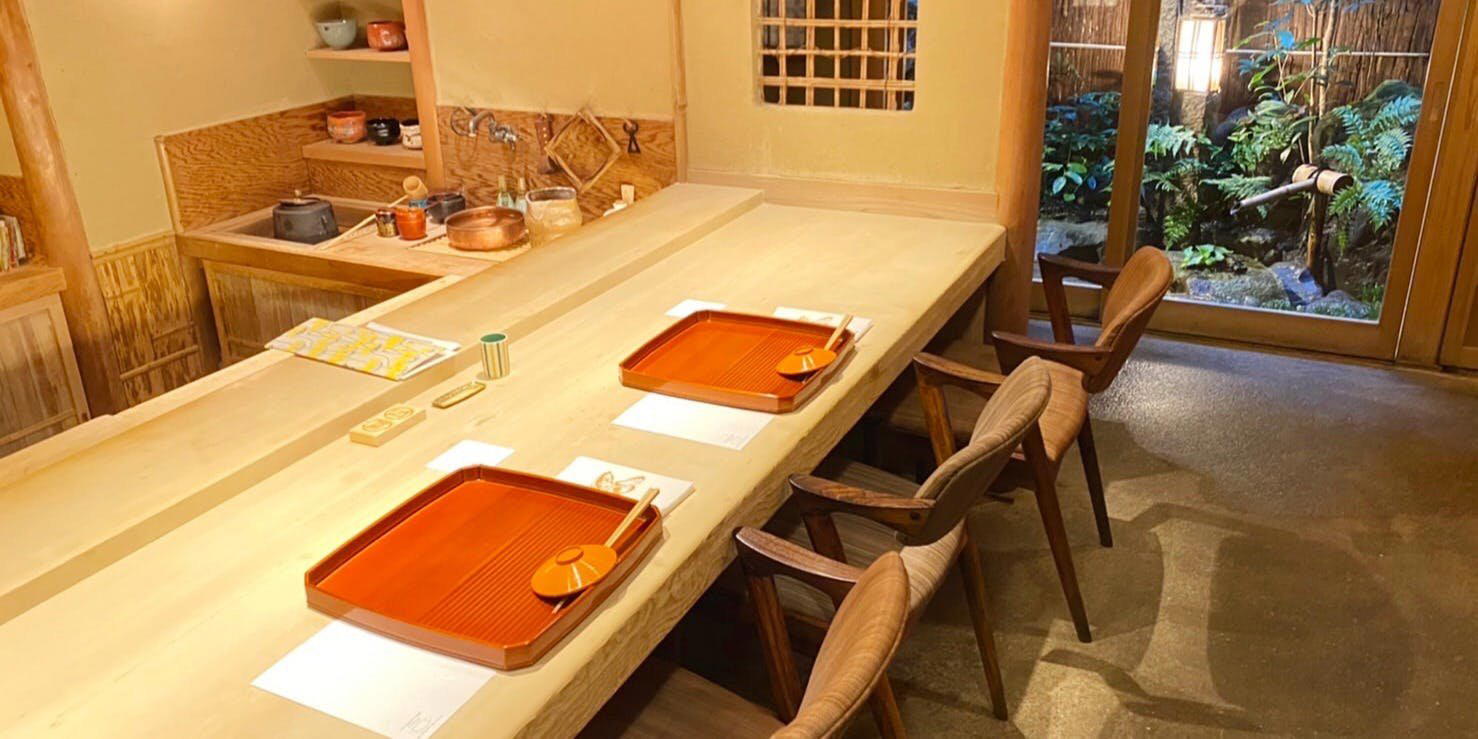
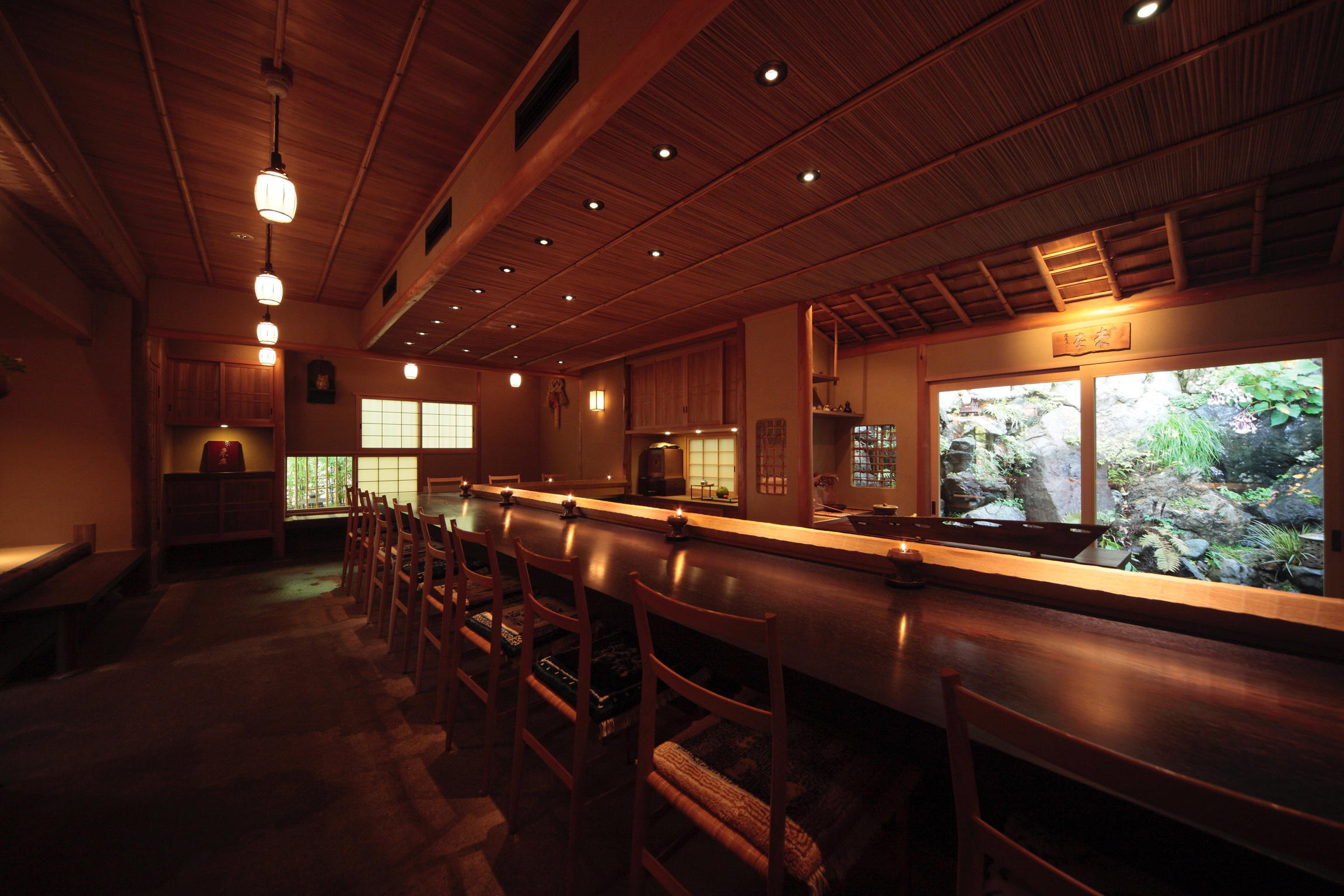
Cozy and inviting atmosphere in a traditional Kyotoesque narrow alley setting with warm, intimate counter seating.