
Tabelog 100 #39
Our verdict
Kyoto’s serious tea rooms reward attention to sourcing, not spectacle. Marukyu Koyamaen Nishinotouin ten belongs to the city’s matcha-and-wagashi circuit, with a 2025 Tabelog Cafe WEST 100 selection, a compact 10-seat tea room, take-out service, and seasonal kakigori in summer shaping the visit around tea as ingredient rather than garnish.

Pearl is the En Primeur Club membership app, where members save venues, book tables and use the concierge.
The menu
What to order
- Matcha CHOAN & Japanese sweet (thick tea koicha)
- Gyokuro SHIZUKU NO IN & Japanese sweet
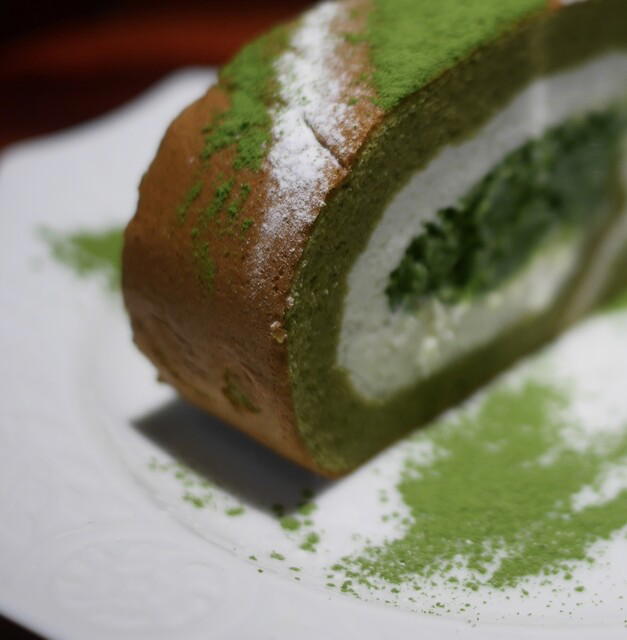
- Marukyu matcha roll cake set
- Matcha kakigori (summer only)
- Houjicha and Japanese sweet set
Approach Kyoto and the city often shifts quieter: low traffic, measured service, and the calm around cafes and sweets rather than restaurants chasing long-course drama. The city’s cafe culture splits between contemporary coffee rooms and older Japanese-sweets houses, but the sharper divide is focus. In Kyoto, sweets are not only a casual pause. They can be a careful expression of sourcing, preparation, and restraint, and better rooms make that hierarchy legible without theatre.
Marukyu Koyamaen Nishinotouin ten sits in that tradition. Its Tabelog recognition in 2025 places it among notable cafes, but the more useful signal is format: cafe, Japanese sweets, and kakigori. This is not the Kyoto of ornate kaiseki rooms such as Kyoryori Fujimoto, nor the casual city snacking found elsewhere in Kyoto. It occupies a narrower lane, where the format carries the argument.
Tea as the main ingredient, not a decorative note
Kyoto’s reputation for refined sweets is often flattened into a simple travel cliché, but serious service depends on decisions made long before anything reaches the table: sourcing, preparation, texture, temperature, sweetness, and balance. A focused cafe differs from a dessert stop built only for colour or novelty. The point is not abundance. It is control, and that matters because a sweet or shaved-ice dish can move from clean to heavy depending on handling.
The listed categories make the editorial position clear without needing a chef’s biography. Japanese sweets define the frame rather than compete with it, while kakigori connects Kyoto’s older cafe culture to the city’s shaved-ice circuit. Kakigori has become a serious cafe category across Japan, not just a heat-wave novelty. In Kyoto, the better versions work when syrup, dairy, bean paste, or other elements have enough definition to survive the ice. A focused cafe has an advantage: intensity and balance are not afterthoughts.
For travellers comparing Kyoto meals, this differs from the counter-driven precision, plant-forward language, or French-accented dining found in other Kyoto dining rooms. It is closer to old Kyoto sweets culture, the kind that makes a narrow specialization valuable: repeatable craft, restraint, and an ingredient set with its own grammar.
A compact tea room in a city that rewards small formats
Kyoto is often misread as formal by default. In practice, some of its strongest food experiences are small, specific, and brief: a sweet before temple walking, a bowl between appointments, shaved ice, or a purchase that makes more sense than another long seated meal. The appeal is closer to a specialist stop than a general cafe. It also changes the traveler’s calculation: this is a planned pause, not a sprawling afternoon lounge.
That focus fits a broader Kyoto pattern. Serious dining rooms such as Miyawaki, Ogawa, and Kamanza Nagashima operate in a city where intimacy often signals focus, not scarcity alone. At a lower spend and shorter duration, the same principle can apply to cafes and sweets. Solono, in a similar casual price band, belongs to the city’s cafe conversation, but an address centered on Japanese sweets and kakigori has a different center of gravity: preparation and balance sit ahead of ambience.
The room’s appeal also comes from resisting over-explanation. Kyoto has many places translating tradition into tourist-facing performance. A cafe like this works better through restraint: the format, the sweets, and the kakigori all point to a working urban address rather than a staged cultural set piece. That is useful in Kyoto, where formality and everyday use are not opposites.
How to place it in a Kyoto food day
The strongest use case is between heavier meals. Kyoto itineraries can become overbuilt with temple routes, ryokan breakfasts, and multi-course dinners; a focused cafe stop gives the day a clean center without adding another long sitting. Kakigori can be part of the reason to go, especially for visitors tracking sweets rather than restaurant awards. At other moments, the draw is more clearly the cafe-and-Japanese-sweets axis.
The reason to care remains narrow and clear: this is an ingredient-led Kyoto cafe with external recognition and a format that keeps sweets from becoming a background afterthought. For broader planning, Our full Kyoto restaurants guide gives the dining context around it, while Our full Kyoto hotels guide, Our full Kyoto bars guide, Our full Kyoto wineries guide, and Our full Kyoto experiences guide help build the rest of the day without forcing every stop into the same register.
Seen from outside Kyoto, the appeal is instructive. Japan’s casual dining spectrum runs through shaved-ice cafes, curry specialists, regional cooking, and contemporary rooms, while abroad Japanese formats are often translated through sake bars, rice specialists, and other familiar categories. Kyoto’s cafe rooms make a different case: origin, processing, and season can define the whole experience. Marukyu Koyamaen Nishinotouin ten is valuable for exactly that reason.
For visitors also moving through other Japanese cities, the contrast with grill, seafood, beef, or other heat-driven formats is useful. Those meals are built around appetite and fire. Kyoto cafe service can be built around calibration. That quieter register is the reason to include it: not as dessert afterthought, but as a precise reading of one of the city’s defining casual formats.
Frequently asked questions
What's the price range at Marukyu Koyamaen Nishinotouin ten?
Pricing at Marukyu Koyamaen Nishinotouin ten is listed as JPY 1,000 - JPY 1,999.
What time does Marukyu Koyamaen Nishinotouin ten open and close?
Current opening hours should be confirmed directly with Marukyu Koyamaen Nishinotouin ten before visiting.
What's Marukyu Koyamaen Nishinotouin ten's location?
Kyoto.
What is Marukyu Koyamaen Nishinotouin ten known for?
Marukyu Koyamaen Nishinotouin ten is known as a Kyoto cafe featuring Japanese sweets and kakigori.
Side-by-Side Snapshot
Comparable venues for cuisine and category context.
| Venue | Cuisine | Price | Awards | Notes |
|---|---|---|---|---|
| Marukyu Koyamaen Nishinotouin tenThis venue (the venue you are viewing) | Traditional Japanese tea house & sweets cafe | $10–20 | Tabelog 100 #39 | Not listed |
| Grill & Coffee Hasegawa | Kyoto yoshoku hamburger steak grill | $20–30 | Tabelog 100 #48 | Kita |
| Touhichi (らぁ麺 とうひち) | Chicken Shoyu Ramen | $10–20 | Michelin Bib Gourmand · Tabelog 100 #76 | Ichijoji |
| Cafe Momoharu | Japanese Cafe with Egg Sandwiches | $10–20 | Not listed | Nakagyo Ward |
| 德まる | Seasonal À La Carte Japanese | $100–150 | Michelin Plate | 中京区 |
| Kissa Ashijima | Specialty Coffee & Japanese Sweets Kissaten | $10–20 | Tabelog 100 | Nakagyō |
Recognition history
Dated appearances from independent guides and award organizations, with the underlying list record or original source where available.
Tabelog 100 #39 · No. 39
Tabelog · Tabelog 100 - Cafe - WEST - 2025
Continue exploring
More in Kyoto
Restaurants in Kyoto
All restaurants in Kyoto →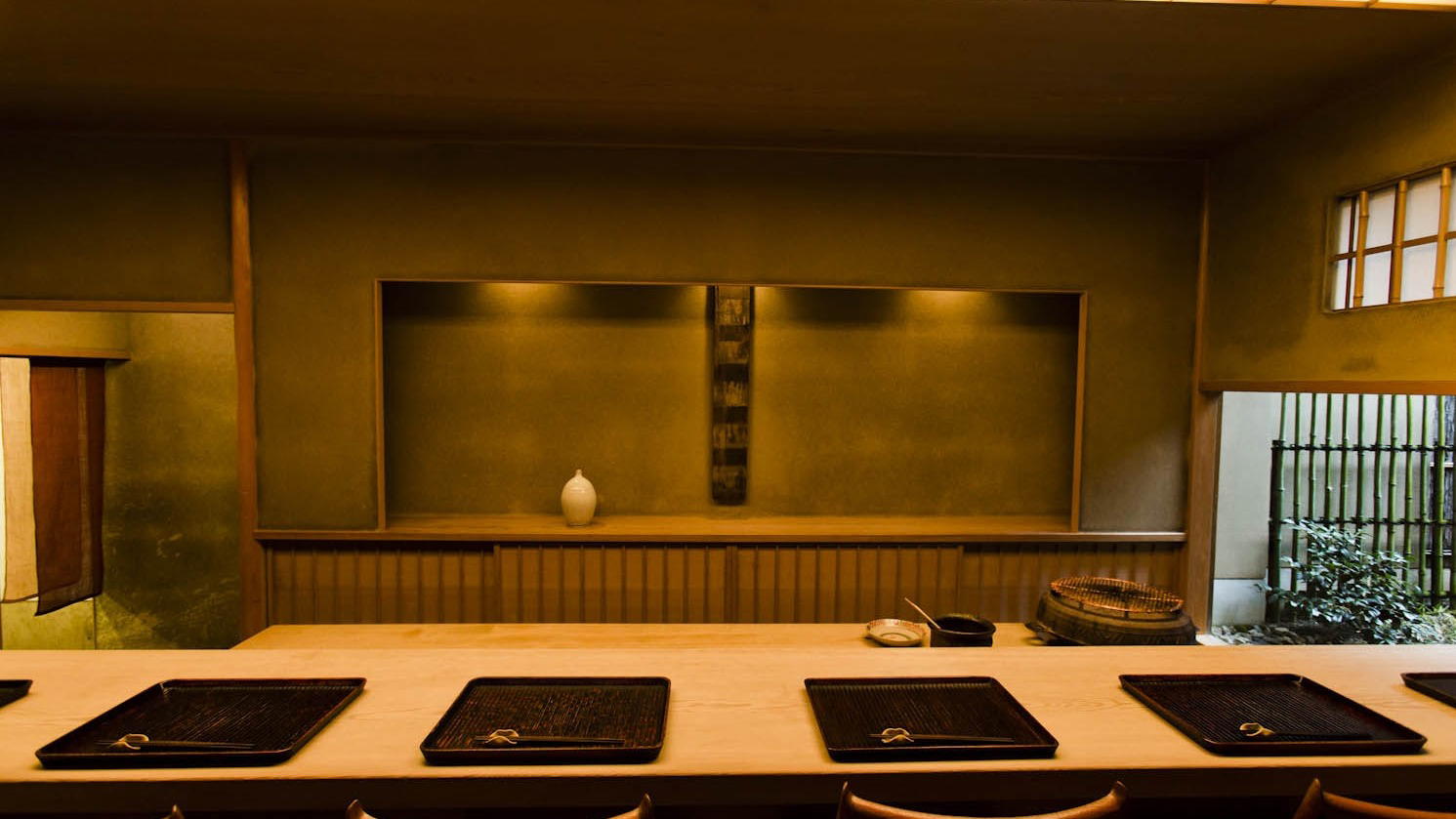
Bars in Kyoto
All bars in Kyoto →
Hotels in Kyoto
All hotels in Kyoto →
Wineries in Kyoto
Browse all →
Details
- Classic
- Cozy
- Quiet
- Intimate
- Solo
- Casual Hangout
- After Work
- Date Night
- Family
- Historic Building
- Standalone
- Design Destination
- Local Sourcing
- A La Carte
- Set Menu
- Tea
- Matcha
- Gyokuro
- Houjicha
Current opening hours
- Monday
- 10:30 AM–5 PM
- Tuesday
- 10:30 AM–5 PM
- Wednesday
- Closed
- Thursday
- 10:30 AM–5 PM
- Friday
- 10:30 AM–5 PM
- Saturday
- 10:30 AM–5 PM
- Sunday
- 10:30 AM–5 PM
Hours can change for holidays and private events. Hours as of .
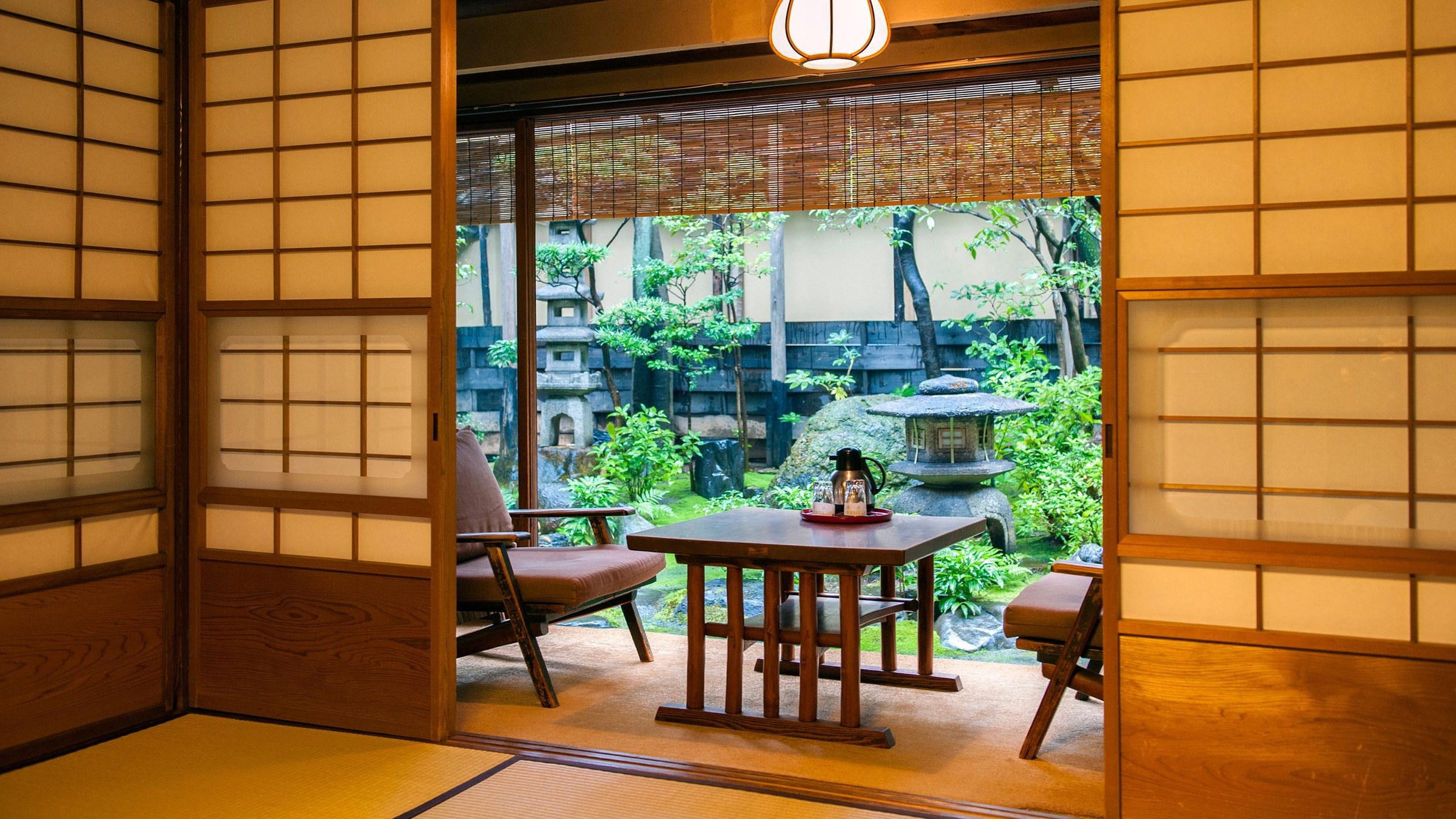
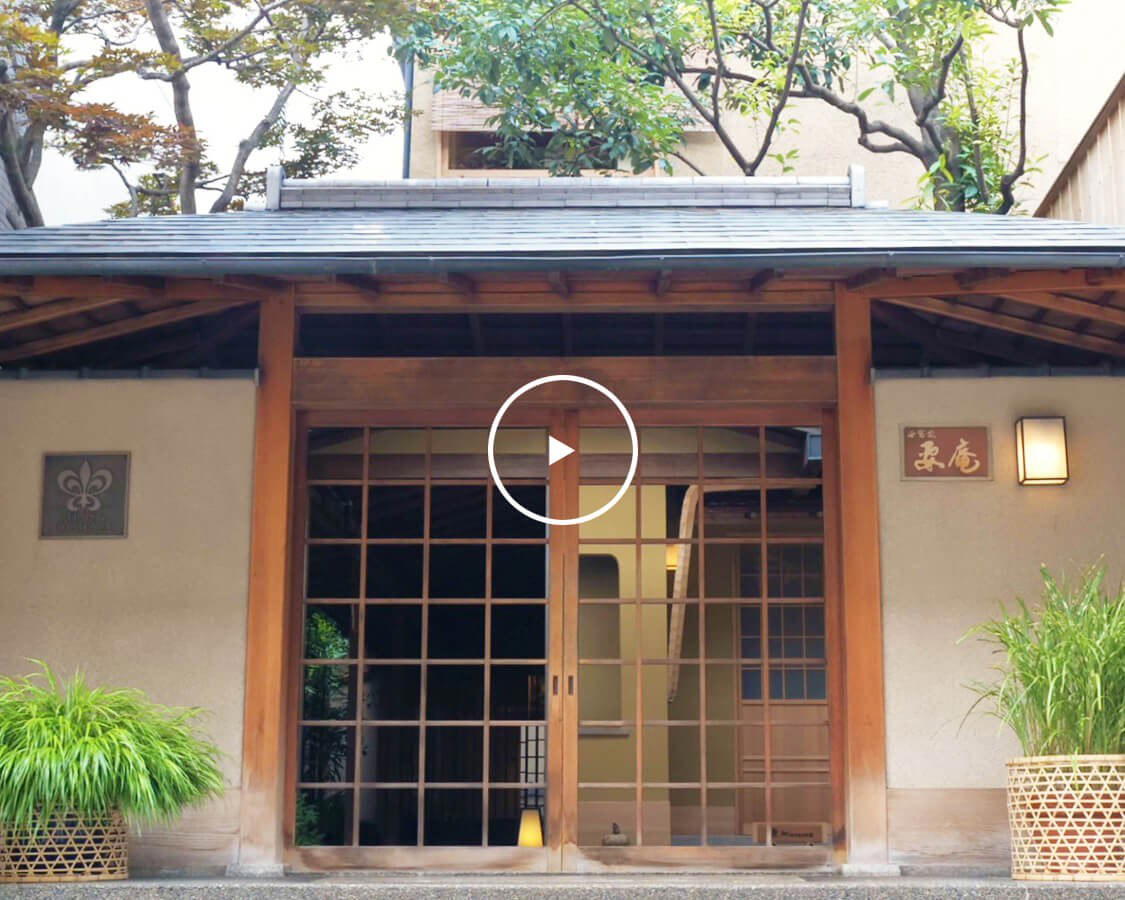
A small, serene tearoom inside a traditional Kyoto townhouse with tatami and simple wooden interiors, creating a calm, classic atmosphere suited to quietly savoring tea and sweets rather than socializing.