
Tabelog 100
Our verdict
Kissa Ashijima brings Kyoto’s kissaten tradition into a compact, critically noticed coffee-shop format near the city’s central river-and-shopping corridor. Its Tabelog 100 Kissaten selections in 2021 and 2022 place it in a national conversation about Japanese coffee rooms, with a narrow food offering, cake, café service, and a reputation built on precision rather than spectacle.

Pearl is the En Primeur Club membership app — saves, bookings, and concierge access live there. Same editors, same standards.
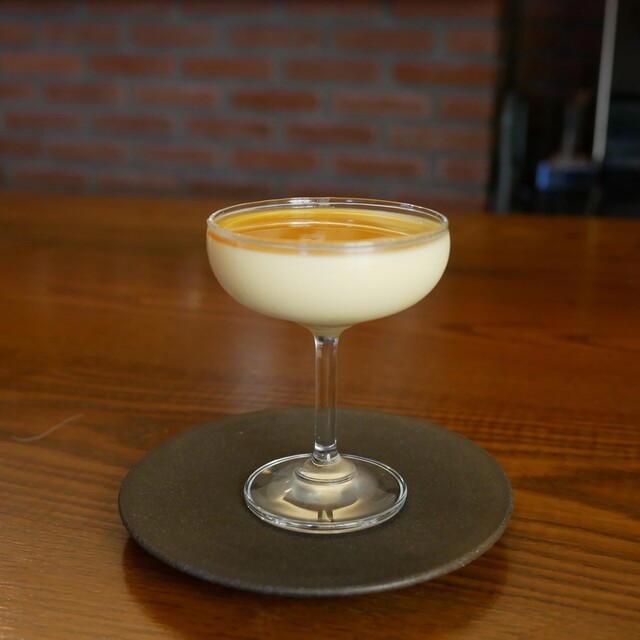
The menu
What to order
- Hand-dripped house-roasted coffee
- Japanese cheesecake
- Specialty cakes and sweets
The approach is pure Kyoto: a city coffee stop where errands, walks, and shopping can give way to a quieter pause. The kissaten tradition suits this setting: a city pause button, not a dining event. Kissa Ashijima belongs to that lineage, with the discipline of a coffee room rather than the sprawl of a modern café. Why the Tabelog recognition matters here Tabelog’s Kissaten 100 is a different signal from Michelin stars or global restaurant lists.
Kyoto coffee culture is often framed through nostalgia: dark wood, careful service, regulars who know the room’s rhythm. That is only part of it. The city also has a more closely watched kissaten tier where quiet pacing and drink-focused identity matter as much as atmosphere. Selection for Tabelog’s Kissaten 100 in 2022 places Kissa Ashijima in that narrower group, a useful signal in a category international guidebooks often under-read.
A Kyoto kissaten measured by focus, not range
The relevant comparison is not Kyoto tasting-menu dining or hotel cafés, but coffee rooms that treat the cup as anchor and sweets or light food as support. Here the public category framing sits around kissa, café, and cake. That narrowness matters. Do not arrive expecting all-day brunch, a dessert salon, or a laptop café with endless grazing.
Kyoto has room for those formats, but kissaten culture follows different rules: duration, quiet, and repeatable service over novelty. A coffee-room format keeps the experience closer to a pause than a social hall. For solo travellers, that is the appeal. Kyoto can be punishingly crowded at street level, yet its better coffee rooms create a private interval without requiring a full restaurant meal.
The price tier keeps it in everyday luxury rather than occasion dining, with public listings placing both lunch and dinner in the JPY 1,000–1,999 range. Rokuyosha Chika ten and Rokuyosha Coffee Ten sit in the older Kyoto coffee conversation; Umezono Kawaramachi ten points to the sweet-shop side of Kyoto’s daytime culture. Kissa Ashijima reads differently: award-indexed, focused, and useful for travellers who want a serious kissaten stop without turning the day around it.
For a broader eating day, the contrast helps. A refined restaurant plan, a casual detour, or newer independent dining in Kyoto can all make sense around it. A kissaten stop works between those poles, especially when the day also includes unnamed heritage snack addresses or other Kyoto dining rooms. Kissa Ashijima’s role is not to replace a meal, but to give the itinerary a precise coffee-led interval.
Why the Tabelog recognition matters here
Tabelog’s Kissaten 100 is a different signal from broader global restaurant awards. It highlights a domestic category visitors can misunderstand. Kissaten are not simply cafés with Japanese décor; they are social infrastructure, judged by consistency, atmosphere, and how convincingly the room holds its rhythm through the day. A 3.73 score in this category is a useful public marker because coffee-shop praise often accumulates through regular use rather than spectacle.
The recognition also places Kissa Ashijima in a competitive frame beyond a casual café listing. The Tabelog 100 designation is useful even when rooms remain local in feeling and use. For travellers, the value is category calibration, not trophy hunting. If a Kyoto itinerary includes temple gardens, formal meals, casual noodles, and market snacks, a serious kissaten explains another side of the city: the urban habit of sitting with coffee as a deliberate interruption.
The category designation is meaningful in a genre often flattened into generic café listings. Kissa Ashijima is publicly listed across kissa, café, and cake, which helps set expectations before arrival. The appeal is less about spectacle than about a controlled coffee stop in Kyoto, the kind of format where mood, timing, and restraint matter as much as any single order.
Kyoto rewards this pacing. Its restaurant map can look deceptively small, but moving through the city changes the day’s energy. A serious coffee room is useful because it can sit between sightseeing, shopping, transit, and dinner without demanding a full reset. For a wider plan, use Our full Kyoto restaurants guide alongside Our full Kyoto hotels guide, Our full Kyoto bars guide, Our full Kyoto wineries guide, and Our full Kyoto experiences guide.
How to fit it into a Kyoto day
The smart use is a controlled pause, not a destination meal. The category range makes it better before or after a restaurant booking, not necessarily as lunch’s centre for a mixed group with broad demands. Solo diners and small parties fit the format naturally. Larger groups should treat it as they would any focused Kyoto coffee room: with patience, flexibility, and respect for the pace of the space.
The listed budget also helps with planning. At JPY 1,000–1,999 for both lunch and dinner listings, Kissa Ashijima sits in a manageable bracket for travellers who want something more considered than a convenience stop without turning the day into an expensive restaurant sequence. For current hours, payment methods, and service details, check the venue’s official channels before going.
As a Kyoto recommendation, the argument is simple: go for category literacy. Kissa Ashijima shows why the Japanese kissaten remains separate from both specialty-coffee minimalism and hotel-lobby café culture. It is a recognized Kyoto expression of a tradition that rewards attention to format as much as flavour vocabulary.
Travellers continuing through Japan can compare small-format dining across cities in general terms, from counter-led rooms to tightly defined cafés and snack formats. For a wider read on Japanese drinking and casual food culture abroad, look at how specific categories travel when the format is respected. Kissa Ashijima remains most useful as a Kyoto reference point: precise, modest in budget, and clear about what kind of pause it offers.
Frequently asked questions
Is Kissa Ashijima expensive?
Pricing at Kissa Ashijima is listed as JPY 1,000 - JPY 1,999 JPY 1,000 - JPY 1,999.
Is Kissa Ashijima open every day?
Check Kissa Ashijima’s official channels for current opening days and hours before visiting.
What's Kissa Ashijima's location?
Kyoto.
What is Kissa Ashijima known for?
Kissa Ashijima is known as a Kyoto kissaten selected for Tabelog 100 in 2022. Public listings place it in the kissa, cafe, and cake categories, with a Tabelog score of 3.73.
Can Kissa Ashijima accommodate dietary restrictions?
Public category and budget information does not confirm detailed dietary accommodations. Check the venue's official channels for the latest details before visiting.
Would Kissa Ashijima be comfortable with kids?
Public category and budget information does not confirm specific family or stroller policies. Check the venue's official channels for the latest details before visiting in Kyoto.
Budget Reality Check
Comparable venues to place this listing in its category.
| Venue | Cuisine | Price | Awards | Notes |
|---|---|---|---|---|
| Kissa AshijimaThis venue (the venue you are viewing) | Specialty Coffee & Japanese Sweets Kissaten | $10–20 | Tabelog 100 | Not listed |
| Yamamoto Menzo (山元麺蔵) | Traditional Kyoto udon noodle shop | $10–20 | Tabelog 100 #87 | Okazaki, Authentic Kyoto-Style Udon |
| Gion Duck Noodles | Duck Ramen with French-Japanese Fusion | $20–30 | Tabelog 100 #58 | Higashiyama, Duck Ramen with French-Japanese Fusion |
| Teppan Tavern Tenamonya | Teppanyaki with A5 Wagyu | $30–50 | Not listed | Higashiyama, Teppanyaki with A5 Wagyu |
| Yoshida Yama Seseri | Yakitori & Izakaya Counter near Kyoto Station | $30–50 | Tabelog 100 #70 | Minami, Yakitori & Izakaya Counter near Kyoto Station |
| Kichi Kichi Omurice | Japanese Omurice | $20–30 | Not listed | Gion, Japanese Omurice |
Recognition history
Dated appearances from independent guides and award organizations, with the underlying list record or original source where available.
Tabelog 100
Tabelog · Tabelog 100 - Kissaten - 2026
Full recognition history (2 entries)
Tabelog 100 #25 · No. 25
Tabelog · Tabelog 100 - Kissaten - 2022
Continue exploring
More in Kyoto
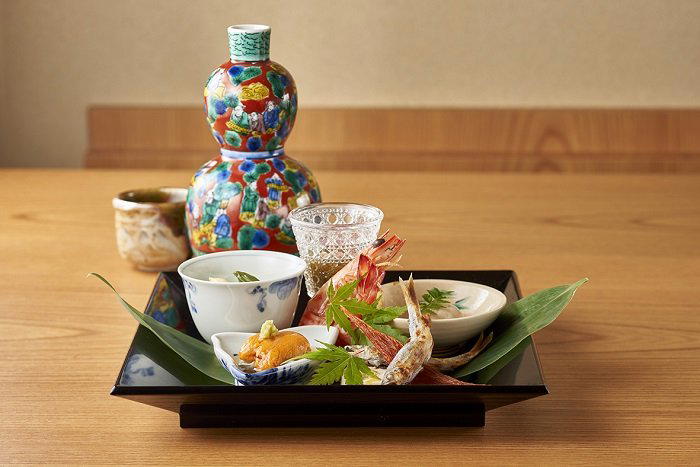
Restaurants in Kyoto
All restaurants in Kyoto →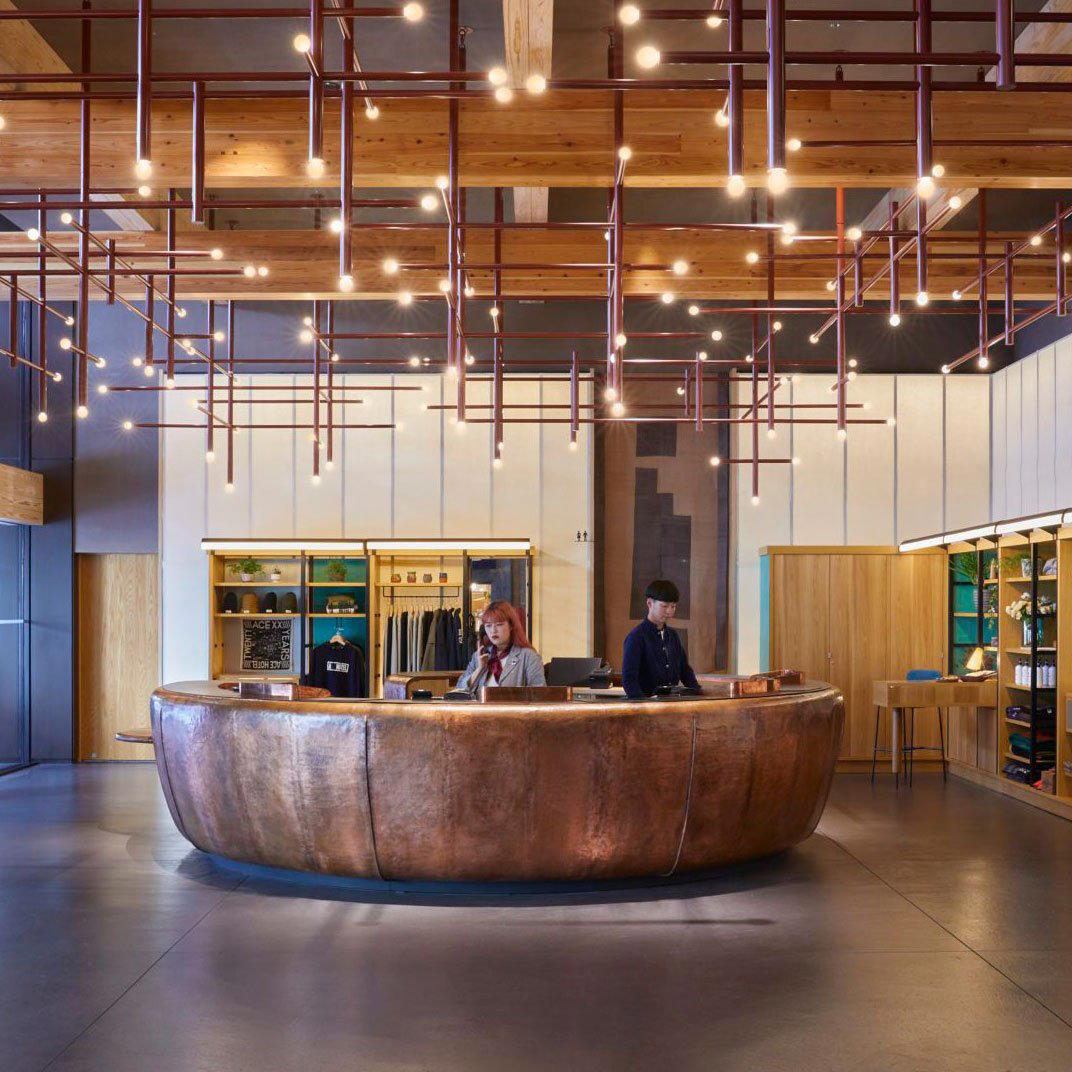
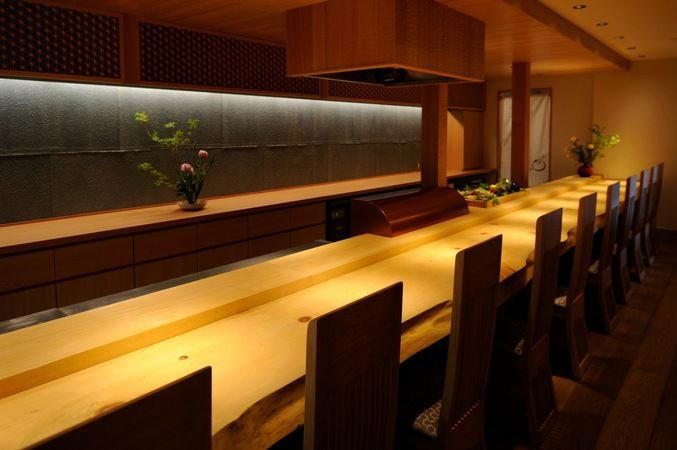
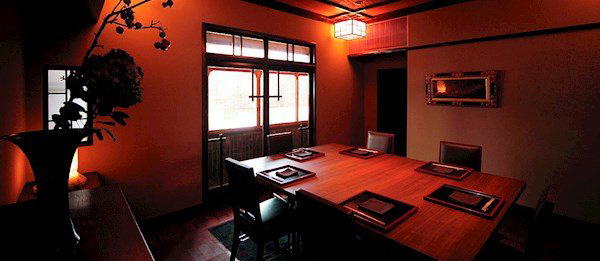
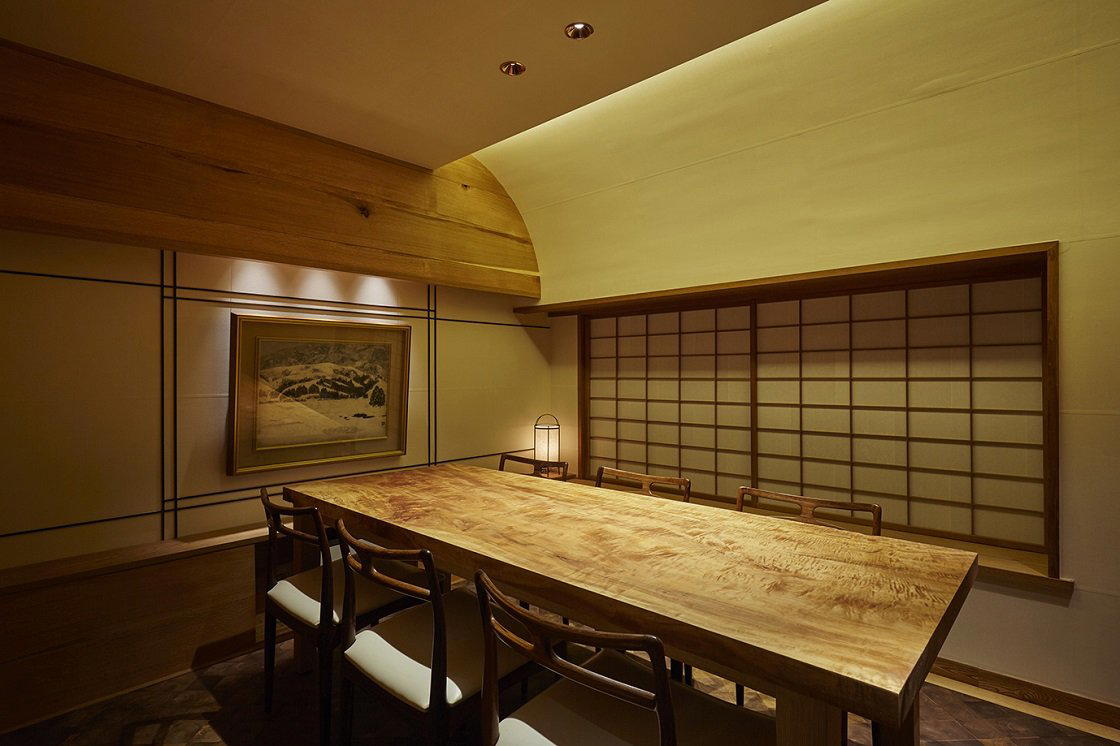
Bars in Kyoto
All bars in Kyoto →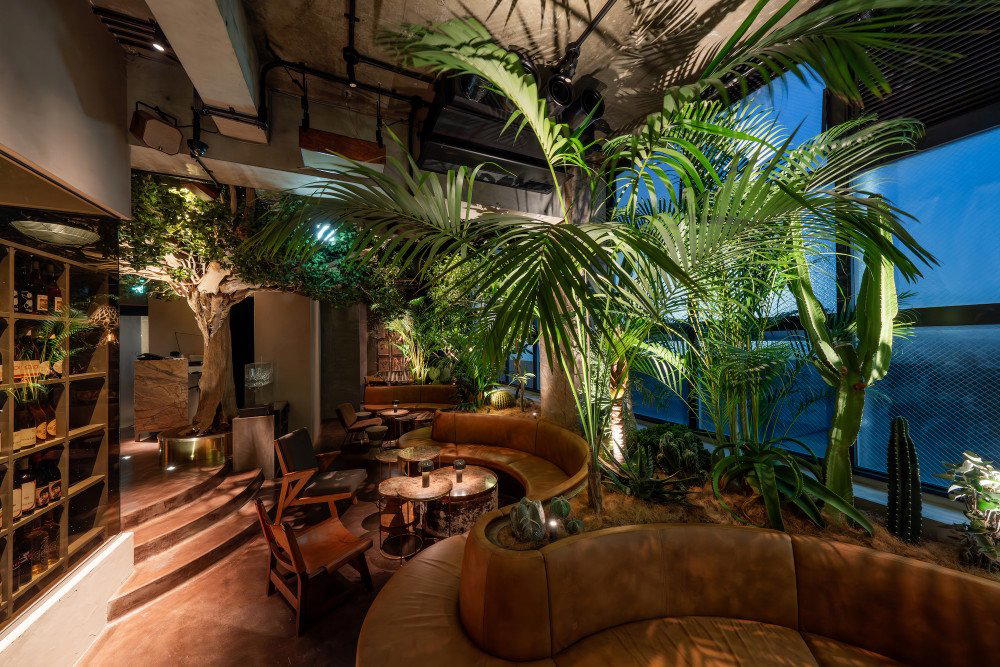
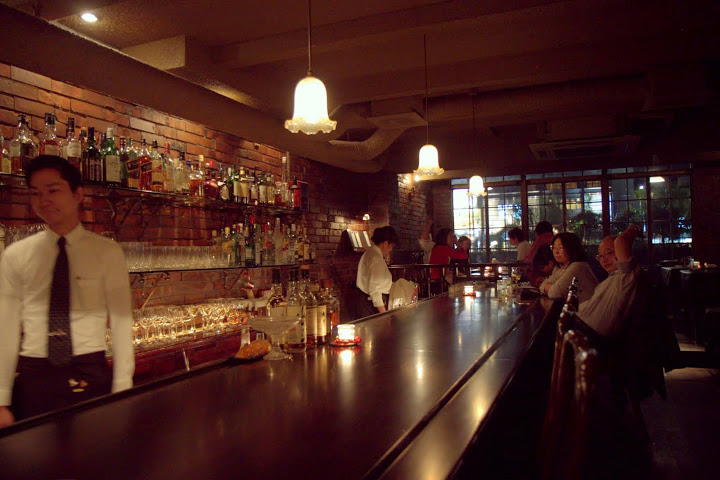

Hotels in Kyoto
All hotels in Kyoto →

Wineries in Kyoto
Browse all →
Details
- Quiet
- Cozy
- Classic
- Intimate
- Minimalist
- Solo
- Date Night
- Casual Hangout
- After Work
- Design Destination
- Standalone
- Historic Building
- Zero Proof
- Beer Program
- Local Sourcing
- A La Carte
- Coffee
- Tea
- Soft Drinks
Current opening hours
- Monday
- 12–5 PM
- Tuesday
- 12–9 PM
- Wednesday
- 12–9 PM
- Thursday
- 12–9 PM
- Friday
- 12–9 PM
- Saturday
- 11 AM–9 PM
- Sunday
- 11 AM–9 PM
Hours can change for holidays and private events. Last verified .
A small, tranquil kissaten with wooden tables and chairs, soft music, and a minimalist, calm interior that feels like a quiet retreat above the busy shopping streets.