Maria Eetcafe occupies Hans-Böckler-Platz in Cologne’s western inner ring, operating within the eetcafe tradition rooted in Dutch-Belgian urban dining culture. The format prioritises cooked-to-order food integrated with the drink offer, placing it in a different register from both the city’s formal restaurants and its Brauhaus circuit. For neighbourhood-scale dining in this part of the city, the address fills a gap the fine-dining tier does not.
Pearl is the En Primeur Club membership app — saves, bookings, and concierge access live there. Same editors, same standards.
- Address
- Hans-Böckler-Platz 1-3, 50672 Köln, Germany
- Phone
- +4922194657878
- Website
- maria-eetcafe.de
- Directions
- Get directions
 Saves & bookings on Pearl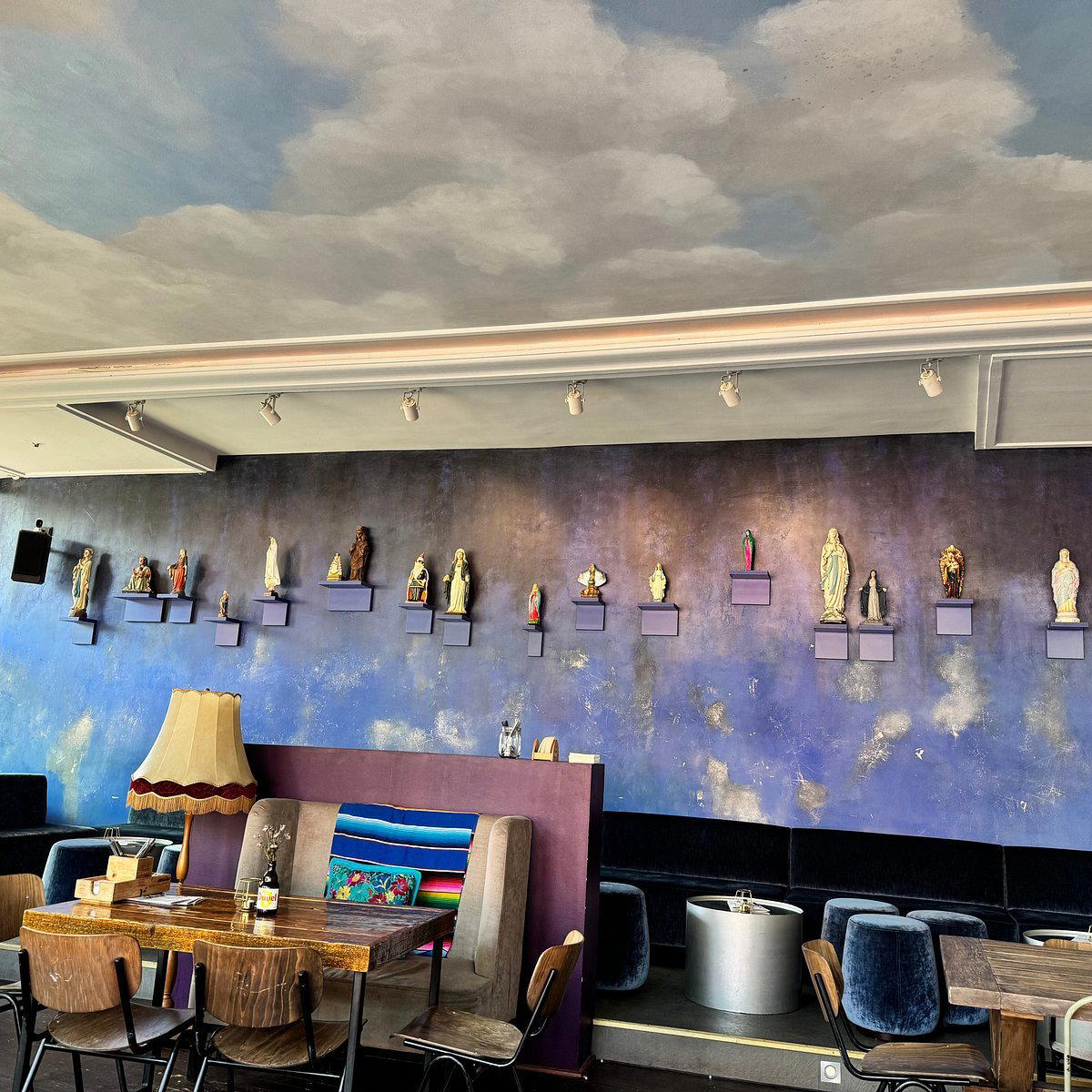
Hans-Böckler-Platz and the Eetcafe Tradition
Hans-Böckler-Platz sits at the western edge of Cologne’s inner ring, a square defined less by architectural grandeur than by the daily rhythms of a working neighbourhood: trams, morning commuters, and the kind of foot traffic that sustains a certain type of hospitality that neither courts nor rejects the tourist. It is precisely this context that makes the eetcafe format legible. Rooted in Dutch-Belgian urban culture, the eetcafe occupies a deliberate middle register between the neighbourhood pub and the full-service restaurant. It prioritises continuity over occasion, a place where the same faces reappear across weeks rather than years of anniversaries. Maria Eetcafe occupies that position on this square, and understanding what the format demands helps frame what to expect before you arrive.
What the Eetcafe Format Means in a German Context
The eetcafe as a category travelled westward from the Netherlands across the Rhine delta and into the lower Rhine corridor over the latter half of the twentieth century. In Cologne, a city with strong historical and geographic ties to the Low Countries, the format found relatively natural ground. The distinction from a conventional Cologne Kneipe is a matter of emphasis: food is structurally integrated into the offer rather than treated as an afterthought to the beer programme. The kitchen hours tend to extend further into the evening, and the menu typically reads as something cooked rather than assembled. This positioning places eetcafes in a different competitive conversation than the Rhineland’s more formal dining rooms. Cologne’s higher end, which includes addresses like Ox & Klee, La Cuisine Rademacher, La Société, and maiBeck, operates on tasting menus, advance booking, and occasion-dining logic. The eetcafe answers a different question entirely: where does a neighbourhood go on a Tuesday?
Cologne’s Broader Dining Register
Cologne is not a single-register dining city. Its restaurant culture stratifies sharply, from internationally recognised fine dining to the deeply local Brauhaus circuit, with a middle tier of neighbourhood-led bistros and informal restaurants that rarely attract press but sustain the daily life of the city’s residential districts. The Belgian Quarter and the streets radiating from Rudolfplatz have generated much of this middle tier’s contemporary energy, while areas like Hans-Böckler-Platz maintain a quieter, more utilitarian character. That quieter character is not a deficiency. For visitors arriving by train to Köln Hauptbahnhof and moving toward the western districts, or for those based in the Ehrenfeld and Nippes neighbourhoods, proximity and consistency matter as much as prestige. Germany’s wider fine dining circuit extends far beyond Cologne: Aqua in Wolfsburg, Schwarzwaldstube in Baiersbronn, Vendôme in Bergisch Gladbach, ES:SENZ in Grassau, Victor’s Fine Dining by Christian Bau in Perl, and Waldhotel Sonnora in Dreis all represent the country’s most decorated tier. Maria Eetcafe does not sit in that tier, nor does it try to. Its register is neighbourhood hospitality, and in that register, geographic accessibility and daily reliability carry greater weight.
The Cultural Roots of What an Eetcafe Serves
Historically, the eetcafe menu drew on hearty, land-based cooking: braised meats, seasonal vegetables prepared without fuss, bread served seriously, and sauces that demonstrated kitchen time rather than kitchen ambition. The Low Countries’ influence on Rhineland cooking is older than the German state itself, and it runs through the region’s preference for stewed and slow-cooked preparations, its tolerance for bitter flavours (beer-braised dishes, endive, chicory), and its prioritisation of portion over flourish. In that context, an eetcafe is not a diminished restaurant. It is a format with its own internal standards, particularly important of which is that the food has to justify a return visit by the same person on a different occasion. That imposes a discipline that spectacle-led dining does not always demand.
Planning a Visit
Maria Eetcafe is located at Hans-Böckler-Platz 1-3, 50672 Köln. The square is served by several tram and bus lines that connect to the main station and to Rudolfplatz, making access direct from most parts of the city. The restaurant is walk-in friendly and typically open Tue to Thu and Fri from 5 PM to 12 AM, Sat from 3 PM to 12 AM, and Sun from 3 to 10 PM; it is closed on Mondays. Cologne’s trade fair calendar, including major events at the Koelnmesse, periodically compresses availability across the city’s hospitality sector, and neighbourhood spots in the inner ring are not immune to that pressure. For those building a broader Cologne itinerary, Le Moissonnier Bistro offers a French-inflected alternative at a similar neighbourhood scale.
Where Maria Eetcafe Sits in a Wider European Context
The eetcafe model, when it works well, produces something that polished hotel dining and tasting-menu restaurants rarely manage: the feeling that the room belongs to the people in it rather than to a concept. That quality is increasingly sought after in European city dining, where a generation of travellers has grown sceptical of the curated and the theatrical. Addresses like CODA Dessert Dining in Berlin and JAN in Munich represent one end of Germany’s dining ambition; the neighbourhood eetcafe at the end of a Cologne tram line represents another, equally coherent response to the question of what hospitality is for. Internationally, the same tension plays out in rooms as different as Le Bernardin in New York City and Atomix in New York City, where the ambition is legible in every surface. The restaurant proposes a quieter answer. And in a city as layered as Cologne, that answer has its place. For those travelling through Germany’s restaurant circuit, Restaurant Haerlin in Hamburg and Schanz in Piesport round out the country’s decorated dining geography.
Peers Worth Knowing
Comparable venues nearby, for context on price, style, and recognition.
| Venue | Cuisine | Price | Notes |
|---|---|---|---|
| Maria EetcafeThis venue — the venue you are viewing | Belgian & Dutch Frituur | $$ | Not listed |
| Rich`N Greens | Healthy Customizable Bowls & Burritos | $$ | Altstadt/Nord |
| Bad Ape | Premium Sandwiches & Salads | $$ | Neustadt/Nord |
| Momo Empire | Tibetan Momos & Noodles | $$$ | Altstadt/Nord |
| Kleine Glocke | Traditional German Gastropub | $$ | Altstadt/Nord |
| De Fressbud | German Street Food | $$ | Altstadt/Nord |
Continue exploring
More in Cologne
Restaurants in Cologne
Browse all →
Bars in Cologne
Browse all →
Hotels in Cologne
Browse all →

At a Glance
- Cozy
- Casual Hangout
- Beer Program
Current opening hours
- Monday
- Closed
- Tuesday
- 5 PM–12 AM
- Wednesday
- 5 PM–12 AM
- Thursday
- 5 PM–12 AM
- Friday
- 5 PM–12 AM
- Saturday
- 3 PM–12 AM
- Sunday
- 3–10 PM
Hours can change for holidays and private events. Last verified .
Cosy atmosphere with dazzling chandeliers, colourful cushions, beaded curtains, and mirrors everywhere.