Local Produce, International Frame
The editorial angle worth understanding here is not just what is on the plate but how it got there conceptually. Germany's most discussed dining rooms of recent years, places like Ox & Klee in Cologne itself, or JAN in Munich and CODA Dessert Dining in Berlin, have all, in different ways, applied technique developed in international kitchens to local and regional ingredients. The result is a mode of cooking that is neither purely classical German nor straightforwardly international, but something negotiated between the two.
Produce-led restaurants occupy a particular position in this conversation. When a kitchen commits to vegetables and grains as primary materials rather than supporting cast, it is under pressure to extract complexity from sources that classical French or German technique was rarely designed to foreground. The methods that compensate, fermentation, controlled dehydration, high-heat char, acid-led dressings calibrated to enhance rather than mask, come largely from Nordic, Japanese, and New American traditions. At Atomix in New York City or Le Bernardin, that borrowing happens at the level of protein cookery; in a produce-led room, it operates on fundamentally different raw material.
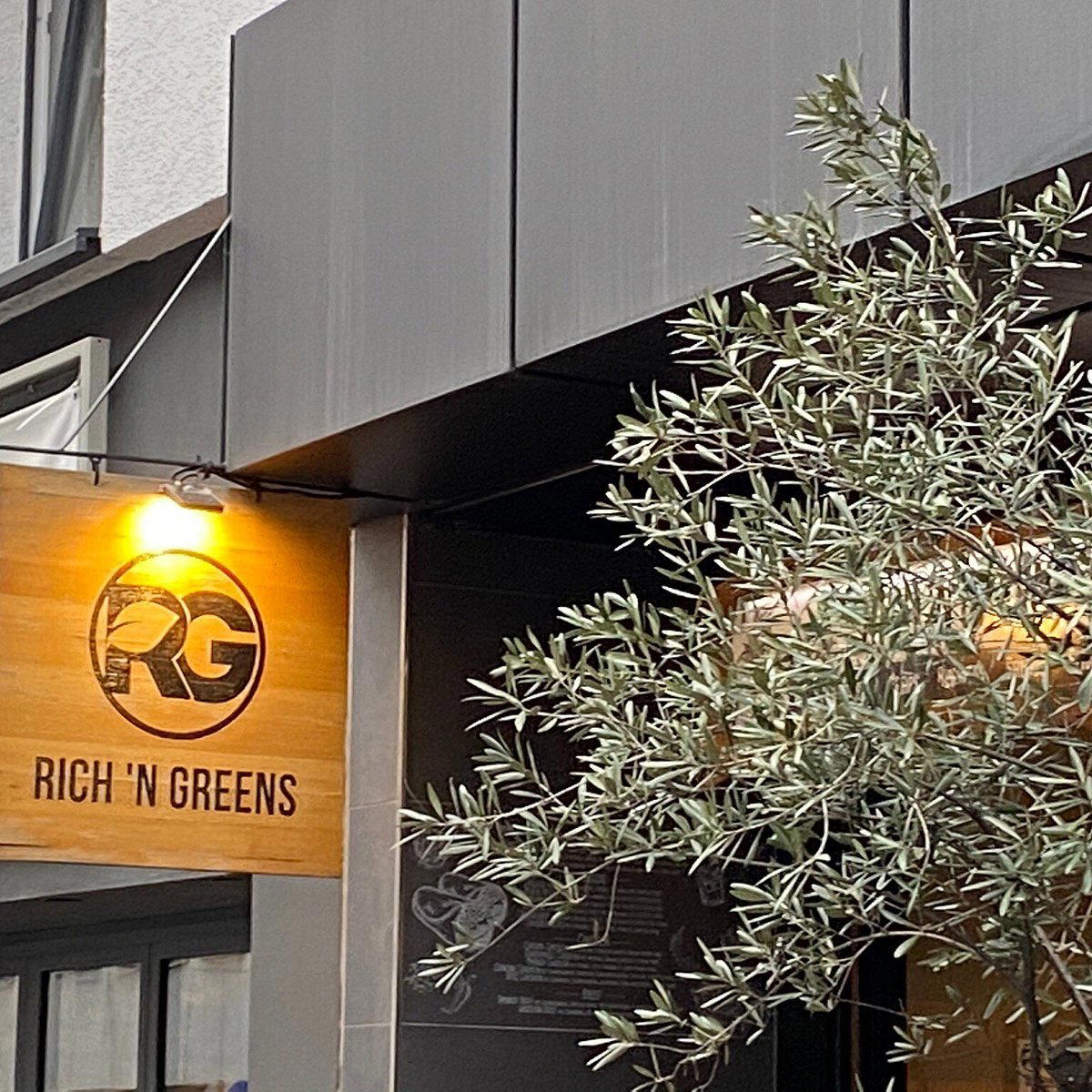
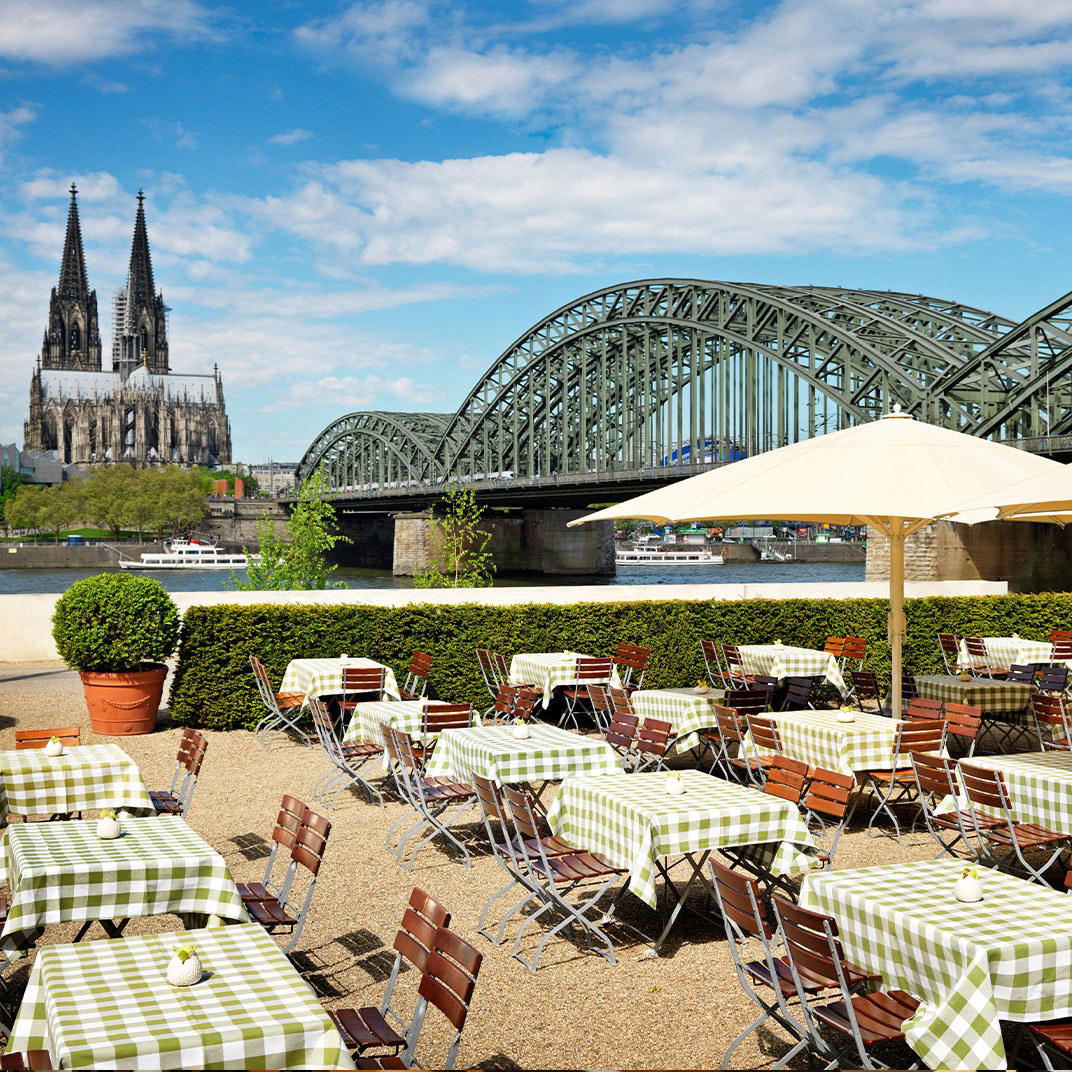
Cologne is a reasonable city in which to test whether that approach has a broad audience. The city's food culture is not as rigidly defined by its traditional dishes as, say, Munich's, and it has a population accustomed to moving between casual and more considered dining on the same street. The Altstadt location means Rich'N Greens draws from a mixed crowd: office workers at lunch, tourists navigating between the Dom and the Rhine, and a local contingent that treats the neighbourhood as a weeknight option rather than a destination.
Where Rich'N Greens Sits in Cologne's Dining Tier
Cologne's upper-mid dining tier has become more competitive in recent years. Restaurants like La Cuisine Rademacher, La Société, and maiBeck occupy the space between casual bistro and full fine dining, a bracket that demands genuine kitchen ambition without the price architecture of a tasting-menu room. Le Moissonnier Bistro represents the French-influenced end of that tier. Rich'N Greens approaches the same bracket from a different angle, produce-led and, by name at least, oriented toward a greens-first philosophy that differentiates it from the meat-anchored menus that still dominate the city's mid-range.
That differentiation matters commercially and editorially. A restaurant that commits to a produce-led identity in a city where Himmel un Ääd and Sauerbraten remain cultural reference points is making a legible statement about its intended audience. It is not trying to replicate what Vendôme in Bergisch Gladbach or Waldhotel Sonnora in Dreis achieve at the summit of the German formal-dining spectrum. The comparison set is different: lighter-touch, ingredient-focused rooms that price at a level accessible to a regular mid-week visitor rather than a special-occasion diner.
Planning Your Visit
Rich'N Greens is located at Auf dem Berlich 9, 50667 Köln, in the Altstadt-Nord district. The address is walkable from Cologne's main rail station and the Cathedral quarter, making it a practical choice for visitors already in the central city. The area is well-served by public transport, with multiple tram and U-Bahn stops within a few minutes on foot.
Given the central Altstadt position, the restaurant is likely to be busiest at lunch on weekdays and across both service periods at weekends. Rich'N Greens is walk-in friendly and open Monday through Saturday from 11 AM to 9 PM, with Sunday closed.
Know Before You Go
- Address: Auf dem Berlich 9, 50667 Köln, Germany
- District: Altstadt-Nord, central Cologne
- Getting there: Walking distance from Cologne Hauptbahnhof; multiple tram stops nearby
- Booking: Walk-in friendly
- Pricing: About $15 per person
- Hours: Mon-Sat 11 AM to 9 PM; Sunday closed