On Calle de Santa Engracia in Madrid's Chamberí district, Maracca occupies a neighbourhood where the city's quieter, more residential dining identity asserts itself against the louder fine-dining corridors of Salamanca and Centro. The address puts it in a competitive local tier where front-of-house chemistry and kitchen collaboration tend to matter more than headline accolades, a format that rewards return visits over first impressions.
Pearl is the En Primeur Club membership app — saves, bookings, and concierge access live there. Same editors, same standards.
- Address
- Calle de Sta Engracia, 112, Chamberí, 28003 Madrid, Spain
- Phone
- +34698249398
- Website
- maracca.es
- Directions
- Get directions
 Saves & bookings on Pearl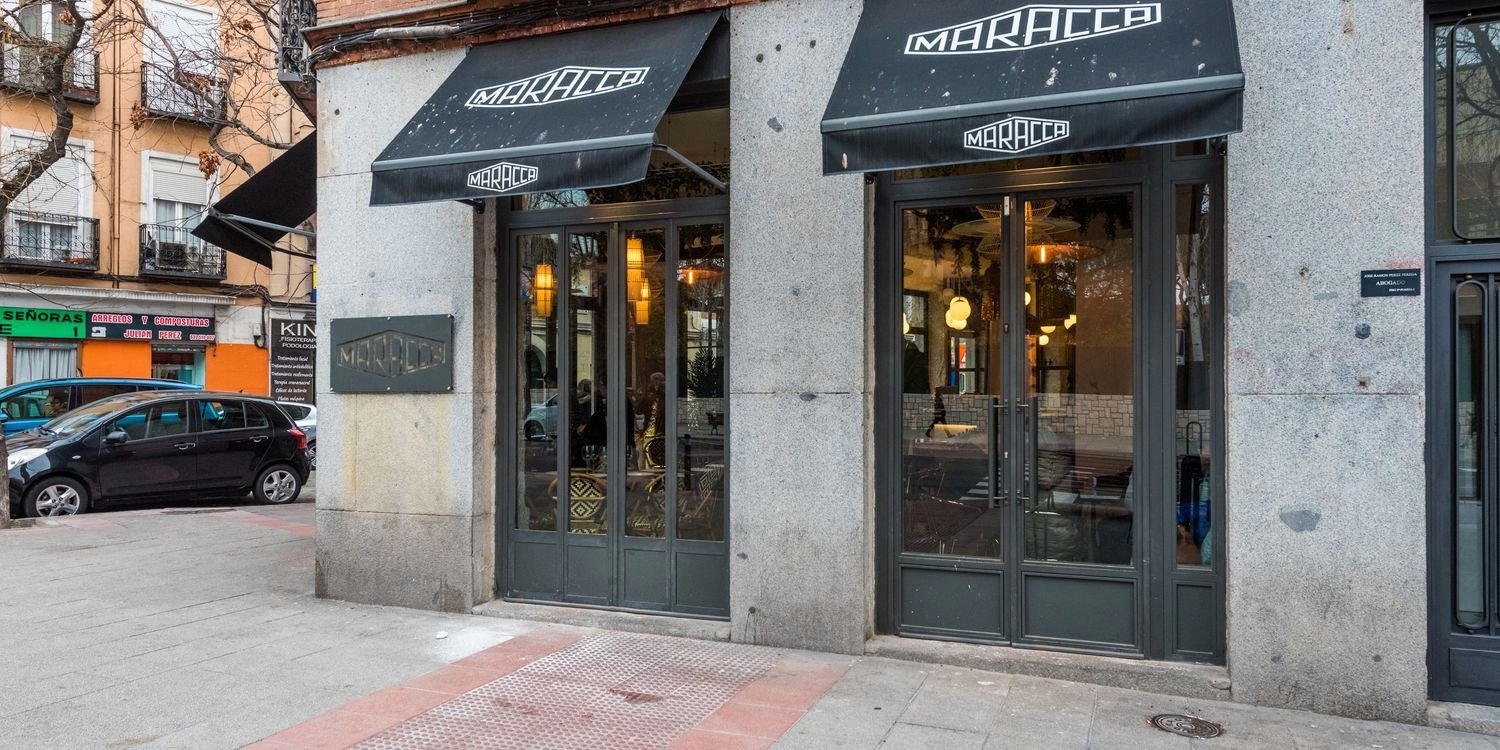
Chamberí's Dining Register and Where Maracca Sits Within It
Maracca is a modern Spanish tapas restaurant in Madrid's Chamberí district. Madrid's dining map has long been read through two lenses: the headline-chasing addresses, DiverXO, Coque, Deessa, that compete on the global stage, and the neighbourhood-level operations that define how the city actually eats from week to week. Chamberí belongs firmly to the second category. The district, running north from the Alonso Martínez axis toward Ríos Rosas, has accumulated a dining identity built on consistency rather than spectacle. Its residents are not primarily tourists; they are Madrileños with particular restaurants, and they go back. Calle de Santa Engracia is one of the neighbourhood's main arteries, a long, wide street that carries the domestic rhythm of upper-middle Chamberí: pharmacies, old-school bars, specialist food shops, and the occasional restaurant that earns a place in local rotation without requiring a press campaign to stay full.
Maracca occupies that address at number 112. The precise position matters because Chamberí's restaurant density means proximity to the competition is literal, not abstract. A place that holds its ground on this street does so through repeat custom, and repeat custom in this part of Madrid is earned through the coherence of the experience across multiple visits, not through a single showstopping meal. That is a different pressure than the one facing the city's destination-dining addresses, and it shapes how the room is experienced.
The Collaborative Logic Behind the Room
In restaurants where the team dynamic drives the experience, the front-of-house and kitchen relationship becomes legible to anyone who visits more than once. Madrid's better neighbourhood operations tend to have a particular kind of floor-to-kitchen alignment: service that reads the room rather than performs at it, and a kitchen that adjusts its output to what the dining room is doing on a given evening. This is a different skill set than the choreographed precision of a tasting-menu counter, and in some respects a harder one to sustain. The theatrical distance between kitchen and table that exists at places like Paco Roncero or DSTAgE is replaced, in neighbourhood settings, by something closer to direct accountability. When a table of regulars arrives for the third time in a month, the floor has to know them. When the kitchen sends out a dish, the sommelier has to be already ahead of it.
At Maracca, collaboration is the point: wine selection, pacing, and timing all depend on the team reading from the same script. Spain's broader fine-dining conversation, which runs through institutions like El Celler de Can Roca in Girona and Arzak in San Sebastián, has always placed unusual weight on family and team structures, the idea that a restaurant's character is an expression of how its people work together rather than how its lead chef performs alone. That logic scales down to neighbourhood level. A Chamberí address endures when the team has found its own version of that coherence.
Context Within Spain's Broader Dining Conversation
Spain's restaurant culture is unusually distributed geographically. The country's most discussed tables sit outside its capital: Mugaritz in Errenteria, Azurmendi in Larrabetzu, Martin Berasategui in Lasarte-Oria, Aponiente in El Puerto de Santa María, Quique Dacosta in Dénia, Cocina Hermanos Torres in Barcelona, Ricard Camarena in València, Atrio in Cáceres. Madrid is not Spain's only fine-dining node, and it was for many years considered secondary to the Basque Country in terms of gastronomic ambition. That calculation has shifted substantially over the past decade. The capital now holds a cluster of internationally recognised tables and, beneath them, a neighbourhood-restaurant tier that has grown in seriousness without abandoning its local-service character.
This is the context in which Chamberí's restaurants operate. They are not competing with Mugaritz on conceptual ambition. They are competing on a different axis: value, team reliability, and consistent delivery that earns a place in a regular diner's rotation. Globally, the dynamic is familiar. In New York, places like Le Bernardin and Atomix represent destination-dining at the summit of the market, while the neighbourhoods around them sustain a parallel tier of operations where the logic of return visits applies with equal force. Madrid's version of that lower-but-serious tier is what Chamberí largely represents, and Maracca's address on Santa Engracia places it squarely inside it.
What the Address Signals and What It Does Not
Calle de Santa Engracia at number 112 is not a tourist corridor. The stretch north of Alonso Martínez tends to draw a crowd that has made a specific choice to be there. That matters for understanding the kind of pressure a restaurant at this address faces: the room will often be full of people who have eaten there before, who have views, and who will notice if something has changed. It is a demanding audience in some respects, especially when compared with international visitors at showcase tables.
Know Before You Go
| Address | Calle de Santa Engracia, 112, Chamberí, 28003 Madrid, Spain |
|---|---|
| District | Chamberí, Madrid |
| Price Range | |
| Booking | |
| Hours | Not confirmed, verify before visiting |
| Dress Code | Not specified |
Where It Fits
Comparable venues nearby, for context on price, style, and recognition.
| Venue | Cuisine | Price | Notes |
|---|---|---|---|
| MaraccaThis venue — the venue you are viewing | Modern Spanish Tapas | $$ | Not listed |
| SANTANCHA | Modern Traditional Spanish | $$ | Almagro |
| Alcaravea Cea Bermúdez | Traditional Spanish Market Cuisine | $$ | Vallehermoso |
| La Tape | Spanish Tapas & Craft Beer | $$ | Arapiles |
| GOAT | Traditional Spanish Kid Goat | $$ | Malasana |
| Warehouse | Spanish | $$ | El Viso |
Continue exploring
More in Madrid
Restaurants in Madrid
Browse all →
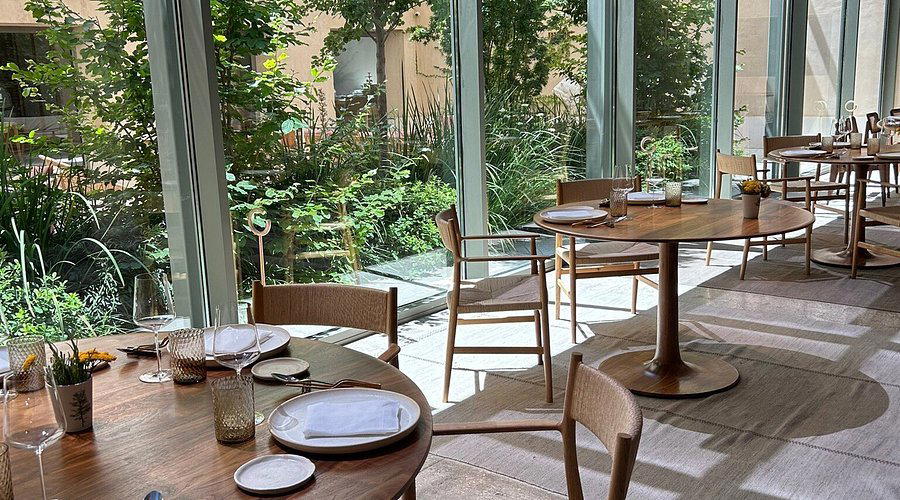
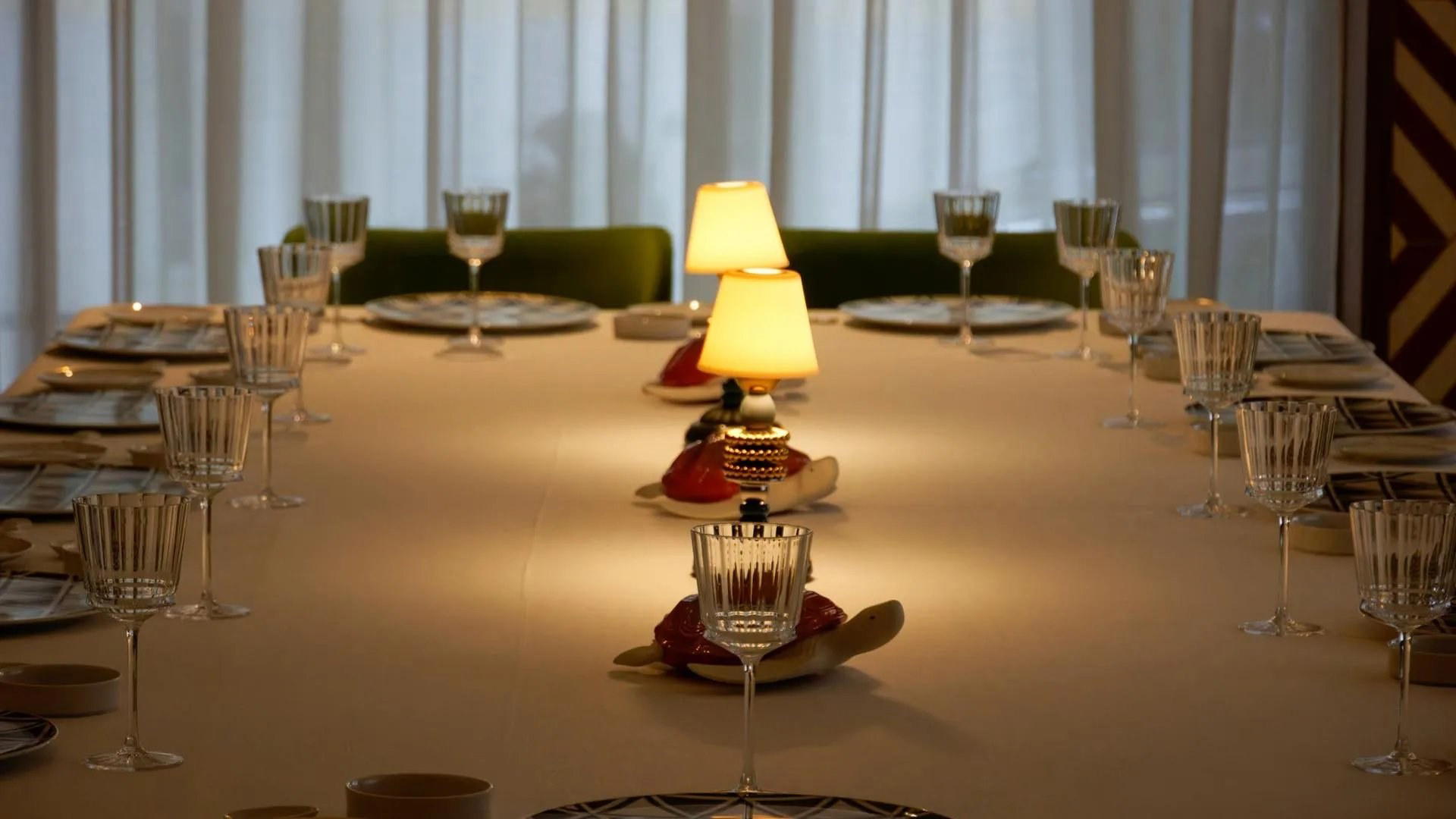
Bars in Madrid
Browse all →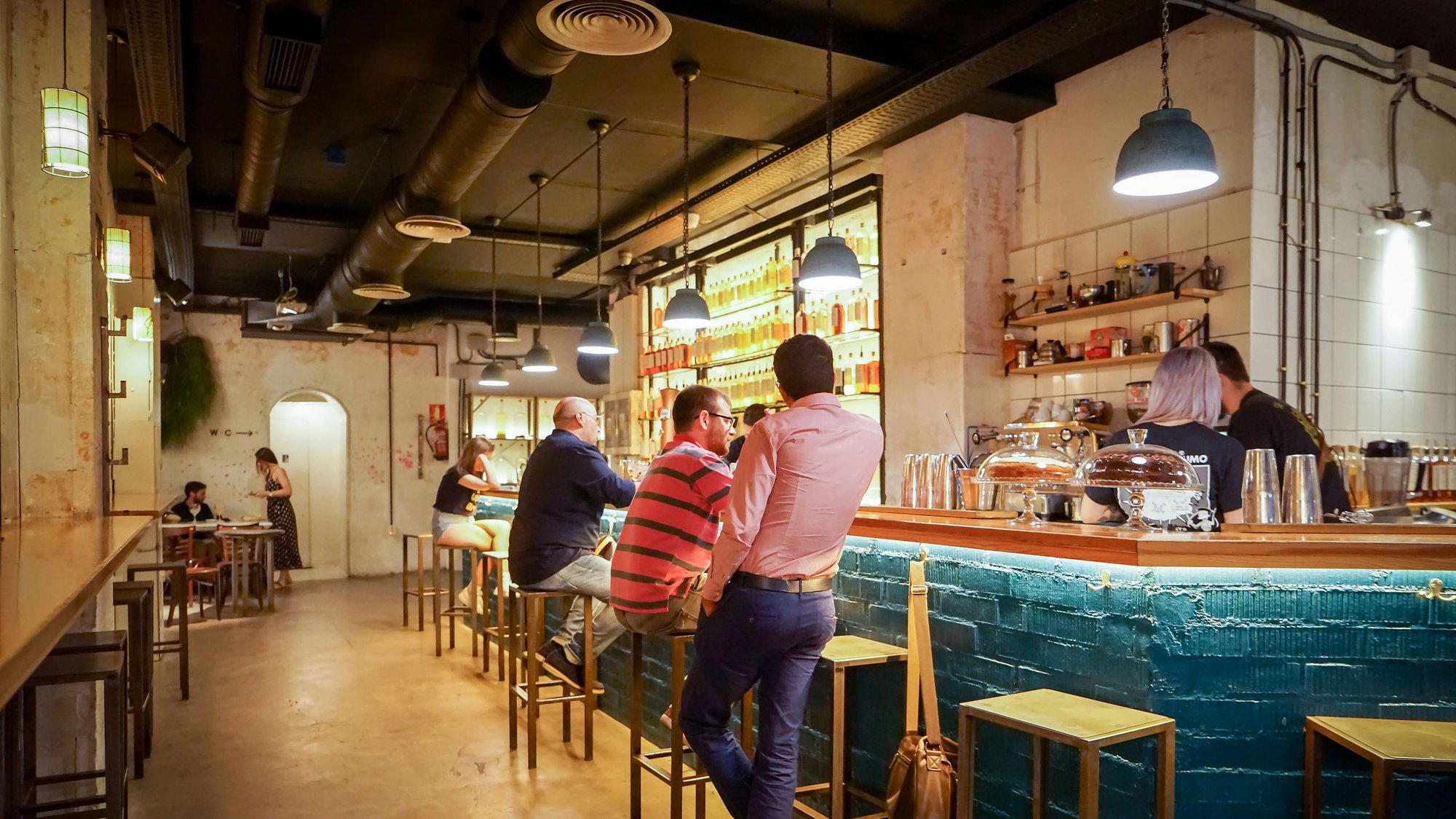
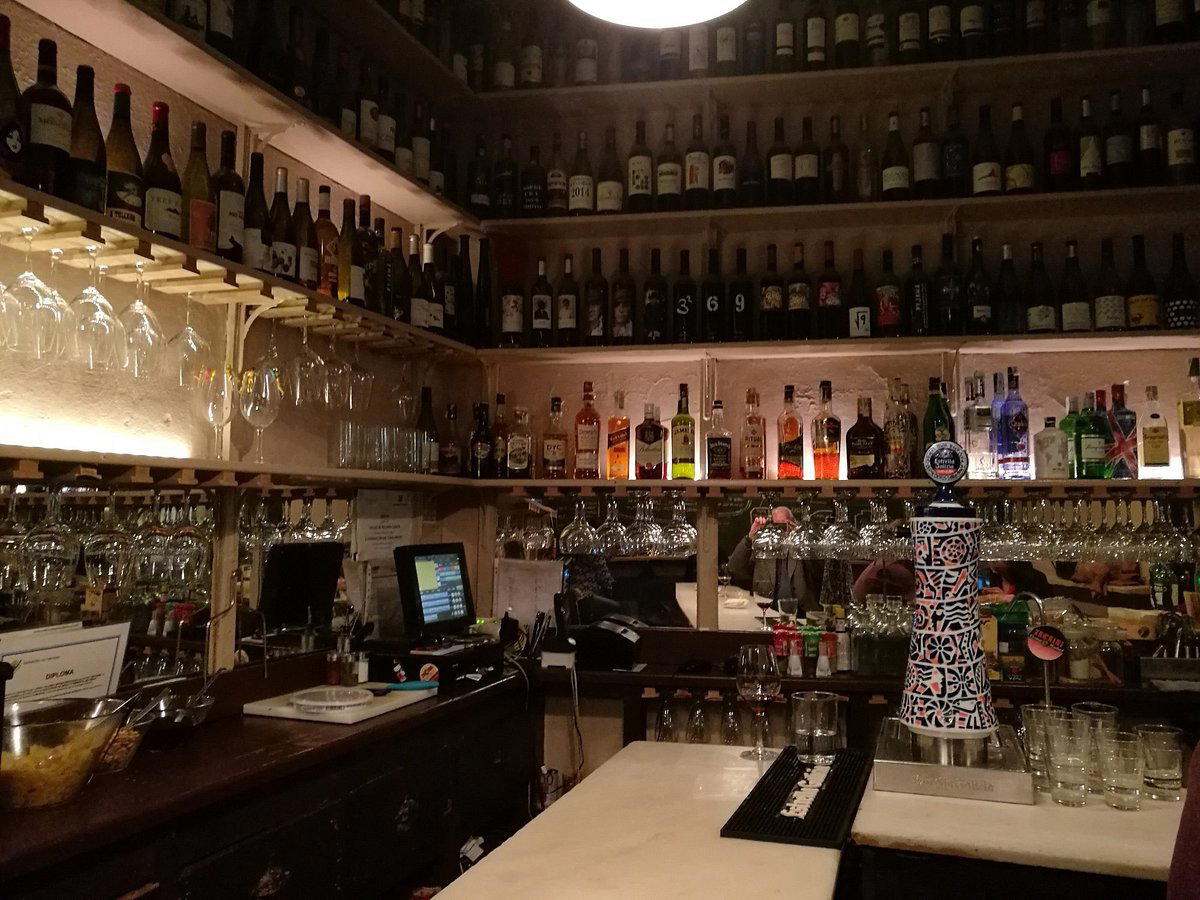
Hotels in Madrid
Browse all →

At a Glance
- Modern
- Trendy
- Lively
- Date Night
- Casual Hangout
- Open Kitchen
- Craft Cocktails
- Extensive Wine List
Current opening hours
- Monday
- 9 AM–2 AM
- Tuesday
- 9 AM–1 AM
- Wednesday
- 9 AM–1 AM
- Thursday
- 9 AM–1 AM
- Friday
- 9 AM–2 AM
- Saturday
- 12 PM–2 AM
- Sunday
- 12 PM–2 AM
Hours can change for holidays and private events. Last verified .
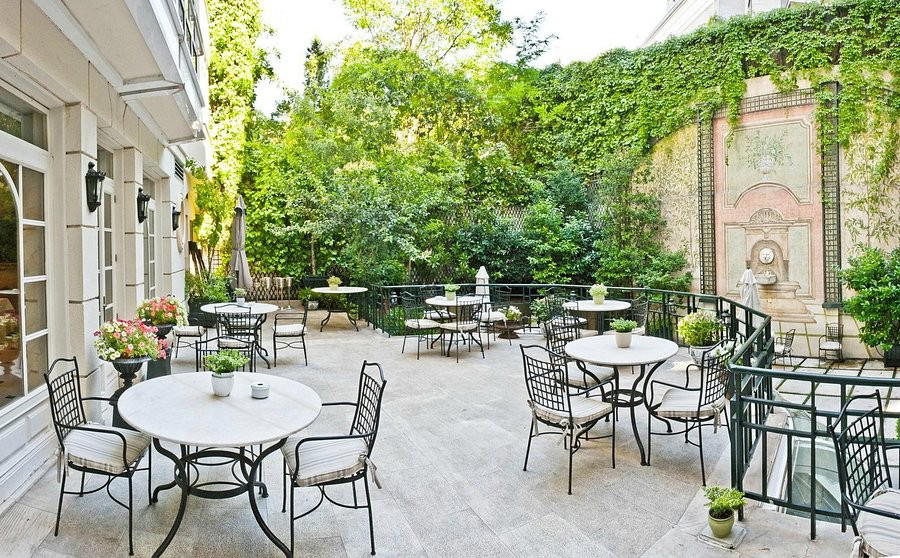
Modern, bright, and energetic atmosphere with a lively bar vibe ideal for cocktails and dinners.