Alcaravea Cea Bermúdez sits on one of Chamberí's quieter residential stretches, a neighbourhood that has quietly built a reputation for serious, non-performative dining away from Madrid's centre-stage restaurant circuit. The address places it among a comparable set of local specialists that reward visitors willing to move beyond the obvious postcode. Chamberí regulars treat it as a fixture rather than a destination.
Pearl is the En Primeur Club membership app — saves, bookings, and concierge access live there. Same editors, same standards.
- Address
- C. de Cea Bermúdez, 38, Chamberí, 28003 Madrid, Spain
- Phone
- +34915336932
- Website
- alcaravea.com
- Directions
- Get directions
 Saves & bookings on Pearl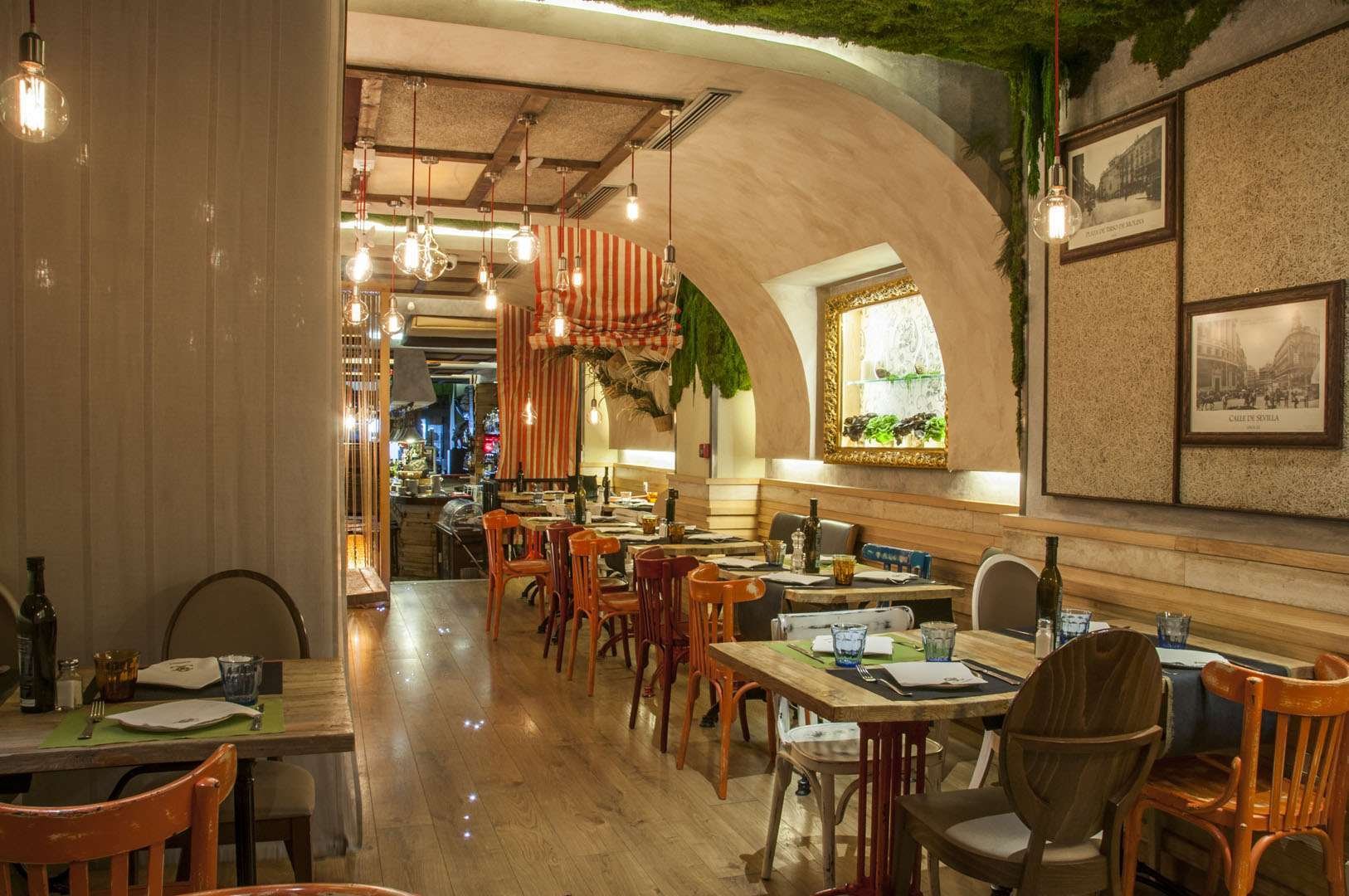
Chamberí's Dining Character and Where Alcaravea Fits
Madrid's restaurant geography has always been more decentralised than cities like Paris or Tokyo, where prestige concentrates in one or two postcodes. In Madrid, serious cooking spreads across barrios, and Chamberí has emerged as one of the districts that rewards that spread most consistently. The neighbourhood sits north of Malasaña and west of Alonso Martínez, its street grid lined with early-twentieth-century residential blocks and a retail mix that skews local over tourist. Dining here tends to reflect that character: kitchens that answer to repeat neighbourhood customers rather than to the weekend reservation-chase that defines tables closer to Gran Vía or the Prado corridor.
Calle de Cea Bermúdez is a long, mostly residential artery running through the western side of Chamberí. The address at number 38 places Alcaravea Cea Bermúdez well inside that residential grain, away from the busier nodes around Alonso Cano or Ríos Rosas. Arriving here, the surroundings tell you something about what to expect: a room that serves the block, not the guidebook. That positioning within Chamberí's quieter western stretch shapes the experience before you walk in.
Alcaravea Cea Bermúdez operates in a different register from that tier: a neighbourhood address in a district where local credibility matters more than star-count visibility.
The Neighbourhood Logic of Cea Bermúdez
Chamberí's evolution as a dining district follows a pattern visible in several European cities over the past decade: residential neighbourhoods absorbing the overflow from saturated central zones, then developing their own culinary identity independent of the original pressure. In Madrid, that process has been particularly pronounced in Chamberí and, to a lesser extent, in adjacent Tetuán. The result is a barrio where a substantial portion of the dining public arrives on foot, already familiar with the room, and where kitchens calibrate their offer accordingly.
The Cea Bermúdez corridor specifically has a history of small-format, specialist operations: fishmongers, delicatessens, and neighbourhood restaurants that have served the same catchment for decades. That continuity creates a different competitive environment than the one facing new openings in Chueca or Las Letras, where churn is faster and novelty carries more weight. Longevity and local trust function as the primary credentials in this part of Chamberí.
Spain's broader fine-dining circuit extends well beyond Madrid, and readers assessing where the capital fits within the national picture should note that the country's most decorated kitchens are spread across regions: El Celler de Can Roca in Girona, Mugaritz in Errenteria, Martin Berasategui in Lasarte-Oria, Arzak in San Sebastián, Azurmendi in Larrabetzu, Quique Dacosta in Dénia, Aponiente in El Puerto de Santa María, Cocina Hermanos Torres in Barcelona, Ricard Camarena in València, and Atrio in Cáceres. The Chamberí neighbourhood address sits outside that high-profile circuit entirely, which is part of its function for the local dining public.
What the Address Signals to a First-Time Visitor
Arriving at Calle de Cea Bermúdez 38 from the nearest metro access at Islas Filipinas (line 7) or Ríos Rosas (line 1) takes roughly five to eight minutes on foot, passing through streets that are overwhelmingly residential. There is no cluster of comparable restaurants immediately adjacent, which reinforces the impression of a standalone neighbourhood fixture rather than a venue positioned within a dining district designed for visitors. That distinction matters for managing expectations: the surrounding area is quiet by central Madrid standards, particularly on weekday evenings.
The name Alcaravea refers to caraway, the seed spice used across Iberian cooking and a signal, in naming terms, of a kitchen oriented toward traditional or herbaceous Spanish flavour references rather than toward international fusion or tasting-menu spectacle.
For visitors building a Madrid itinerary that extends beyond the headline addresses, the neighbourhood approach matters. Chamberí is accessible, walkable from Malasaña and Alonso Martínez, and the western stretch of Cea Bermúdez connects easily to the Parque de Berlín and the commercial strip along Bravo Murillo. Visitors who treat the district as a half-day or evening destination, rather than a detour from a hotel in Sol or Gran Vía, will find the neighbourhood more coherent and the dining experience more contextually appropriate.
Planning a Visit
Neighbourhood restaurants on quieter Madrid streets frequently adjust hours by season and may operate limited midweek services. For reference, Madrid's residential-district kitchens commonly close on Sunday evenings and one weekday, a pattern more common in Chamberí than in the tourist-facing centre.
International comparisons help frame what serious neighbourhood dining at this level can look like in peer cities: Le Bernardin in New York City and Lazy Bear in San Francisco both demonstrate how strongly neighbourhood credibility and format discipline shape diner loyalty outside the high-profile destination tier. In Madrid, the same dynamic plays out in Chamberí, where well-regarded local addresses fill on local reputation alone.
Price and Recognition
Comparable venues nearby, for context on price, style, and recognition.
| Venue | Cuisine | Price | Notes |
|---|---|---|---|
| Alcaravea Cea BermúdezThis venue — the venue you are viewing | Not listed | $$ | Not listed |
| La Finca de Susana | Sol, Traditional Spanish Mediterranean | $$ | Not listed |
| Taberna Antonio Sanchez | Lavapies, Traditional Madrilenian Tavern | $$ | Not listed |
| casabula | Nueva Espana, Asturian Parrilla | $$ | Not listed |
| Taberna Zalamero | Not listed | $$ | Ibiza, Traditional Spanish Tapas with Modern Twists |
| Semilla Tomate | Not listed | $$ | Arapiles, Traditional Spanish & Mediterranean |
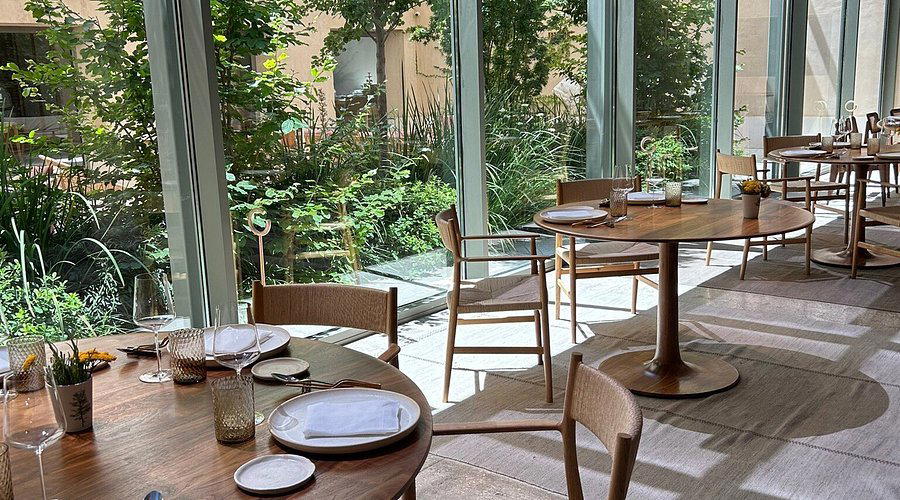
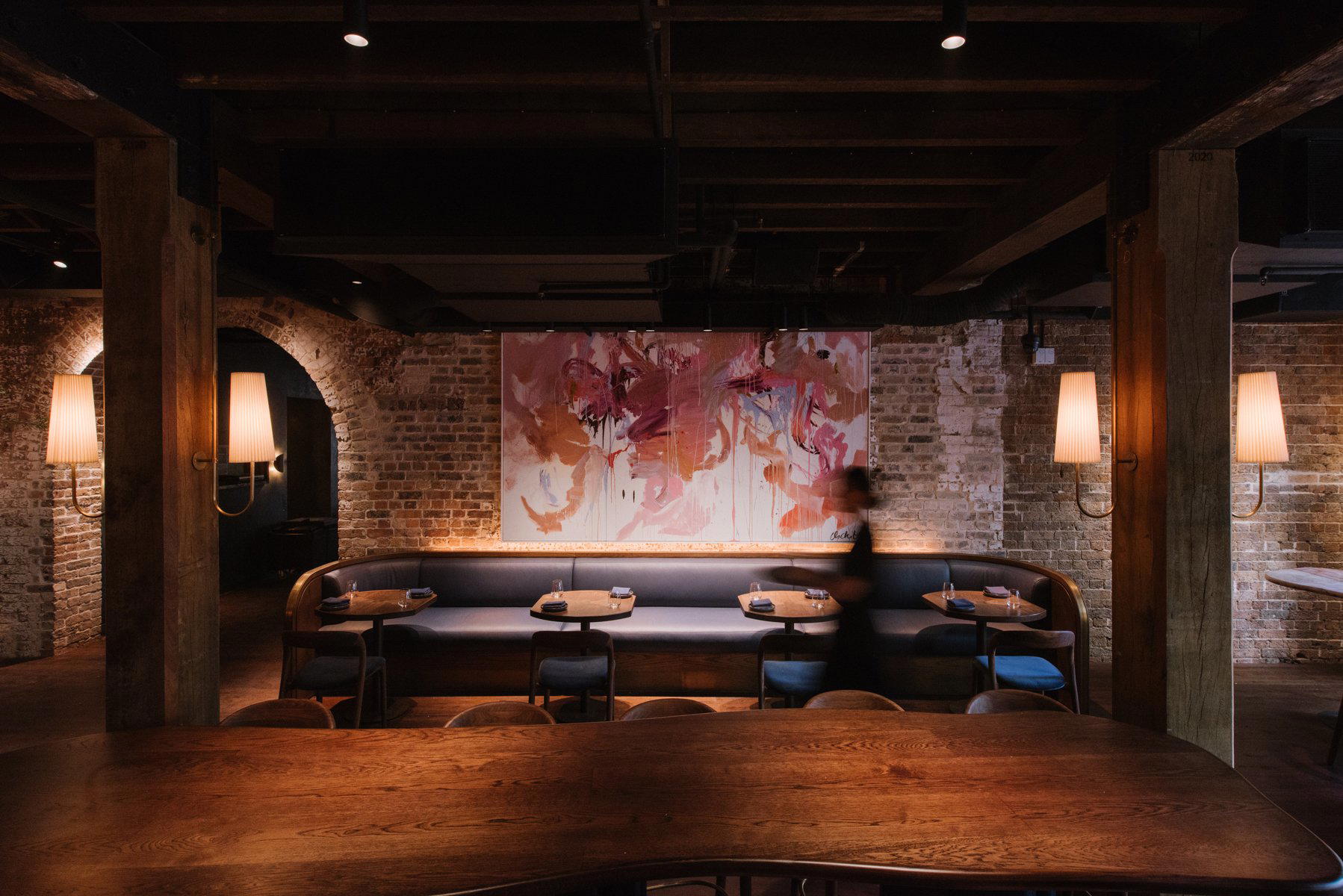
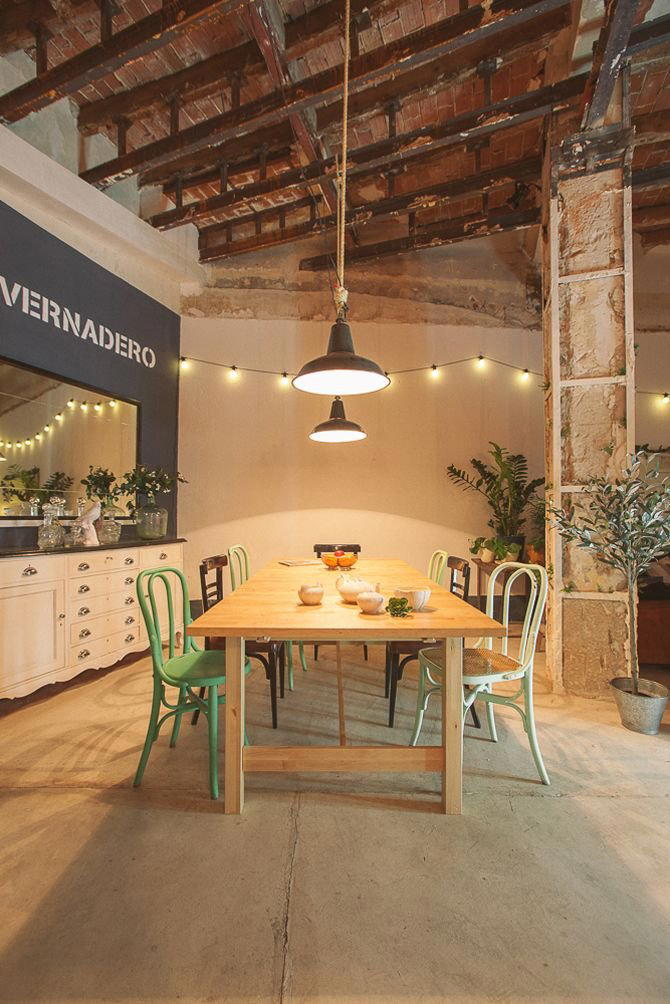
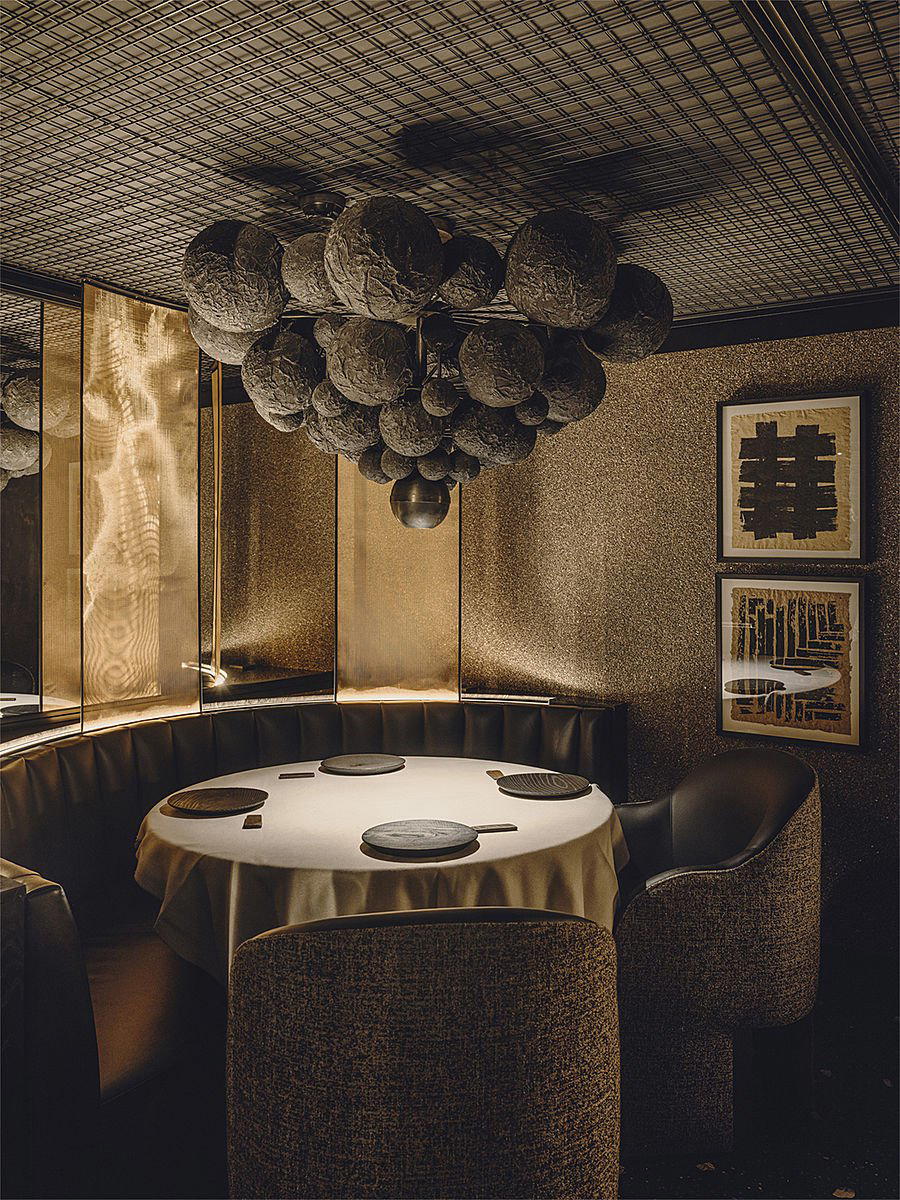
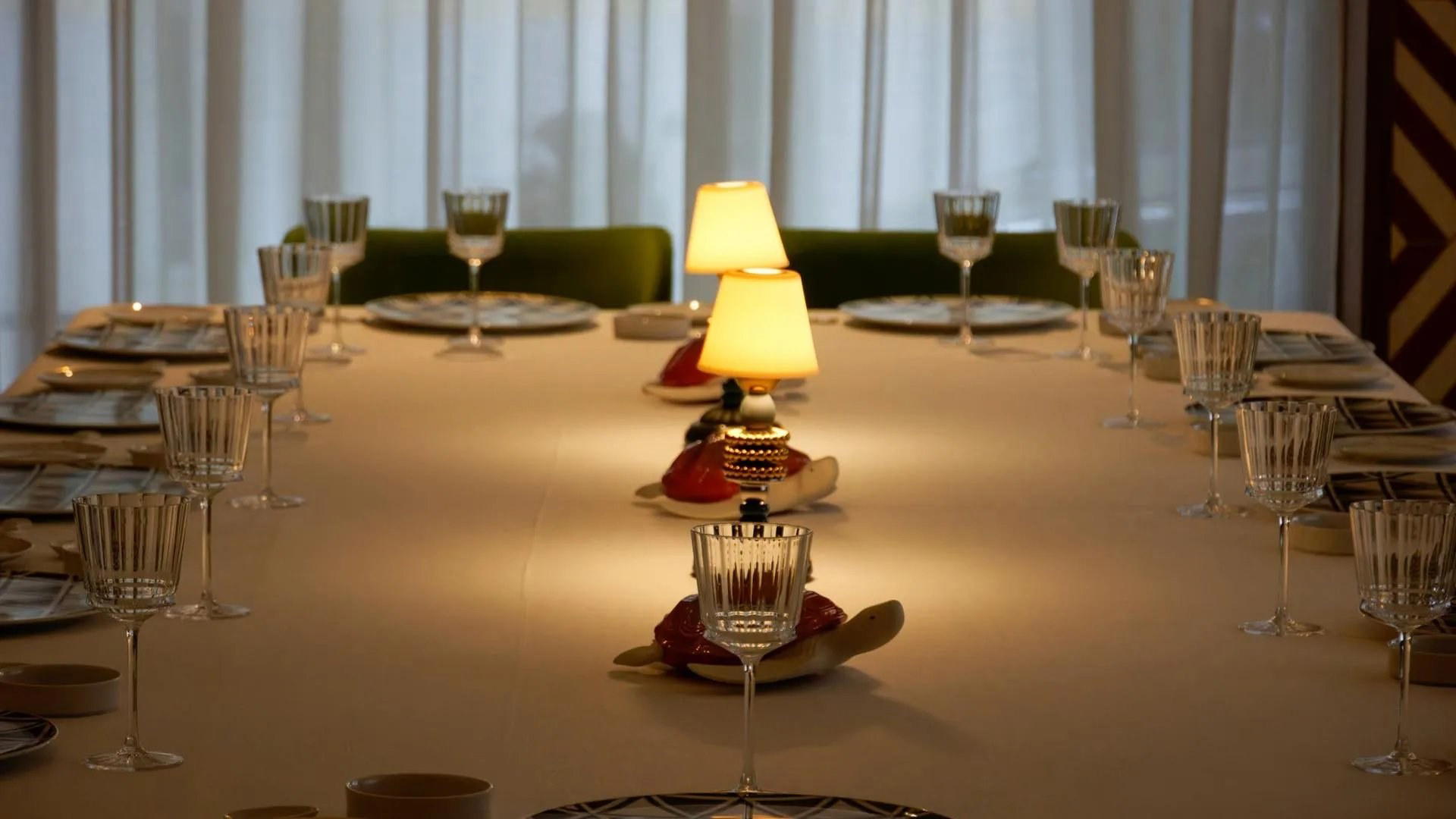
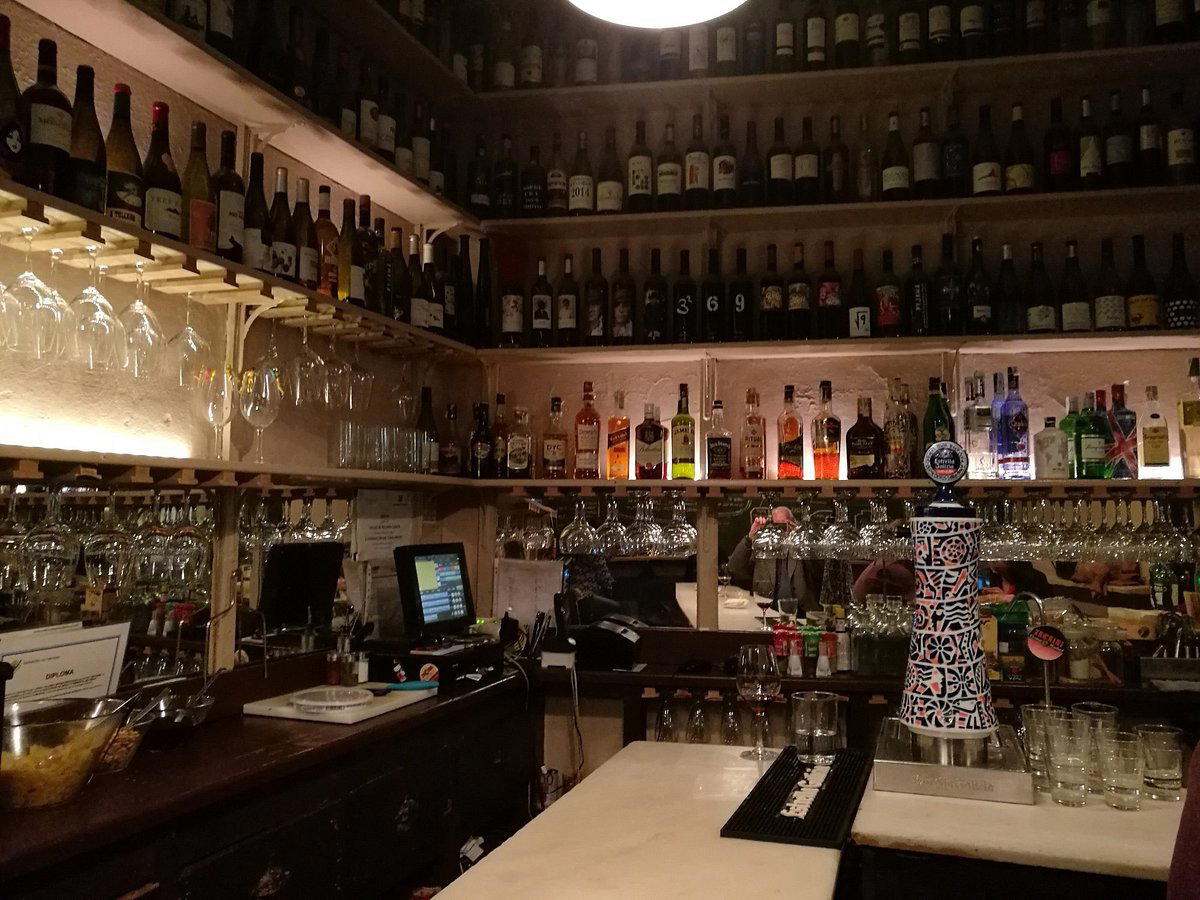
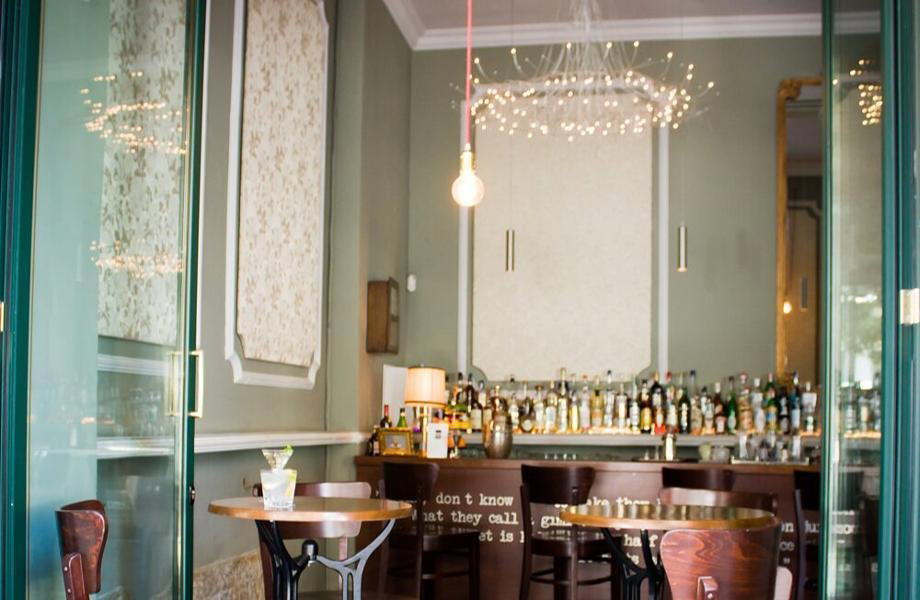
At a Glance
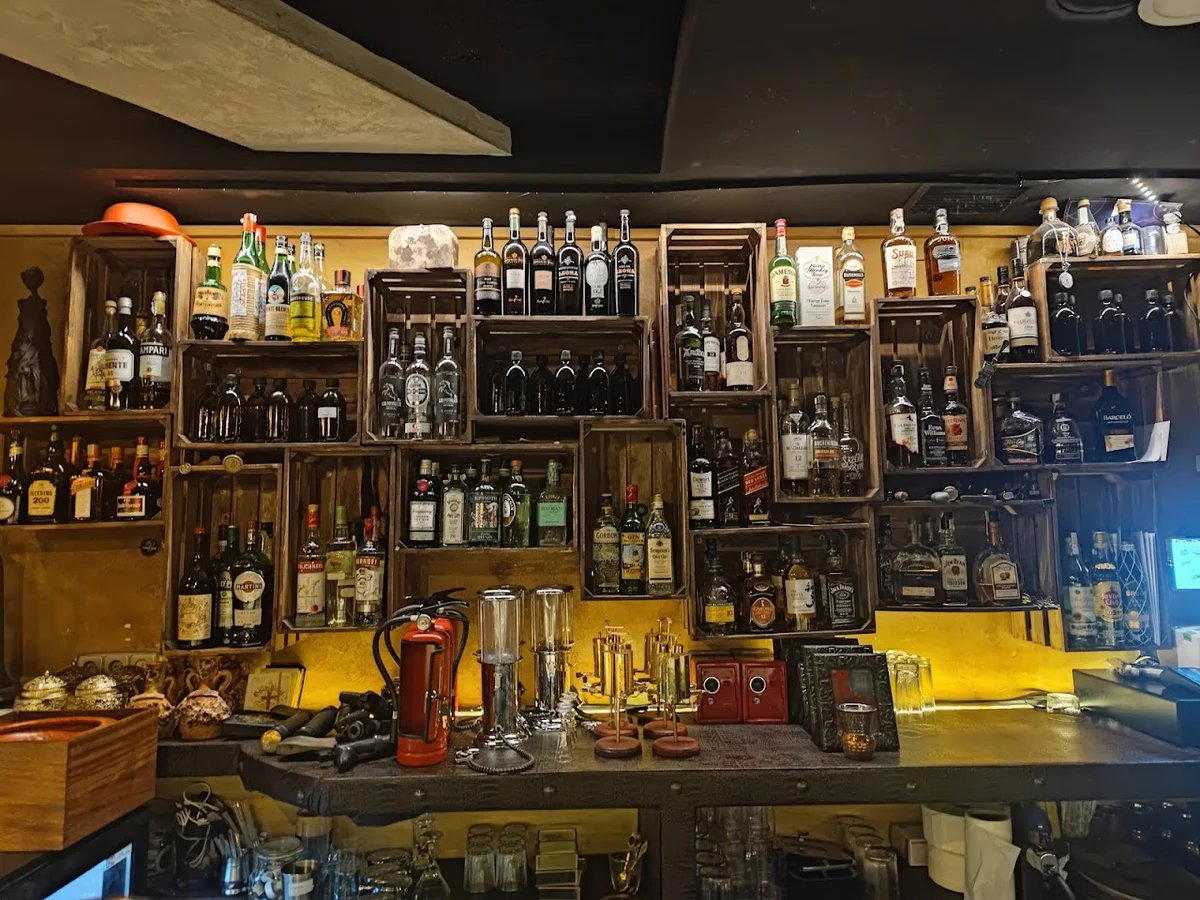
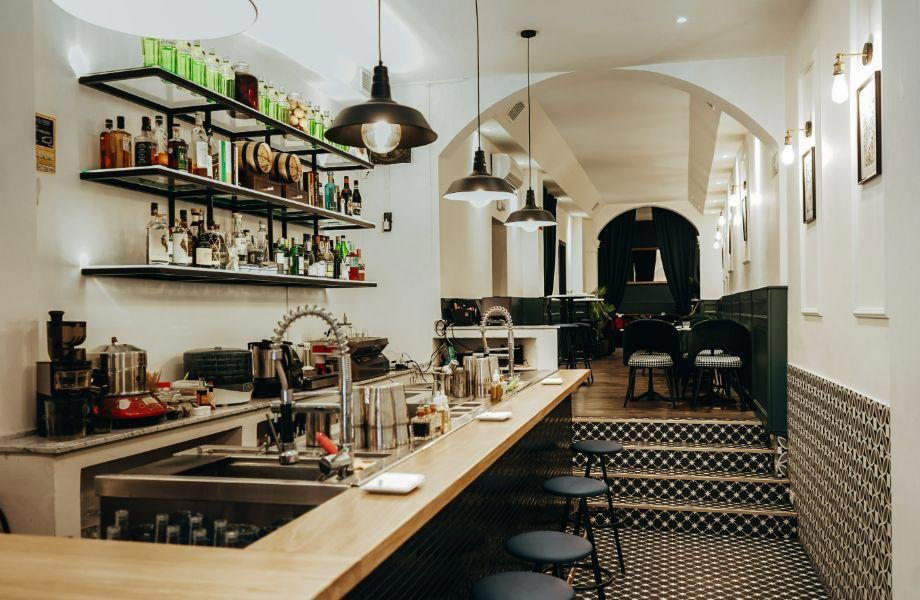
- Cozy
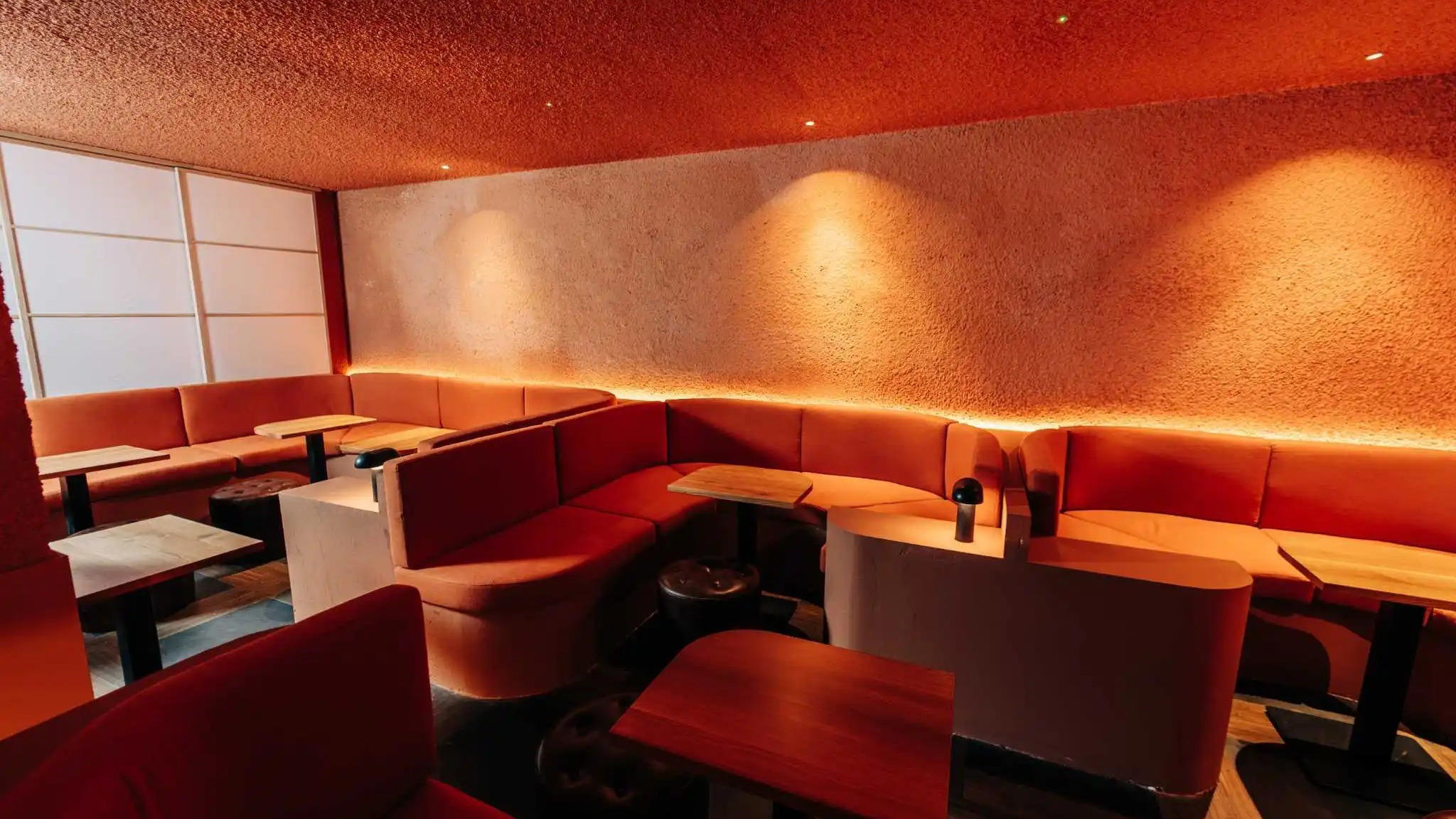
- Lively
- Family
- Group Dining
- Casual Hangout
- Open Kitchen
Current opening hours
- Monday
- 12:30 PM–12 AM
- Tuesday
- 12:30 PM–12 AM
- Wednesday
- 12:30 PM–12 AM
- Thursday
- 12:30 PM–12 AM
- Friday
- 12:30 PM–12 AM
- Saturday
- 12:30 PM–12 AM
- Sunday
- Closed
Hours can change for holidays and private events. Last verified .