
Michelin Plate
Our verdict
In Nakagyo-ku, måne takes its name from the Norse word for moon, a signal of the gathering spirit that shapes its counter-style format. The kitchen layers fruit acidity and spice aromatics into cuisine guided by instinct rather than rigid tradition, while over-the-counter service keeps the room warm and unhurried. For Kyoto diners seeking something outside the kaiseki canon, it occupies a distinct register.

Pearl is the En Primeur Club membership app, where members save venues, book tables and use the concierge.
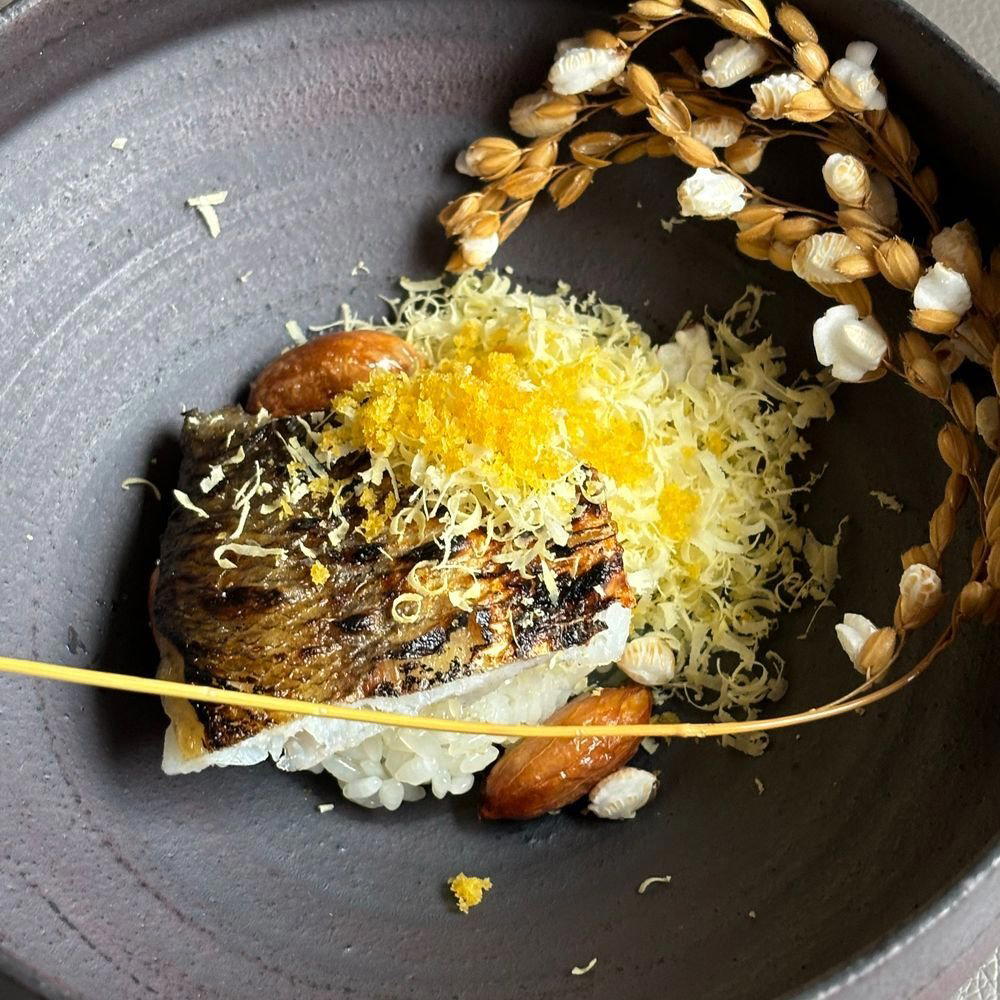
The menu
What to order
- 城陽のイチジクとカツオのカルパッチョ
- シャラン産小鴨ロースト
- やわらか鮑と里芋のコンフィ
A Different Orbit: måne in Kyoto's Crowded Dining Scene
Kyoto's dining reputation is built almost entirely on kaiseki, the multi-course seasonal format that venues like Kikunoi Honten, Gion Sasaki, and Hyotei have carried across generations. For visitors working through our full Kyoto restaurants guide, that tradition is well-documented and well-rewarded. But Kyoto also holds a quieter category of restaurants operating outside that structure, places whose critical recognition comes not from adherence to classical form but from a distinct culinary personality. måne, on Yamamotocho in Nakagyo-ku, belongs to that smaller cohort.
The name itself is a declaration of intent. Drawn from the word meaning 'moon', it frames the restaurant as a gathering point, a place with its own quiet gravitational pull rather than a stage for technical display. That metaphor carries into the room's reported atmosphere, where over-the-counter service and the physical proximity of kitchen to guest create conditions quite different from the formal compartmentalisation of a traditional kaiseki dining room. In cities like Tokyo, where counter-led formats have become the dominant mode for serious dining, this arrangement is standard. In Kyoto, where tatami rooms and lacquerware trays carry centuries of expectation, a warm, direct counter experience reads as a more deliberate choice.
What the Kitchen Expresses
The culinary framework at måne operates on principles that sit at some distance from local convention. Where kaiseki sequences dishes according to strict seasonal logic and technique hierarchy, the approach here is described as instinct-led, with the chef layering the sweet and sour of fruit against the aromatic depth of spices and herbs. That combination, fruit acidity playing against spice, has closer parallels in contemporary French or cross-cultural cooking than in Kyoto's Japanese culinary mainstream. Restaurants like HAJIME in Osaka and akordu in Nara represent the broader Kansai interest in cuisine that draws from multiple traditions without belonging wholly to any one of them. måne fits within that current.
Originality, as expressed by the kitchen's own framing, is the operative value. This is not a restaurant marketing itself on heritage lineage or apprenticeship pedigree, which is the more common credential signal in Kyoto. Isshisoden Nakamura, with roots stretching back centuries, and Mizai, with its Michelin recognition, operate in that lineage-defined space. måne's positioning is different: it earns its place through a personal culinary logic rather than institutional continuity.
Counter Culture and Critical Recognition
The pairing of counter service and kitchen harmony is worth examining as a structural choice, not merely a stylistic one. Counter-format restaurants place the cook's decisions in direct view of the guest, removing the buffer of a formal dining room and making every plating choice visible. When the kitchen and service are described as working in harmony, that is a logistical achievement in a compact space, not a decorative detail. The impression it creates, a cheerful, readable, professionally coordinated experience, is exactly what the Michelin inspection process rewards in restaurants operating at this level of intentionality.
Japan's Michelin culture, particularly in Kyoto and Osaka, has long recognised restaurants that achieve distinction through focused personal vision rather than institutional scale. Goh in Fukuoka and giueme in Akita are further examples of how Japan's regional dining scene rewards kitchens that commit to a clear internal logic. måne's awards recognition places it inside that national pattern: a restaurant identified not because it reproduces a known form well, but because it has developed something coherent of its own.
The contrast with internationally recognised restaurants operating at the high end of French technique, venues like Le Bernardin in New York City or even Japan-adjacent operators like Bleston Court Yukawatan in Nagano, is instructive. Those kitchens operate within well-mapped culinary vocabularies, where the critic's task is to measure execution against an established standard. At a restaurant like måne, the critic's task is different: to assess whether the internal logic holds, whether the instinct is genuinely trained, and whether the originality produces something worth returning to rather than simply novelty for its own sake. The awards presence suggests it does.
Nakagyo-ku as Context
The address in Nakagyo-ku, the central ward running between Kyoto's northern temple districts and the Gion corridor to the east, places måne in a part of the city that has absorbed a number of restaurants working outside traditional formats. The ward includes Nishiki Market and stretches toward the Kamo River, a neighbourhood fabric that mixes working Kyoto with the tourist-facing city. A restaurant choosing this location, rather than the more expected Gion or Higashiyama placement, signals something about its intended audience: not primarily the international pilgrim tracking Michelin routes, but the Kyoto diner comfortable enough with the city to find their way to Yamamotocho. For visitors, that navigation is direct, with the address putting it within reach of central Kyoto transit links. Those planning a broader stay should also explore our full Kyoto hotels guide, our full Kyoto bars guide, and our full Kyoto experiences guide for the wider picture.
Planning a Visit
Kyoto's more sought-after counter restaurants at award-recognised level tend to book ahead by several weeks, particularly during cherry blossom season in late March and April and the autumn foliage period in November, when the city's dining demand compresses significantly. Arriving with a reservation rather than hoping for walk-in availability is the realistic approach for any restaurant in this tier. The Kyoto wineries guide is also worth checking for those building a multi-day itinerary that extends beyond the city's restaurant circuit. For broader Japanese dining context, Harutaka in Tokyo and Emeril's in New Orleans illustrate how counter-format and chef-driven restaurants operate at the high end in very different culinary cities, a useful frame for understanding what distinguishes Japan's approach from Western equivalents.
Frequently asked questions
Where exactly is måne?
måne is located at 440-1 Yamamotocho, Nakagyo-ku, Kyoto.
What's måne known for in terms of accolades?
måne has received recognition including: The name ‘måne’, meaning ‘moon’, expresses the desire to be a place where people gather, likening the restaurant to the gently shining moon. Guided by instinct and experience, the chef endeavours to bring originality to his cuisine, layerin….
What's the signature dish at måne?
The kitchen's stated approach centres on layering fruit's sweet and sour qualities with spice and herb aromas, which gives a reliable indication of the flavour register to expect across the menu. This framework sits at a clear distance from Kyoto's kaiseki tradition, so preparations built around fruit-acid contrast and aromatic spicing are the defining thread.
What's the best way to book måne?
Given the counter format and Nakagyo-ku location, the practical approach is to check the restaurant's direct channels or contact the building address at 440-1 Yamamotocho, Nakagyo-ku, Kyoto. Counter-format restaurants in this category often operate through reservation-only seatings, so advance planning is advisable.
What do critics highlight about måne?
The documented recognition for måne points to two specific qualities: the harmony between kitchen and counter service, and the originality of its cuisine relative to Kyoto's predominantly kaiseki-defined dining culture. The restaurant's own framing emphasises instinct and experience as guiding principles rather than adherence to established local formats, which is where its reputation appears to be built.
What if I have allergies at måne?
The counter-format structure at måne, where kitchen and service are described as working in close harmony, generally allows for direct conversation with the team about dietary requirements at the time of booking. Raising allergy details when making your reservation gives the kitchen the clearest opportunity to adjust.
At-a-Glance Comparison
Comparable venues nearby, for context on price, style, and recognition.
| Venue | Cuisine | Price | Awards | Notes |
|---|---|---|---|---|
| måneThis venue (the venue you are viewing) | Creative Italian | $100–150 | Michelin Plate | Not listed |
| En Boca (エンボカ 京都) | Italian-Japanese wood-fired pizza & vegetables | $50–100 | Tabelog 100 #53 | Nakagyo-ku |
| en boca Kyoto | Italian-Japanese wood-fired pizza & vegetables | $50–100 | Tabelog 100 #53 | Nakagyō |
| IL GARAGE | Modern Italian with Japanese Influences | $150–200 | Tabelog Bronze #129 | Nakagyō |
| La Locanda | Italian with Kyoto Seasonal Influences | $150–200 | Wine Spectator Best of Award of Excellence · Tabelog 100 #49 | Nakagyō |
| OSTERIA IL CANTO DEL MAGGIO | Tuscan Osteria | $50–100 | Michelin Plate | Nakagyō |
Recognition history
Dated appearances from independent guides and award organizations, with the underlying list record or original source where available.
Michelin Plate
Michelin
Continue exploring
More in Kyoto
Restaurants in Kyoto
All restaurants in Kyoto →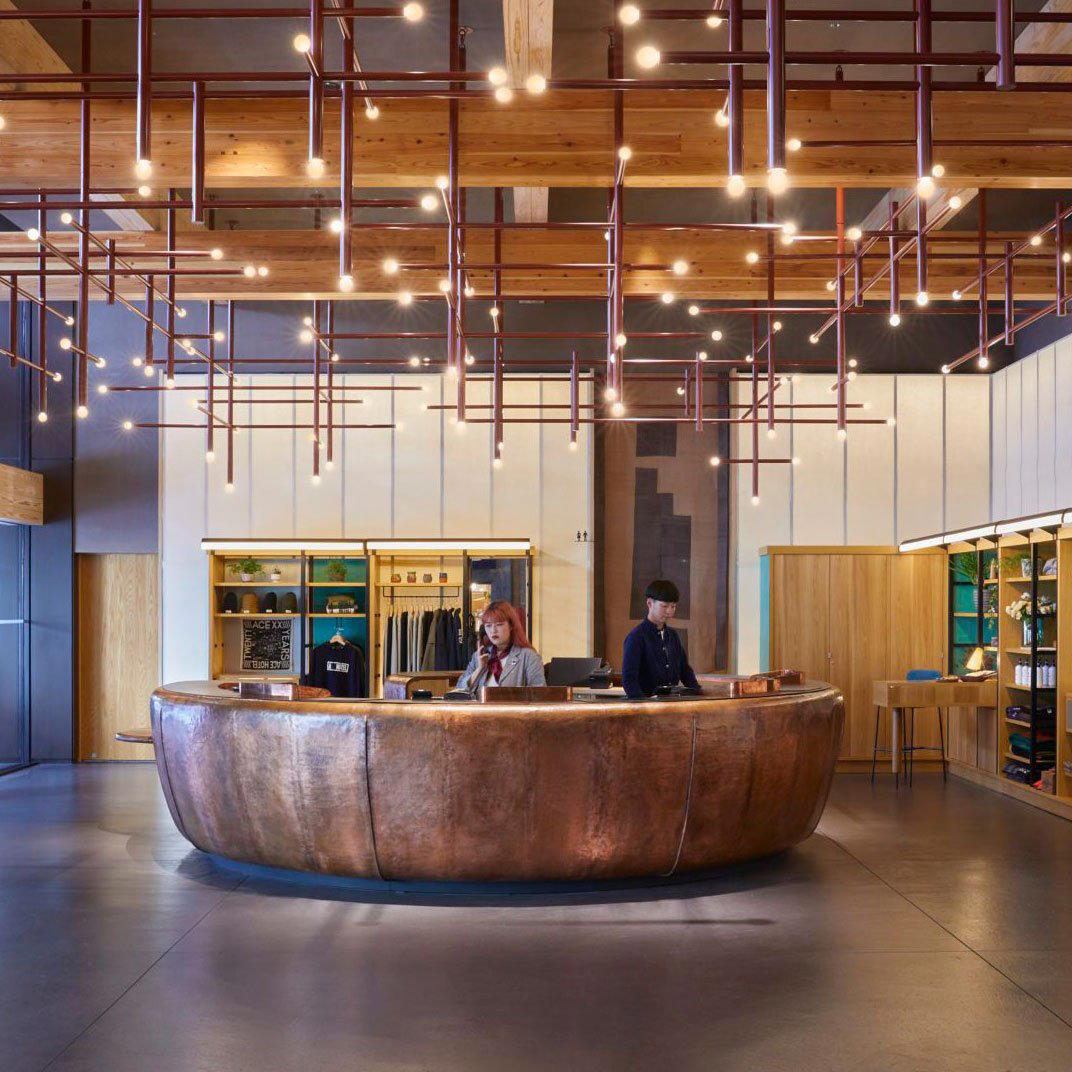
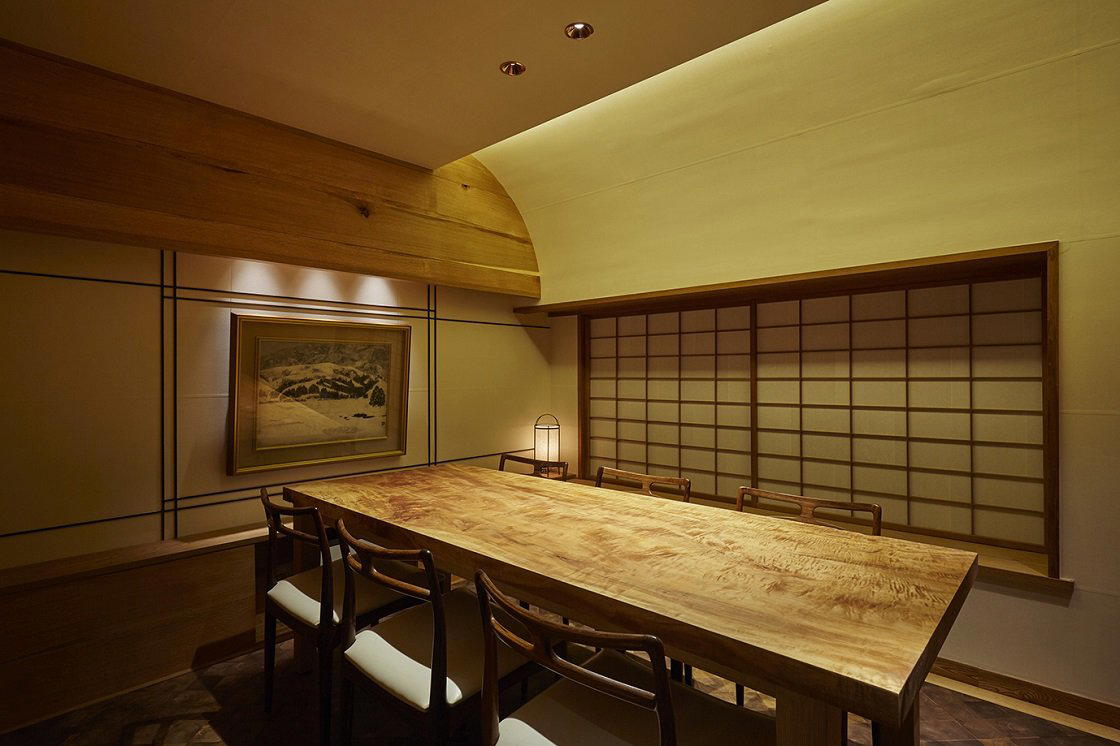
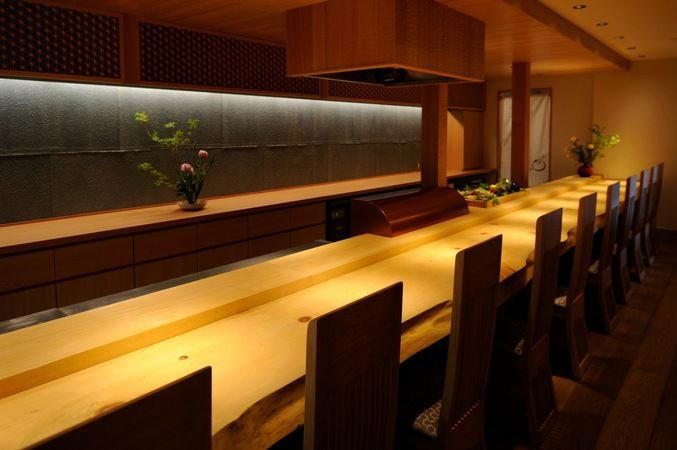
Bars in Kyoto
All bars in Kyoto →
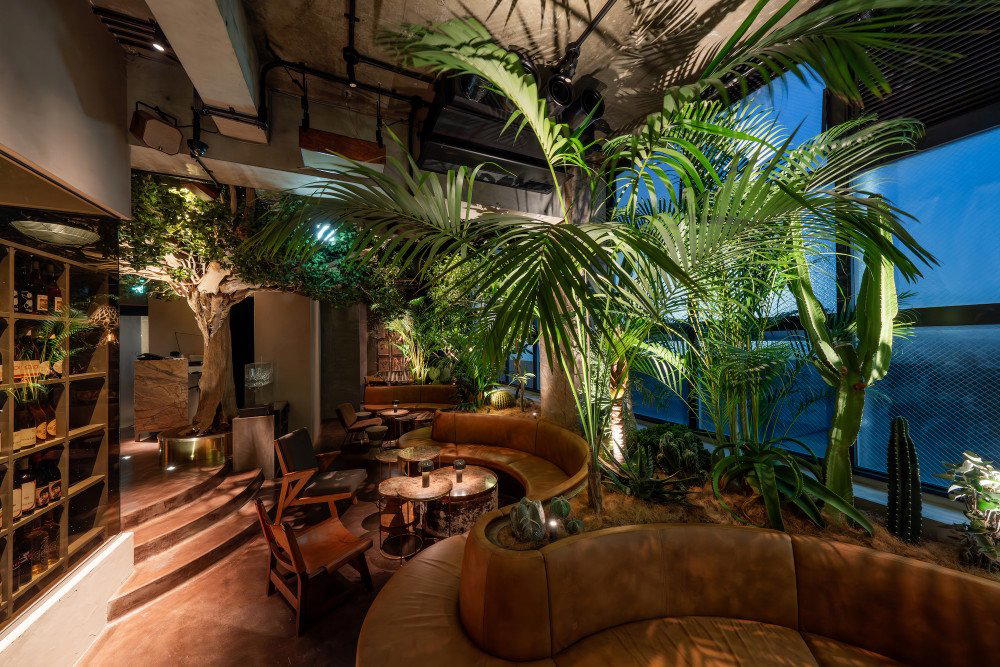
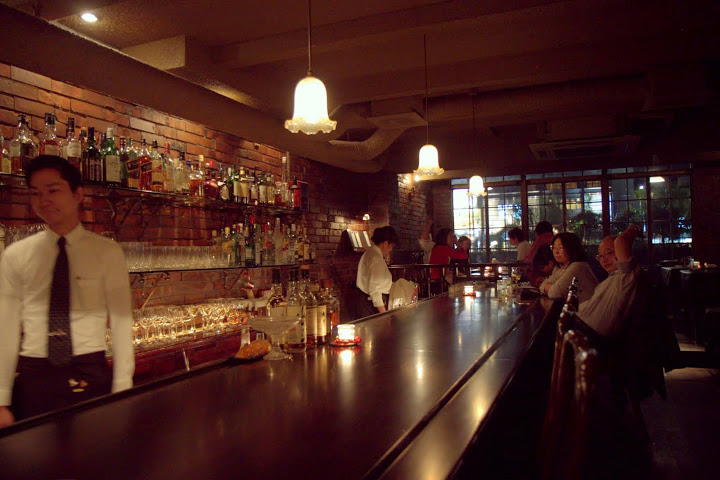
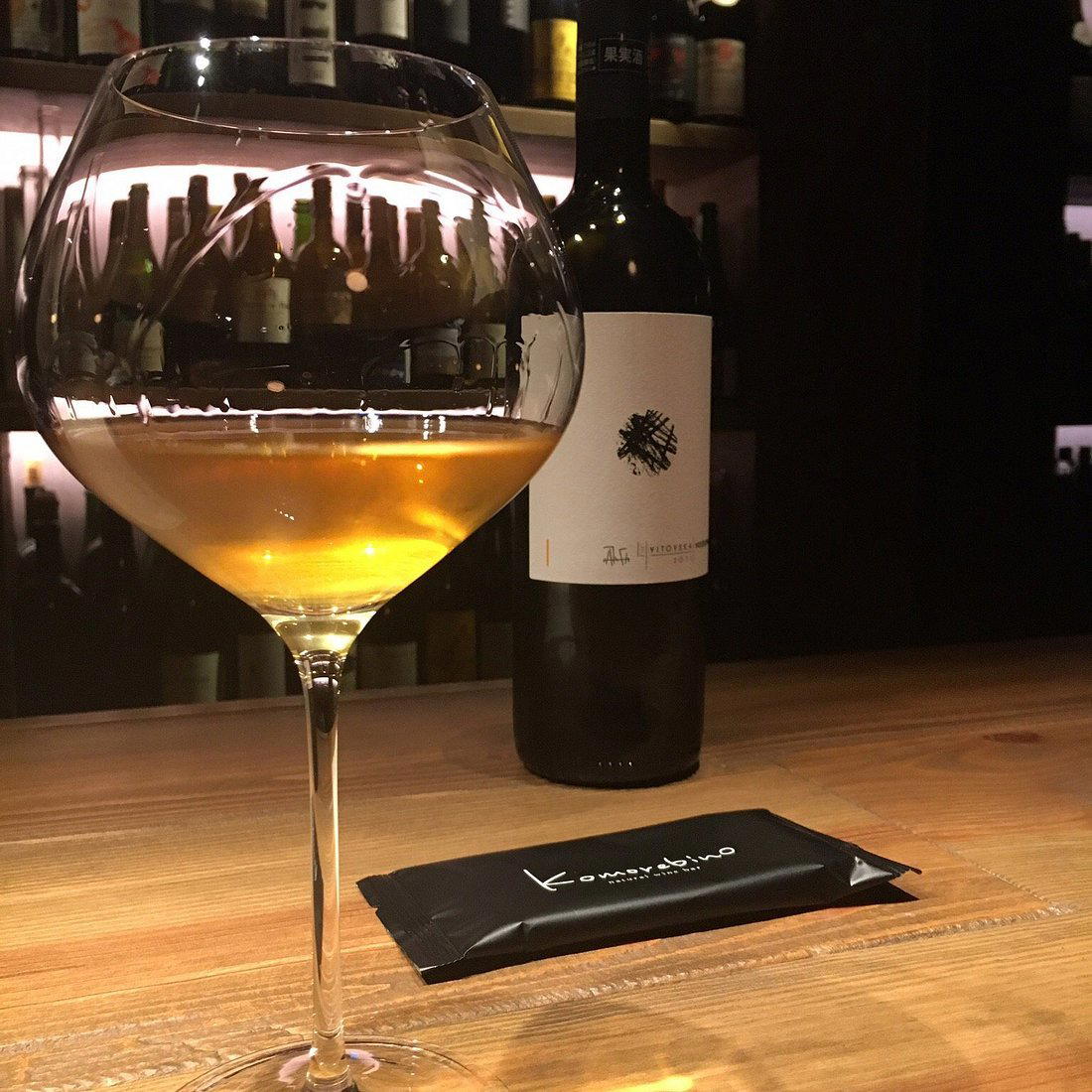
Hotels in Kyoto
All hotels in Kyoto →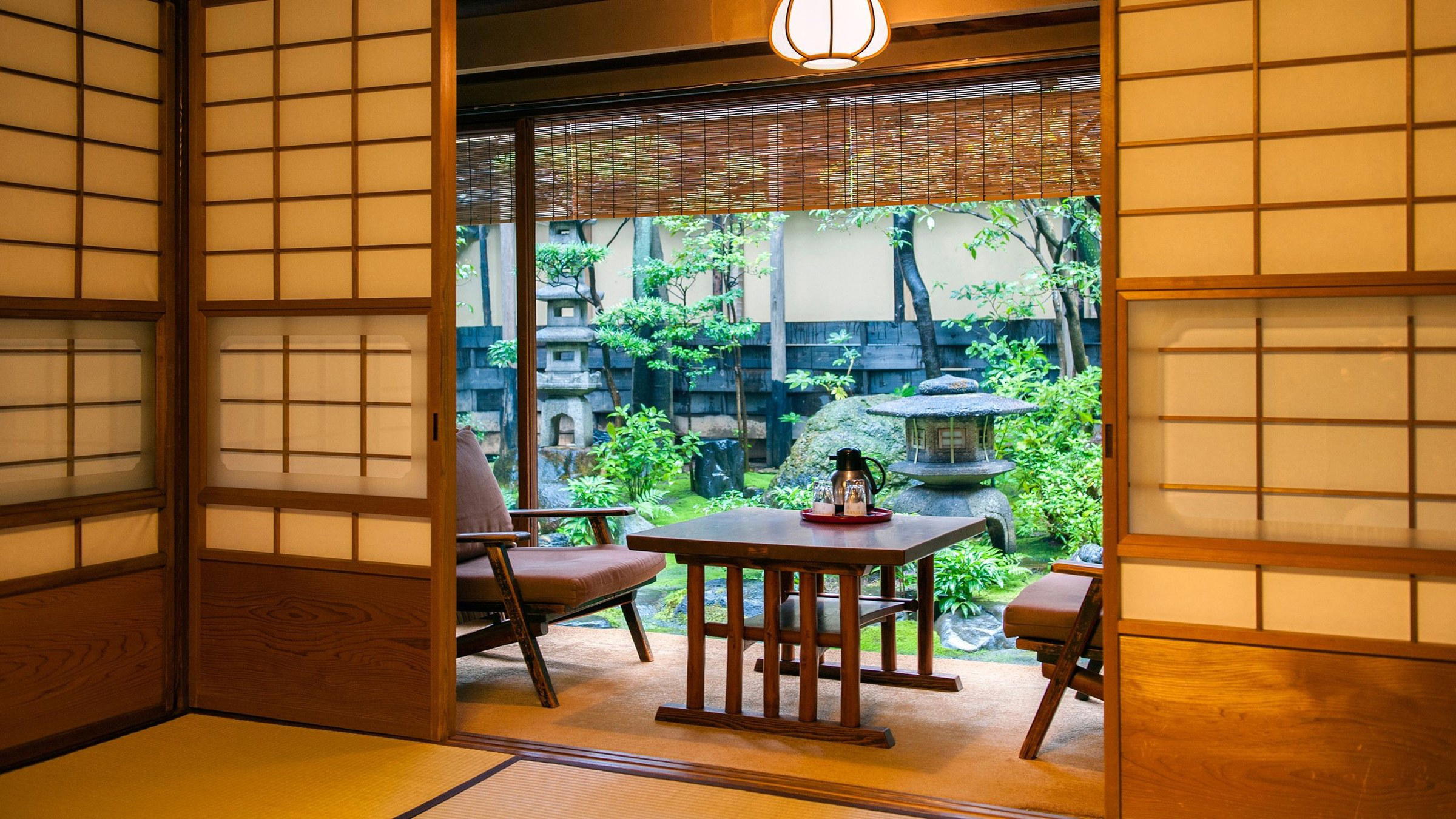
Wineries in Kyoto
Browse all →
Details
- Elegant
- Intimate
- Cozy
- Modern
- Date Night
- Special Occasion
- Celebration
- Chefs Counter
- Open Kitchen
- Standalone
- Extensive Wine List
- Local Sourcing
- Garden
- Counter Dining
- Tasting Menu
- Wine
- Allergy Accommodating
Soothing and intimate space with 16 seats arranged around a counter, designed to evoke the gentle light of the moon with a relaxed atmosphere where staff and guests connect.