Mama's on the Half Shell
Mama's on the Half Shell is a Canton seafood institution at 2901 O'Donnell Street, where the Chesapeake Bay tradition of raw bar eating plays out with the kind of neighborhood fluency that Baltimore does better than most American port cities. The format is familiar, oysters, crabs, cold beer, but the ritual is the point, and the room earns its regulars.
Pearl is the En Primeur Club membership app — saves, bookings, and concierge access live there. Same editors, same standards.
- Address
- 2901 O'Donnell St, Baltimore, MD 21224
- Phone
- +14102763160
- Website
- mamasonthehalfshell.com
- Directions
- Get directions
 Saves & bookings on Pearl
The Raw Bar as Baltimore Ritual
There is a particular grammar to eating at a Maryland raw bar that outsiders occasionally miss. You do not rush it. You arrive, you settle, and you let the room set the pace. At Mama's on the Half Shell on O'Donnell Street in Canton, that rhythm is baked into the architecture of the experience: the half-shell orders come as they should, incrementally, with enough time between rounds to talk, to drink, to pay attention to what is in front of you. The Chesapeake Bay tradition of communal, unhurried shellfish eating is one of the genuinely distinctive dining cultures on the American East Coast, and this address has spent years as one of its more reliable expressions in Baltimore.
Canton itself matters here. The neighborhood sits at the waterfront edge of southeast Baltimore, close enough to the harbor to feel port-adjacent but residential enough to have genuine regulars rather than a purely tourist-facing crowd. That split, locals at the bar, visitors at the tables, is the social texture of the better Baltimore seafood spots, and it keeps the ritual honest. When a room has its own habitués, the service finds a natural cadence that no amount of scripted hospitality training fully replicates.
How the Meal Moves
Baltimore's seafood dining culture operates on a different clock than the tasting-menu formats that dominate critical conversation elsewhere. Compare the pacing at Mama's to the structured, course-by-course progression at Cindy Wolf's Charleston, Baltimore's benchmark for formal fine dining, and you understand how wide the city's table spans. At the raw bar end of that spectrum, the meal is self-directed. You order as appetite dictates. A first dozen oysters arrives, you evaluate them, you order again or pivot. This participatory structure is the defining feature of the format, and it rewards the guest who treats it as such rather than rushing toward a predetermined endpoint.
The oyster is the organizing principle. Maryland's oyster production from the Chesapeake, historically the largest estuary oyster harvest in North America before the population collapsed in the late twentieth century, has been rebuilding, and the current generation of farmed and wild-caught local product carries the salinity and mineral character that distinguish Chesapeake bivalves from the colder, brinier Atlantic specimens more common on New England menus. The difference is not subtle. Chesapeake oysters tend toward a softer brine with a slightly sweet finish, a function of the estuary's lower salinity compared to open-ocean growing environments. Understanding that context changes how you approach the mignonette and how much you actually need it.
Crab, the other axis of Maryland shellfish culture, carries its own set of conventions. The steamed blue crab, served with Old Bay and eaten with a mallet at a paper-covered table, is less a dish than a performance of regional identity. It is deliberately slow, deliberately messy, and uninterested in elegance. That format sits at the far end of the spectrum from the composed seafood plates at Le Bernardin in New York City or Providence in Los Angeles, and the comparison is not unfavorable to either side. They are simply different traditions answering different questions about what a seafood meal is for.
Baltimore Seafood in Its Broader Context
Baltimore's dining scene has diversified considerably in the last decade. Newer arrivals like dede (Turkish) and Angeli's Pizzeria have added range to a city that was once seen as narrowly focused on its own regional traditions. Akbar has long held a position in the city's South Asian dining, and 16 On The Park represents the city's contemporary American direction. But the seafood tradition remains Baltimore's most legible export identity, the thing that distinguishes its table from Washington D.C. or Philadelphia in meaningful rather than merely geographic terms.
That identity has national analogues worth considering. The community seafood house format, regional product, accessible format, neighborhood anchoring, appears across American port cities with different species and different rituals. Emeril's in New Orleans operates in a different register entirely, but the Gulf Coast relationship between local shellfish and local identity it represents rhymes with what Baltimore does with the Chesapeake. The more ambitious, produce-led frameworks of places like Blue Hill at Stone Barns in Tarrytown or Single Thread Farm in Healdsburg share the sourcing-forward philosophy at the conceptual level, even if the execution and price tier are entirely different. The raw bar model and the farm-to-table tasting menu are distant cousins in their insistence on place as the organizing logic of the plate.
For readers who want to map the full range of American dining ambition, venues like Alinea in Chicago, The French Laundry in Napa, Atomix in New York City, Addison in San Diego, Lazy Bear in San Francisco, and The Inn at Little Washington occupy one pole. Mama's on the Half Shell occupies a different one, and the gap between them is not a hierarchy so much as a map of what American eating actually contains. Internationally, the contrast sharpens further: the precise, luxury-calibrated shellfish service at 8 1/2 Otto e Mezzo Bombana in Hong Kong operates at maximum formal distance from the paper-bibs-and-mallets end of the Chesapeake tradition.
Planning Your Visit
Mama's on the Half Shell is at 2901 O'Donnell Street in Canton, a direct drive or rideshare from downtown Baltimore or the Inner Harbor, roughly ten to fifteen minutes in normal traffic. The neighborhood has parking but O'Donnell Street can tighten on weekend evenings. For anyone building a broader Baltimore itinerary, our full Baltimore restaurants guide maps the city's dining across neighborhoods and formats. Visiting during warmer months aligns with peak crab season, which runs broadly from late spring through early fall, blue crab availability and quality shift with water temperature, and the mid-summer period generally offers the heaviest, most flavorful specimens.
Budget and Context
Comparable venues nearby, for context on price, style, and recognition.
| Venue | Cuisine | Price | Notes |
|---|---|---|---|
| Mama's on the Half ShellThis venue — the venue you are viewing | Canton, Classic Baltimore Seafood | $$ | Not listed |
| Phillips Seafood | Inner Harbor, Classic Maryland Seafood | $$$ | Not listed |
| The Urban Oyster | Not listed | $$ | Hampden, Black-Owned Chargrilled Oyster Bar |
| Angus Korean BBQ | Canton, Korean BBQ AYCE | $$ | Not listed |
| Sabatino's | Not listed | $$ | Little Italy, Traditional Italian Trattoria |
| Matsuri | Not listed | $$ | Federal Hill, Modern Japanese Sushi & Robata |
Continue exploring
More in Baltimore
Restaurants in Baltimore
Browse all →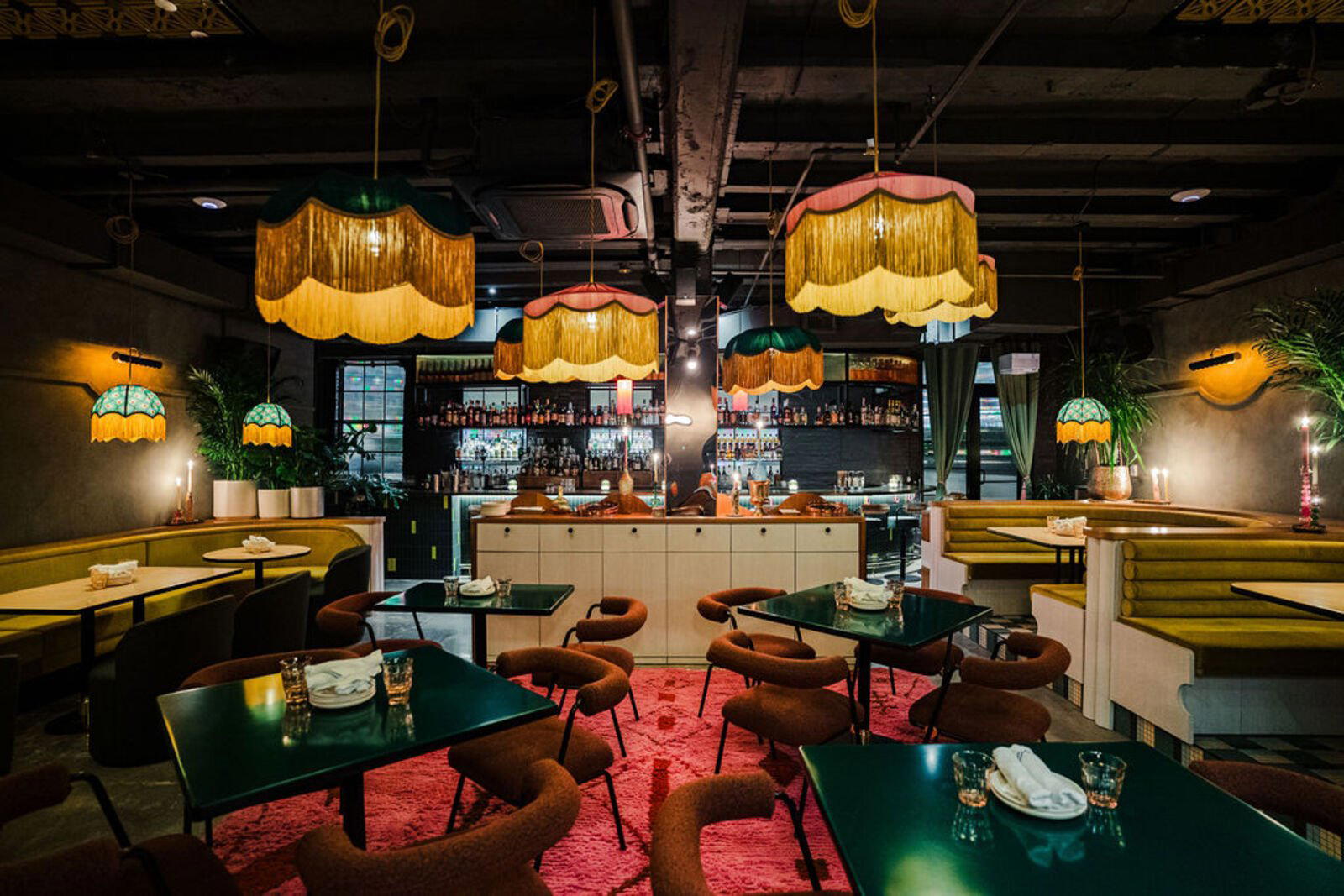
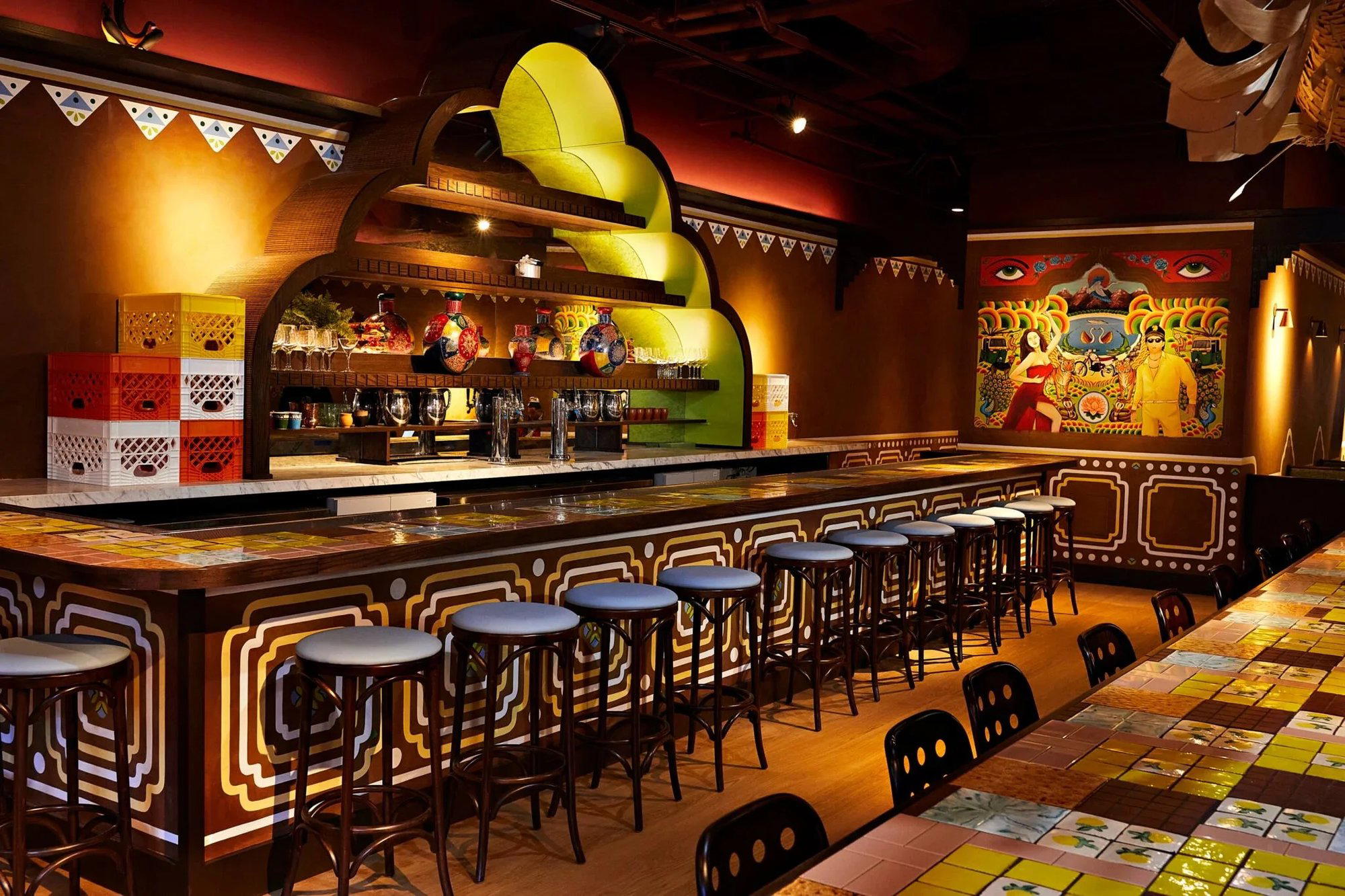
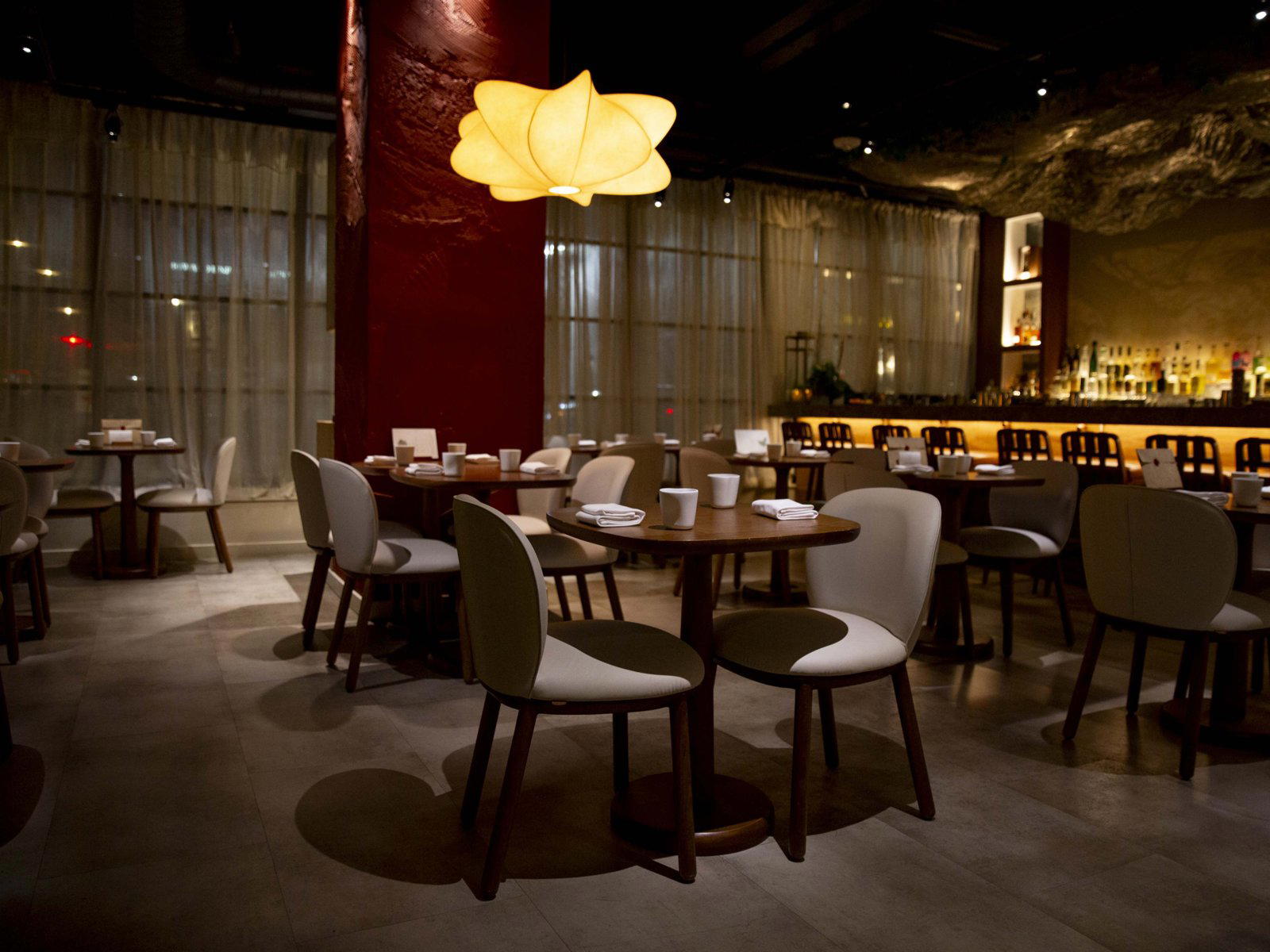
Bars in Baltimore
Browse all →
At a Glance
- Classic
- Cozy
- Rustic
- Date Night
- Casual Hangout
- Brunch
- Historic Building
Current opening hours
- Monday
- 11 AM–10 PM
- Tuesday
- 11 AM–10 PM
- Wednesday
- 11 AM–10 PM
- Thursday
- 11 AM–10 PM
- Friday
- 11 AM–11 PM
- Saturday
- 9 AM–11 PM
- Sunday
- 9 AM–10 PM
Hours can change for holidays and private events. Last verified .
Quirky and eclectic with a welcoming, 'Baltimorish' atmosphere featuring oyster and seafood decor, marble tabletops, and a romantic fireplace upstairs.