Angus Korean BBQ
A Korean BBQ address on Baltimore's Boston Street corridor, Angus Korean BBQ draws a loyal local following to the Canton-area stretch where the city's dining scene has steadily thickened over the past decade. The format is built around tableside grilling, the communal rhythm that defines the genre, and the kind of repeat-visit culture that rarely needs a marketing push to sustain itself.
Pearl is the En Primeur Club membership app — saves, bookings, and concierge access live there. Same editors, same standards.
- Address
- 2324 Boston St, Baltimore, MD 21224
- Phone
- (443) 835-4499
- Website
- anguskbbq.com
- Directions
- Get directions
 Saves & bookings on Pearl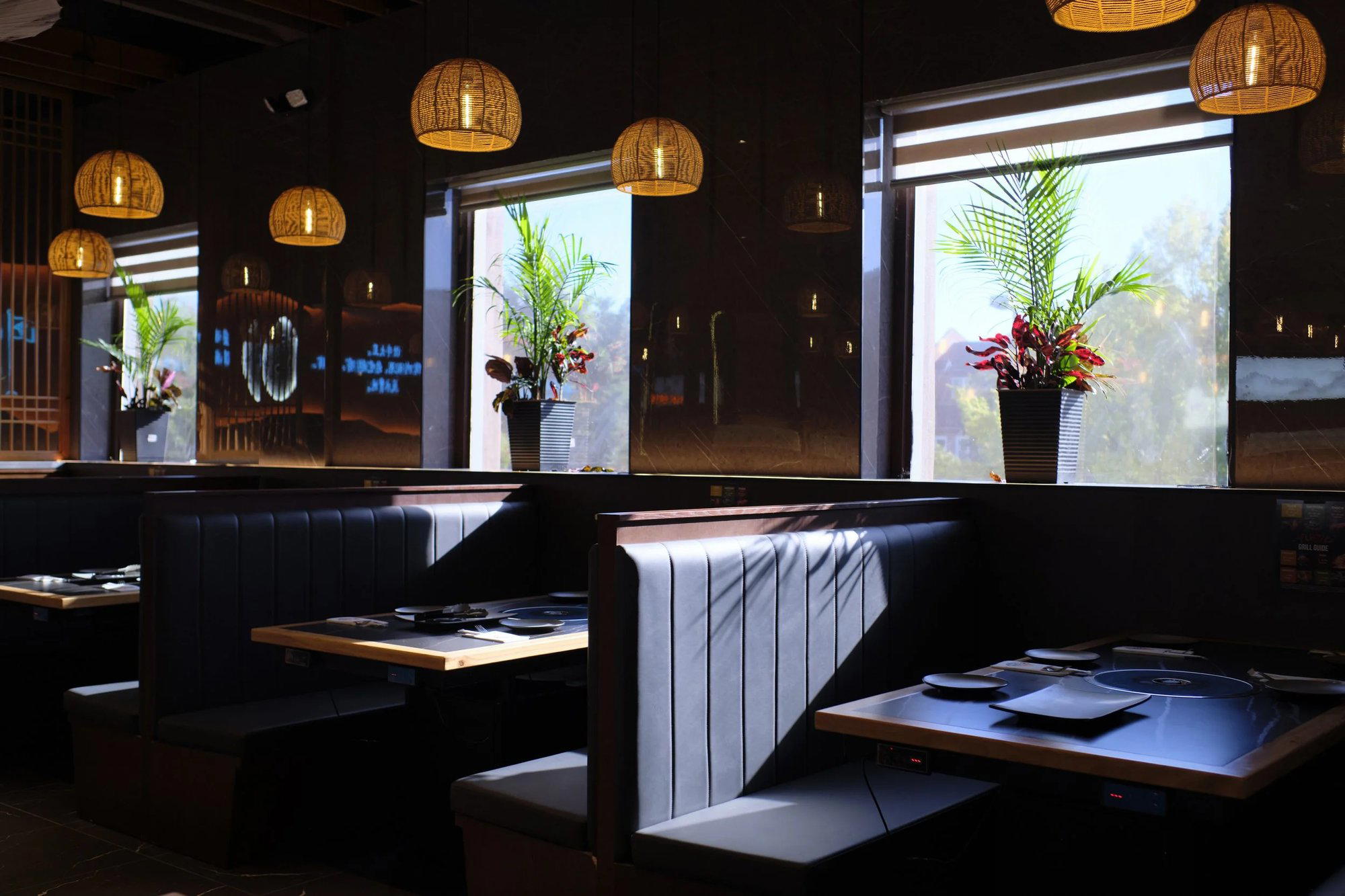
The Canton Corridor and What Korean BBQ Asks of a Room
Boston Street in Baltimore's Canton neighborhood has become one of those addresses where restaurants accumulate because the foot traffic, the demographics, and the proximity to the waterfront have made it worth the gamble. Angus Korean BBQ, at 2324 Boston St, sits inside that pattern. Korean BBQ as a format is unusual among imported dining traditions in that the room itself does most of the work: the ventilation hoods above each table, the built-in grills, the parade of banchan arriving before any protein hits the fire. A restaurant that gets those elements right earns repeat visits, because the format rewards familiarity. Regulars come back not just for the food but because they know the rhythm, they know which cuts they prefer, and they know how to pace a meal that the uninitiated might rush or stall.
Why the Regulars Keep Returning
The defining characteristic of a Korean BBQ room that has found its footing is the density of returning guests during mid-week service. When a restaurant of this format fills without the weekend spike that props up most neighborhood spots, it signals a loyal local following and a repeatable experience. That return culture is harder to manufacture than a one-time draw. It depends on consistency in the banchan lineup, reliable protein quality, and service staff who recognize faces and remember preferences without making a production of it.
Korean BBQ also rewards regulars in ways that other formats don't. Over multiple visits, a diner learns which cuts respond leading to a longer rest on the grill, which dipping configurations they prefer, and how to manage the pacing so that the lettuce wraps stay crisp and the rice doesn't arrive cold. That accumulated knowledge is itself a draw. The restaurant becomes partly a skill to practice, which is why venues in this genre tend to generate loyalty at a steeper rate than comparable casual dining formats.
Baltimore's dining scene has been building a more coherent identity over the past decade, with distinct threads emerging across neighborhoods. The Turkish influence is visible at dede, the neighborhood Italian anchor is Angeli's Pizzeria, and the fine dining ceiling is set by Cindy Wolf's Charleston. Korean BBQ occupies a different register entirely: communal, interactive, and priced for frequency rather than occasion.
The Format as the Experience
What separates Korean BBQ from other tableside cooking formats is the degree to which the guest is implicated in the outcome. The grill is in front of you. The timing is yours. The combination of proteins, vegetables, fermented pastes, and wrapped bites is assembled by the people eating, not plated in the kitchen. This makes the format inherently social in a way that, say, a shared plates menu isn't. Shared plates still arrive finished from the kitchen. Korean BBQ requires the table to function as a unit, which is why groups that eat here together often describe a sense of collaboration that they don't find in other restaurant formats.
That dynamic also explains why Korean BBQ restaurants tend to generate the kind of regulars who bring new guests specifically to show them the format, rather than simply to share a meal. The first-timer's experience becomes part of the regular's enjoyment. There's a mild mentorship embedded in the evening that keeps the social utility of the venue high across many visits.
For context on how Korean dining has developed nationally, the progression is instructive. Venues like Atomix in New York City have pushed Korean cuisine into tasting-menu territory with serious critical recognition, while the BBQ format has remained largely separate from that trajectory, retaining its communal and informal character even as ingredient sourcing has improved across the category. The two strands of Korean dining in America have not converged so much as matured in parallel.
Canton's Place in the Broader Baltimore Picture
Canton sits east of Fells Point and draws a mix of residents and visitors who tend to favor the neighborhood's less tourist-dependent character. The Boston Street stretch specifically benefits from its proximity to the waterfront without having the same saturation of seafood-focused venues that defines some of the older harbor-adjacent blocks. For a format like Korean BBQ, which requires a certain table density to create atmosphere and enough ventilation infrastructure to be viable, a mid-size standalone room on a commercial corridor is more practical than a heritage rowhouse conversion.
Elsewhere in Baltimore's international dining map, Akbar holds the Indian end of the city's subcontinental offering, and 16 On The Park occupies a different position in the neighborhood dining tier. Korean BBQ as a category sits somewhat apart from those comparisons: it belongs to a tradition where the format is as much the product as the food itself, and where venue design choices (grill placement, ventilation, table spacing) determine quality of experience as much as kitchen execution does.
Nationally, the conversation around serious dining tends toward tasting-menu destinations: Le Bernardin in New York City, The French Laundry in Napa, Lazy Bear in San Francisco, Smyth in Chicago, Providence in Los Angeles, Blue Hill at Stone Barns in Tarrytown, Addison in San Diego, Single Thread Farm in Healdsburg, Emeril's in New Orleans, The Inn at Little Washington, or Atelier Moessmer Norbert Niederkofler in Brunico. Korean BBQ belongs to a completely different logic: it is not built around a chef's vision or a tasting arc, but around a format that transfers its value to the table and the people around it.
Planning Your Visit
Angus Korean BBQ is located at 2324 Boston St, Baltimore, MD 21224, in the Canton neighborhood. One reliable approach is to visit directly or check current listing platforms for hours and reservation availability. Korean BBQ venues in this format and price tier often accommodate walk-ins during early service windows but fill quickly on weekend evenings. Going as part of a group of three or four tends to suit the format.
Cuisine Lens
Comparable venues nearby, for context on price, style, and recognition.
| Venue | Cuisine | Price | Notes |
|---|---|---|---|
| Angus Korean BBQThis venue — the venue you are viewing | Korean BBQ AYCE | $$ | Not listed |
| Amicci's | Casual Italian | $$ | Little Italy |
| Mount Everest Restaurant - Inner Harbor | Nepalese and Indian | $$ | Inner Harbor |
| Guilford Hall | European Brew Pub | $$ | Station North |
| Pierpoint | Modern Maryland Seafood | $$ | Fells Point |
| Ekiben | Asian Fusion Steamed Buns & Bowls | $$ | Fells Point |
Continue exploring
More in Baltimore
Restaurants in Baltimore
Browse all →
Bars in Baltimore
Browse all →

At a Glance
- Lively
- Modern
- Trendy
- Group Dining
- Casual Hangout
- Waterfront
- Open Kitchen
- Craft Cocktails
- Waterfront
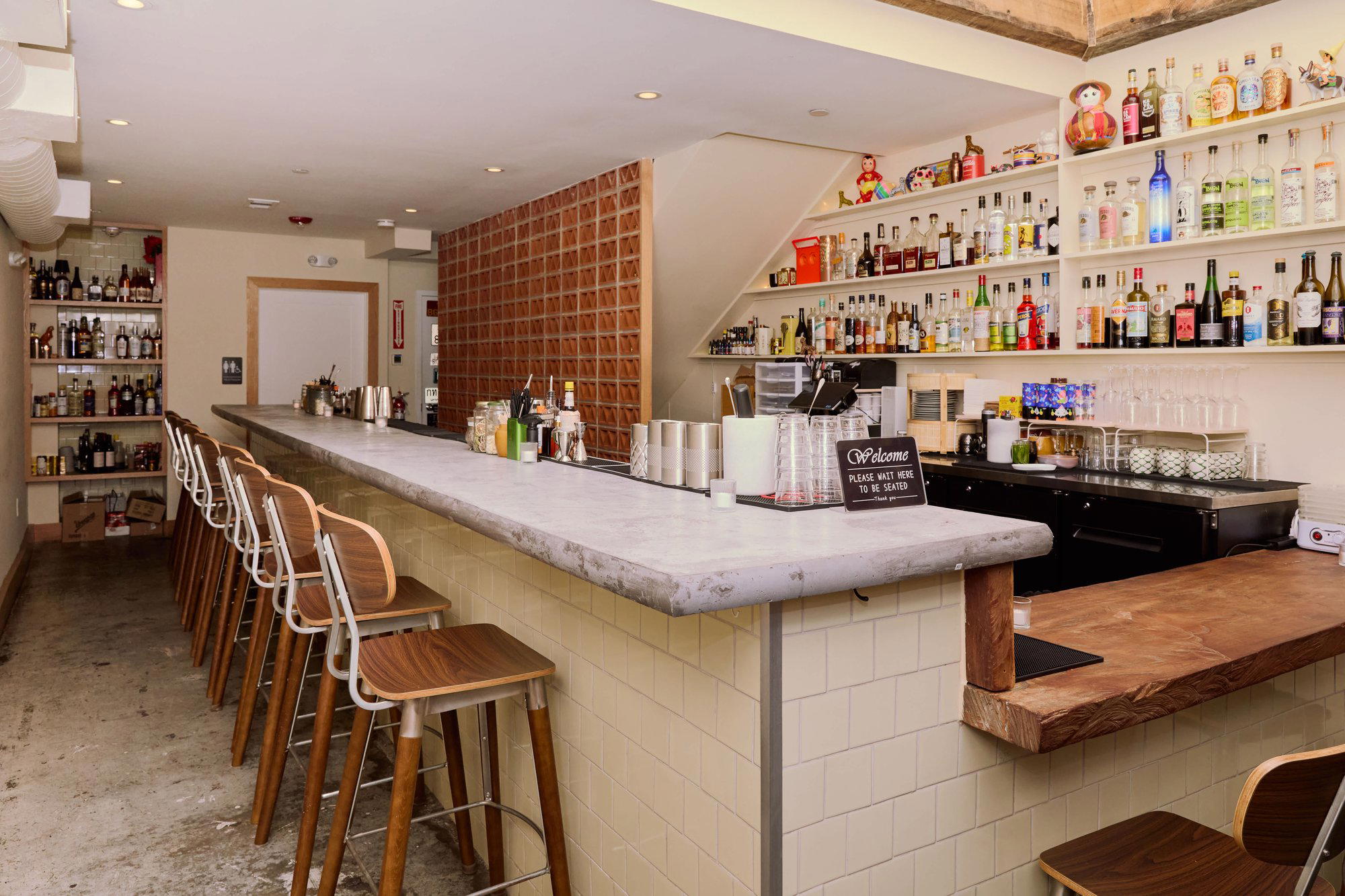
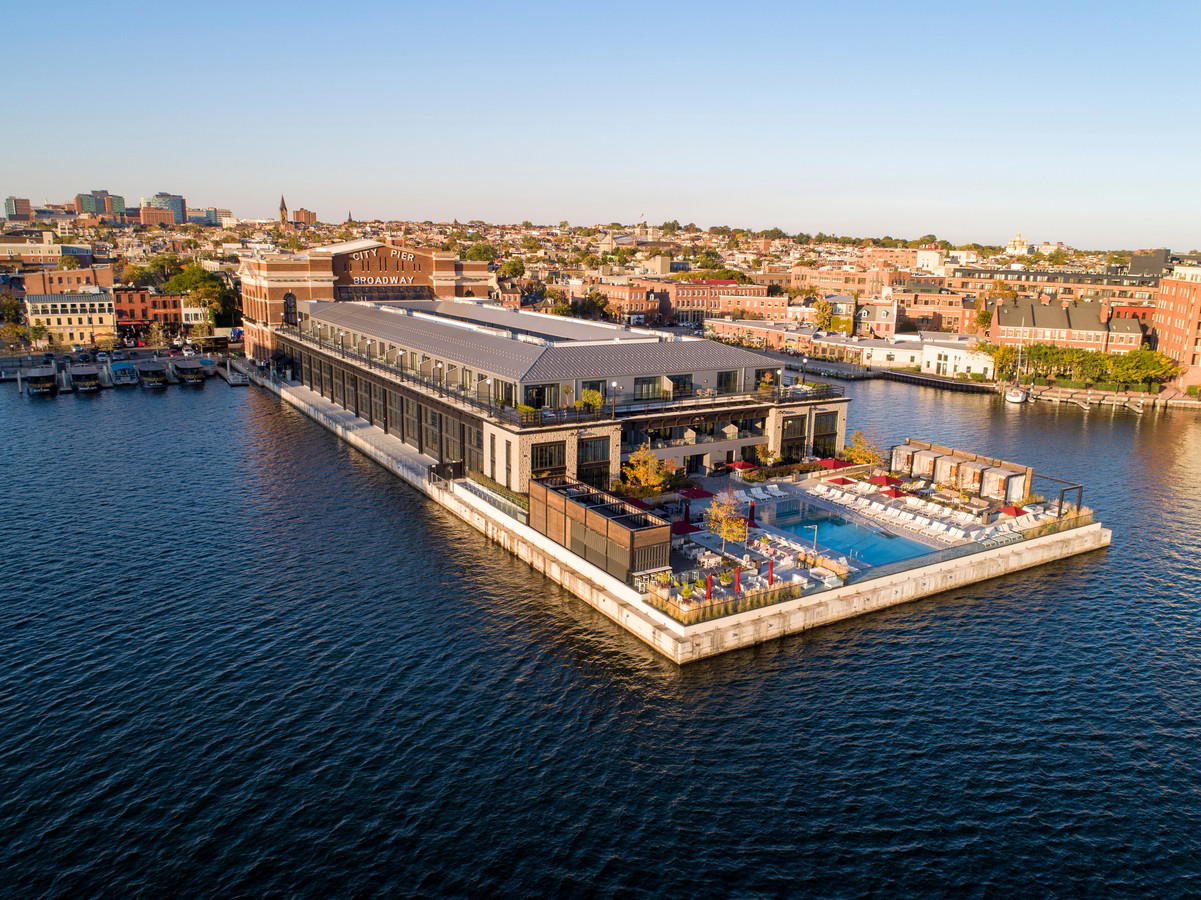
Sleek, modern space with lively table-side grilling and casual waterfront atmosphere.