Cindy Wolf's Charleston
.png?width=120&quality=80)


James Beard Award Semi Finalist · AAA 5 Diamond
Our verdict
Charleston holds a 2025 James Beard Award for Outstanding Wine and Other Beverages Program alongside AAA 5 Diamond recognition, placing it among the most decorated dining rooms in Maryland. Under chef Cindy Wolf, the restaurant operates from Baltimore's Inner Harbor at 1000 Lancaster Street, drawing regulars who treat an evening here as a structured ritual rather than a casual dinner. The beverage program, in particular, sets a national benchmark rarely matched outside major coastal cities.

Pearl is the En Primeur Club membership app, where members save venues, book tables and use the concierge.
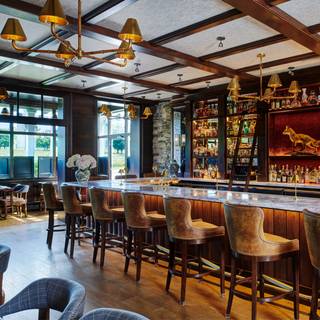
The menu
What to order
- Cornmeal fried oysters
- Lobster soup with curry
- Hudson Valley foie gras
There is a particular kind of dining room that Baltimore has historically struggled to produce at scale: the kind where the room itself sets a tempo before a single dish arrives. Lancaster Street runs along the Inner Harbor's eastern edge, and the address at 1000 places Charleston at a remove from the tourist-facing waterfront strip, close enough to the water to feel intentional, far enough to feel considered. The room is the opening statement, and regular guests read it accordingly.
A Dining Ritual in the American South Atlantic Tradition
American fine dining has spent the past decade arguing with itself about formality. Some rooms have abandoned the long multicourse progression entirely; others have doubled down on it as a form of cultural resistance. Charleston belongs to the latter cohort. The meal here is structured, paced, and sequential in a way that asks something of the diner: patience, attention, a willingness to let the kitchen set the clock. That posture is not common in Baltimore, where the dominant dining culture skews casual and seafood-forward, and it is precisely what separates Charleston from the broader Inner Harbor restaurant scene.
Chef Cindy Wolf has anchored the kitchen here long enough that the restaurant's identity and her culinary perspective are genuinely inseparable. The cooking draws from the Low Country tradition, interpreting Southern coastal ingredients through a European technique framework that keeps the menu grounded without making it precious. In a city where crab cakes and steamed shrimp set the default register, that disciplined ambition is a different kind of signal.
The Beverage Program as a Dining Architecture Tool
Wine programs at this level function as structural elements of the meal, not accessories to it. The 2025 James Beard Award for Outstanding Wine and Other Beverages Program is one of the most specific recognitions the Foundation issues: it does not reward size of list alone, but the intelligence and coherence with which wine integrates into the dining experience.
For context, that award category has previously gone to restaurants in New York and San Francisco where beverage programs have decades of institutional investment behind them. A Baltimore restaurant winning it in 2025 is not incidental. It reflects a program built with enough depth, curatorial consistency, and floor-level knowledge to satisfy a judging panel drawn from across the American restaurant industry. The AAA 5 Diamond designation, held simultaneously, reinforces that the beverage program does not operate in isolation: it sits inside a service and food framework that meets an equivalently demanding standard.
Comparatively, few dining rooms in Maryland operate at both the James Beard and AAA 5 Diamond level. The combination puts Charleston in a national peer conversation that includes rooms like Le Bernardin in New York City, The French Laundry in Napa, and Alinea in Chicago, all of which share the characteristic of treating service, food, and drink as a unified discipline rather than separate departments.
Where Charleston Sits in Baltimore's Dining Map
Baltimore's restaurant scene is more varied than its national reputation suggests. The Turkish rooms, including dede (Michelin two stars) and the more casual Baba'de, represent one pole of the city's ambition. Neighbourhood institutions like Attman's Delicatessen and Angeli's Pizzeria anchor a different kind of civic dining identity, one built on continuity and community. Clavel has brought serious Mexican cooking to the mix. Charleston operates at none of these registers: it is the room you book when the occasion demands something the city's broader dining culture does not routinely produce.
That positioning has remained stable for years. The James Beard recognition in 2025 did not redefine Charleston so much as confirm what regulars and the hospitality industry had already understood: this is the room Baltimore points to when the national conversation turns to whether mid-Atlantic cities outside New York can sustain fine dining at the highest domestic tier. For the full picture of what the city offers across every category, our full Baltimore restaurants guide maps the range.
The Pacing of the Evening
Multicourse American fine dining at this level tends to run between two and a half and three hours, and Charleston is not an exception. That duration is not incidental: it is the format through which the beverage program deploys its logic. A wine pairing structured over eight or ten courses requires time to move through registers, from lighter whites in the earlier courses to fuller reds or a late pour of something fortified or sweet toward the close. Compressing that into ninety minutes would undercut exactly the thing the James Beard panel recognized.
This is also why the reservation process matters. Charleston at 1000 Lancaster Street draws from a regional audience that includes Washington, D.C. visitors making the forty-mile trip north for a specific occasion. A 4.8 at scale is harder to sustain than a 4.8 at low volume: it requires the kitchen and floor to perform reliably across many covers and many different types of diners.
For those planning a broader Baltimore evening, our full Baltimore bars guide covers the pre- or post-dinner options within reach of the Inner Harbor, and our full Baltimore hotels guide covers where to stay if you are making the trip from outside the city. The Baltimore experiences guide and Baltimore wineries guide round out the planning picture for visitors who want to extend the visit beyond a single meal.
Charleston in National Context
American fine dining has produced a cohort of restaurants that are genuinely hard to categorize by city tier: rooms that would be celebrated wherever they operated, but happen to be located outside the three or four cities that dominate the national conversation. Lazy Bear in San Francisco, Single Thread Farm in Healdsburg, and Atomix in New York City all represent versions of that phenomenon from different geographic and culinary angles. Emeril's in New Orleans and 8 1/2 Otto e Mezzo Bombana in Hong Kong extend the comparison internationally. Charleston belongs in that conversation, not because the comparison is flattering, but because the award record and service standard justify the placement.
The 2025 James Beard Outstanding Wine and Other Beverages Program award is, in particular, a credential that travels. It is not a local recognition or a regional concession: it is a national jury making an argument about which room in the country has done the most coherent, disciplined work with its beverage offering in a given year. That Charleston received it in 2025 is the kind of fact that should recalibrate how seriously the city's fine dining scene is taken from the outside.
Practical Notes for Planning
Charleston sits at 1000 Lancaster Street in Baltimore's Inner Harbor East neighbourhood, a location that makes it accessible from downtown Baltimore and reachable by car from Washington, D.C. in under an hour depending on traffic. Given the pace and structure of the meal, an evening reservation rather than a lunch format suits the experience better: the beverage program's logic unfolds across time, and arriving with a full evening available lets the meal develop without a fixed endpoint pressing against it. Booking in advance is advisable, particularly for weekend dates or occasions that require a specific table configuration.
Frequently asked questions
Who is the chef or culinary lead at Cindy Wolf's Charleston?
The chef associated with Cindy Wolf's Charleston is Cindy Wolf.
What awards or recognition does Cindy Wolf's Charleston have?
Cindy Wolf's Charleston has received recognition including: James Beard Award 2025 Charleston has been recognized with the 2025 James Beard Award for Outstanding Wine and Other Beverages Program. Restaurant Details: • Location: Baltimore, MD • Chef: Unknown • Cuisine: Unknown • Award Year: 2025 • Aw….
What do regulars order at Cindy Wolf's Charleston?
Charleston's current menu is best checked directly with the restaurant at 1000 Lancaster Street, as the kitchen's composition shifts seasonally. What remains consistent is the beverage program, which earned the 2025 James Beard Award for Outstanding Wine and Other Beverages Program, regulars tend to engage closely with the wine pairing rather than treating it as optional. The multicourse format means the meal is structured as a full progression, so arriving with appetite for the complete sequence is the practical approach.
Where is Cindy Wolf's Charleston located?
Cindy Wolf's Charleston is located at 1000 Lancaster St, Baltimore, MD 21202, Baltimore.
| Venue | Cuisine | Price | Awards | Notes |
|---|---|---|---|---|
| Cindy Wolf's CharlestonThis venue (the venue you are viewing) | Contemporary Lowcountry Southern with French Influences | $150–200 | James Beard Award Semi Finalist · AAA 5 Diamond | Not listed |
| dede | Turkish-Irish Fusion Fine Dining | $200–300 | 2 Michelin Stars · La Liste Top Restaurants | Turkish |
| Attman’s Delicatessen | Jewish Deli | $10–20 | Not listed | Jewish Delicatessen |
| Baba'de | Modern Turkish-Irish Fusion Small Plates | Not listed | Michelin Bib Gourmand · Star Wine List | Turkish |
| Clavel | Authentic Sinaloan Taqueria & Mezcaleria | $30–50 | James Beard Award Semi Finalist | Mexican |
| Faidley’s Seafood | Classic Maryland Seafood | $20–30 | Not listed | Seafood |
Recognition history
Dated appearances from independent guides and award organizations, with the underlying list record or original source where available.
James Beard Award Semi Finalist
James Beard Award
Opinionated About Dining Top Restaurants in North America Recommended
Opinionated About Dining
AAA 5 Diamond
AAA
Full recognition history (4 entries)
James Beard Award Outstanding Wine and Other Beverages Program
James Beard Award
Continue exploring
More in Baltimore
Restaurants in Baltimore
All restaurants in Baltimore →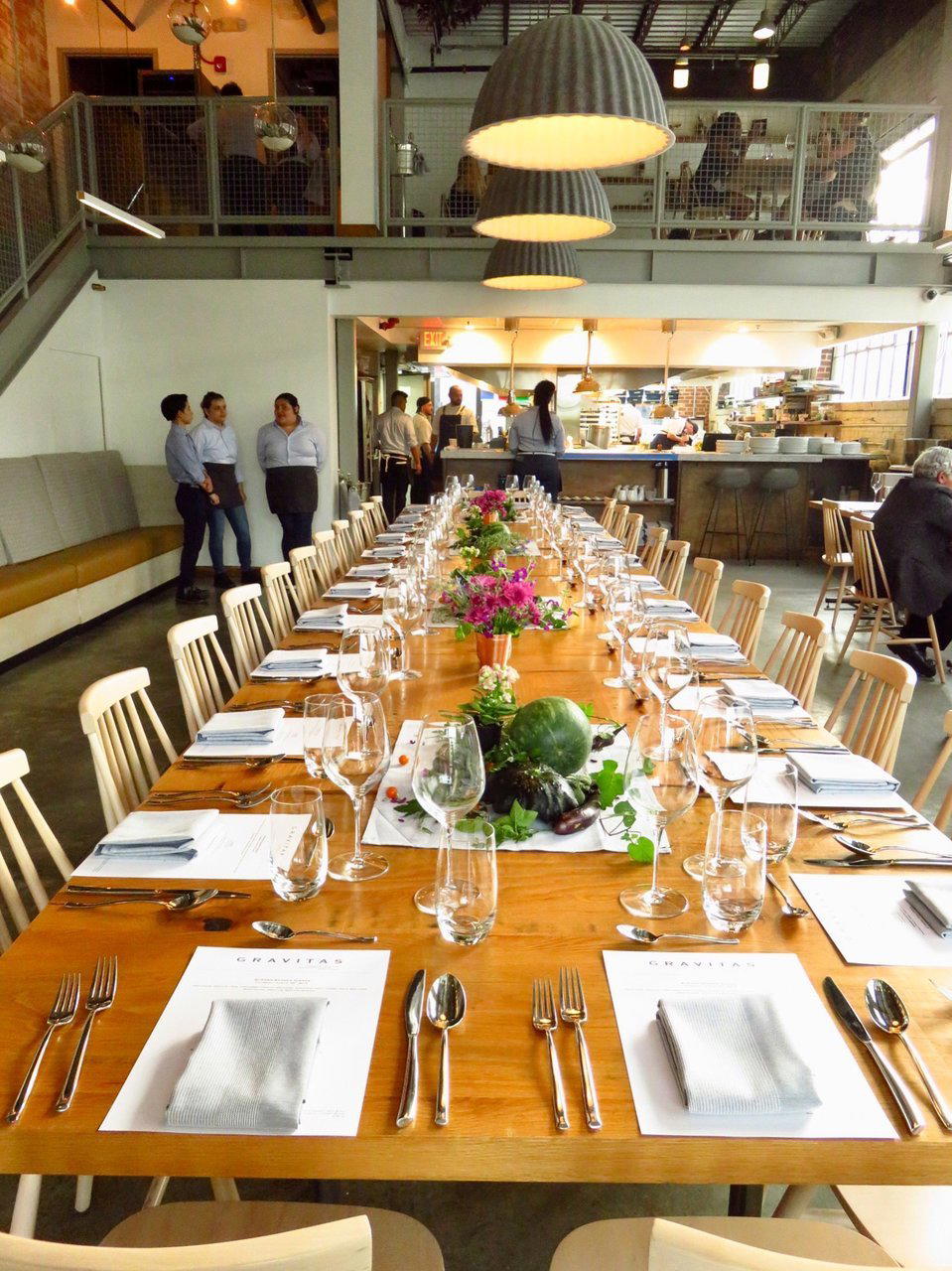
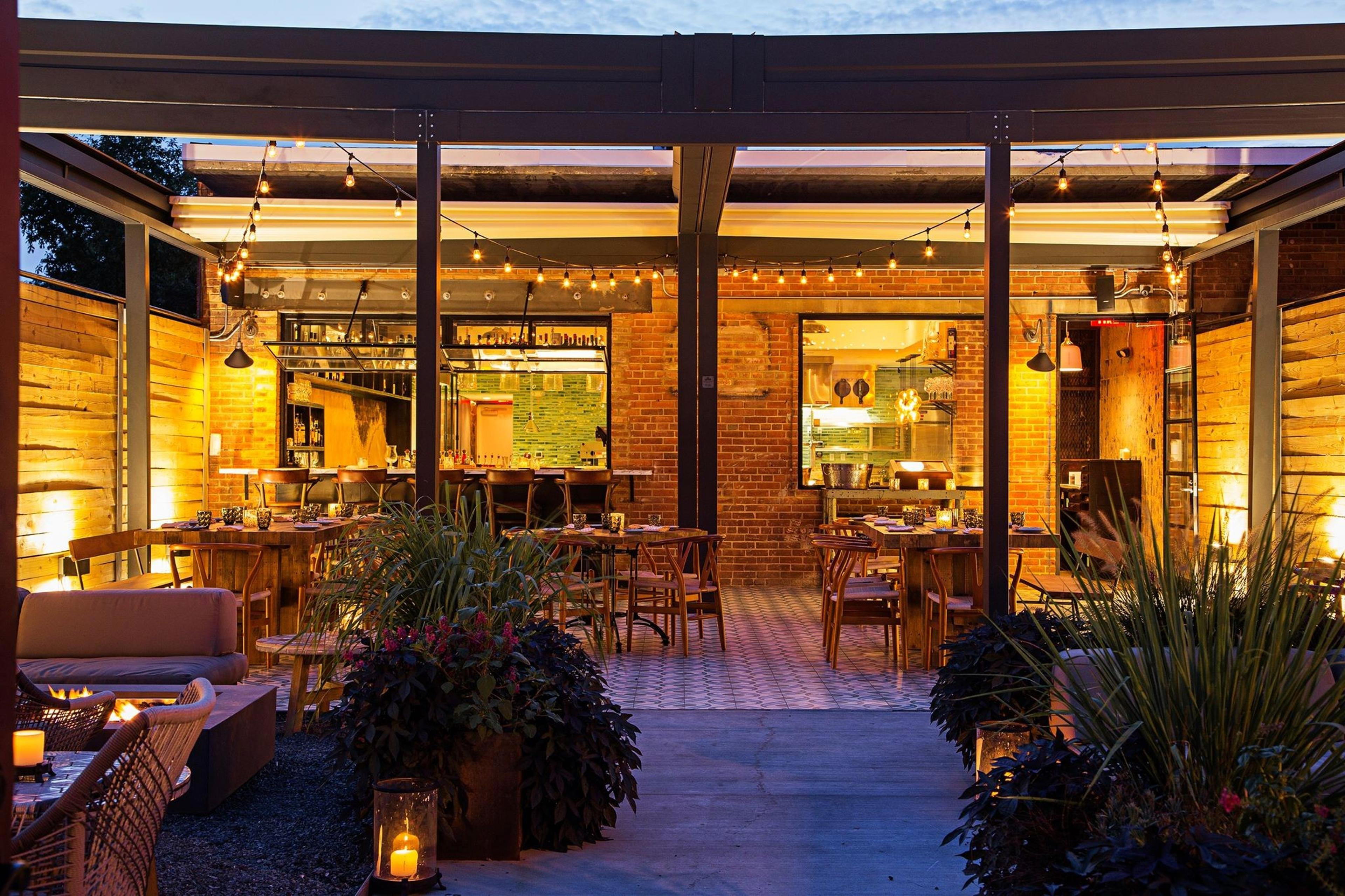
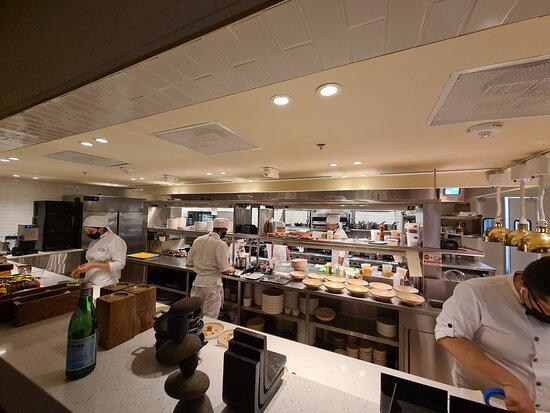
Bars in Baltimore
All bars in Baltimore →
Cindy Wolf's Charleston
The wine
- Wine program
- Deep wine list
- Extensive wine list
Details
- Elegant
- Romantic
- Sophisticated
- Intimate
- Date Night
- Special Occasion
- Business Dinner
- Celebration
- Open Kitchen
- Private Dining
- Hotel Restaurant
- Extensive Wine List
- Waterfront
- Prix Fixe
- Tasting Menu
- Small Plates
- Wine
Current opening hours
- Monday
- 5:30–9 PM
- Tuesday
- 5:30–9 PM
- Wednesday
- 5:30–9 PM
- Thursday
- 5:30–9 PM
- Friday
- 5–9:30 PM
- Saturday
- 5–9:30 PM
- Sunday
- 5–8:30 PM
Hours can change for holidays and private events. Hours as of .
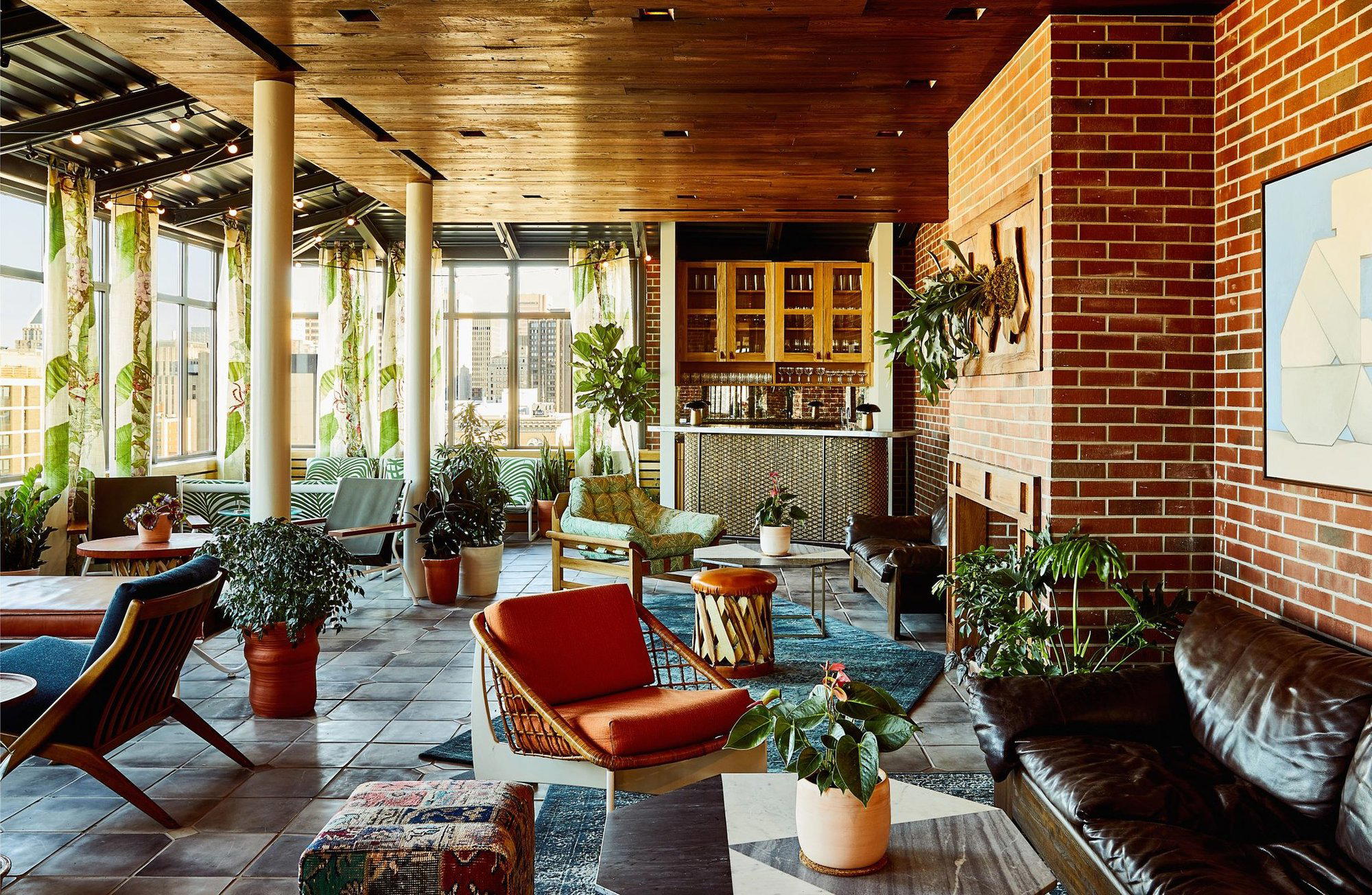
Elegant and romantic with richly hued interiors, polished attentive service, and a refined atmosphere ideal for special occasions.