The Urban Oyster

James Beard Award Semi Finalist
Our verdict
On Hampden's Avenue, The Urban Oyster occupies a stretch of Baltimore's most character-driven dining corridor. The name alone signals where this restaurant's loyalties lie: the Chesapeake, its shellfish traditions, and a menu architecture built around what the bay and its surrounding waters have long produced. For visitors working through Baltimore's seafood geography, this address deserves consideration.

Pearl is the En Primeur Club membership app, where members save venues, book tables and use the concierge.
The menu
What to order
- Chargrilled Oysters
- Deviled Eggs with Fried Oyster Fritter
- Crab Cake
Hampden and the Oyster's Place in Baltimore's Seafood Order
Baltimore's relationship with the oyster is not a marketing angle, it is infrastructure. The Chesapeake Bay supplied more oysters to American tables in the nineteenth century than any other body of water on the continent, and that history left a culinary imprint that the city's restaurants have been working with, against, and around ever since. The question any oyster-focused restaurant in Baltimore faces is not whether the subject matter matters, but how much of that tradition it intends to carry and how much it reframes for a contemporary dining room.
The Urban Oyster sits at 914 W 36th St, on Hampden's main commercial strip known locally as The Avenue. Hampden is not the Inner Harbor's tourist radius, and it is not the polished federal-hill dining corridor either. It is a neighbourhood that built its food scene incrementally, through independent operators rather than restaurant groups, and that character still defines what opens and survives there. A seafood-forward concept on this block is competing less against high-volume waterfront operations and more against the neighbourhood's own well-established independent roster, which includes addresses like dede (Turkish) and Angeli's Pizzeria, both of which have built loyal followings through focused menus and consistent execution.
Reading the Menu Architecture
The name itself is an editorial statement about structure. A restaurant called The Urban Oyster is committing, at least nominally, to a primary ingredient and a primary context: the city, not the bay. That framing matters because it positions the menu somewhere between raw bar formalism and casual neighbourhood eating, a bracket that has become increasingly occupied across American mid-size cities as oyster programs migrate from white-tablecloth settings into accessible, approachable formats.
Nationally, the shift has been measurable. Oyster-led menus were once anchored to fine dining houses, the kind of programs associated with destinations like Le Bernardin in New York City or Providence in Los Angeles, where shellfish sits inside a broader seafood tasting architecture. The more recent model, accessible raw bars and oyster-focused independents operating at mid-price points in residential neighbourhoods, represents a different proposition entirely. It trades the formality of those top-tier programs for frequency: the goal is to be somewhere you return to on a Tuesday, not a reservation you hold for a special occasion three months out.
Whether The Urban Oyster operates more toward the raw bar casual end or reaches for something structurally more ambitious is not something the available record resolves in detail. What the address signals is that Hampden's dining culture rewards specificity and authenticity over spectacle. Restaurants on The Avenue that have sustained themselves have generally done so through menus with clear points of view, not generalist approaches. The urban oyster concept, if executed with the same focus its name implies, fits that neighbourhood logic.
Baltimore's Seafood Geography: Where This Fits
Mapping The Urban Oyster within Baltimore's broader seafood scene requires understanding how the city's dining options distribute across price and formality. At the upper end, Cindy Wolf's Charleston represents the kind of refined, ingredient-led cooking that treats Chesapeake seafood as fine dining material. That tier prices accordingly and attracts a different occasion. Farther down the formality register, Baltimore's crab houses and harbour-facing casual operations absorb the tourist trade and the local crowd looking for quantity and atmosphere over precision.
The middle register, where a neighbourhood oyster bar with some ambition but without fine dining overhead operates, is a more contested space. It requires a wine or beverage program capable of anchoring the check, a sourcing story that gives the menu credibility beyond generic shellfish supply, and a format that sustains repeat visits. Cities with strong oyster cultures, from New Orleans (where Emeril's helped define what refined Gulf seafood could look like) to San Francisco (where producers and restaurants have built traceable supply chains linking specific bays to specific menus), have demonstrated that the middle tier is viable when the sourcing and format are handled with discipline.
Baltimore's own oyster supply from the Chesapeake, particularly from the Eastern Shore and tributaries that produce distinct salinity and mineral profiles across different growing areas, gives a restaurant in this city a genuine raw material advantage that most inland competitors cannot replicate.
Hampden as Dining Context
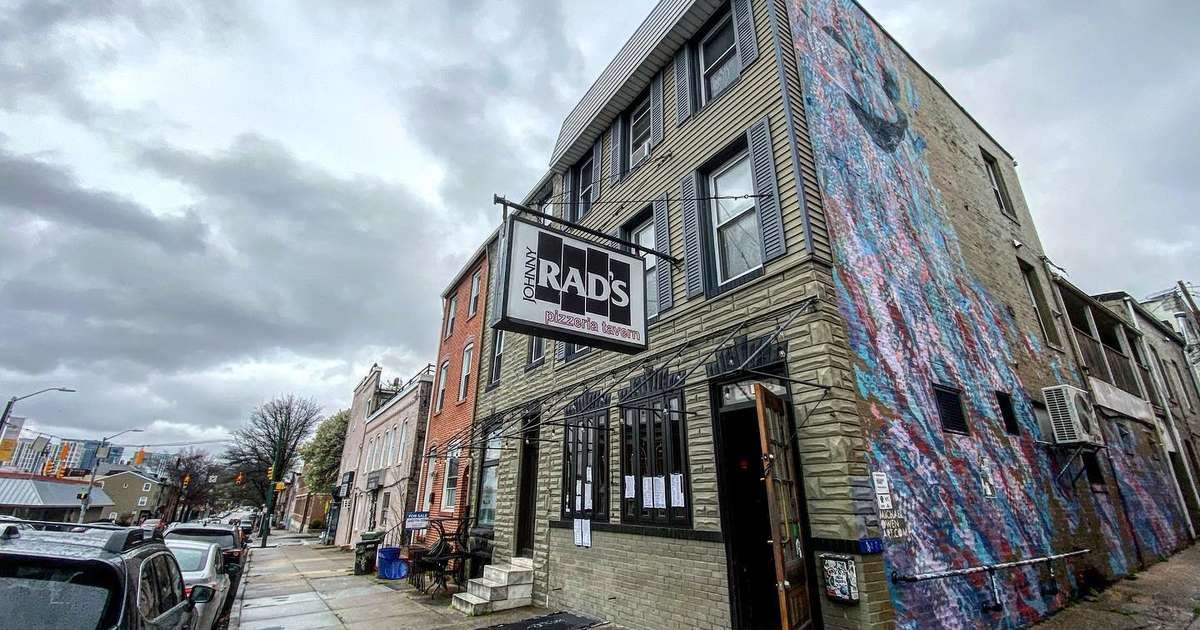
Arriving on W 36th St, the neighbourhood context reads clearly before you enter anywhere. Hampden is dense with storefronts that have changed hands as the area shifted from a working-class residential district to one of Baltimore's most active independent dining corridors. The scale is human: buildings are two and three storeys, the street grid is walkable, and the dining options include everything from counter-service to sit-down neighbourhood restaurants operating at a range of price points.
For visitors building a Baltimore itinerary, Hampden pairs well with a broader exploration of the city's independent restaurant scene. 16 On The Park and Akbar represent other neighbourhood operators worth mapping alongside a Hampden visit. The full sweep of what Baltimore is doing across its independent dining scene is covered in our full Baltimore restaurants guide.
For context on how oyster-focused and seafood-forward menus are being executed at higher formality tiers across the United States, the reference points are instructive: The French Laundry in Napa, Alinea in Chicago, Lazy Bear in San Francisco, Blue Hill at Stone Barns in Tarrytown, Single Thread Farm in Healdsburg, Addison in San Diego, The Inn at Little Washington, Atomix in New York City, and 8 1/2 Otto e Mezzo Bombana in Hong Kong all demonstrate how ingredient-led menus build structural coherence at a high level. The Urban Oyster operates at a different scale and ambition tier, but the underlying logic, clarity of concept, quality of primary ingredient, format discipline, applies across every price bracket.
Know Before You Go
- Address: 914 W 36th St, Baltimore, MD 21211
- Neighbourhood: Hampden (The Avenue)
- Reservations:Le Bernardin in New York City and Providence in Los Angeles offer useful reference points.
- Do I need a reservation for The Urban Oyster?
- Hampden restaurants at this address format frequently accommodate walk-ins, but that is not guaranteed. Given the neighbourhood's growing dining popularity, contacting the venue directly before a visit is advisable, particularly on weekends. Baltimore's independent dining scene across Hampden is competitive for tables on Friday and Saturday evenings.
- What do critics highlight about The Urban Oyster?
- Cindy Wolf's Charleston represents the tier with documented critical recognition in the city.
- Is The Urban Oyster allergy-friendly?
- If shellfish allergies or other dietary requirements are relevant, direct contact with the venue before booking is the appropriate step. Baltimore's independent restaurant community generally accommodates enquiries when made in advance.
- Is The Urban Oyster worth it?
- What the venue's location and name signal is a focus on Chesapeake shellfish within a neighbourhood that has consistently supported independent operators with clear culinary identities. If the concept executes on that premise with quality sourcing and a format suited to repeat visits, it fits a gap in Baltimore's mid-register seafood dining that the market supports. Visit alongside other Hampden operators and assess against the neighbourhood's own standard.
- What makes The Urban Oyster different from Baltimore's waterfront seafood restaurants?
- The Hampden address places The Urban Oyster in a residential neighbourhood dining context rather than the tourist-facing waterfront corridor that defines much of Baltimore's public seafood identity. Waterfront operations in cities like Baltimore typically orient their menus toward volume and accessibility for visitors; neighbourhood operators on streets like W 36th St tend to build for repeat local custom, which generally requires more considered sourcing and format discipline. That distinction, neighbourhood oyster bar versus harbour-facing seafood house, is the structural difference worth understanding before choosing between them. For a broader sense of how Baltimore's independent restaurants distribute across the city, see our full Baltimore restaurants guide.
Frequently asked questions
What's The Urban Oyster's location?
The Urban Oyster is located at 914 W 36th St, Baltimore, MD 21211, Baltimore.
How does The Urban Oyster fit into Baltimore's broader oyster and Chesapeake Bay seafood tradition?
The Chesapeake Bay was the dominant source of American oyster supply through the 19th and early 20th centuries, and Baltimore built significant commercial infrastructure around that harvest. A restaurant named The Urban Oyster on W 36th St in Hampden is positioning itself within that lineage while serving a neighborhood that sits distinctly outside the Inner Harbor's tourist-facing seafood corridor. The format, oyster-led rather than crab-centric, marks a deliberate departure from the Old Bay and steamed crab identity that defines much of Baltimore's seafood marketing.
What's the signature dish at The Urban Oyster?
The name commits the menu to oysters as the primary offering, which in Baltimore means working within a Chesapeake Bay tradition that historically supplied more oysters to American tables than any other regional fishery.
Do I need a reservation for The Urban Oyster?
Hampden restaurants at this address on W 36th St tend to draw consistent neighborhood traffic, particularly on weekends, so contacting the venue directly before arrival is advisable.
What do critics highlight about The Urban Oyster?
Within Baltimore's seafood geography, a Hampden oyster bar occupies a specific niche: more neighborhood-oriented than the Inner Harbor tourist corridor, with a menu architecture that signals genuine commitment to the ingredient rather than a broad catch-all seafood format.
Is The Urban Oyster allergy-friendly?
Given that oysters and shellfish are central to the concept at 914 W 36th St, guests with shellfish allergies should confirm menu alternatives directly with the restaurant before booking.
Is The Urban Oyster worth it?
That depends on what you're benchmarking against. Baltimore's seafood scene distributes across a wide price and format range, from waterfront crab houses to refined raw bars. An oyster-focused spot in Hampden sits closer to the neighborhood dining end of that spectrum, which typically means lower price points than downtown alternatives and a room that reflects the block's independent-retailer character rather than a polished dining destination aesthetic.
Price and Positioning
Comparable venues nearby, for context on price, style, and recognition.
| Venue | Cuisine | Price | Awards | Notes |
|---|---|---|---|---|
| The Urban OysterThis venue (the venue you are viewing) | Black-Owned Chargrilled Oyster Bar | $20–30 | James Beard Award Semi Finalist | Not listed |
| The Choptank - Baltimore | Classic Maryland Seafood & Crab House | $30–50 | Not listed | Fells Point, Classic Maryland Seafood & Crab House |
| Watershed | Classic Maryland Seafood House | $30–50 | James Beard Award Best Chefs | Federal Hill, Classic Maryland Seafood House |
| Blackwall Hitch | Modern Seafood & Steakhouse | $30–50 | Not listed | Inner Harbor, Modern Seafood & Steakhouse |
| Poets Modern Cocktails & Eats | Modern American Gastropub | $30–50 | Not listed | Mount Vernon, Modern American Gastropub |
| Le Bistro Du Village | Authentic French Bistro | Not listed | Not listed | Mt. Washington, Authentic French Bistro |
Recognition history
Dated appearances from independent guides and award organizations, with the underlying list record or original source where available.
James Beard Award Semi Finalist
James Beard Award
Continue exploring
More in Baltimore
Restaurants in Baltimore
All restaurants in Baltimore →
Bars in Baltimore
All bars in Baltimore →

Details
- Cozy
- Trendy
- Intimate
- Date Night
- Group Dining
- Casual Hangout
- Open Kitchen
- Craft Cocktails
- Sustainable Seafood
- A La Carte
- Small Plates
Current opening hours
- Monday
- Closed
- Tuesday
- Closed
- Wednesday
- 4–10 PM
- Thursday
- 4–10 PM
- Friday
- 4–11 PM
- Saturday
- 4–11 PM
- Sunday
- 1–9 PM
Hours can change for holidays and private events. Hours as of .
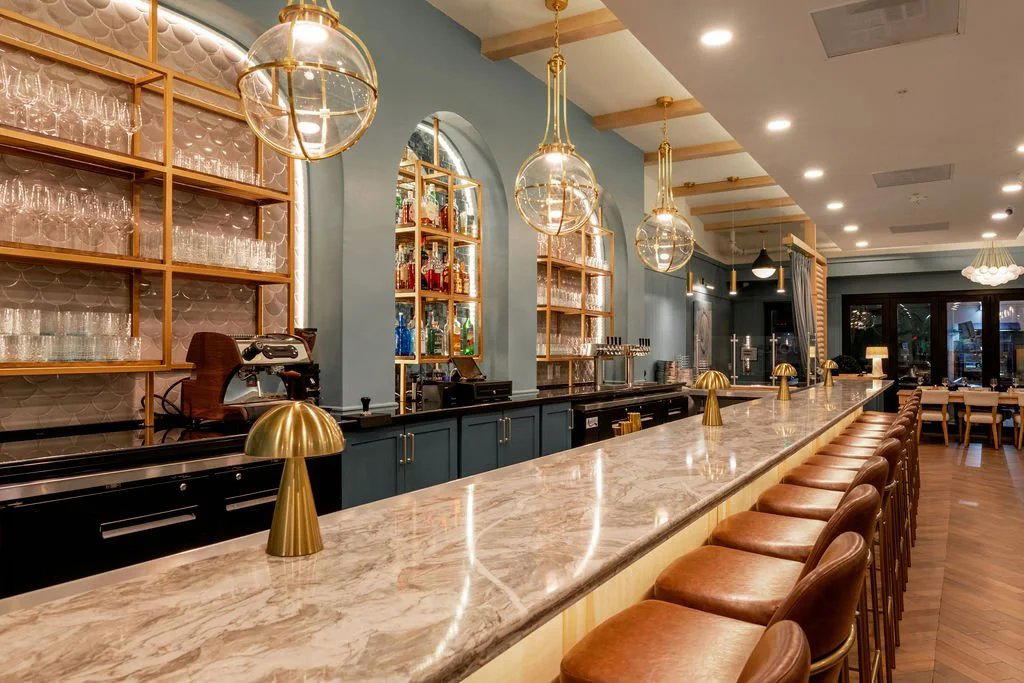
Cozy coastal atmosphere with brass chandeliers in a relaxed, less pretentious space.