Akbar
Akbar occupies a basement-level address on North Charles Street in Baltimore's Mount Vernon, one of the city's most culturally layered corridors. The restaurant represents South Asian dining in a neighbourhood more commonly associated with European-influenced kitchens, situating it as a counterpoint to the fine-dining consensus around it. For Baltimore residents familiar with the block, Akbar has held its position quietly and consistently across years of neighbourhood change.
Pearl is the En Primeur Club membership app — saves, bookings, and concierge access live there. Same editors, same standards.
- Address
- 823 N Charles St # B, Baltimore, MD 21201
- Phone
- +14105390944
- Website
- akbarindianrestaurant.com
- Directions
- Get directions
 Saves & bookings on Pearl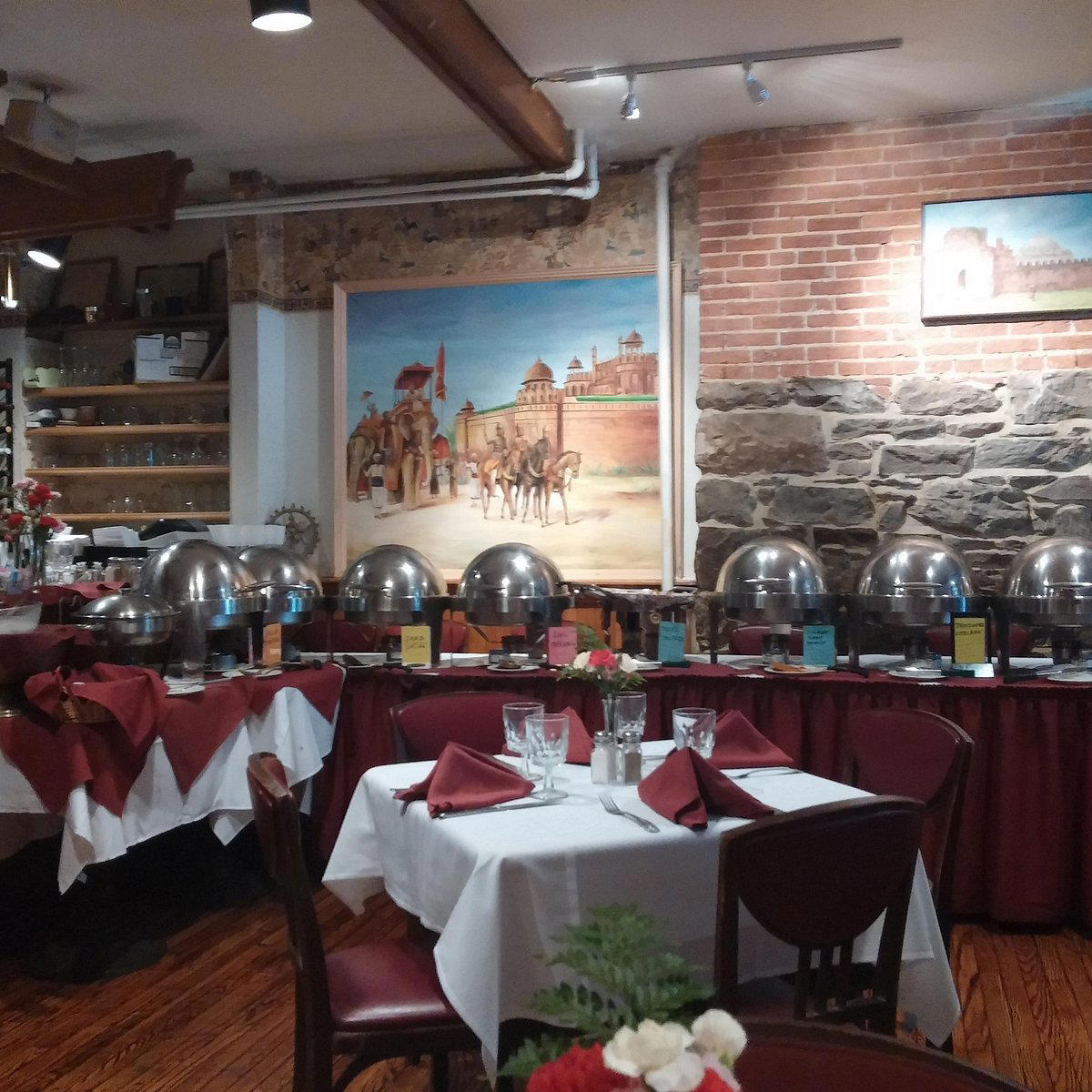
North Charles Street and the Case for Indian Dining in Mount Vernon
Mount Vernon does not lack for dining ambition. The stretch of North Charles Street running through Baltimore's arts district has produced some of the city's most discussed tables, from the considered tasting menus at Cindy Wolf's Charleston to the Turkish-inflected cooking at dede. Against that backdrop, Akbar occupies a basement-level space at 823 N Charles St, and it does so without the fanfare that tends to accompany newer arrivals on the block. That positioning, below street level and below the noise of current dining conversation, is part of what defines its character in the neighbourhood.
South Asian restaurants in American mid-Atlantic cities have historically concentrated in suburban corridors rather than urban arts districts. When one takes root in a neighbourhood like Mount Vernon — where the competitive set tilts toward European technique and tasting-menu formats — it signals something about both the venue's durability and the neighbourhood's genuine culinary range. Akbar's address puts it in the company of places like Alma Cocina Latina and 16 On The Park, restaurants that hold a distinct culinary identity within a neighbourhood that could easily default to safe, familiar formats.
The Cultural Weight of the Subcontinental Table
Indian cuisine in the United States carries a long and complicated reception history. For decades, the dominant American understanding of subcontinental cooking was shaped by Punjabi-heavy menus designed for export: butter chicken, saag paneer, tandoori standards. That template served a commercial purpose, but it also narrowed the frame considerably. The actual breadth of Indian cooking spans regional traditions, Chettinad, Hyderabadi, Goan, Keralan, Rajasthani, that rarely made it onto American menus until the past decade or so, when a generation of chefs began insisting on specificity over generality.
This shift matters for how any South Asian restaurant in a city like Baltimore gets read. Mount Vernon diners who have followed the broader national conversation around Indian cuisine, through restaurants that have drawn serious critical attention in New York, Chicago, and Los Angeles, now carry a different set of expectations than they might have fifteen years ago. The reference points have changed. That context shapes what Akbar represents in the neighbourhood: not simply an ethnic restaurant filling a category niche, but a participant in a larger ongoing recalibration of how subcontinental food is understood and valued in American cities.
For a sense of how that recalibration has played out at the highest levels of American dining, the contrast with places like Atomix in New York City, which has redefined how a non-European culinary tradition can be received in a fine-dining context, is instructive, even if the formats differ entirely. The underlying argument is the same: that a cuisine's depth rewards serious attention rather than cursory treatment.
Where Akbar Sits in Baltimore's Dining Structure
Baltimore's restaurant scene has matured considerably over the past decade, though it still operates in the shadow of Washington D.C.'s larger media footprint and New York's critical mass. The city's most-discussed restaurants have generally been those working within European-influenced fine-dining frameworks or those anchored to the Chesapeake seafood tradition that defines Maryland's culinary identity at a regional level. South Asian cooking has not historically sat at the centre of that conversation, which makes Akbar's sustained presence on North Charles Street the more noteworthy.
The broader Baltimore dining picture includes venues drawing comparisons to some of the country's more ambitious tables. Restaurants like Le Bernardin in New York City, The French Laundry in Napa, and Blue Hill at Stone Barns in Tarrytown represent the kind of institutional weight that shapes what serious diners expect from a city's dining identity. Baltimore has not produced restaurants at that tier of national recognition, but its mid-level is genuinely interesting: Angeli's Pizzeria, dede, Charleston, and Akbar each hold a distinct position in what is, in aggregate, a more varied scene than the city's relative lack of national press coverage might suggest.
To see how other American cities have handled the challenge of building a recognisable fine-dining identity, the trajectories of places like Smyth in Chicago, Lazy Bear in San Francisco, Providence in Los Angeles, and Addison in San Diego offer useful comparison. Each of those cities has a flagship restaurant that anchors a broader narrative about local dining ambition. Baltimore is still working toward that kind of consolidation, which leaves individual venues like Akbar carrying more representational weight than they might in a more fully mapped dining city.
Planning a Visit: What to Know Before You Go
Akbar sits at 823 N Charles St, Suite B, in Baltimore's Mount Vernon neighbourhood, accessible from most parts of the city and within walking distance of the Lyric Baltimore and Peabody Institute. The basement-level entry is characteristic of the building stock on this stretch of Charles Street, where converted rowhouses and former commercial spaces define the architecture. Mount Vernon's dining scene rewards evening exploration: the neighbourhood's density of restaurants, bars, and cultural venues makes it practical to combine Akbar with other stops, including the nearby dede for a Turkish contrast, or to orient a wider Baltimore evening using our full Baltimore restaurants guide.
For those coming from outside Maryland, the wider mid-Atlantic dining context is worth framing. The Inn at Little Washington in Washington and Emeril's in New Orleans represent the kind of destination-restaurant model that draws travellers to specific addresses. Akbar does not position itself in that tier, but for a visitor building a multi-day itinerary through the mid-Atlantic, it fills a category that the city's more prominent tables do not: a sustained, neighbourhood-rooted South Asian address in a culturally active district. For ambitious multi-day itineraries further afield, Single Thread Farm in Healdsburg and Atelier Moessmer Norbert Niederkofler in Brunico represent the kind of destination experiences that justify separate travel planning altogether.
Continue exploring
More in Baltimore
Restaurants in Baltimore
Browse all →
Bars in Baltimore
Browse all →

At a Glance
- Cozy
- Classic
- Group Dining
- Casual Hangout
- Historic Building
Current opening hours
- Monday
- 11 AM–10 PM
- Tuesday
- 5–10 PM
- Wednesday
- 11 AM–10 PM
- Thursday
- 11 AM–11 PM
- Friday
- 11 AM–11 PM
- Saturday
- 11 AM–11 PM
- Sunday
- 11 AM–10 PM
Hours can change for holidays and private events. Last verified .
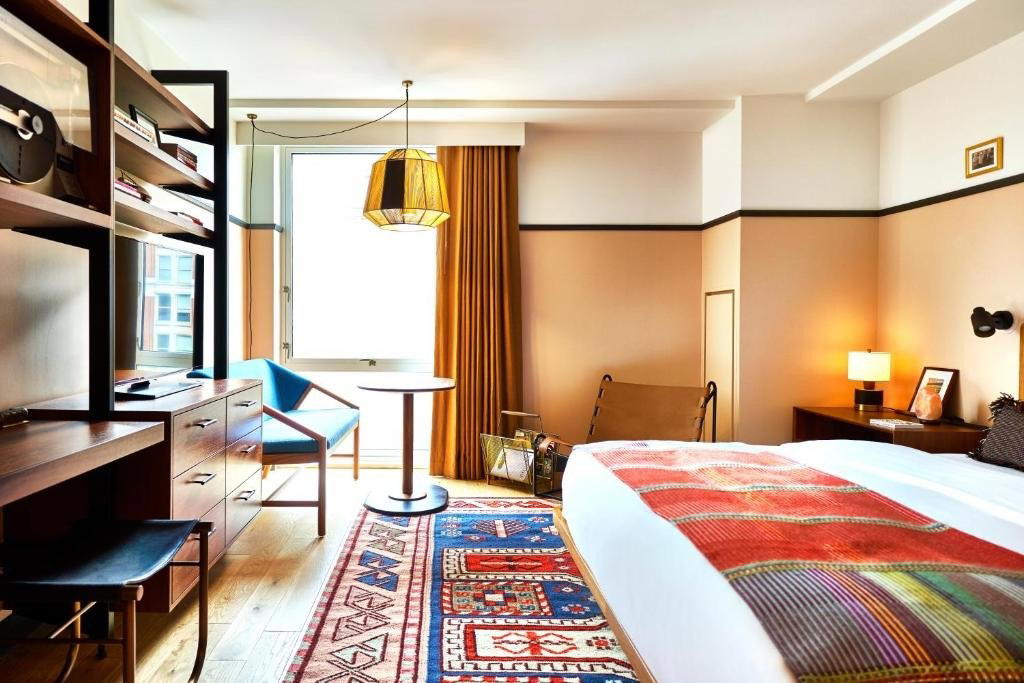
Cozy atmosphere with warm earthy tones, exposed brick walls, warmly stained wood paneling, cloth napkins, and soft traditional Indian music.
Know Before You Go
- Getting there
- 823 N Charles St # B, Baltimore, MD 21201