Vienna's eighth district has a quiet habit of absorbing culinary traditions from across the globe and making them feel local. Mamamon Thai Eatery on Albertgasse sits within that pattern, bringing Thai cooking to a neighbourhood better known for coffee houses and Viennese schnitzel. It occupies a corner of the city where price expectations are measured and the crowd is residential rather than tourist-facing.
Pearl is the En Primeur Club membership app — saves, bookings, and concierge access live there. Same editors, same standards.
- Address
- Albertgasse 15, 1080 Wien, Austria
- Phone
- +43 660 1124244
- Website
- mamamonthaikitchen.com
- Directions
- Get directions
 Saves & bookings on Pearl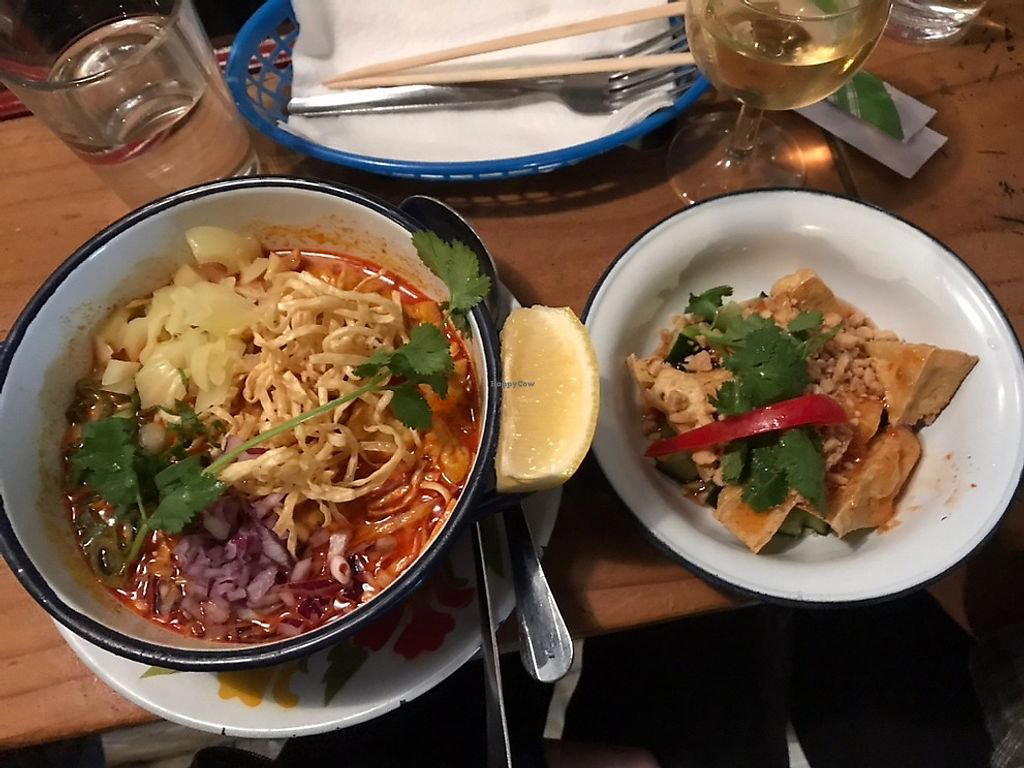
Thai Cooking in the Eighth District
Mamamon Thai Eatery is a restaurant in Vienna, serving Authentic Home-Style Thai at Albertgasse 15, with a casual dress code and a recommended reservation policy. It is a casual Thai restaurant in Vienna's Josefstadt district. Its streets run between the Ring and the Gürtel in a quiet grid of Biedermeier facades, neighbourhood Beisln, and corner bakeries that have kept the same hours for decades.
Mamamon Thai Eatery sits at Albertgasse 15, a few minutes' walk from the Rathaus and the circuit of museums along the Ringstrasse. The address places it within reach of a broad cross-section of the city, from students at nearby university buildings to the kind of regular neighbourhood diner who returns weekly and expects consistency over spectacle.
Where Thai Tradition Meets a European City
The city now has a Thai restaurant layer that ranges from the quick-service noodle counter to more considered kitchens, but the category as a whole remains smaller and less scrutinised than it is in cities with larger Southeast Asian communities.
That relative scarcity shapes the way diners approach the category. Vienna diners approaching Thai food do so with fewer reference points than, say, a London or Sydney crowd, which places a greater burden on the kitchen to be both authentic and legible. The restaurants that work in this environment tend to anchor on familiar structural elements, from aromatic soups to the balance of sour and sweet in dressings, while remaining accessible enough to hold the attention of a diner whose default frame of reference is central European cuisine.
This intersection of imported technique and local eating culture is the defining editorial question for Thai kitchens operating in northern European cities. The leading examples do not soften the heat and acidity to the point of erasure; they calibrate it, presenting a cuisine that retains its structural logic while engaging a palate trained on different reference points. How a given kitchen handles that calibration is the measure of its seriousness. Vienna's broader dining conversation is largely occupied at the high end by creative Austrian cooking, where venues like Steirereck im Stadtpark, Amador, and Mraz & Sohn occupy the top tier, alongside modern European tables such as Konstantin Filippou. The casual Thai register exists in a separate bracket entirely, measured by different criteria: consistency, value, and fidelity to the source cuisine's internal logic.
Reading the Room: Josefstadt's Dining Register
Josefstadt has a particular dining rhythm. It is a neighbourhood where people eat out regularly and expect the kitchen to deliver without theatre. The Thai restaurants that take root in this kind of environment tend to develop a loyal weeknight crowd rather than a weekend destination following. That dynamic rewards precision over ambition, and it produces a version of Thai cooking that is often more reliable than what you find in higher-footfall areas where turnover pressure can overwhelm the kitchen.
For context on how Austria's broader culinary geography works outside Vienna, the country's restaurant scene extends into notable regional rooms, from Döllerer in Golling an der Salzach and Obauer in Werfen to Landhaus Bacher in Mautern an der Donau and Taubenkobel in Schützen am Gebirge. Those rooms define Austria's formal dining identity. Mamamon operates in an entirely different register, one where the editorial question is not about wine pairings or tasting menus but about whether the kitchen can hold a genuine version of its source cuisine in a city that does not take Southeast Asian cooking as a given.
Planning Your Visit
Albertgasse itself is a residential street that sees little tourist foot traffic, which means the atmosphere inside tends to reflect a neighbourhood rather than a visitor-facing crowd.
Le Bernardin in New York City and Lazy Bear in San Francisco both represent the high-end version of that same structural challenge at different price points. Closer to Vienna, rooms like Doubek and regional Austrian venues including Schwarzer Adler in Hall in Tirol, Restaurant 141 by Joachim Jaud in Mieming, Gourmetrestaurant Tannenhof in Sankt Anton am Arlberg, Stüva in Ischgl, Kräuterreich by Vitus Winkler in Sankt Veit im Pongau, and Ois in Neufelden illustrate the depth and geographic range of Austria's formal dining culture, a useful counterpoint to understanding what the casual neighbourhood end of the market is doing differently.
Comparable Spots
Comparable venues nearby, for context on price, style, and recognition.
| Venue | Cuisine | Price | Notes |
|---|---|---|---|
| Mamamon Thai EateryThis venue — the venue you are viewing | Authentic Home-Style Thai | $$ | Not listed |
| All Reis Bangkok Street Food | Authentic Bangkok Street Food | $$ | Fünfhaus |
| Kao Soi Thai Bistro | Northern Thai Street Food | $$ | Staatsoper |
| CARLOS | Contemporary Mexican Cuisine | $$ | Neubau |
| SOFI Vera Pizza Napoletana | Authentic Neapolitan Pizza | $$ | Hernals |
| Makom | Israeli Middle Eastern | $$ | Neubau |
Continue exploring
More in Vienna
Restaurants in Vienna
Browse all →
Bars in Vienna
Browse all →

Hotels in Vienna
Browse all →
At a Glance
- Cozy
- Trendy
- Casual Hangout
- Open Kitchen
Current opening hours
- Monday
- 11:30 AM–3 PM, 5–10 PM
- Tuesday
- 11:30 AM–3 PM, 5–10 PM
- Wednesday
- 11:30 AM–3 PM, 5–10 PM
- Thursday
- 11:30 AM–3 PM, 5–10 PM
- Friday
- 11:30 AM–3 PM, 5–10 PM
- Saturday
- 12:30–10 PM
- Sunday
- Closed
Hours can change for holidays and private events. Last verified .
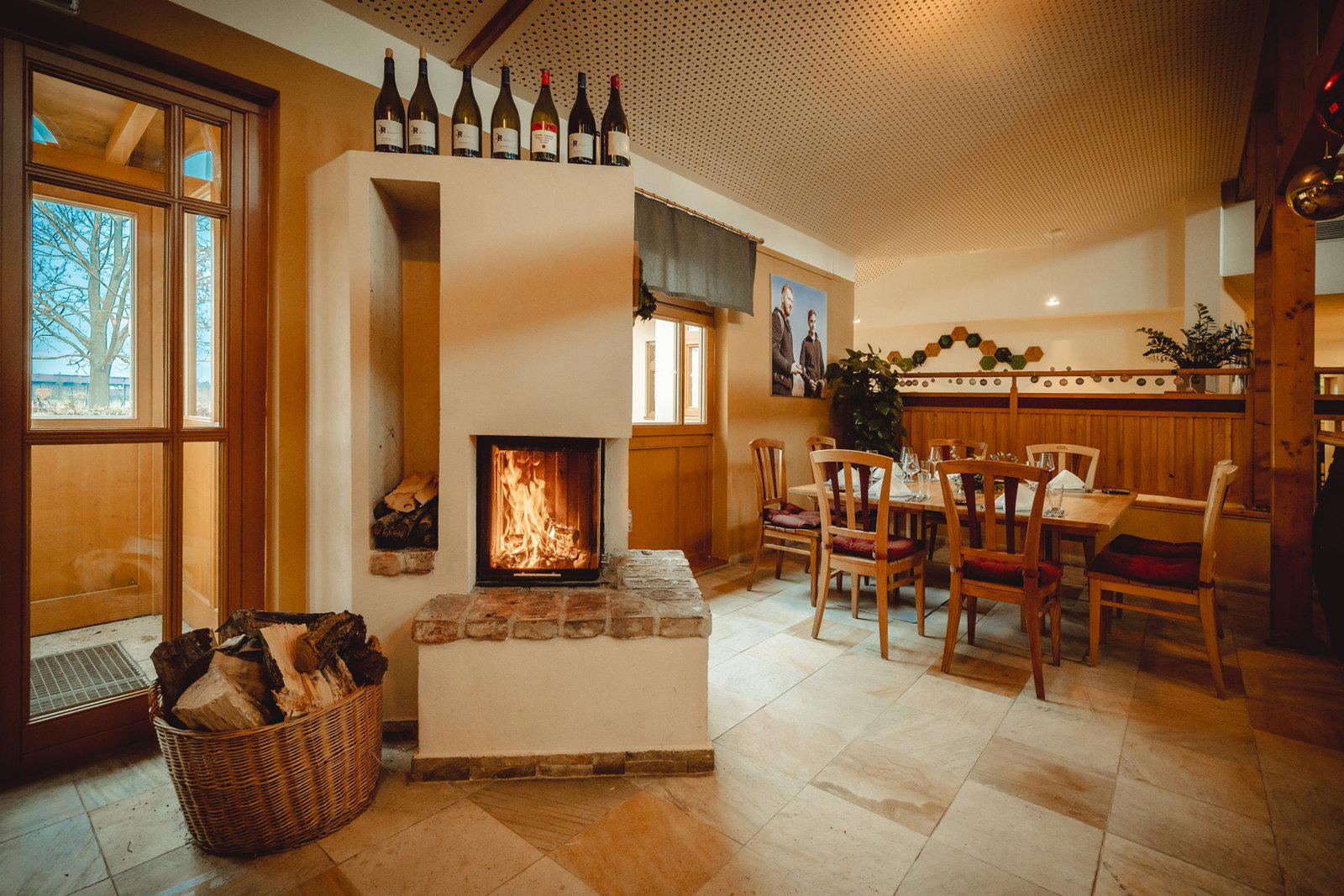
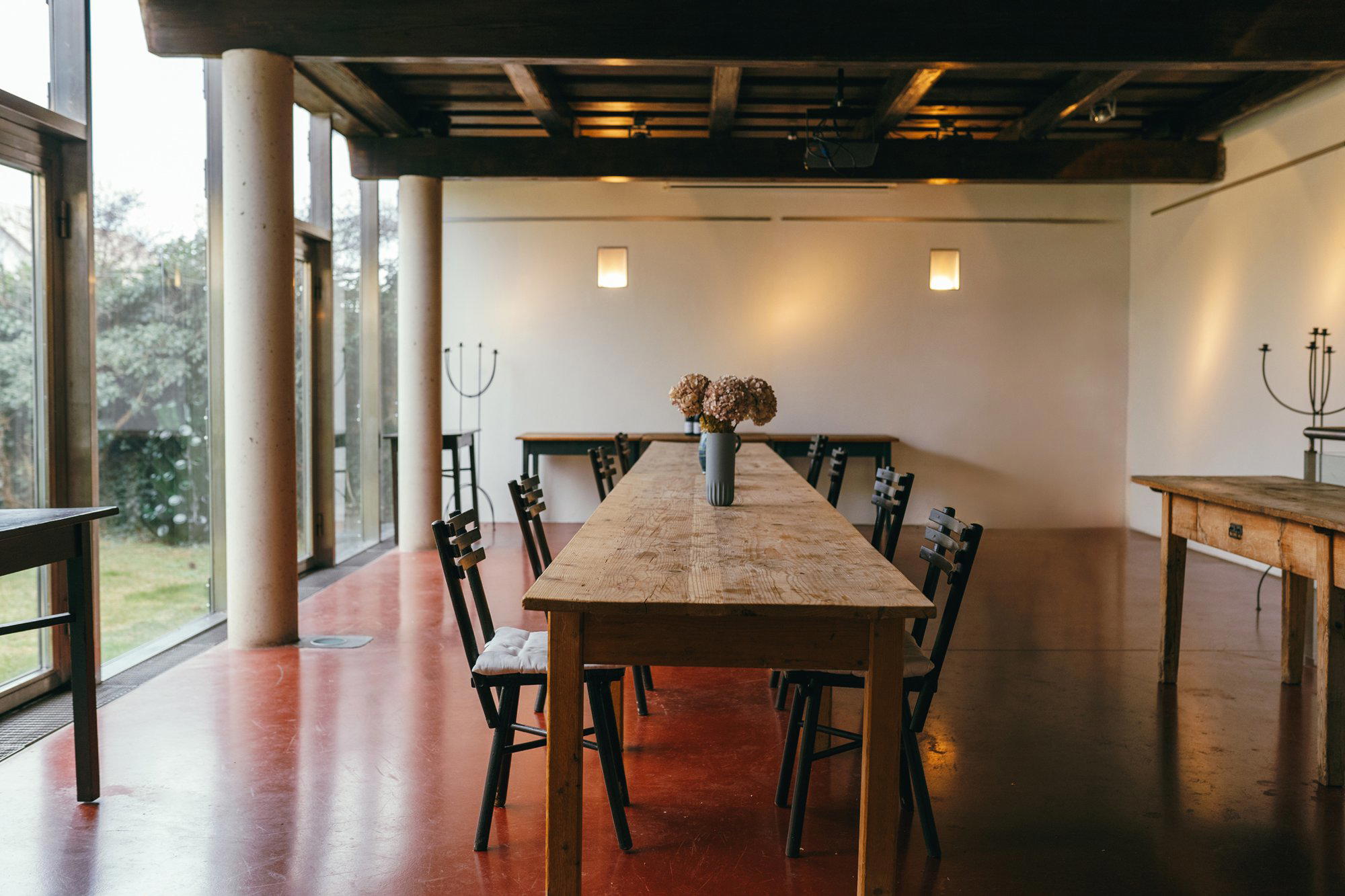
Cramped, informal space with shoddy wooden furniture, colorful table covers, and a funky, chaotic atmosphere.