Our verdict
Kao Soi Thai Bistro occupies a first-floor address on Stubenbastei in Vienna's first district, bringing northern Thai cooking to a city whose restaurant scene otherwise tilts heavily toward Austrian and Central European traditions. The bistro format positions it as a considered option for occasions that call for something beyond the familiar Viennese canon, in a neighbourhood better known for concert halls than Southeast Asian kitchens.

Pearl is the En Primeur Club membership app, where members save venues, book tables and use the concierge.

Thai Cooking in Vienna's First District: An Unlikely but Coherent Fit
Vienna's inner-city dining scene in the first district is dominated by grand hotel restaurants, Viennese coffee-house institutions, and a cluster of tasting-menu addresses that have made the city one of Central Europe's more decorated dining capitals. Against that backdrop, Kao Soi Thai Bistro at Stubenbastei 12/2 occupies an unusual position: a Thai bistro on a street better known for its proximity to the Stadtpark and the city's ring-road architecture than for Southeast Asian cooking. The incongruity is, in a sense, the point. Occasion dining in a city as formally structured as Vienna does not always mean pressing clothes and booking a table at Steirereck im Stadtpark or Konstantin Filippou. Sometimes the occasion is precisely the departure from expectation.
Northern Thai cuisine, from which kao soi itself derives, is a tradition built on aromatic restraint rather than the chilli-forward heat that dominates popular perception of Thai food in Europe. The dish that gives the restaurant its name is a coconut-curry noodle soup with roots in the Chiang Mai region, showing the influence of Burmese and Yunnanese trade routes across northern Southeast Asia. In a city where diners are accustomed to reading culinary lineage through Austrian terroir and Central European technique, the provenance framing of kao soi offers a genuinely different kind of depth.
The Occasion Case: When the Setting Is the Statement
Celebration meals in Vienna follow a fairly legible script. The top tier of addresses Amador, Mraz & Sohn, or Doubek, operates at price points and formality levels that define certain kinds of milestones. Below that, the city offers a wide middle band of Central European restaurants where the food is confident but the occasion-marking power comes largely from the room itself. Kao Soi Thai Bistro exists in a different register: a bistro format that carries occasion weight not through formality but through specificity. The choice of a focused, regionally grounded Thai address in the first district signals something about the guest's relationship to food, which in its own way marks a meal as deliberate.
The bistro address on Stubenbastei sits in a part of the first district that connects the Stadtpark area to the historic ring. Getting there from the city centre is direct on foot from Stubentor U3, making it accessible without requiring a taxi or lengthy transit journey, which matters when occasion meals often include pre-dinner drinks elsewhere in the neighbourhood.
What the Format Signals About the Category
Across European capital cities, Thai restaurants have historically occupied two distinct market positions: budget-accessible canteens pitched at students and the cost-conscious, and higher-commitment addresses that frame Thai cooking through European fine-dining conventions. The bistro format that Kao Soi Thai Bistro represents is a third model, one that has gained ground in cities including London, Copenhagen, and Berlin, where operators apply canteen-level informality to ingredient-led, regionally specific cooking without either apologising for accessibility or reaching for white-tablecloth signalling. Vienna has fewer examples of this format than those cities, which gives a competently executed Thai bistro in the first district more distinctiveness than the same concept would have in, say, London's Fitzrovia.
The comparison is closer to the city's better natural-wine bars or focused Middle Eastern kitchens, places where a defined point of view about a cuisine tradition carries the experience.
Seasonal Timing and the First District Calendar
Vienna's first district operates on two distinct rhythms. The concert and opera season, running from September through June, brings a nightly wave of pre- and post-performance dining across the neighbourhood, with restaurants near the Musikverein and Staatsoper absorbing significant covers on performance nights. A Thai bistro on Stubenbastei sits slightly off that circuit, which historically means more consistent availability during peak cultural season compared to the formal addresses that fill on opera nights. That said, summer in Vienna draws its own crowd: festival visitors, museum tourists, and the overflow from outdoor events in the Stadtpark area. The bistro format tends to be better adapted to summer service than tasting-menu houses, which can feel incongruous in the heat.
For anyone planning an autumn or winter occasion meal in Vienna and looking to contrast with the dominant Central European canon, this period aligns well with kao soi's coconut-curry base, a dish that reads as genuinely warming in colder months in a way that lighter Southeast Asian preparations do not.
Vienna in a Wider Austrian and European Context
Austria's restaurant scene beyond Vienna is largely defined by its Alpine fine-dining circuit: addresses like Döllerer in Golling an der Salzach, Gourmetrestaurant Tannenhof in Sankt Anton am Arlberg, Griggeler Stuba in Lech, Ikarus in Salzburg, Kräuterreich by Vitus Winkler in Sankt Veit im Pongau, Landhaus Bacher in Mautern an der Donau, Obauer in Werfen, Ois in Neufelden, Restaurant 141 by Joachim Jaud in Mieming, and Schwarzer Adler in Hall in Tirol. Vienna itself has built its Michelin presence around modern Austrian and creative European formats. Against this national backdrop, a Thai bistro in the capital's first district fills a gap that the formal dining circuit does not, and cannot, address. The interest is not that it competes with those addresses but that it offers occasion value on entirely different terms.
Internationally, the reference point for how regional Asian cooking can anchor a serious dining occasion is well established. Addresses like Atomix in New York City have demonstrated that Korean fine dining can carry milestone-meal weight. The bistro model works differently, but the principle that a cuisine's regional specificity can itself be the occasion holds.
Planning a Visit
Kao Soi Thai Bistro's address at Stubenbastei 12/2 in the 1010 postal district places it within the first district's walkable core. As with many first-district addresses at this format level, advance contact through available channels is advisable for groups, particularly around the autumn and spring concert seasons when the neighbourhood fills. Visitors planning a broader Vienna dining itinerary can consult our full Vienna restaurants guide for context on how this address fits against the city's wider options.
Frequently asked questions
What should I expect atmosphere-wise at Kao Soi Thai Bistro?
What's the must-try dish at Kao Soi Thai Bistro?
What's the ideal way to book Kao Soi Thai Bistro?
What's the standout thing about Kao Soi Thai Bistro?
Is Kao Soi Thai Bistro allergy-friendly?
How does Kao Soi Thai Bistro compare to other Asian restaurants in Vienna's first district?
Comparable Spots
Comparable venues nearby, for context on price, style, and recognition.
| Venue | Cuisine | Price | Notes |
|---|---|---|---|
| Kao Soi Thai BistroThis venue (the venue you are viewing) | Northern Thai Street Food | $10–20 | Not listed |
| Coconut Curry | Asian Fusion (Thai, Sushi, Vietnamese) | $20–30 | Praterstern Wien Nord |
| Kantine Thai Kitchen | Authentic Thai Kitchen | $10–20 | Franz Josefs Bahnhof |
| Schönscharf | Authentic Thai Curries | $10–20 | Innere Stadt |
| Mamamon Thai Eatery | Authentic Home-Style Thai | $10–20 | Josefstadt |
| Thailanna | Authentic Thai | $20–30 | Stadlau |
Continue exploring
More in Vienna
Restaurants in Vienna
All restaurants in Vienna →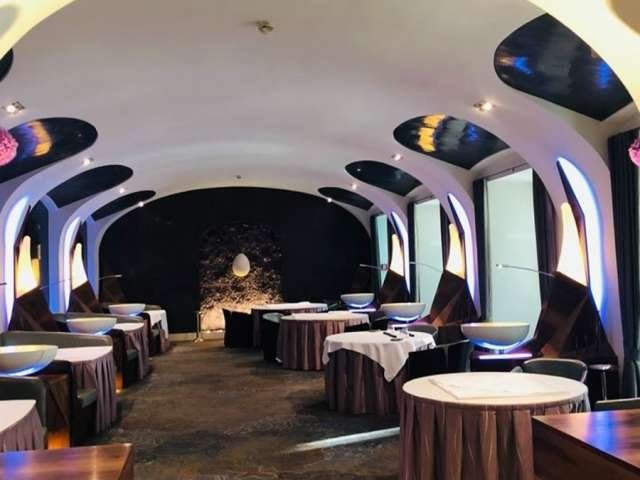
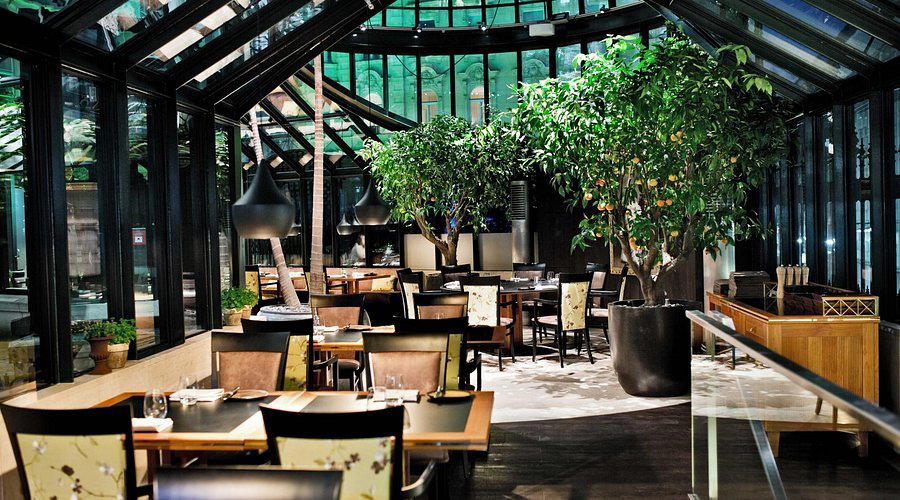
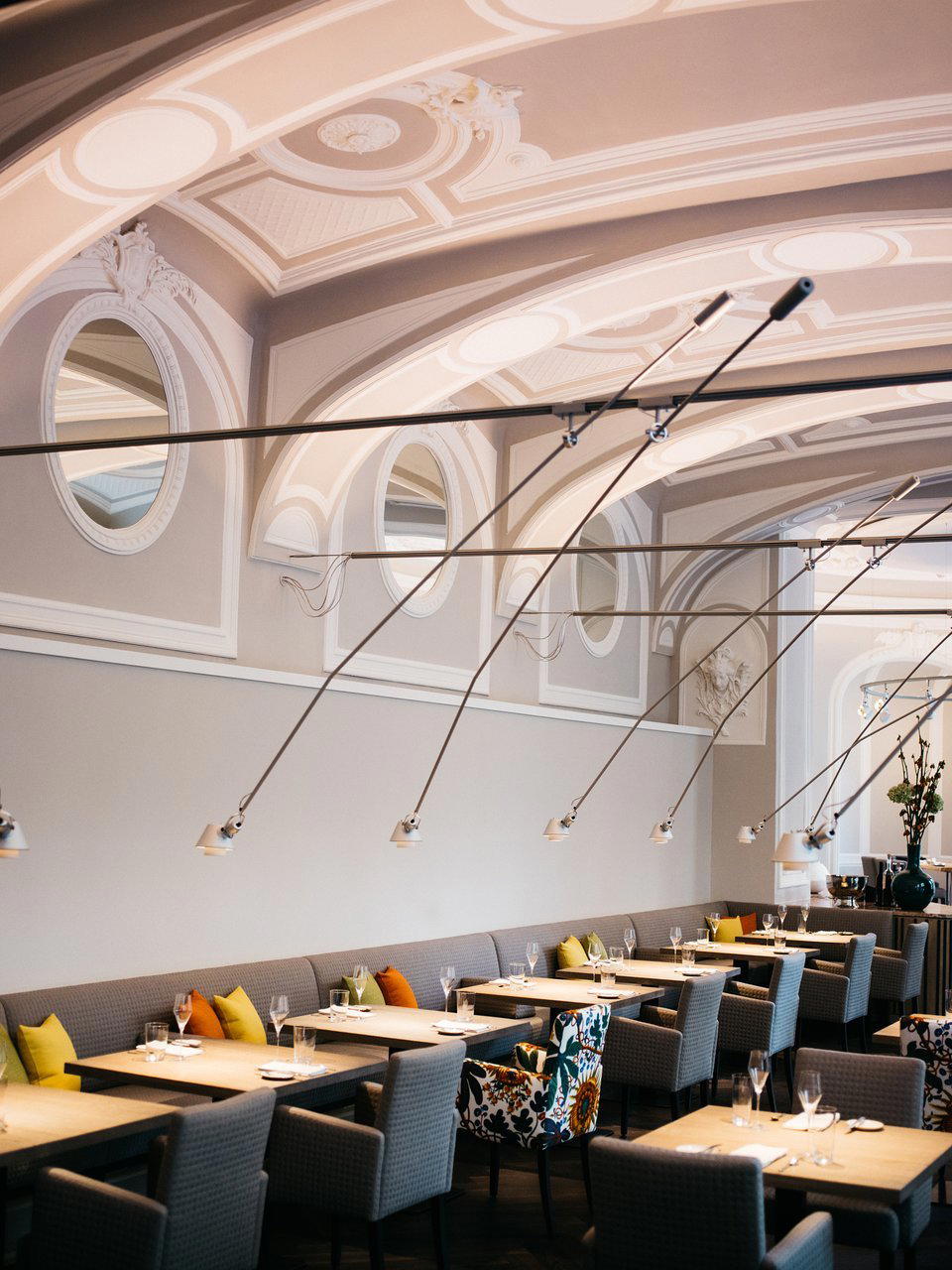
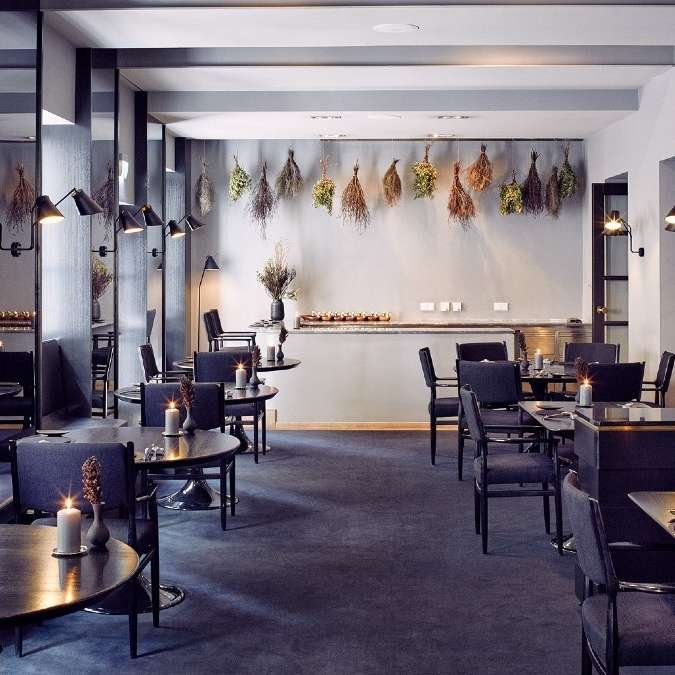
Bars in Vienna
All bars in Vienna →
Hotels in Vienna
All hotels in Vienna →
Details
- Cozy
- Trendy
- Casual Hangout
- Garden
- Garden
- A La Carte
- Vegetarian Friendly
Current opening hours
- Monday
- Closed
- Tuesday
- 11 AM–6 PM
- Wednesday
- 11 AM–6 PM
- Thursday
- 11 AM–6 PM
- Friday
- 11 AM–6 PM
- Saturday
- 11 AM–6 PM
- Sunday
- 11 AM–6 PM
Hours can change for holidays and private events. Hours as of .
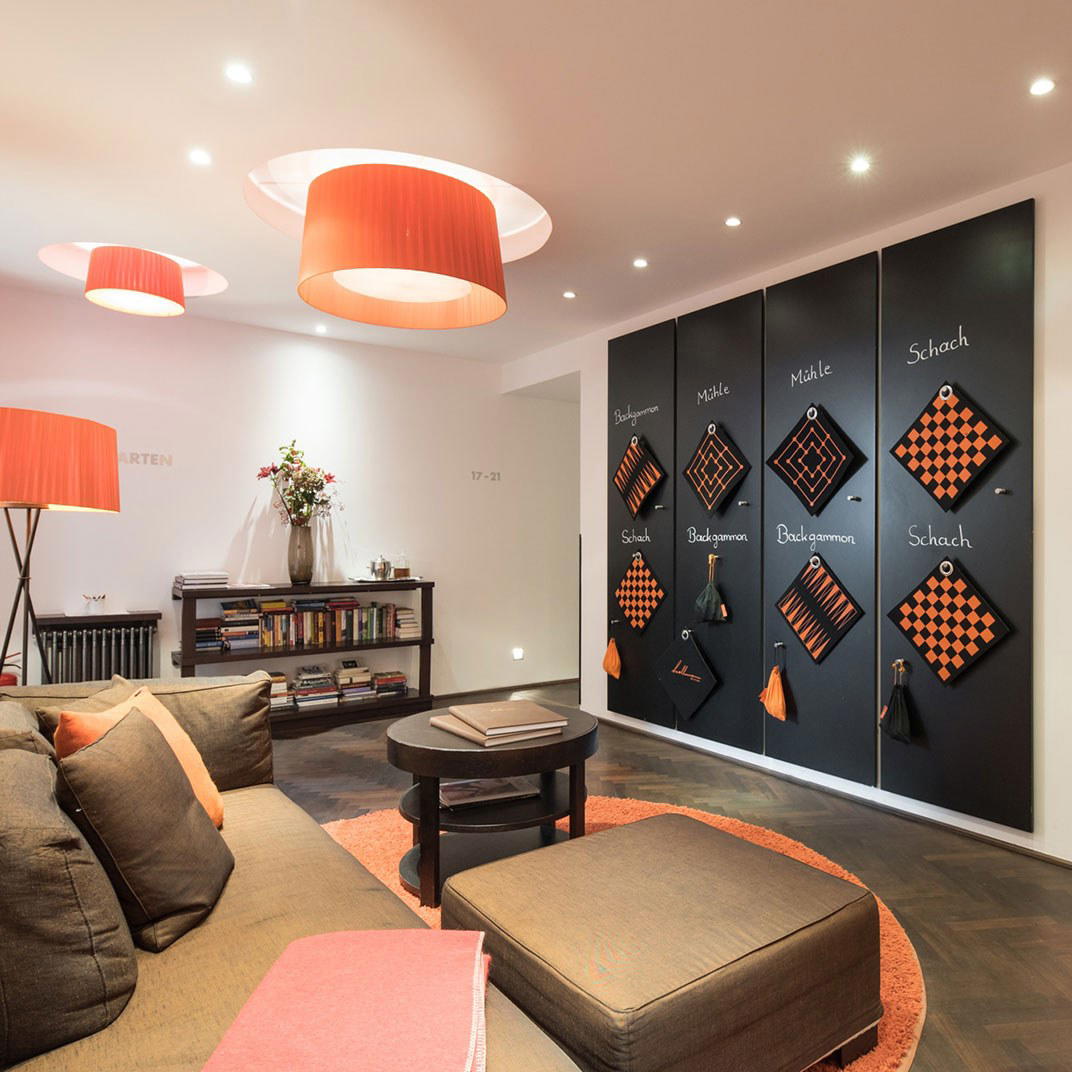
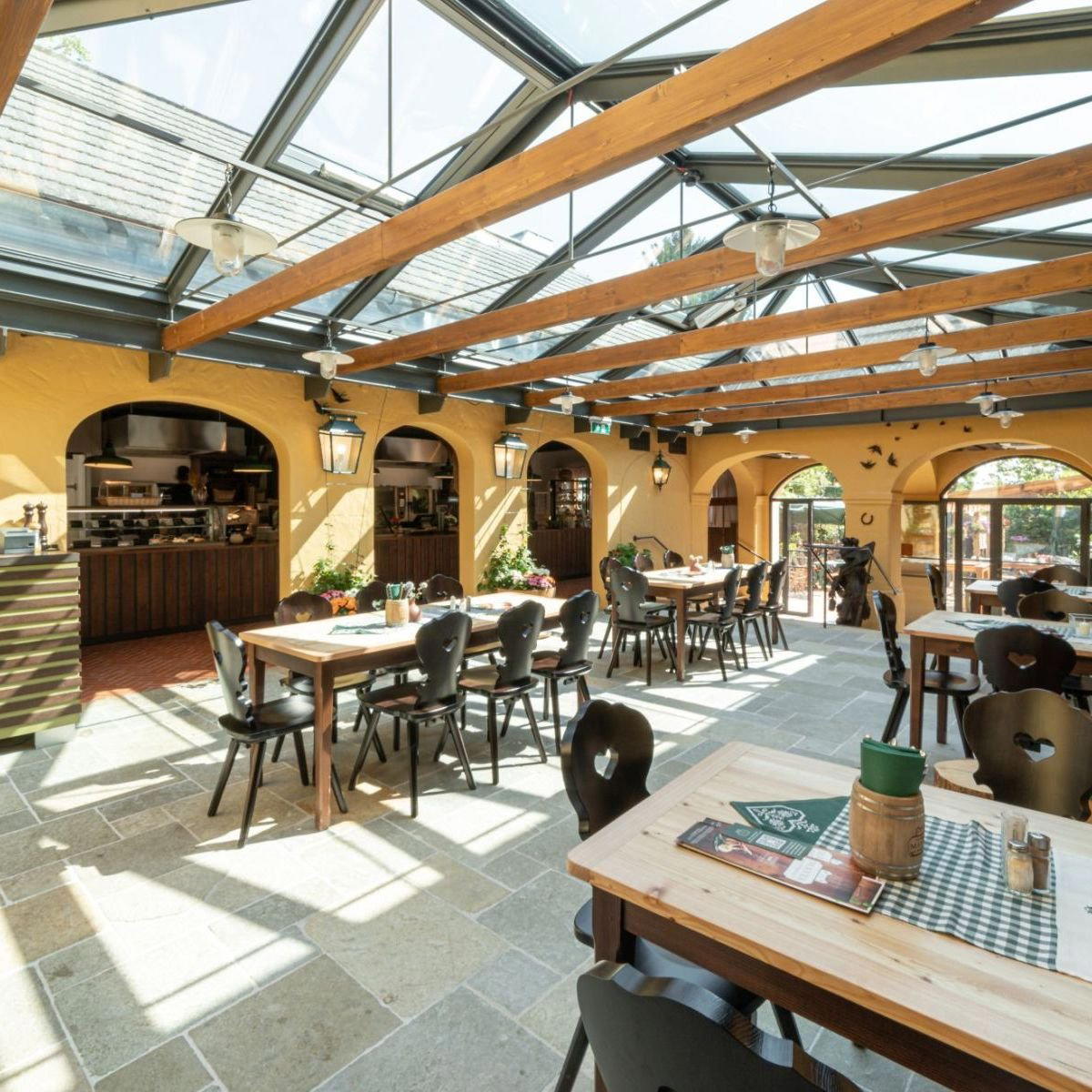
Bright, colourful, and stylish interior with a quiet outdoor garden spot under an old lime tree.