On Gumpendorfer Strasse in Vienna's 6th district, phil occupies the overlap between a café, a bookshop, and a bar, a format that defines the space's unhurried, browser-friendly pace. The furniture is secondhand, the shelves are browsable, and the hours stretch across day and evening, making it a reference point for how Vienna's non-Kaffeehaus café culture has evolved in the Mariahilf neighbourhood.
Pearl is the En Primeur Club membership app — saves, bookings, and concierge access live there. Same editors, same standards.
- Address
- Gumpendorfer Str. 10 - 12, 1060 Wien, Austria
- Phone
- +43 1 5810489
- Website
- cafephil.at
- Directions
- Get directions
 Saves & bookings on Pearl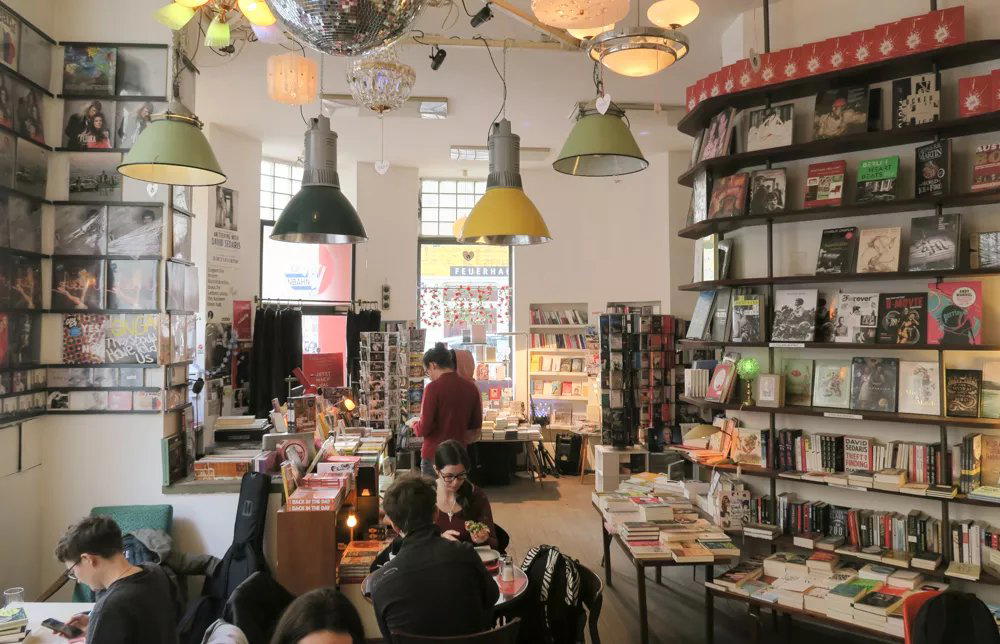
Where the Ritual Slows Down: Vienna's Hybrid Café Format
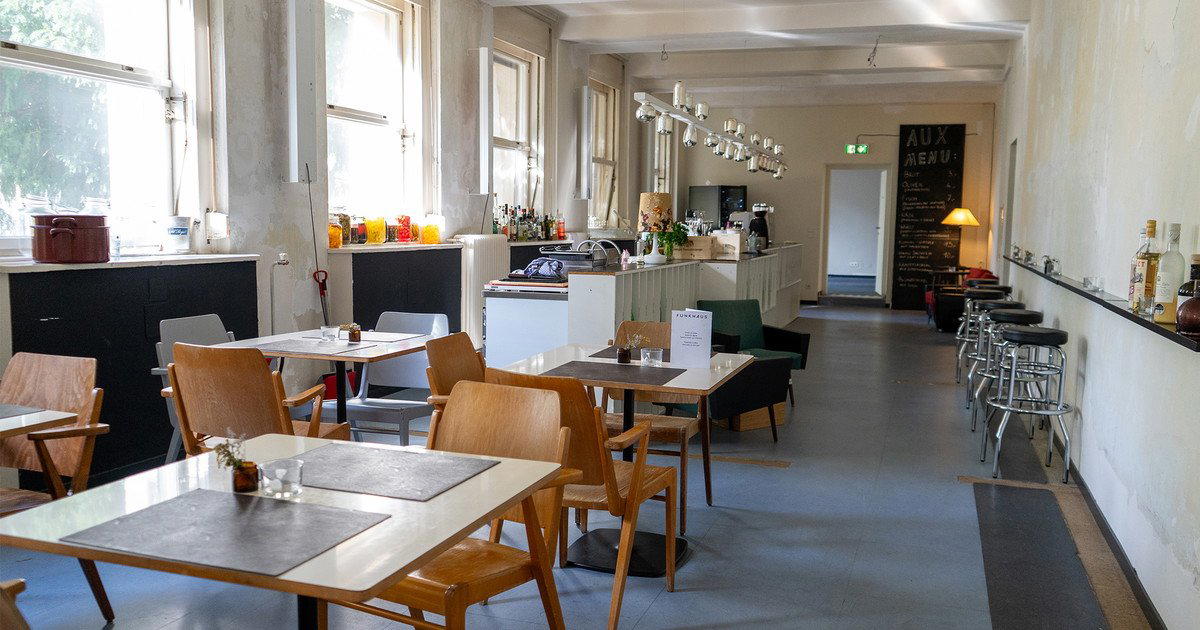
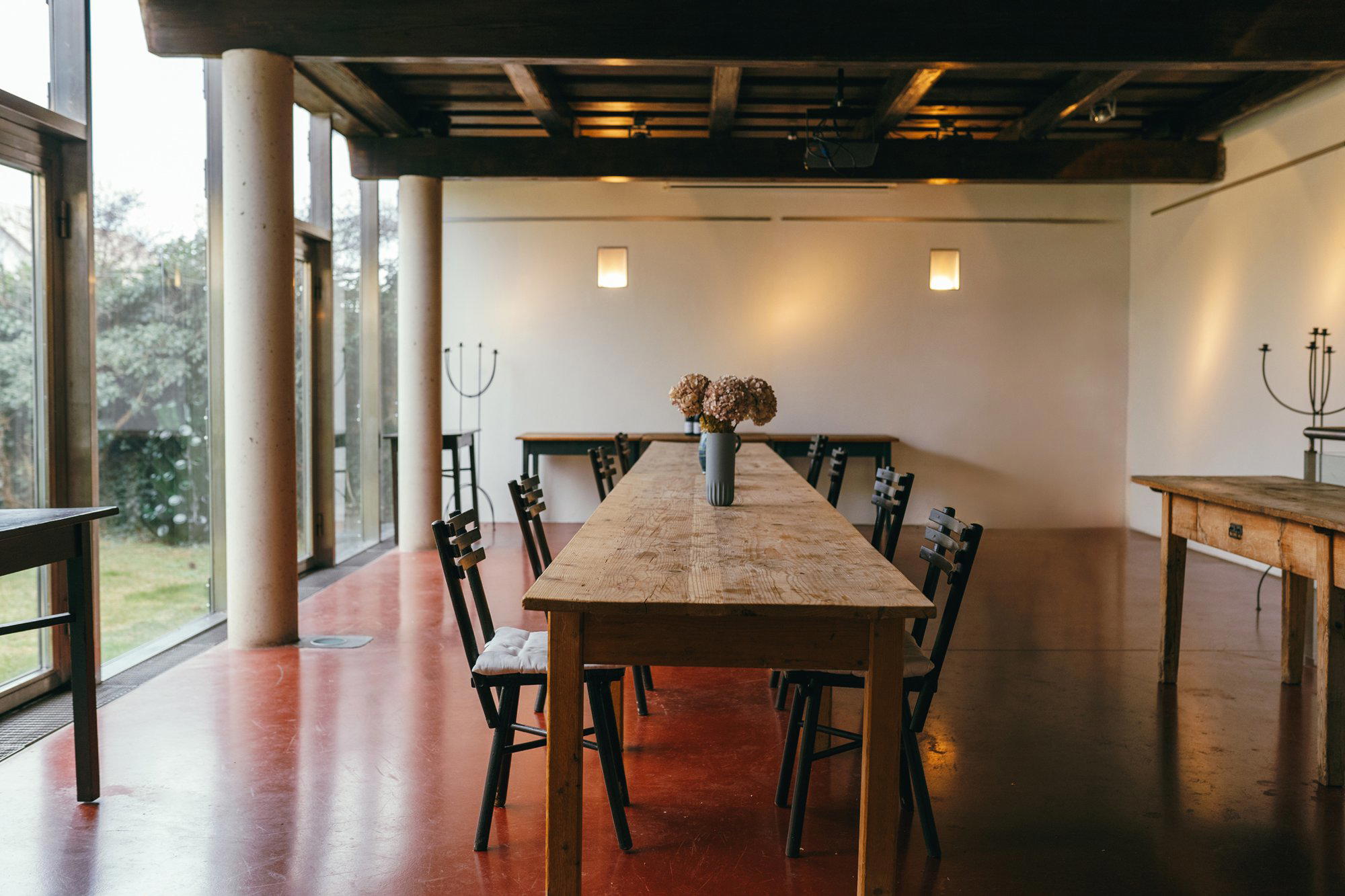
There is a particular kind of Viennese afternoon that has nothing to do with chandeliers or marble countertops. On Gumpendorfer Strasse, in the 6th district's Mariahilf neighbourhood, phil occupies a converted retail space where the boundaries between browsing, drinking, and staying dissolve with deliberate intent. The shelving holds books and design objects for sale; the furniture is mismatched and deliberately non-precious; the light arrives at a pace that encourages extended occupation rather than rapid turnover. It is a format that sits some distance from the grand Kaffeehaus tradition, no Herr Ober, no silver tray, no unspoken obligation to order again, and closer to the European concept-store café model.
That intersection is the operative idea here. The café-bookshop-bar typology is not distinctive to Vienna, but Mariahilf gives it a specific local character. The 6th district sits between the high-traffic Naschmarkt corridor and the arts institutions of MuseumsQuartier, drawing a crowd that tends toward the culturally literate and unhurried. Phil is positioned squarely within that social register, a space where the act of arriving, ordering, and remaining is treated as a sequence worth prolonging rather than compressing.
The Ritual of Non-Urgency
What distinguishes phil's format from a conventional café is the way it structures, or rather, declines to structure, the customer's time. The browsable merchandise, the operating arc that moves from coffee into cocktails without a formal reset, and the deliberate absence of fine-dining cues all signal that the pacing is the visitor's to control. This is a meaningful departure from both the formal Kaffeehaus tradition and the faster-moving third-wave espresso culture.
Vienna's café culture has historically divided along fairly clear lines: the grand Kaffeehäuser (Café Central, Café Landtmann) where ritual is encoded in the architecture and service tempo; the neighbourhood Beisln that function as social anchors for locals; and a newer generation of specialty coffee-led spaces that prioritise extraction method and bean provenance. Phil occupies a fourth category, the hybrid cultural space, where the drink order is almost secondary to the act of inhabiting the room. This format rewards visitors who approach it on its own terms, arriving without a fixed agenda and allowing the space's rhythm to set the pace.
For those familiar with comparable spaces in Berlin's Mitte, Copenhagen's Vesterbro, or Vienna's own Amerlingbeisl in the Spittelberg quarter, the dynamic will feel recognisable: a certain productive blurring of categories that makes the space more useful across different times of day and different social modes.
Mariahilf as Context
The 6th district gives phil a neighbourhood that reinforces its positioning. Gumpendorfer Strasse runs through a stretch of Mariahilf that has been building a quiet density of independent food and drink venues over the past two decades, a different energy from the more designed and internationally visible spaces around the Ring or near the 1st district. Nearby, Bar Tabacchi represents one end of the neighbourhood's bar register, while the broader Vienna café ecosystem, which extends to spaces like 25hours Hotel Vienna at MuseumsQuartier a short walk north, maps the range of atmospheres available within easy reach.
What Mariahilf offers that the central districts do not is a certain residential texture. The clientele at phil skews toward people who are in the neighbourhood by choice or habit. That distinction shapes the atmosphere in concrete ways: conversations run longer, laptops appear without apology, and the transition from afternoon coffee to evening drink happens without ceremony or pressure.
The Bar Dimension
The shift from café to bar as the day progresses is one of phil's structural features. Vienna's bar culture has, in recent years, developed considerable range, from the technically focused cocktail programs that have drawn international attention to the quieter, atmosphere-led venues where the drink is competent but the room is the primary offering. Phil belongs to the latter category. The evening register is relaxed rather than programmatic, consistent with a space whose identity is built around duration and comfort rather than precision service or a signature menu.
Phil is not the venue for a focused cocktail session or a destination-led night out. It is the venue for the hours between other commitments, or the evening that has no particular agenda beyond remaining somewhere pleasant. That is a specific and genuinely useful category, and one that Vienna's independent bar scene provides in several distinct registers, see also Alte Donau for a different atmospheric mode, or consult our full Vienna restaurants guide for a wider picture of how the city's neighbourhoods map onto different hospitality styles.
Planning a Visit
Phil sits on Gumpendorfer Strasse 10-12 in Vienna's 6th district, accessible on foot from the MuseumsQuartier U-Bahn station (U2) in under ten minutes, or directly via the Gumpendorfer Strasse tram corridor. The address places it midway along a street that rewards a slow walk in either direction. Given the format, all-day, informal, without a structured reservation system, the practical guidance is direct: arrive when it suits your day. The transition from café to bar in the evening means a single visit can cover multiple registers without requiring a change of venue.
The 6th district dynamic is distinct from the Innere Stadt, from the wine-bar density of the 4th, and from the late-night energy of areas further out.
Cuisine Context
Comparable venues nearby, for context on price, style, and recognition.
| Venue | Cuisine | Price | Notes |
|---|---|---|---|
| phil - Café, bookshop & barThis venue — the venue you are viewing | lounge | $$ | Not listed |
| Weinstube Josefstadt | wine_bar | $$ | Josefstadt |
| Espresso Bar | Bar | $$ | Neubau |
| Club U | lounge | $$ | Wieden |
| Grelle Forelle | Bar | $$ | Doebling |
| If Dogs Run Free | cocktail_bar | $$ | Hofburg |
Continue exploring
More in Vienna
Bars in Vienna
Browse all →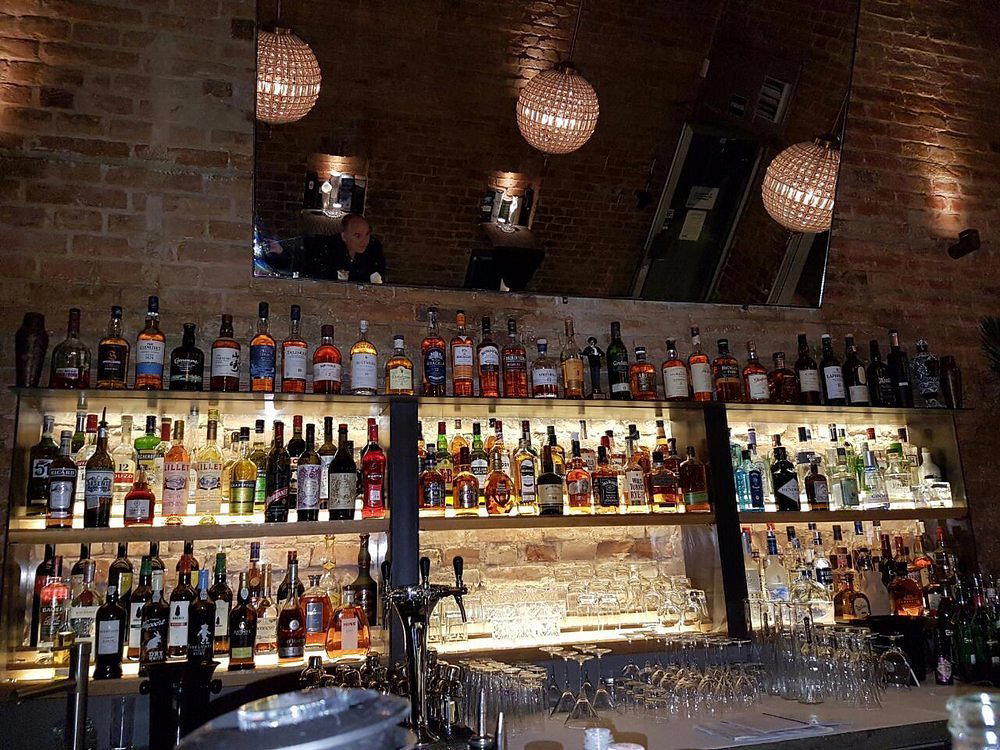

Restaurants in Vienna
Browse all →
Hotels in Vienna
Browse all →
At a Glance
- Cozy
- Trendy
- Bohemian
- Lively
- After Work
- Casual Hangout
- Group Outing
- Solo
- Live Music
- Design Destination
- Standalone
- Seated Bar
- Lounge Seating
- Communal Tables
- Craft Cocktails
- Conventional Wine
- Craft Beer
- Street Scene
Current opening hours
- Monday
- 2–9 PM
- Tuesday
- 9 AM–10 PM
- Wednesday
- 9 AM–10 PM
- Thursday
- 9 AM–10 PM
- Friday
- 9 AM–11 PM
- Saturday
- 9 AM–11 PM
- Sunday
- 9 AM–9 PM
Hours can change for holidays and private events. Last verified .
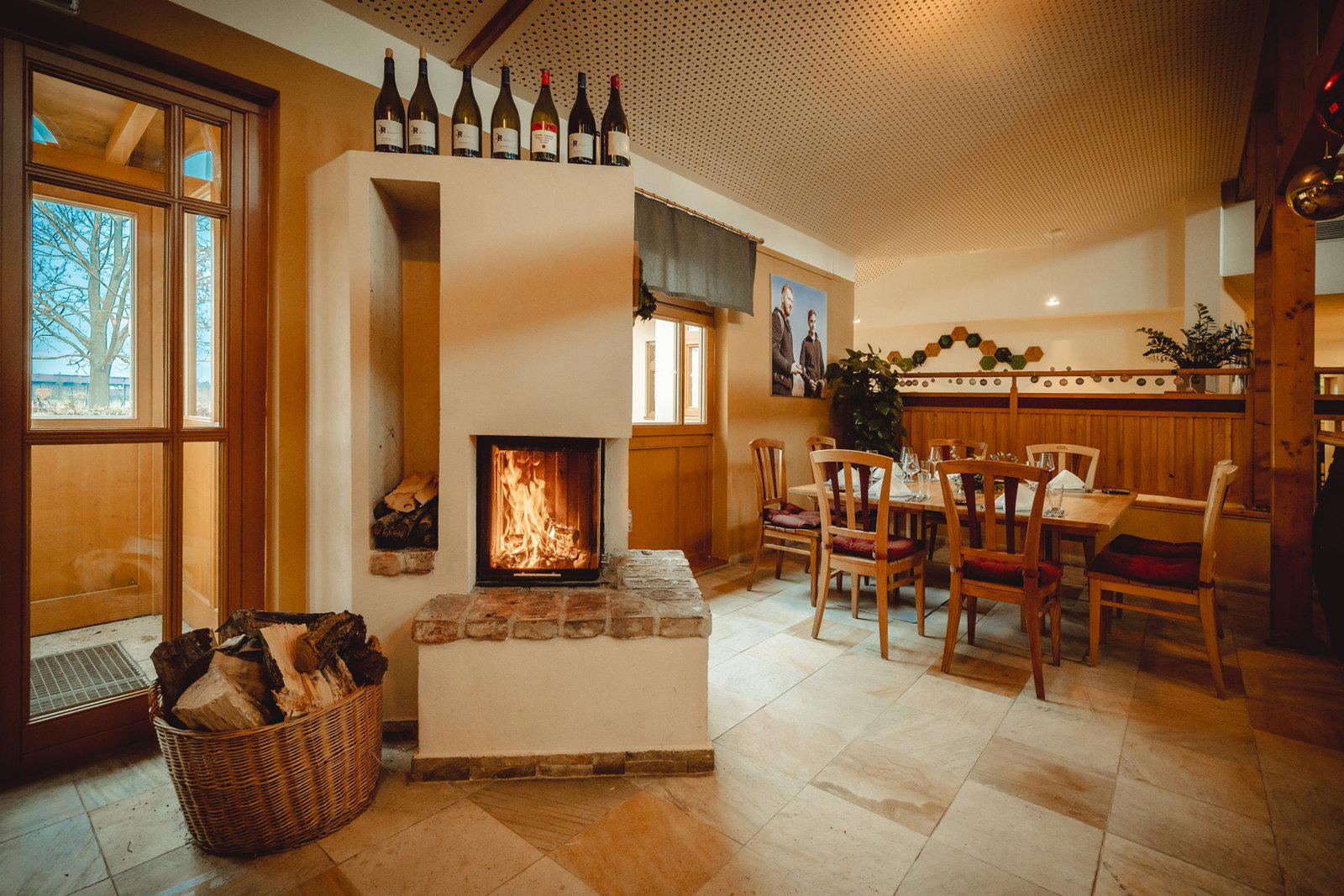
Warm and inviting with vintage aesthetics, mismatched comfortable retro furniture, disco balls and eclectic lampshades, soothing jazz or house music in the background, creating a homey living-room feel with literary charm.