Our verdict
Makom Shel Basar serves traditional American-style steakhouse cooking on Shabazi St in Tel Aviv, with an extensive wine list, open kitchen, and leisurely pacing for lunch or dinner.

Pearl is the En Primeur Club membership app, where members save venues, book tables and use the concierge.
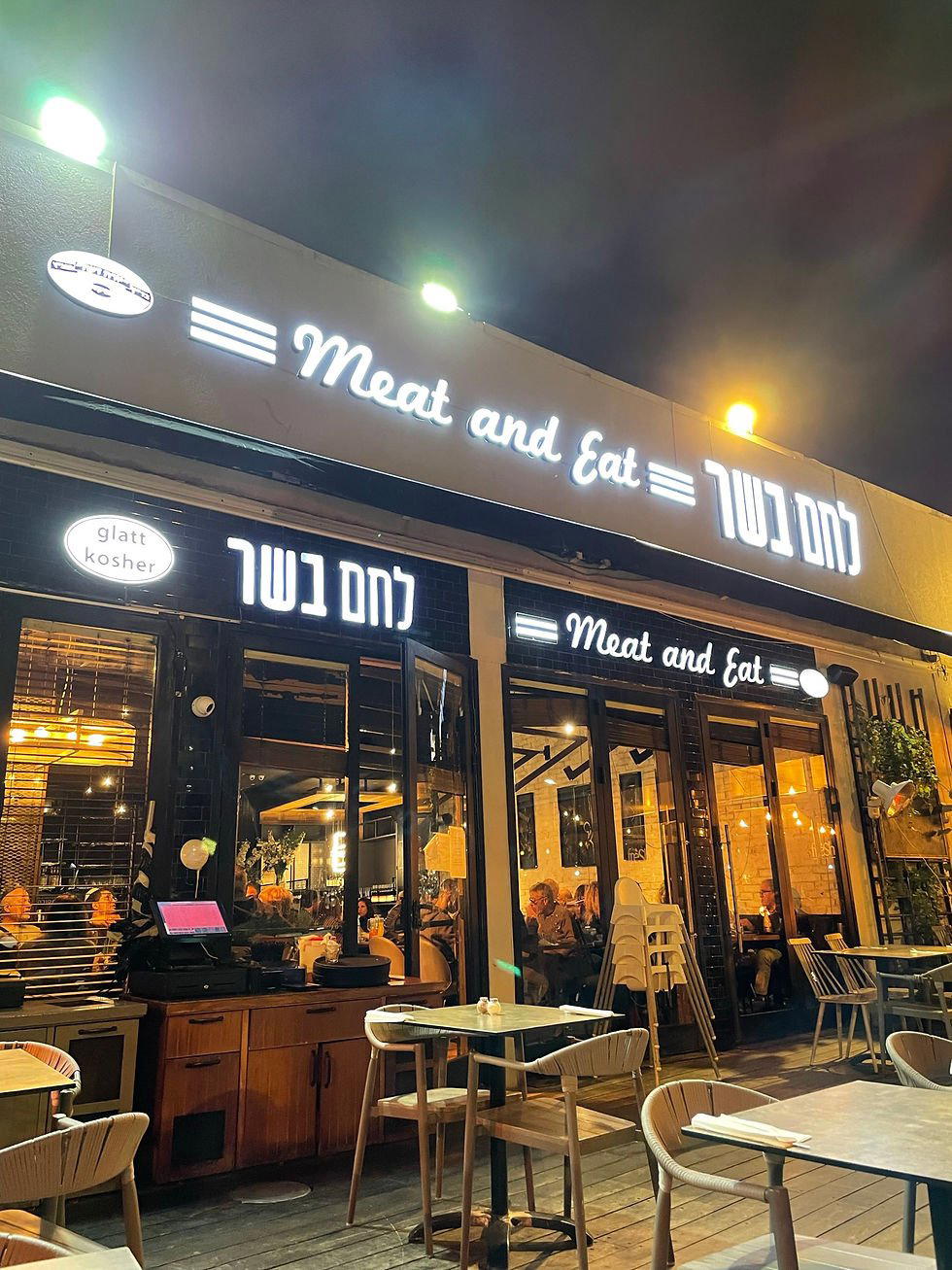
Neve Tzedek and the Meat Counter Tradition
Shabazi Street runs through the heart of Neve Tzedek, Tel Aviv's oldest Jewish quarter and now one of its most closely watched dining corridors. The neighbourhood sits just south of the White City grid, its low Ottoman-era facades and bougainvillea-draped walls setting a different tempo from the louder precincts further north. Restaurants here tend to be smaller, more deliberate in format, and more likely to draw a local crowd than a tourist one. It is in this context that Makom Shel Basar, the name translates roughly as "a place of meat", occupies its address at number 64. The name is a statement of category, not a flourish, and that directness signals something about how the place operates.
The Israeli meat restaurant tradition draws on several competing lineages: Levantine mangal culture, the Argentinian-influenced parrilla wave that moved through Tel Aviv in the 2000s, and a more recent dry-aging and butcher-counter format borrowed from the European steakhouse playbook. Shabazi 64 sits in a neighbourhood where the competition includes refined Mediterranean cooking at places like Alena at The Norman and the Israeli-forward menus at Aria, meaning that a focused meat concept has to earn its place on the street with something more than a good grill.
The Address and the Approach to Getting There
Shabazi Street is walkable from the Jaffa light rail stations and easily reached from the hotels concentrated along the Tayelet and in central Tel Aviv. The street is narrow enough that arriving by car is inconvenient rather than practical; most regulars approach on foot from the Carmel Market side or down from Rothschild Boulevard. That approach matters more than it might seem: the physical journey through Neve Tzedek's quieter lanes calibrates expectations before you arrive. This is not a large-format restaurant district. The spaces are compact, the noise levels lower, and the assumption is that you have come specifically, not stumbled in.
Booking protocol for restaurants at this level of specificity on Shabazi Street generally runs through phone or walk-in inquiry rather than a live reservation platform, though this varies. Given the address and category, the restaurant is likely operating at a scale where tables fill on reputation rather than marketing spend. For visitors planning around a Neve Tzedek dinner, building in flexibility, arriving earlier in the week rather than Friday, gives better odds. The Shabbat calendar shapes Tel Aviv's dining weeks more than many visitors anticipate, and the Friday evening surge can make mid-week the more considered choice for neighbourhood restaurants at this end of the market.
What Defines This Category in Tel Aviv Right Now
Tel Aviv's premium meat segment has tightened since 2020. The city's broader restaurant culture absorbed significant disruption and the reopened dining scene placed a higher premium on operators with clear identity. The kebab and skewer traditions represented by venues like Diana in Nazareth and the barbecue-forward thinking at Pitmaster in Beer Sheva show how regionally the meat tradition spans across Israel, each city inflecting the same raw material differently. In Tel Aviv specifically, the move has been toward sourcing transparency and technique signalling: restaurants that can name the breed, the aging period, or the cut philosophy attract a diner cohort that treats meat the way the wine world treats appellations.
Comparison venues in the city's Israeli-forward segment, including Abie and the market-driven approach at a, demonstrate that Tel Aviv diners in 2024 expect a point of view, not just a product. A restaurant named for meat, on a street as selective as Shabazi, is implicitly in a conversation about what that point of view means. For contrast, look north: Herbert Samuel in Herzliya anchors the upscale Israeli-Mediterranean format with a different coastal register, and Uri Buri in Acre shows how a single-product obsession, seafood in that case, can sustain a restaurant's identity for decades. Makom Shel Basar appears to be making the analogous argument for meat on Neve Tzedek's main cultural artery.
For those mapping a broader Israel trip that extends beyond Tel Aviv, Majda in Jerusalem and the community-rooted cooking at Azura represent the kind of culturally specific cooking that operates in a different register from a meat-focused concept, worth understanding as context for what makes a focused, single-category restaurant a considered choice rather than a default.
Planning Your Visit: Practical Notes
Neve Tzedek restaurants in the mid-to-premium tier typically operate across lunch and dinner, with kitchens running later on Thursday and Friday evenings than the Tel Aviv average might suggest. The neighbourhood draws a creative and professional local demographic, which means the room tends to run quieter at lunch and busier from 8pm onwards on weekday evenings. For visitors staying in the central Tel Aviv hotel corridor, Rothschild, the White City, or along the beach strip, a Neve Tzedek dinner pairs naturally with an after-dinner walk through the illuminated neighbourhood lanes, one of the more textured evening experiences the city offers without any additional planning. Nearby, Abu Hassan in Jaffa and the burger operation at Burger 232 serve as reference points for what accessible, unpretentious eating looks like at the other end of the formality spectrum, useful calibration for understanding where Makom Shel Basar sits in the broader meal-planning decision. Our full Tel Aviv restaurants guide covers the wider range of options across neighbourhoods and price tiers. For international comparison points at the top end of the meat-and-technique conversation, Le Bernardin in New York and the precision-driven format at Atomix represent what sustained culinary identity at high commitment looks like in a different city context.
Frequently asked questions
Is Makom Shel Basar a family-friendly restaurant?
The setting on Shabazi Street in Neve Tzedek skews toward adult diners. The neighbourhood draws a local crowd that favours quieter, more focused meals rather than group or family formats, and a restaurant built around a specific meat proposition tends to suit that register. It is not a venue to rule out for older children, but the format is not designed around younger diners.
What should I expect atmosphere-wise at Makom Shel Basar?
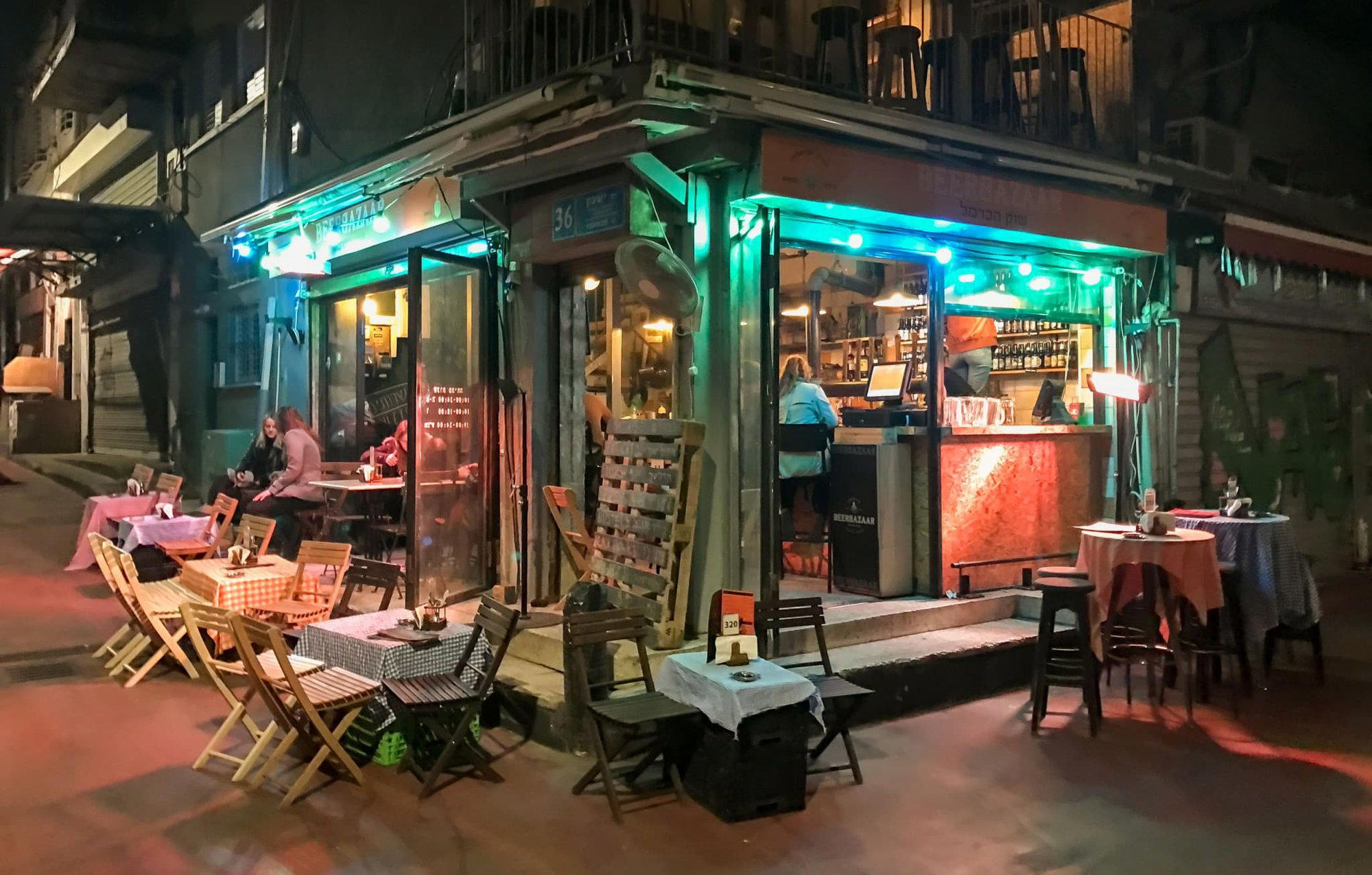
Neve Tzedek operates at a different frequency from the louder precincts of central Tel Aviv: smaller rooms, slower pace, a neighbourhood clientele that returns regularly. Shabazi Street specifically has a concentrated dining strip where restaurants tend to feel deliberate rather than scene-driven. At a meat-focused address in that context, the atmosphere is likely intimate and unshowy.
Is Makom Shel Basar connected to a specific regional meat tradition in Israeli cuisine?
Israeli meat culture draws simultaneously from Levantine mangal and grill traditions, North African spicing lineages, and Ashkenazi slow-cook methods, and Tel Aviv's current premium meat segment tends to synthesise these rather than commit to one. A restaurant on Shabazi Street in Neve Tzedek, the city's oldest Jewish quarter, sits within a neighbourhood where that layered culinary history is particularly present. Whether Makom Shel Basar leans toward one tradition or operates as a synthesis is best confirmed directly with the venue.
What's the best thing to order at Makom Shel Basar?
The name translates directly as 'place of meat,' which signals a focused menu rather than a broad all-day offer. In Tel Aviv's premium meat segment, the benchmark cuts are typically dry-aged beef and locally sourced whole-animal preparations drawing on Levantine grill traditions.
How do I find Makom Shel Basar?
Makom Shel Basar is located at Shabazi St 64, Tel Aviv-Yafo, 65144, Israel, Tel Aviv.
How hard is it to get a table at Makom Shel Basar?
Neve Tzedek addresses in this category tend to operate compact rooms with strong local loyalty and limited walk-in availability, particularly on Thursday and Friday evenings when Tel Aviv's dining week peaks. Booking ahead is advisable; same-day availability on weekends is unlikely. The restaurant's address at Shabazi St 64 places it in a corridor where demand consistently outpaces capacity at the more focused venues.
At-a-Glance Comparison
Comparable venues nearby, for context on price, style, and recognition.
| Venue | Cuisine | Price | Notes |
|---|---|---|---|
| Makom Shel BasarThis venue (the venue you are viewing) | Traditional American-Style Steakhouse | $50–100 | Not listed |
| Abie | Mediterranean Seafood | Not listed | Ha-rakevet |
| Nini Hachi | Kosher Japanese Sushi | $30–50 | Ṣummeil |
| Kitchen Market | Contemporary Israeli Market-to-Table | Not listed | Kokhav Ha-tsafon |
| North Abraxas | Modern Israeli Small Plates | $50–100 | Newe Ẕedeq |
| Treysar | Modern Israeli Seasonal | $50–100 | Kokhav Ha-tsafon |
Continue exploring
More in Tel Aviv
Restaurants in Tel Aviv
All restaurants in Tel Aviv →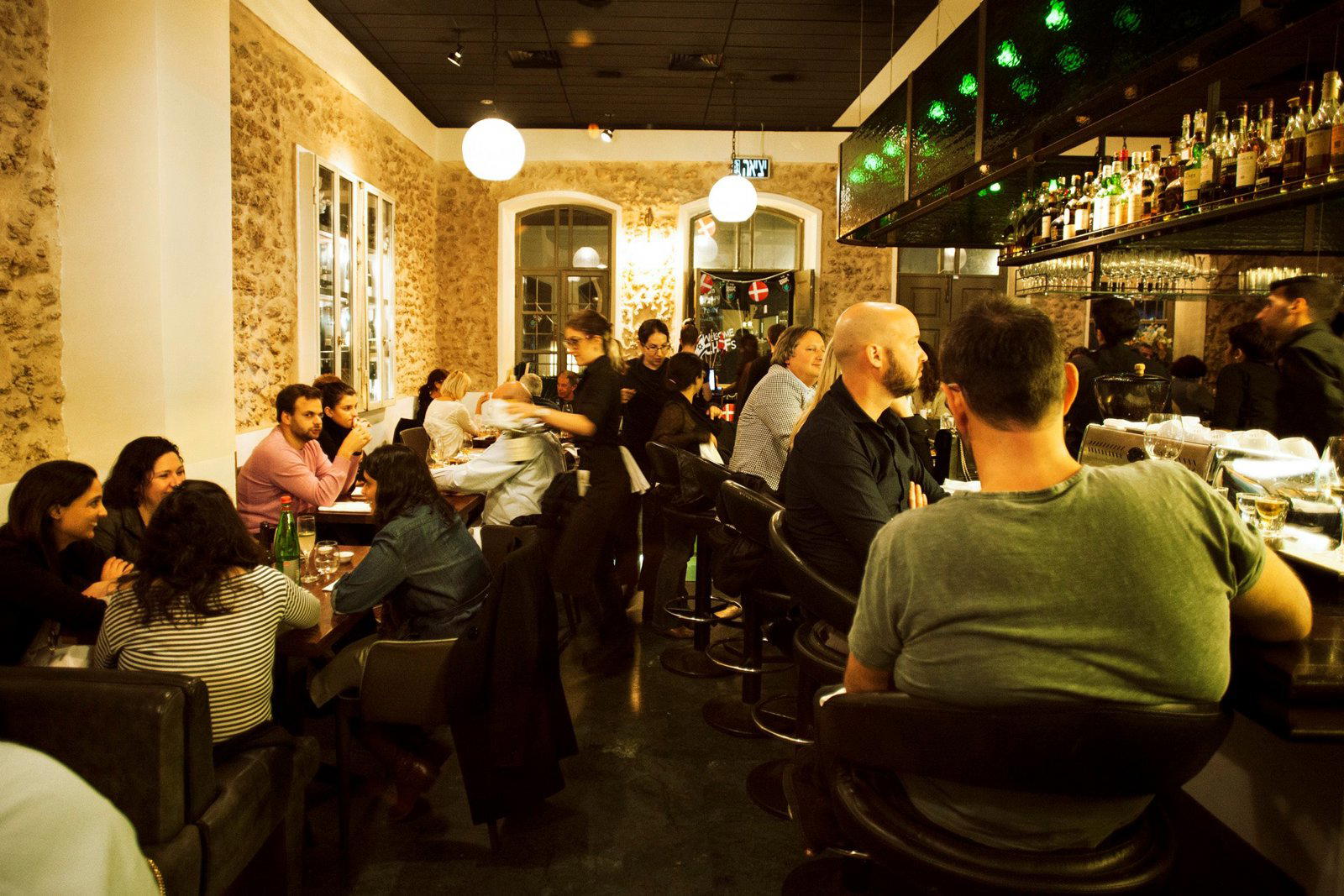
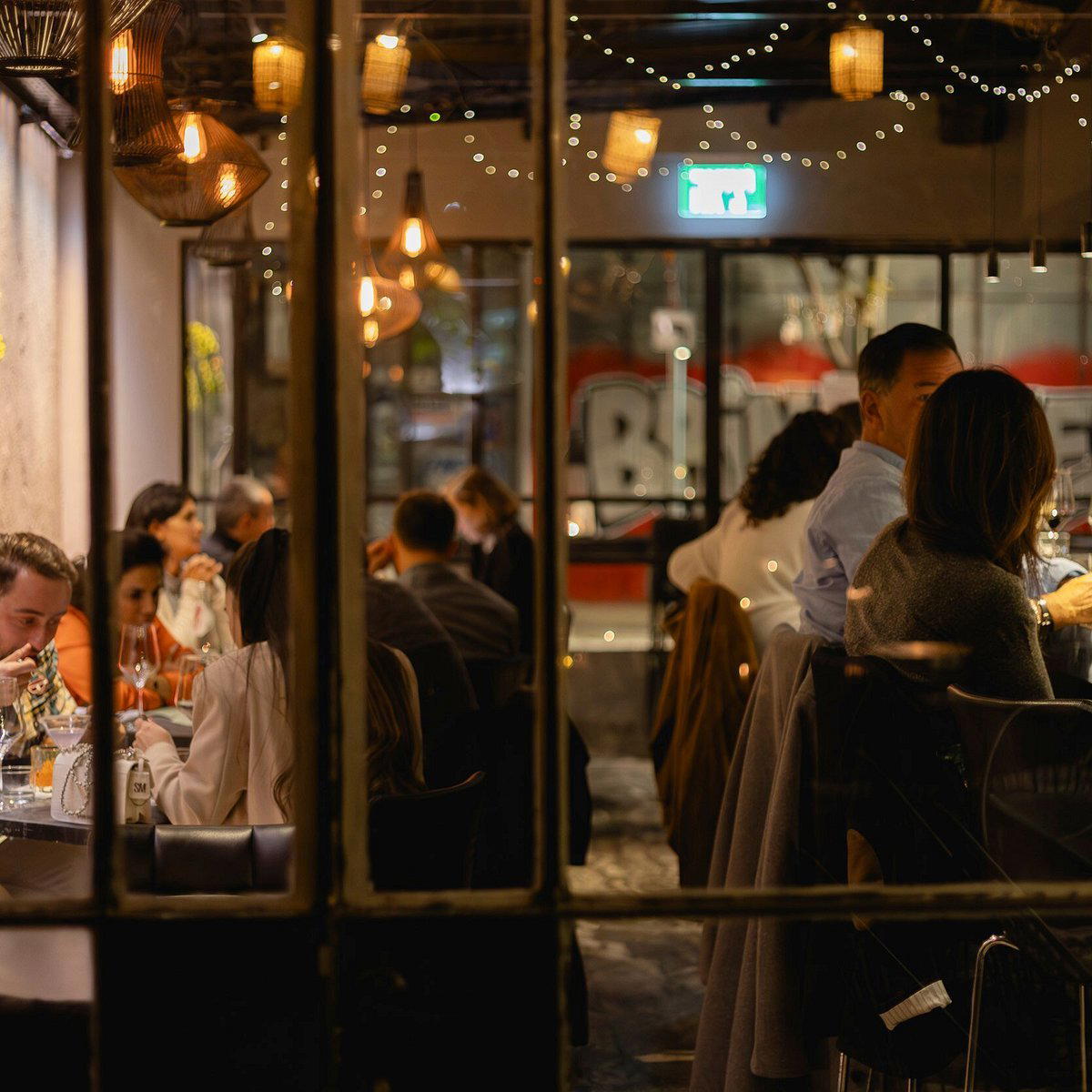
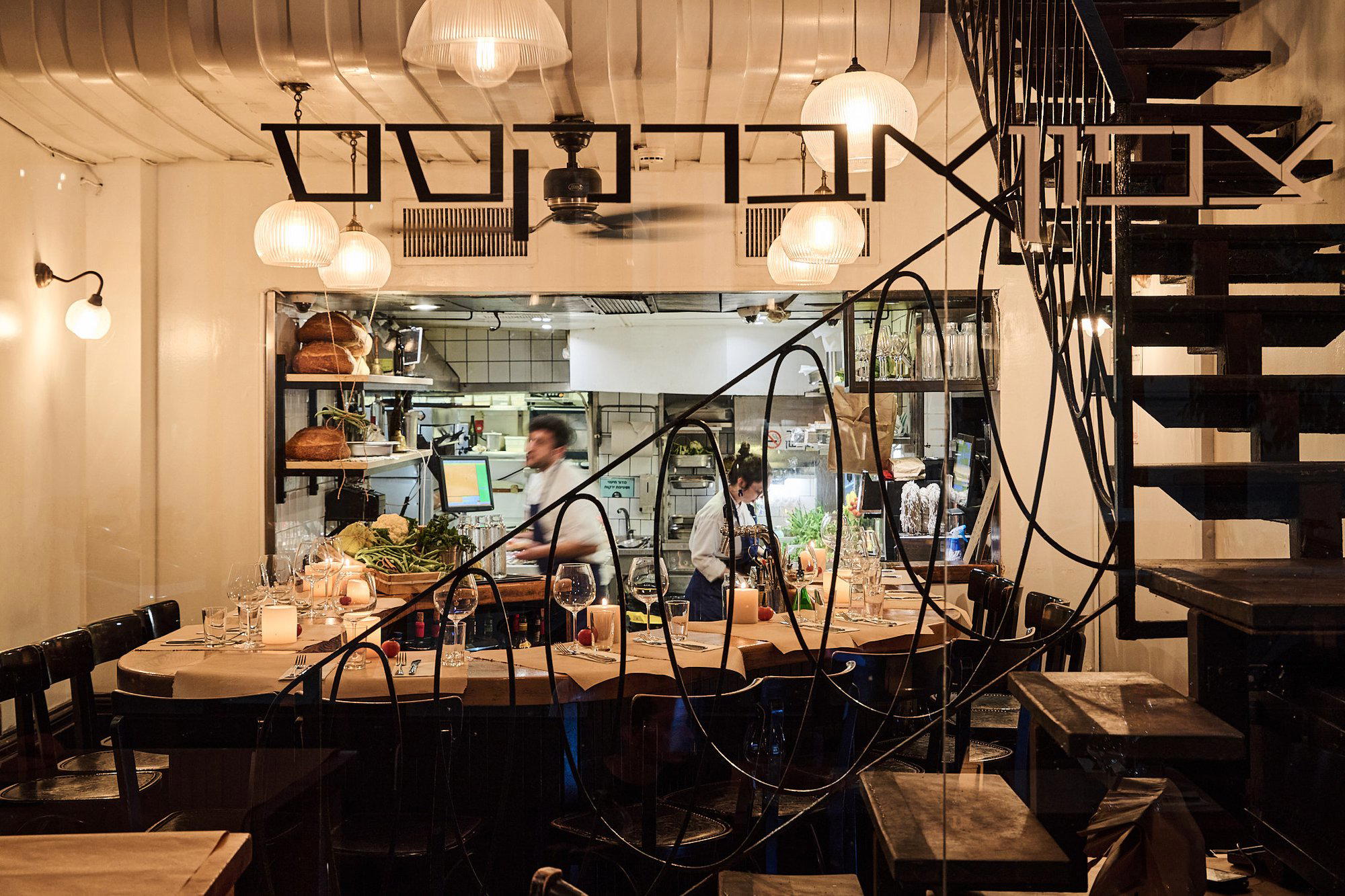
Bars in Tel Aviv
All bars in Tel Aviv →

Details
- Modern
- Elegant
- Cozy
- Date Night
- Celebration
- Business Dinner
- Open Kitchen
- Extensive Wine List
- Local Sourcing
- A La Carte
- Gluten Free Options
Current opening hours
- Monday
- 12–5 PM
- Tuesday
- 12–11 PM
- Wednesday
- 12–11 PM
- Thursday
- 12–11 PM
- Friday
- 12–11 PM
- Saturday
- 12–11 PM
- Sunday
- 12–11 PM
Hours can change for holidays and private events. Hours as of .
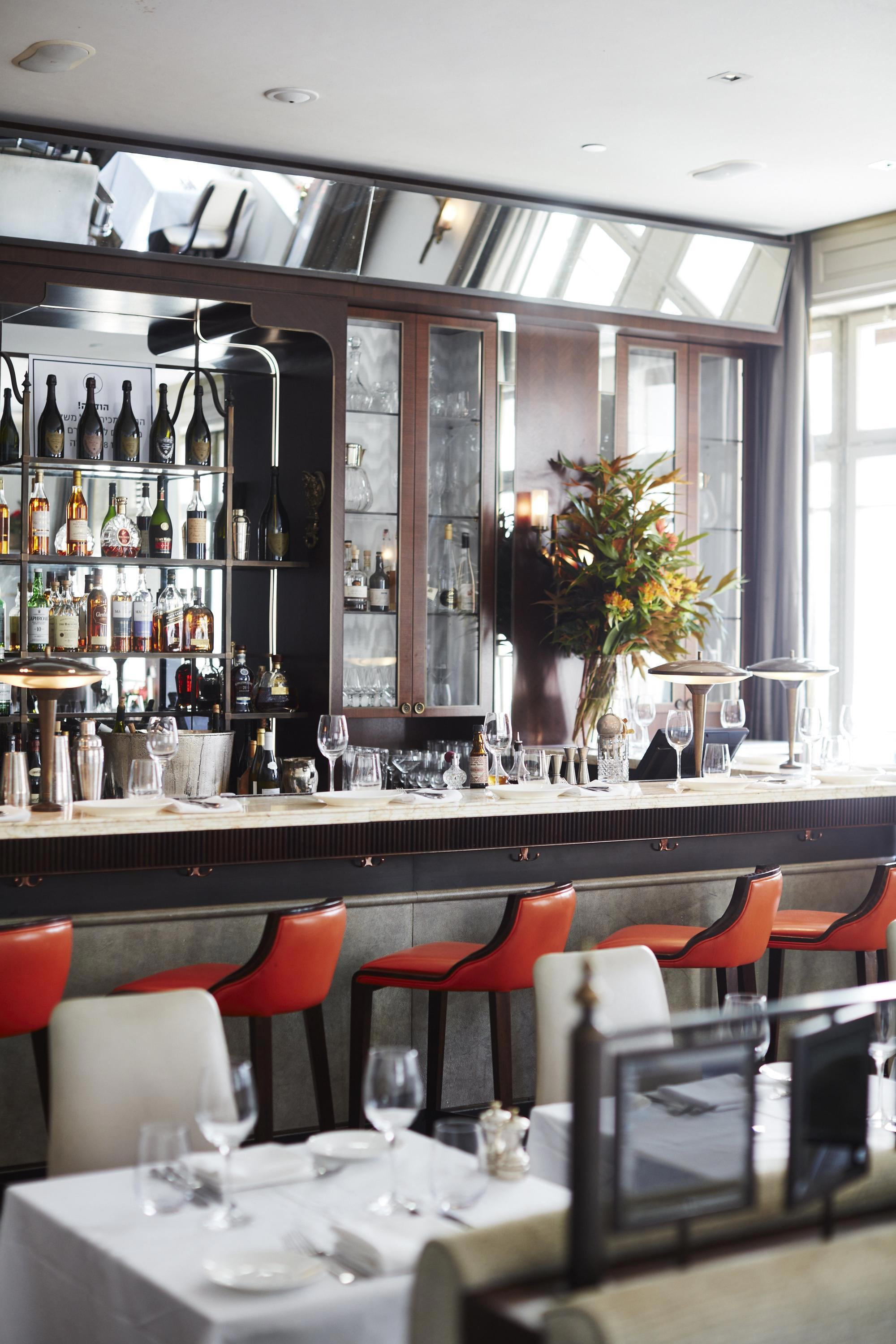
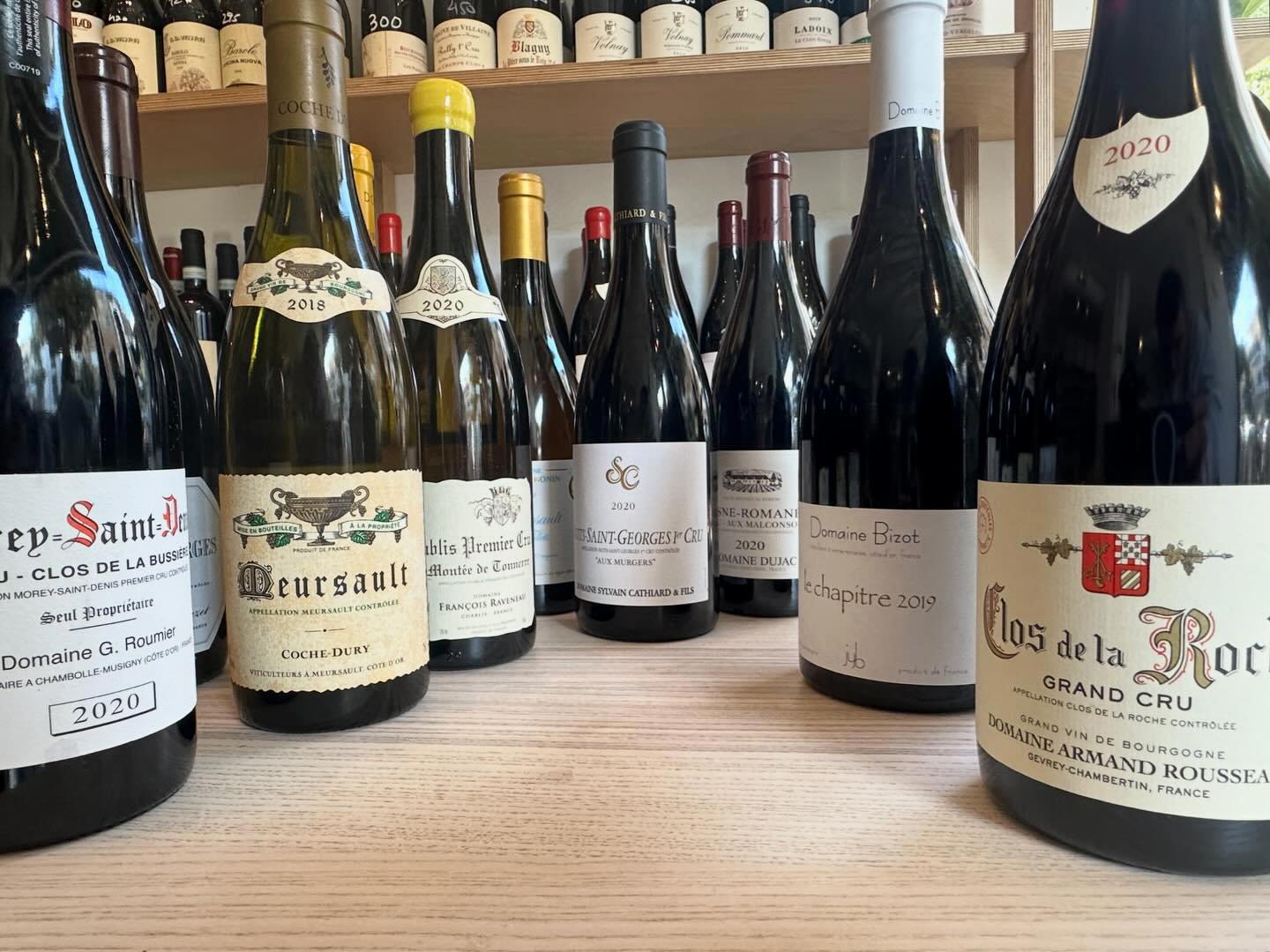
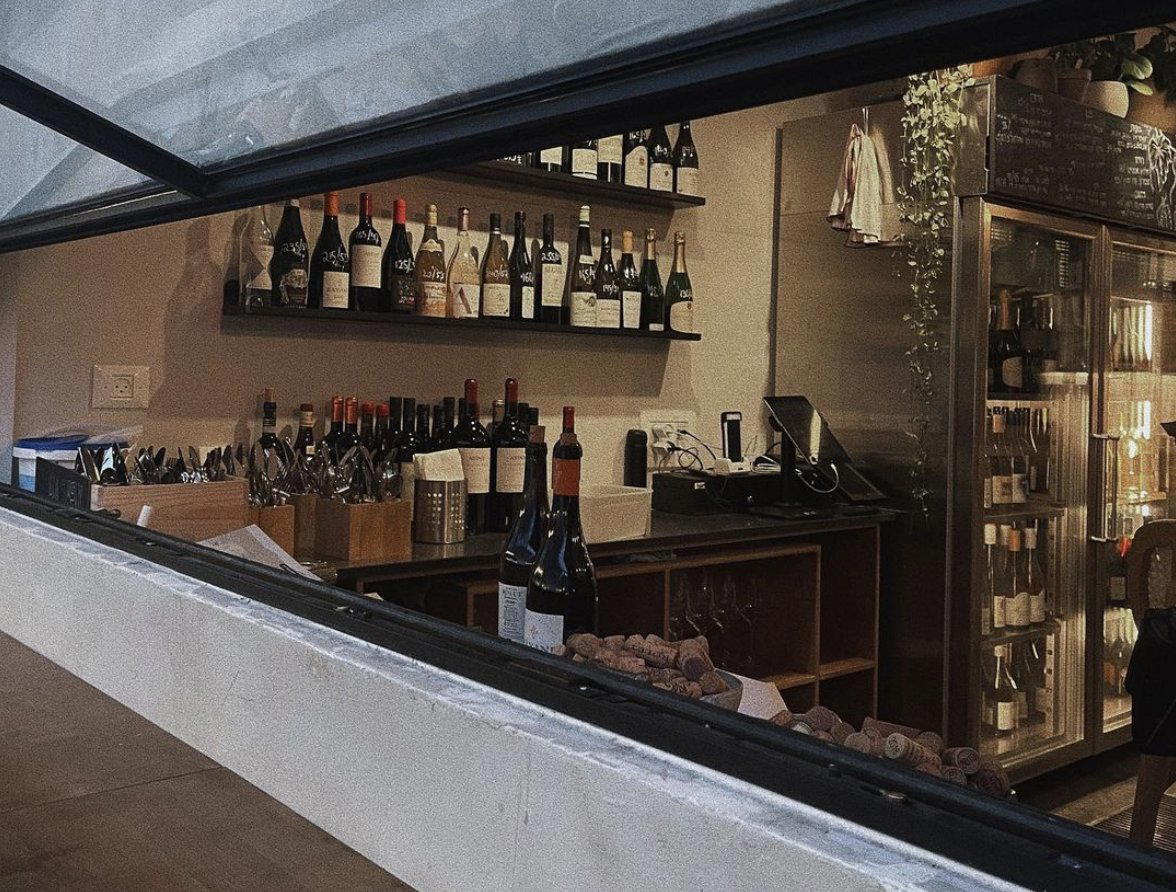
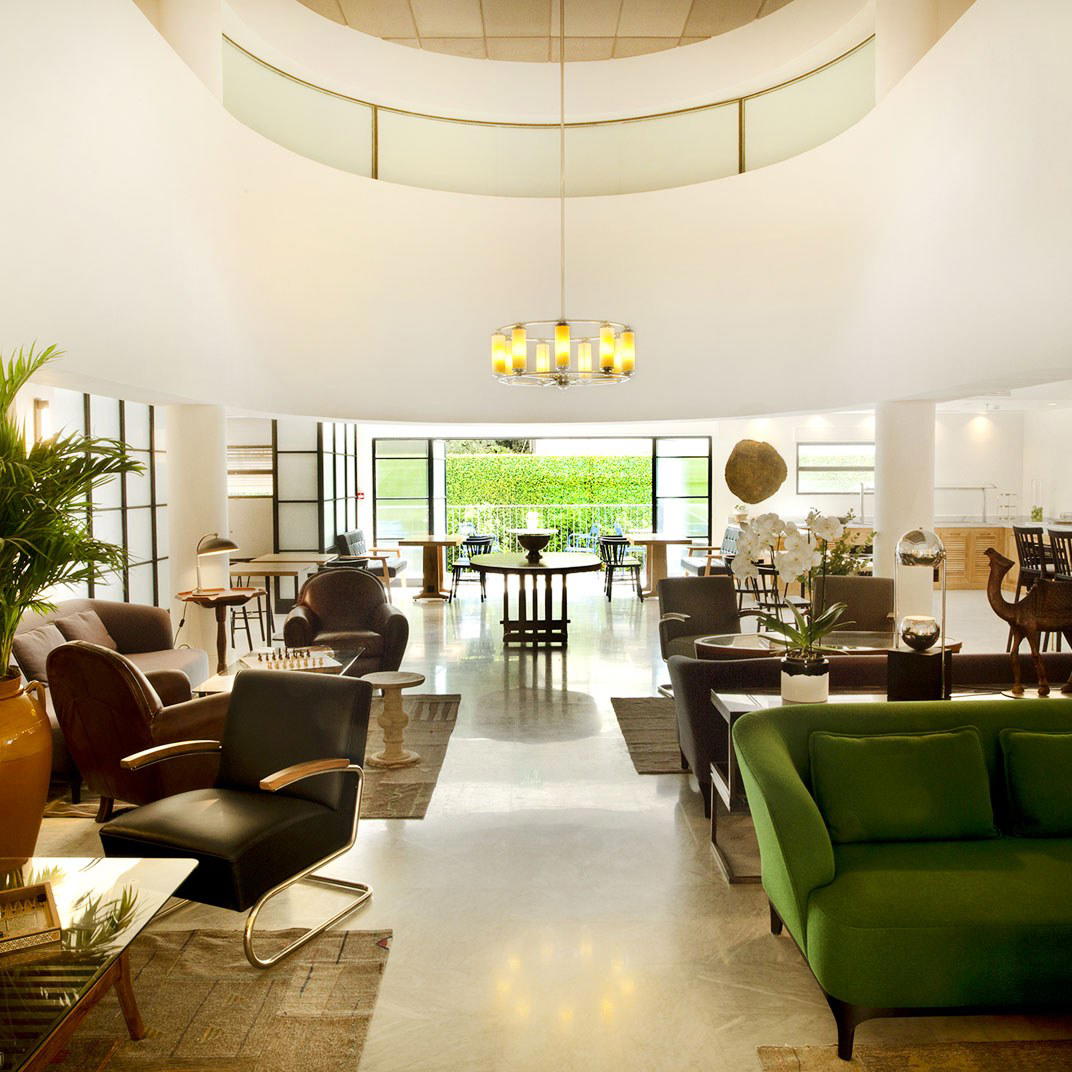
Modern design with mahogany shelves, plush leather benches, and warm inviting atmosphere.