Kitchen Market operates inside Tel Aviv's Farmers Market at Hangar 12, placing it within one of Israel's most concentrated hubs of produce-driven, market-stall dining. The format rewards a particular kind of eater: one who browses before committing, lets the stall's offering dictate the order, and eats standing or perched rather than seated at a formal table. It is market dining in the original sense of the phrase.
- Address
- Farmers Market, הנגר 12, Tel Aviv-Yafo, Israel
- Phone
- +97235446669
- Website
- kitchen-market.co.il
- Directions
- Get directions
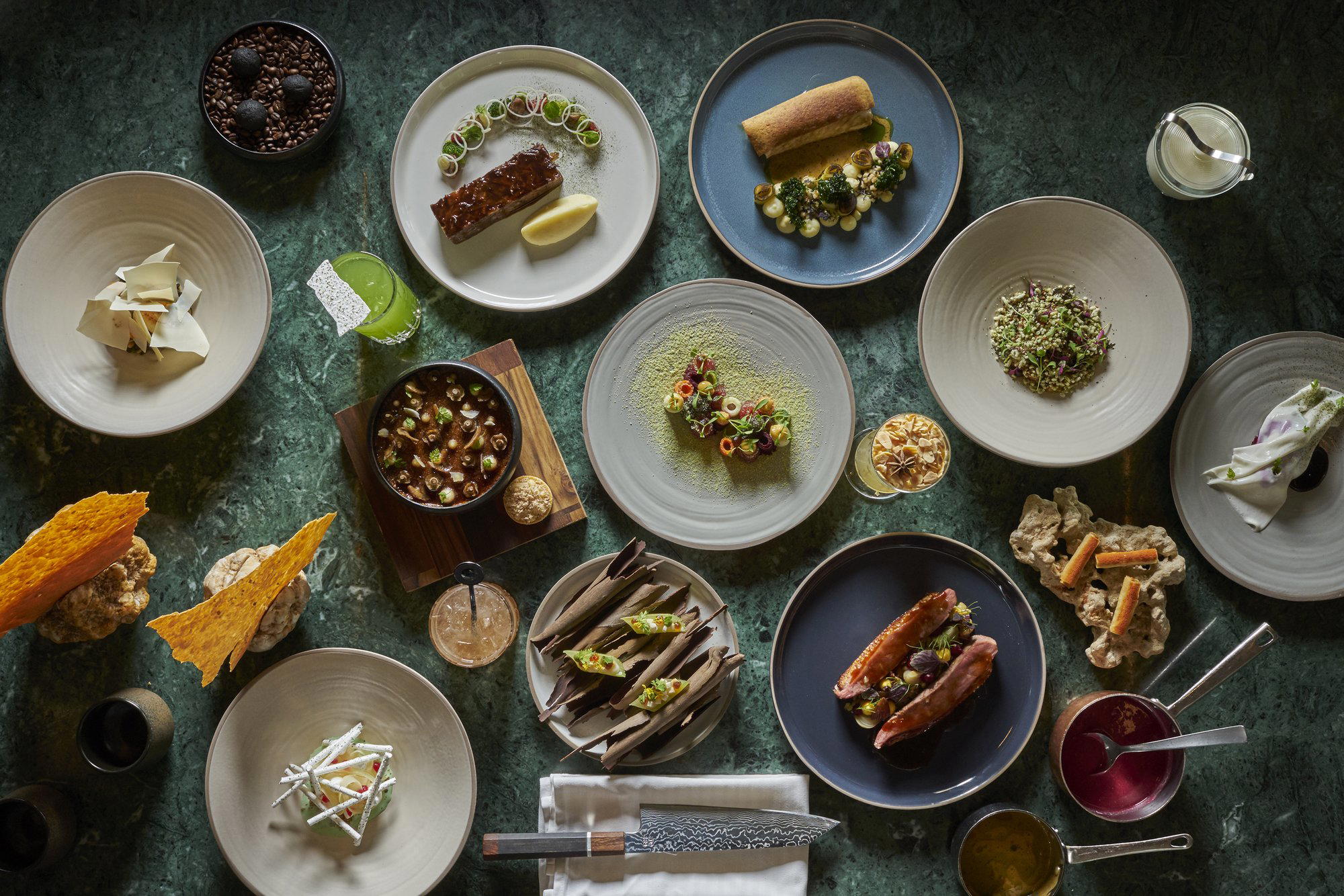
Market Halls and the Logic of Eating Where Food Is Sold
There is a European logic to eating inside the building where ingredients are traded, and Tel Aviv has adopted it with particular conviction. The Farmers Market at Hangar 12 in Tel Aviv-Yafo is one of the clearest expressions of this idea in Israel: a covered market space where the boundary between vendor, cook, and diner dissolves into a single, continuous act. Kitchen Market operates within that setting, which means the context does much of the work before a single dish arrives. The corrugated walls, the ambient noise of commerce, the smell of produce and grilled things in the same air — these are not decorative choices but structural ones. The format is the philosophy.
This matters for how you approach the meal. Market dining at this tier does not ask for reservation logic, dress consideration, or a sequenced menu. It asks instead for a different kind of attentiveness: you arrive, read what is available, and build your eating around supply rather than expectation. That rhythm sits directly in contrast to the tasting-menu formalism practiced at addresses like Alena at The Norman (Israeli Cuisine) or the structured progression at Aria. Neither approach is superior; they answer different questions about how a city wants to feed its residents and visitors.
Tel Aviv's Market Dining Tier
Israeli food culture has always had a strong relationship with market-adjacent eating. The shuk — the open-air or covered market, has historically been the place where lunch happens between purchases, where the produce is freshest and the cook's incentive to work with it is highest. Carmel Market and Levinsky Market have long anchored this tradition in Tel Aviv, but Hangar 12 represents a more curated iteration of the same impulse: a market designed partly for a culinary audience, drawing vendors who treat the format seriously rather than incidentally.
Within Tel Aviv's wider dining map, market-format venues occupy a specific niche. They sit below the white-tablecloth tier occupied by places like a or Abie, and they operate on a different axis than neighbourhood bistros such as Habasta, which maintain fixed menus and table service. The market-hall tier prizes immediacy over ceremony, and it tends to reward return visitors more than first-timers. On a first visit, you are oriented; on a second, you know what to move toward without scanning every stall.
For comparison across the region, this informal-but-serious market approach appears at venues like Abu Hassan in Jaffa, where decades of repetition have turned a single dish into a local institution, and at Diana in Nazareth, where the restaurant's proximity to its supply chain defines the cooking. Kitchen Market sits in a similar register: the setting is the argument.
The Ritual of Market Eating
The customs of market dining are worth understanding before you arrive, because they are different enough from restaurant norms to catch the uninitiated slightly off-guard. There is no maître d' to orchestrate your progression through courses, no sommelier to anchor the pacing of the meal. The diner controls the tempo entirely, which is both liberating and slightly demanding. You decide when to eat, in what order, and how much. The discipline required is different from tasting-menu patience; it is more like the lateral thinking of a good shopper.
At Hangar 12, the market operates on days and hours tied to the broader farmers market schedule, which means timing your visit correctly is the first practical task. Arriving at peak trading hours generally means more vendor activity, more product on display, and a livelier atmosphere. Coming too early or too late in the market's day produces a diminished version of the experience, with fewer options and a flatter energy. Check current market hours before planning, since seasonal shifts apply.
The eating itself tends to be standing or semi-seated, which shapes the social dynamic. Conversations happen between strangers in a way that table-service restaurants structurally prevent. Dishes are typically portioned for sharing or individual consumption without the ceremony of plating for two. This is eating as a social act conducted at crowd speed, which is a distinct pleasure if you approach it correctly and a mild frustration if you arrive expecting the cadence of a restaurant meal. For those who want to understand how this compares across Israel's regional dining culture, venues like Uri Buri in Acre or Majda in Har Nof offer instructive contrasts in formality and pacing.
Where Kitchen Market Sits in the Broader Tel Aviv Food Scene
Tel Aviv's dining culture has moved steadily toward produce-consciousness over the past decade, with chefs and market operators both responding to a growing demand for food that is traceable to a specific grower or region. The farmers market format serves this demand structurally: the supply chain is visible, sometimes literally, as producers sell alongside prepared-food vendors. This transparency is a form of trust signal that functions differently from a Michelin star but addresses a related concern about sourcing integrity.
Across the wider Israeli dining scene, this produce-first logic shows up in different register at Herbert Samuel Herzliya and at neighborhood-rooted places like Michael Local Bistro in Liman. The difference is one of theatrical presentation versus embedded practice. At Kitchen Market, the connection to produce is structural rather than narrated; you are inside the market, not reading about it on a menu.
For the full scope of Tel Aviv's dining options across price points and formats, see our full Tel Aviv restaurants guide, which covers the city's range from market-hall eating to destination-level dining. Further reference points include Azura for a different expression of traditional Israeli cooking, and for global calibration, the produce-driven precision of Le Bernardin in New York City or the tasting-format discipline of Atomix in New York City illustrate how differently other cities have resolved the same question of what serious eating looks like.
Planning Your Visit
Kitchen Market is located at הנגר 12 within the Tel Aviv Farmers Market, which is accessible from central Tel Aviv by taxi or a short ride from the city's main bus corridors. The market format means that no advance booking is required or available in the conventional sense; you arrive, you eat. Contact details and current operating hours are best confirmed through the market's own channels before visiting, as vendor schedules can shift seasonally. Budget expectations at market-hall venues of this type typically sit at the more accessible end of Tel Aviv's dining range, though specific pricing should be verified on-site. Come with time to browse before committing to a specific vendor, and treat the initial orientation lap as part of the meal itself.
What It’s Closest To
A quick snapshot of similar venues for side-by-side context.
| Venue | Cuisine |
|---|---|
| Kitchen MarketThis venue — the venue you are viewing | Not listed |
| Dr. Shakshuka | Middle Eastern |
| Ha'Achim | Israeli |
| Habasta | Israeli |
| HaSalon | Israeli - Mediterranean, Israeli |
| Jasmino | Kebabs |
Continue exploring
More in Tel Aviv
Restaurants in Tel Aviv
Browse all →

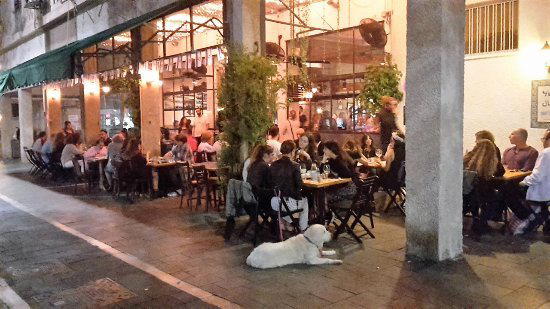
Bars in Tel Aviv
Browse all →
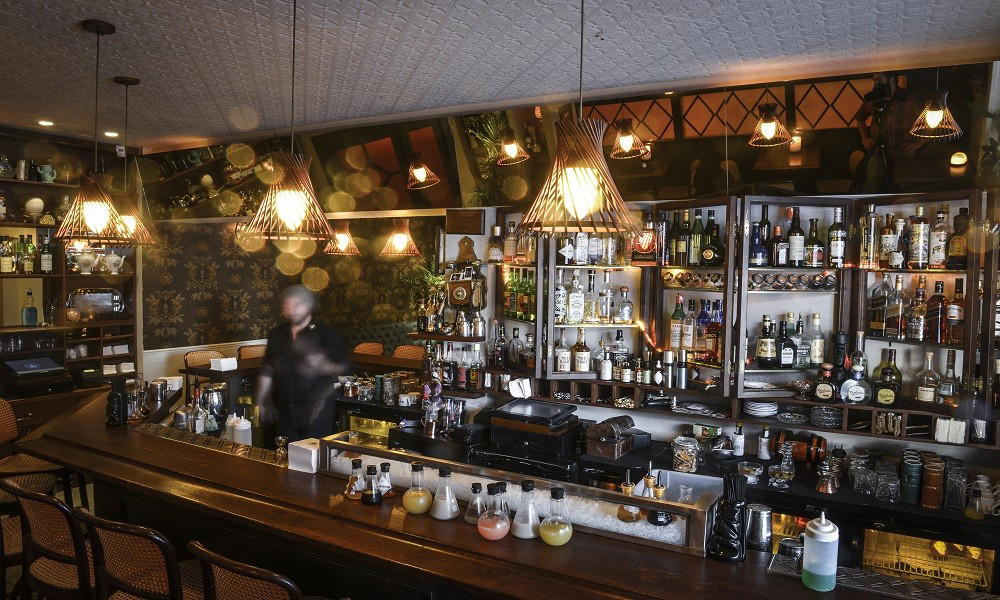
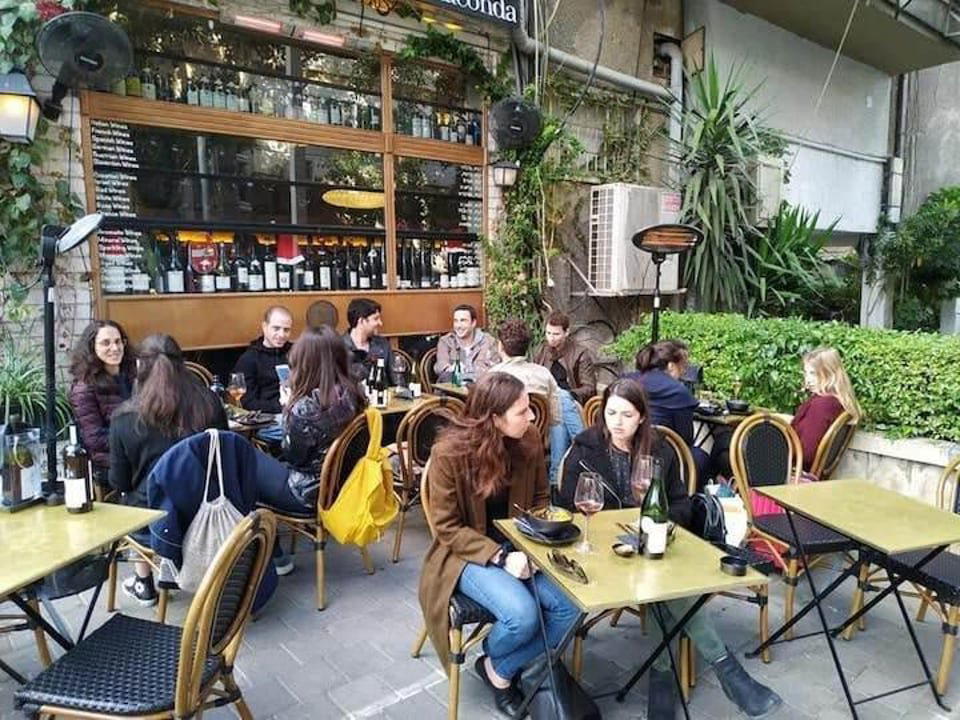
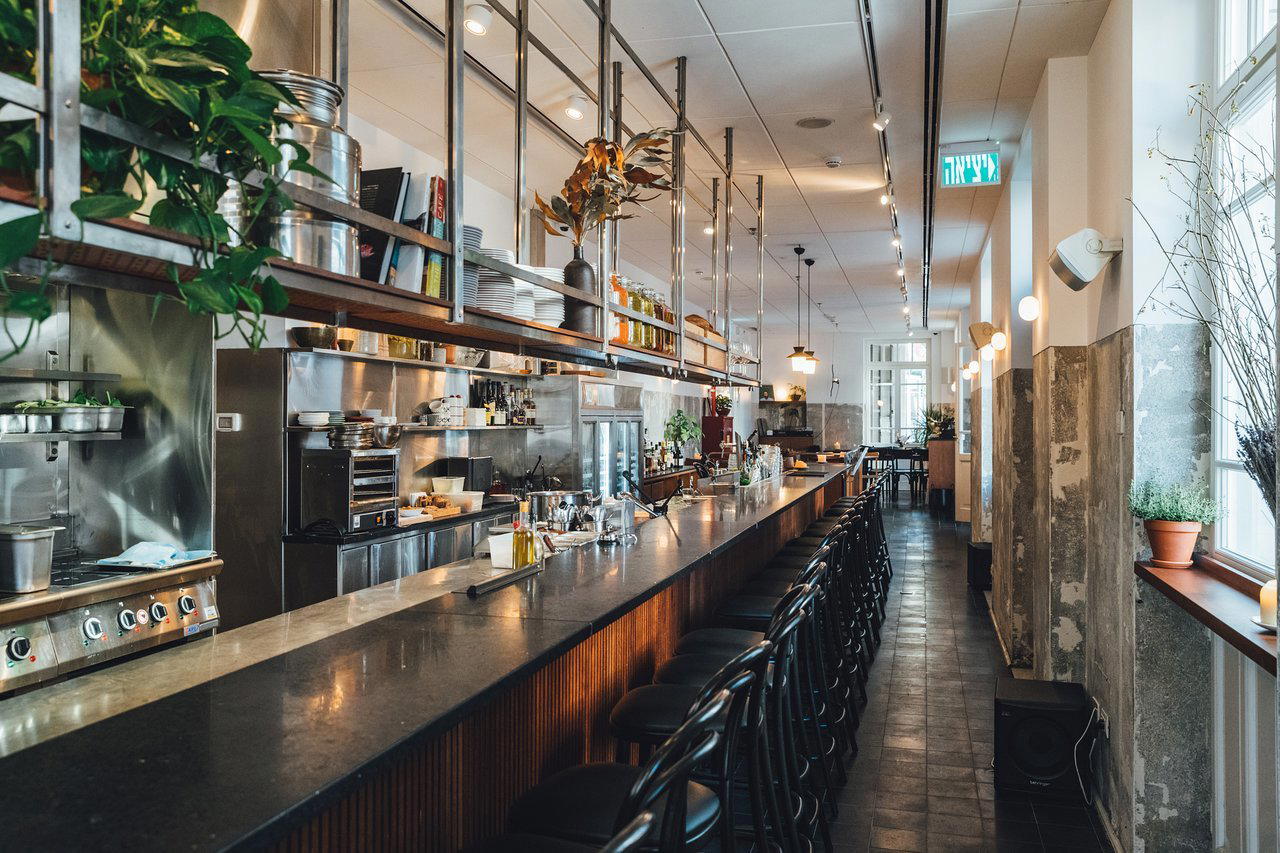
Hotels in Tel Aviv
Browse all →

At a Glance
- Lively
- Scenic
- Modern
- Sophisticated
- Date Night
- Business Dinner
- Group Dining
- Special Occasion
- Waterfront
- Open Kitchen
- Panoramic View
- Standalone
- Extensive Wine List
- Farm To Table
- Local Sourcing
- Organic
- Waterfront
- Street Scene
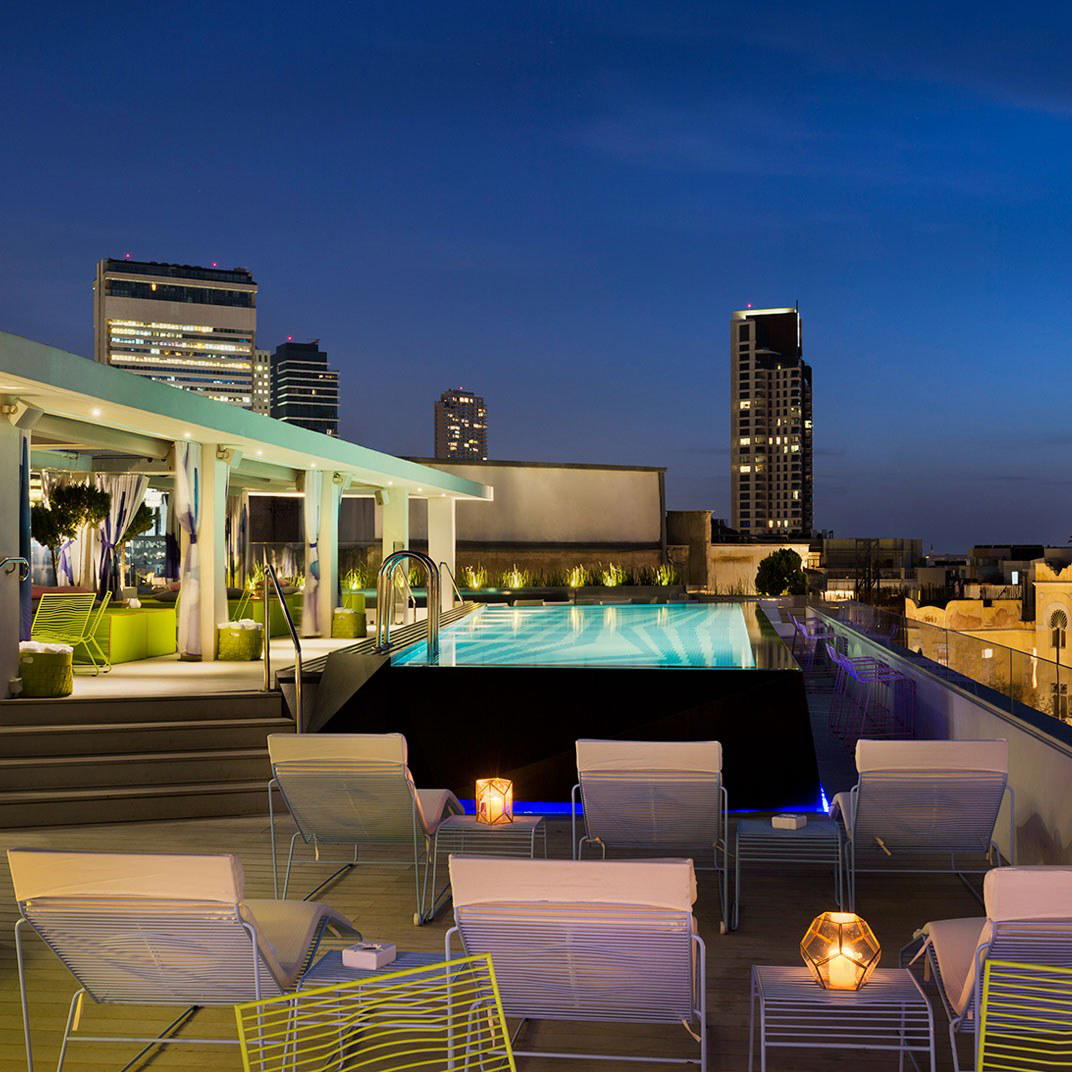
Bustling and lively with lively harbor views, bright natural lighting from the port location, and a sophisticated yet energetic dining atmosphere overlooking both the market and Mediterranean Sea.
Know Before You Go
- Getting there
- Farmers Market, הנגר 12, Tel Aviv-Yafo, Israel