MAKA Ramen on Wimbergergasse 41 sits inside Vienna's 7th district, where a growing cluster of casual Asian dining has taken hold alongside the neighbourhood's established coffee-house culture. The kitchen works within a format that prioritises bowl-led, broth-centred cooking at a price point well below the city's fine-dining tier. For visitors tracking Vienna's ramen scene, MAKA is a practical reference point in the Neubau quarter.
Pearl is the En Primeur Club membership app — saves, bookings, and concierge access live there. Same editors, same standards.
- Address
- Wimbergergasse 41/1, 1070 Wien, Austria
- Phone
- +4367763109067
- Website
- maka-ramen.at
- Directions
- Get directions
 Saves & bookings on Pearl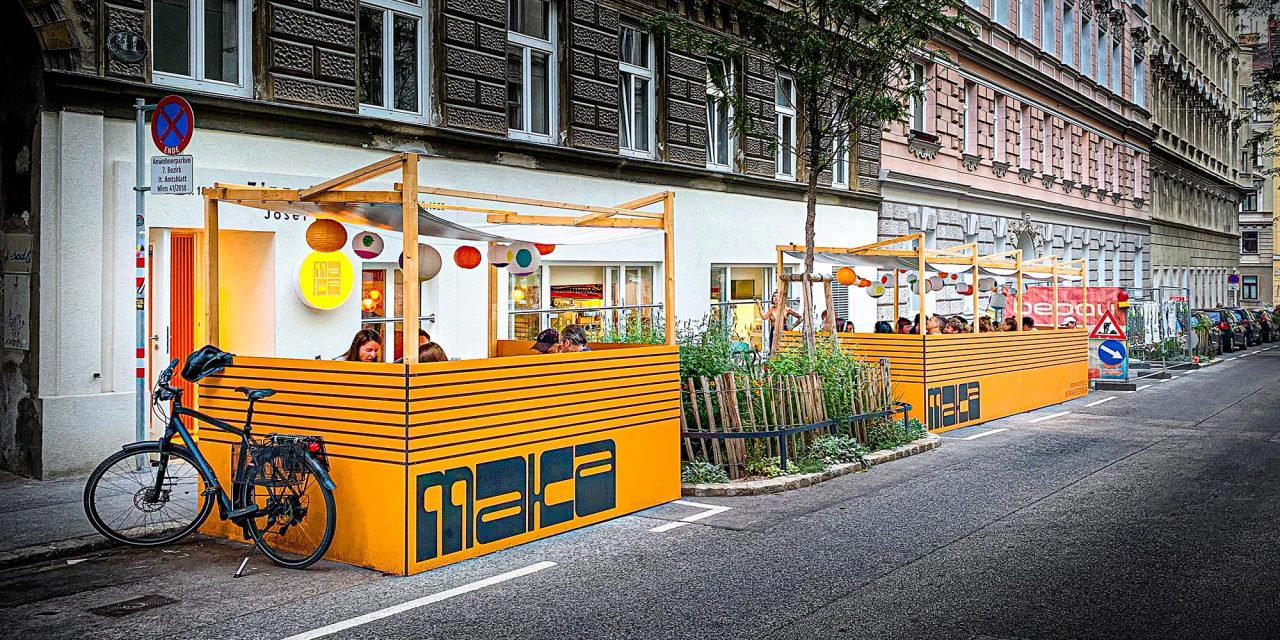
Ramen in Vienna's Seventh: Context Before Counter
Vienna's relationship with Japanese noodle culture has developed unevenly. The city's fine-dining circuit runs deep into modern Austrian and creative European territory, anchored by houses like Steirereck im Stadtpark, Amador, Konstantin Filippou, and Mraz & Sohn, all operating at the €€€€ tier with seasonal tasting menus and significant Michelin attention. Below that band, the casual mid-market has been slower to absorb ramen as a category, which makes venues like MAKA Ramen worth tracking. The address at Wimbergergasse 41 places it squarely in the 7th district, Neubau, a neighbourhood that combines independent retail, creative studios, and a restaurant scene that skews younger and less formal than the 1st.
Ramen as a global format has undergone considerable pressure-testing over the past decade. Cities from London to Sydney now host counters trained in Japanese technique, sourcing locally milled flour and regional pork for tonkotsu-adjacent broths. Vienna arrives at this category later than those markets, which gives venues operating here an opportunity to work from a more considered position, learning from what has worked and what has been discarded elsewhere. Whether MAKA executes that opportunity is the question the neighbourhood is still answering.
The Bowl as a Sustainability Argument
Ramen is structurally one of the more waste-conscious formats in casual dining, though that claim is rarely made explicitly. The broth-based kitchen model, when run thoughtfully, uses the whole animal: bones that would otherwise be discarded become the foundation of a cook that runs for hours, yielding a stock with depth that younger preparations cannot replicate. Noodle offcuts, aromatic trimmings, and secondary cuts of protein all find a function in the bowl. This is not a marketing position so much as a practical reality of the format's Japanese lineage, where mottainai, the cultural resistance to waste, shaped kitchen logic long before sustainability became a restaurant category.
In European cities adopting ramen, the ethical sourcing question becomes more pointed. The pork, chicken, or beef that underpins most serious broths needs to be sourced with some scrutiny if the environmental argument is to hold. Austrian producers, particularly in the alpine regions that supply some of the country's more thoughtful restaurant kitchens, from Döllerer in Golling an der Salzach to Landhaus Bacher in Mautern an der Donau, have shown that regional supply chains can meet fine-dining standards. A casual ramen counter operating in Neubau sits at a different price point, but the sourcing logic is available in the same geography. The question is how many operators choose to apply it.
Internationally, the comparison is instructive. Atomix in New York City represents one end of the Korean fine-dining trajectory, where sourcing transparency and technique depth are central to the proposition. At the casual end of the Japanese-derived category globally, the more credible ramen operations have moved toward shorter supply chains and reduced packaging. A Vienna counter that aligns with those signals, even partially, positions itself differently from venues treating ramen as simply a low-cost, high-volume format.
The 7th District as Dining Context
Neubau has accumulated a reputation over the past decade as Vienna's most browsable neighbourhood for independent food and drink. The density of coffee shops, wine bars, and mid-format restaurants between Mariahilfer Strasse and the Spittelberg quarter creates foot traffic that sustains smaller operations, including those without the booking infrastructure of the fine-dining tier. A ramen counter on Wimbergergasse benefits from that ambient appetite without competing directly with the city's tasting-menu circuit.
The contrast with Vienna's recognised high-end is significant. Venues like Doubek operate in a register of considered service and formal presentation. The 7th district casual tier, by contrast, draws on a different set of conventions: counter seating or communal tables, efficient service, and a menu organised around a small number of anchor bowls with modular toppings. That format suits a neighbourhood where lunch traffic is as important as dinner, and where the diner demographic includes studio workers and students alongside the tourists who move through the Museumsquartier a few blocks east.
For visitors building a Vienna itinerary that spans multiple meal registers, the 7th district provides useful flexibility. The city's alpine restaurant circuit, represented by venues such as Griggeler Stuba in Lech, Gourmetrestaurant Tannenhof in Sankt Anton am Arlberg, and Ikarus in Salzburg, operates at a different pace and scale. Urban casual formats like ramen serve a complementary function, handling the meals between the set-menu occasions.
What the Category Tells You
In cities where ramen has matured as a category, a useful split has emerged between operations running on high volume and low margin, and those investing in broth quality and ingredient provenance at a slightly higher price point. Tokyo's ramen culture has long recognised this split: a bowl at a serious tonkotsu house costs measurably more than a chain, and the difference is almost entirely in the 18-hour cook versus the concentrate. Vienna is early enough in this category evolution that the distinction is not yet fully established. Venues that make the investment now, in sourcing, in cook time, in noodle quality, tend to anchor the category as it develops. Those that do not find themselves repositioned as the market matures.
The broader Austrian dining circuit has shown capacity for that kind of investment at the high end. Kräuterreich by Vitus Winkler in Sankt Veit im Pongau, Obauer in Werfen, Ois in Neufelden, Schwarzer Adler in Hall in Tirol, and Restaurant 141 by Joachim Jaud in Mieming each demonstrate that provenance-led cooking is well understood in the Austrian market. Translating that discipline into a casual bowl format is a different challenge, but not an absent one. The question for MAKA Ramen, and for Vienna's ramen category more broadly, is whether that translation is happening in the kitchen or remaining aspirational.
Le Bernardin in New York City remains a useful reference for what sourcing discipline looks like at the summit of the category.
Planning Your Visit
MAKA Ramen is located at Wimbergergasse 41/1 in Vienna's 7th district, reachable from the Neubau quarter on foot from the U3 line. MAKA Ramen is open Wednesday through Sunday from 4:30 to 10 PM and is closed Monday and Tuesday. Reservations are recommended. The price per person is about US$20.
Budget Reality Check
Comparable venues nearby, for context on price, style, and recognition.
| Venue | Cuisine | Price | Notes |
|---|---|---|---|
| MAKA RamenThis venue — the venue you are viewing | Josefstadt, Japanese Ramen & Tapas | $$ | Not listed |
| Taeko Ramen | Not listed | $$ | Praterstern Wien Nord, Authentic Japanese Ramen |
| Shokudo Kuishimbo | Mariahilf, Authentic Japanese Izakaya | $$ | Not listed |
| Ichi go Ichi e | Landstrasse, Japanese Ramen Bar | $$ | Not listed |
| Mari's Metcha Market | Neubau, Authentic Japanese Street Food | $$ | Not listed |
| Takumi Ramen | Josefstadt, Authentic Japanese Ramen | $$ | Not listed |
Continue exploring
More in Vienna
Restaurants in Vienna
Browse all →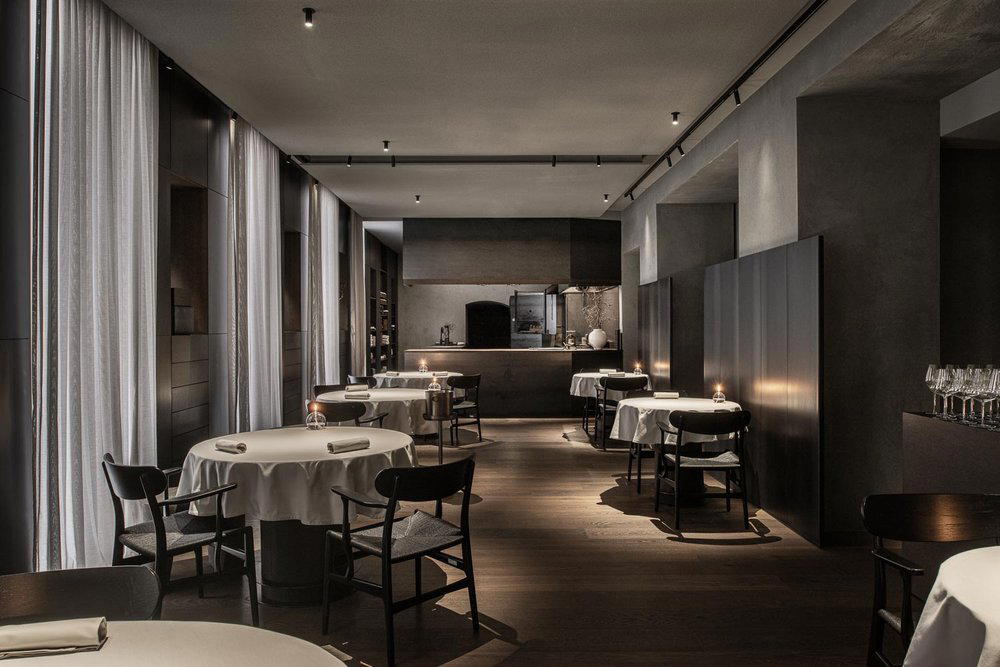
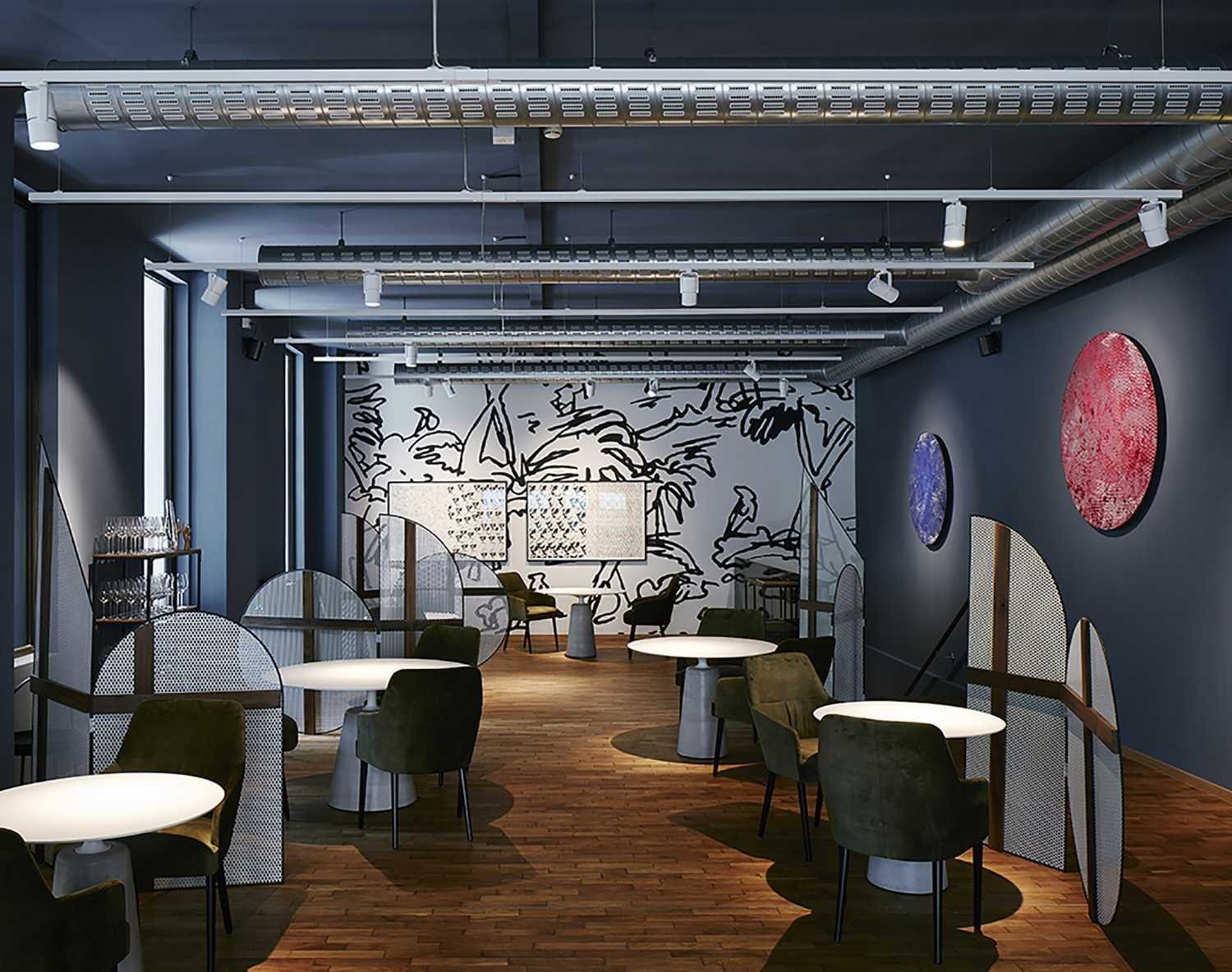
![[aend] restaurant in Vienna](https://cdn.enprimeurclub.com/storage/v1/object/public/images/locations/recsVyRkMfzCxPmp0/hero2.jpg?width=3840&quality=75)
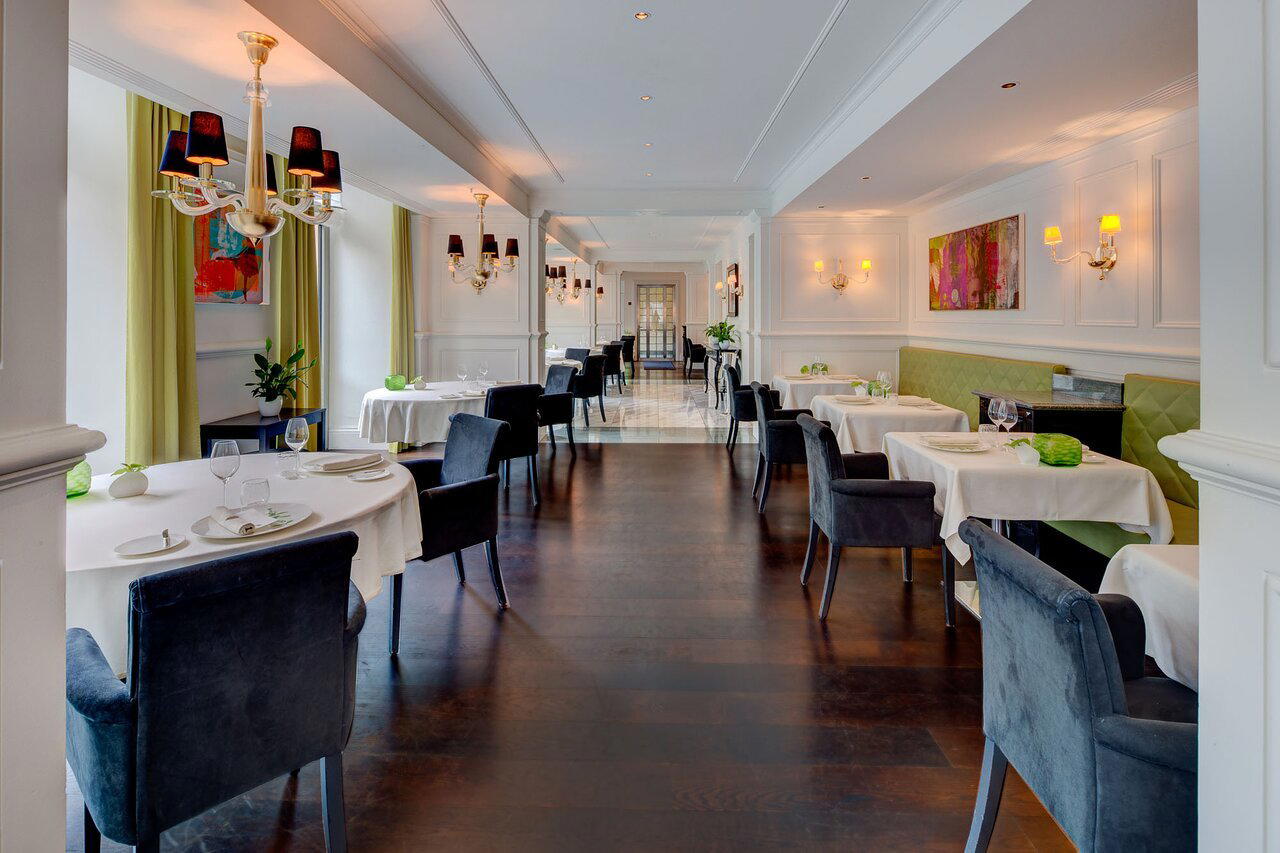
Bars in Vienna
Browse all →

Hotels in Vienna
Browse all →
At a Glance
- Trendy
- Cozy
- Modern
- Casual Hangout
- Open Kitchen
- Sake Program
Current opening hours
- Monday
- Closed
- Tuesday
- Closed
- Wednesday
- 4:30–10 PM
- Thursday
- 4:30–10 PM
- Friday
- 4:30–10 PM
- Saturday
- 4:30–10 PM
- Sunday
- 4:30–10 PM
Hours can change for holidays and private events. Last verified .
Cozy yet cramped with a relaxed, young, trendy atmosphere.