Vienna's ramen scene occupies a narrow but serious niche, and Takumi Ramen at Kinderspitalgasse 2 in the 9th district is one of the addresses that defined it. The kitchen draws a loyal local following across both lunch and dinner service, sitting at a different price register and tempo from the city's fine-dining corridor. For visitors calibrating where ramen fits in a city built on Wiener Schnitzel, this is a useful reference point.
Pearl is the En Primeur Club membership app — saves, bookings, and concierge access live there. Same editors, same standards.
- Address
- Kinderspitalgasse 2, 1090 Wien, Austria
- Phone
- +434314065222
- Website
- takumiramennoodles.com
- Directions
- Get directions
 Saves & bookings on Pearl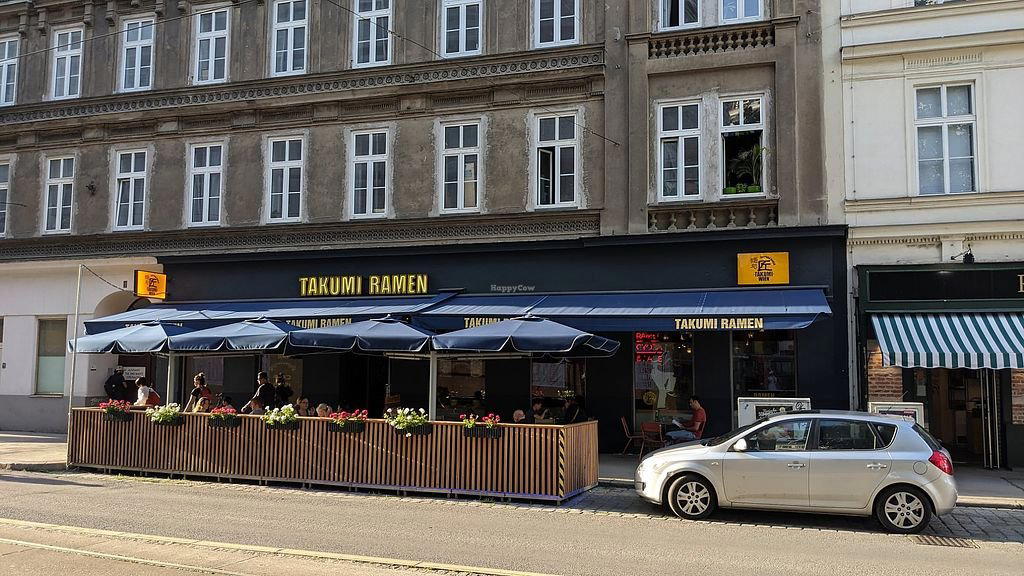
Ramen in Vienna: A Category That Had to Earn Its Place
Vienna's food identity runs deep on Central European foundations: the Beisl tradition, smoked meats, bone-heavy broths, and the kind of pastry culture that treats butter as a structural material. Against that backdrop, Japanese ramen arrived not as a novelty but as something that found an unexpected kinship with the city's existing appetite for long-cooked stocks and serious bowl food. The category grew slowly, then with more confidence, and a handful of addresses in Vienna now operate at a level that warrants the attention of anyone eating seriously in the city.
The 9th district, Alsergrund, is a neighbourhood of university buildings, hospitals, and a residential density that keeps its restaurants honest on value. It sits a short distance from the Ring but feels removed from the tourist circuit that dominates the 1st district, which means the clientele skews local and the kitchen has little incentive to perform for passing trade.
How the Lunch and Dinner Divide Plays Out Here
In ramen specifically, the lunch-versus-dinner distinction matters more than in most European dining categories. Lunch service at serious ramen counters tends to be faster, higher-turnover, and often the meal that regulars treat as a utilitarian pleasure: a bowl eaten at pace, conversation secondary. Dinner shifts the register. The room slows, the ritual of the bowl gets more attention, and the decision to order ramen at night rather than at midday signals something more deliberate.
Takumi's position in Alsergrund reinforces this dynamic. A location adjacent to major hospital and university infrastructure generates a dependable lunch crowd drawn by proximity and price sensitivity. That daytime audience sets a different atmospheric baseline than you would find at, say, the tasting-menu rooms along the fine-dining corridor where venues like Steirereck im Stadtpark, Amador, or Konstantin Filippou operate at €€€€ price points and multi-hour formats. Ramen, by contrast, is a category where a well-executed bowl can represent one technically demanding thing on the table at a fraction of that cost.
Evening service at a venue like Takumi carries a different weight. Diners choosing ramen for dinner in Vienna are making an active choice against the city's more elaborate Austrian and European options, and that self-selection tends to produce a room with stronger category knowledge and higher baseline expectations. For the kitchen, this means the same bowl that satisfies a quick lunch needs to hold up under more considered scrutiny at night.
The Wider Context: Where Vienna Sits on Ramen's European Map
Vienna is not Tokyo, and the ramen scene here does not pretend to the depth or specialisation you find in Japan's major cities. But European ramen has matured considerably in the past decade, and the better addresses in cities like Vienna, Berlin, and Amsterdam now operate with genuine technical ambition: multi-day broth production, house-made noodles calibrated to specific soups, and topping programs that treat chashu as a process rather than an afterthought.
Within Austria, the fine-dining comparison set is anchored by Michelin-recognised kitchens in both Vienna and the Alpine regions. Venues like Mraz & Sohn and Doubek operate at the creative end of Austrian cooking, while destinations such as Döllerer in Golling an der Salzach, Obauer in Werfen, and Ikarus in Salzburg define what serious dining looks like beyond the capital. Ramen sits entirely outside that competitive set, which is part of its appeal: it answers a different question entirely, one about precision and repetition rather than evolution and invention.
For visitors whose itinerary already includes the fine-dining tier, a lunch or dinner at Takumi functions as a register change rather than a compromise. The same logic applies in most cities where ramen has taken root. At Atomix in New York City, the Korean tasting-menu format commands multi-hundred-dollar covers; the ramen shops a few blocks away in Koreatown serve a different but equally serious purpose.
Seasonal Timing and When to Visit
Vienna's ramen trade follows a pattern common across northern European cities: demand peaks in autumn and winter, when the logic of a long-cooked broth aligns with the weather, and softens in summer when lighter formats compete for attention. For visitors planning around this, the October-to-March window tends to produce the fullest room and, by extension, the highest-energy service. A bowl of ramen in January in Vienna, in a warm room after a walk through the cold, is a different experience from the same bowl in July.
Spring and early autumn offer a middle ground: the soup remains appropriate to the temperature, and the post-summer slowdown in tourist traffic means slightly less competition for tables at peak hours. For those cross-referencing a Vienna trip with mountain dining, venues like Griggeler Stuba in Lech, Gourmetrestaurant Tannenhof in Sankt Anton am Arlberg, or Schwarzer Adler in Hall in Tirol serve the Alpine segment of an Austrian itinerary, while a Vienna stop at Takumi keeps the city leg grounded and affordable.
Comparable Spots
Comparable venues nearby, for context on price, style, and recognition.
| Venue | Cuisine | Price | Notes |
|---|---|---|---|
| Takumi RamenThis venue — the venue you are viewing | Authentic Japanese Ramen | $$ | Not listed |
| IKO | Modern Japanese Sushi & Asian Fusion | $$ | Stephansdom |
| Nagano | Modern Japanese Fusion | $$ | Staatsoper |
| Mari's Metcha Market | Authentic Japanese Street Food | $$ | Neubau |
| Shoyu Ramen | Authentic Japanese Ramen | $$ | Staatsoper |
| Ramen Makotoya Landstraße | Japanese Ramen | $$ | Wien-Mitte |
Continue exploring
More in Vienna
Restaurants in Vienna
Browse all →
Bars in Vienna
Browse all →

Hotels in Vienna
Browse all →

At a Glance
- Casual
- Cozy
- Casual Hangout
- Group Dining
- Open Kitchen
- Sake Program
Current opening hours
- Monday
- 11:30 AM–3 PM, 5:30–10 PM
- Tuesday
- 11:30 AM–3 PM, 5:30–10 PM
- Wednesday
- 11:30 AM–3 PM, 5:30–10 PM
- Thursday
- 11:30 AM–3 PM, 5:30–10 PM
- Friday
- 11:30 AM–3 PM, 5:30–10 PM
- Saturday
- 11:30 AM–3 PM, 5:30–10 PM
- Sunday
- 12–3 PM, 5:30–9:30 PM
Hours can change for holidays and private events. Last verified .
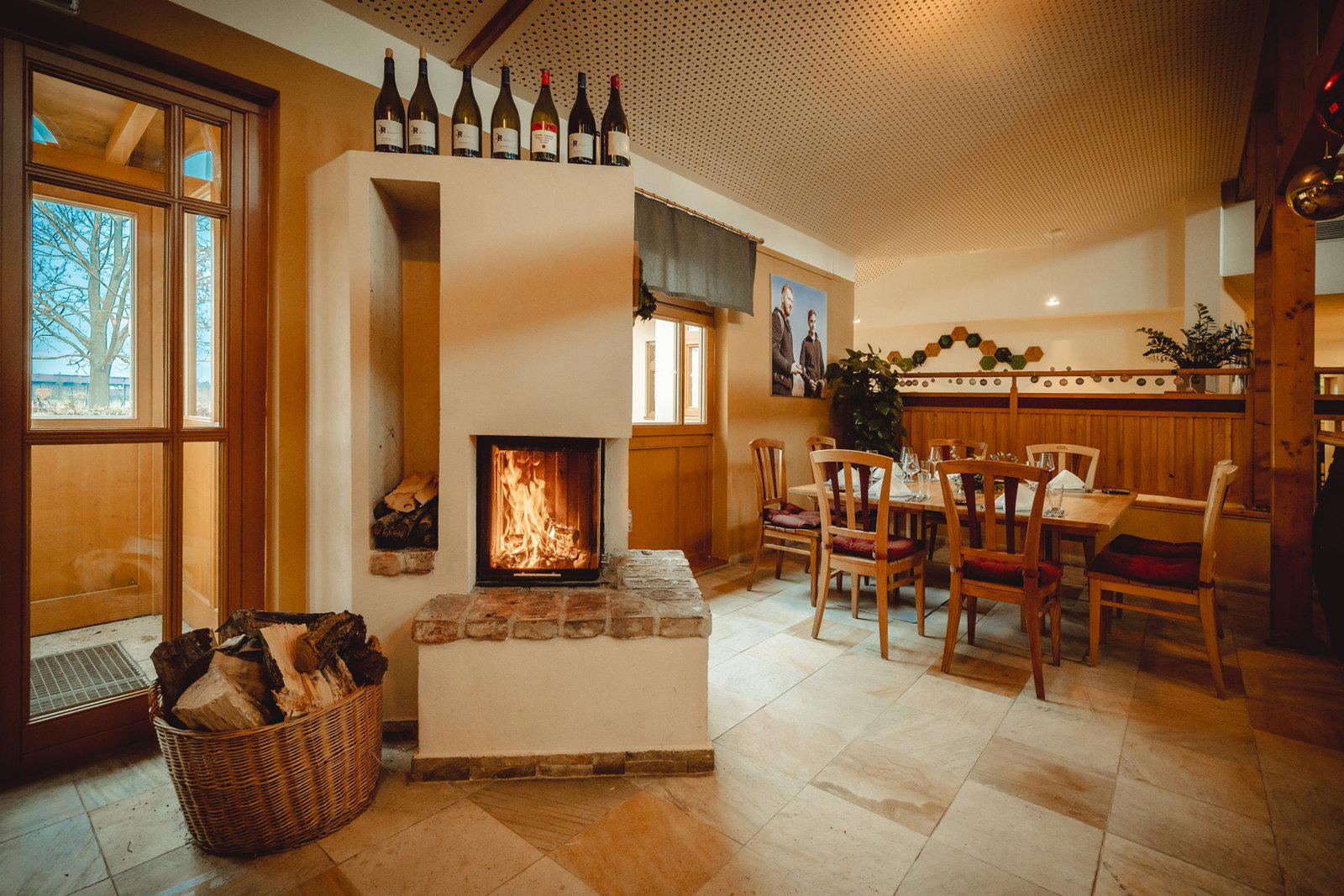
Casual and welcoming atmosphere focused on comforting ramen bowls, with a lively yet relaxed vibe during peak hours.