
Maisen has anchored Omotesando's casual dining scene since the 1960s, operating from a converted bathhouse in Jingumae and ranked among Japan's most recognised tonkatsu addresses by Opinionated About Dining two years running. The kitchen holds to heritage breed pork and deliberate frying discipline at a price point accessible enough to draw both neighbourhood regulars and visiting diners. Open daily from 11am to 9pm with no reservation required for counter seats.
Pearl is the En Primeur Club membership app — saves, bookings, and concierge access live there. Same editors, same standards.
- Address
- 4 Chome-8-5 Jingumae, Shibuya, Tokyo 150-0001, Japan
- Phone
- +81 50-3188-5802
- Website
- mai-sen.com
- Directions
- Get directions
 Saves & bookings on Pearl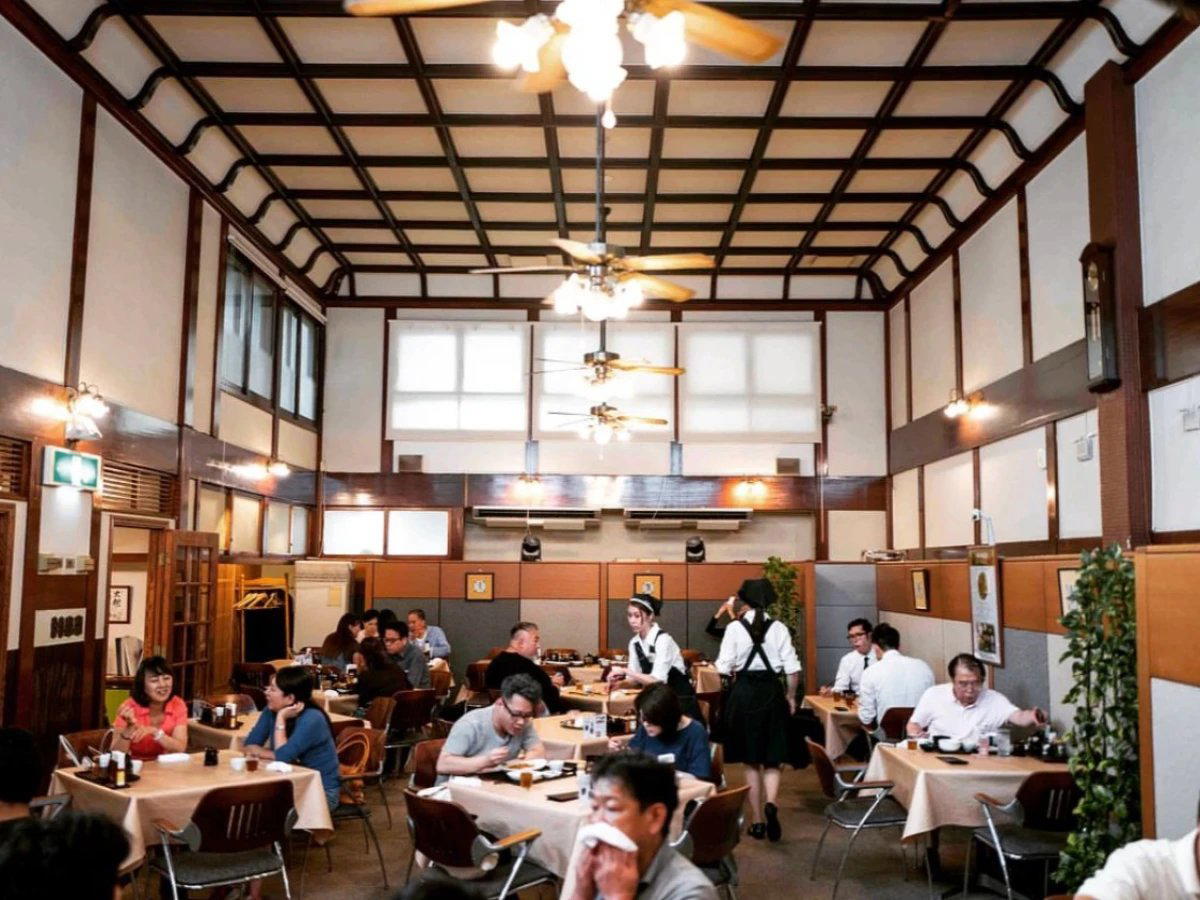
The Tonkatsu Tradition and Where Maisen Sits Within It
Tonkatsu occupies a specific place in the hierarchy of Japanese comfort food: a Western-derived technique, the deep-frying of breaded cutlets, absorbed into everyday Japanese cooking during the Meiji era and refined across the following century into something with its own precise standards. Breadcrumb coarseness, oil temperature, resting time after frying, the grain and fat ratio of the pork itself, each element has become a subject of serious consideration at the restaurants that treat the category with professional rigour. Maisen is a Tokyo tonkatsu restaurant in Jingumae that serves a casual, reservations-recommended lunch and dinner service. Its recognition reflects steady consistency rather than novelty.
The Jingumae address is not incidental. The neighbourhood, defined by its fashion retail and quieter residential streets running off the main boulevard, has historically supported a range of mid-register dining that sits between the high-omakase counters of Ginza and the fast-casual chains further east. Tonkatsu at this location is priced and formatted for repeat visits rather than occasion dining, which is part of what distinguishes the category from the ¥¥¥¥ end of Tokyo's restaurant spectrum represented by venues like Harutaka or RyuGin.
The Converted Bathhouse Setting and What It Signals
The building itself, a former public bathhouse, is part of Maisen's cultural identity. Adaptive reuse of this kind is relatively uncommon in Tokyo's restaurant scene, where new-build formats tend to dominate commercial dining. A sento conversion retains the high ceilings, the spatial generosity, and the particular atmosphere of a building designed for communal daily life rather than commercial transaction. The result is a dining room that reads as lived-in and legitimate rather than designed for atmosphere. That distinction matters in a city where many casual dining formats are engineered for efficiency above all else.
The building's history also supports a sense of continuity in the dining room. Japanese food culture has long held relationships between place, ritual, and community as foundational, and a converted bathhouse reinforces that connection more directly than a purpose-built dining room would.
Sourcing and the Ethics of the Pork Question
Tonkatsu's quality ceiling is determined substantially by the pig. The category's higher-tier practitioners, including Butagumi in Nishi-Azabu and Ginza Katsukami, have made heritage breed sourcing central to their identity, working with specific farms and presenting breed information on menus as evidence of provenance. The underlying argument is that slower-grown breeds with higher intramuscular fat carry more flavour through a frying process that strips moisture aggressively. This sourcing approach also has sustainability implications: heritage breeds raised at lower density, on varied feed, with longer growth cycles represent a materially different supply chain from commodity pork production.
Maisen's long-standing reputation within the Tokyo tonkatsu community reflects an alignment with this sourcing philosophy, even at a price point that positions it as accessible casual dining rather than specialist counter fare. The Opinionated About Dining ranking, which evaluates casual venues on criteria that include quality and consistency, positions Maisen alongside kitchens that take ingredient quality seriously regardless of price tier. For comparison against the specialist counter end of the Tokyo tonkatsu spectrum, Katsuyoshi and Katsusen represent the more formal, reservation-required approach, while Fry-ya offers another point on the accessible end of the range.
The Seasonal Case for Visiting in Autumn
Tonkatsu consumption in Japan follows a subtle seasonal rhythm. The dish is a year-round staple, but autumn and winter are the periods when heavier, fat-rich pork preparation aligns most naturally with ambient temperature and appetite. Autumn, specifically, brings the post-summer shift in dining mood that moves Tokyo's restaurant culture away from lighter, cooler formats and toward preparations with more substance. Visiting between October and December places the meal in its most comfortable seasonal context: the walk through Omotesando at that time of year, before the winter chill becomes pronounced, matches a mid-morning opening at 11am for those who want to eat without queuing against the peak lunchtime crowd.
The kitchen is open every day of the week, 11am to 9pm, which makes timing flexible in a way that many Tokyo dining destinations are not. No advance reservation is required for the main dining room, which is relevant for travellers with less structured itineraries.
Maisen in the Wider Japan Context
Across the country, kitchens at the casual tier have developed the kind of craft focus more typically associated with fine dining. Jukuseibuta Kawamura in Kyoto and Kyomachibori Nakamura in Osaka represent how the tonkatsu tradition plays out in other major cities, with regional pork sourcing and local dining culture shaping each kitchen's approach differently. Further afield, HAJIME in Osaka, Gion Sasaki in Kyoto, and akordu in Nara illustrate the range of serious cooking happening across Japan's Kansai region, while Goh in Fukuoka, 1000 in Yokohama, and 6 in Okinawa extend the picture nationally.
Within Tokyo itself, the category is well-covered across price points.
Practical Details
Maisen is located at 4 Chome-8-5 Jingumae, Shibuya, a short walk from Omotesando Station on the Tokyo Metro Ginza, Chiyoda, and Hanzomon lines. The kitchen operates Monday through Sunday, 11am to 9pm.
Peers Worth Knowing
Comparable venues nearby, for context on price, style, and recognition.
| Venue | Cuisine | Price | Notes |
|---|---|---|---|
| MaisenThis venue — the venue you are viewing | Tonkatsu | $$ | Not listed |
| Kikanbo | Spicy Miso Ramen (Karashibi Miso Ramen) | $$ | Chiyoda |
| Gyoza Bar Chaozu | Gyoza and Champagne Bar | $$ | Minato |
| Sora to Mugi to | Organic Vegan Bakery & Café | $$ | Shibuya |
| Tonkatsu Kenshin | Tonkatsu | $$ | Shinjuku |
| 銀座 小十 | japanese | Not listed | Chūō |
Recognition history
Dated appearances from independent guides and award organizations, with the underlying list record or original source where available.
Opinionated About Dining Casual in Japan Ranked #27
Opinionated About Dining
Opinionated About Dining Casual in Japan Ranked #104
Opinionated About Dining
Opinionated About Dining Casual in Japan Ranked #88
Opinionated About Dining
Continue exploring
More in Tokyo
More from Chef Various
Browse all →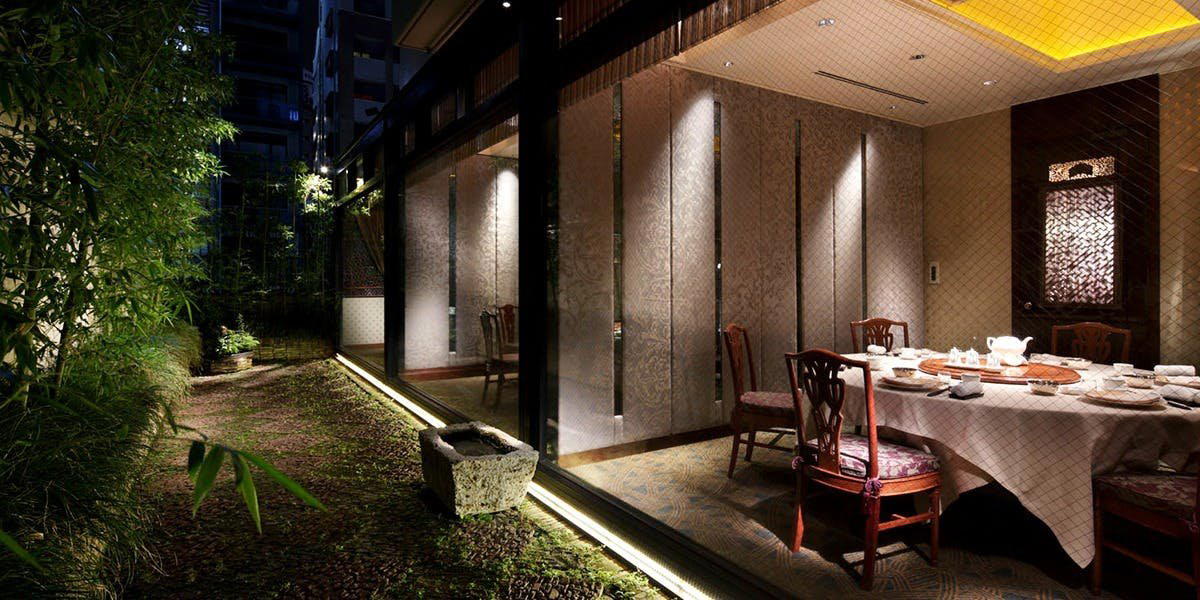
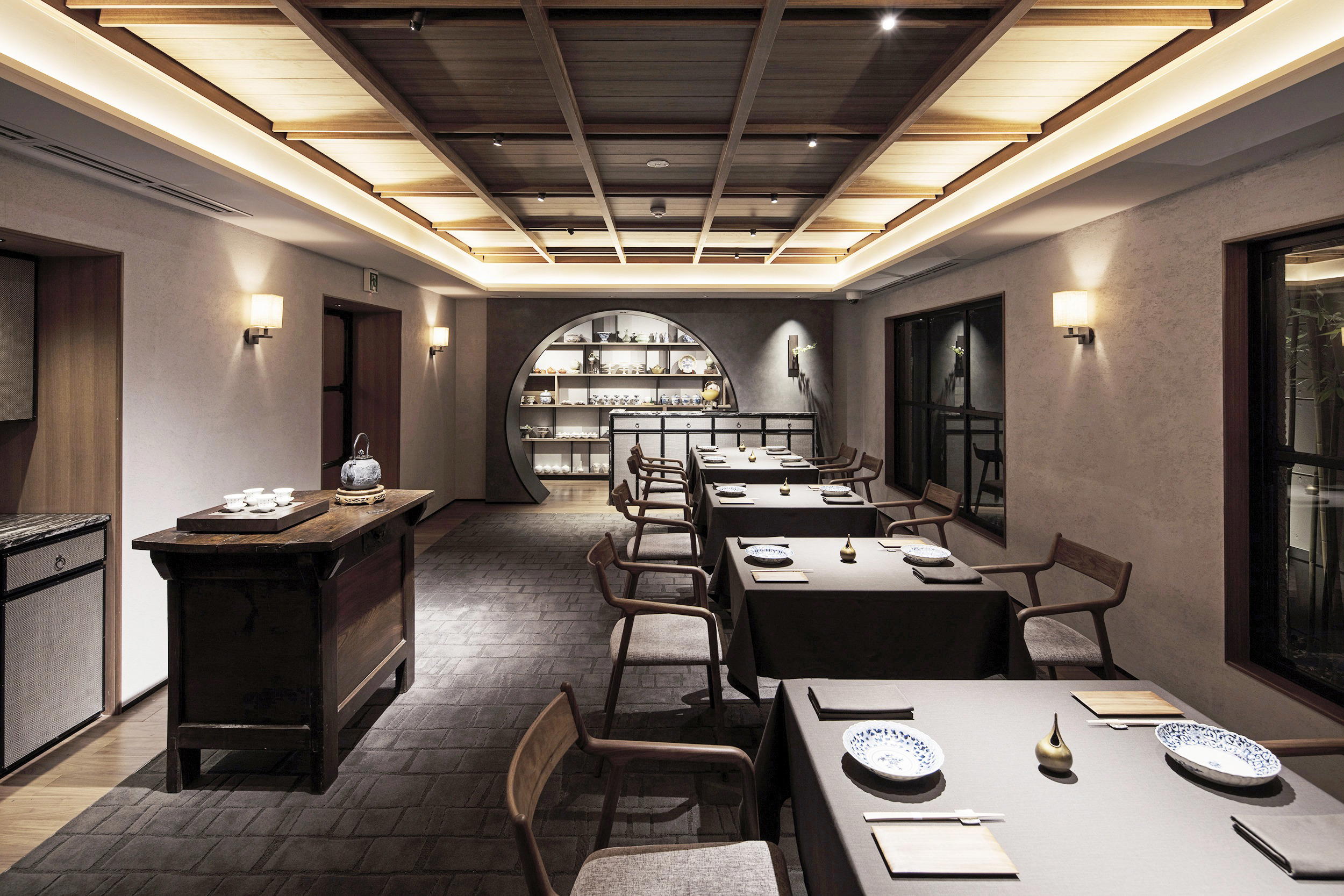
Restaurants in Tokyo
Browse all →



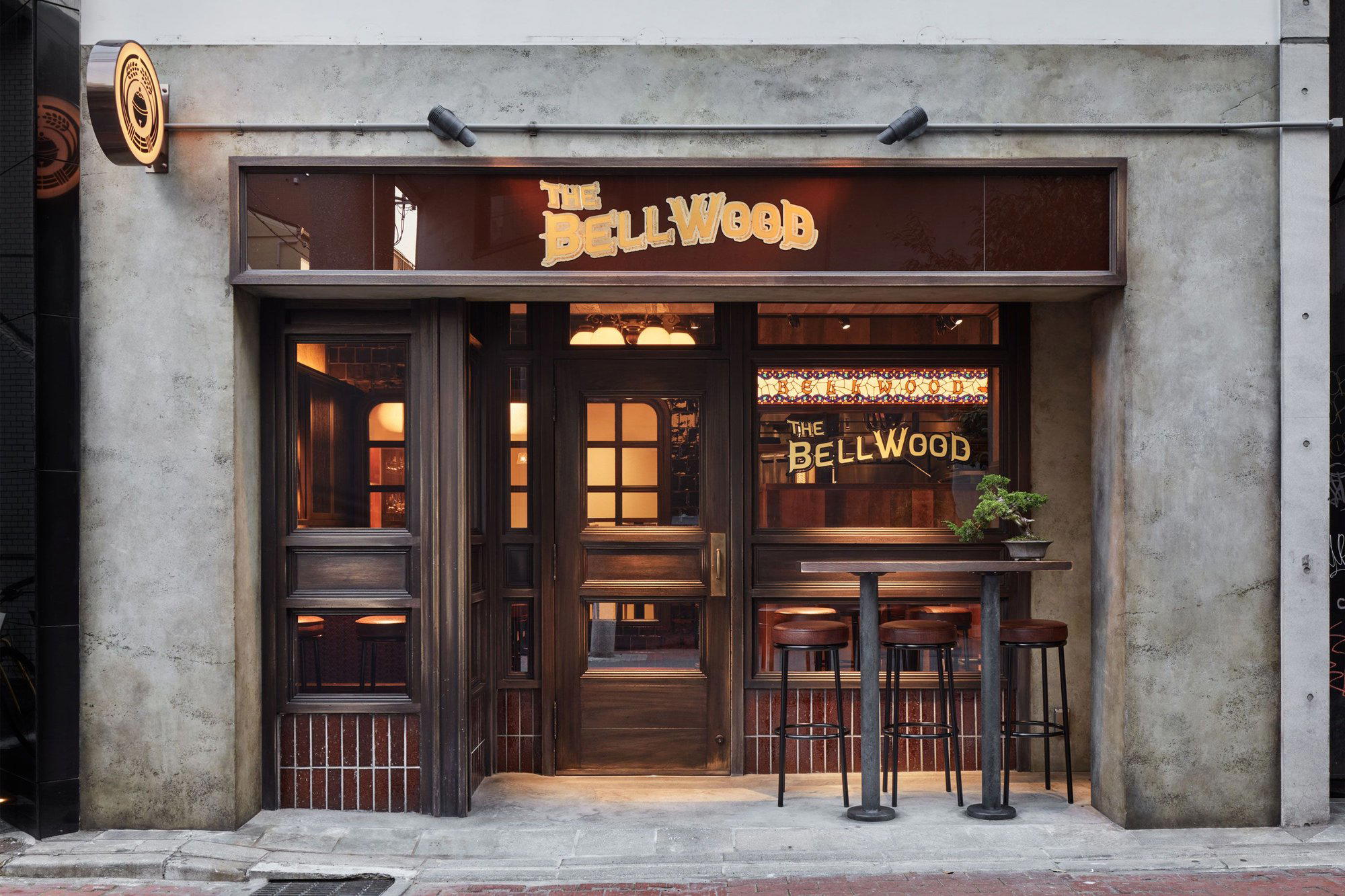
Bars in Tokyo
Browse all →







At a Glance
- Retro
- Classic
- Cozy
- Family
- Historic Building
- Sake Program
Current opening hours
- Monday
- 11 AM–9 PM
- Tuesday
- 11 AM–9 PM
- Wednesday
- 11 AM–9 PM
- Thursday
- 11 AM–9 PM
- Friday
- 11 AM–9 PM
- Saturday
- 11 AM–9 PM
- Sunday
- 11 AM–9 PM
Hours can change for holidays and private events. Last verified .
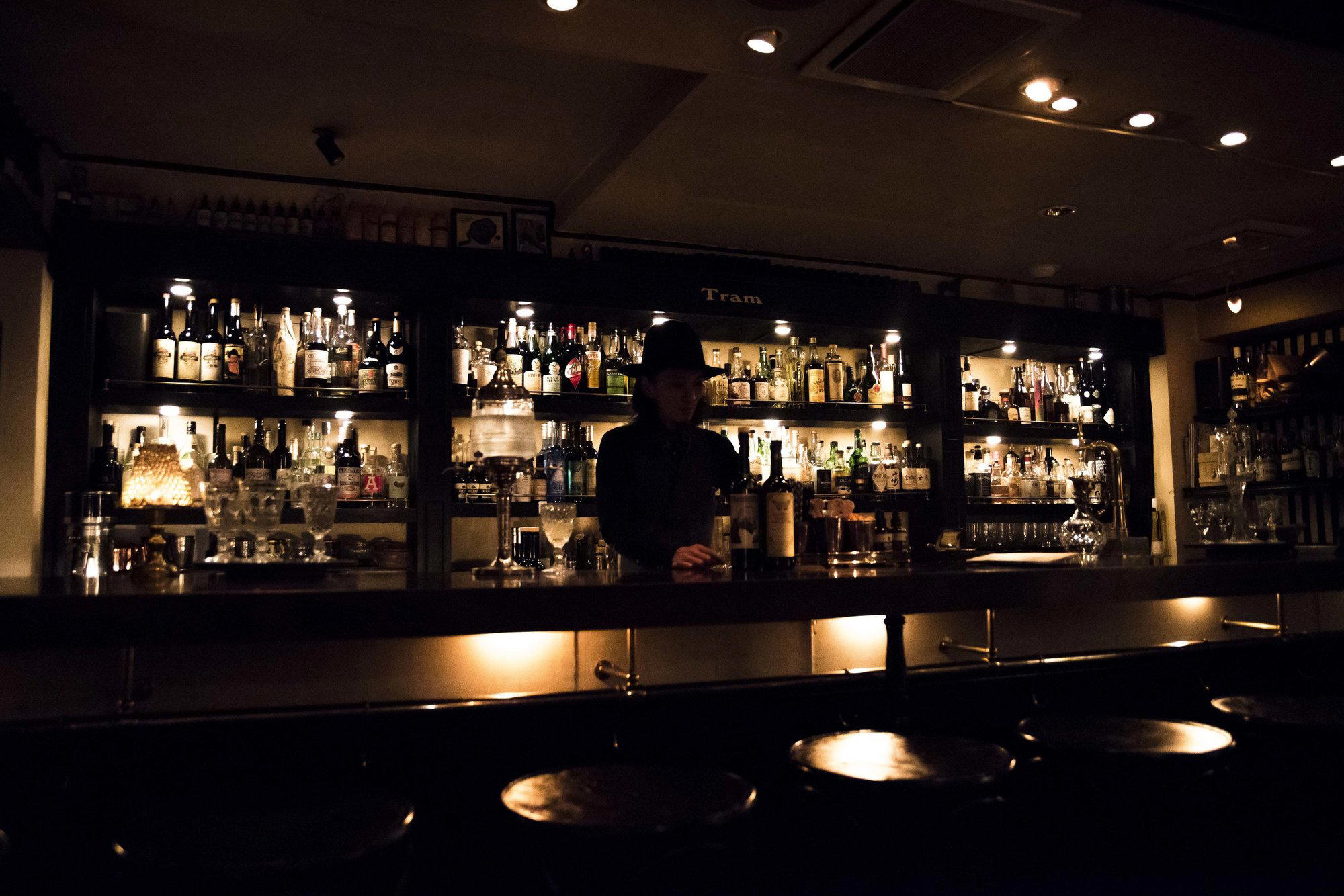
Retro-modern atmosphere with high ceilings, wooden paneling, vaulted ceilings, thick Showa-era beams, and antique Eames chairs.