
Mahoroba gives Fukui’s ramen scene a compact, counter-led reference point rather than a destination built on ceremony. Its Tabelog Ramen WEST “Tabelog 100” selections in 2024 and 2025 place it within a regional conversation where sourcing, broth discipline, and everyday pricing matter more than luxury signals.
Pearl is the En Primeur Club membership app — saves, bookings, and concierge access live there. Same editors, same standards.
- Address
- 福井県福井市渕4-207
- Website
- tabelog.com
 Saves & bookings on Pearl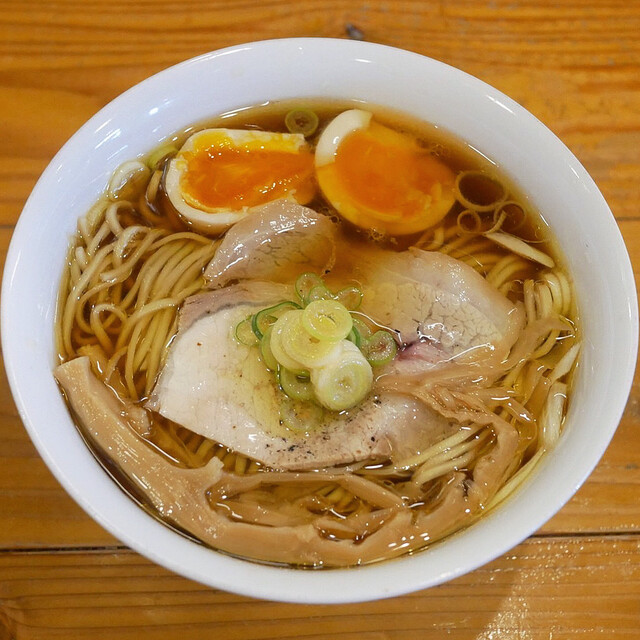
Approaching a serious ramen shop in provincial Japan rarely feels theatrical. The cues are smaller: a compact room, counter seats built for quick concentration, families and solo diners using the same space without ceremony. In Fukui, where dining culture is less export-facing than in Tokyo, Osaka, or Kyoto, that informality matters. Ramen here is judged less by spectacle than by repeatability: how broth, noodles, seasoning, and sourcing hold their line across lunch and dinner service.
Mahoroba sits inside that tradition with a format that reads as practical rather than performative. The room runs on 16 seats, split between an eight-seat counter and two tables for four, which keeps the experience close to the kitchen without turning it into a tasting-counter production. That scale suits ramen, a category where precision is measured in minutes and small adjustments, not in multi-course pacing. The selection for Tabelog Ramen WEST “Tabelog 100” in both 2024 and 2025 gives the shop a clear external credential, especially in a region where national attention often concentrates on larger food cities.
Fukui ramen, judged by sourcing discipline rather than spectacle
Western Japan’s ramen conversation is broad: dense pork broths, lighter chicken-based bowls, seafood-driven soups, and local interpretations all compete for attention. The stronger shops are not simply louder or heavier. They tend to show discipline in sourcing and structure, with broth and tare doing the work before toppings enter the frame. Mahoroba’s recognition in the Ramen WEST list places it among shops assessed in that broader western-Japan field, not only against local Fukui addresses.
That distinction is useful for travellers. Fukui is not a ramen tourism shorthand in the way Sapporo is for miso or Hakata is for tonkotsu, so a recognised shop here offers a different kind of read on Japanese ramen culture. It shows how serious everyday cooking can sit outside the usual metropolitan circuits. The appeal is not luxury. It is the chance to see how a small regional counter can compete in a category where ingredient clarity, broth balance, and consistency matter more than elaborate service language.
The sourcing angle is especially important because ramen is often misunderstood as a cheap, casual bowl first and a supply-chain dish second. A convincing bowl depends on repeated choices: bones or chicken, dried seafood or vegetables, soy or salt seasoning, noodle type, fat level, and how these elements hold together at service speed. Without inventing a house recipe, the meaningful point is that recognition in a ramen-specific list normally rewards that integrated craft. In this tier, ingredients are not decoration; they determine whether the bowl has shape.
A small-room format built for solo diners and families
The seating mix says a great deal about the shop’s role in the city. Counter seating supports the solo ramen rhythm: enter, order, eat with focus, leave. The tables make the same room workable for families, which broadens the audience without changing the category. Children are welcome, and the non-smoking policy also makes the room easier for mixed-age dining. In a Japanese ramen context, that combination matters because many serious shops tilt either toward lone counter dining or toward casual group use. Here, the format accommodates both without turning ramen into an occasion restaurant.
Payment remains cash-oriented, with credit cards, electronic money, and QR code payments not accepted. That detail is not a quirk so much as part of the practical reality at many independent ramen shops outside Japan’s largest tourist corridors. Travellers should treat the experience accordingly: simple, local, and more dependent on timing than on concierge infrastructure. Reservations are unavailable, so the decision is less about securing a slot and more about choosing when the room is likely to turn efficiently.
Compared with Fukui’s more formal dining addresses, including out-of-metro references such as Kaikatei or 料亭 開花亭, this is a different value equation. Those names point toward regional dining traditions with more ceremony or broader menus; ramen compresses the argument into a single-bowl format. The comparison is useful because it clarifies what Mahoroba is not trying to be. It is not a long lunch or a private-room meal. It is a focused, low-price encounter with a Japanese category that can be technically demanding while remaining democratic.
How to place it within a Fukui eating itinerary
For visitors building time in and around Fuchi, Mahoroba works better as a calibrated stop than as the centrepiece of an entire day. The award signal justifies a detour for ramen-focused travellers, but the deeper reason to go is contextual: it adds a grounded, everyday counterpoint to the seafood, soba, kaiseki, Chinese, and grill-led meals that often shape dining in regional Japan. The shop opened in 2019, which also puts it in the newer generation of independent ramen rooms rather than the postwar old-guard lineage that defines some classic noodle cities.
The local guide architecture around the area helps frame that wider itinerary. Start with Our full fuchi restaurants guide for dining context, then map the rest of the trip through Our full fuchi hotels guide, Our full fuchi bars guide, Our full fuchi wineries guide, and Our full fuchi experiences guide. For readers comparing casual Japanese formats across the country, useful contrasts include -Grilled beef Sukiyaki- KAMAKURA TANUKIAN 鎌倉 たぬき庵 in Kamakura, . 鮪と炭火焼き うお炭 秋葉原店 in Tokyo, .cafe in Osaka, .know in Kumamoto, (Shoku) Vietnam in Kawasaki, [Curry Senmon Ten] Maruyama Kyoju. in Sapporo, [ki:] in Kyoto, #肉といえば松田 奈良本店 in Kashihara, 1/3 HAMBURGER FACTORY in Kanazawa, 1000 in Yokohama, 1000mヒュッテ 1000m Hut in Kutchan, Jōdo Saké Bar in Los Angeles, and Onigiri Time in Pasadena.
The editorial case is concise: this is a small Fukui ramen room with credible regional recognition, accessible pricing, and a format that suits both the lone counter diner and the family table. In a category crowded with louder claims, those facts are enough. The reward is not grandeur; it is a clear look at how ingredient-led ramen culture functions away from Japan’s usual culinary capitals.
Comparison Snapshot
Comparable venues by cuisine and price in the same metro.
| Venue | Cuisine | Price | Notes |
|---|---|---|---|
| MahorobaThis venue — the venue you are viewing | Ramen Shop | $ | Not listed |
| Tanikawa Beikokuten | Sanuki Udon | $ | Manno-cho, Nakatado-gun |
| Urashima Ramen | Wakayama Ramen | $ | Uchita |
| Marusho Gyoza | Traditional Japanese Gyoza Specialist | $ | Daito City |
| Chuka Soba Hayami | Traditional Wakayama Ramen | $ | Shingu |
| Koja Sobaya | Authentic Miyako Soba | $ | Hirara |
Recognition history
Dated appearances from independent guides and award organizations, with the underlying list record or original source where available.
Tabelog 100 #61 · No. 61
Tabelog · Tabelog 100 - Ramen - WEST - 2025
Continue exploring
More in fuchi
Restaurants in fuchi
Browse all →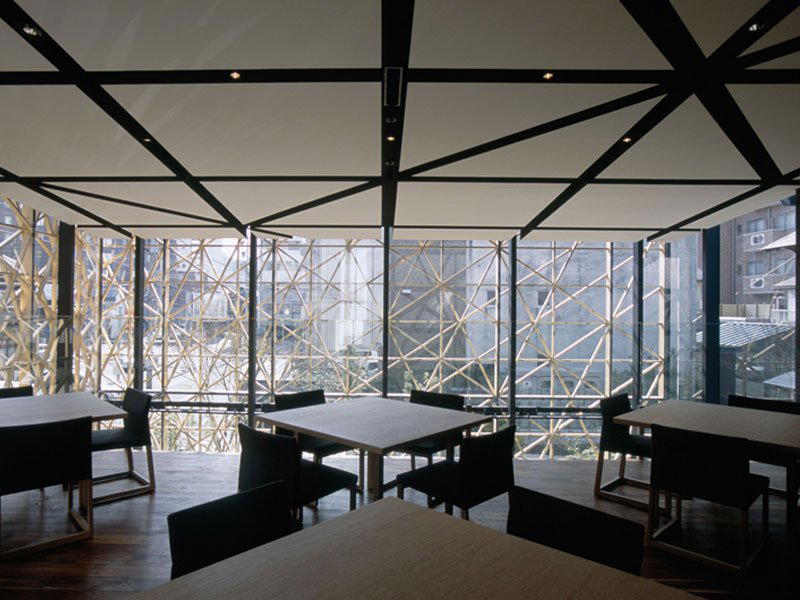
At a Glance
- Cozy
- Lively
- Solo
- Family
- Casual Hangout
- After Work
- Late Night
- Standalone
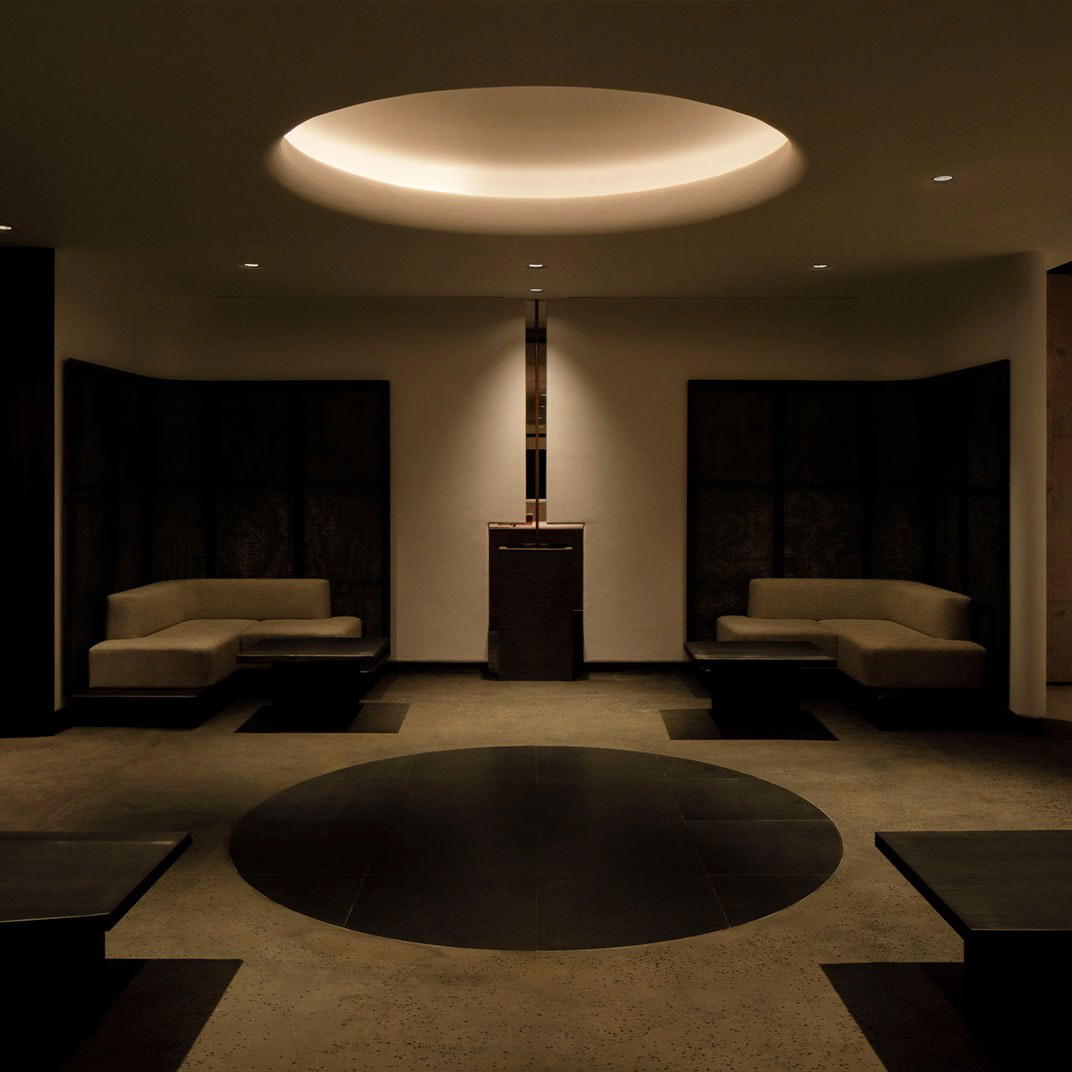
Small, non-smoking ramen shop with counter seats and a couple of tables, creating a casual, cozy atmosphere suited to solo diners and families, often busy with a lively ramen-ya feel.