Koja Sobaya
Our verdict
Koja Sobaya brings soba traditions to Miyakojima, an island better known for its coral-fringed coastline than its noodle culture. The restaurant sits within a dining scene that rewards curiosity: part local institution, part quiet argument for why craft grain food belongs in Okinawa's culinary conversation. For visitors willing to look past the resort strip, it offers a different register entirely.

Pearl is the En Primeur Club membership app — saves, bookings, and concierge access live there. Same editors, same standards.
- Address
- Okinawa (Miyakojima), Japan
- Directions
- Get directions
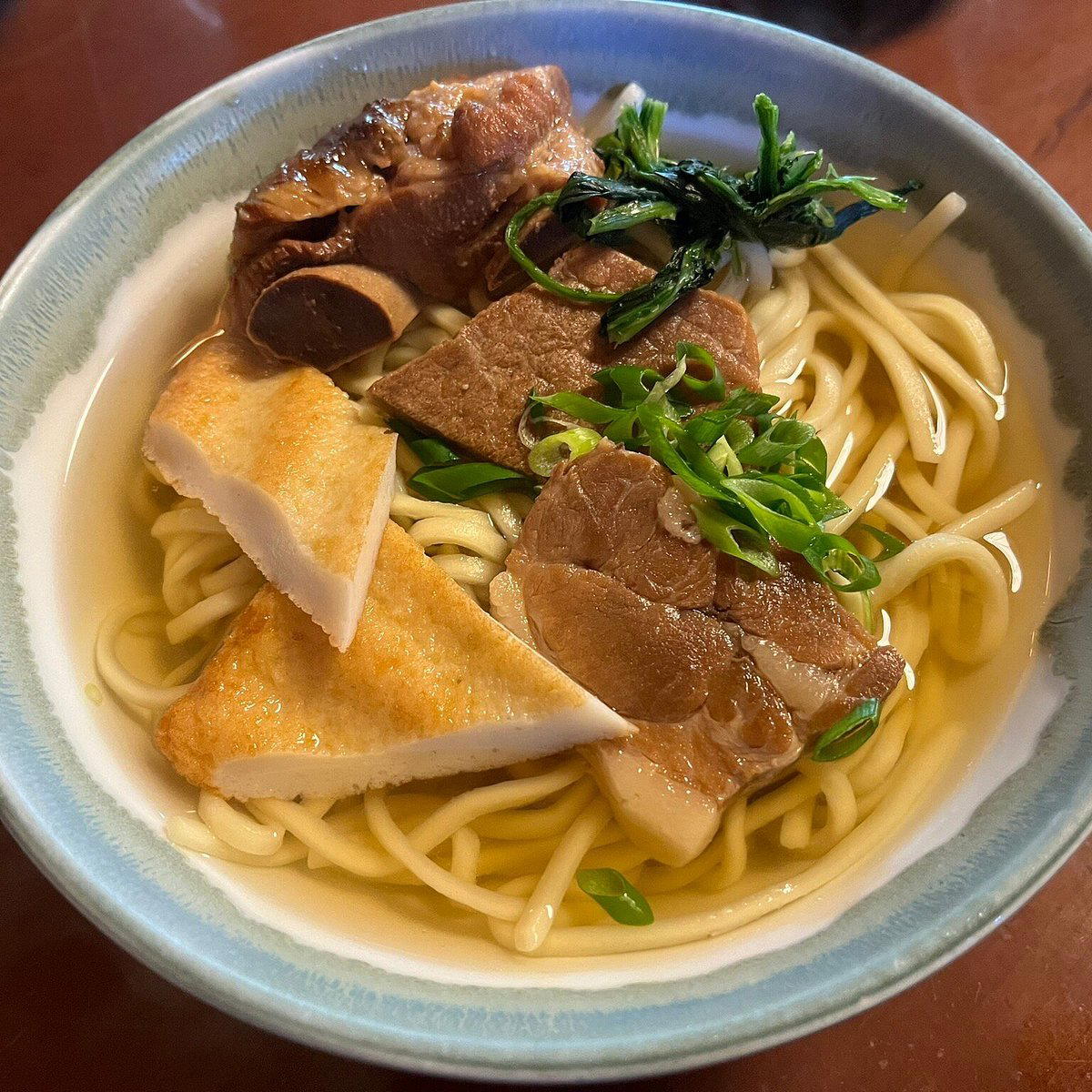
The menu
What to order
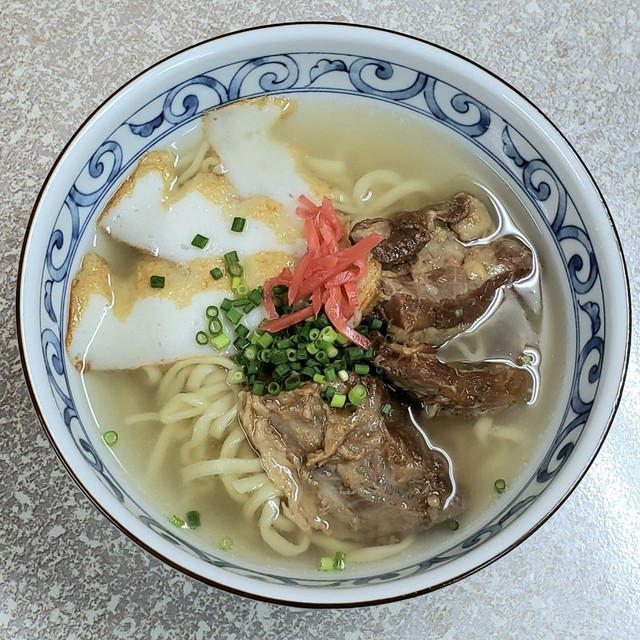
- Miyako Soba
- Soki Soba
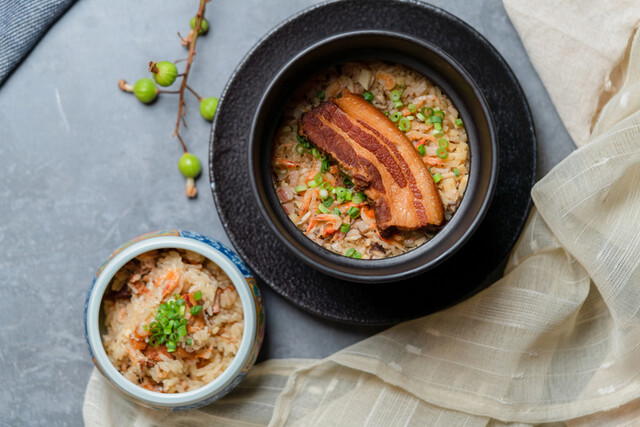
- Jushi (Okinawan seasoned rice)
- Tebichi Soba
Where Soba Meets the Subtropics
Miyakojima is not the first place most travellers associate with soba. The island's food identity runs closer to goya champuru, Okinawan bitter melon stir-fries, grilled Miyako beef, and the kind of casual shokudo lunch culture represented by places like Maruyoshi Shokudo and Goya. Against that backdrop, a soba specialist on the island occupies an interesting position: it is neither a tourist novelty nor a direct local staple, but something in between — a craft discipline transplanted into subtropical soil.
Soba, in the Japanese mainland tradition, is a cold-climate grain. Buckwheat thrives in cooler highland prefectures like Nagano and Iwate, where temperature swings and volcanic soils create the conditions for high-starch, aromatic buckwheat. Bringing that tradition to a coral-ringed island in the East China Sea requires real commitment to ingredient sourcing — either importing quality buckwheat from established growing regions or finding alternative supply chains that preserve the grain's character in transit. That tension between craft origin and tropical setting is what makes Koja Sobaya worth examining as a dining destination, not just as another entry in Miyakojima's restaurant catalogue.
The Ingredient Logic Behind Island Soba
In Japan's most serious soba houses, the conversation begins long before the noodle is cut. Buckwheat sourcing, prefecture of origin, milling technique, ratio of outer hull to inner starch, determines whether a bowl reads as earthy and full or clean and bright. Restaurants like Harutaka in Tokyo and Gion Sasaki in Kyoto operate in culinary traditions where sourcing specificity is the baseline expectation from guests. The broader Japanese dining culture, from the meticulous precision of HAJIME in Osaka to the more regionally grounded approach at Goh in Fukuoka, has conditioned diners to ask where ingredients come from and why those choices were made.
On Miyakojima, that question gets more complicated. The island has no established buckwheat growing tradition, and its subtropical humidity is the opposite of what mountain-grown buckwheat requires. A soba restaurant here is, by definition, making active choices about how to source its primary ingredient, choices that will determine the bowl's character as much as any technique applied in the kitchen. The honest version of this story: island soba is a logistical argument as much as a culinary one, and the restaurants that handle it well tend to be the ones that make those sourcing decisions transparent.
This is the context in which Koja Sobaya operates. Miyakojima's restaurant scene has grown considerably as the island's profile as a premium leisure destination has risen, drawing visitors who expect more than beach-adjacent convenience dining. Alongside long-standing casual spots, newer and more focused operations have emerged. Among those, a dedicated soba house represents a particular kind of bet on the appetite for craft grain dining in a setting where the ocean, not the mountains, defines the surrounding environment.
Miyakojima's Dining Register and Where Soba Fits
The island's food scene is not a miniature version of mainland Japan's restaurant hierarchy. There are no Michelin-starred counters here in the way one finds in Kyoto or Tokyo, and the local dining culture is more democratic: the same table might seat a Japanese family on holiday, a local fisherman, and a couple who flew in from Seoul specifically for the water. Restaurants like Doug's Burger have built real local followings precisely because they operate within that unfussy register rather than against it.
A soba specialist sits at a slight remove from that casual mainstream. Soba, done seriously, requires patience: the dough, the cutting, the temperature of the dipping broth, the ratio of water to grain in the noodle itself. It is a meditative food tradition, closer in spirit to the discipline one might find at akordu in Nara, where a specific culinary grammar is applied with consistency, than to the relaxed improvisation of a local shokudo. That does not mean soba is formal or inaccessible; in Japan, soba houses have historically served all social strata. But it does mean the experience carries a different set of expectations than a plate of champuru.
For visitors building a full picture of Miyakojima's food options, the broader Okinawa (Miyakojima) restaurants guide maps the full range, from the casual to the more considered. Koja Sobaya belongs toward the considered end of that spectrum, alongside operations that have taken a specific culinary position rather than tried to appeal to every visitor demographic at once.
Planning a Visit
Miyakojima's compact geography means that most of the island's dining options are within reasonable reach of the main accommodation clusters around Hirara city and the resort developments along the west and south coasts. Specific address and hours information for Koja Sobaya is not published in standard travel databases, which puts it in a category familiar to serious food travellers: places that rely on local word-of-mouth and require a small amount of advance research on the ground. Asking at accommodation is often more reliable than searching online for operating hours, particularly for smaller specialist restaurants outside the resort ecosystem. Seasonal and weather-related closures are more common on island destinations than on the mainland, so confirming operating status before making a specific trip across the island is advisable.
The broader Japanese dining context, from destination restaurants like Douze Miyajima in Hatsukaichi to urban craft operations like Bistro Ange in Toyohashi, suggests that Japan's smaller specialist restaurants often operate on limited hours, with lunch service more reliable than dinner. For soba specifically, the Japanese convention favours midday eating: noodles cut in the morning are typically served through the lunch window, and many dedicated soba houses close once the day's preparation is exhausted. Arriving early, particularly if visiting during peak island season between May and September, reduces the risk of turning up to a closed sign.
There is a certain kind of travel satisfaction that comes from tracking down a craft-specific restaurant in a setting where it makes no obvious geographical sense. Soba on a coral island in the East China Sea is, on paper, an anomaly. In practice, Japan's food culture has always been better at transplanting craft disciplines across its varied geography than the country gets credit for, a pattern visible everywhere from the precision-driven kaiseki of 湖畔荘 in Takashima to the dedicated single-product focus of Birdland in Sakai. Koja Sobaya fits inside that pattern: a specialist operation that has chosen a specific lane in a place where generalism would have been the easier path.
Frequently asked questions
Is Koja Sobaya good for families?
Soba houses in Japan generally work well for families — service is typically counter or table-based, portions are composed and unfussy, and the format does not require multi-hour commitment. Koja Sobaya sits in Miyakojima, an island where the dining pace is relaxed and spaces tend to be informal rather than hushed.
What's the vibe at Koja Sobaya?
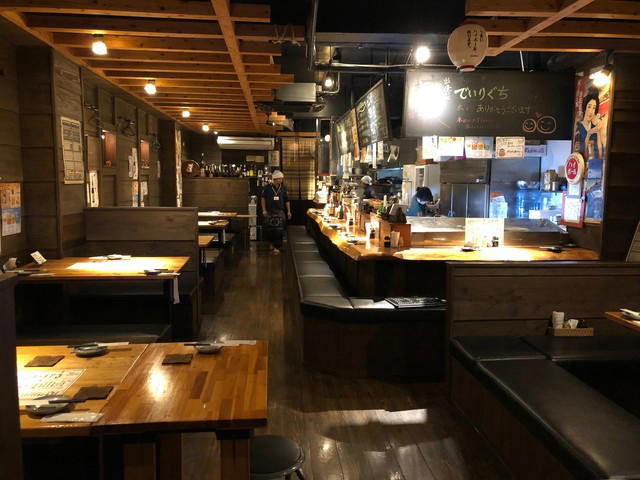
Miyakojima's restaurant culture runs casual and local — this is not an island with white-tablecloth dining rooms or ticketed tasting menus. A soba specialist here occupies a quieter register: focused, craft-oriented, without the social theatre of izakayas or beachside grill spots. The draw is the discipline of the noodle itself, not the room around it.
Does Koja Sobaya serve Okinawan-style soba or mainland Japanese buckwheat soba?
This is the key distinction for anyone travelling to Miyakojima specifically for the noodles. Okinawan soba (sōki soba) is made from wheat flour and bears no relation to buckwheat-based mainland soba — the name overlaps but the product does not. Koja Sobaya's name and category suggest alignment with the buckwheat tradition, but the specifics of their noodle composition and sourcing should be confirmed directly with the venue in Miyakojima, Okinawa.
What's the best thing to order at Koja Sobaya?
In any serious soba house, the baseline test is the plain or lightly dressed zaru soba — it strips back accompaniment and lets the buckwheat character (or its absence) speak plainly. Confirm current offerings directly with the venue.
Is Koja Sobaya reservation-only?
Miyakojima's dining spots, particularly specialists with limited covers, can fill quickly during the island's high seasons in spring and summer. Checking ahead — by phone or in person — is advisable rather than walking in during peak travel periods.
What's Koja Sobaya best at?
The working proposition is this: a soba-focused kitchen operating in Miyakojima, Okinawa, where buckwheat noodles are not a local tradition. That positioning — running against the island's established food identity — suggests a deliberate craft commitment rather than a tourist-facing casual menu. Whether the kitchen sources buckwheat from the mainland or adapts to subtropical conditions is the question a visit should answer.
Side-by-Side Snapshot
| Venue | Cuisine | Price | Awards |
|---|---|---|---|
| Koja SobayaThis venue — the venue you are viewing | Authentic Miyako Soba | $1–10 | Not listed |
| Maruyoshi Shokudo | Traditional Miyako Soba | $10–20 | Not listed |
| Doug's Burger | Local-style American burger shop | $10–20 | Tabelog 100 #63 |
Continue exploring
More in Okinawa (Miyakojima)
Restaurants in Okinawa (Miyakojima)
Browse all →
Bars in Okinawa (Miyakojima)
Browse all →

Details
- Classic
- Cozy
- Rustic
- Casual Hangout
- Solo
- Family
- Brunch
- Standalone
- Local Sourcing
- A La Carte
- Set Menu
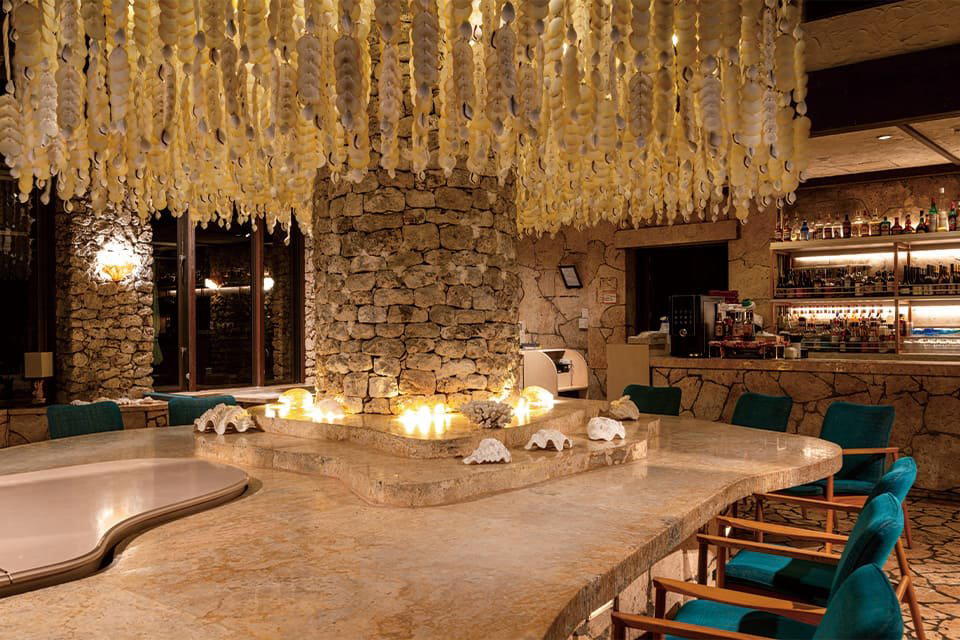
Friendly, welcoming atmosphere with modern Japanese interior; easy for first-time tourists and solo diners to enter despite its long history.