Our verdict
In Kagawa prefecture, where rice culture and craft food production carry as much weight as the region's celebrated udon tradition, Tanikawa Beikokuten occupies a specialist position within a tightly drawn local food scene. The shop sits at the intersection of agricultural heritage and everyday commerce, serving a community that takes ingredient provenance seriously. For visitors moving through Shikoku's quieter circuits, it represents the kind of address that requires local knowledge to find.

Pearl is the En Primeur Club membership app — saves, bookings, and concierge access live there. Same editors, same standards.
- Address
- Kagawa, Japan
- Directions
- Get directions
The menu
What to order
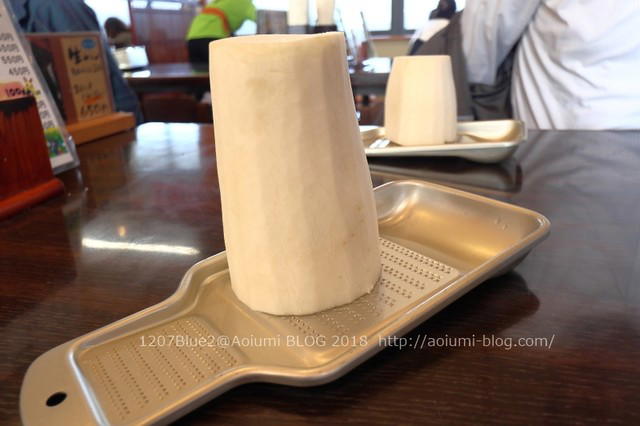
- Sanuki udon with green chili peppers
Where Rice and Provenance Define the Plate
Kagawa prefecture is most readily associated with Sanuki udon, the thick, chewy wheat noodle that has given this small corner of Shikoku an outsized reputation in Japan's food culture. But alongside that dominant narrative runs a quieter tradition: the careful sourcing and distribution of rice, a grain that underpins daily life across the prefecture and whose quality is taken as seriously here as the cut of a noodle. Tanikawa Beikokuten operates within this tradition, functioning as a specialist rice retailer in a region where the distinction between a good and an ordinary grain matters to the people who cook with it every day.
The name itself signals intent: beikokuten translates roughly as rice grain shop, a category of establishment that has become increasingly rare in urban Japan as supermarkets absorbed their trade, but that retains a specific cultural function in smaller cities and towns where agricultural relationships remain close. In Kagawa, where the Seto Inland Sea moderates the climate and farming communities maintain strong ties to the prefecture's food commerce, a shop of this kind occupies a different social position than it might in a larger metropolitan context.
Kagawa's Food Culture Beyond the Udon Bowl
To understand what Tanikawa Beikokuten represents in its local setting, it helps to map Kagawa's food culture at a wider scale. The prefecture draws food-focused visitors primarily for its udon circuit, a loose network of shops ranging from industrial-volume roadside stops to small, family-operated counters that open for only a few hours each day. That circuit has its own well-worn logic, documented in guidebooks and repeated across travel itineraries. But the food culture that sustains local life in Kagawa is broader and more layered than any single category.
Peer addresses in the city demonstrate the range. Gamou and Ikkaku represent Kagawa's sit-down dining tradition at different registers, while Nagata in Kanoka and Ryobo work within the prefecture's more contemplative culinary spaces. Suzaki Foods Shop occupies a similar specialist retail position, suggesting that Kagawa's food scene sustains a meaningful tier of ingredient-focused, craft-oriented addresses alongside its restaurant culture. Together these form a local food economy whose character differs considerably from what you'd find in Osaka or Kyoto, and which rewards visitors who look beyond the obvious itinerary.
For a fuller orientation, the EP Club Kagawa restaurants guide maps this range in detail.
The Specialist Retail Model in Japanese Food Culture
Across Japan, the specialist food shop occupies a cultural register that has no precise equivalent in Western retail. A dedicated rice merchant is not simply a store that sells rice; it is an institution that carries implied knowledge about varieties, milling, regional provenance, and seasonal variation. In the same way that a fine fishmonger in Tokyo's older neighbourhoods is understood to carry authority over what is in season and which prefecture's catch to trust on a given week, a beikokuten is expected to make selections and recommendations that supermarket rice sections cannot replicate.
This model survives more robustly in smaller cities and prefectures where agricultural identity remains commercially meaningful. Kagawa, as one of Japan's smaller prefectures by area, maintains a proximity between farm and table that larger urban centres have largely lost. A specialist retailer operating in this environment functions partly as a commercial address and partly as a node in a local agricultural network, the kind of place where the person behind the counter can tell you which valley the grain came from and how the summer's heat affected the harvest.
The broader shift in Japanese food retail, where this specialist tier has contracted sharply since the 1980s, makes surviving examples worth noting. Comparable specialist-format addresses elsewhere in Japan, from Gion Sasaki in Kyoto to the precision-driven dining of HAJIME in Osaka, illustrate how Japanese food culture consistently rewards depth of specialism over breadth. Tanikawa Beikokuten belongs to a different commercial register than those restaurant addresses, but the underlying principle, that a narrow focus executed with care produces something a generalist cannot replicate, is the same.
Situating the Visit: Kagawa and the Shikoku Circuit
Kagawa sits at Shikoku's northern edge, separated from the Chugoku region by the Seto Inland Sea and connected to Honshu by the Seto Ohashi Bridge, a rail and road crossing that has made the prefecture significantly more accessible since the late 1980s. Takamatsu, the prefectural capital, serves as the primary transport hub, with rail connections to Okayama and ferry routes operating across the Seto Sea to Osaka and Kobe. Most visitors arriving from Tokyo or Osaka route through Okayama before crossing to Takamatsu by the Marine Liner train, a journey of roughly an hour from Okayama.
Within the context of a Shikoku itinerary, Kagawa typically functions as either a gateway or a final stop, with Takamatsu providing accommodation and an organised food scene before or after traversal of the island's more rural interior. For visitors approaching Japan's regional food culture with genuine interest, addresses like Tanikawa Beikokuten represent the kind of incidental, place-specific detail that distinguishes a considered trip from a highlights reel. You will not find it on the standard tourist circuit, and that is precisely what gives it its local relevance.
Comparable specialist-format experiences across Japan's regional cities, from Goh in Fukuoka to akordu in Nara, suggest that the most rewarding regional food addresses often operate outside the formal restaurant category entirely. At the other end of the spectrum, internationally recognised restaurants like Le Bernardin in New York City and Atomix in New York City demonstrate what sustained specialism looks like at global scale, but the underlying logic of focused craft applies equally to a rice merchant in a Shikoku prefecture town. Other regional Japanese addresses worth considering in this context include Harutaka in Tokyo, a specialist address in Nanao, a notable Sapporo table, a destination in Takashima, an address in Nishikawa Machi, and Birdland in Sakai.
Planning Your Visit
The address is leading approached as part of a broader exploration of Takamatsu's food quarter rather than as a standalone destination requiring advance planning. Given the specialist retail format, walk-in access is the expected mode, though availability of specific rice varieties may vary by season and harvest cycle.
Frequently asked questions
Does Tanikawa Beikokuten stock rice specific to Kagawa or Shikoku growing regions?
Japan's dedicated rice merchants characteristically anchor their selection to specific growing regions, and Kagawa's position within the Seto Inland Sea climate zone produces conditions distinct from Niigata or Akita, the prefectures most associated with premium Japanese rice. Whether Tanikawa Beikokuten sources locally from Shikoku or curates from broader Japanese origins is a detail EP Club's database does not currently confirm, making it a worthwhile question to put to the shop directly.
What do regulars order at Tanikawa Beikokuten?
As a specialist rice merchant in Kagawa, the draw is the rice itself: specific cultivars selected for regional provenance and milling quality. Regular customers in shops of this type typically return for named single-origin varieties rather than blended stock. Confirming current available cultivars directly with the shop before visiting is advisable.
What makes Tanikawa Beikokuten worth seeking out?
In Kagawa, a prefecture better known for Sanuki udon than rice culture, a dedicated rice merchant occupies a specific and deliberate niche. Japan's specialist food retail tradition treats the rice merchant as a craft role, not a commodity supplier, with selection, milling, and provenance forming the core offer. That specialisation is the reason to visit.
What if I have allergies at Tanikawa Beikokuten?
Rice itself is gluten-free, which makes a specialist rice merchant a practical stop for visitors managing wheat sensitivities in Kagawa, where udon dominates the food culture. For any cross-contamination concerns or questions about ancillary products, communicating directly with the shop in advance is the only reliable path, as EP Club's database does not hold ingredient or handling details.
Is eating at Tanikawa Beikokuten worth the cost?
In Japan's specialist food retail category, premium single-origin rice typically commands a meaningful price premium over supermarket stock, but the purchase is oriented around take-home quality rather than an on-site dining cost. The value proposition is provenance and milling expertise specific to Kagawa.
The Minimal Set
| Venue | Cuisine | Price | Awards |
|---|---|---|---|
| Tanikawa BeikokutenThis venue — the venue you are viewing | Sanuki Udon | $1–10 | Not listed |
| Gamou | Traditional Sanuki Udon | $1–10 | Tabelog Bronze |
| Ryobo | Modern Italian Omakase | $100–150 | Tabelog Bronze #375 |
| Suzaki Shokuryohinten | Sanuki Udon | $1–10 | Tabelog Bronze #437 |
| Ikkaku | Kagawa Honetsukidori Grilled Chicken | $20–30 | Not listed |
| Nagata in Kanoka | Traditional Sanuki kamaage udon shop | $1–10 | Tabelog 100 #26 |
Details
- Rustic
- Cozy
- Casual Hangout
- Solo
- Family
- Standalone
- Mountain
- A La Carte
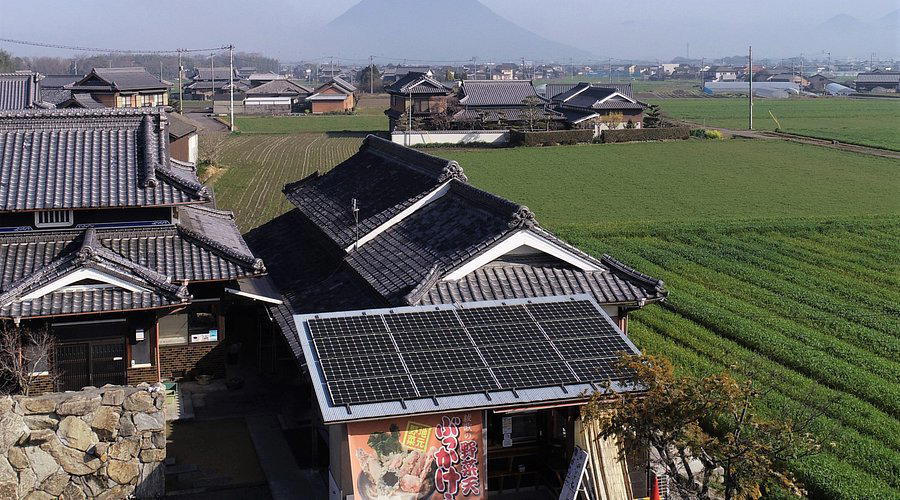
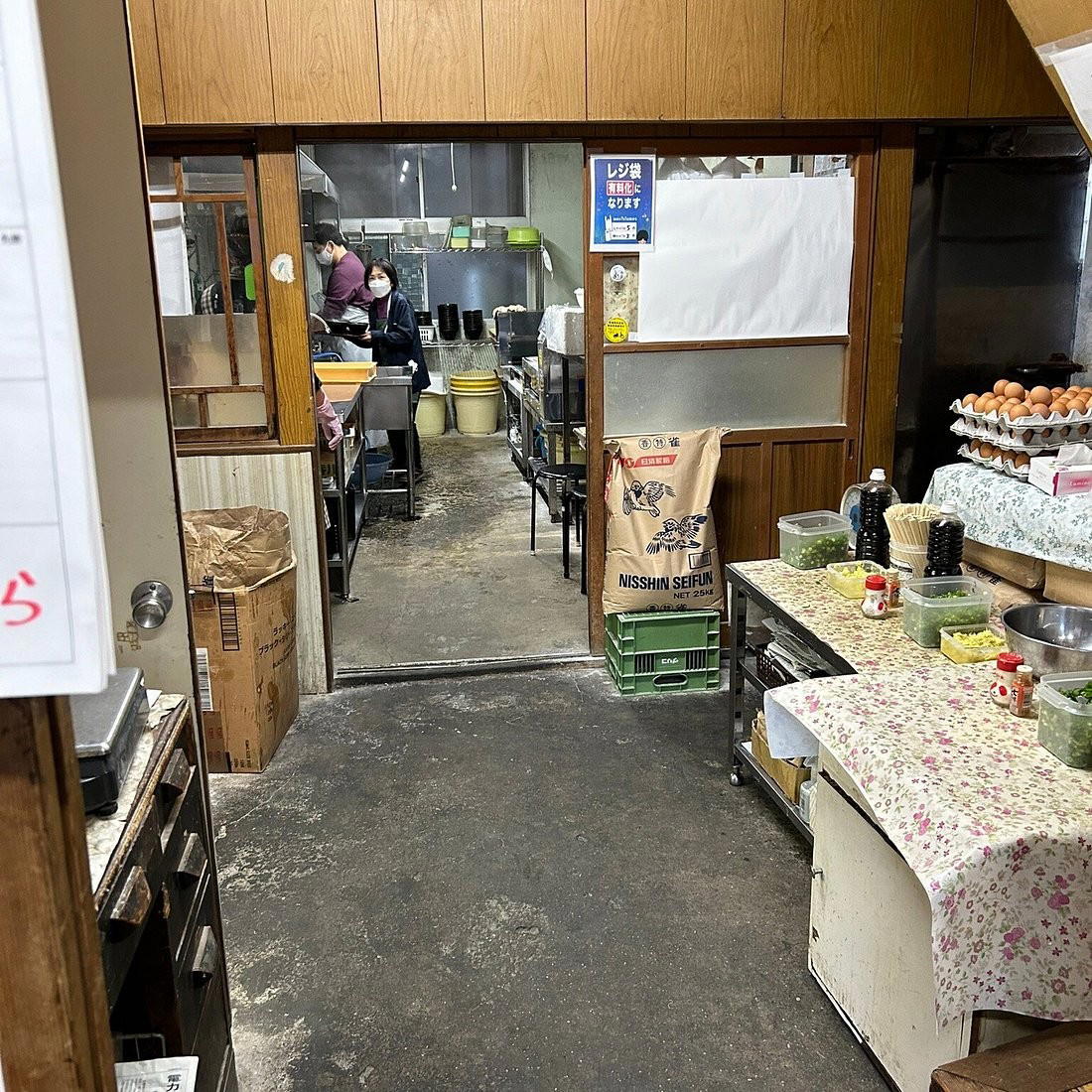
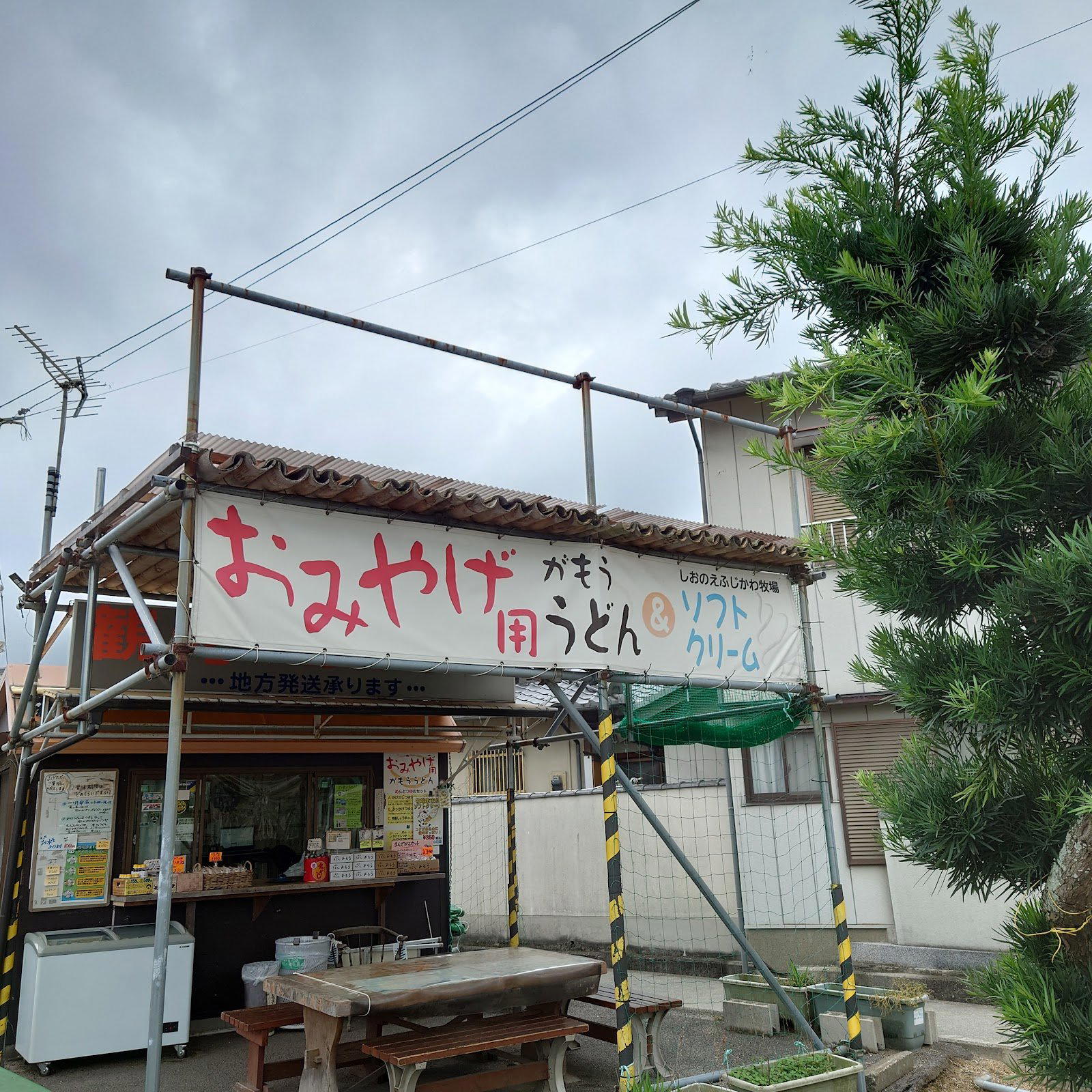
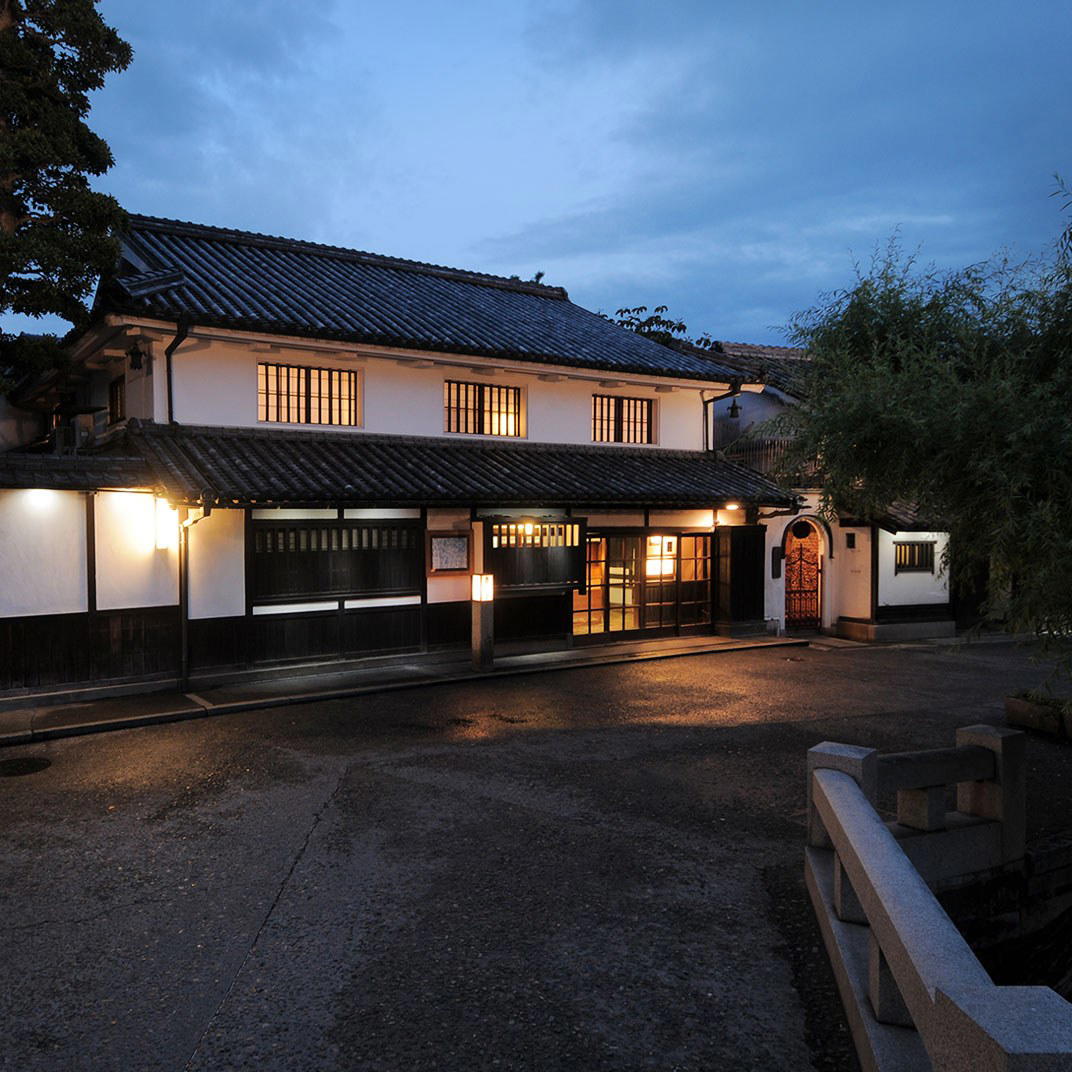
Casual, communal atmosphere in a small, rustic shop surrounded by nature and mountains.