Madre Rojas

Our verdict
In Villa Crespo, Madre Rojas reframes the Buenos Aires parrilla around a single, uncommon premise: the chef also raises the cattle. Juan Ignacio Barcos works across both field and kitchen, sourcing Wagyu-Angus crossbreeds from his own farm and dry-aging them in-house before they reach a wood-fired grill that treats fire as a tool, not a performance. The wine list runs exclusively Argentine, with Mendoza, Patagonia, and the Calchaquí Valleys all represented.

Pearl is the En Primeur Club membership app, where members save venues, book tables and use the concierge.
The menu
What to order
- Wagyu Empanadas
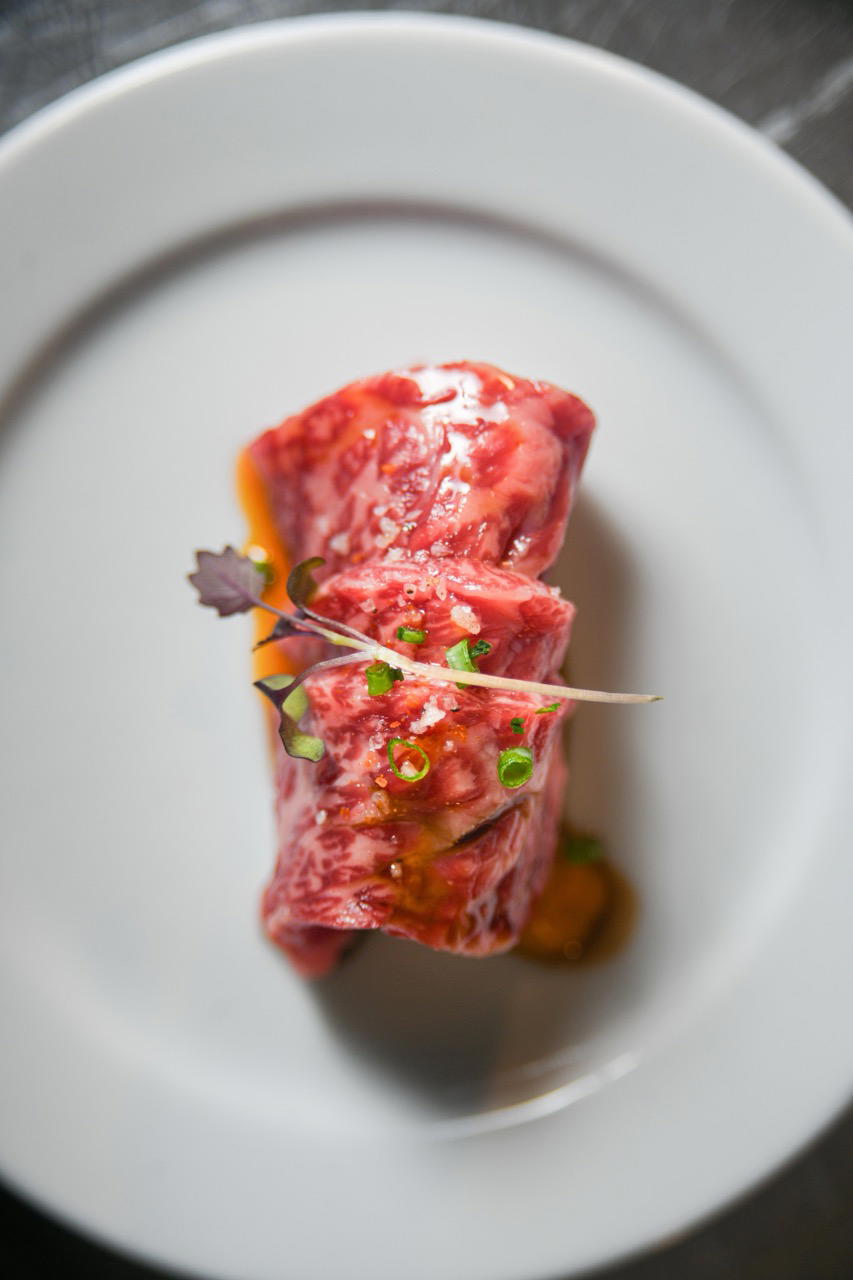
- Matambrito
- Provoleta
- Revbenstek
Where the Parrilla Begins in the Field
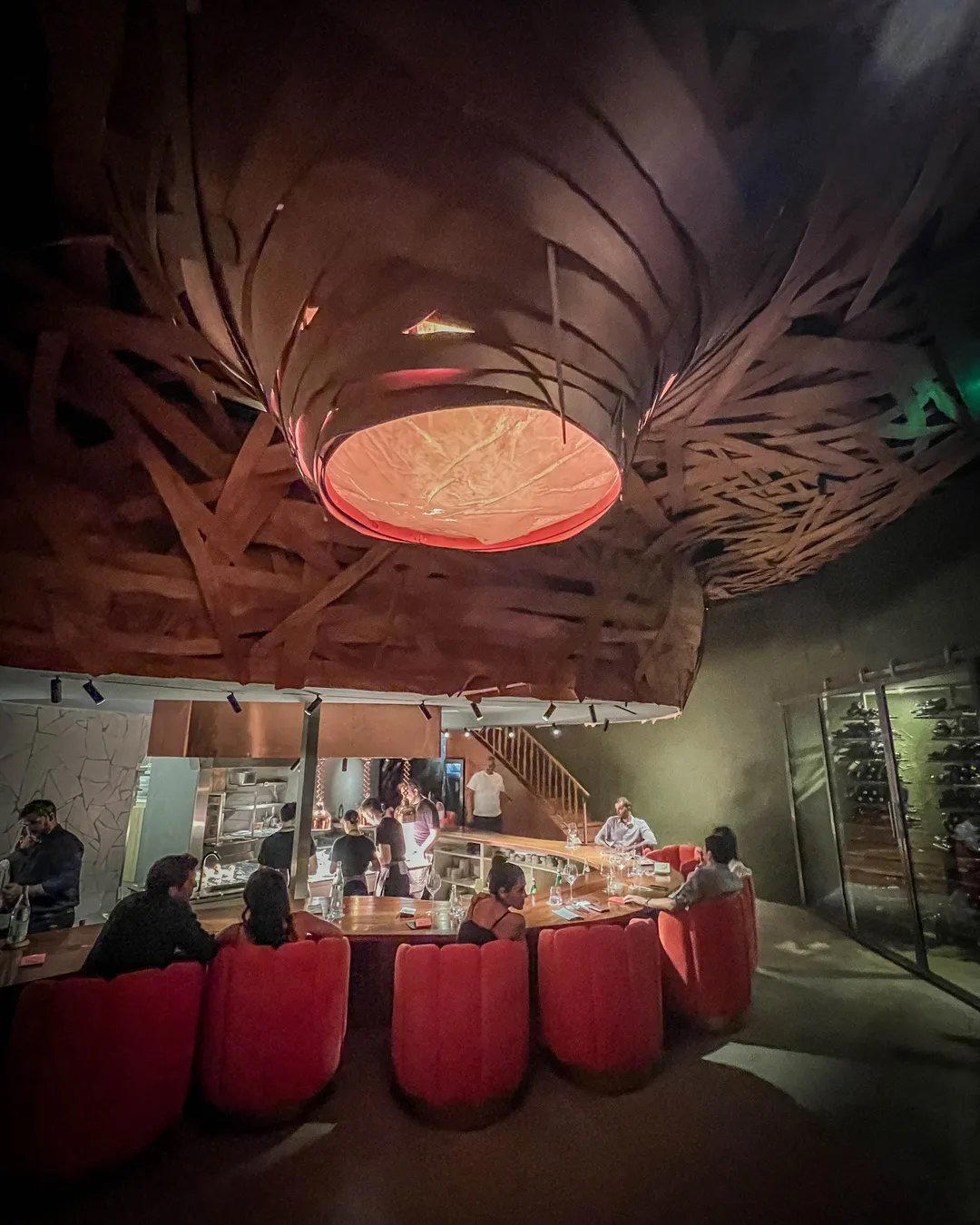
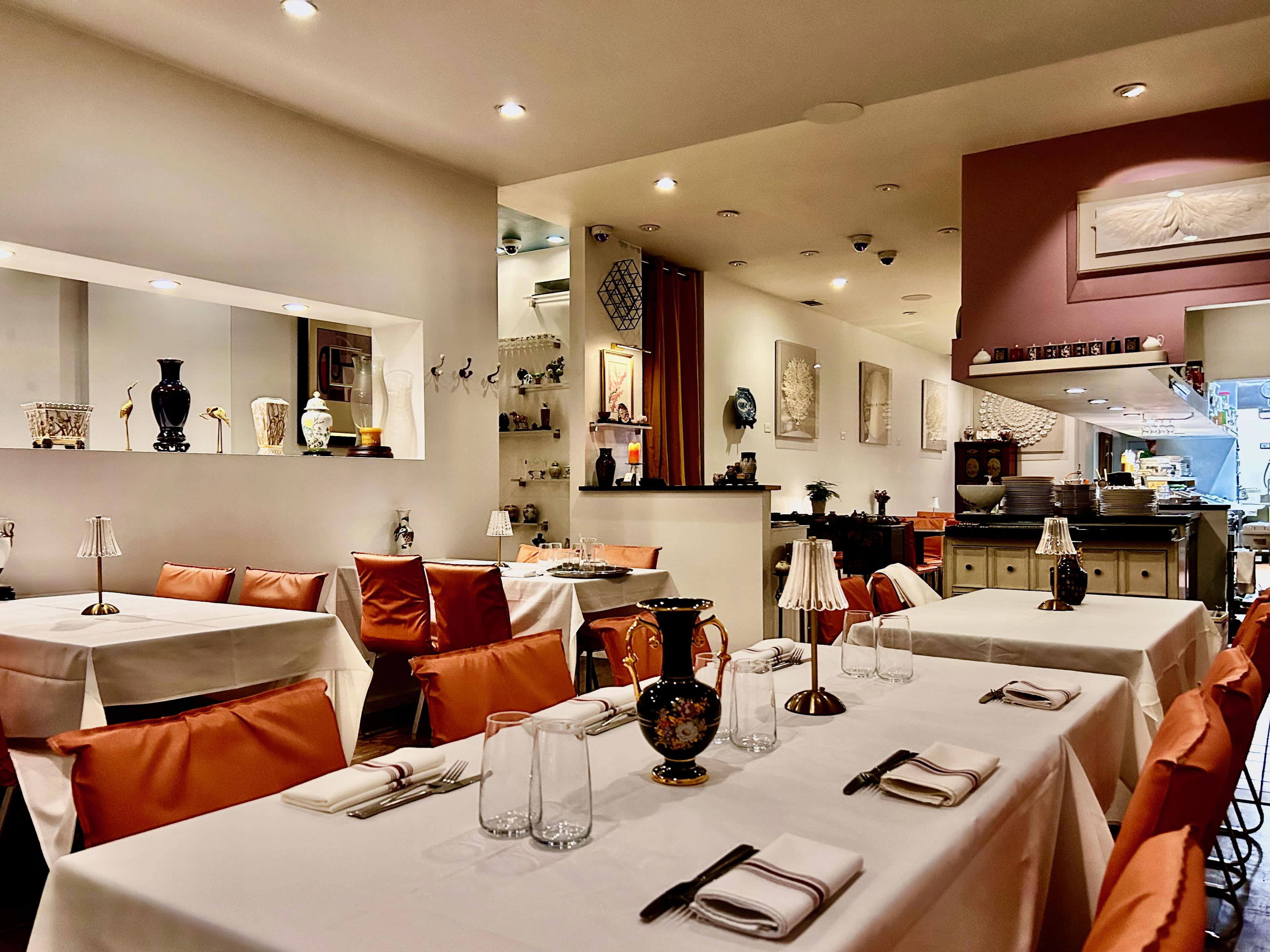
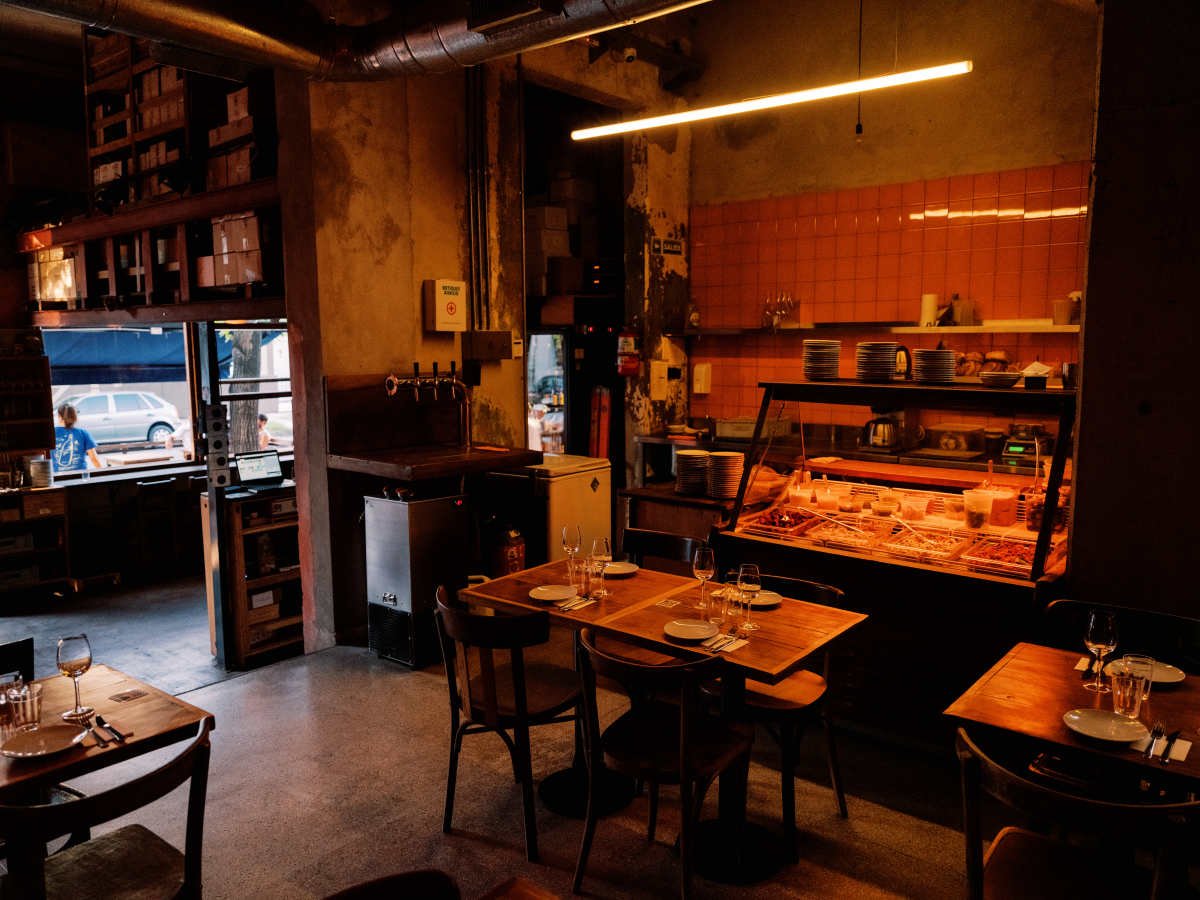
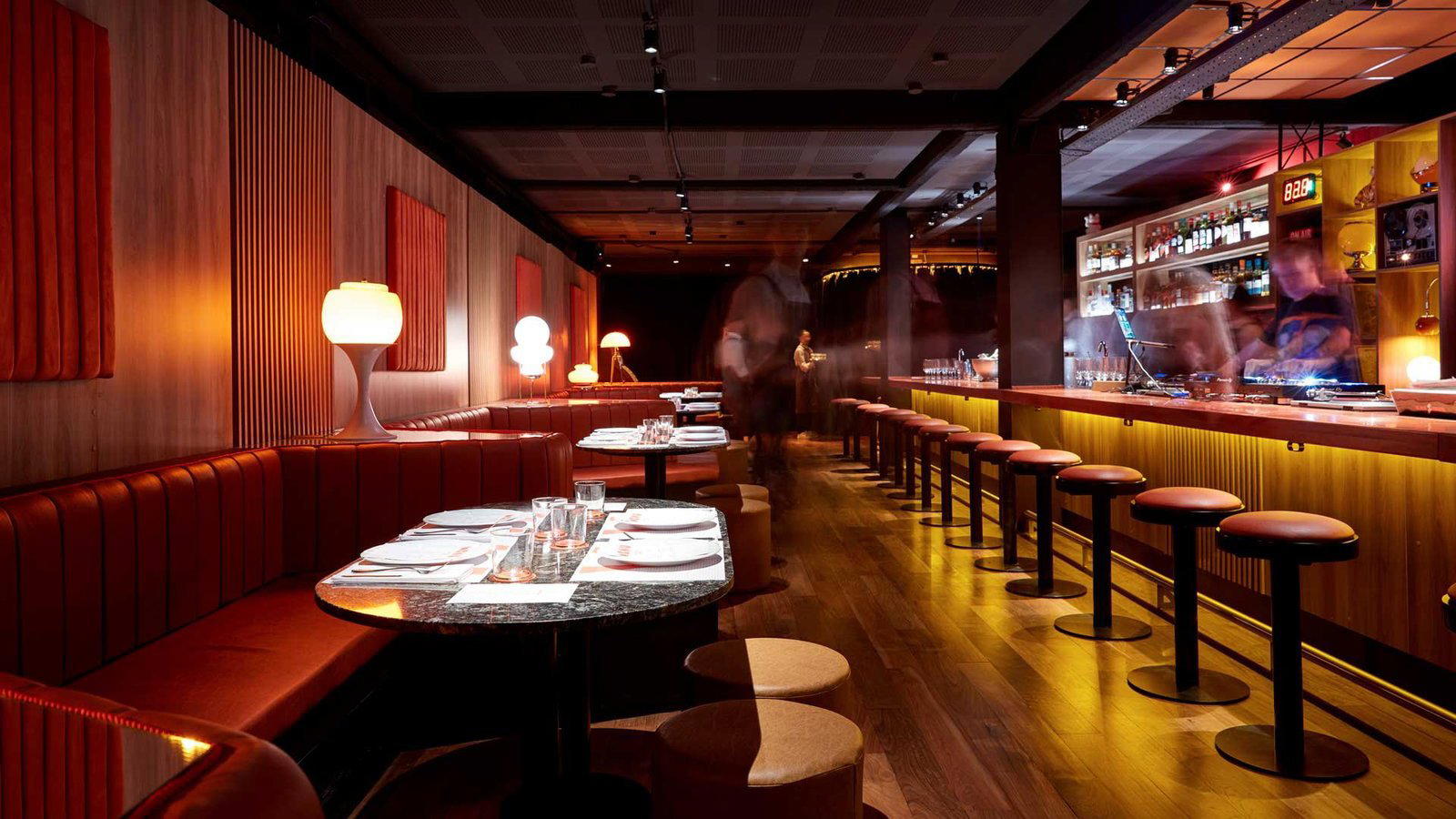
Approach Madre Rojas on a quiet stretch of Rojas in Villa Crespo and the exterior offers little by way of announcement. Inside, the room earns its restraint: wood, stone, and the low glow of a live fire create an atmosphere that feels earned rather than designed. The parrilla is visible from the dining room, but it functions as a working station, not a centerpiece built for photographs. Smoke moves quietly through the space. The materials are honest, the proportions human, and the absence of decoration reads as a considered decision rather than an oversight.
Villa Crespo sits adjacent to Palermo but operates at a lower register, a neighbourhood where independent restaurants tend to outlast trends rather than chase them. That context matters here. Buenos Aires has spent the better part of the last decade reconsidering what a serious steakhouse can mean, and Madre Rojas is among the clearest expressions of that shift. Where the city's established parrillas, Don Julio chief among them, have built their authority on tradition and volume, Madre Rojas is making a different argument, one rooted in agriculture rather than ceremony.
The Full Chain of Custody
The sustainability story at Madre Rojas is not a framing device applied after the fact. It is, structurally, the restaurant. Juan Ignacio Barcos raises the cattle himself, crossbreeding Wagyu and Angus on Argentine pasture with clear commitments to ethical and sustainable practice. The animals move from farm to kitchen under his direct oversight, which means the usual supply chain abstractions, breed, pasture management, animal welfare, are not questions the restaurant has to approximate. They are facts Barcos can answer with firsthand knowledge.
That dual identity, chef and cattle farmer simultaneously, is genuinely rare in the Buenos Aires restaurant scene. It gives the kitchen a kind of provenance authority that cannot be replicated simply by sourcing from a good supplier. The beef arrives at the restaurant with a history already attached to it, one the team can trace and communicate because Barcos lived it. At a moment when Argentine restaurants across all categories are beginning to talk about origin more carefully, Madre Rojas has the infrastructure to back that conversation with evidence. For comparison, consider the sourcing ambitions visible at places like Anafe or Crizia, both thoughtful about provenance, but working through supplier relationships rather than direct production.
Dry-Aging, Fire, and the Logic of Restraint
The beef at Madre Rojas is primarily dry-aged in-house before it reaches the grill. Dry-aging concentrates flavour, reduces moisture, and develops aromatic complexity that wet-aged beef cannot replicate; it also requires space, climate control, and the patience to hold stock rather than turn it quickly. Doing this in-house, rather than receiving aged cuts from a specialist, extends Barcos's control further along the chain and keeps the process visible.
The wood-fired grill handles the final stage with the same logic of restraint. Fire here is not managed for effect. There is no tableside theatre, no architectural plating, no unnecessary distance between the cut and the diner. The grill deepens flavour, shapes texture, and holds the integrity of the beef, which is the correct function of a parrilla when the raw material is this carefully considered. The contrast with steakhouses that rely on theatrical service rituals to compensate for less differentiated sourcing is quiet but clear.
This approach connects Madre Rojas to a broader pattern visible across premium Argentine dining. Restaurants like Aramburu and Trescha have pushed Buenos Aires cooking toward greater precision and sourcing consciousness without losing its Argentine grounding. Madre Rojas does this specifically within the parrilla format, which is a more constrained and more culturally freighted space to work in.
The Wine Program and Its National Focus
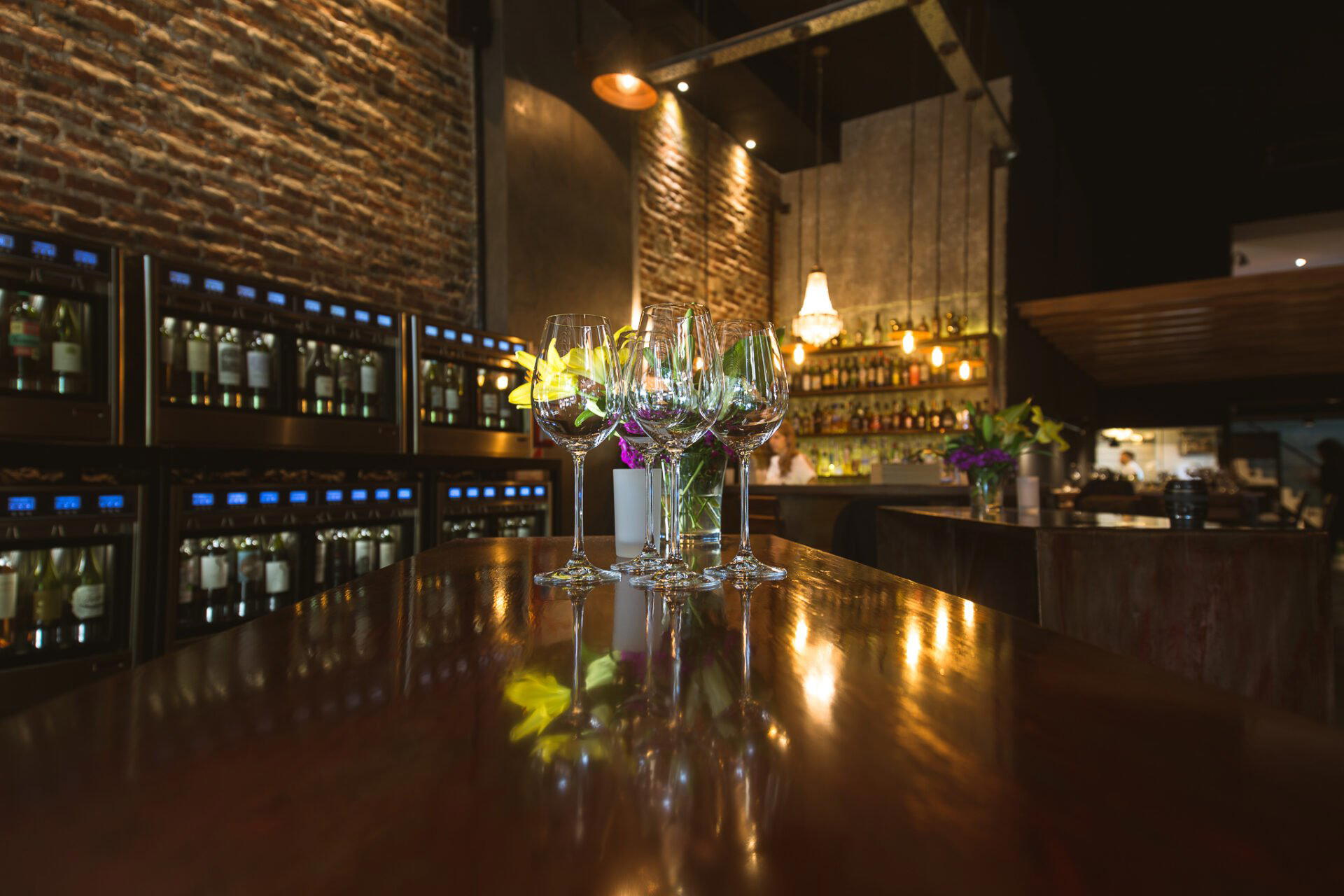
The wine list operates on the same principle of origin as the food. The selection is exclusively Argentine, drawing from Mendoza's Malbec-led heartland alongside smaller producers from Patagonia and the Calchaquí Valleys in Salta. That range is significant. Calchaquí and Patagonian wines represent a different register from classic Mendoza, with higher-altitude acidity and cooler-climate structure that can read differently against heavily aged beef than a richer valley Malbec.
For readers who want to explore the Argentine wine canon more broadly, Azafrán in Mendoza and Agrelo in Lujan De Cuyo offer detailed wine-focused experiences worth pairing with any serious interest in Argentine terroir. Properties like Cavas Wine Lodge in Alto Agrelo and Entre Cielos Luxury Wine Hotel & Spa offer immersive contexts for that same wine culture. But at Madre Rojas, the list is curated to complement rather than to showcase volume. It is a working cellar, not a statement of ambition.
Service, Honesty, and Room to Grow
The front-of-house team at Madre Rojas guides guests through the menu with genuine knowledge of the agricultural thinking behind it. Conversations about breed, pasture, and ageing are available if the diner wants them, and the staff can navigate those topics without making the exchange feel like a lecture. That depth of knowledge is unusual in a parrilla context and reflects the kitchen's priorities clearly.
The service is warm and well-intentioned, but it carries the mark of a restaurant still settling into its ambitions. There is room for more precision, more consistency, and the kind of quiet authority that separates a very good restaurant from an important one. Madre Rojas is on the right trajectory, but has not yet fully closed the gap between its conceptual seriousness and its execution in the room. For a restaurant aiming to position itself among Argentina's leading steak destinations, that gap is worth naming and watching.
Where It Sits in the Buenos Aires Picture
Buenos Aires's premium steakhouse conversation has long been dominated by institutions with decades of goodwill behind them. Madre Rojas enters that conversation from a different angle entirely, one built on closed-loop sourcing, in-house ageing, and a philosophy that treats sustainability not as a marketing position but as an operational reality. It is a younger restaurant with a longer-term argument to make.
For readers building a broader picture of Argentina's food culture, our full Buenos Aires restaurants guide covers the city's range in detail. Further afield, the country's estancia and regional dining traditions are well represented by La Bamba de Areco in San Antonio de Areco, Awasi Iguazu in Puerto Iguazu, Las Balsas Restaurant in Villa La Angostura, La Table de House of Jasmines, Los Talas del Entrerriano, and Chacras de Coria, each offering a distinct regional lens on Argentine hospitality. Internationally, the farm-to-fire argument that Madre Rojas is making has parallels at places like Lazy Bear in San Francisco and Le Bernardin in New York City, though the form and cultural context differ entirely.
Planning Your Visit
Madre Rojas sits at Rojas 1600 in Villa Crespo, reachable from Palermo in under ten minutes by taxi. Because specific booking policies and current hours are not published centrally, arriving with some flexibility or contacting the restaurant directly for reservations is the sensible approach. Given the restaurant's growing reputation and limited dining room capacity, planning ahead by at least a week or two is advisable, particularly for weekend evenings.
Frequently asked questions
What awards or recognition does Madre Rojas have?
Madre Rojas has received recognition including: The land, the animal and the parrilla Tucked away in the bohemian neighbourhood of Villa Crespo, Madre Rojas has emerged as one of Buenos Aires’s most distinctive destinations for meat - a restaurant that looks beyond nostalgia to re-examin….
What's the address for Madre Rojas?
Madre Rojas is located at Rojas 1600, C1416CPL Cdad. Autónoma de Buenos Aires, Argentina, Buenos Aires.
What do people recommend at Madre Rojas?
The focus is on dry-aged cuts from Wagyu-Angus crossbred cattle raised by chef Juan Ignacio Barcos himself, cooked over wood fire. Given that provenance is the kitchen's defining argument, the beef is the only meaningful starting point. The wine list pairs with it through an all-Argentine selection that runs from Mendoza Malbec to smaller Patagonian and Calchaquí Valley labels.
How far ahead should I plan for Madre Rojas?
Madre Rojas has drawn serious attention as one of Buenos Aires's most distinctive destinations for beef, which means demand at the Rojas 1600 address in Villa Crespo has grown.
What's the defining dish or idea at Madre Rojas?
The defining idea is full chain of custody: Juan Ignacio Barcos breeds Wagyu-Angus cattle on his own farm, dry-ages the beef in-house, and finishes it over a wood-fired parrilla using fire as a tool of revelation rather than transformation. No other major Buenos Aires steakhouse currently operates with that degree of vertical control from field to grill.
What if I have allergies at Madre Rojas?
The menu is anchored in beef, fire, and a focused Argentine wine list, which means the core offering is relatively free of common allergen-heavy preparations. That said, specific dish compositions and cross-contamination protocols are not documented in available detail, so guests with serious allergies should contact Madre Rojas at Rojas 1600, Villa Crespo, directly before visiting.
Does Madre Rojas raise its own cattle, and how does that affect what ends up on the plate?
Yes. Chef Juan Ignacio Barcos operates as both cattle farmer and chef, raising Wagyu-Angus crossbreeds under his direct oversight before the beef is dry-aged in-house at the Villa Crespo restaurant. That dual role is not a marketing position: it means breed selection, pasture management, and ageing time are all controlled by the same person who decides what reaches the grill. The result is a consistency of flavour identity that is difficult to achieve when sourcing from third-party suppliers, and it sits at the centre of what separates Madre Rojas from Buenos Aires's more conventional parrilla offer.
Reputation First
Comparable venues nearby, for context on price, style, and recognition.
| Venue | Cuisine | Price | Notes |
|---|---|---|---|
| Madre RojasThis venue (the venue you are viewing) | Modern Argentine Parrilla with Wagyu | $30–50 | Not listed |
| La Cabrera | Traditional Argentine Parrilla | $30–50 | Palermo |
| Hermanos | Modern Argentine Parrilla | Not listed | San Isidro |
| RUFINO | Modern Argentine Steakhouse | Not listed | Recoleta |
| La Brigada | Classic Argentinian Parrilla | $50–100 | San Telmo |
| El Obrero | Classic Argentine Parrilla Bodegón | $20–30 | La Boca |
Recognition history
Dated appearances from independent guides and award organizations, with the underlying list record or original source where available.
World's Best Steaks 101 Best Steak Restaurants #47
World's Best Steaks