Naranjo

Star Wine List
The wine bar credited with sparking a wave of similar openings across Chacarita, Naranjo focuses exclusively on small-producer, low-intervention wines from Argentina's diverse growing regions. The room rewards unhurried evenings, and the list functions as a map of altitude, latitude, and winemaking restraint across the country's most interesting terroirs. Book ahead or arrive early.

Pearl is the En Primeur Club membership app, where members save venues, book tables and use the concierge.
Where Chacarita's Wine Bar Scene Began
Before the cluster of low-intervention wine bars that now defines Chacarita's drinking identity, there was Naranjo. The bar at Ángel Justiniano Carranza 1059 is credited in Buenos Aires drinking circles as the opening that demonstrated the format was viable in this neighbourhood, and the addresses that followed it tell you something about the pull of its example. That kind of catalytic role is worth understanding before you walk in: you are entering a room that shaped what came after it, not one that followed a trend.
Chacarita sits northwest of Palermo, a few blocks from the Federico Lacroze station, and its character has shifted substantially over the past decade. The neighbourhood absorbed a generation of operators who found Palermo's rents and foot-traffic too commercial for the kind of slow, conversation-dependent hospitality they wanted to practice. Wine bars, natural wine importers, and small-plate kitchens moved in. Naranjo was among the first of that cohort, and it pulled the neighbourhood's identity in a specific direction: towards Argentina's wine regions rather than towards imported European references.
The Room as Editorial Statement
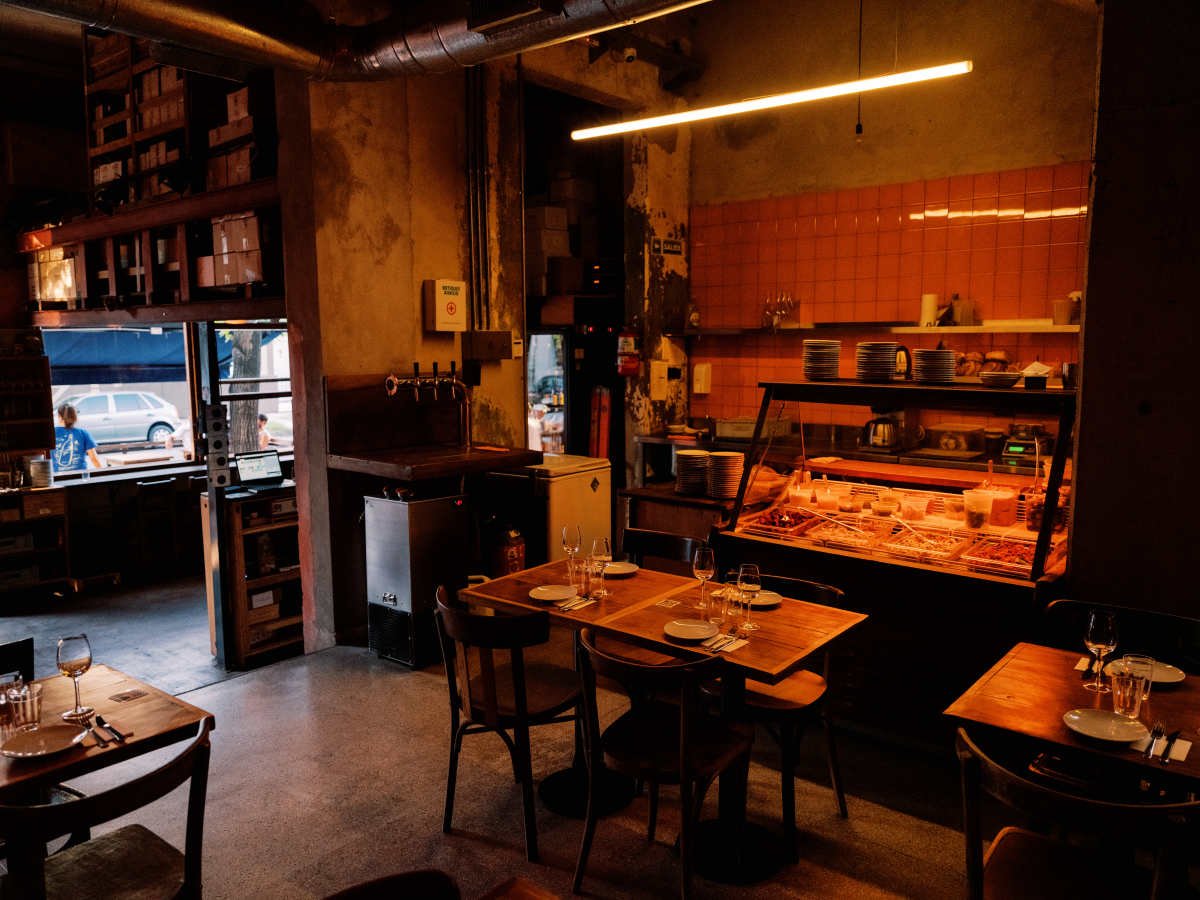
The design logic at Naranjo is leading understood as a deliberate compression. The physical space is tight by any standard, which functions as an argument rather than a limitation. Small rooms enforce proximity between guests, between staff and the people they're serving, and between the drinker and the bottle in front of them. In Buenos Aires's larger wine venues, the list can drift into something performative, a display of range for its own sake. In a room this size, the selection has to be defended in conversation, and that changes how it's assembled.
The interior reads closer to a serious independent wine shop than a bar designed for volume. Bottles are visible. The furniture is spare. There is nothing here that competes with the wine for attention, which is the correct hierarchy for a room built around the argument that what's in the glass is the point. That restraint in design is not accidental: it mirrors the restraint being advocated in the winemaking that fills the list.
The List as a Geography of Argentine Wine
Naranjo's focus on small producers of low-intervention wines from across Argentina's latitudes and elevations functions as an implicit critique of how Argentine wine is usually presented internationally. The export market has long been dominated by large-volume Malbec from Mendoza's valley floor, which is not the wine you will find foregrounded here. The bar's list instead traces a different map: high-altitude vineyards in Salta and Jujuy, cooler-climate producers in Patagonia, skin-contact whites from pockets of the country that international buyers rarely encounter.
That geographical ambition is meaningful in a city where most wine bars, even serious ones, default to a Mendoza-centric selection because it's easier to source and easier to sell. Naranjo's positioning closer to the producer end of the supply chain, with its emphasis on small, often family-run operations, requires more work and produces a list with more dead ends (wines that sell out and don't come back) but also more discoveries. For context on what Argentina's other wine regions can produce, the work coming out of estates like Colomé Winery in Molinos and venues championing regional producers like Chato's Wine Bar in Cafayate and Antares Mendoza in Mendoza give a sense of how deep Argentina's wine identity runs outside the capital.
Naranjo Among Buenos Aires's Drinking Options
Buenos Aires has a layered bar culture that runs from the theatrical cocktail programs at Florería Atlantico and the long-running neighbourhood authority of 878 Bar through to the hotel-bar confidence of the Four Seasons and the eclectic positioning of CoChinChina. Naranjo sits in a separate category from all of them. It is not a cocktail program, not a hotel bar, and not a venue built around spectacle or ceremony.
That category of venue has grown internationally over the past decade, from technically-minded wine bars in New York and London to the low-intervention-focused rooms that have proliferated in cities with strong independent hospitality cultures. In the Americas, bars like Jewel of the South in New Orleans, Julep in Houston, Kumiko in Chicago, and Bar Leather Apron in Honolulu each represent a version of the disciplined specialist format where curation and setting are inseparable.
When to Go and How to Approach It
Chacarita evenings move later than Palermo, which itself moves late by most international standards. Naranjo's format rewards the kind of evening where you have no particular time pressure: the room is not suited to quick drinks before dinner elsewhere, and it is not designed for high table turnover. The experience is structured around staying, talking, and working through a second glass you hadn't planned on ordering.
Because the room is small, the gap between arriving at an ideal hour with a seat available and arriving to find nothing free is narrow. Coming early, by Buenos Aires standards meaning before 9 p.m. is the practical hedge. The bar's standing in Chacarita means it draws both neighbourhood regulars and visitors who have done enough research to find it, which keeps the room at a different energy level than a tourist-facing venue of similar size would manage.
For anyone building a wider Buenos Aires itinerary that covers wine, cocktails, and the city's broader hospitality range, the full Buenos Aires guide maps the city's drinking and dining options by neighbourhood and format, which is the most useful frame for understanding where Naranjo sits relative to everything else.
What the Catalytic Role Tells You
The descriptor that follows Naranjo in Buenos Aires wine circles, the bar that kickstarted a flurry of similar openings in Chacarita, is the most useful single piece of information about what it is. Venues that open in a neighbourhood and produce imitation tell you something about the strength of their model. The format proved replicable: small room, Argentine small producers, low-intervention list, unhurried pace. What it also tells you is that the original still exists and is still operating on the terms it set, which is less common than the imitators would suggest.
Reputation First
Comparable venues nearby, for context on price, style, and recognition.
| Venue | Cuisine | Price | Awards | Notes |
|---|---|---|---|---|
| NaranjoThis venue (the venue you are viewing) | wine_bar | $30–50 | Star Wine List | Not listed |
| Uptown | speakeasy | $30–50 | Top 500 Bars Best Bars #396 | Palermo |
| La mía vita restaurante | Bar | Not listed | Not listed | Palermo |
| Lardito | wine_bar | $50–100 | Star Wine List | Chacarrita |
| Lo de Joaquin Alberdi (JA!) | wine_bar | Not listed | Not listed | Palermo |
| Trade Sky Bar | rooftop_bar | $30–50 | Top 500 Bars Best Bars #464 | Torre de Los Ingleses |
Recognition history
Dated appearances from independent guides and award organizations, with the underlying list record or original source where available.
Star Wine List
Star Wine List
Continue exploring
More in Buenos Aires
Bars in Buenos Aires
All bars in Buenos Aires →
Restaurants in Buenos Aires
All restaurants in Buenos Aires →
Hotels in Buenos Aires
All hotels in Buenos Aires →
Wineries in Buenos Aires
All wineries in Buenos Aires →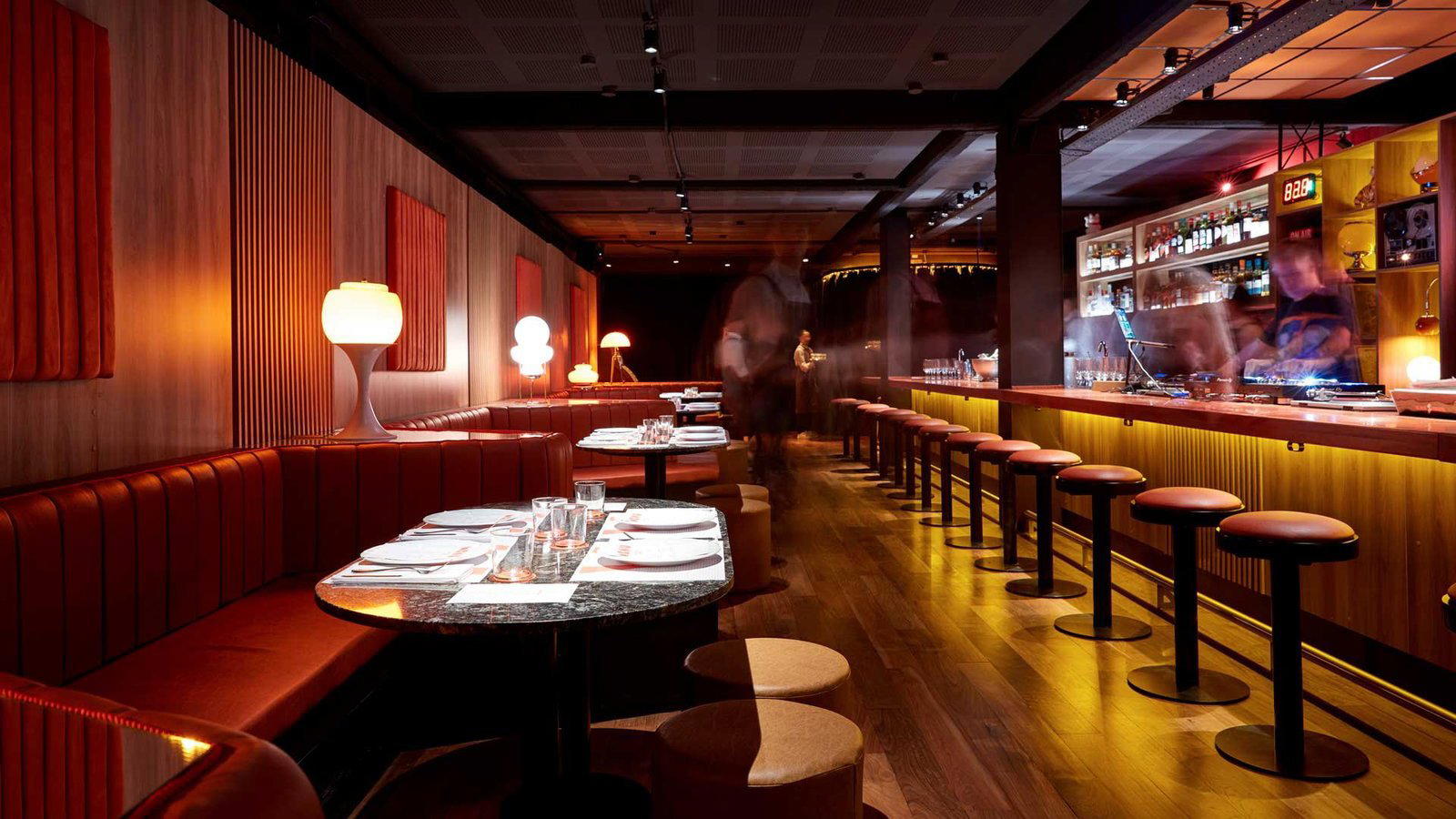
Details
- Trendy
- Intimate
- Bohemian
- Date Night
- Group Outing
- Casual Hangout
- Terrace
- Standalone
- Seated Bar
- Lounge Seating
- Outdoor Terrace
- Natural Wine
- Conventional Wine
Current opening hours
- Monday
- 6 PM–12 AM
- Tuesday
- 6 PM–12 AM
- Wednesday
- 6 PM–12 AM
- Thursday
- 6 PM–12 AM
- Friday
- 6 PM–12 AM
- Saturday
- 12:30 PM–12 AM
- Sunday
- Closed
Hours can change for holidays and private events. Hours as of .
Warm, welcoming atmosphere with exposed brick and high ceilings; described as unpretentious with kind service, though some note it can get loud during busy times.