Ácido

Michelin Bib Gourmand
Our verdict
Ácido sits in the Chacarita neighbourhood on a residential corner that gives little away from the street. The kitchen works in the contemporary register but with a clarity of purpose that earned a Michelin Bib Gourmand in 2025 after a Michelin Plate the year prior. At the $$ price point, it represents the most decorated value-tier restaurant currently operating in Buenos Aires.

Pearl is the En Primeur Club membership app — saves, bookings, and concierge access live there. Same editors, same standards.
- Address
- Charlone 999, C1427BXU Cdad. Autónoma de Buenos Aires, Argentina
- Hours
- Mon–Fri 8–11:30 PMSat–Sun Closed
- Website
- instagram.com
- Directions
- Get directions
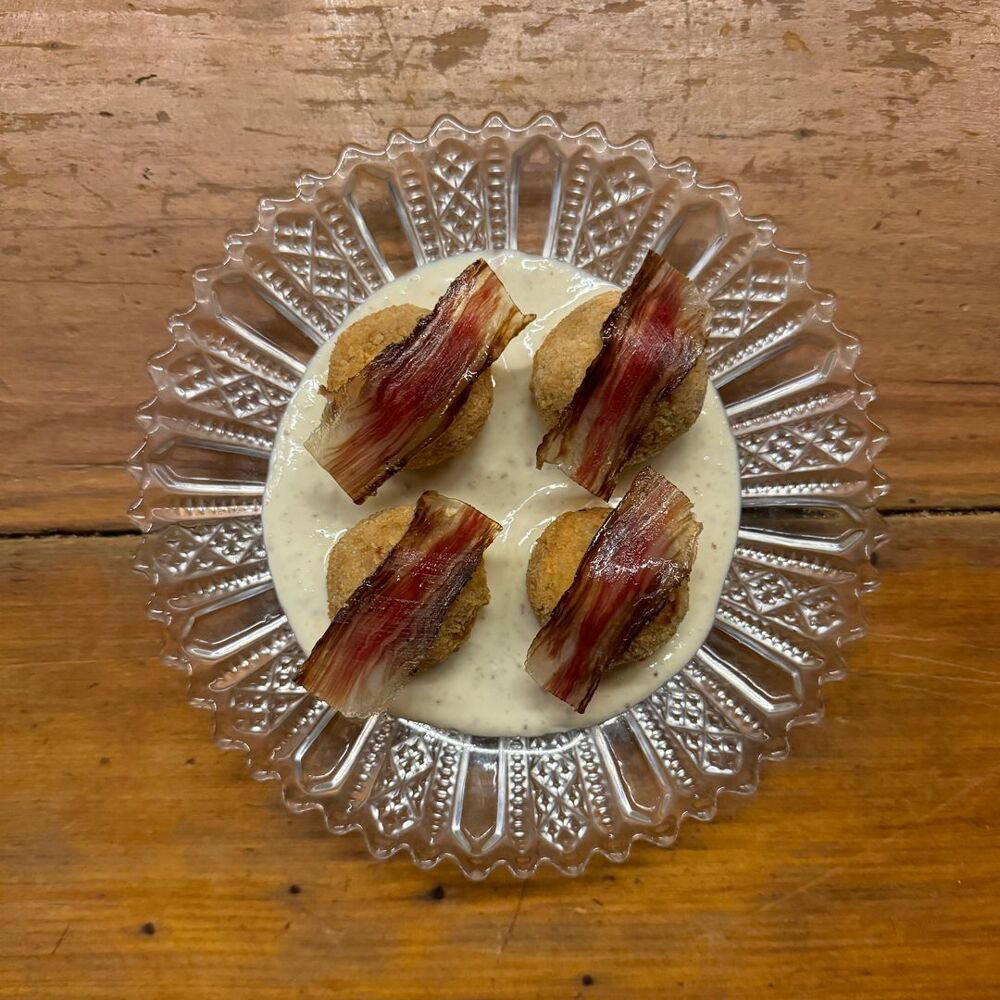
The menu
What to order
- Gourmet burgers
- Double-fried fries
- Fried chicken
- Tteokbokki
A Residential Corner That Overdelivers
Chacarita has spent the better part of a decade shifting from a working-class barrio known mainly for its cemetery to one of Buenos Aires' more active zones for independent restaurants and wine bars. The transition followed a familiar pattern: lower rents, younger operators, fewer concessions to tourist expectations. Ácido, at Charlone 999, arrived in that context — a corner address in a neighbourhood where the dining room is the main event, not the street presence or the postcode.
Approaching from the street, there is none of the visual signalling that characterises restaurants in Palermo or Recoleta. The building reads residential. That restraint is itself a statement about where Buenos Aires contemporary dining has moved: away from designed arrival sequences and toward what happens at the table. For visitors accustomed to finding Michelin-recognised restaurants through neighbourhood prestige alone, Chacarita requires a small recalibration.
What Contemporary Means Here
The word "contemporary" covers an enormous range in Buenos Aires right now. At one end, venues like Aramburu operate at the $$$$ tier with two Michelin Stars and a format built around extended tasting menus and technical elaboration. At the other, the contemporary label gets applied to any kitchen that plates with intention. Ácido sits somewhere more considered than the latter without reaching for the former.
The $$ price point is not incidental — it defines the competitive set. At this tier in Buenos Aires, the reference points are places like El Preferido de Palermo and La Carniceria, both of which work in Argentinian tradition rather than the contemporary register. Ácido operates differently: the kitchen, under chef Tim Ziegler, applies a contemporary framework at a price that the Michelin Bib Gourmand committee specifically exists to recognise. The Bib Gourmand designation, which Ácido received in 2025, is awarded to restaurants offering two courses and a glass of wine for under a defined threshold, it is a price-to-quality signal, not a consolation prize for restaurants that didn't reach starred status.
The Michelin Arc and What It Implies
Progression from Michelin Plate in 2024 to Bib Gourmand in 2025 is worth reading carefully. A Michelin Plate signals a kitchen the inspectors consider worth eating in. A Bib Gourmand signals a kitchen they consider worth returning to at the price. The year-on-year movement suggests consistency rather than a one-inspection moment, which matters more than the distinction between the two designations. Restaurants that hold Bib Gourmand status across multiple cycles at the $$ tier are the ones that tend to develop genuine followings rather than one-off visits driven by curiosity.
For context within Argentina's broader Michelin footprint, the Buenos Aires guide is relatively young, the city received its first Michelin Guide in 2023. That means the current roster of recognised restaurants is still being established, and early Bib Gourmand holders like Ácido are among the first cohort to define what value-tier contemporary dining looks like in the city's Michelin universe. Peers elsewhere in the country, such as Azafrán in Mendoza, operate in different regional contexts, but the Bib Gourmand standard travels consistently across geographies.
Cultural Roots of the Contemporary Register in Buenos Aires
Buenos Aires contemporary cooking draws from a specific and layered set of influences. Argentine food culture is built on Italian and Spanish immigrant foundations, the asado tradition came later as a unifying national identity, but the urban kitchen was shaped by European arrivals who brought pasta, preserved meats, and vegetable-forward cooking long before the grill became central. The contemporary movement here tends to work with those foundations critically: referencing them, questioning them, or finding tension between them and the wider regional ingredients of South America.
The name Ácido, acid, acidity, points toward a particular sensibility. In Argentine cooking, where fat and char dominate the dominant culinary narrative, foregrounding acidity is a considered position. It suggests brightness, fermentation, citrus, or vinegar-based elements used as structural components rather than as seasoning. Whether that framing comes through in a specific dish or across the whole menu is a question of verification, but the name itself signals an intent that runs counter to the mainstream.
That counter-positioning is consistent with what Chacarita, as a neighbourhood, tends to attract. The same instinct that produces wine bars focused on natural and skin-contact wines, or small restaurants built around single ingredients, also produces kitchens where acidity rather than animal fat does the work. It is a pattern visible in contemporary city dining globally, from the natural-wine-adjacent restaurants of Paris's 11th arrondissement to similar pockets in Seoul, where Jungsik helped establish a different kind of contemporary Korean register. The impulse is consistent: reframe the dominant flavour logic of a culinary culture through a specific, named counter-principle.
Buenos Aires has a well-developed mid-tier restaurant culture, and the $$ contemporary category is competitive. Anafe works in a similar price bracket with a focus on fire and produce. 4ta Pared and A Fuego Fuerte each bring distinct technical identities to the accessible end of the contemporary spectrum. Alcanfor sits in a quieter neighbourhood register.
In a city where restaurants at the $$$$ tier with starred recognition often aggregate ratings in the 4.5 to 4.8 range, a 4.1 at $$ typically reflects a more mixed audience: diners who came with high expectations, neighbourhood regulars with different benchmarks, and visitors who booked based on the Michelin listing and arrived with comparisons to other starred cities. A 4.1 in that mix is more credible than it might appear on first reading.
For visitors building a Buenos Aires itinerary around the full range of the city's contemporary scene, Crizia covers the seafood-forward end, while the classic steakhouse tradition is documented at venues like Don Julio and Elena. Ácido fills a specific gap: Michelin-recognised, value-accessible, and operating in the contemporary register without the formality or price of the starred tier.
Planning Your Visit
Ácido is located at Charlone 999 in Chacarita, a neighbourhood that sits north-west of Palermo and is direct to reach by taxi or ride-share from most central Buenos Aires hotels. Given the Bib Gourmand recognition and the relatively small independent-restaurant scale typical of this neighbourhood, booking ahead is advisable, the combination of local following and Michelin visibility tends to compress availability at accessible-format restaurants. No phone number or website is currently listed in public databases, so reservations are most reliably made through third-party booking platforms that carry the listing. The $$ price point means the evening remains accessible even with a full meal and drinks.
For a fuller picture of what Buenos Aires offers across categories, see our full Buenos Aires restaurants guide, our full Buenos Aires hotels guide, our full Buenos Aires bars guide, our full Buenos Aires wineries guide, and our full Buenos Aires experiences guide. If your Argentina trip extends beyond the capital, Awasi Iguazu, Cavas Wine Lodge, El Colibri in Santa Catalina, EOLO in El Calafate, and La Bamba de Areco each represent distinct regional registers worth including depending on your route.
Frequently asked questions
Is Ácido chef-led?
The chef associated with Ácido is Tim Ziegler.
What dish is Ácido famous for?
Ácido earned its 2025 Michelin Bib Gourmand under chef Tim Ziegler's contemporary cooking program, but no single signature dish has been publicly documented. The Bib Gourmand designation itself is the clearest signal available: Michelin inspectors award it to kitchens delivering cooking worth a detour at accessible prices, which at Ácido's $$ tier is a meaningful threshold. For current menu specifics, visiting or following the restaurant directly is the most reliable route.
Is Ácido expensive?
Pricing at Ácido is listed as $$.
Where exactly is Ácido?
Ácido is located at Charlone 999, C1427BXU Cdad. Autónoma de Buenos Aires, Argentina, Buenos Aires.
Where It Fits
| Venue | Cuisine | Price | Awards | Notes |
|---|---|---|---|---|
| ÁcidoThis venue — the venue you are viewing | Modern Global Fusion | Not listed | Michelin Bib Gourmand | Not listed |
| Don Julio | Argentinian Parrilla Steakhouse | $100–150 | 1 Michelin Star · World's 50 Best #10 | Argentinian Steakhouse |
| Aramburu | Modern Argentine Haute Cuisine | $200–300 | 2 Michelin Stars · World's 50 Best #35 | Modern Argentinian, Creative |
| El Preferido de Palermo | Classic Italian Bodegón | $50–100 | Michelin Plate · World's 50 Best #24 | Argentinian, Traditional Cuisine |
| Elena | Japanese kissaten-style cafe with handmade cakes and tea | $1–10 | Tabelog 100 | Not listed |
| La Carniceria | Modern Argentine Parrilla | $30–50 | Michelin Plate | Not listed |
Recognition history
Dated appearances from independent guides and award organizations, with the underlying list record or original source where available.
Michelin Bib Gourmand
Michelin
Full recognition history (3 entries)
Michelin Bib Gourmand
Michelin
Michelin Plate
Michelin
Continue exploring
More in Buenos Aires
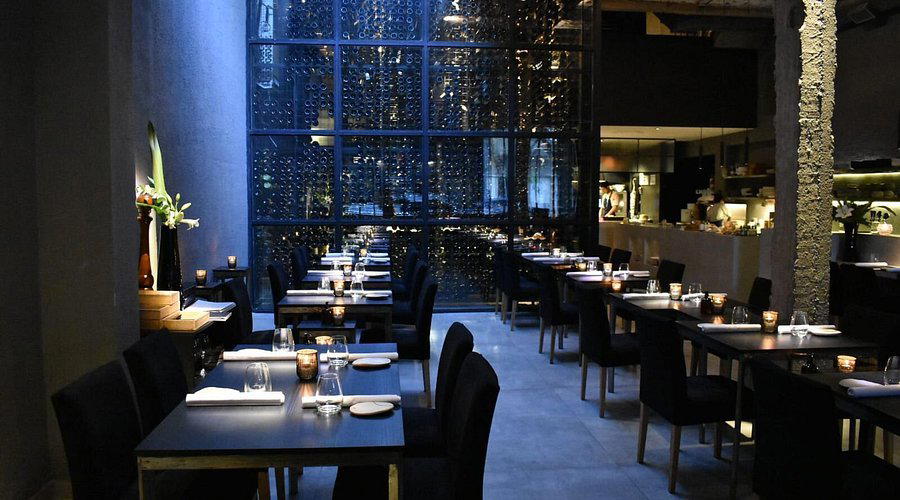
Restaurants in Buenos Aires
Browse all →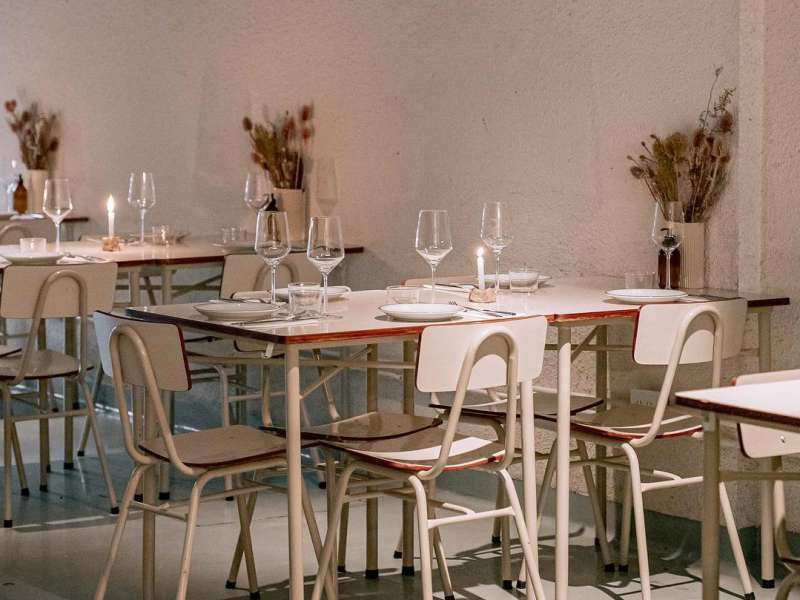
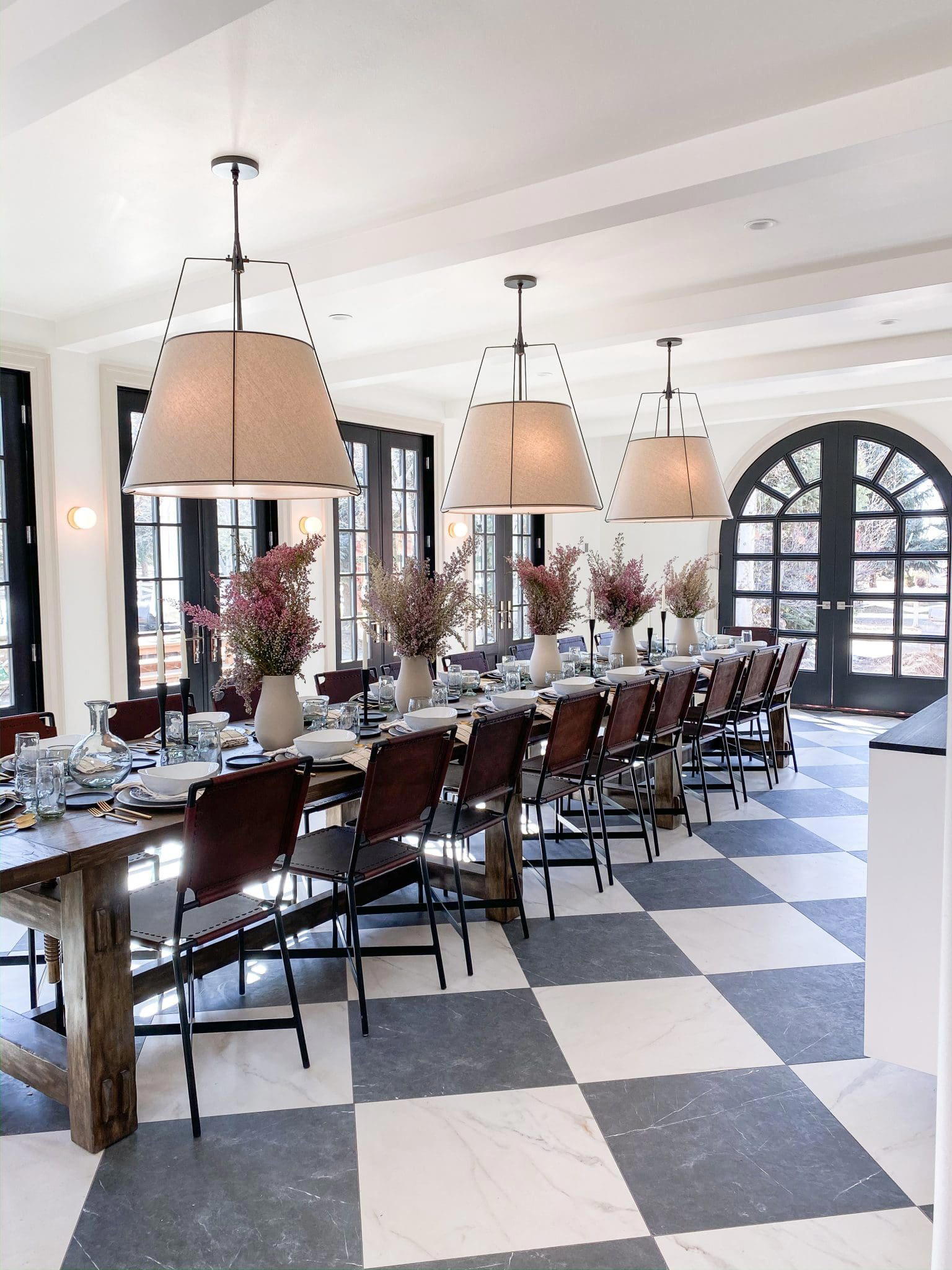
Bars in Buenos Aires
Browse all →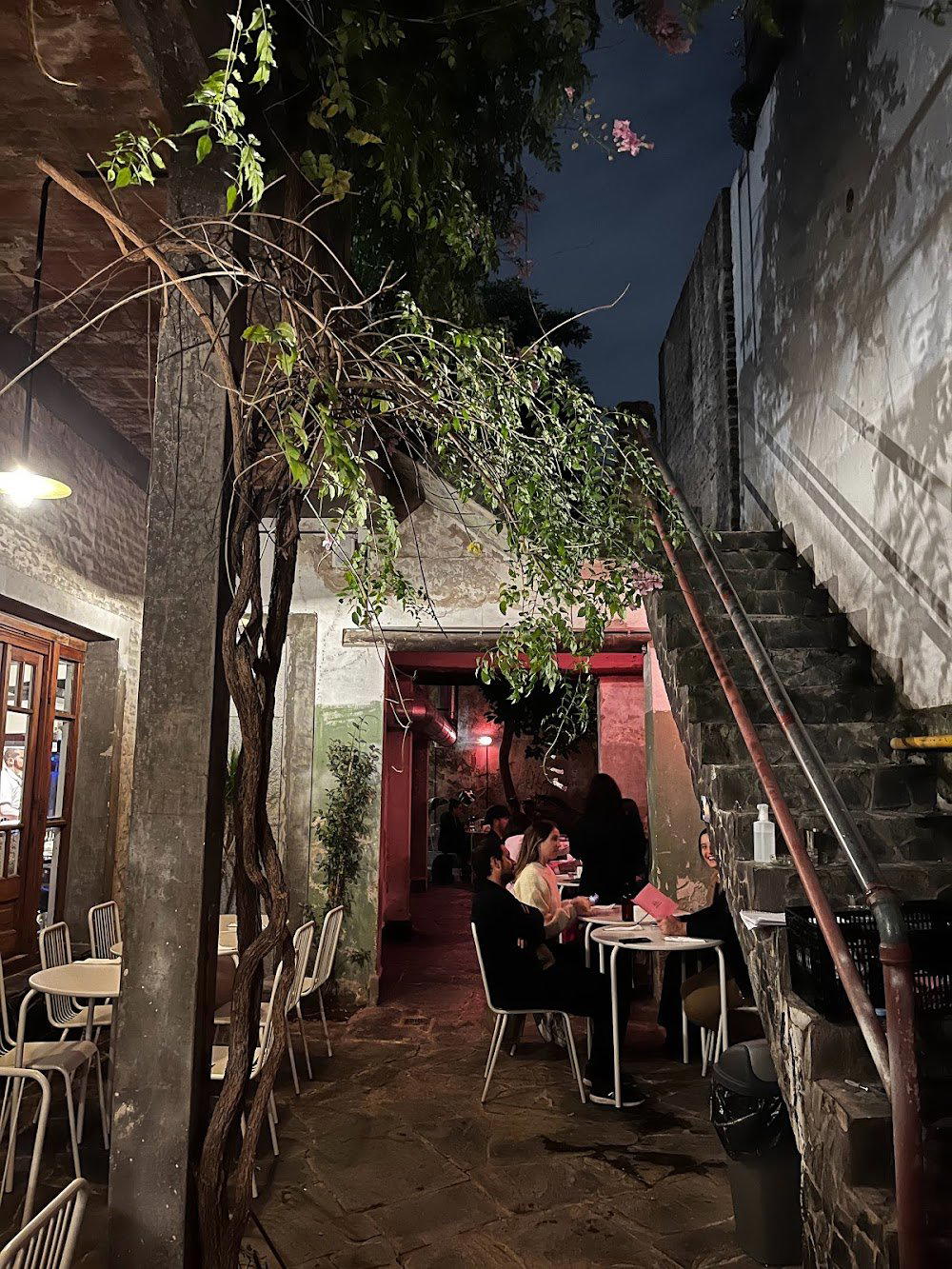
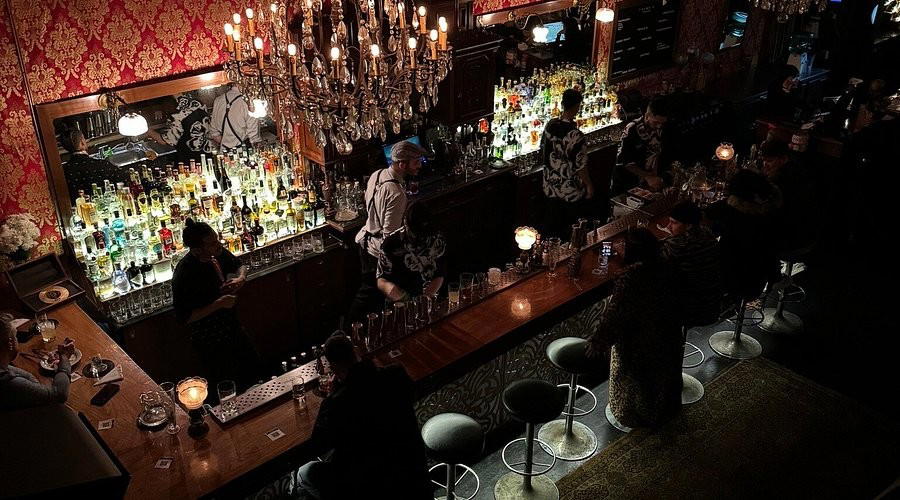
Hotels in Buenos Aires
Browse all →
Wineries in Buenos Aires
Browse all →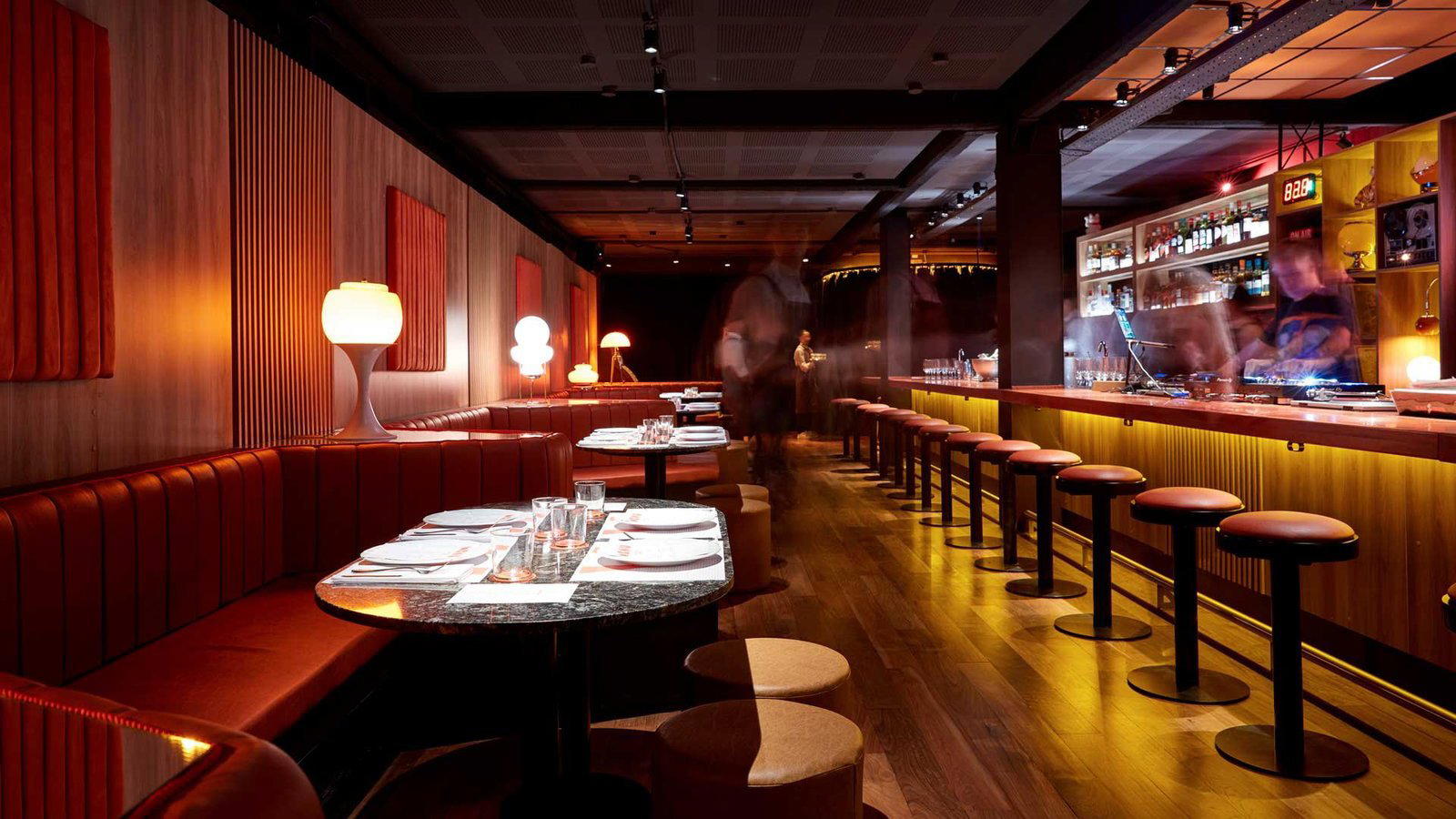
Details
- Trendy
- Modern
- Rustic
- Casual Hangout
- Date Night
- Open Kitchen
- Extensive Wine List
- Local Sourcing
- A La Carte
- Small Plates
- Vegetarian Friendly
Current opening hours
- Monday
- 8–11:30 PM
- Tuesday
- 8–11:30 PM
- Wednesday
- 8–11:30 PM
- Thursday
- 8–11:30 PM
- Friday
- 8–11:30 PM
- Saturday
- Closed
- Sunday
- Closed
Hours can change for holidays and private events. Last verified .
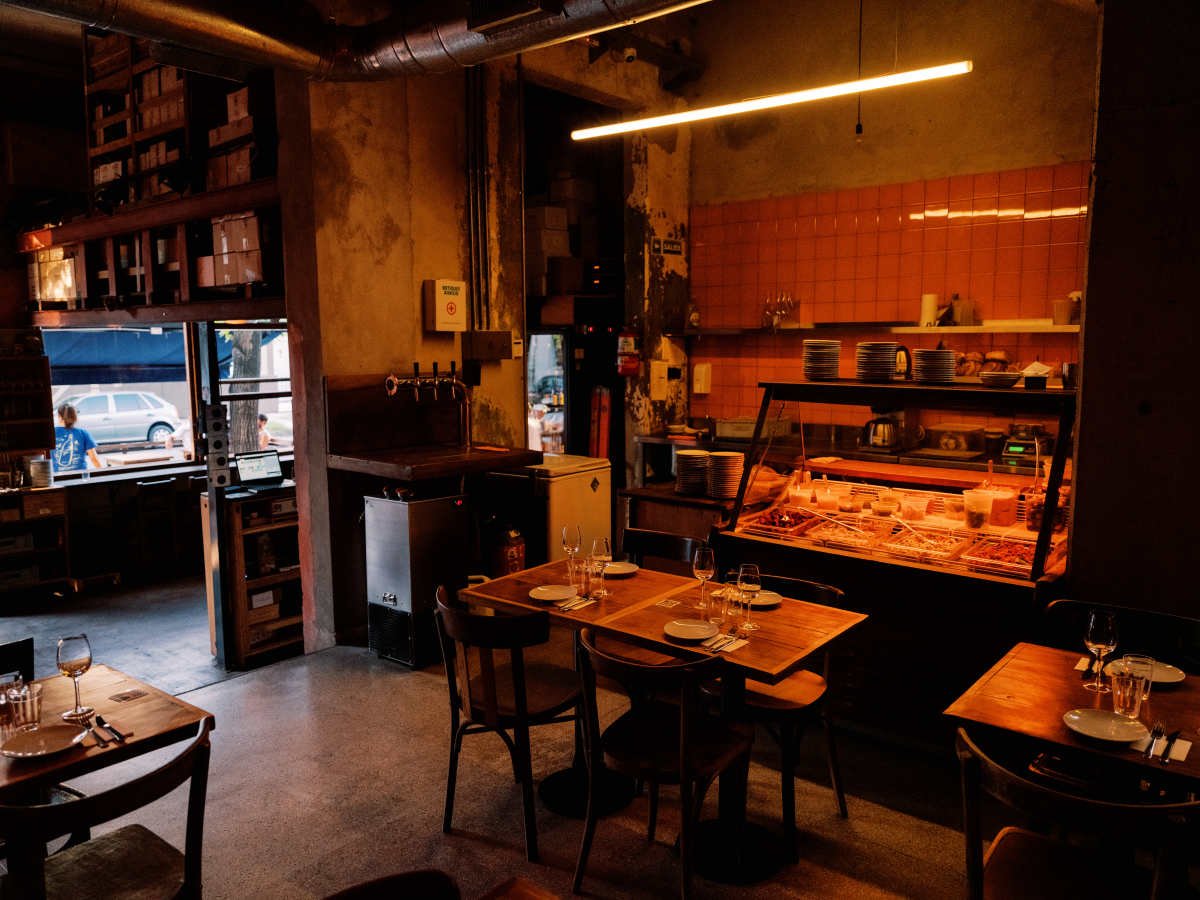
Eclectic and relaxed atmosphere with mismatched tableware, rustic decor, open kitchen, and a fun, lively energy.