La Cabrera

La Cabrera has held a position inside Opinionated About Dining's South America rankings every year since at least 2023, placing as high as #27 in that cycle. Located on Cabrera Street in Palermo, Buenos Aires, the parrilla draws both locals and international visitors with a format built around fire-driven beef cookery and a wine list weighted toward Argentine varietals. It operates daily across both lunch and dinner services.
Pearl is the En Primeur Club membership app — saves, bookings, and concierge access live there. Same editors, same standards.
- Address
- José A. Cabrera 5127, C1414BGQ Cdad. Autónoma de Buenos Aires, Argentina
- Phone
- +54 11 4831-0325
- Website
- lacabrera.com.ar
- Directions
- Get directions
 Saves & bookings on Pearl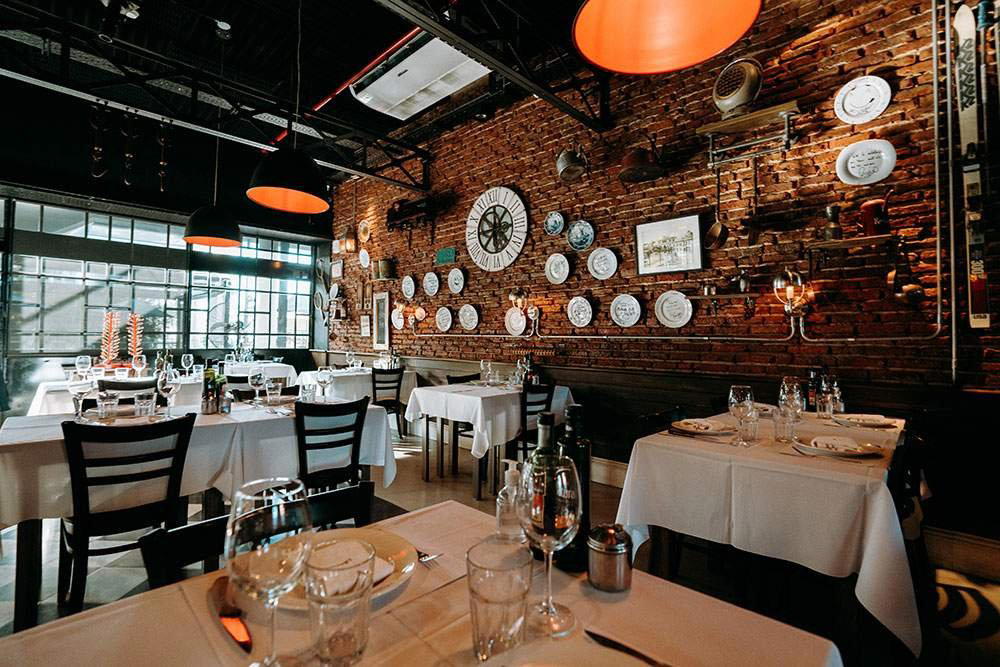
Fire, Provenance, and the Palermo Parrilla Tradition
Walk along José Antonio Cabrera on any given evening and the smell of woodsmoke arrives before the signage does. This stretch of Palermo has, over the past two decades, become one of Buenos Aires's most concentrated corridors for serious beef cookery, and La Cabrera at number 5127 sits squarely within that tradition. The restaurant opens for lunch at noon and runs through to midnight, a schedule that accommodates both the Argentine custom of late dining and the steadily growing cohort of foreign visitors who arrive earlier and stay longer.
What the Rankings Signal About Positioning
Opinionated About Dining's South America list tracks a narrower, more technically weighted comparable set than broader popularity indexes, making its placings a reasonable proxy for where a venue sits relative to serious competition. La Cabrera ranked #27 in 2023, slipped to #43 in 2024, and recovered to #41 in 2025. That three-year presence in the ranking, at numbers that cluster in the mid-to-upper tier rather than the long tail, puts it in a cohort that includes restaurants with genuine critical recognition rather than simple footfall. For comparison, Don Julio operates at the leading price bracket; La Cabrera sits in a different tier, competing more directly with the mid-to-upper range of Buenos Aires parrilla culture than with the tasting-menu circuit represented by venues like Aramburu.
Argentine Beef Cookery and Where the Ingredients Come From
The editorial case for any serious Buenos Aires parrilla ultimately rests on sourcing. Argentine beef's reputation is built on the Pampas, the vast, temperate grasslands that stretch from Buenos Aires province through Santa Fe and Córdoba, where cattle have grazed on natural pasture rather than feedlot grain for most of the country's agricultural history. That distinction matters at the plate: grass-fed cattle from low-density grazing systems tend to produce meat with a leaner fat profile and a more pronounced mineral character than grain-finished equivalents. The parrilla tradition evolved around this specific raw material, and the wood-fire grill technique, burning quebracho or other hardwoods rather than charcoal briquettes, is calibrated to complement it. Cooking fat cuts like entraña or marbled bife de chorizo over live flame, at distances that allow gradual rendering rather than surface scorching, is a technique that takes years of practice to read correctly. At the restaurant, Chef Gastón Riveira has shaped a kitchen built around that discipline. The restaurant's continued OAD recognition year-over-year implies a consistency in execution that goes beyond novelty.
Sourcing in Argentine beef culture is also regional. Cattle raised in the cooler, wetter corridors of Buenos Aires province produce different results from animals raised in the drier northwest. The better parrillas in the capital maintain relationships with specific estancias rather than buying through commodity channels, a practice that, while less visible to the diner than Michelin stars or tasting-menu credits, makes the actual difference in what arrives on the plate. This is the tradition the restaurant operates within, on a street where several competitors aim at the same standard.
The Palermo Context
Palermo is not a monolithic neighbourhood. It has disaggregated over the years into sub-zones, Palermo Soho, Palermo Hollywood, Palermo Chico, each with a distinct character and dining register. The Cabrera Street corridor sits in the zone sometimes labelled Hollywood, close enough to the creative-industry offices and design studios that displaced some of the older residential feel, but not so commercial that the block reads as a tourist trap. The density of parrilla options on this stretch creates a self-reinforcing quality signal: enough serious diners concentrate here that the restaurants competing for their attention cannot coast. La Brigada operates in San Telmo and represents the older, more formal lineage of the Buenos Aires parrilla; the Palermo cluster, including the restaurant, tends toward a slightly more contemporary format without abandoning the fire-centric fundamentals.
For visitors moving between dining styles across a stay, the neighbourhood also positions the restaurant within reach of contemporary Argentine kitchens like Trescha and Crizia, both of which approach Argentine ingredients through a different lens. The contrast is worth making deliberately rather than by accident.
Argentina Beyond Buenos Aires
Visitors who arrive at the restaurant as their first serious introduction to Argentine fire cookery often find that it sharpens their appetite for the tradition further afield. The country's wine-producing regions, particularly Mendoza, have their own parrilla culture, and restaurants like Siete Fuegos in Mendoza or Azafrán in Mendoza place the same beef cookery tradition inside a wine-country context that changes the pairing logic considerably. Lodge-based dining experiences at properties like Cavas Wine Lodge in Alto Agrelo or the remote-destination format of EOLO in El Calafate represent how the same culinary DNA expresses itself under radically different geographical conditions. For estancia culture closer to Buenos Aires, La Bamba de Areco in San Antonio de Areco offers the cattle-country version of the same sourcing story. And for those tracking Argentine beef cookery as it translates abroad, Kutral por Martin Abramzon in Ronda is a data point worth noting. Remote northern Argentina is represented by El Colibri in Santa Catalina and Awasi Iguazu in Puerto Iguazu, where the ingredient sourcing logic shifts toward the subtropical north.
Planning a Visit
The restaurant operates daily from noon to 5 pm and again from 6:30 pm to midnight, a structure that allows for both a proper lunch sitting and the late dinner that Buenos Aires social life tends to demand. The restaurant's address is José A. Cabrera 5127, in the Palermo district. For the broader Buenos Aires trip, our guides to Buenos Aires hotels, Buenos Aires bars, Buenos Aires wineries, and Buenos Aires experiences cover the surrounding context.
Standing Among Peers
Comparable venues nearby, for context on price, style, and recognition.
| Venue | Cuisine | Price | Awards | Notes |
|---|---|---|---|---|
| La CabreraThis venue — the venue you are viewing | Traditional Argentine Parrilla | $$$ | Not listed | Not listed |
| Happening Costanera | Traditional Argentine Parrilla | $$$ | Not listed | Belgrano |
| Hermanos | Modern Argentine Parrilla | $$$ | Not listed | San Isidro |
| Huacho | Argentine Wood-Fired Patagonian Grill | $$$ | Not listed | Retiro |
| La Cabaña | Traditional Argentine Parrilla Steakhouse | $$$ | Michelin Plate | Piñeyro |
| La Brigada | Classic Argentinian Parrilla | $$$ | Not listed | San Telmo |
Recognition history
Dated appearances from independent guides and award organizations, with the underlying list record or original source where available.
Opinionated About Dining Top Restaurants in South America Ranked #45
Opinionated About Dining
Opinionated About Dining Top Restaurants in South America Ranked #41
Opinionated About Dining
Opinionated About Dining Top Restaurants in South America Ranked #43
Opinionated About Dining
Opinionated About Dining Top Restaurants in South America Ranked #27
Opinionated About Dining
Continue exploring
More in Buenos Aires
Restaurants in Buenos Aires
Browse all →
Bars in Buenos Aires
Browse all →
Hotels in Buenos Aires
Browse all →
Wineries in Buenos Aires
Browse all →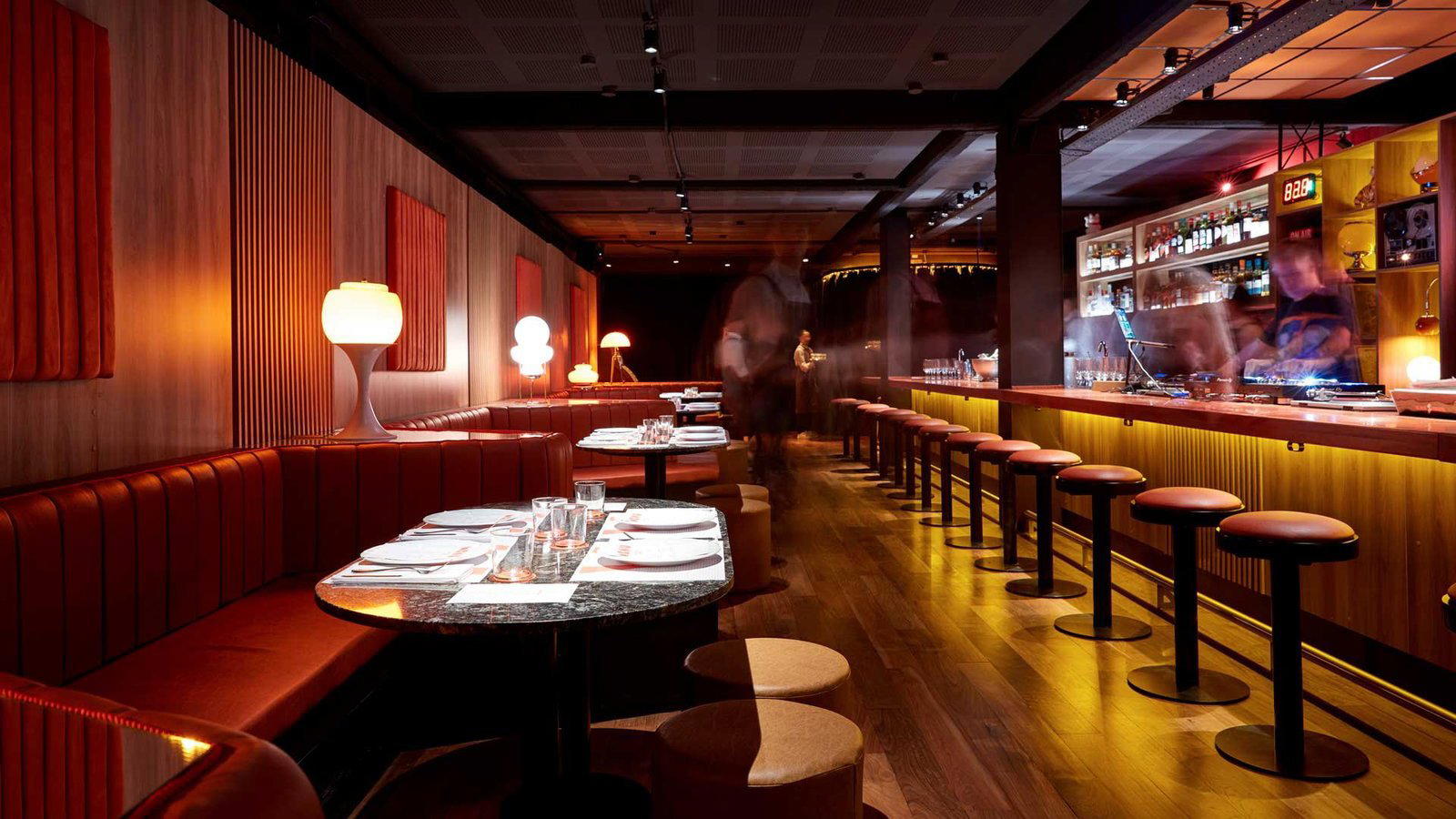
At a Glance
- Classic
- Cozy
- Well Known
- Elegant
- Date Night
- Business Dinner
- Group Dining
- Celebration
- Special Occasion
- Standalone
- Terrace
- Extensive Wine List
Current opening hours
- Monday
- 12–5 PM, 8 PM–12 AM
- Tuesday
- 12–5 PM, 8 PM–12 AM
- Wednesday
- 12–5 PM, 8 PM–12 AM
- Thursday
- 12–5 PM, 8 PM–12 AM
- Friday
- 12–5 PM, 8 PM–1 AM
- Saturday
- 12–5 PM, 8 PM–1 AM
- Sunday
- 12–5 PM, 8 PM–12 AM
Hours can change for holidays and private events. Last verified .
Warm and cozy with dim lighting and quirky décor across divided smaller rooms; rustic-modern design that feels homely rather than pretentious, with a lively and welcoming atmosphere.