
M25 sits on Simtat HaCarmel, the narrow alley threading through Tel Aviv's Carmel Market, putting it at the centre of one of Israel's most active street-food corridors. The address alone shapes what eating here looks and feels like: market rhythm, proximity to produce, and a room that earns its reputation through repetition rather than ceremony. For the full Tel Aviv dining picture, see our city guide.
Pearl is the En Primeur Club membership app — saves, bookings, and concierge access live there. Same editors, same standards.
- Address
- Simtat HaCarmel 30, Tel Aviv-Yafo, Israel
- Phone
- +97235580425
- Website
- m25meat.co.il
- Directions
- Get directions
 Saves & bookings on Pearl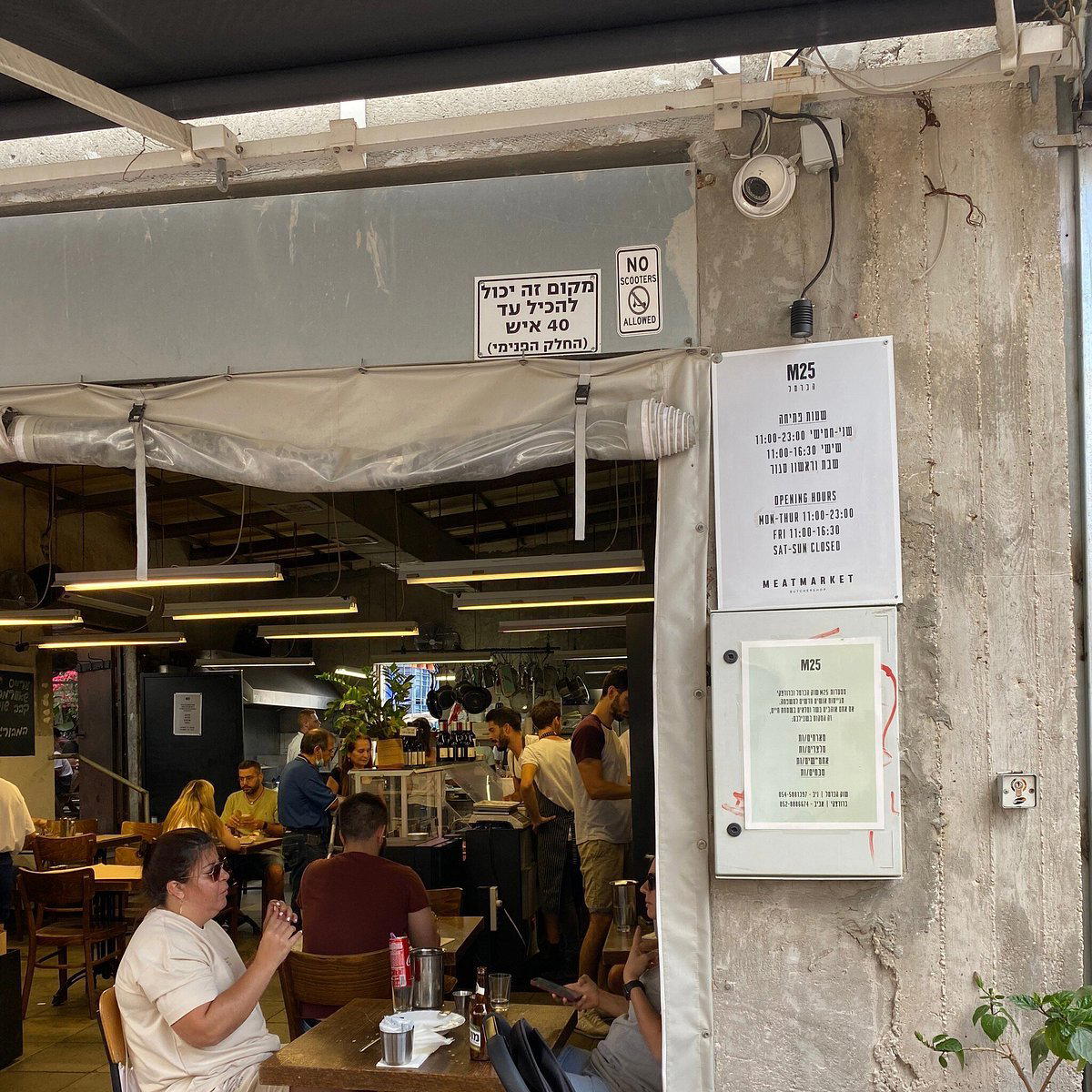
The Alley Behind the Market
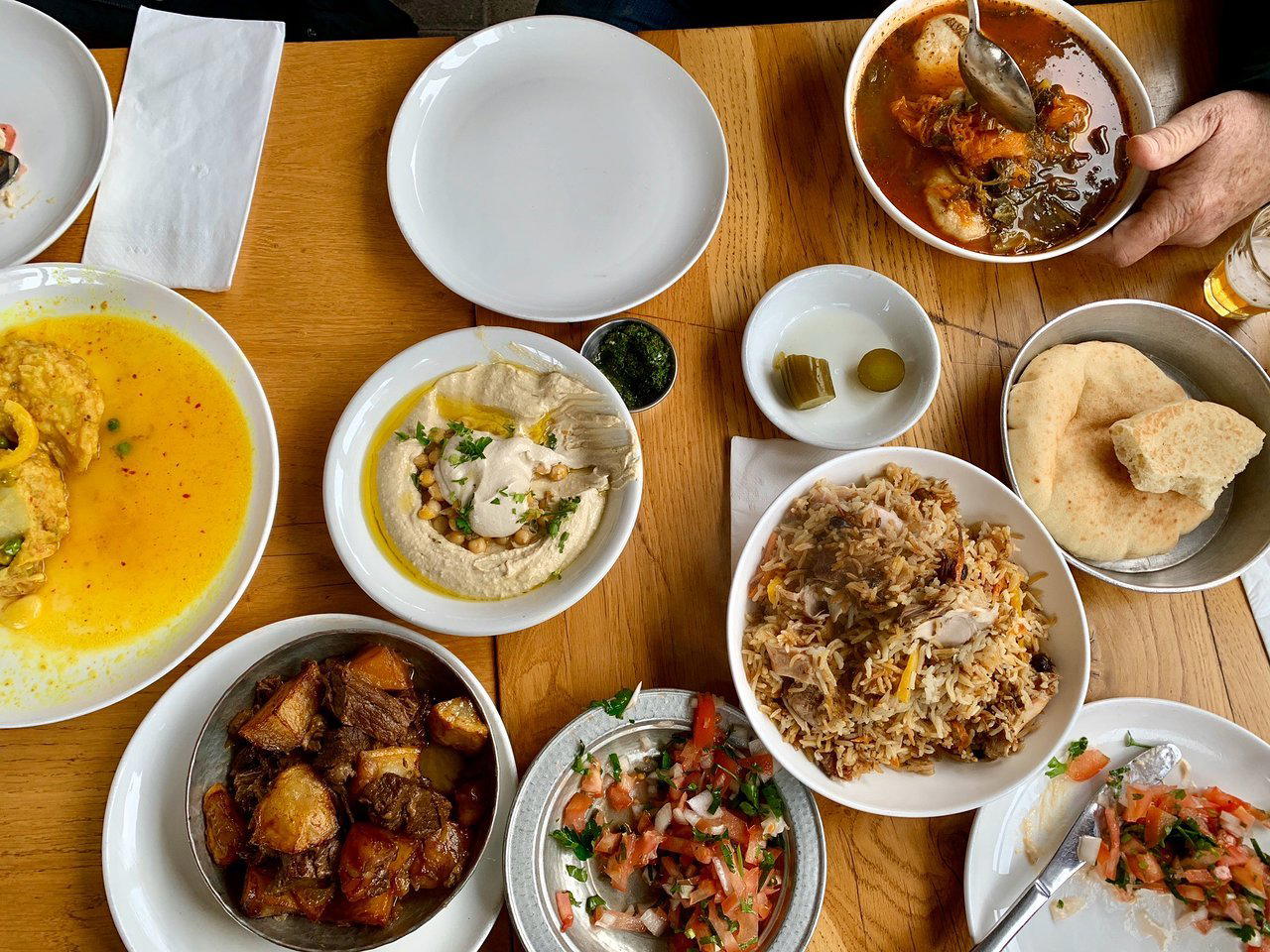
M25 is an Israeli steakhouse and grill in Tel Aviv-Yafo. It runs behind and alongside the Carmel Market, Tel Aviv's largest open-air market, in a part of the city where the boundary between shopping, eating, and standing on the pavement arguing about food has never been clearly drawn. Restaurants that open here are not choosing a quiet residential block or a designed dining district. They are choosing friction: foot traffic, noise, the smell of produce, and a clientele that has already been thinking about what to eat for the last twenty minutes of walking.
That context matters because it shapes the competitive set. The Carmel corridor does not reward ambience for its own sake. It rewards relevance, which in this neighbourhood tends to mean food that earns its place against whatever the market stalls outside are already selling. The comparison venues operating in this orbit, from Azura with its slow-cooked Jerusalemite traditions to Abu Hassan in Jaffa with its single-dish hummus discipline, show how strongly repetition can matter in this part of the city.
Where M25 Sits in the Tel Aviv Scene
Tel Aviv's restaurant culture has diversified considerably over the past decade. At one end, a cluster of formal and semi-formal addresses now positions the city against European and New York peers: Alena at The Norman operates as a polished Israeli-cuisine flagship, while international reference points like Le Bernardin in New York City and Atomix in New York City represent the kind of tasting-menu formalism that a handful of Israeli restaurants are now attempting to approach. At the other end, the market-adjacent, lunch-heavy, walk-in-and-wait tier remains where most of the city actually eats most of the time.
M25 at Simtat HaCarmel 30 belongs to this second tier by address, which is not a limitation so much as a positioning statement. The restaurants in this corridor are not competing with Aria or a for the same customer on the same evening. They are competing for the daytime and early-evening eater who wants something specific, made with the kind of conviction that comes from cooking the same things repeatedly rather than reinventing seasonally.
The wider Israel dining picture extends well beyond Tel Aviv. Uri Buri in Acre and Diana in Nazareth have built reputations over decades on Arab-Israeli cooking traditions that predate the current Tel Aviv dining moment. Majda in Har Nof operates as a benchmark for Arab-Jewish collaboration in the kitchen. These are not venues M25 is directly measured against, but they form the broader Israeli restaurant tradition from which any address in Simtat HaCarmel draws implicit context.
The Carmel Market as Dining Logic
Markets generate a particular kind of restaurant. The Carmel Market, running from King George Street down toward Allenby, is Tel Aviv's most densely layered food environment: spice vendors, fishmongers, produce stalls, prepared-food counters, and cafes sharing the same narrow lanes. A restaurant that opens immediately adjacent to that infrastructure is, in effect, making a statement about sourcing proximity and about the kind of cooking that benefits from it.
The comparison is instructive. Habasta, which operates near the Carmel Market, has built a model around market-sourced daily menus with a short, changing card that reflects what arrived that morning. Ha'Achim operates on a similarly market-informed logic. The pattern across multiple well-regarded Carmel-area addresses is consistency of approach rather than consistency of menu: the cooking changes because the market changes, but the method stays fixed.
What the address confirms is that it is embedded in a neighbourhood where that logic is the dominant operating assumption, and where a dining room that ignores its surroundings tends not to last.
Informal Eating in a Formal City
Tel Aviv has a complicated relationship with formality. The city's restaurant culture is, at the upper end, increasingly ceremony-aware: reservation windows, tasting menus, wine pairings, and service that would not look out of place in a European capital. But at street level, the dominant register is still informal, high-frequency, and built on the assumption that the food should carry the room rather than the room carrying the food.
Simtat HaCarmel is part of that informal infrastructure. The restaurants that work here, including comparable addresses like Dr. Shakshuka operating in the Jaffa orbit on similar market-kitchen principles, tend to be identifiable by a narrow menu executed with repetition. The opposite model, broad menus updated constantly to signal creativity, tends to dissipate in a neighbourhood where the customer already knows what they want before they sit down.
Elsewhere in Israel, this discipline appears in different registers: Herbert Samuel Herzliya in Herzliya applies it to a more polished seafood-forward format, while Michael Local Bistro in Liman translates it to a northern coastal context. The through-line is that particularly durable informal Israeli restaurants are legible: you know what they cook, and they cook it well enough that you return for the same thing.
Planning a Visit
M25 is at Simtat HaCarmel 30, in the Carmel Market quarter of Tel Aviv. The address puts it within walking distance of the Allenby and King George axes and accessible from the central city without transport. For market-adjacent restaurants in this part of Tel Aviv, the general pattern is lunch-heavy with earlier evening service, and walk-in availability varies considerably by day of the week, with Saturday afternoon being one contested window in this neighbourhood. Reservations are recommended, and weekday lunch hours are the likeliest time for an easier visit.
For broader context on where M25 sits within the city's dining range, the full Tel Aviv restaurants guide covers the full spectrum from market-kitchen addresses to formal dining rooms. Other informal references worth cross-checking for this neighbourhood tier include Abie and Jasmino for kebab-focused formats, and HaSalon for the Mediterranean-Israeli register at a more produced level. Outside Tel Aviv, Menza in Jerusalem, Burger 232 in Maggen, and Pitmaster in Beersheba offer a sense of how informal eating formats vary across the country's different cities.
A Tight Comparison
Comparable venues nearby, for context on price, style, and recognition.
| Venue | Cuisine | Price | Notes |
|---|---|---|---|
| M25This venue — the venue you are viewing | Not listed | $$ | Not listed |
| Pronto | Not listed | $$$ | Newe Ẕedeq, Modern Italian with Mediterranean Influences |
| Aria | Not listed | $$$ | Newe Ẕedeq, Contemporary Israeli Fusion Bistro |
| North Abraxas | Newe Ẕedeq, Modern Israeli Small Plates | $$$ | Not listed |
| Azura | Newe Sha'anan, Homestyle Middle Eastern | $$ | Not listed |
| Milgo & Milbar | HaQirya, Modern Mediterranean Seafood | $$$ | Not listed |
Recognition history
Dated appearances from independent guides and award organizations, with the underlying list record or original source where available.
Opinionated About Dining Newly Added European Restaurants
Opinionated About Dining
Continue exploring
More in Tel Aviv
Restaurants in Tel Aviv
Browse all →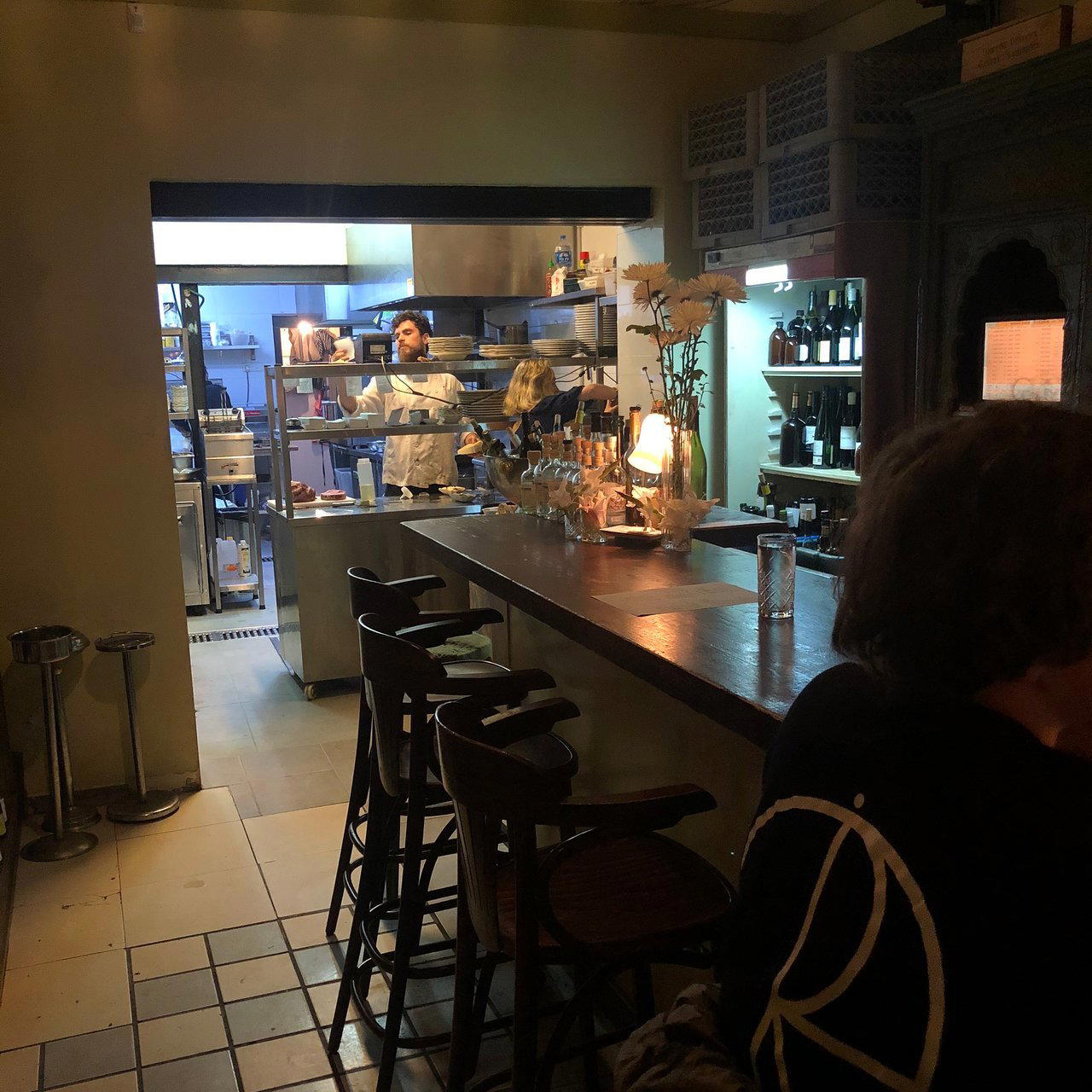
At a Glance
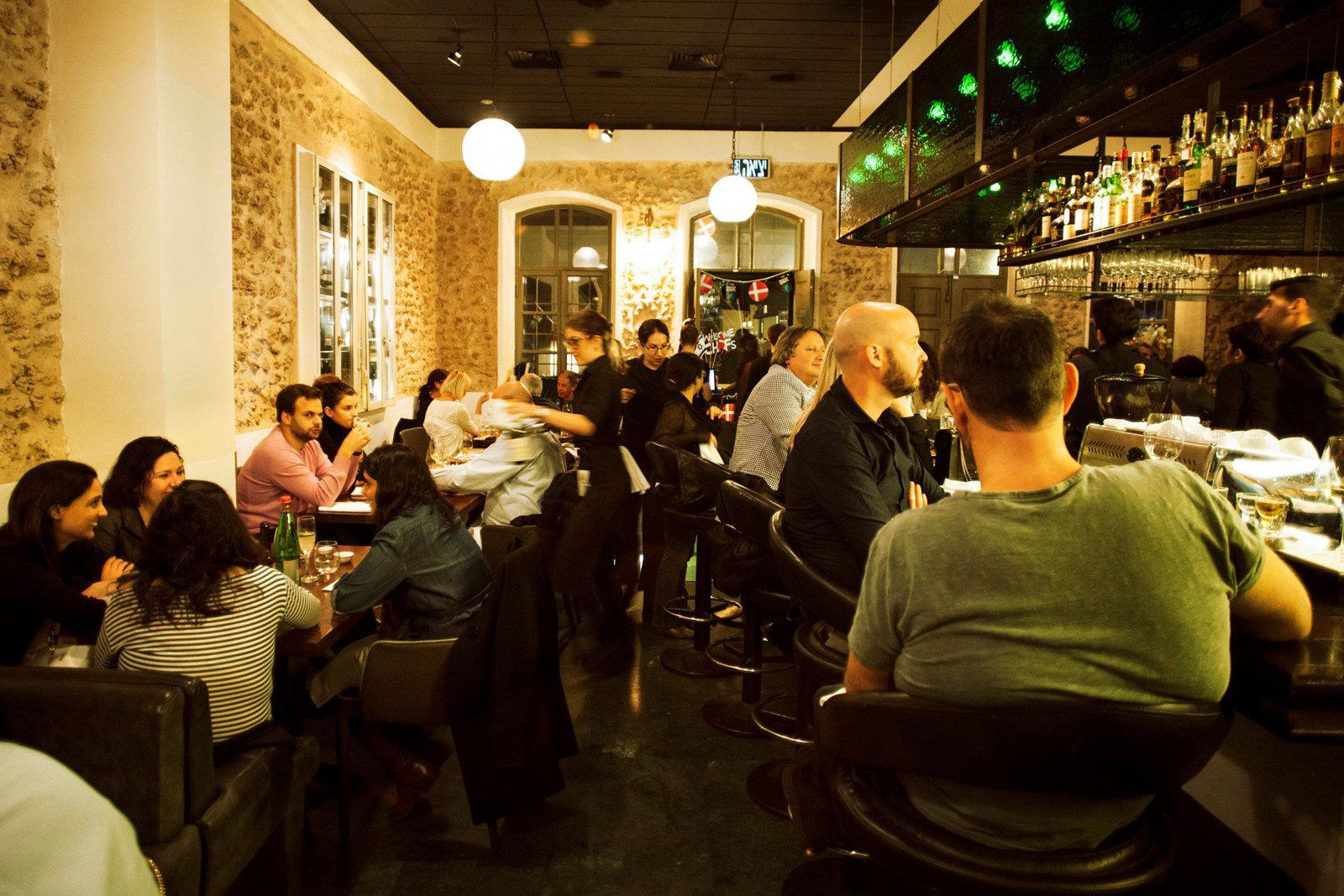
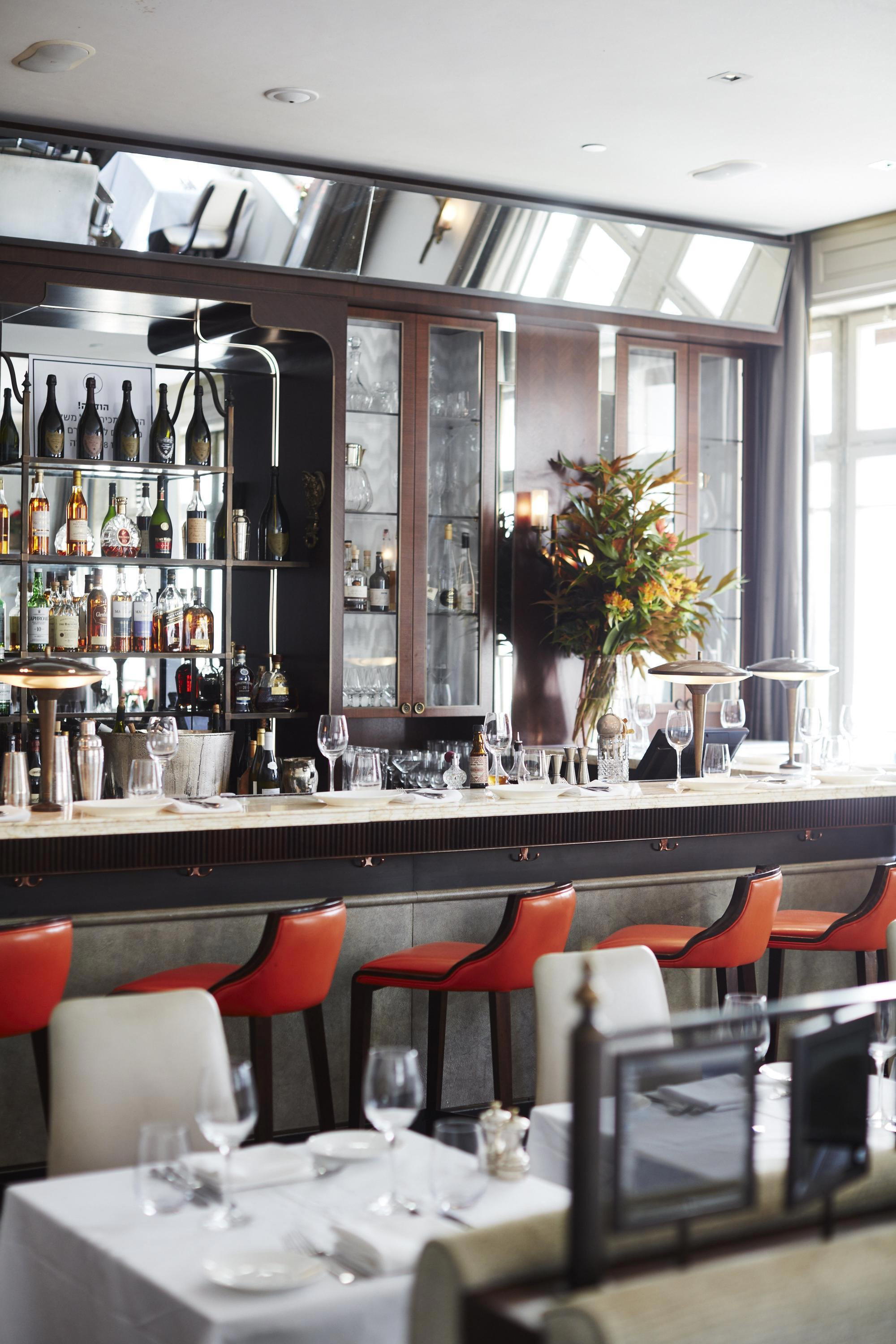
- Cozy
- Lively
- Casual
- Casual Hangout
- Group Dining
- Open Kitchen
- Local Sourcing
Current opening hours
- Monday
- 12–11 PM
- Tuesday
- 12–11 PM
- Wednesday
- 12–11 PM
- Thursday
- 12–11 PM
- Friday
- 11 AM–4 PM, 6–10 PM
- Saturday
- 12–10 PM
- Sunday
- Closed
Hours can change for holidays and private events. Last verified .
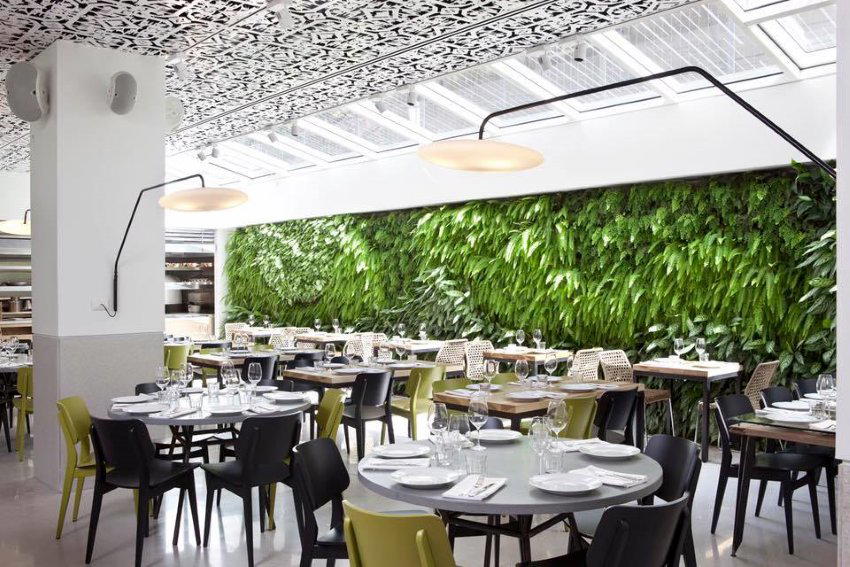
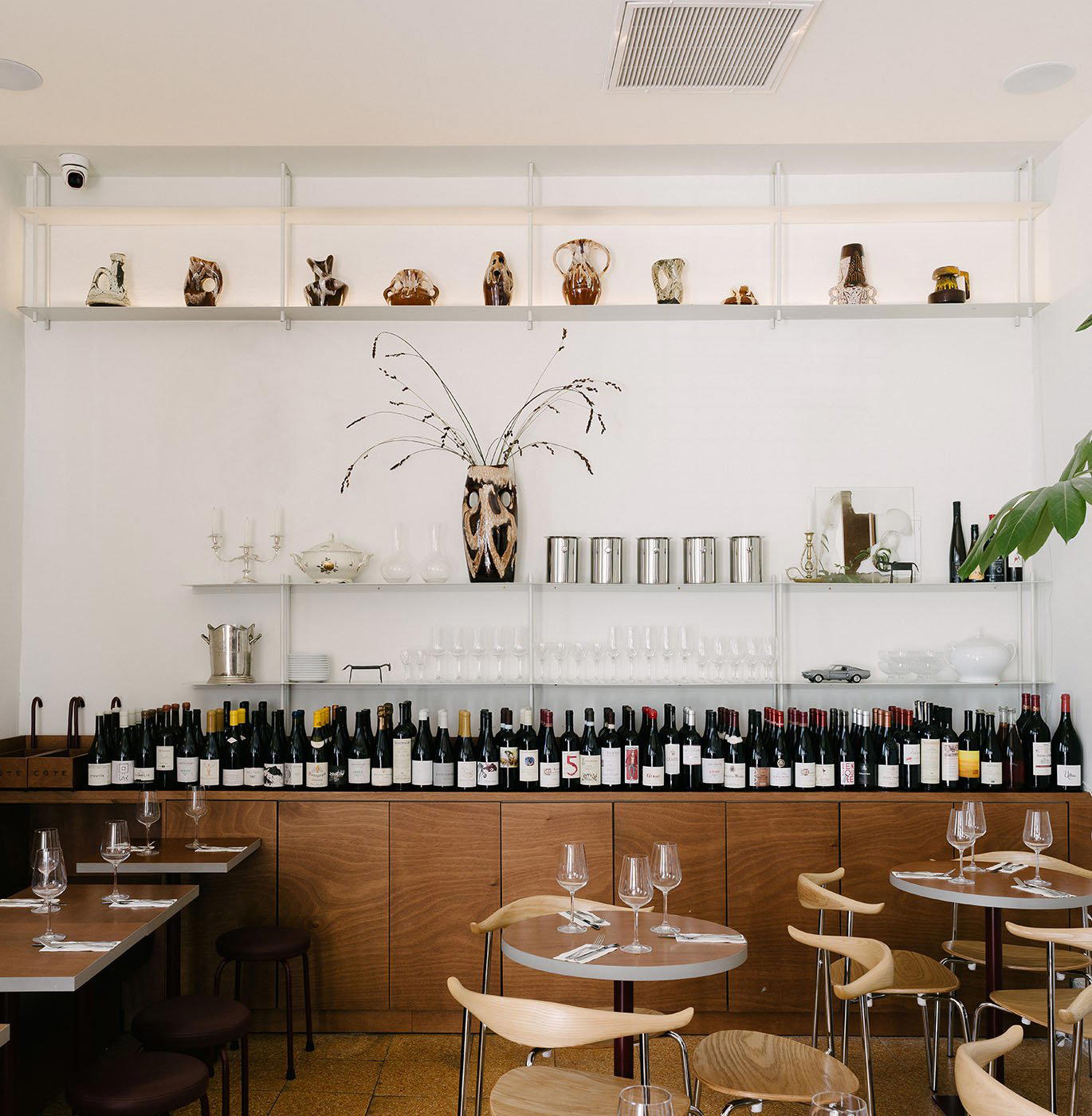
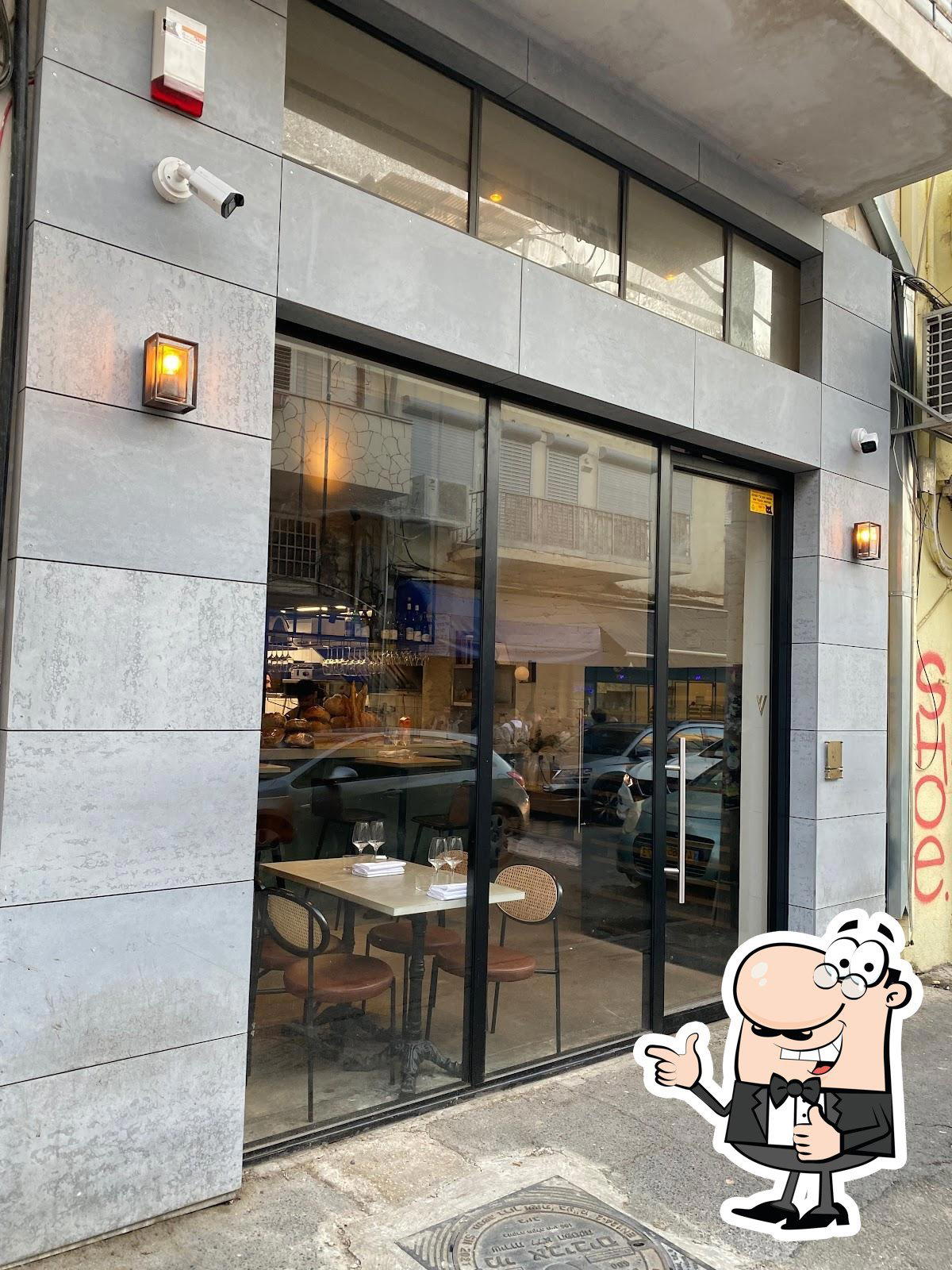
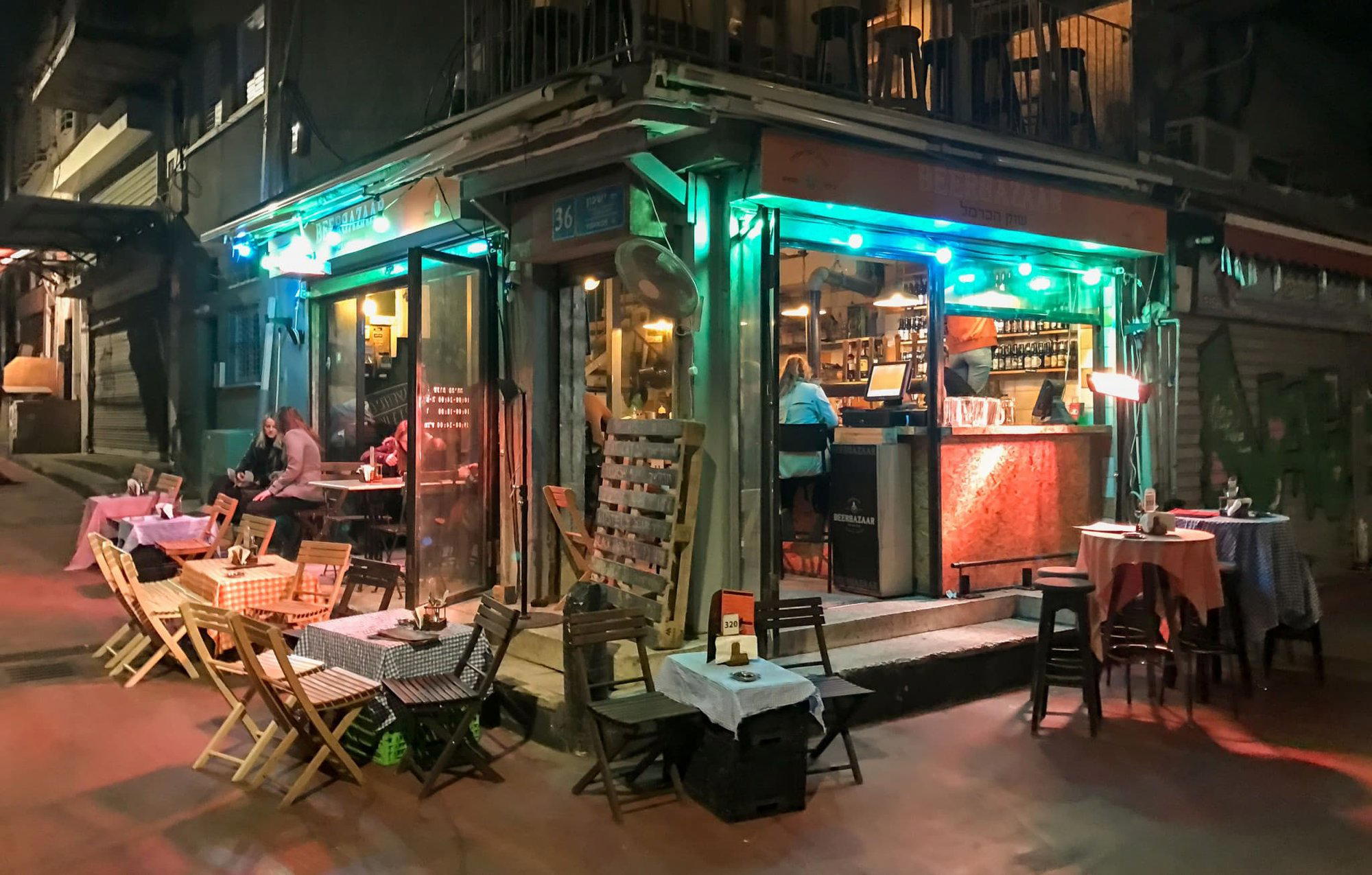
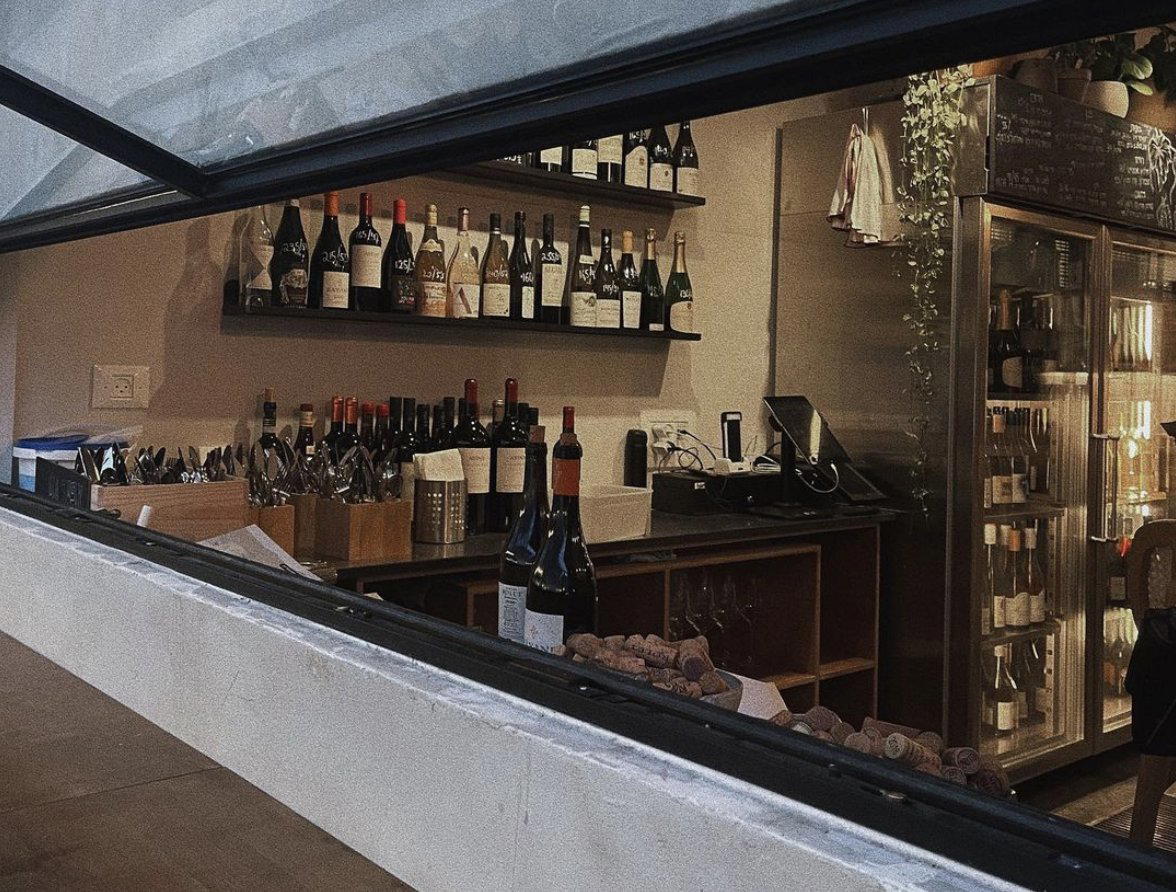
Casual market vibe with simple wooden seating, concrete walls, butchery counter, and lively indoor/outdoor atmosphere.