On Bayerische Strasse in Wilmersdorf, Lychee brings Southeast or East Asian cooking into a Berlin neighbourhood better known for European fine dining. The address places it within walking distance of the Ku'damm corridor, where the city's dining spectrum runs from Michelin-decorated European kitchens to a growing tier of Asian-influenced restaurants finding serious footing in the German capital.
Pearl is the En Primeur Club membership app — saves, bookings, and concierge access live there. Same editors, same standards.
- Address
- Bayerische Str. 9, 10707 Berlin, Germany
- Phone
- +493031179218
- Website
- lychee-berlin.de
- Directions
- Get directions
 Saves & bookings on Pearl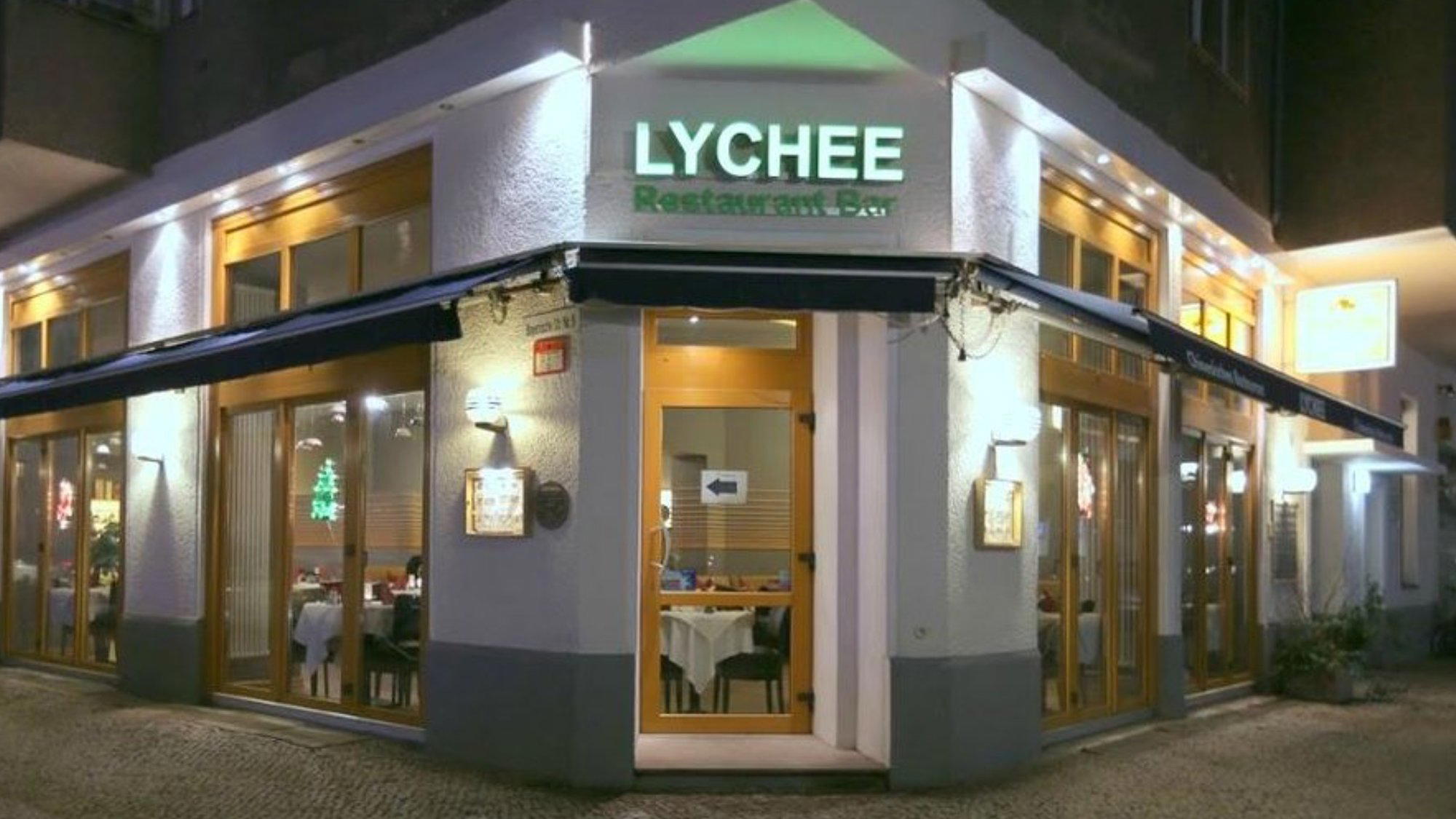
Wilmersdorf's Quiet Dining Shift
Lychee is a restaurant in Berlin serving modern Chinese with Szechuan influences at Bayerische Str. 9 in Wilmersdorf. Wilmersdorf, the residential district stretching south of the Ku'damm, has long operated as a counterpoint to Mitte's louder dining scene: fewer destination restaurants, more neighbourhood regulars, a pace that rewards the resident over the tourist. It is precisely in pockets like this that a restaurant named Lychee, a fruit that signals Southeast and East Asian cooking to any attentive diner, lands with a different kind of weight than it would in Prenzlauer Berg or Charlottenburg's main commercial strip.
The name itself is a positioning statement. Lychee, the fruit, appears in Chinese desserts, Vietnamese drinks, Thai curries, and across a broad sweep of Asian culinary traditions. As a restaurant name in Berlin, it places the kitchen somewhere within that geography without committing to a single national tradition, a choice that reflects how many of the city's more considered Asian restaurants now operate, drawing across regional lines rather than anchoring to the strict conventions of one country's cuisine.
Asian Cooking in the German Capital
Berlin's relationship with Asian cuisine has deepened considerably over the past decade. The city has moved past the era when pan-Asian menus served primarily as affordable alternatives to European fine dining. A newer tier of restaurants is making a more considered argument: that the techniques, ingredient sourcing, and cultural intelligence behind Asian cooking deserve the same critical attention that Germany's broader dining culture now applies to French-influenced or Modern German kitchens.
That shift is visible in the city's decorated restaurants. Restaurant Tim Raue holds two Michelin stars for cooking that draws deeply from Chinese and Southeast Asian flavour structures, placed in a European fine-dining format. That restaurant's recognition has helped expand what Berlin critics and guests accept as serious cooking. Lychee sits in a different register, neighbourhood-scaled rather than destination-formal, but the broader cultural shift that Tim Raue represents is the same current that makes a restaurant with Lychee's name and location possible.
For comparison, Berlin's most recognised European kitchens occupy a compact tier. Rutz, Nobelhart & Schmutzig, and FACIL each carry Michelin recognition and price in the €€€€ bracket. CODA Dessert Dining has built a distinct identity around creative dessert-led menus at a similar price point. These venues define the upper band of Berlin's dining market. Lychee's position within or below that band is part of what makes it legible as a neighbourhood proposition rather than a destination-only table.
What the Address Tells You
Bayerische Strasse 9 in Berlin's 10707 postcode sits within walking distance of the Bundesplatz and Fehrbelliner Platz U-Bahn stations, which puts the restaurant accessible from central Berlin without requiring a taxi or extended transit journey. Wilmersdorf is not a district that draws evening visitors who don't already have a reason to be there, which means Lychee's regulars are likely drawn from the surrounding streets rather than from across the city. That neighbourhood dynamic shapes the kind of restaurant it can be: one that earns loyalty through consistency and value rather than through spectacle or social visibility.
For visitors staying in or around Charlottenburg or near the Ku'damm, Lychee is a short distance from the main hotel corridor. Guests at properties along Kurfürstendamm can reach Bayerische Strasse without significant travel. Booking in advance is a reasonable precaution for any Berlin restaurant of this type, particularly on weekend evenings when neighbourhood restaurants in residential districts often fill quickly from local demand alone.
Asian Cuisine, Berlin's Evolving Critical Frame
The question of how Asian restaurants are evaluated in Germany's fine-dining conversation is one the broader industry is still working through. At the highest level, Aqua in Wolfsburg, JAN in Munich, and Schwarzwaldstube in Baiersbronn hold three Michelin stars each, all within European culinary frameworks. Vendôme in Bergisch Gladbach, Victor's Fine Dining by Christian Bau in Perl, and Waldhotel Sonnora in Dreis occupy similar positions. The decorated Asian-influenced table in Germany remains notable precisely because it is not common.
This context matters for how a restaurant like Lychee is read. It earns its audience by offering something specific and repeatable, a kitchen coherent enough in its approach that guests return rather than simply passing through.
Beyond Berlin: Where Asian Cuisine Registers at the Highest Level
For diners travelling more broadly and tracking where Asian cuisine receives sustained critical recognition, two reference points in New York are worth noting. Atomix, the Korean tasting menu in Midtown, holds two Michelin stars and has placed consistently on the World's 50 Best list, representing how Korean cuisine can operate at the formal end of the market. Le Bernardin, though French in its framework, provides a different kind of benchmark for what sustained critical recognition over decades looks like.
Within Germany, ES:SENZ in Grassau, Schanz in Piesport, Bagatelle in Trier, and Restaurant Haerlin in Hamburg each sit within the decorated European tier, providing a frame for what Germany's most scrutinised dining tables look like across different regional settings.
Planning a Visit
Lychee is located at Bayerische Strasse 9, Berlin 10707. Given the restaurant's neighbourhood positioning in Wilmersdorf, evening visits on weekdays are likely to offer a calmer environment than weekend service. Diners travelling from central Mitte or Prenzlauer Berg should allow for a 20-to-30-minute transit journey depending on the route. Lychee is open daily from 12:00 PM to 10:30 PM, and reservations are recommended.
Comparable Options
Comparable venues nearby, for context on price, style, and recognition.
| Venue | Cuisine | Price | Notes |
|---|---|---|---|
| LycheeThis venue — the venue you are viewing | Modern Chinese with Szechuan | $$ | Not listed |
| Restaurant Hotspot | Authentic Sichuan & Jiangsu Chinese | $$ | Wilmersdorf |
| Da Jia Le | Authentic Northeastern Chinese (Dongbei) | $$ | Schoneberg |
| LIU 成都味道面馆 Nudelhaus | Authentic Sichuan Noodle House | $$ | Mitte |
| Diener Tattersall | Traditional Berlin Hausmannskost | $$ | Charlottenburg |
| Paulaner | Traditional Bavarian Beer Hall Cuisine | $$ | Moabit |
Continue exploring
More in Berlin
Restaurants in Berlin
Browse all →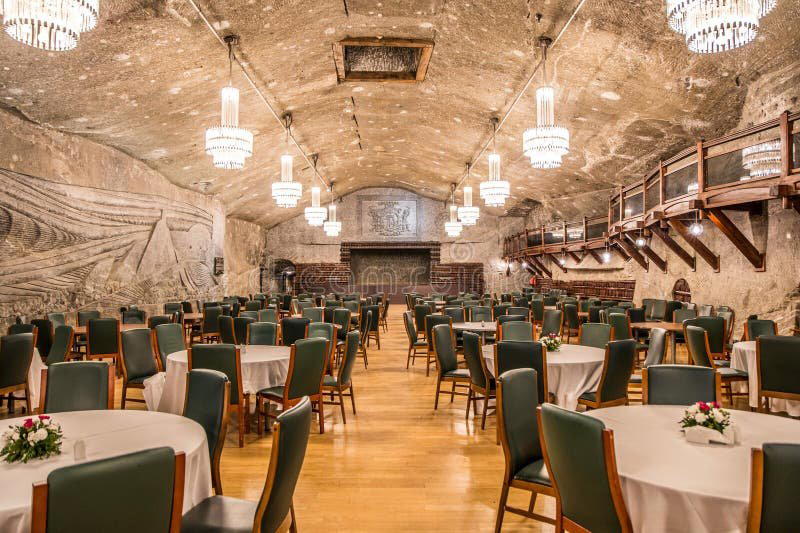
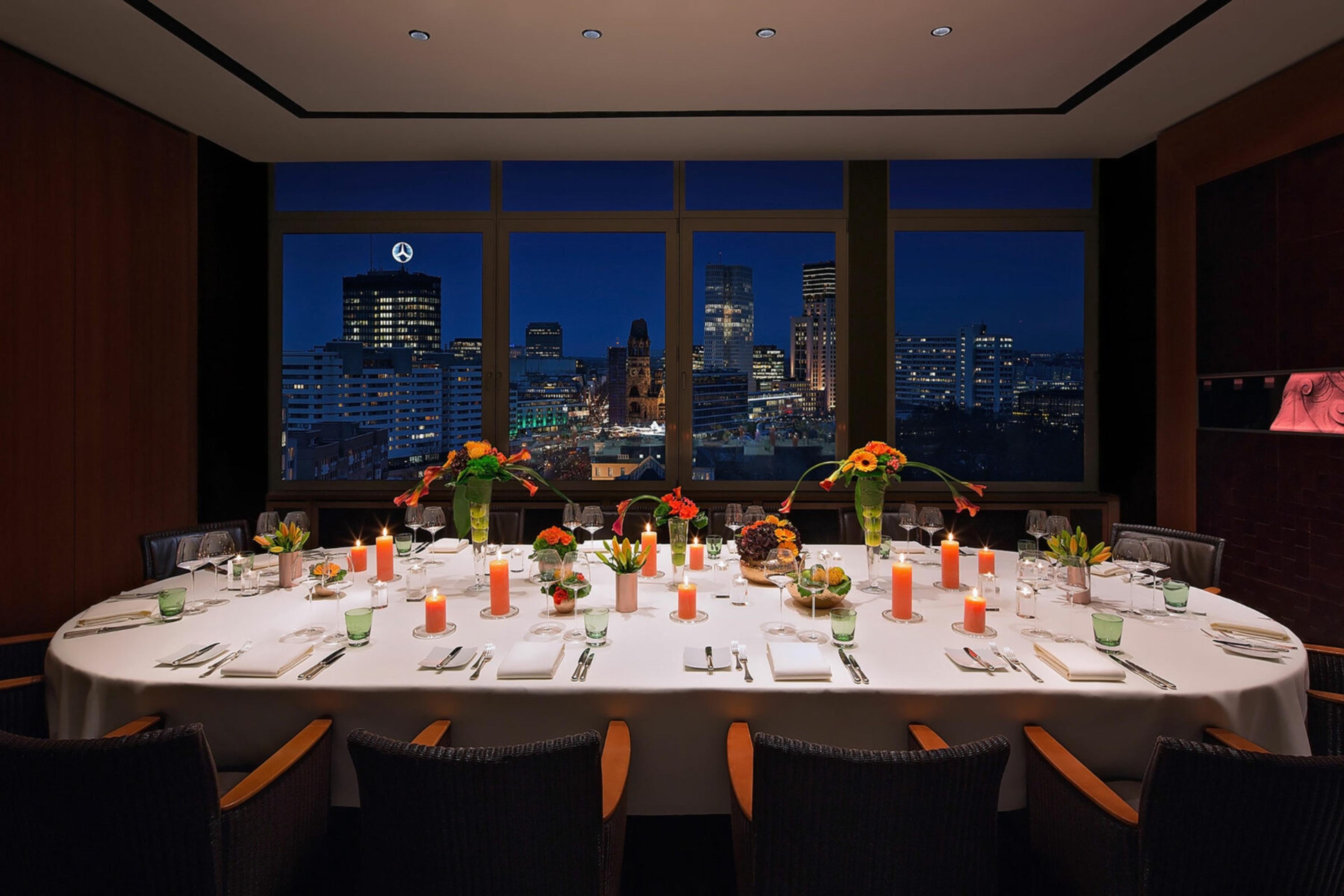
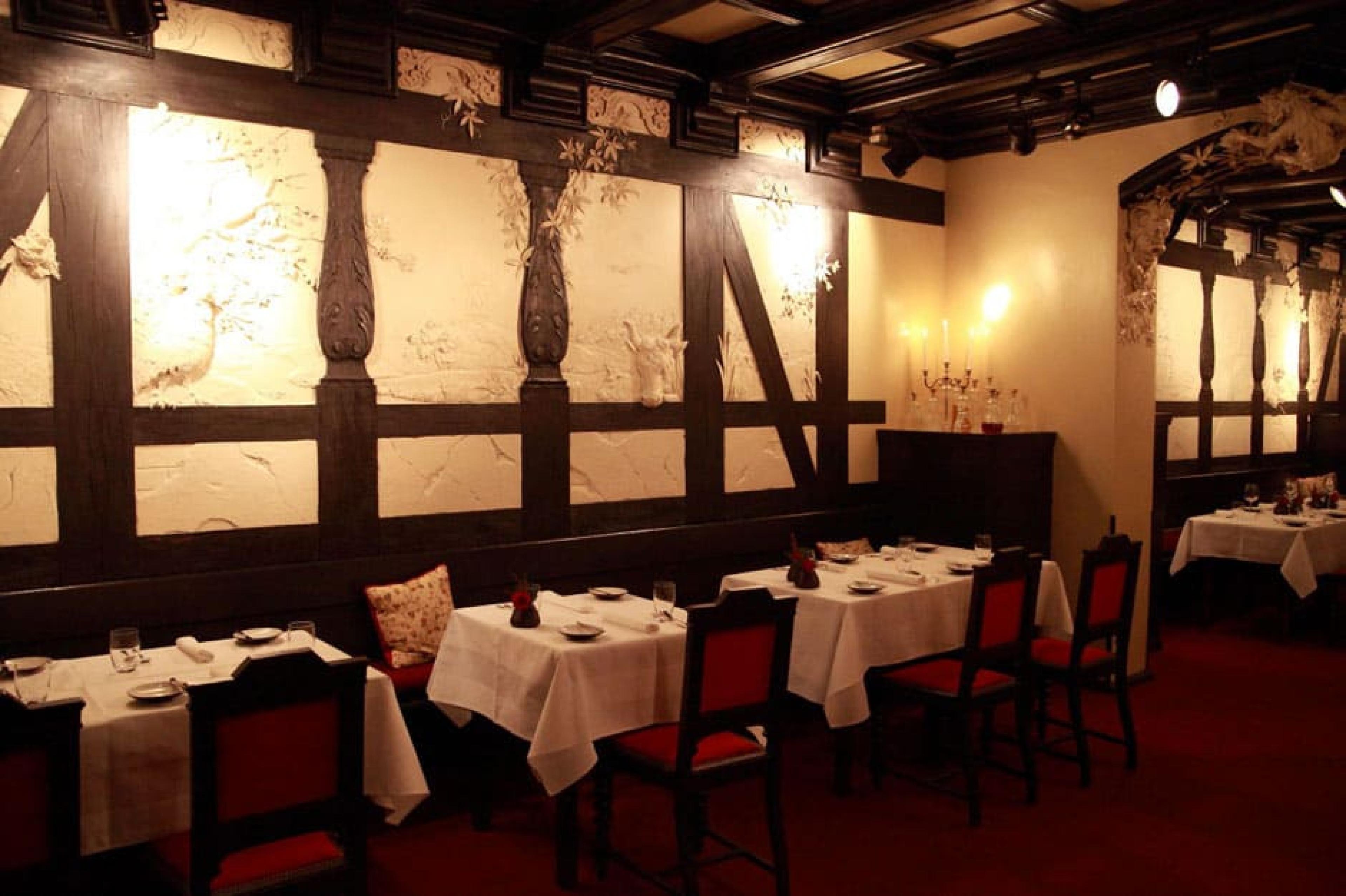
Bars in Berlin
Browse all →
Hotels in Berlin
Browse all →

At a Glance
- Modern
- Trendy
- Date Night
- Casual Hangout
- Open Kitchen
Current opening hours
- Monday
- 12–10:30 PM
- Tuesday
- 12–10:30 PM
- Wednesday
- 12–10:30 PM
- Thursday
- 12–10:30 PM
- Friday
- 12–10:30 PM
- Saturday
- 12–10:30 PM
- Sunday
- 12–10:30 PM
Hours can change for holidays and private events. Last verified .
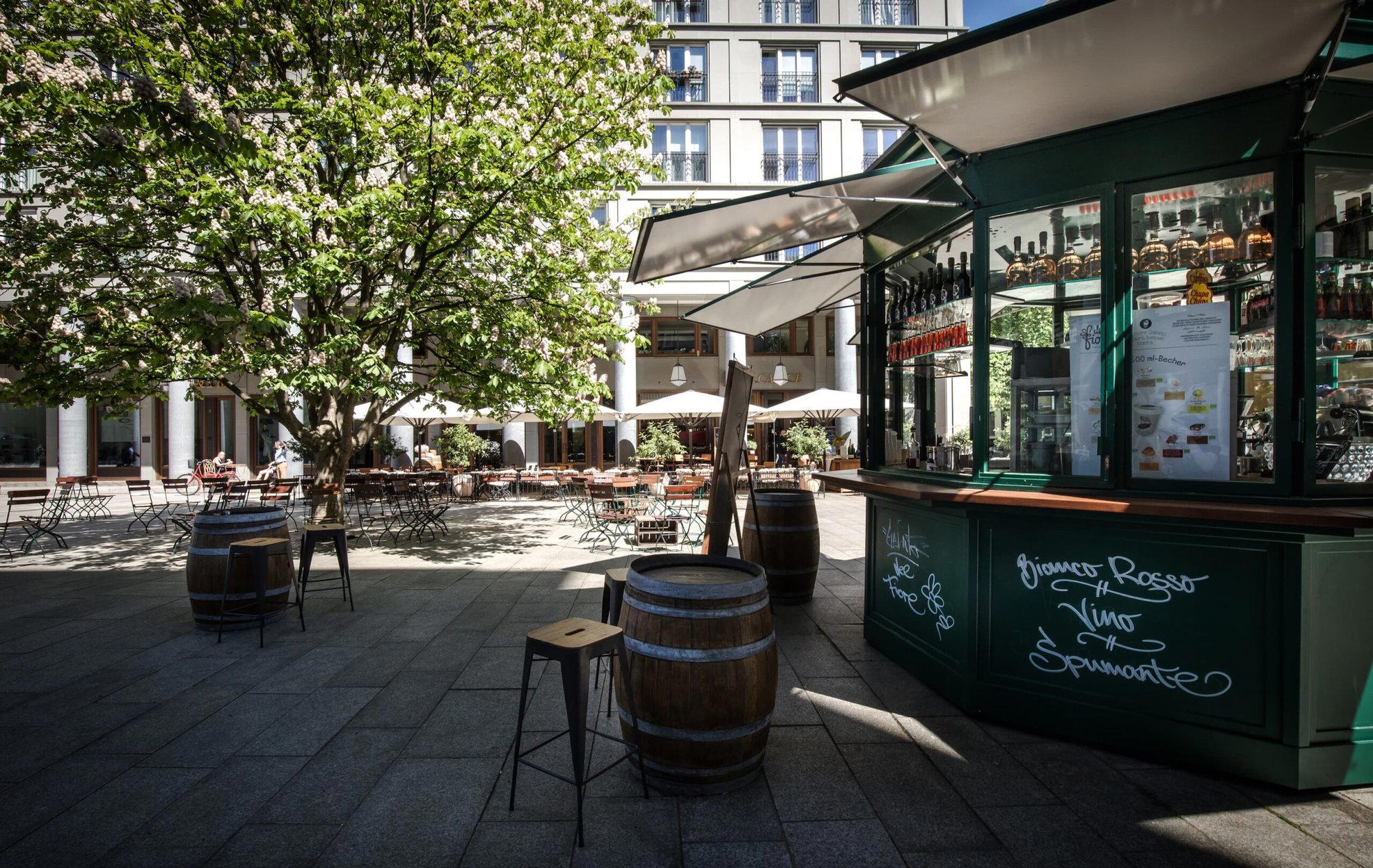
Light, modern, and trendy interior with chic ambiance and street tables.