On Kronenstraße in Berlin's Mitte district, LIU Nudelhaus brings Chinese noodle culture into a neighbourhood better known for government buildings and grand hotels. The format sits at a quiet remove from the city's Michelin-dense fine dining tier, offering a focused, noodle-centred menu in a setting that rewards repeat visits over occasion dining.
Pearl is the En Primeur Club membership app — saves, bookings, and concierge access live there. Same editors, same standards.
- Address
- Kronenstraße 72, 10117 Berlin, Germany
- Phone
- +491786684572
- Website
- liu.berlin
- Directions
- Get directions
 Saves & bookings on Pearl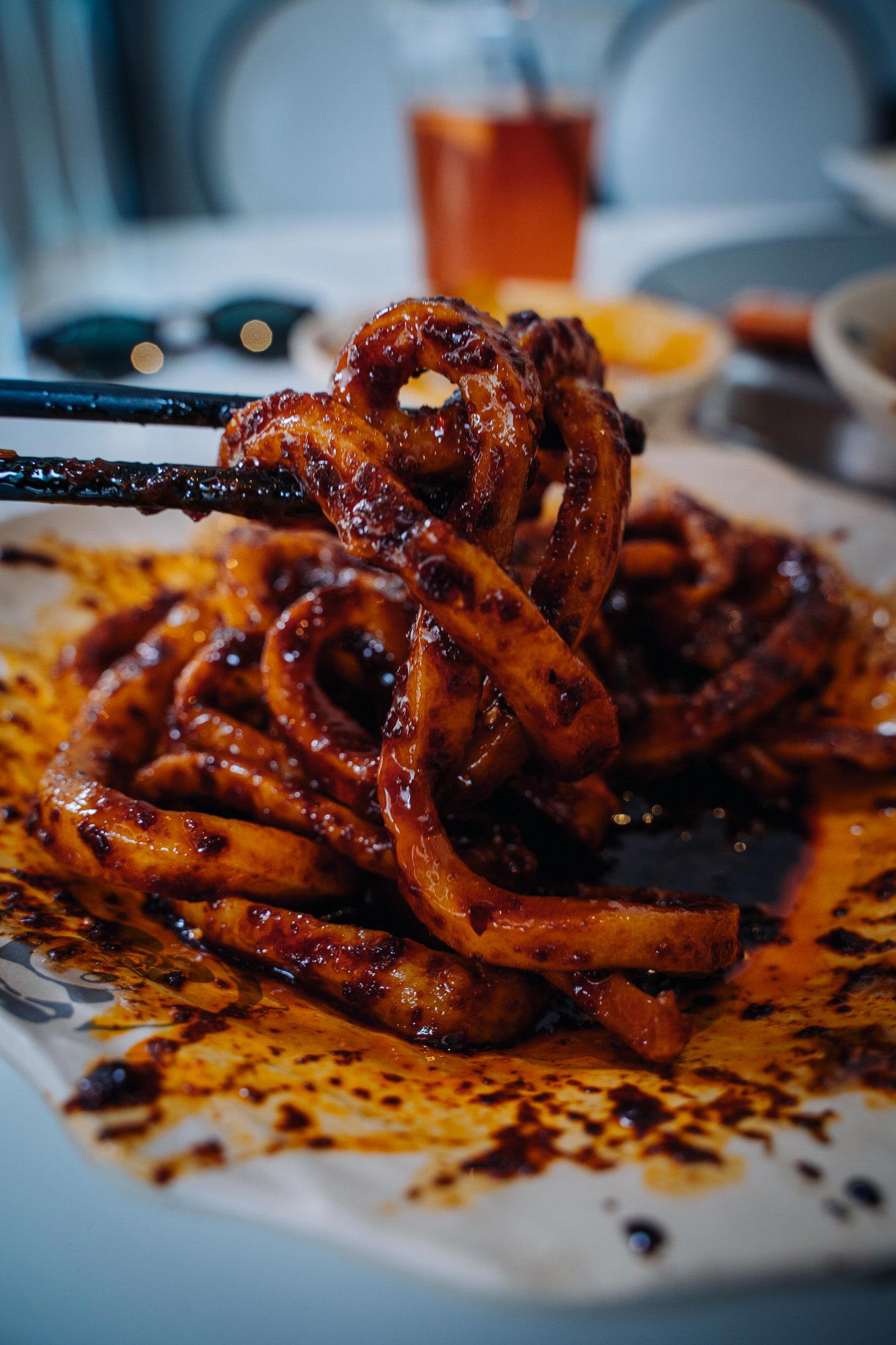
A Street in Mitte That Doesn't Perform
Kronenstraße 72 sits within a few minutes' walk of Gendarmenmarkt, one of Berlin's most architecturally formal squares, yet the street itself carries none of that ceremonial weight. The blocks between Friedrichstraße and Stadtmitte U-Bahn are occupied by a mix of mid-century office frontage, insurance company lobbies, and the occasional restaurant that seems to have arrived without announcement. LIU Nudelhaus is one of the latter. The exterior signals nothing about what Berlin's Chinese noodle scene has quietly been building in districts like this one: a practice of disciplined, region-specific cooking that sits well outside the broader city conversation about Rutz-style fermentation programs or the progressive German tasting menus at Nobelhart & Schmutzig.
Berlin's premium dining attention is heavily concentrated in the Michelin tier: venues like FACIL, CODA Dessert Dining, and Restaurant Tim Raue absorb most of the critical oxygen. What sits beneath that tier, in formats built around a single culinary tradition rather than a full tasting progression, tends to operate on word-of-mouth rather than editorial attention. LIU Nudelhaus belongs to that lower-profile, higher-repetition category, the kind of place that builds a regular audience rather than a reservation queue.
Noodle Culture in a City That Doesn't Own It
Chinese noodle cooking is one of the more demanding single-format disciplines to execute with consistency. Unlike a full-service Chinese restaurant with a broad menu that can distribute quality across dozens of dishes, a noodle-focused operation stakes everything on a narrower set of preparations: the broth, the pull, the temperature of the bowl at arrival. In cities with established Chinese communities, that accountability is set by local expectation. In Berlin, where the Chinese dining scene is thinner than in London, Paris, or Amsterdam, the standard is set more loosely, which makes it harder to assess where a given venue sits relative to what the format can actually produce.
Germany's more reliable reference points for Chinese cooking remain scattered: a handful of operators in Munich and Frankfurt carry better reputations for regional specificity than the Berlin average. Against that national backdrop, a venue on Kronenstraße that focuses on noodles rather than attempting a full pan-Chinese menu is at least making a clear editorial choice about what it wants to be. Focused formats in this category, when executed with the right sourcing and technique, consistently outperform generalist Chinese restaurants in comparable European cities. Whether LIU Nudelhaus achieves that is a matter for the bowl itself.
What the Format Implies About the Drinking Program
The editorial angle here matters: at a noodle house operating in the middle price range, the wine program is rarely the reason anyone walks through the door. And yet the drinks list at a venue like this says something about how seriously the operation takes the full experience. The gap between Chinese restaurants that serve wine as an afterthought and those that have given even modest thought to pairing is audible in the difference between a glass poured from whatever was opened yesterday and one selected with the soup's spice register in mind.
Across Germany's more serious dining tier, from Aqua in Wolfsburg to Waldhotel Sonnora in Dreis, sommeliers have spent years arguing that German Riesling, particularly Mosel and Nahe examples, is especially functional pairing architecture for Asian spice and umami profiles. That argument is well-established in the fine dining context; it translates less consistently to casual formats. At a noodle house, the more practical consideration is whether a short, well-chosen list beats a long, careless one. The former, even if it runs to ten references, signals that someone in the operation thought about what their food actually asks of a glass. Venues at this price point that carry a few Spätlese or off-dry Alsatian whites alongside a beer selection are doing the minimum correctly. Those with a genuine cellar perspective, however compact, are doing something rarer.
For the broader German fine dining context and what serious cellars look like in this country, it's worth reading against venues like Schanz in Piesport or JAN in Munich, where the sommelier program is as deliberate as the kitchen. LIU Nudelhaus operates in a different tier entirely, but the logic of thoughtful pairing doesn't change with the price point.
Where This Sits in Berlin's Dining Pattern
Berlin's restaurant culture sorts into broadly recognizable layers. The Michelin-starred and internationally profiled tier occupies its own reservation economy. Below that is a second layer of serious but less formally credentialed restaurants, often running tasting menus in the €80 to €120 range, where much of the city's most interesting cooking is currently happening. Below that again is the daily-use tier: neighbourhood places that earn their audience through consistency and value rather than ambition.
LIU Nudelhaus fits the third category, with the Mitte address giving it access to both a local lunch population and the tourist and business traffic that moves through the Friedrichstraße corridor. That address creates a particular pressure: high footfall areas in central Berlin tend to reward operational efficiency over culinary specificity, and restaurants in those corridors often drift toward generalism. A noodle-focused format, if maintained with discipline, resists that drift better than a broad menu does, because the format itself is the constraint.
Comparative context is useful here: among Berlin's Chinese operators, the venues that have held most consistent critical regard tend to be those with a clear regional or dish-specific identity rather than those attempting the full spectrum of Chinese regional cooking. That pattern mirrors what's happened in London and New York, where specialists in a single Chinese noodle tradition consistently draw more serious food attention than generalist operators with longer menus. For the New York comparison, Atomix and Le Bernardin represent the extreme upper end of format discipline in that city's dining culture; the principle of doing fewer things with greater depth applies across price tiers.
Visit Notes
Kronenstraße 72 is within a short walk of both Stadtmitte (U2, U6) and Französische Straße (U6), making it direct to reach from most parts of central Berlin. The Gendarmenmarkt area draws a significant volume of visitors, so midday on weekends will be busier than weekday lunch or early dinner. For the wider Berlin dining picture, nearby references include Restaurant Tim Raue for those planning a Chinese-influenced fine dining evening alongside a more casual noodle lunch.
| Venue | Format | Price Tier | Booking Lead Time |
|---|---|---|---|
| LIU Nudelhaus | Noodle house, casual | Not confirmed | Walk-in likely |
| Restaurant Tim Raue | Chinese-influenced fine dining | €€€€ | Several weeks |
| FACIL | Contemporary European tasting | €€€€ | Several weeks |
| CODA Dessert Dining | Dessert-led tasting menu | €€€€ | 4 to 6 weeks |
For those planning a longer Germany itinerary, the country's strongest fine dining outside Berlin includes Vendôme in Bergisch Gladbach, Victor's Fine Dining by Christian Bau in Perl, ES:SENZ in Grassau, Schwarzwaldstube in Baiersbronn, Bagatelle in Trier, and Restaurant Haerlin in Hamburg.
Awards and Standing
Comparable venues nearby, for context on price, style, and recognition.
| Venue | Cuisine | Price | Notes |
|---|---|---|---|
| LIU 成都味道面馆 NudelhausThis venue — the venue you are viewing | Authentic Sichuan Noodle House | $$ | Not listed |
| Da Jia Le | Authentic Northeastern Chinese (Dongbei) | $$ | Schoneberg |
| Peking Ente | Traditional Chinese | $$ | Mitte |
| Provocateur | French-Chinese Fusion | $$$ | Wilmersdorf |
| Wen Cheng | Hand-Pulled Chinese Noodles | $$ | Prenzlauer Berg |
| Lecker Song | Traditional Chinese Dumplings | $$ | Prenzlauer Berg |
At a Glance
- Lively
- Trendy
- Casual Hangout
- Open Kitchen
Current opening hours
- Monday
- 11:30 AM–3 PM
- Tuesday
- 11:30 AM–3 PM
- Wednesday
- 11:30 AM–3 PM, 5–7:30 PM
- Thursday
- 11:30 AM–3 PM, 5–7:30 PM
- Friday
- 11:30 AM–3 PM, 5–7:30 PM
- Saturday
- Closed
- Sunday
- Closed
Hours can change for holidays and private events. Last verified .
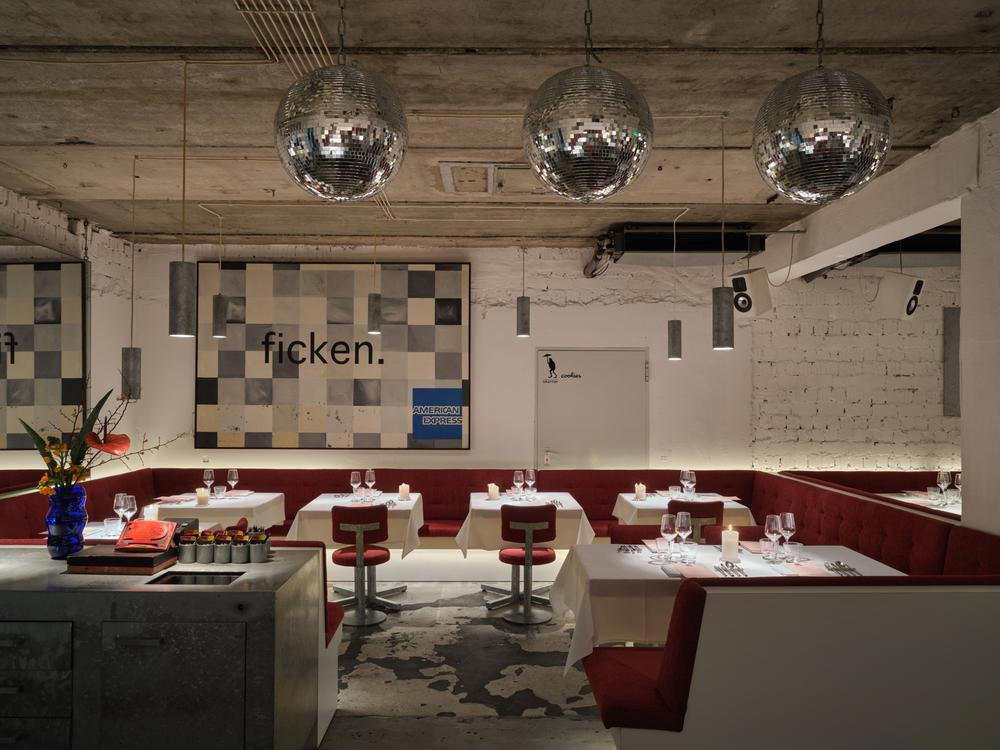
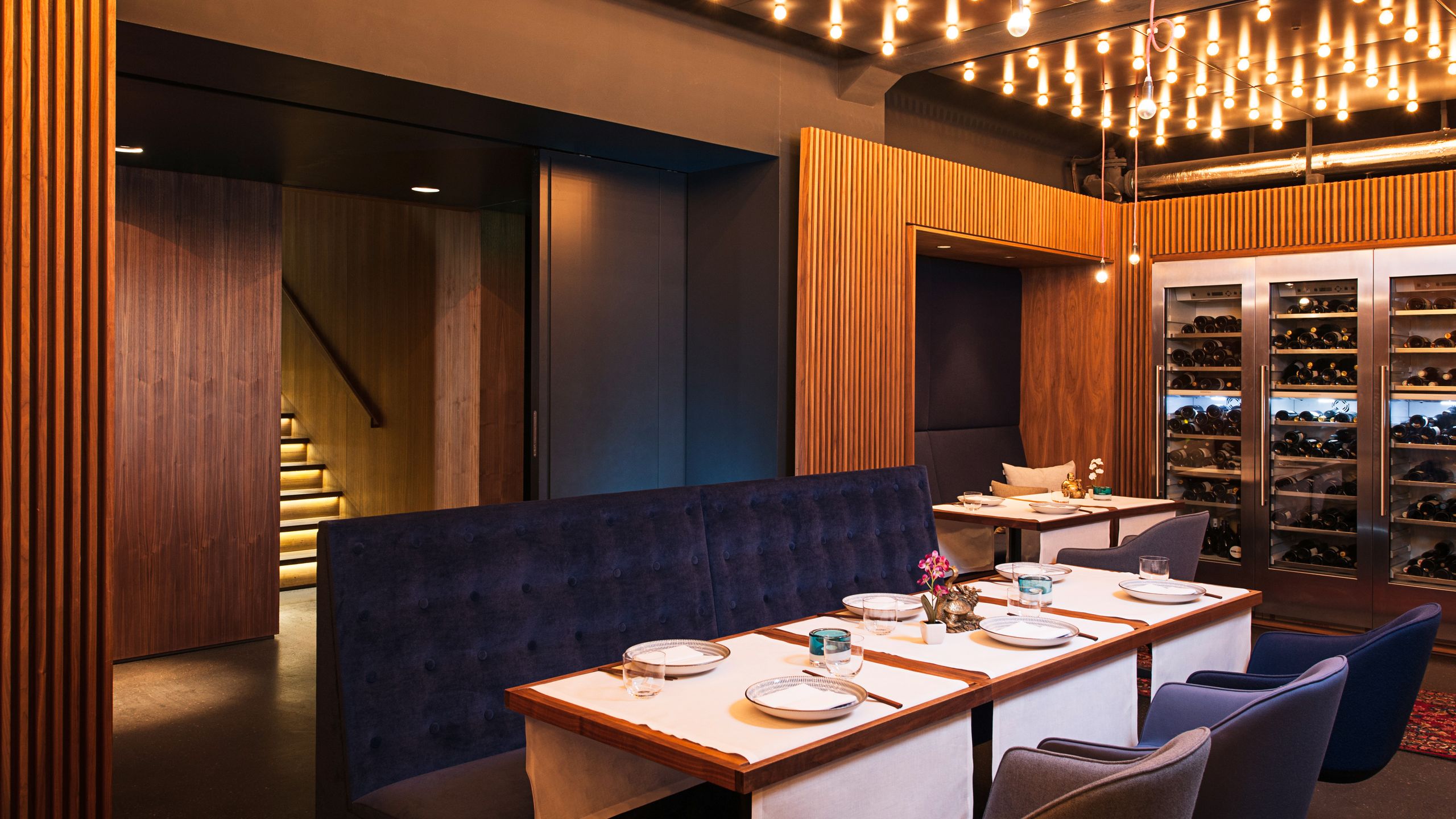
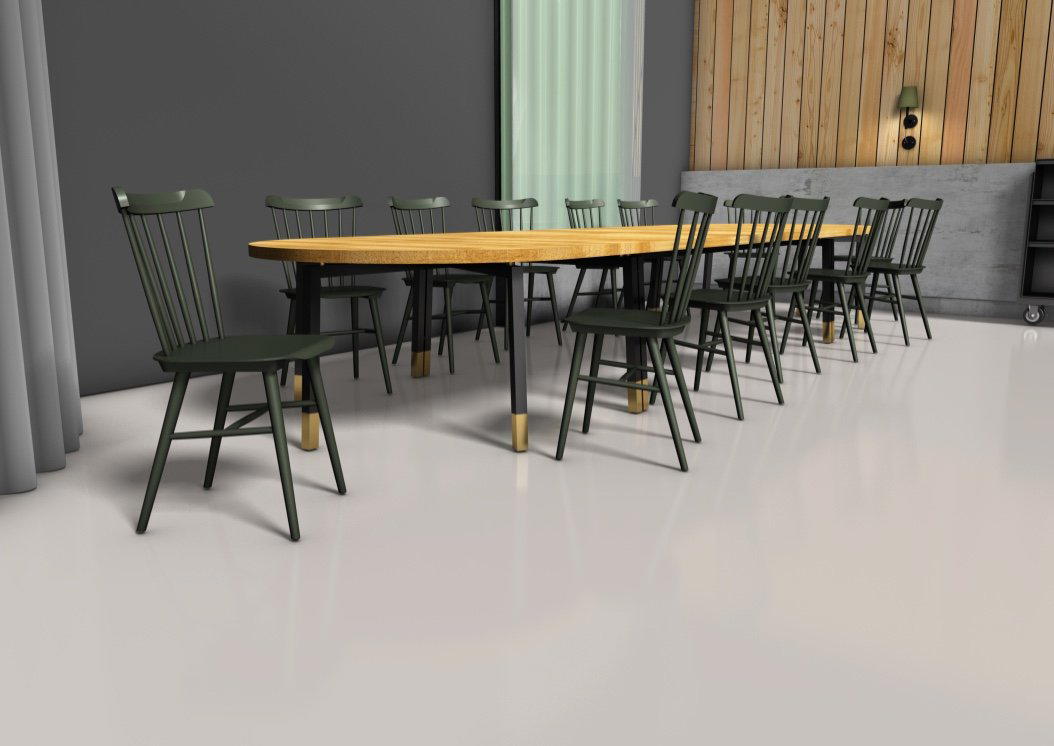
Bustling counter-service spot with a lively lunch rush atmosphere and shared tables when busy.