

Michelin Plate · Macarfi 7.5 Food Rating
Our verdict
A Michelin Plate recipient in 2024 and 2025, Lume sits in Santiago de Compostela's modest-priced modern cuisine tier, offering serious kitchen ambition at an entry-level price point. Located on Rúa das Ameas near the old city, it draws a loyal local crowd alongside pilgrims and visitors who have done their research.

Pearl is the En Primeur Club membership app, where members save venues, book tables and use the concierge.
The menu
What to order
- Six-Course Tasting Menu
- Local Percebes
- Rich Pork Dish
- Grilled Meats
Where Santiago's Modern Cuisine Works at Ground Level
Rúa das Ameas runs quietly through one of the old city's more residential edges, away from the souvenir-shop corridors that funnel pilgrims toward the cathedral. Approaching Lume, the stone-walled streetscape does what Santiago's historic centre always does: it sets a baseline of gravity that any interior has to either match or fight against. Restaurants in this city carry the weight of the Camino whether they want to or not. Pilgrims arriving after weeks on foot, locals eating within walking distance of home, and a small but growing contingent of food-focused visitors who have read ahead, all of them land on the same streets. What separates rooms like Lume from the tourist-facing menus nearby is the choice to work within a modern cuisine framework rather than default to the safe regional canon.
The Modern Cuisine Tier in a Galician Context
Galicia has a gravitational pull toward its own ingredients: octopus from the rías, Padrón peppers, Albariño, lacón. The region's best-known cooking is product-driven in a way that can make formal technique seem like an imposition. But a parallel conversation has been running for years, one that processes Galician materials through a more contemporary kitchen sensibility. Santiago sits at the centre of that conversation. At the higher end of the city's spectrum, A Tafona operates at the €€€€ tier with a contemporary programme that prices against destination dining expectations. A Horta d'Obradoiro works the regional cuisine angle. Fusion formats like A Maceta and A Viaxe occupy the €€ mid-range. Lume, priced at the single-euro tier, sits below all of them in cost while holding Michelin recognition, a position that tells you something about the kitchen's priorities and the local dining economy's appetite for accessible ambition.
That Michelin Plate recognition, awarded in both 2024 and 2025, is not a star. But it is the Guide's signal that the cooking meets a standard worth noting: food prepared to a good level. In a city where the pilgrim trade can sustain mediocre kitchens indefinitely, choosing to cook at a level that earns Michelin attention while holding a single-euro price point is a deliberate positioning decision.
Reading the Wine Program in Galician Terms
For a restaurant operating at the lower end of the price spectrum, the wine question becomes pointed quickly. Galicia produces some of Spain's most distinctive white wines: Albariño in the Rías Baixas DO is the international calling card, but Ribeiro, Ribeira Sacra, and Valdeorras each carry their own register, from the oxidative depth of Godello to the fragrant, mineral-driven whites made from Treixadura and Loureira. A modern cuisine format in Santiago has natural access to all of them. The proximity to these appellations is not merely geographic convenience, it is the kind of sourcing context that gives a wine list editorial coherence without requiring a large cellar or an expensive sommelier programme.
What matters in a room like this is less the depth of vertical vintages and more whether the by-the-glass selections do justice to what the region actually produces. Galicia's red wines, particularly from Ribeira Sacra's steep schist terraces, remain underappreciated outside the region and represent genuine value relative to their quality. A modern cuisine kitchen with any instinct for local pairing will put those reds alongside its heavier preparations. Restaurants holding Plate recognition at single-euro pricing tend to channel their energy into the things that count at the table rather than the things that inflate a bill.
Spain's national conversation about wine and modern cooking is worth placing here for context. The restaurants at the apex of Spanish contemporary cuisine, El Celler de Can Roca in Girona, Arzak in San Sebastián, Azurmendi in Larrabetzu, Quique Dacosta in Dénia, Aponiente in El Puerto de Santa María, and DiverXO in Madrid, have all, in their different ways, built wine programs that treat the glass as part of the creative argument rather than a revenue mechanism. That sensibility trickles down. Kitchens that take the cooking seriously tend to think about what arrives alongside it. Lume's price point means that sensibility, if present, expresses itself in selection discipline and regional specificity rather than cellar scale. Further afield, modern cuisine formats at different scales, Frantzén in Stockholm and FZN by Björn Frantzén in Dubai, demonstrate how the same modern cuisine category reads across radically different price registers and geographies.
Who Eats Here and When
At the single-euro price tier with Michelin recognition, Lume occupies a slot that serves multiple audiences without being designed around any single one. The food-focused visitor who has read Michelin's Galicia listings will find it on the same short list as the region's starred rooms, but at a fraction of the cost. Pilgrim arrivals who have done research rather than simply following the nearest menu board will find it a step above the cathedral-adjacent options. Abastos 2.0's Barra operates in the same single-euro tier with a farm-to-table tapas format, giving the visitor a clear comparison point: both rooms work at accessible prices with serious sourcing intent, but through different formats.
The practical shape of a visit to Lume is direct in the ways that matter. The address, Rúa das Ameas, 2, sits within the old city and is walkable from the cathedral and the main pilgrimage arrival points. Hours and booking method are similarly unconfirmed; for a room this size operating at this price point, arriving with some flexibility about timing is advisable, particularly during the high-pilgrimage months of June through August and the feast of Santiago on July 25th, when the city absorbs visitor volumes that stress every table in the old quarter.
For a fuller picture of where Lume sits within the city's eating and drinking options, the EP Club Santiago de Compostela restaurants guide covers the range from modern cuisine to regional formats. The hotels guide, bars guide, wineries guide, and experiences guide map the rest of the city's premium offer for visitors building a longer stay around more than the cathedral.
What Regulars Order at Lume
What the Michelin Plate recognition across two consecutive years, 2024 and 2025, confirms is that the kitchen produces food at a consistent standard. At single-euro pricing with that kind of recognition, the reasonable expectation is cooking that takes Galician materials seriously and applies modern technique without losing the directness that makes the region's food legible. That combination, regional product, technical discipline, accessible pricing, is precisely what the modern cuisine tier at this level in Santiago represents, and why rooms like this matter to the city's dining identity beyond the starred addresses that draw the most attention.
Cuisine and Awards Snapshot
| Venue | Cuisine | Price | Awards | Notes |
|---|---|---|---|---|
| LumeThis venue (the venue you are viewing) | Contemporary Galician Tasting Menu | $50–100 | Michelin Plate · Macarfi 7.5 Food Rating | Not listed |
| Abastos 2.0 - Mesas | Modern Galician Market Cuisine | $50–100 | Michelin Bib Gourmand | Farm to Table-Tapas, Galician |
| Casa Marcelo | Modern Galician-Japanese Fusion Tasting Menu | $100–150 | 1 Michelin Star · Macarfi 8.8 Food Rating | Asian Small Plates, Fusion |
| A Tafona | Modern Galician Fine Dining | $50–100 | 1 Michelin Star · Guía Repsol 3 Soles | Contemporary |
| A Maceta | Galician Fusion with Asian Touches | $30–50 | Michelin Plate · Macarfi 7.8 Food Rating | Fusion |
| Abastos 2.0 - Barra | Modern Galician Seafood Tapas | $30–50 | Michelin Plate · Macarfi 8 Food Rating | Farm to Table-Tapas |
Recognition history
Dated appearances from independent guides and award organizations, with the underlying list record or original source where available.
Michelin Plate
Michelin
Macarfi 7.5 Food Rating
Macarfi
Full recognition history (3 entries)
Michelin Plate
Michelin
Continue exploring
More in Santiago de Compostela
Restaurants in Santiago de Compostela
All restaurants in Santiago de Compostela →
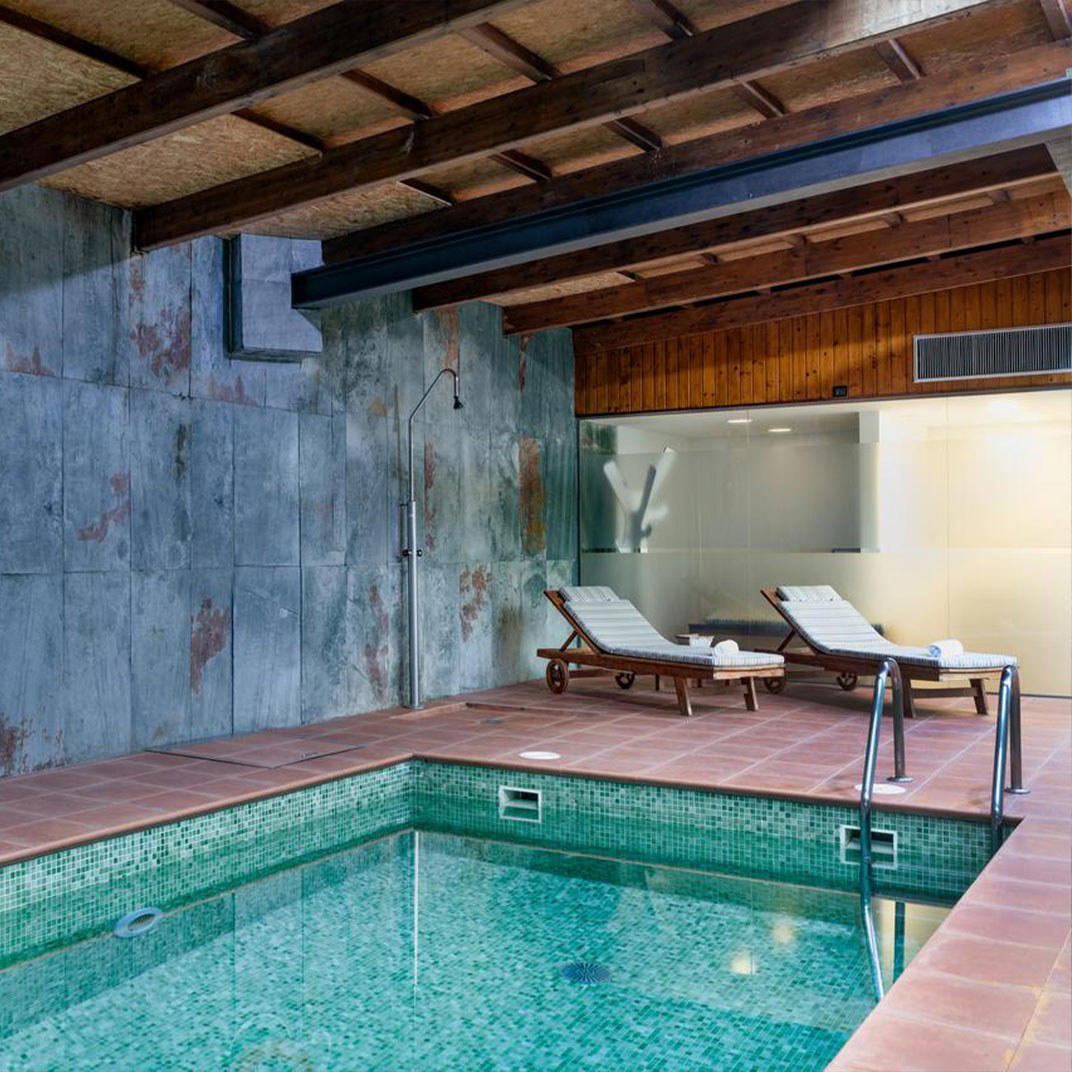
Hotels in Santiago de Compostela
All hotels in Santiago de Compostela →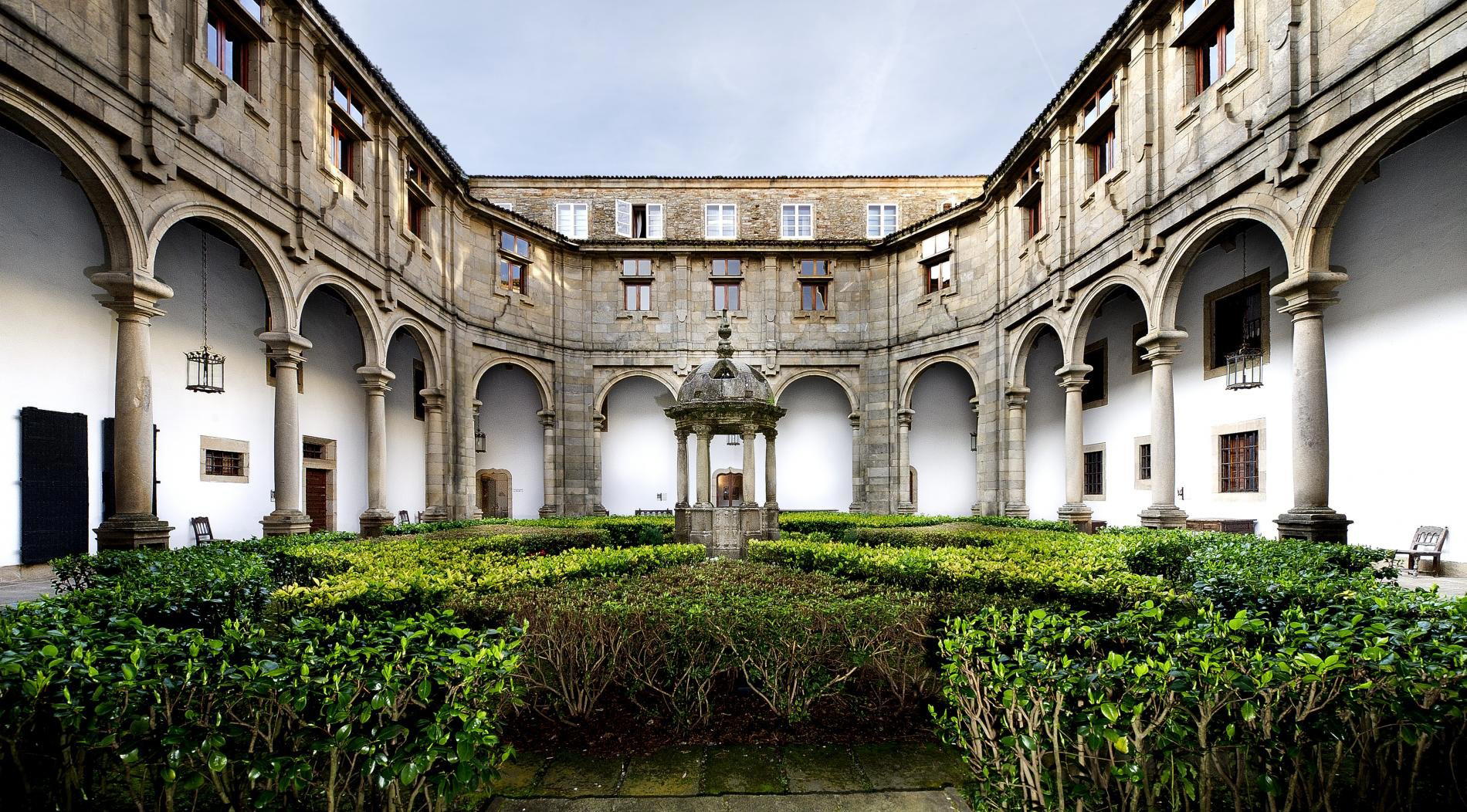

Details
- Elegant
- Modern
- Intimate
- Sophisticated
- Date Night
- Special Occasion
- Solo
- Open Kitchen
- Design Destination
- Standalone
- Craft Cocktails
- Zero Proof
- Farm To Table
- Local Sourcing
- Tasting Menu
- Small Plates
- Local Wines
- Craft Cocktails
- Nonalcoholic Infusions
- Vegetarian Friendly
- Allergy Accommodating
Current opening hours
- Monday
- 1–3:30 PM, 8–10:30 PM
- Tuesday
- Closed
- Wednesday
- Closed
- Thursday
- 1–3:30 PM, 8–10:30 PM
- Friday
- 1–3:30 PM, 8–10:30 PM
- Saturday
- 1–3:30 PM, 8–10:30 PM
- Sunday
- 1–3:30 PM, 8–10:30 PM
Hours can change for holidays and private events. Hours as of .
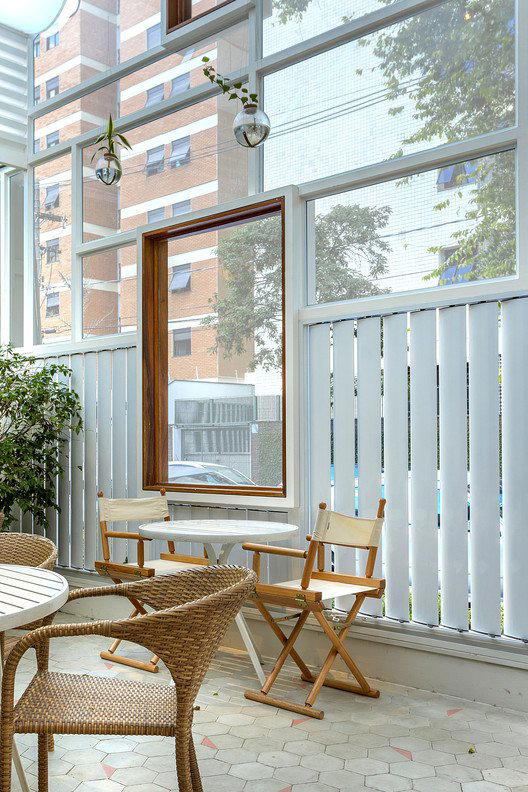
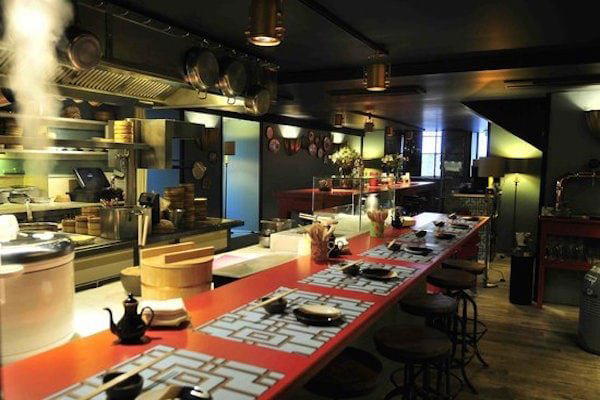
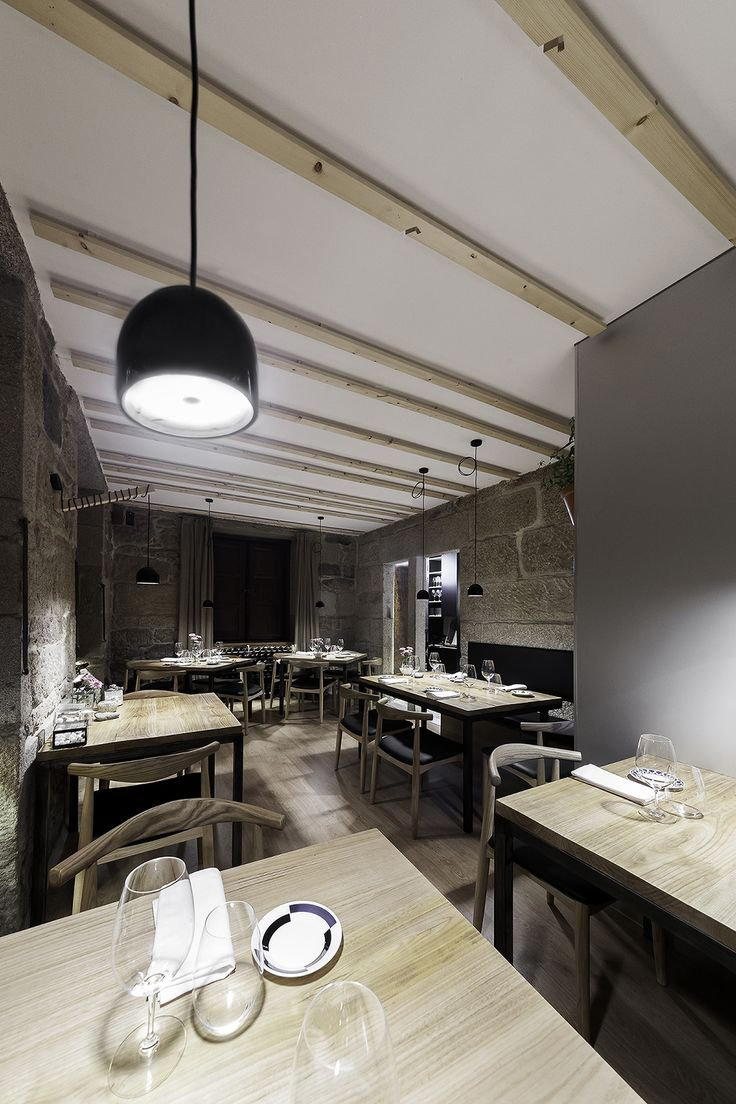
Contemporary and intimate with warm woods and soft lighting, creating an inviting space where each meal feels special.