
Falstaff Winery - 3 Stars
Pazo de Señorans sits in the Rías Baixas heartland of Galicia, where Atlantic winds and granite soils define one of Spain's most distinctive white wine traditions. A visit demands advance planning but rewards serious wine travellers with direct access to the source.

Pearl is the En Primeur Club membership app — saves, bookings, and concierge access live there. Same editors, same standards.
- Address
- Lg, Rua Vilanoviña, 36616 Paradela, Pontevedra
- Phone
- +34 986 71 53 73
- Website
- pazodesenorans.com
- Directions
- Get directions
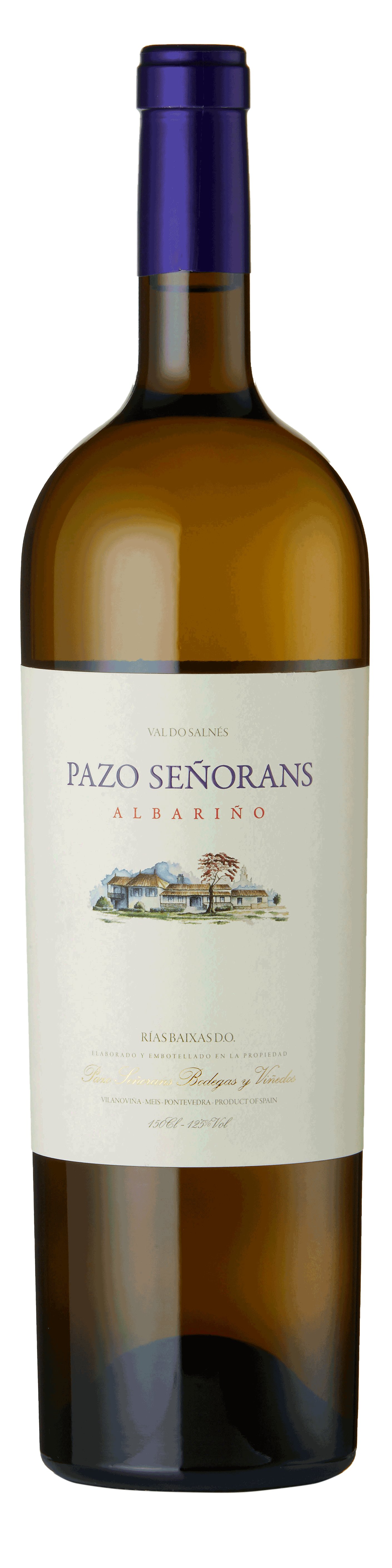
Atlantic Granite: The Terroir That Defines Rías Baixas
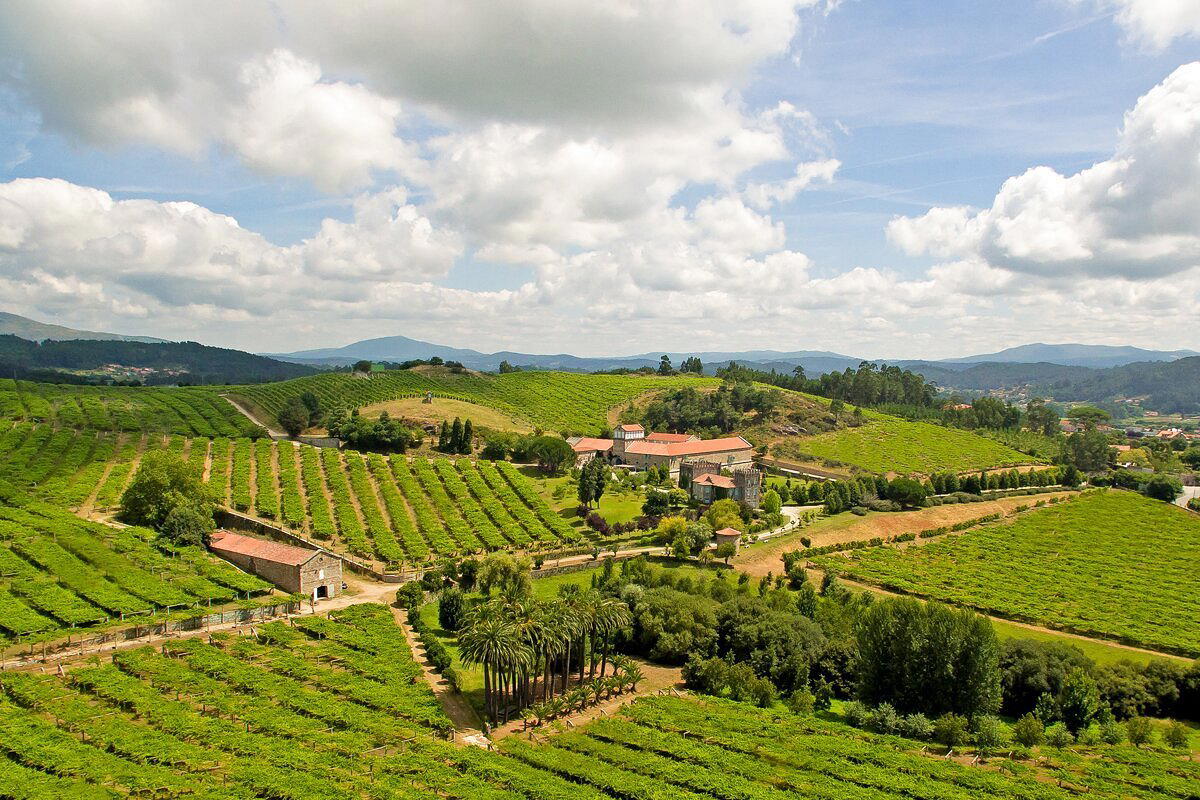
There is a particular quality to the light in Galicia's Salnés Valley that photographers and winemakers describe in almost identical terms: diffuse, cool, never harsh. The Atlantic sits close enough to push moisture through the vine rows all growing season, and the granite subsoil underneath holds none of the warmth that clay or limestone might offer. What emerges from this combination is not a wine of richness or weight but of tension — the signature characteristic that separates serious Rías Baixas Albariño from the simpler, fruitier expressions that flooded export markets in the 1990s. Our full Meis restaurants guide covers the broader range of the area, but in wine terms, Meis and the surrounding parishes of Pontevedra represent Galicia's most argued-over terroir.
Pazo de Señorans sits within this argument at the serious end. In a region still fighting for international positioning against the better-known Denominaciones of Rioja or Ribera del Duero, that distinction matters. Producers like CVNE (Cune) in Haro and Marqués de Cáceres in Cenicero built their reputations across decades of systematic work; Pazo de Señorans belongs to the same tradition of patient, place-rooted production.
The Estate as Physical Argument
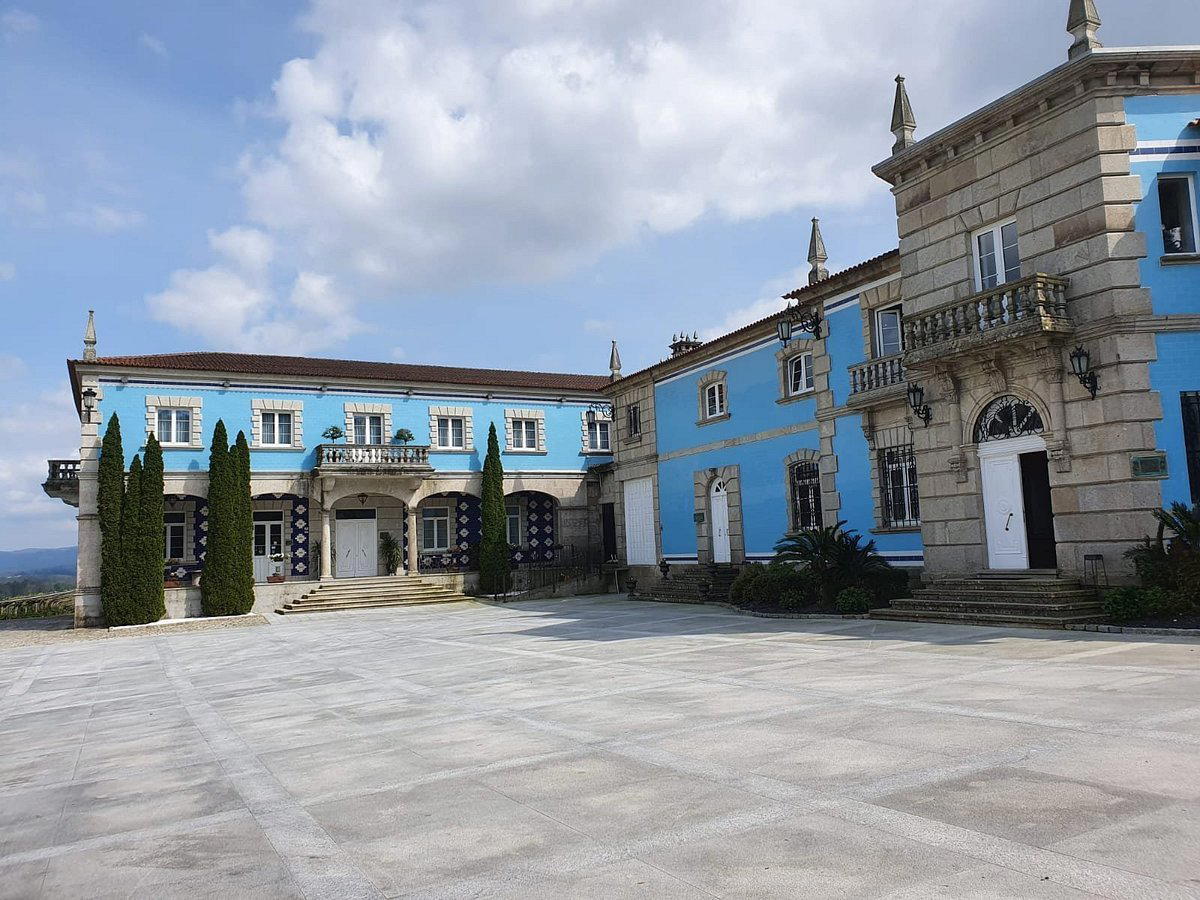
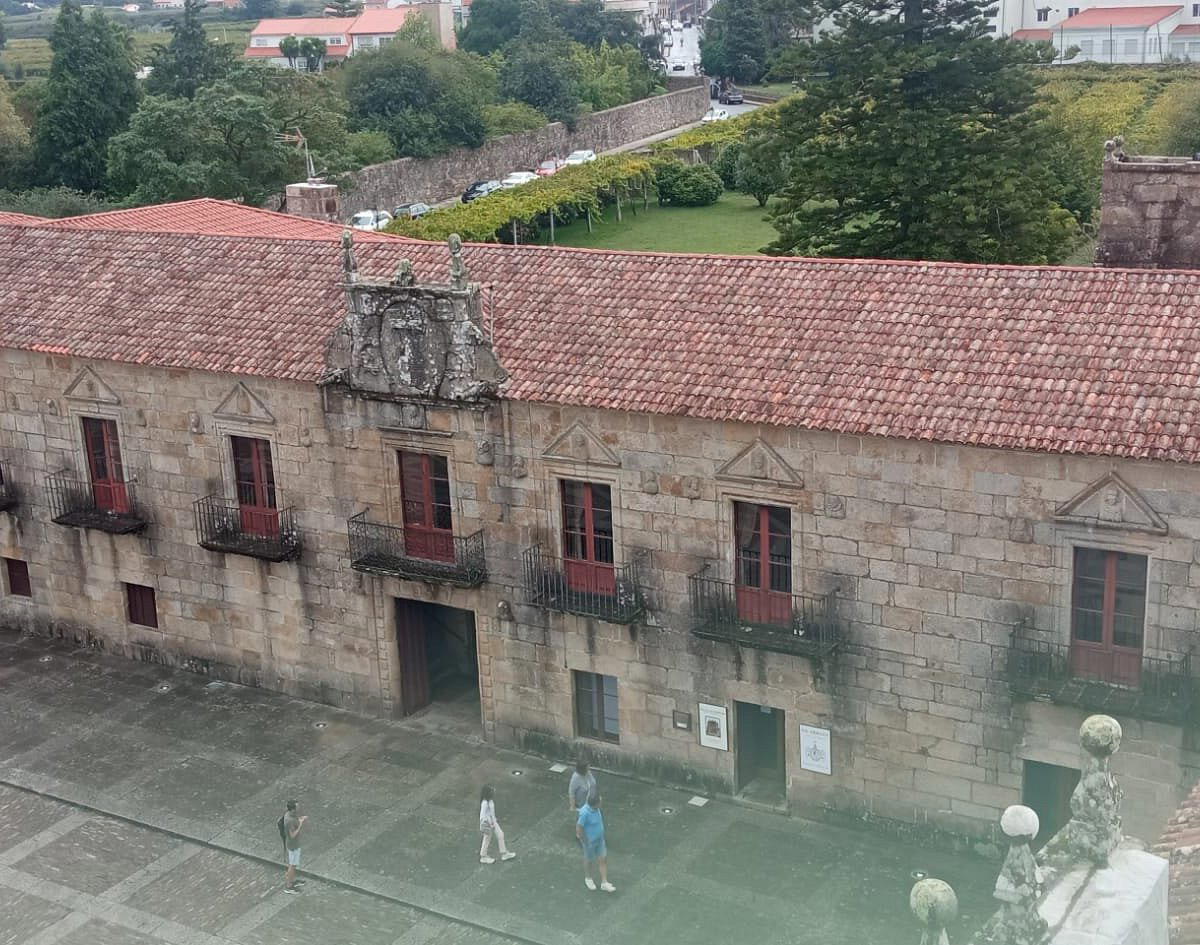
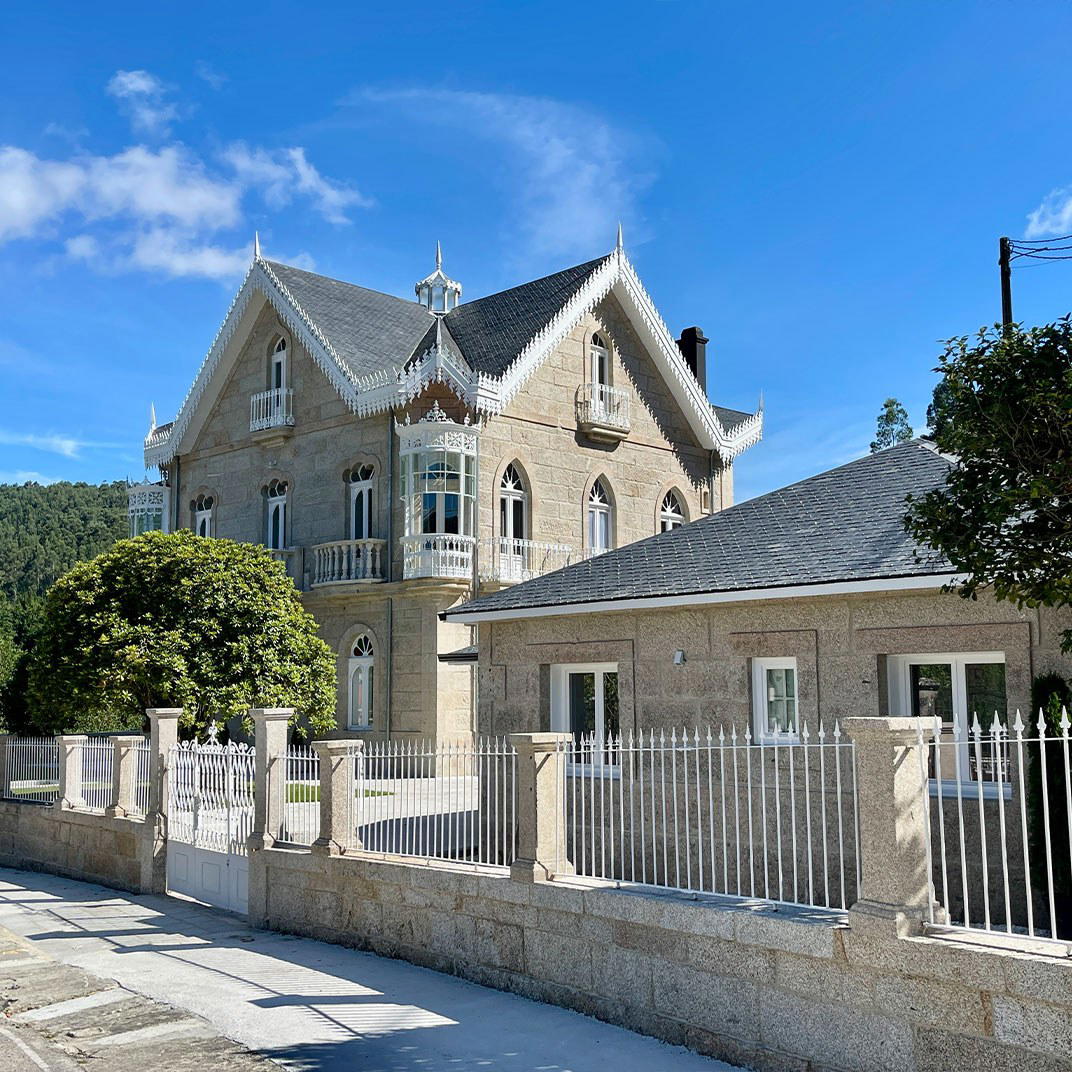
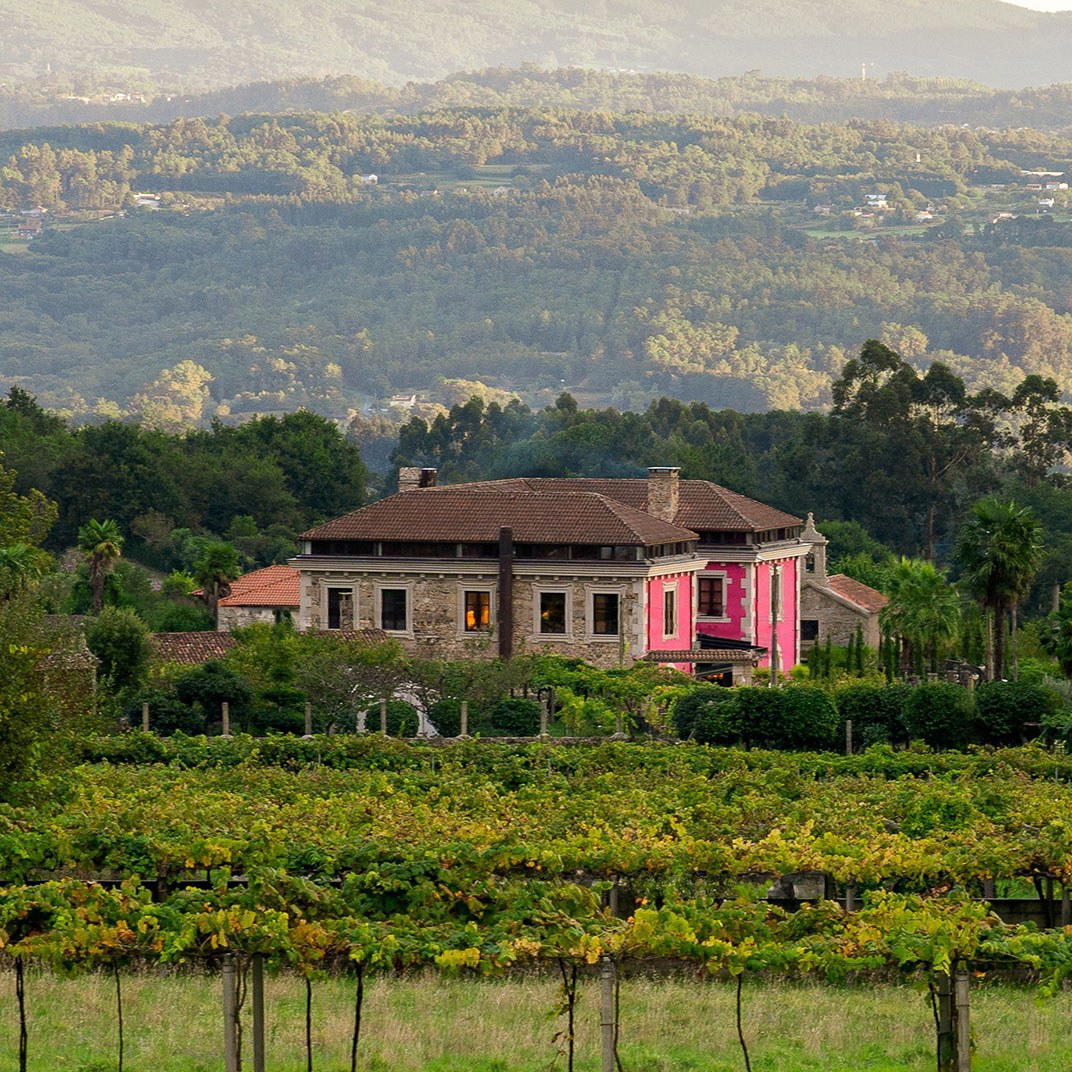
The address — Lg, Rua Vilanoviña, in the parish of Paradela, Pontevedra, tells you something useful before you arrive. This is not a winery designed for visitors in the way that certain Rioja houses have become architectural destinations. The pazo itself, a term denoting a traditional Galician manor house, is a working estate where the building and the vineyard share the same argument: that this specific piece of ground, with its particular exposure and its particular granite, produces wine that cannot be replicated two valleys over. The physical environment reinforces that claim. Stone walls, covered hórreos for grain storage, and vine pergolas trained in the Galician overhead trellis system (known locally as emparrado) frame the approach in a way that connects the wine immediately to centuries of agricultural practice rather than to any contemporary cellar-design aesthetic.
For comparison, consider how different that positioning is from the grand cave systems of Codorníu in Sant Sadurní d'Anoia or the purpose-built visitor architecture of Bodegas Ysios in Laguardia. Those estates have made infrastructure a deliberate part of their identity. Pazo de Señorans argues from the land and the building it already has.
Albariño as a Terroir Statement
Albariño is among the few Iberian varieties that has developed a credible argument for site-specificity within a single Denominación. In Rías Baixas, the five sub-zones produce noticeably different expressions of the grape, with Salnés, where Pazo de Señorans operates, considered the most Atlantic-influenced and therefore the most structured of them. The high rainfall (often above 1,500mm annually), the moderate temperatures moderated further by ocean proximity, and the thin, well-drained granite soils combine to produce wines with refined natural acidity and an aromatic profile driven by stone fruit, saline mineral notes, and white blossom. These are not wines built for cellaring in the conventional sense, though the leading producers in the sub-zone have demonstrated that serious Salnés Albariño from a strong vintage can develop meaningfully over five to eight years.
That argument for longevity separates estates like Pazo de Señorans from the broader category of fresh, drink-immediately Albariño that dominates retail shelves. It is the same type of distinction that divides allocation-level Burgundian producers from their more commercial counterparts, or that separates the restrained, terroir-driven wines of Clos Mogador in Gratallops from mainstream Priorat production. The category stakes a premium identity claim through provenance and structure rather than through volume or accessibility.
Positioning Within Spain's Premium Wine Tier
Spain's premium wine geography remains heavily weighted toward Rioja and Ribera del Duero. Producers like Bodegas Protos in Peñafiel, Emilio Moro in Pesquera de Duero, and Arzuaga Navarro in Quintanilla de Onésimo carry the weight of established DO recognition and an international collector base built on Tempranillo. Sherry producers like Lustau in Jerez de la Frontera occupy a niche of their own, appreciated by specialists but rarely at the top of general premium lists. Galicia operates in a different register again: its whites have moved from regional curiosity to serious export category in the past two decades, but the route to international recognition for individual estates remains harder than it is for producers working within Spain's more established appellations.
It places the estate in a recognizable premium tier that travel and wine buyers can use as a reference point, alongside producers such as Abadía Retuerta in Sardón de Duero and Marqués de Griñón (Dominio de Valdepusa) in Malpica de Tajo, both of which have built premium identities outside Rioja's gravitational pull. The comparison is instructive: these are estates that made a deliberate argument from terroir specificity rather than from DO marketing budgets.
Planning a Visit
Meis sits in the province of Pontevedra, in the south of Galicia, roughly an hour from Vigo and accessible from Santiago de Compostela in under ninety minutes by road. The Salnés Valley is leading visited between late spring and early autumn; July and August bring the most stable weather, though the Atlantic can interrupt at any point in the calendar. Harvest typically falls in September, which represents the most active period in the cellar and, for visitors serious about viticulture, the most instructive time to be in the region.
Those building a wider Spanish wine itinerary might pair a Galician leg with visits to Bodegas Vivanco in Valle de Mena, which operates one of Spain's more developed wine tourism facilities, or with Rioja producers where visitor infrastructure is more established. But Pazo de Señorans rewards the traveller willing to arrive on its own terms: a granite estate on the Atlantic edge of the Iberian Peninsula, making the case that Galicia's white wine tradition belongs in the same conversation as any of the continent's serious cool-climate regions. That case, in 2025, is well advanced.
Comparable Venues
Comparable venues nearby, for context on price, style, and recognition.
| Venue | Cuisine | Price | Awards | Notes |
|---|---|---|---|---|
| Pazo de SeñoransThis venue — the venue you are viewing | Albariño | $20–30 | Falstaff Winery - 3 Stars | Not listed |
| Terras Gauda | Albariño, Caíño Blanco | $20–30 | Not listed | O Rosal |
| Bodegas Martín Códax | Albariño, Mencía | $20–30 | Falstaff Winery - 2 Stars | Cambados |
| Fernet Capri Distillery | Winery | Not listed | Not listed | Córdoba |
| Brook Brothers Distillery | Winery | Not listed | Not listed | Córdoba |
| CVNE (Cune) | Tempranillo, Viura | Not listed | Not listed | Barrio de la Estación |
Recognition history
Dated appearances from independent guides and award organizations, with the underlying list record or original source where available.
Falstaff Winery - 3 Stars
Falstaff
Continue exploring
More in Meis
Wineries in Meis
Browse all →
Bars in Meis
Browse all →
Restaurants in Meis
Browse all →

Details
- Elegant
- Classic
- Rustic
- Scenic
- Historic
- Wine Education
- Special Occasion
- Group Outing
- Vineyard Tour
- Historic Building
- Estate Grounds
- Sustainable
- Vineyard
- Albariño
- Still White
- Guided Tasting
- Spanish
- English
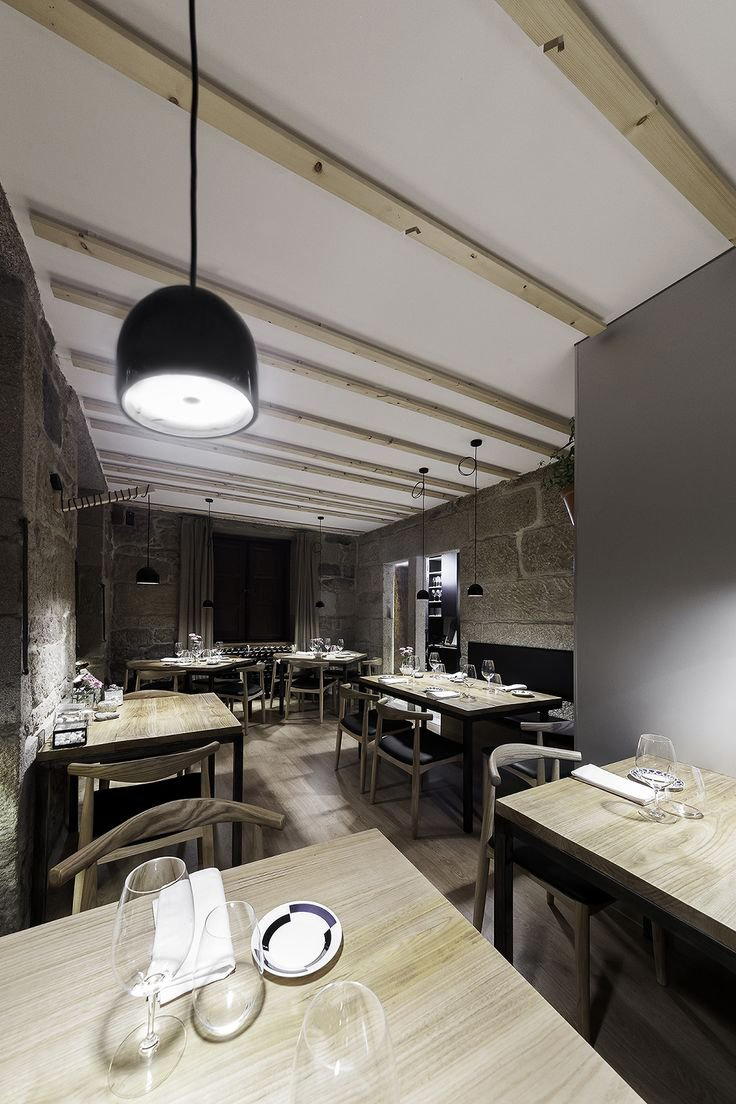
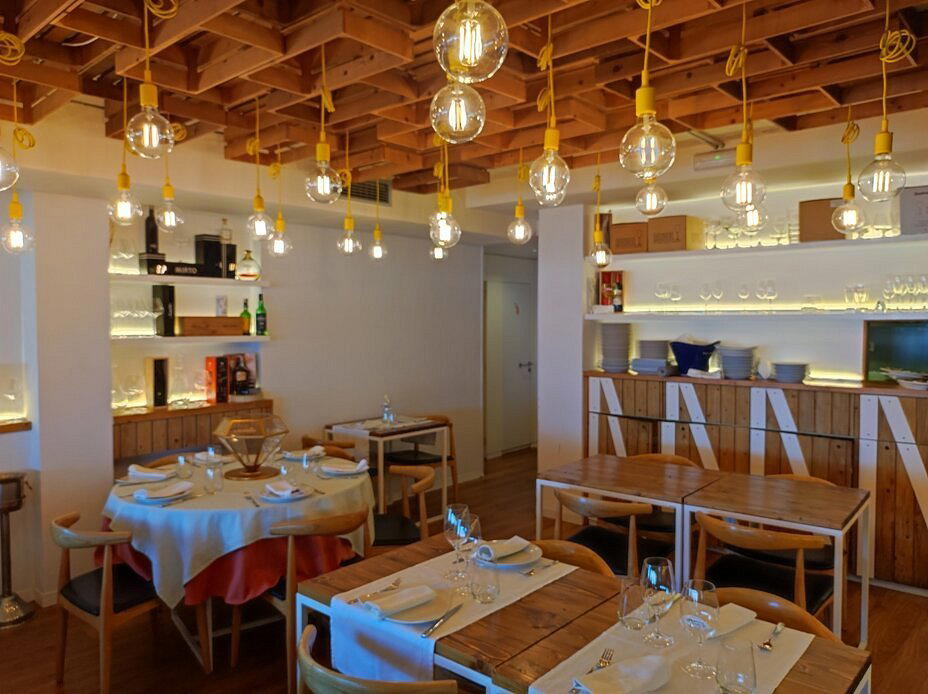
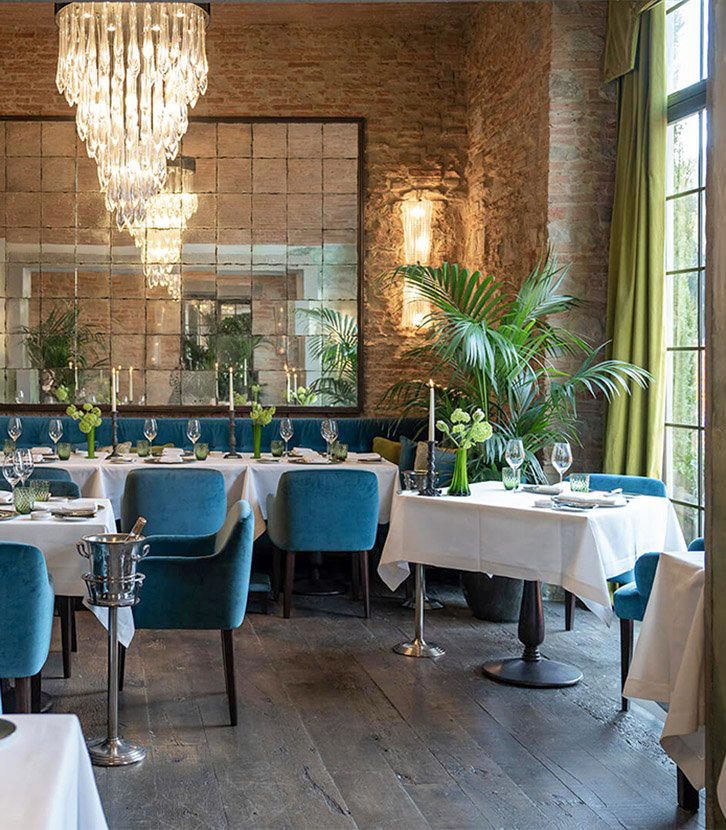
Elegant historic manor atmosphere blending old-world charm with sophisticated winery spaces, praised for its beauty and welcoming hospitality.