A Horta d'Obradoiro


Michelin Bib Gourmand · Macarfi 7.8 Food Rating
Our verdict
A Michelin Bib Gourmand-recognised address on Rúa das Hortas, A Horta d'Obradoiro occupies a 1690 townhouse once home to cathedral musicians and today serves carefully prepared seasonal Galician cuisine at mid-range prices. The on-site vegetable garden informs the kitchen's sourcing in a city centre where growing space is scarce, placing this restaurant in a different register from Santiago's flashier dining options.

Pearl is the En Primeur Club membership app — saves, bookings, and concierge access live there. Same editors, same standards.
- Address
- Rúa das Hortas, 16, 15705 Santiago de Compostela, A Coruña, Spain
- Phone
- +34 881 03 13 75
- Hours
- Daily Closed
- Website
- ahortadoobradoiro.com
- Directions
- Get directions
- Booking
- Book on CoverManager
The menu
What to order
- Pig ears
- Veal cheeks
- Monkfish with minted peas
A Kitchen Rooted in What the Garden Produces
Santiago de Compostela's mid-range dining tier has quietly become one of the more interesting conversations in Galician food. At the lower end of the city's price spectrum, the Abastos 2.0 - Barra format operates on market-fresh tapas at around €. At the leading, A Tafona holds a Michelin star and prices to match at €€€€. Between those poles, the €€ bracket has produced some of the city's more considered cooking, and A Horta d'Obradoiro, on Rúa das Hortas 16, occupies a particular position within it: a restaurant whose sourcing logic starts not at a market stall or a supplier invoice, but at the back garden.
The vegetable plot attached to the property is a genuine rarity in this part of the old city, where building density leaves almost no room for growing anything. In a region where Galician cuisine is deeply tied to the land — the coastal estuary fish, the turnip greens, the locally raised pork — having even a modest productive garden in the centro histórico shifts the kitchen's relationship with ingredients from procurement to cultivation. The seasons don't arrive as a delivery; they arrive as what's ready.
The House Itself Sets the Frame
The building at Rúa das Hortas predates most of what surrounds it. The structure dates to 1690 and, in an earlier chapter, served as housing for musicians attached to the nearby cathedral. That origin is not incidental to the atmosphere. Santiago's identity is bound up in centuries of religious and civic ritual, and the physical fabric of the old town carries that accumulation in its stonework and proportions. A restaurant occupying a house of that age isn't performing history; it's simply operating inside it.
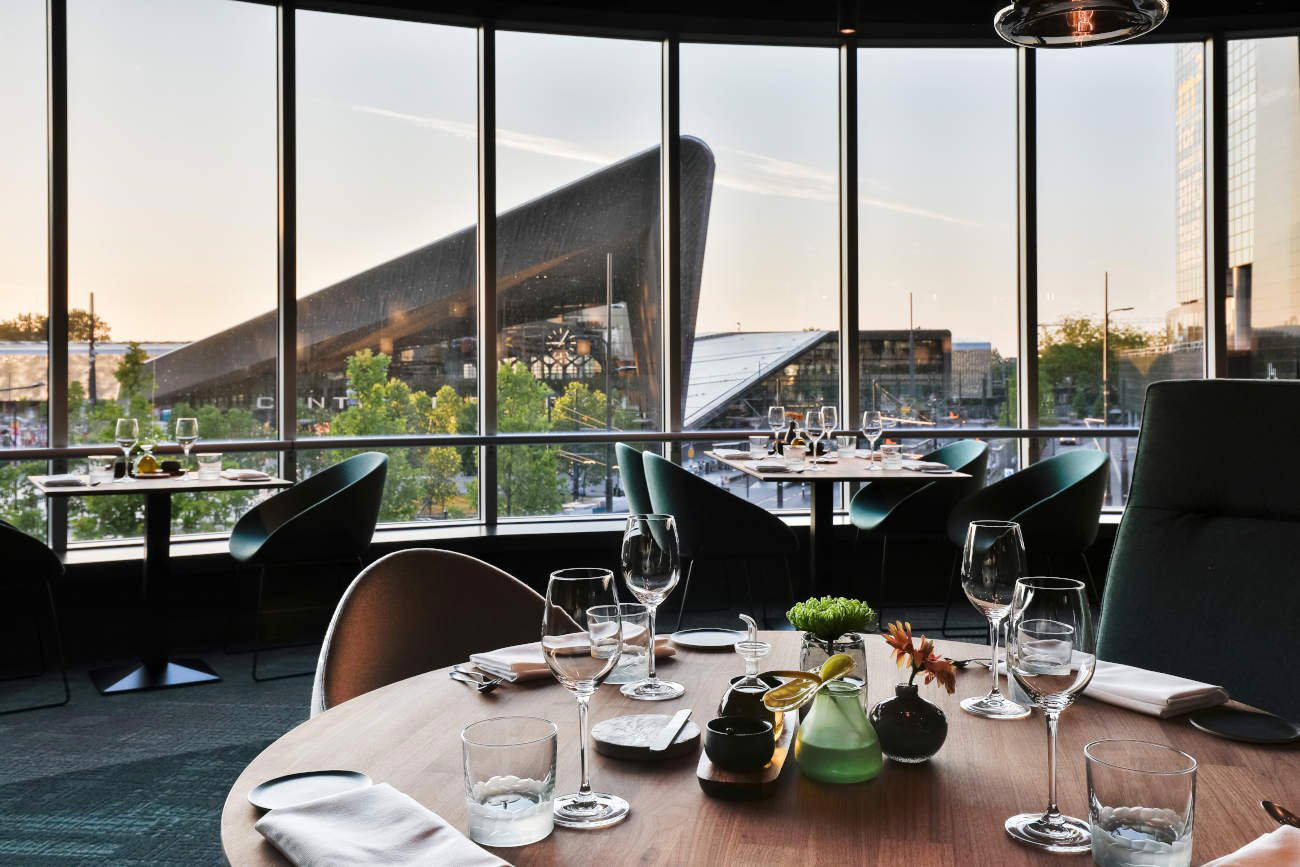
Interior works with rather than against that context. Old beams have been repurposed into a wine bar structure. The decor mixes contemporary elements with regional references, and there are colourful details that echo old beach huts, a Galician coastal vernacular that appears in the fishing villages along the Rías Baixas. A conservatory-style room extends the dining area, and access to the garden, with its vegetable plot, makes the connection between kitchen and source visible rather than implied. In a city where several restaurants at the A Maceta and A Viaxe end of the fusion register lean on visual novelty, A Horta d'Obradoiro's layered physical setting does the work differently.
Where the Bib Gourmand Places It
Michelin's Bib Gourmand designation, awarded here in both 2024 and 2025, is a specific signal. It does not indicate the tasting-menu ambition of a starred restaurant; it marks cooking that delivers quality above what the price point would lead you to expect. In Spain's competitive dining market, that bracket includes some serious kitchens. Aponiente, Arzak, Azurmendi, Cocina Hermanos Torres, DiverXO, and El Celler de Can Roca represent the country's starred ceiling. The Bib Gourmand tier operates on different terms: the reader is told to pay attention not because the kitchen is doing something rarefied, but because the value equation is unusually honest.
It suggests a kitchen that maintains consistency across a wide and varied dining public.
Two chefs run the kitchen. The format is seasonal, and the cuisine is grounded in Galician regional cooking. Those details, taken together, describe a kitchen operating with discipline rather than spectacle, which is a useful distinction in a city that receives a substantial amount of visitors at every price point. For comparison, regional-cuisine restaurants operating within a similar ingredient-led ethos elsewhere in Europe, such as Fahr in Künten-Sulz or Gannerhof in Innervillgraten, demonstrate how deeply a kitchen anchored to local sourcing can express a specific geography. A Horta d'Obradoiro works in that same register, drawing on the specific character of Galicia's larder rather than gesturing at it.
The Sourcing Argument
Galicia's food identity rests on a specific set of ingredients: octopus from the Rías, Padrón peppers, lacón (cured shoulder), Tetilla cheese, the thin-skinned potatoes grown inland, percebes from the Atlantic cliffs. These are ingredients with strong regional identity, but they are also widely available to any kitchen in the city. The question that distinguishes restaurants at this level is not whether they use good Galician produce but how directly they are connected to it and how the menu responds when something is at its peak or not yet ready.
The on-site vegetable plot at A Horta d'Obradoiro changes that dynamic at least partially. A kitchen that grows some of its own material makes different choices about what goes on the menu and when. The seasonal cuisine described in the Michelin record is not a marketing position in that context; it is a function of what's available on a given week. That specificity is harder to sustain than a seasonal claim made through supplier selection alone, and it is part of what Michelin appears to be recognising across two consecutive years. Compared to the farm-to-table sourcing model at Abastos 2.0, which draws from the adjacent Mercado de Abastos, the garden-driven model here is narrower in scope but more direct in its relationship to the ground.
Planning a Visit
A Horta d'Obradoiro sits on Rúa das Hortas 16, a street in the southern quadrant of Santiago's old town, within reasonable walking distance of the cathedral and the main pilgrim routes. For the broader Santiago dining context, our full Santiago de Compostela restaurants guide covers the range of options across cuisine types and price tiers, including Pampín Bar for those working through the city's traditional bar and snack culture. For accommodation, drinking, winery visits, and cultural programming around your trip, see also our guides to Santiago hotels, Santiago bars, Santiago wineries, and Santiago experiences.
Frequently asked questions
What should I budget for a meal at A Horta d'Obradoiro?
Pricing at A Horta d'Obradoiro is listed as €€.
Has A Horta d'Obradoiro won any awards?
A Horta d'Obradoiro has received recognition including: This impressively unique restaurant serves interesting cuisine while at the same time showcasing a part of Santiago’s rich history. Run by two chefs, it occupies a house dating back to 1690 which was once home to musicians from the nearby c….
What's the best thing to order at A Horta d'Obradoiro?
The menu rotates with the kitchen's own vegetable garden, so the most reliable approach is to follow whatever the two chefs are featuring from that season's plot. Galicia's core larder — octopus, Padrón peppers, Tetilla cheese — tends to anchor the menu regardless of season. The Michelin Bib Gourmand, awarded in both 2024 and 2025, specifically recognises careful preparation at the €€ price point, which means the kitchen's focus is on cooking over spectacle.
What part of town is A Horta d'Obradoiro in?
A Horta d'Obradoiro is located at Rúa das Hortas, 16, 15705 Santiago de Compostela, A Coruña, Spain, Santiago de Compostela.
A Quick Peer Check
| Venue | Cuisine | Price | Awards | Notes |
|---|---|---|---|---|
| A Horta d'ObradoiroThis venue — the venue you are viewing | Modern Galician | $30–50 | Michelin Bib Gourmand · Macarfi 7.8 Food Rating | Not listed |
| Abastos 2.0 - Mesas | Modern Galician Market Cuisine | $50–100 | Michelin Bib Gourmand | Not listed |
| Casa Marcelo | Modern Galician-Japanese Fusion Tasting Menu | $100–150 | 1 Michelin Star · Macarfi 8.8 Food Rating | Not listed |
| A Tafona | Modern Galician Fine Dining | $50–100 | 1 Michelin Star · Guía Repsol 3 Soles | Contemporary |
| A Maceta | Galician Fusion with Asian Touches | $30–50 | Michelin Plate · Macarfi 7.8 Food Rating | Not listed |
| Abastos 2.0 - Barra | Modern Galician Seafood Tapas | $30–50 | Michelin Plate · Macarfi 8 Food Rating | Not listed |
Recognition history
Dated appearances from independent guides and award organizations, with the underlying list record or original source where available.
Michelin Bib Gourmand
Michelin
Macarfi 7.8 Food Rating
Macarfi
Full recognition history (4 entries)
Michelin Bib Gourmand
Michelin
Michelin Bib Gourmand
Michelin
Continue exploring
More in Santiago de Compostela
Restaurants in Santiago de Compostela
Browse all →
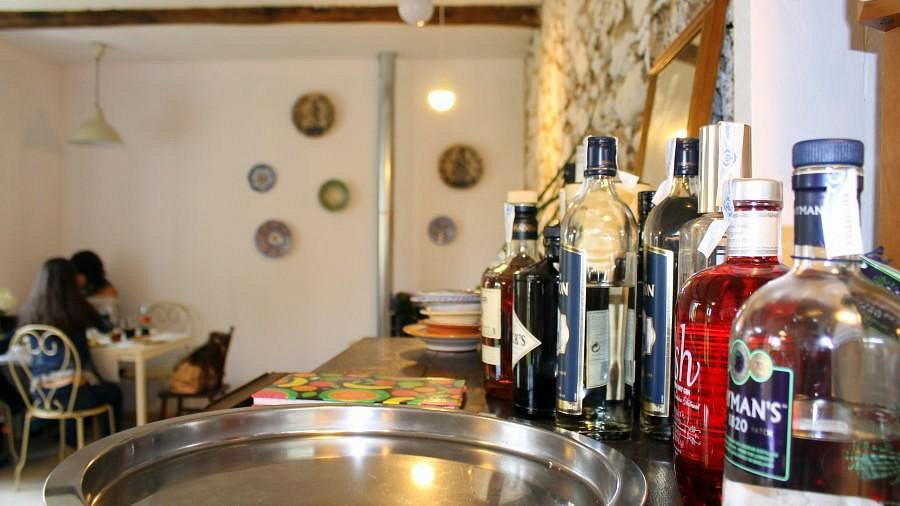
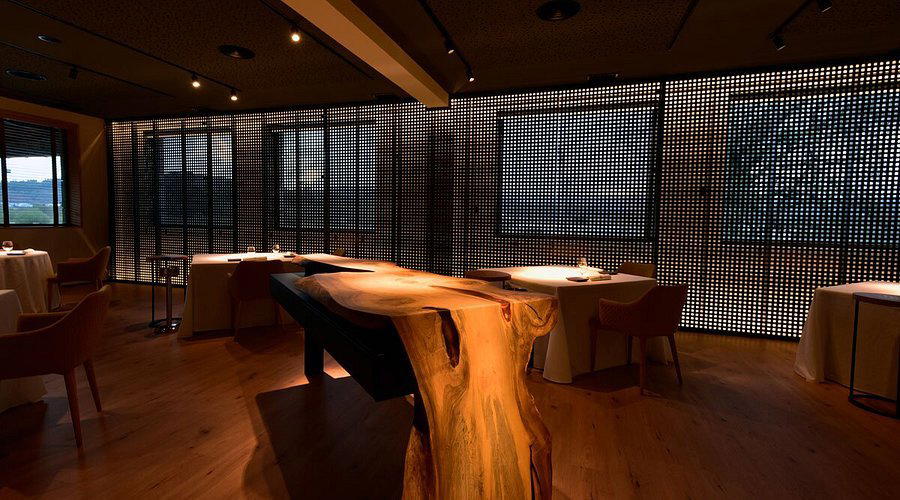
Bars in Santiago de Compostela
Browse all →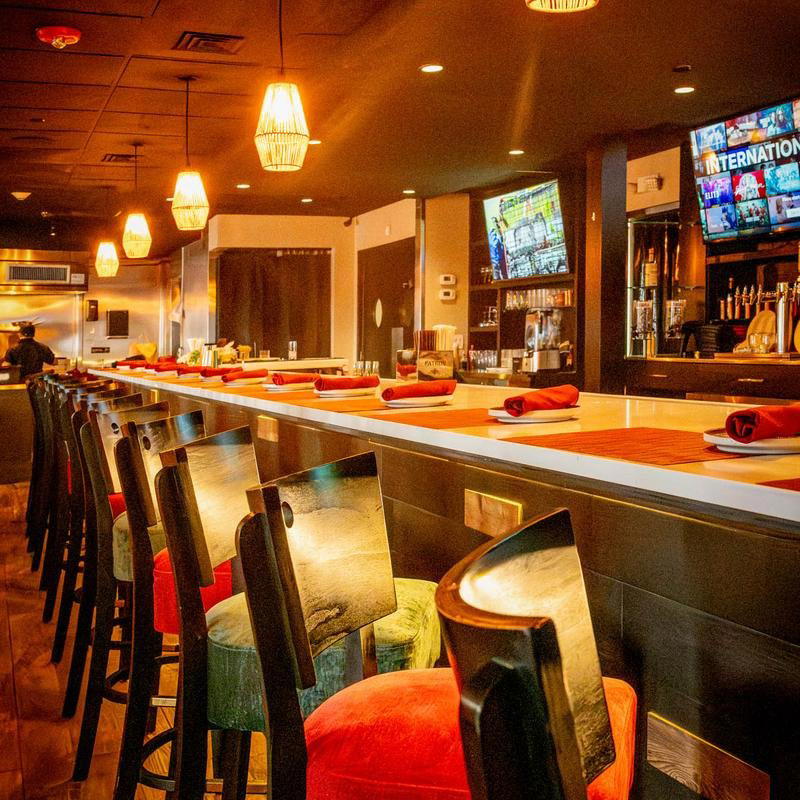
Hotels in Santiago de Compostela
Browse all →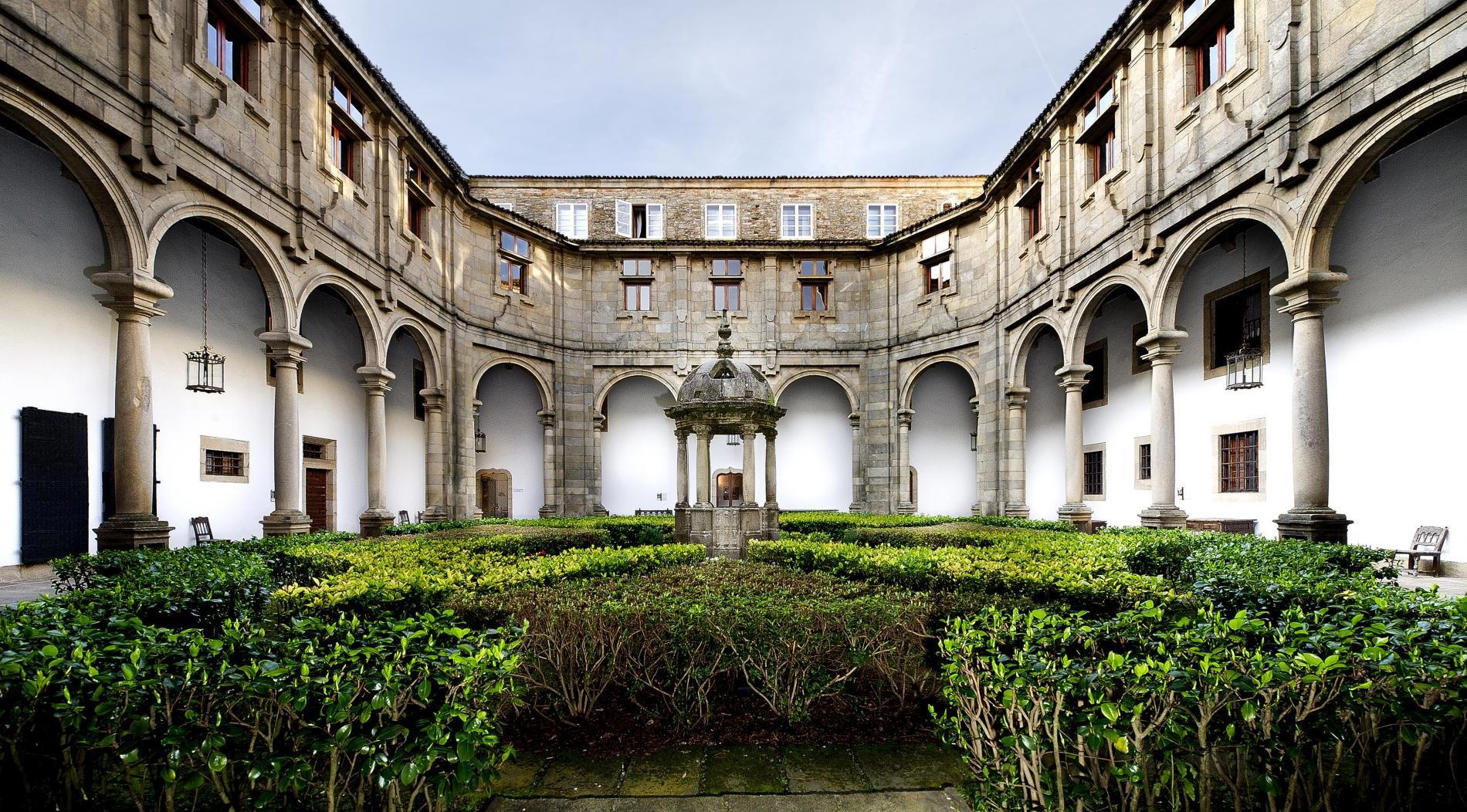



A Horta d'Obradoiro
The wine
- Wine program
- Curated wine list
- Extensive wine list
Details
- Cozy
- Elegant
- Modern
- Date Night
- Special Occasion
- Group Dining
- Garden
- Open Kitchen
- Historic Building
- Extensive Wine List
- Local Sourcing
- Garden
- A La Carte
- Small Plates
- Wine
- Vegetarian Friendly
- Allergy Accommodating
Current opening hours
- Monday
- Closed
- Tuesday
- Closed
- Wednesday
- Closed
- Thursday
- Closed
- Friday
- Closed
- Saturday
- Closed
- Sunday
- Closed
Hours can change for holidays and private events. Last verified .
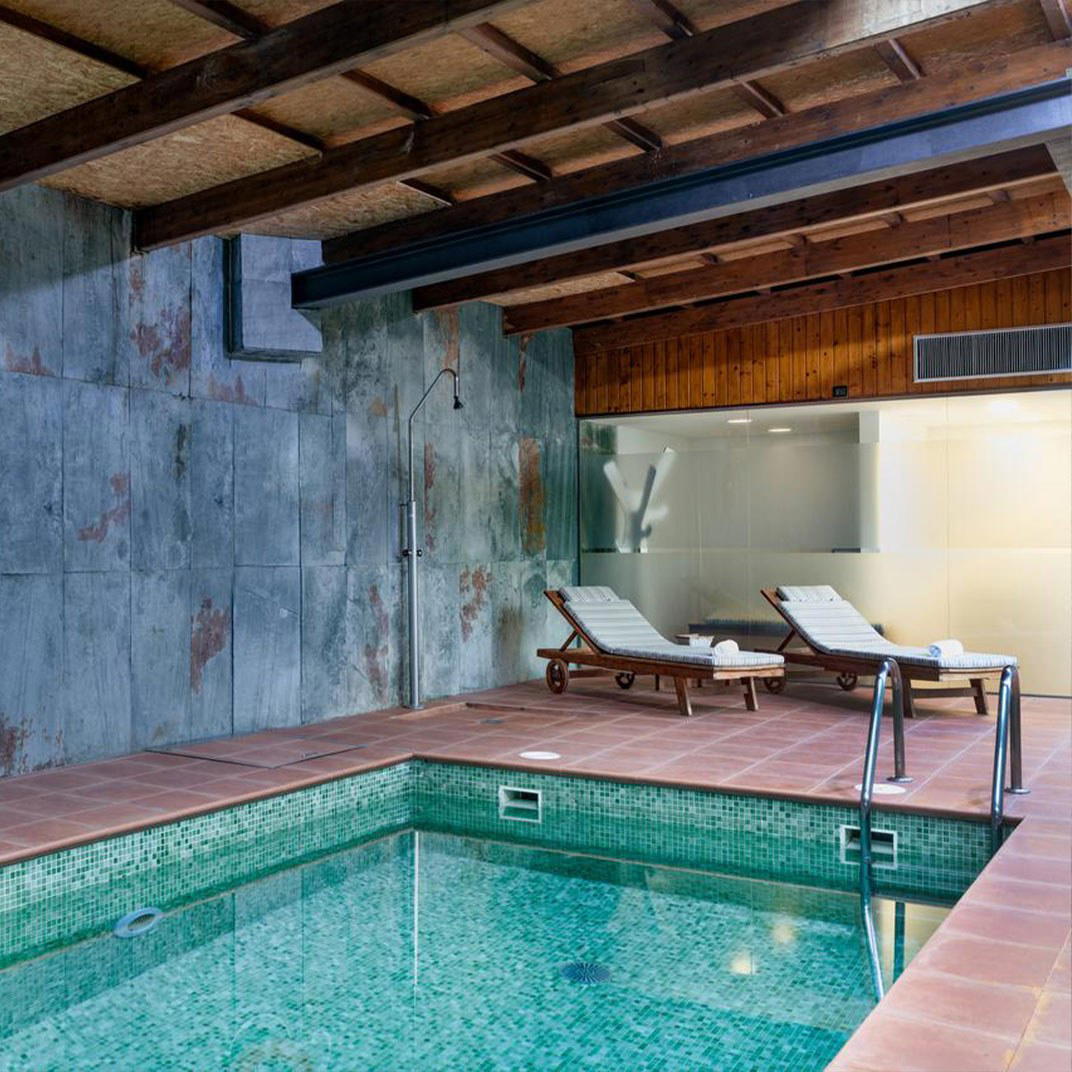
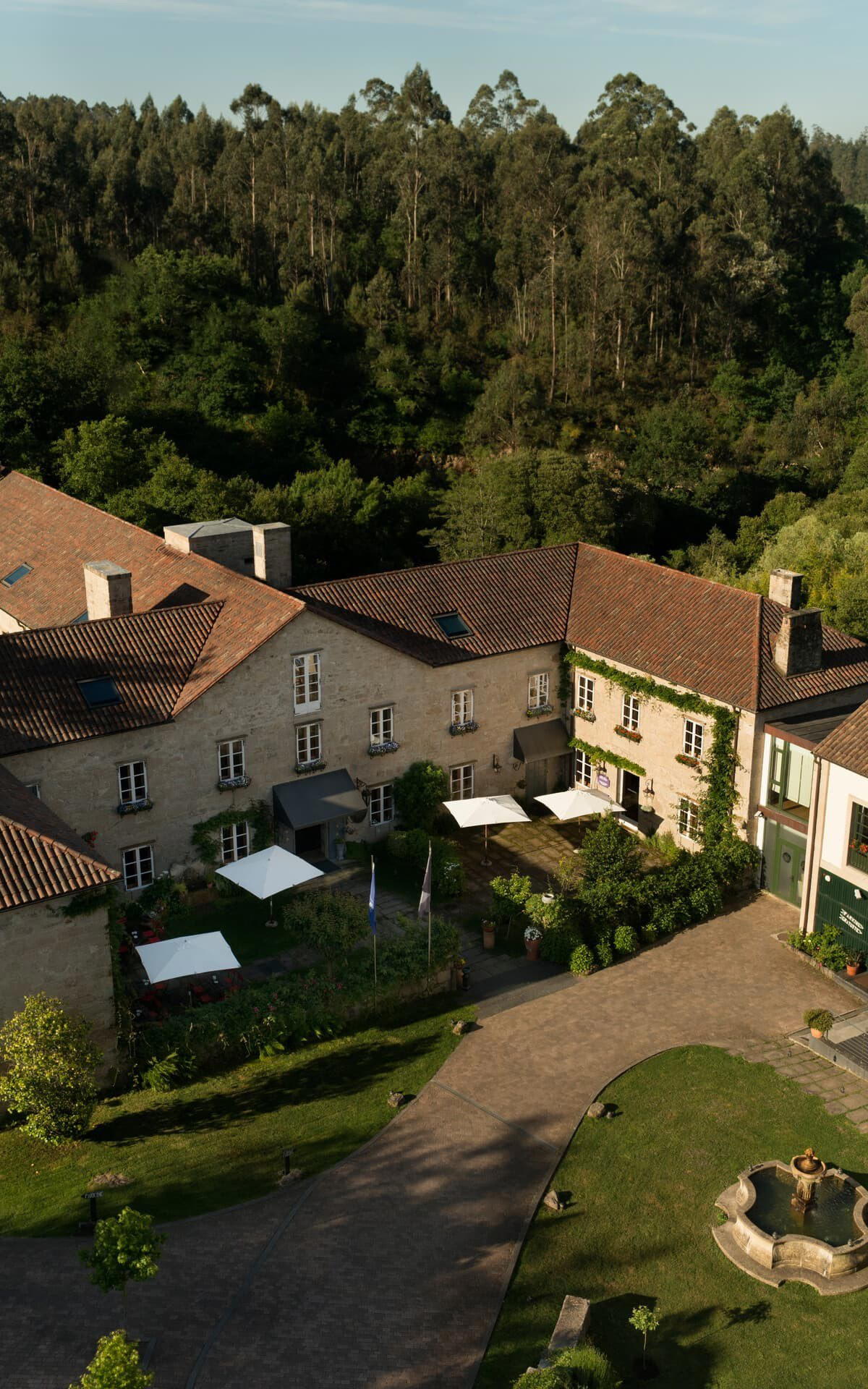
Chic decor with lush conservatory and garden tables creating a warm, inviting, and modern atmosphere.