Mar de Esteiro

Michelin Bib Gourmand
Our verdict
Mar de Esteiro, about 6km outside Santiago de Compostela, holds a consecutive Michelin Bib Gourmand (2024 and 2025) for seafood cooking that draws heavily on Galician coastal produce. Housed in a listed cultural monument with garden terracing, it sits at the mid-range price point (€€) while delivering ingredient quality that many city-centre restaurants at higher price tiers struggle to match.

Pearl is the En Primeur Club membership app, where members save venues, book tables and use the concierge.
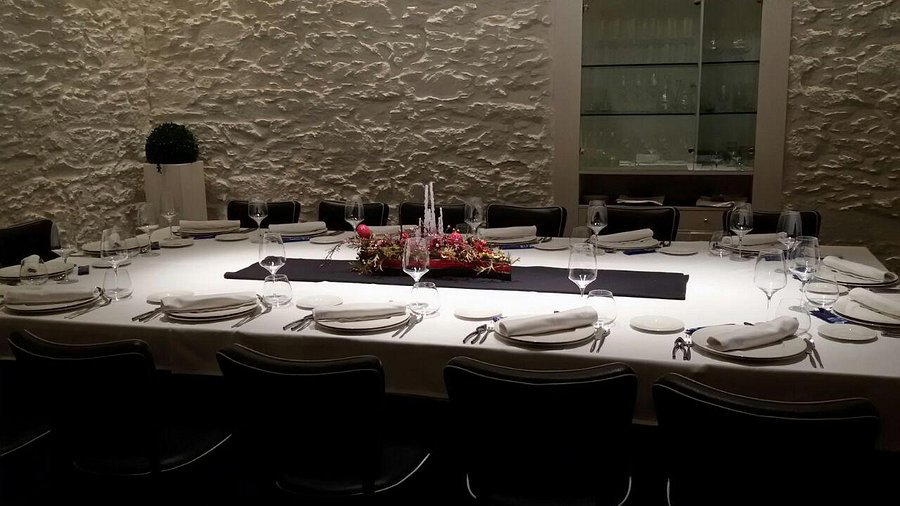
A Listed House, Six Kilometres Out, and a Case for Leaving the Old Town
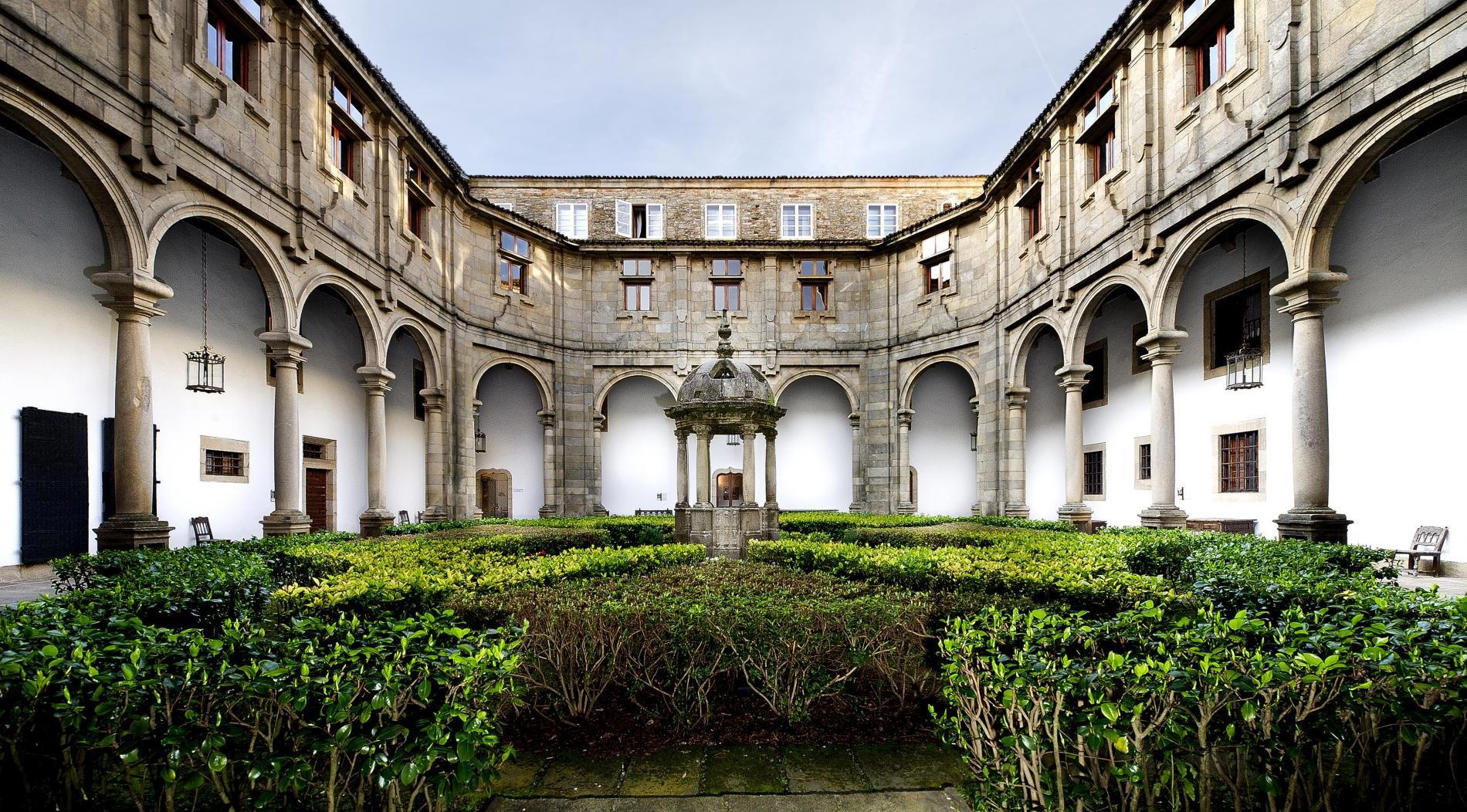
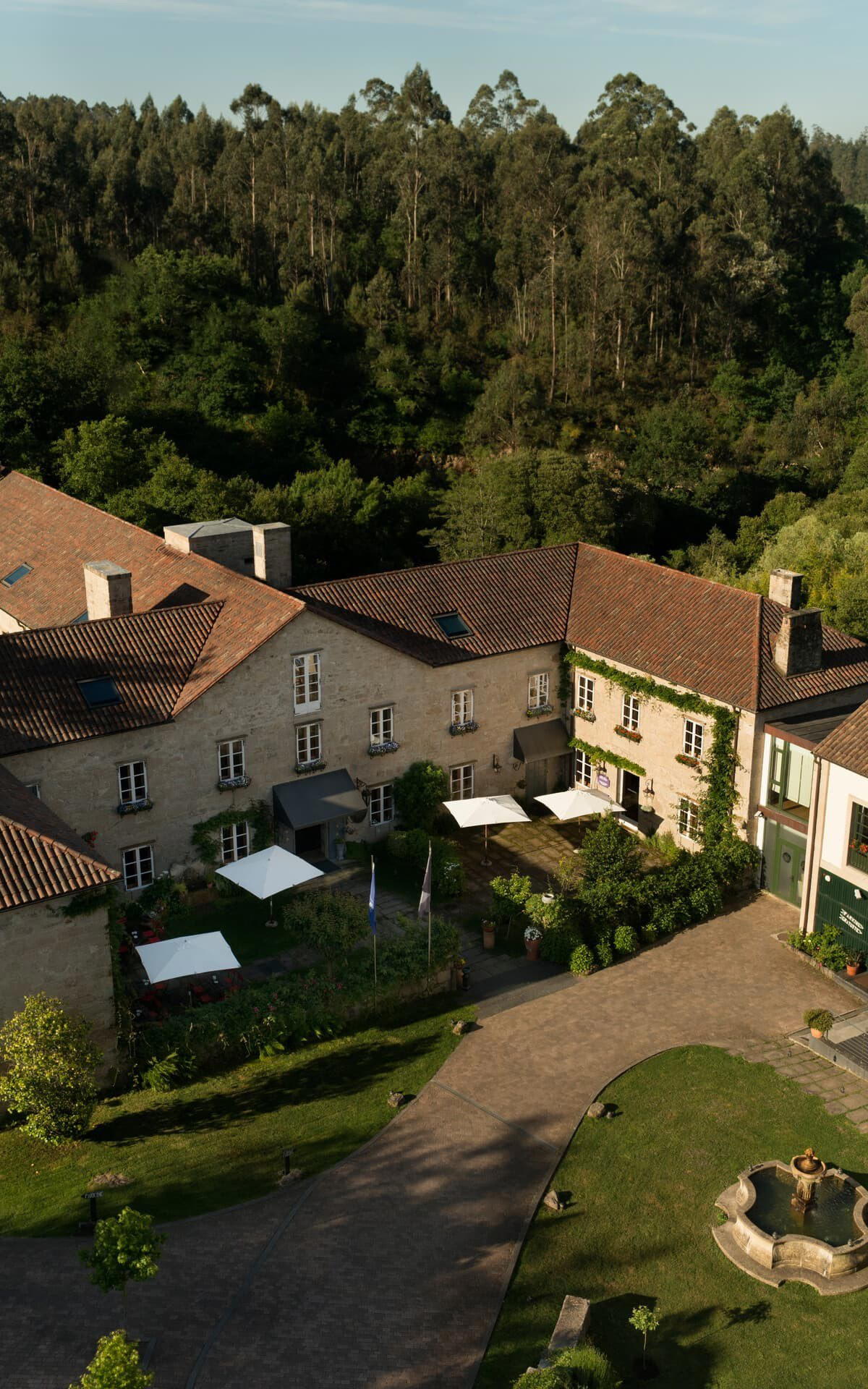
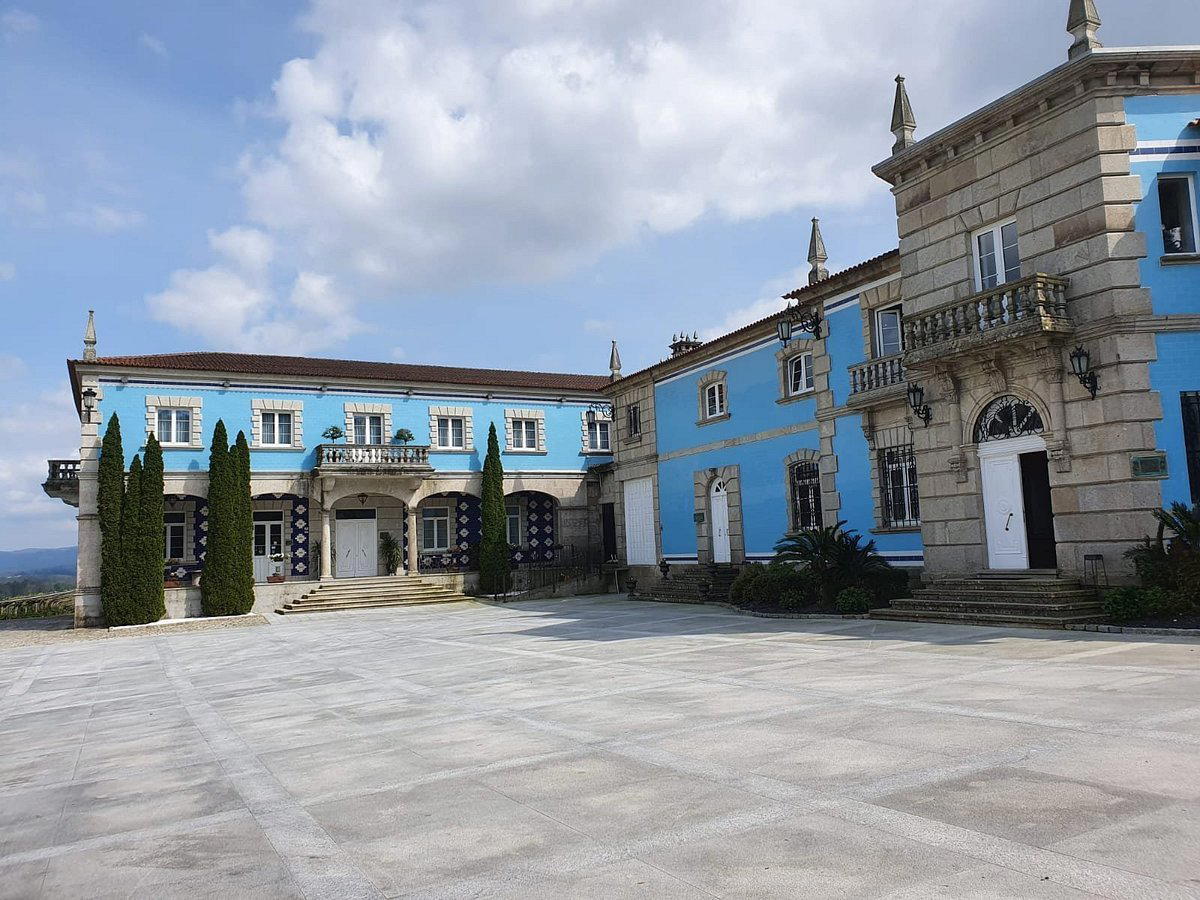
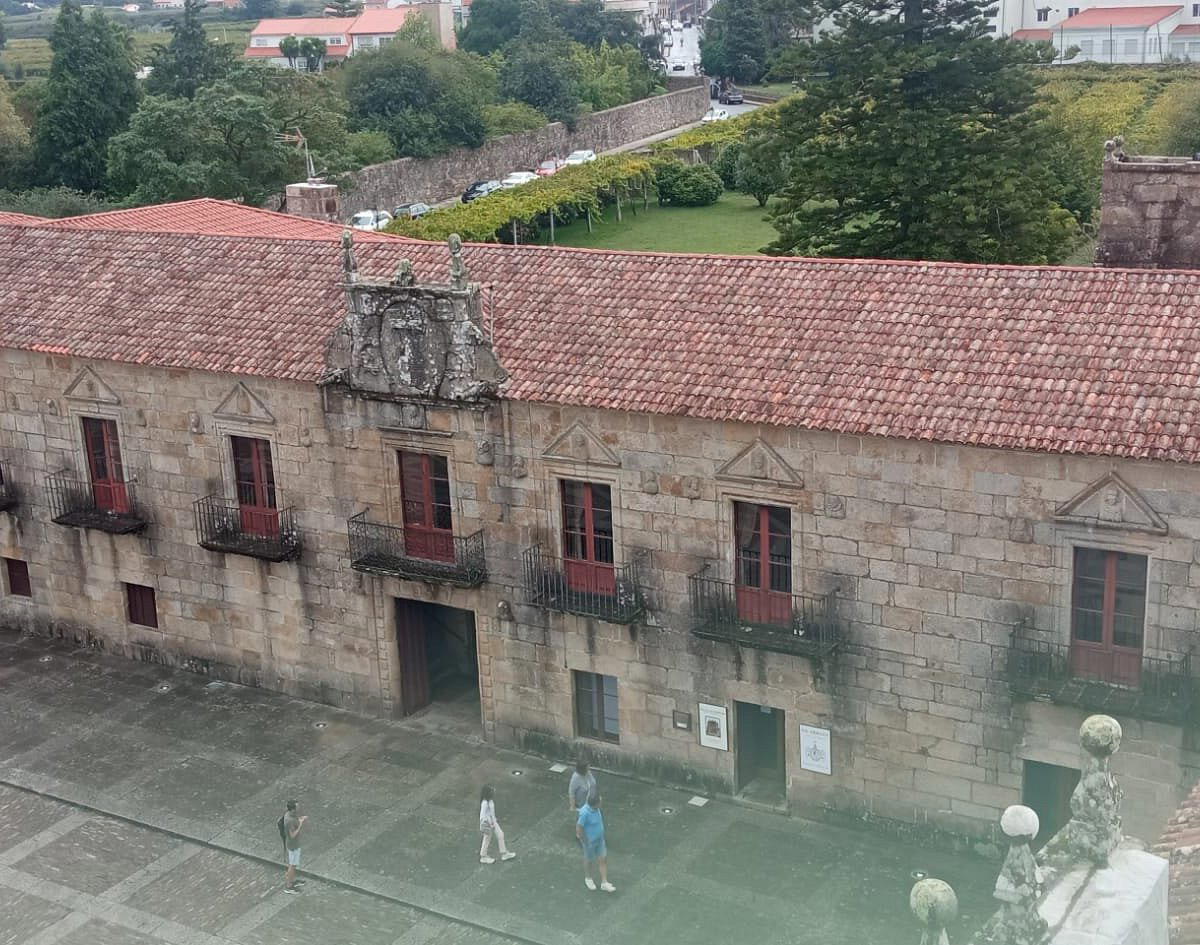
The decision to drive roughly 6km from Santiago de Compostela's cathedral quarter to reach Mar de Esteiro is precisely the kind of decision that separates a good meal from a genuinely instructive one. Galicia's most celebrated seafood restaurants rarely cluster in historic centres. They tend to occupy the outskirts of provincial cities and coastal towns, where the kitchens have room, the logistics of handling live shellfish are more practical, and the clientele is local enough to keep the sourcing honest. Mar de Esteiro fits that pattern. The building is an imposing renovated manor house, listed as a cultural monument, and it carries the weight of permanence that purpose-built restaurant spaces seldom achieve. The garden opens to a summer terrace; the interior dining rooms occupy former bedrooms, which gives each space an enclosed, residential quality that feels different from the open-plan dining floors common in city-centre seafood houses.
The Bib Gourmand Tier: What the Recognition Actually Means
Michelin's Bib Gourmand designation, held here in both 2024 and 2025, is specifically awarded to restaurants delivering good cooking at moderate prices. It is a different signal from a star: it does not reward creative ambition or technical complexity so much as it recognises the discipline required to source at a high level and charge at a €€ price point without compromising either side of the equation. In Galicia, where premium seafood commands premium wholesale prices, maintaining that balance consistently is harder than it looks. Mar de Esteiro has done it across two consecutive Michelin cycles, which places it in a small cohort of Galician seafood restaurants where the value relationship between ingredient quality and final bill is verifiably favourable.
For context, Santiago's dining scene spans a relatively compressed price range, with most of the serious cooking concentrated in the €€ to €€€€ bracket. A Tafona sits at the higher contemporary end (€€€€), while Abastos 2.0 Barra anchors the entry tier with farm-to-table tapas at €. Mar de Esteiro's €€ position with two Bib Gourmand awards puts it in the strongest value argument in the mid-tier: Michelin-recognised quality at a price point that does not require the commitment of a tasting menu evening.
Ingredient Logic: Why the Kitchen's Reputation Rests on Sourcing
Galician seafood operates on a short chain between the Atlantic and the plate. The Ría de Arousa, Ría de Vigo, and the wider Galician coast consistently rank among Europe's most productive shellfish zones, supplying percebes, navallas, berberechos, and live crustaceans to both local markets and export buyers. In that context, a kitchen's reputation is built less on transformative technique and more on the integrity of its supply relationship: whether it buys from the right lonxas (fish auctions), how it handles live product, and whether it respects the seasonal constraints that determine when certain species should and should not appear on a menu.
Mar de Esteiro's documented reputation rests on this sourcing logic. The Michelin record notes that the restaurant's success is tied to its ingredients rather than to architectural flourish or conceptual positioning. That is a specific editorial judgement, and it aligns with how serious seafood restaurants across the Iberian Atlantic coast have always made their case: the rice with lobster, the spider crab in season, the gurnard and brill stews are dishes that exist to carry the primary ingredient, not to frame a chef's personality. For a comparable approach in a different Mediterranean register, the seafood-forward kitchens along Italy's southern coast, such as Gambero Rosso in Marina di Gioiosa Ionica or Alici Restaurant on the Amalfi Coast, operate on the same underlying principle: ingredient provenance as the primary credential.
What to Order and How the Menu Is Structured
The kitchen's documented specialities give a clear picture of what the menu is built around. The lobster with rice is the centrepiece dish, a preparation that in Galician cooking is less about the rice as a vehicle and more about the cooking stock, which concentrates the shellfish flavour across a slow-cooked base. The stew programme runs through gurnard, brill, turbot, lobster with broad beans, and spider crab in season. Spider crab (centolla) is a seasonal product, most available in winter and early spring, and its appearance on the menu is a reliable indicator of a kitchen that respects the species' calendar rather than sourcing it out-of-cycle.
This is a menu that rewards visitors who understand what is in season at the time of their visit. The summer terrace and winter dining rooms are not simply atmospheric alternatives; they correspond to different moments in the Galician seafood calendar. Arriving in late autumn or early winter catches centolla season; summer visits align with the terrace but require different expectations about which shellfish are at their peak.
Santiago's Wider Table: Where Mar de Esteiro Sits in the City's Dining Picture
Santiago de Compostela's restaurant scene is denser and more varied than its pilgrimage-town profile might suggest. The old city holds A Horta d'Obradoiro for regional Galician cooking and A Maceta and A Viaxe for fusion approaches, while the contemporary tasting-menu tier is anchored by A Tafona. Spain's wider fine-dining map runs from El Celler de Can Roca in Girona and Arzak in San Sebastián to DiverXO in Madrid, Azurmendi in Larrabetzu, and Quique Dacosta in Dénia and Aponiente in El Puerto de Santa María, but Mar de Esteiro does not compete in that register and does not need to. It occupies a different argument entirely: Michelin-validated ingredient quality at a price point that a three-star tasting menu cannot replicate.
Within Santiago's mid-tier, the comparison set is smaller. Abastos 2.0's farm-to-table approach at the barra level offers a lower entry price with excellent Galician produce; Mar de Esteiro's trade-off is a short drive and a higher per-head spend, in exchange for a more structured dining format, a listed building with private bar and multiple rooms, and a menu focused on whole fish and live shellfish rather than market tapas. Both approaches are defensible, and the choice between them depends on what kind of meal the visit calls for.
Planning a Visit: Distance, Format, and What to Expect
Mar de Esteiro is located at Sionlla Abaixo, 2, approximately 6km from the historic centre of Santiago de Compostela, in the municipality's outer belt. The practical implication is that this is a taxi or car journey from the old city; it is not a walkable dinner option from the cathedral area. The €€ pricing structure means the meal is accessible without the planning commitment of a higher-end tasting menu, but this is still a full-service seated restaurant with multiple dining rooms and a private bar, not a casual drop-in. Reservations are advisable, particularly in peak pilgrimage season (late spring through August) and during the centolla window in winter and early spring when the menu's seasonal stews are at their most complete.
The summer terrace and garden are documented features of the building, which makes warm-weather visits a different spatial experience from dining in the interior rooms. The interior rooms, converted from the manor's original bedrooms, offer a more enclosed atmosphere through the cooler months.
For a full picture of dining, drinking, and accommodation options across the city, EP Club's guides cover the complete picture: our full Santiago de Compostela restaurants guide, hotels guide, bars guide, wineries guide, and experiences guide are all available for planning a broader visit.
Frequently asked questions
What kind of recognition has Mar de Esteiro received?
Mar de Esteiro has received recognition including: One of the best places for top-quality fish and seafood in Santiago. The success of this restaurant situated about 6km from Santiago is undoubtedly down to its superb ingredients, although the building itself is unique – the restaurant occu….
What do regulars order at Mar de Esteiro?
The kitchen's signature is lobster with rice, where the shellfish stock built into the rice base carries as much weight as the lobster itself. Beyond that, the documented specialities include stews built around gurnard, brill, and turbot, plus spider crab when in season. The Michelin Bib Gourmand recognition in both 2024 and 2025 points to a kitchen that keeps ingredient quality consistent across the whole menu, not just the headline dish.
What's the price range at Mar de Esteiro?
Pricing at Mar de Esteiro is listed as €€.
Compact Comparison
| Venue | Cuisine | Price | Awards | Notes |
|---|---|---|---|---|
| Mar de EsteiroThis venue (the venue you are viewing) | Galician Seafood | $50–100 | Michelin Bib Gourmand | Not listed |
| Abastos 2.0 - Mesas | Modern Galician Market Cuisine | $50–100 | Michelin Bib Gourmand | Farm to Table-Tapas, Galician |
| Casa Marcelo | Modern Galician-Japanese Fusion Tasting Menu | $100–150 | 1 Michelin Star · Macarfi 8.8 Food Rating | Asian Small Plates, Fusion |
| A Tafona | Modern Galician Fine Dining | $50–100 | 1 Michelin Star · Guía Repsol 3 Soles | Contemporary |
| A Maceta | Galician Fusion with Asian Touches | $30–50 | Michelin Plate · Macarfi 7.8 Food Rating | Fusion |
| Abastos 2.0 - Barra | Modern Galician Seafood Tapas | $30–50 | Michelin Plate · Macarfi 8 Food Rating | Farm to Table-Tapas |
Recognition history
Dated appearances from independent guides and award organizations, with the underlying list record or original source where available.
Michelin Bib Gourmand
Michelin
Full recognition history (3 entries)
Michelin Bib Gourmand
Michelin
Michelin Bib Gourmand
Michelin
Continue exploring
More in Santiago de Compostela
Restaurants in Santiago de Compostela
All restaurants in Santiago de Compostela →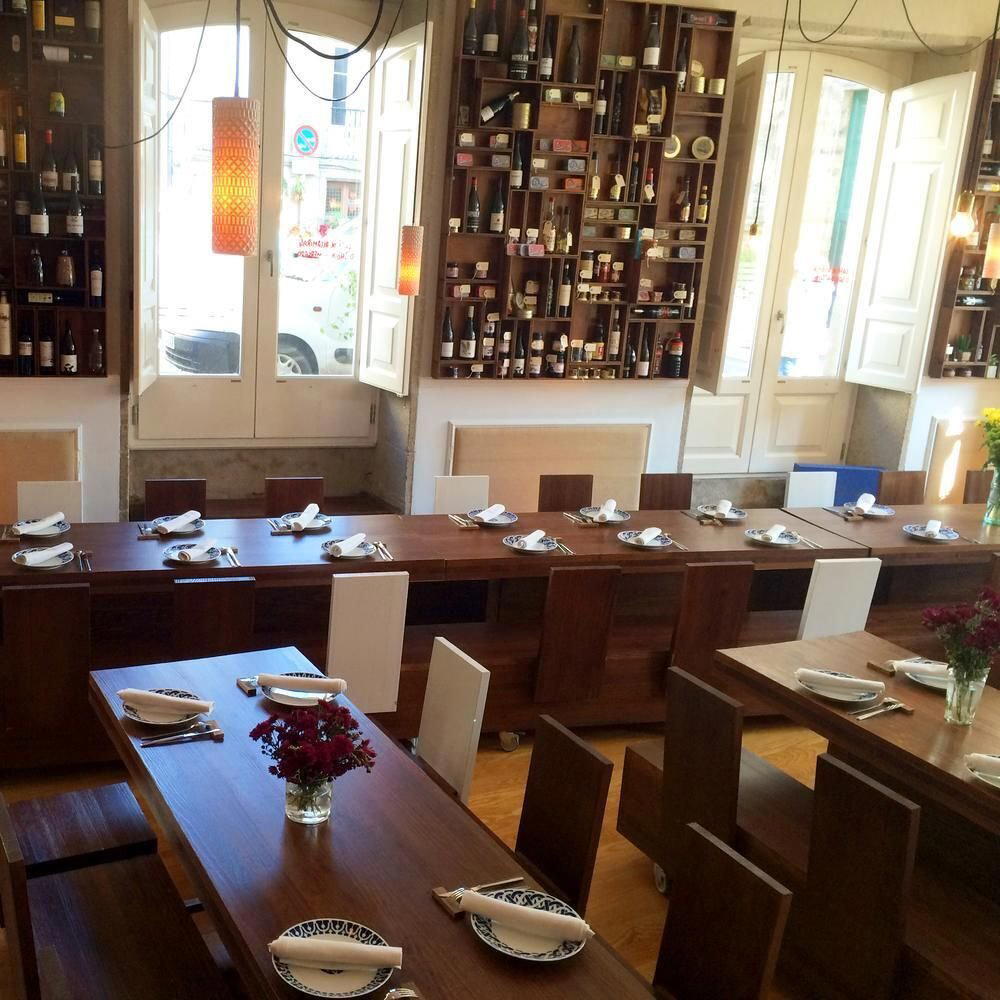

Details
- Elegant
- Cozy
- Scenic
- Special Occasion
- Group Dining
- Garden
- Private Dining
- Extensive Wine List
- Local Sourcing
- Garden
- A La Carte
- Vegetarian Friendly
Current opening hours
- Monday
- Closed
- Tuesday
- 11 AM–8 PM
- Wednesday
- 11 AM–8 PM
- Thursday
- 11 AM–8 PM
- Friday
- 11 AM–8 PM
- Saturday
- 11 AM–8 PM
- Sunday
- 11 AM–8 PM
Hours can change for holidays and private events. Hours as of .
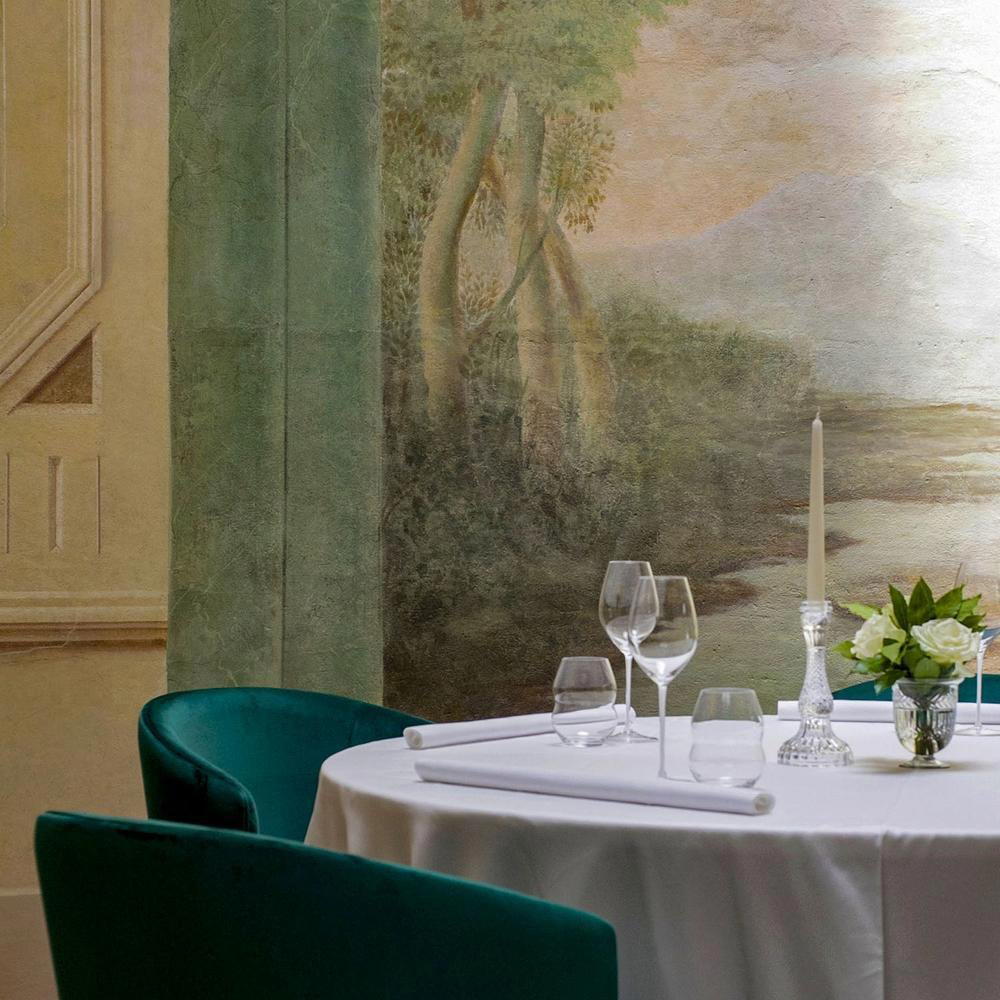
Contemporary-style dining rooms in a historic house with beautiful garden, clean and spectacular facilities.