Abastos 2.0 - Barra



Michelin Plate · Macarfi 8 Food Rating
Our verdict
Six market stalls, one long shared table, and a wine list built for Galician produce: Abastos 2.0 - Barra operates inside Santiago de Compostela's Mercado de Abastos, the city's second most-visited landmark after the cathedral. Chef Iago Pazos frames raciones and modern tapas around what the market supplies that day, with a Michelin Plate (2025) and an OAD Casual Europe ranking (#873, 2025) confirming its place in Spain's casual-dining conversation.

Pearl is the En Primeur Club membership app — saves, bookings, and concierge access live there. Same editors, same standards.
- Address
- Praza de Abastos, Rúa das Ameas, 13 -18, 15703 Santiago de Compostela, A Coruña, Spain
- Phone
- +34 981 57 61 45
- Hours
- Mon–Sat 12–3:30 PM, 8–11 PMSun Closed
- Website
- abastosdouspuntocero.com
- Directions
- Get directions
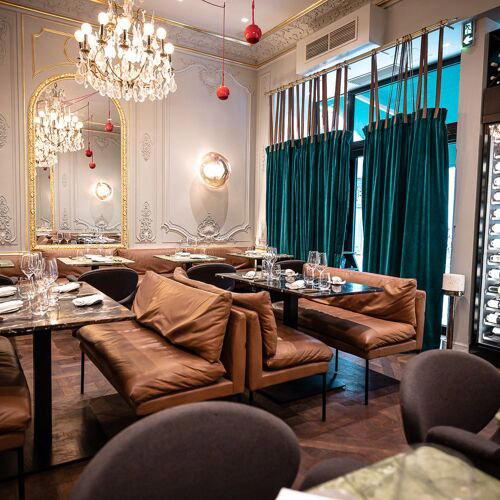
A Market Stall That Rewired How Santiago Eats
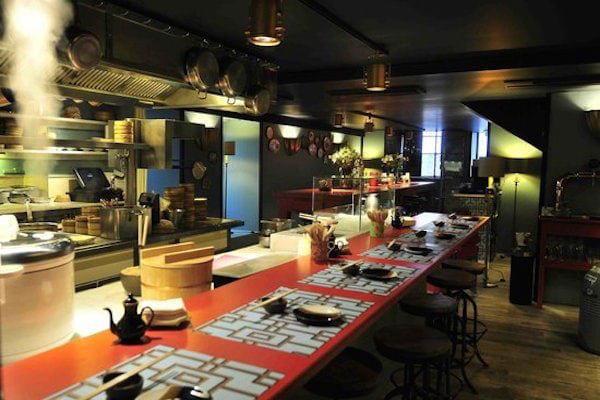
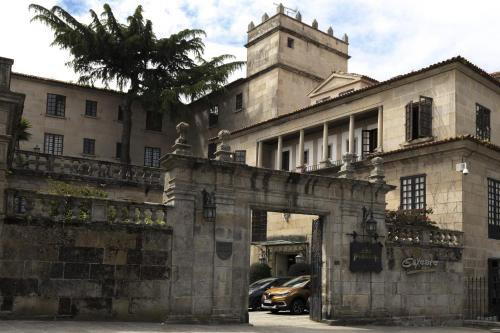
The Mercado de Abastos draws more visitors than almost anything else in Santiago de Compostela, trailing only the cathedral in the city's attendance figures. Most of those visitors walk through to photograph the stone arcades and the stalls selling Padrón peppers, percebes, and Tetilla cheese. A smaller number know to look for the six adjoining stalls that have been converted into a dining room: Abastos 2.0 - Barra, where the format is raciones, the wine pours by the glass, and the shared table seats everyone at the same long surface. It is one of the more direct arguments in Spanish casual dining that proximity to ingredient and simplicity of format are not a compromise but a position.
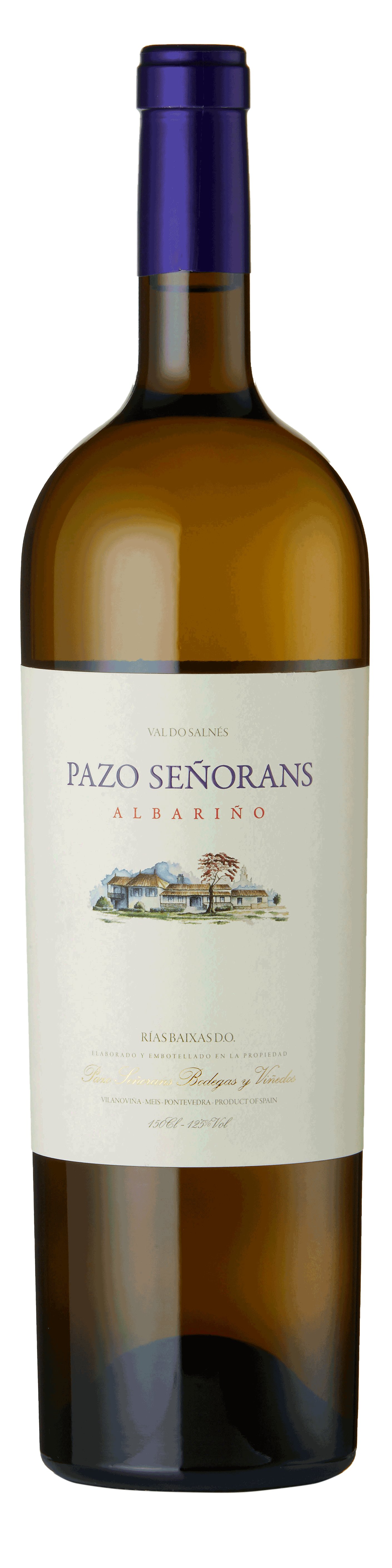
The format matters here because it defines what the wine programme can do. At a long communal table where the menu is built around market availability, the sommelier's Spanish education runs in real time. A glass of Albariño from Rías Baixas lands alongside shellfish pulled from the same coastal supply chain that stocks the stalls outside. A brief, structured pour of a Galician red from Ribeira Sacra, where Mencía grows on terraced slate above the Sil canyon, can follow the vegetables and cured items without the weight of a bottle commitment. That glass-by-glass structure, common enough in cities with deep wine bar cultures, is less standard at this price point in Santiago, which is part of why the format has drawn consistent recognition.
The Wine Frame: Reading the Barra Through Its Pours
Spain's wine education for a serious traveller rarely begins with Galicia, which is part of what makes a meal here instructive. The Rioja and Priorat names arrive first in most international contexts; the entry-level fino and manzanilla conversation tends to stay anchored to Andalusia. Galicia operates on different terms: granite soils, Atlantic humidity, and indigenous varieties that produce wines with saline minerality and relatively high acidity. Albariño is the internationally recognised signal, but the region's breadth extends to Godello in Valdeorras and the Mencía-dominant reds of Ribeira Sacra and Monterrei.
At a counter format like Abastos 2.0 - Barra, where the price range sits at the lower single-euro tier, the wine programme's job is to reinforce the produce-first logic of the menu rather than to introduce complexity for its own sake. A glass of Galician white with percebes or grilled razor clams is less a pairing decision than a geographical argument: the wine and the shellfish come from the same Atlantic-facing northwest corner of the Iberian peninsula. That coherence is harder to achieve at volume-driven restaurants, which is one reason the small-stall format with a single shared table has proved to be a durable editorial reference for how Galician ingredients are leading encountered.
Where This Sits in Santiago's Dining Structure
Santiago de Compostela's restaurant scene has reorganised itself significantly over the past decade. At the upper end, A Tafona holds a Michelin star and operates at the €€€€ tier; the contrast with the Barra's single-euro price point is almost the full span of the city's range. Mid-tier options like A Maceta and A Viaxe work the fusion register at the €€ level, while A Horta d'Obradoiro handles regional cuisine in a more formal register. The Barra occupies a distinct slot: it is not trying to operate as a fine-dining experience in a casual costume, which is a trap several market-adjacent restaurants fall into. The produce is market-sourced, the format is genuinely casual, and the recognition, including the Michelin Plate (2025) and the OAD Casual Europe #873 ranking for 2025, reflects a restaurant that has earned its reputation without changing what it is.
The sister operation, Abastos 2.0 - Mesas, sits at the €€ tier and offers a slightly more structured table-service format within the same Mercado de Abastos context. The two formats address different moments in the same visit: the Barra works for a midday session anchored to whatever the market has produced that morning; the Mesas format accommodates longer, more composed meals. Knowing which to book depends on what you want the meal to do.
In a broader Spanish context, the Barra's approach to proximity between produce source and plate is a principle that Spain's most-discussed restaurants have theorised extensively. El Celler de Can Roca in Girona and Azurmendi in the Basque Country both articulate versions of rootedness in regional produce at the three-Michelin-star level. The Barra demonstrates that the same logic applies at the other end of the price register, with less technical apparatus but equivalent commitment to the source material.
The Personalised Menu and What It Signals
The personalised menus, available from 50€ upwards, are worth noting because they mark a deliberate boundary between the casual raciones format and a more composed experience. A group booking a personalised menu at that entry price is moving into territory usually associated with mid-tier tasting formats elsewhere in Spain. At a market stall, it reads as a statement about what the produce can support rather than what the room demands. That distinction separates the Barra from restaurants that offer tasting menus because the category signals prestige; here, the menu format follows from the ingredient.
Practical: Getting to the Table
Abastos 2.0 - Barra is located inside the Mercado de Abastos at Rúa das Ameas, 13-18, in the heart of Santiago de Compostela's old city. The market's position makes it walkable from the cathedral quarter and from most hotels in the historic centre. The single shared table means capacity is fixed, and advance booking is necessary; arriving without a reservation is not a reliable strategy. The price point sits at the budget end of Santiago's dining spectrum, but the personalised menu option at 50€ and above means the format can accommodate both a quick market lunch and a longer, more deliberate meal depending on how you book. For a full picture of where the Barra sits in Santiago's dining and hospitality context, see our full Santiago de Compostela restaurants guide, our hotels guide, our bars guide, our wineries guide, and our experiences guide.
Frequently asked questions
What's Abastos 2.0 - Barra's location?
Abastos 2.0 - Barra is located at Praza de Abastos, Rúa das Ameas, 13 -18, 15703 Santiago de Compostela, A Coruña, Spain, Santiago de Compostela.
Is Abastos 2.0 - Barra more mid-range or high-end?
Pricing at Abastos 2.0 - Barra is listed as €.
Is Abastos 2.0 - Barra Michelin-listed?
Abastos 2.0 - Barra has received recognition including: A unique restaurant occupying six small market stalls in the city’s main food market, the Mercado de Abastos, which is the second most visited sight in Santiago after the majestic cathedral. You’ll need to book ahead as the restaurant only ….
What should I order at Abastos 2.0 - Barra?
The menu is built around raciones and modern tapas drawn from whatever the Mercado de Abastos vendors are supplying that day, so the selection shifts rather than staying fixed. Galicia's proximity to the Atlantic means seafood features heavily in the market's stalls, which shapes what reaches the table. For a more structured approach, personalised menus are available from 50€ upwards, giving the kitchen a clearer brief and you a more composed sequence than the open raciones format allows.
What cuisine category does Abastos 2.0 - Barra fall under?
Abastos 2.
Is there a head chef associated with Abastos 2.0 - Barra?
The chef associated with Abastos 2.0 - Barra is Iago Pazos.
Standing Among Peers
A compact comparison to help you place this venue among nearby peers.
| Venue | Cuisine | Price | Awards | Notes |
|---|---|---|---|---|
| Abastos 2.0 - BarraThis venue — the venue you are viewing | Modern Galician Seafood Tapas | $30–50 | Michelin Plate · Macarfi 8 Food Rating | Not listed |
| Abastos 2.0 - Mesas | Modern Galician Market Cuisine | $50–100 | Michelin Bib Gourmand | Farm to Table-Tapas, Galician |
| Casa Marcelo | Modern Galician-Japanese Fusion Tasting Menu | $100–150 | 1 Michelin Star · Macarfi 8.8 Food Rating | Asian Small Plates, Fusion |
| A Tafona | Modern Galician Fine Dining | $50–100 | 1 Michelin Star · Guía Repsol 3 Soles | Contemporary |
| A Maceta | Galician Fusion with Asian Touches | $30–50 | Michelin Plate · Macarfi 7.8 Food Rating | Fusion |
| Asador Gonzaba | Galician Grilled Meats & Seafood | $50–100 | Michelin Bib Gourmand | Meats and Grills |
Recognition history
Dated appearances from independent guides and award organizations, with the underlying list record or original source where available.
Michelin Plate
Michelin
Macarfi 8 Food Rating
Macarfi
Opinionated About Dining Casual in Europe Recommended
Opinionated About Dining
Full recognition history (5 entries)
Michelin Plate
Michelin
Opinionated About Dining Casual in Europe Ranked #873
Opinionated About Dining
Continue exploring
More in Santiago de Compostela
More from Chef Iago Pazos
Browse all →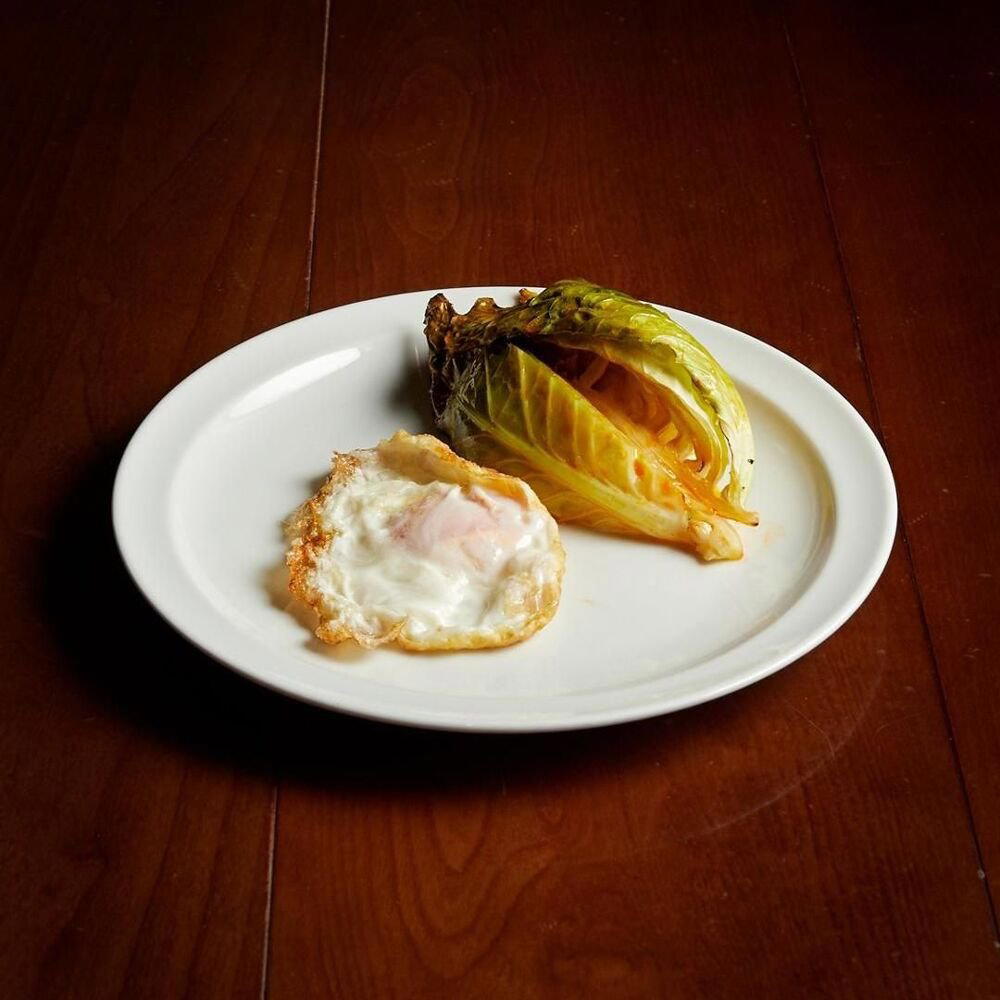
Restaurants in Santiago de Compostela
Browse all →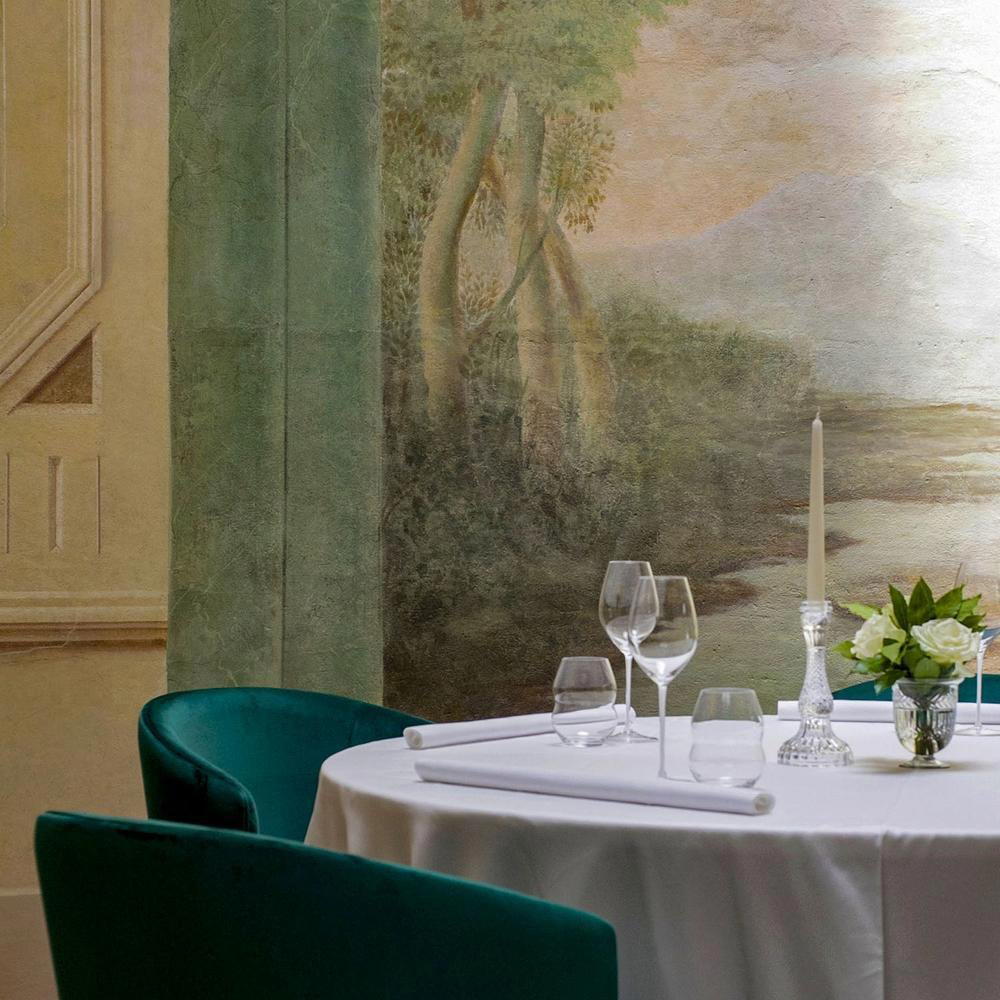
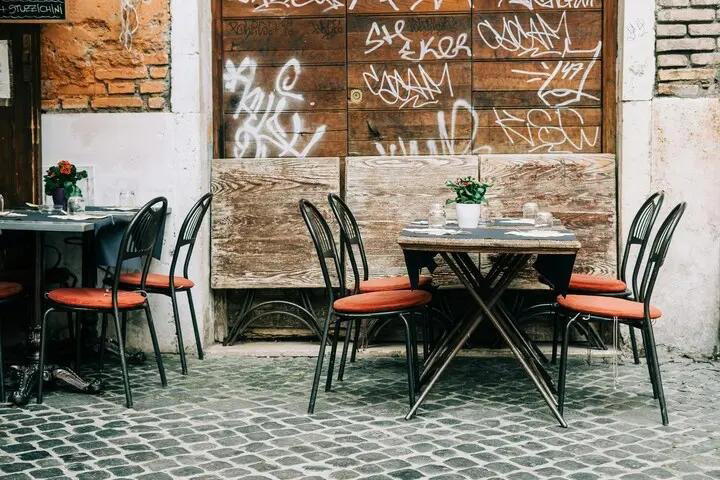
Bars in Santiago de Compostela
Browse all →
Hotels in Santiago de Compostela
Browse all →

Abastos 2.0 - Barra
The wine
- Wine program
- Curated wine list
Details
- Lively
- Trendy
- Modern
- Casual Hangout
- Group Dining
- Special Occasion
- Open Kitchen
- Terrace
- Local Sourcing
- Street Scene
- Small Plates
- Tasting Menu
- A La Carte
Current opening hours
- Monday
- 12–3:30 PM, 8–11 PM
- Tuesday
- 12–3:30 PM, 8–11 PM
- Wednesday
- 12–3:30 PM, 8–11 PM
- Thursday
- 12–3:30 PM, 8–11 PM
- Friday
- 12–3:30 PM, 8–11 PM
- Saturday
- 12–3:30 PM, 8–11 PM
- Sunday
- Closed
Hours can change for holidays and private events. Last verified .
Lively market-side atmosphere with well-suited lighting, good music, and lively energy from the bustling location.