
On the 39th floor of Xiamen's Conrad Hotel, Lucheng holds consecutive Michelin Plates (2024 and 2025) for Fujian cooking that draws on the province's coastal and inland pantry. The kitchen team of Fujian natives, led by a young Minnan chef, works through classics alongside inventive preparations. Floor-to-ceiling views over Xiamen Bay frame every course. Reservations recommended; price range ¥¥¥.
Pearl is the En Primeur Club membership app — saves, bookings, and concierge access live there. Same editors, same standards.
- Address
- China, Fujian, Xiamen, Siming District, 186, Yanwu W Rd, 186号康莱德酒店39F 邮政编码: 361005
- Phone
- +86 592 258 6666
- Website
- conrad.hilton.com.cn
- Directions
- Get directions
 Saves & bookings on Pearl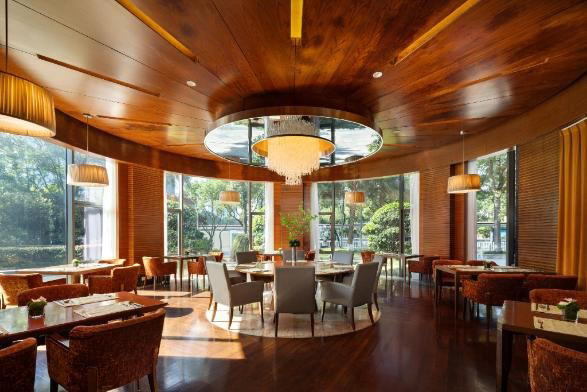
Thirty-Nine Floors Above the Straits
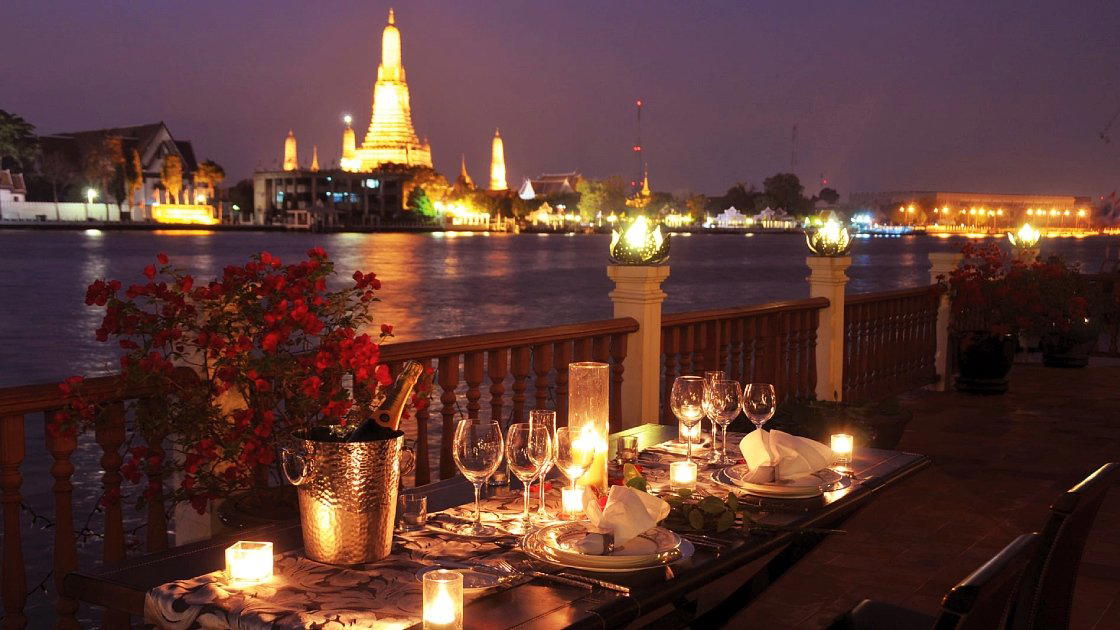
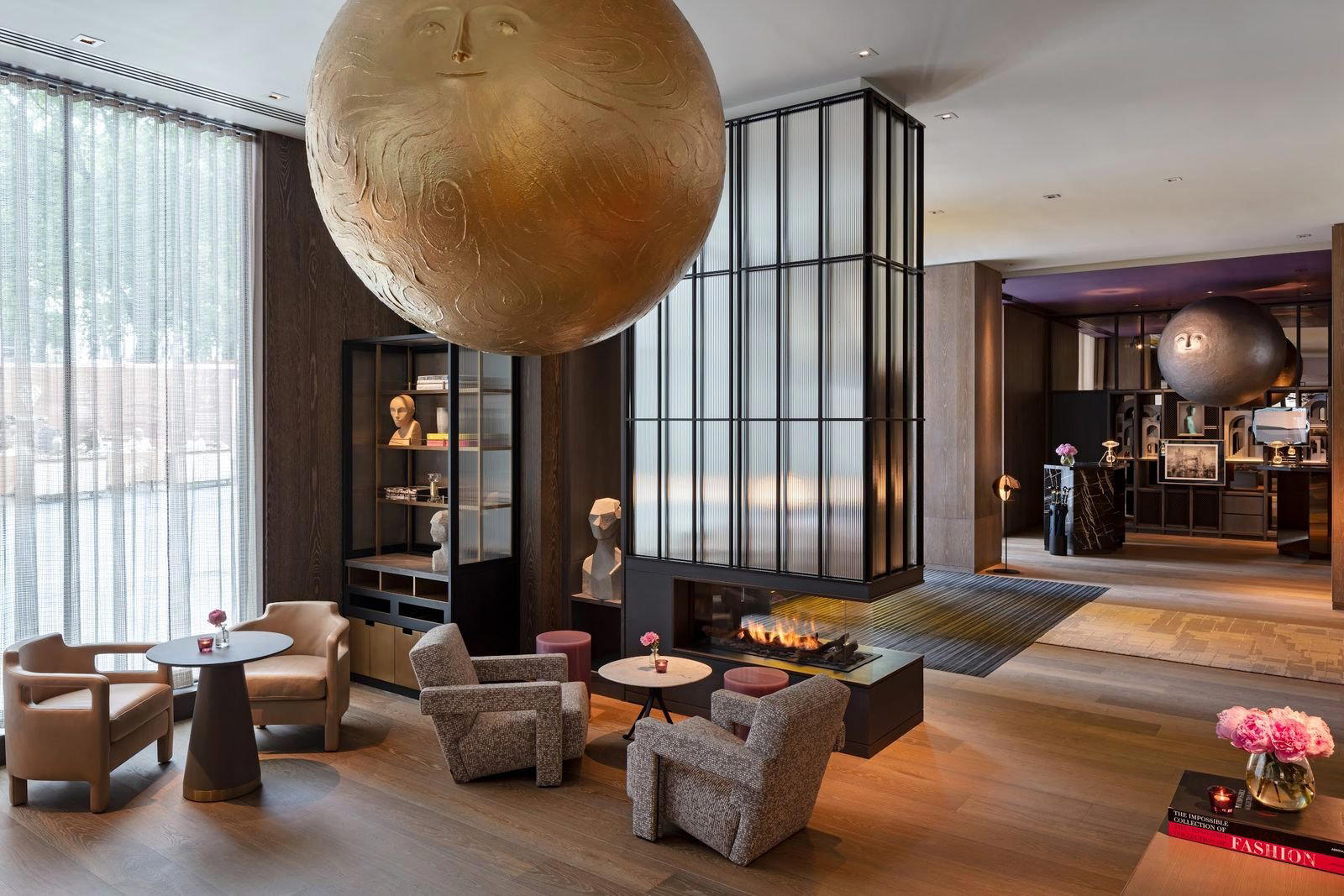
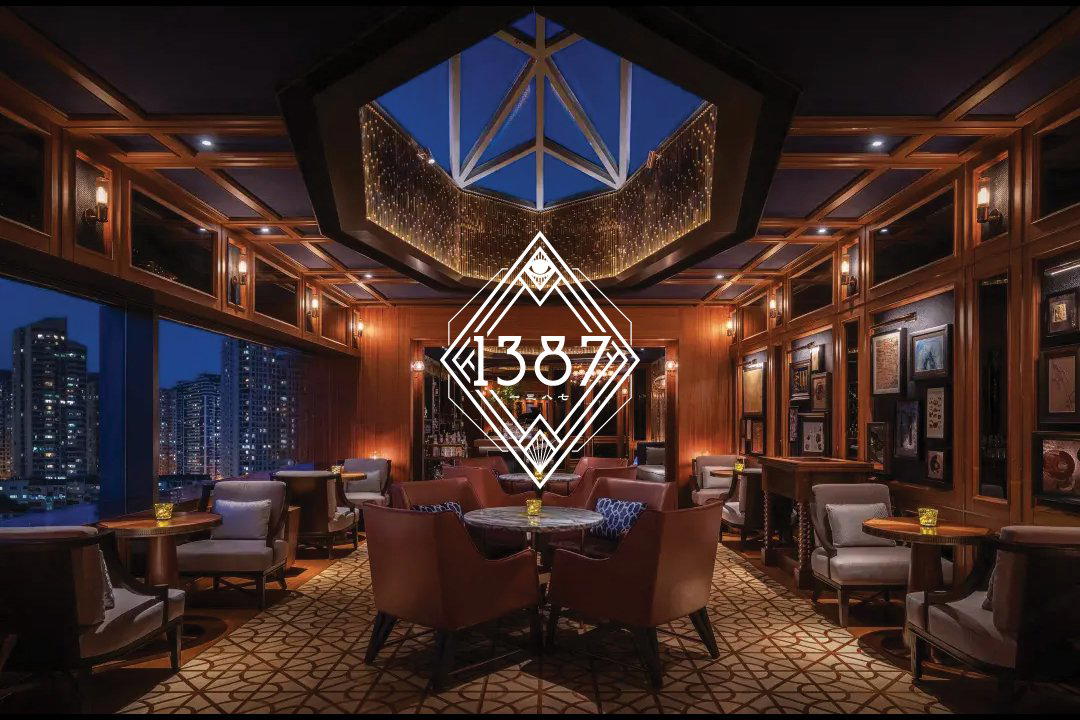
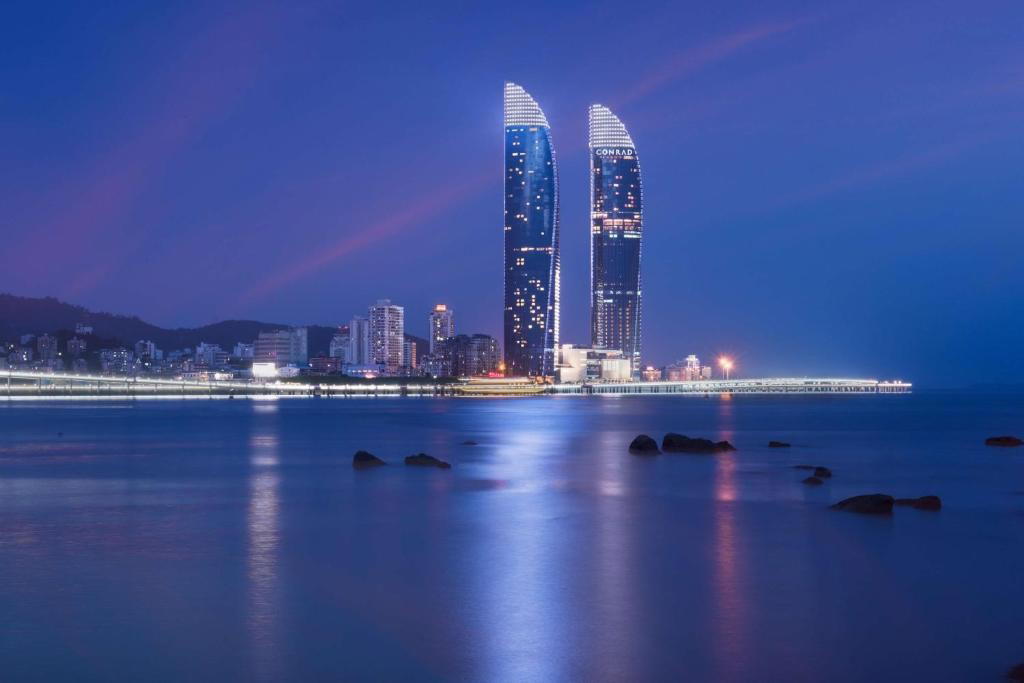
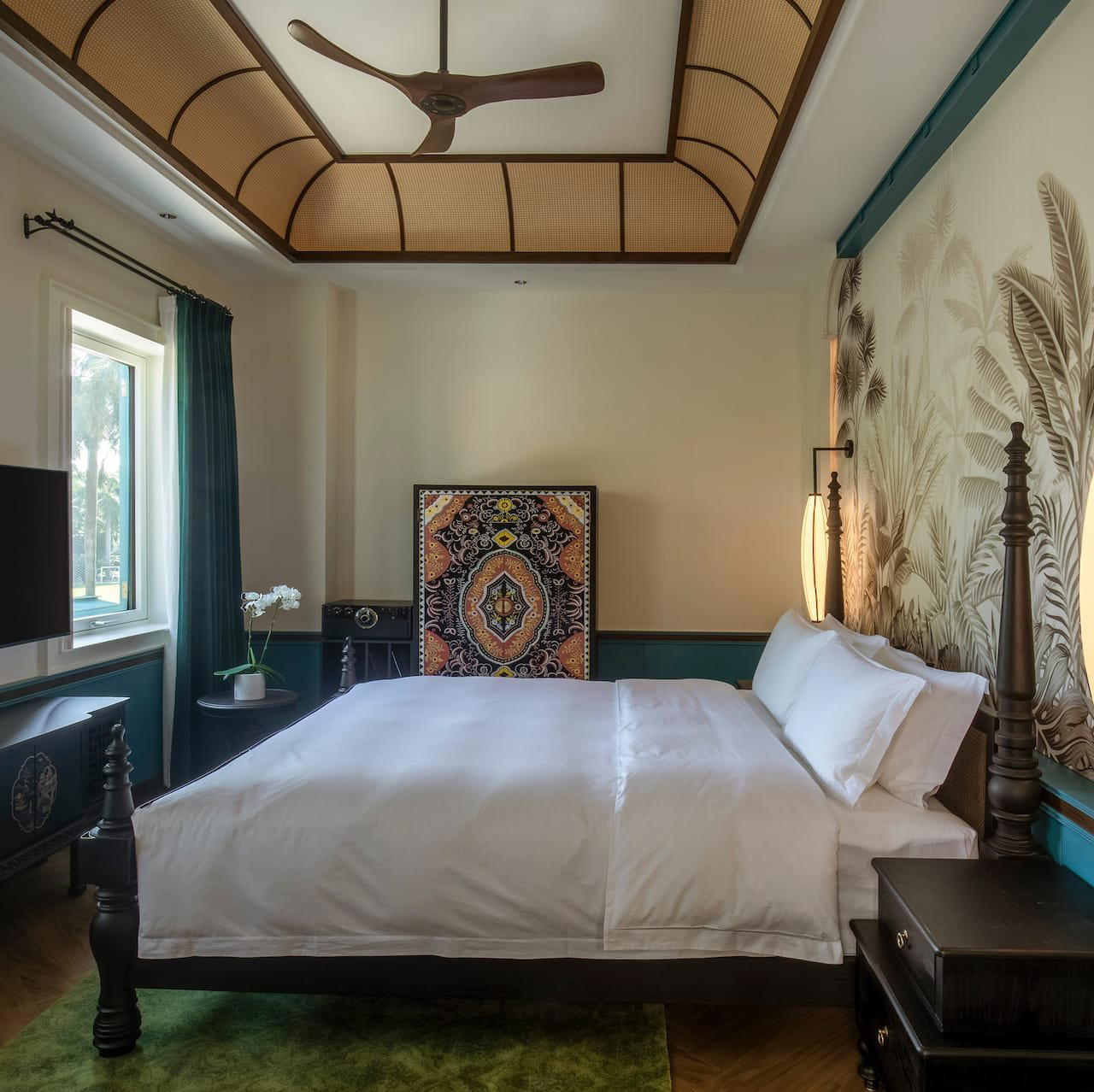
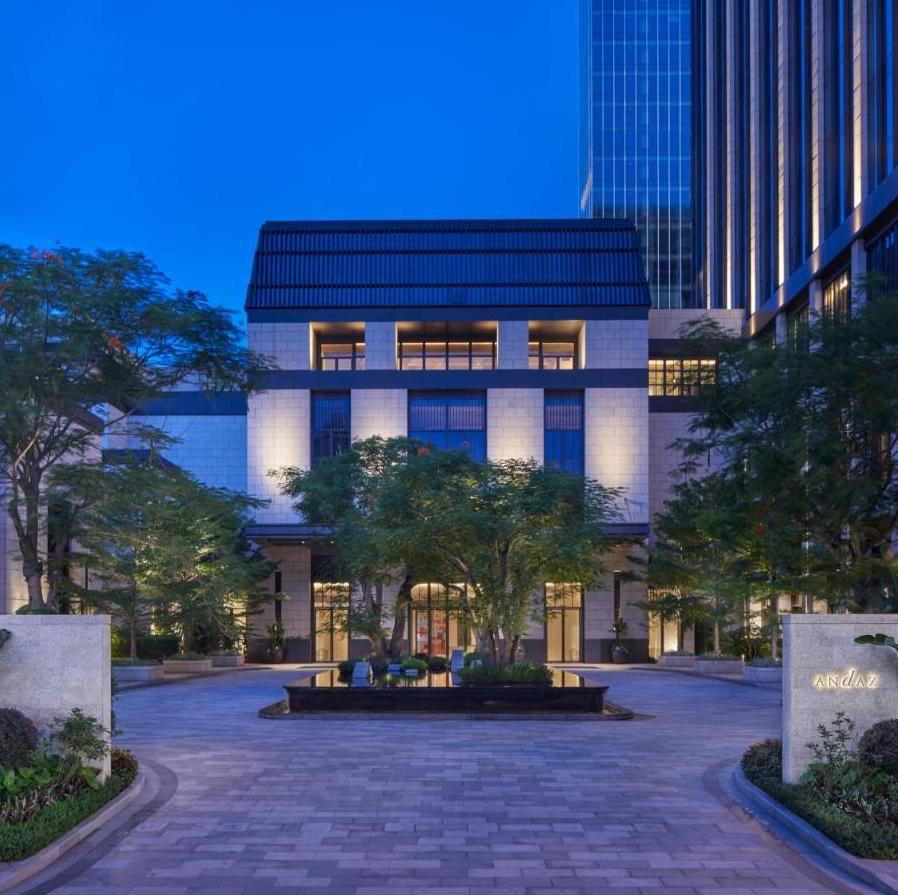
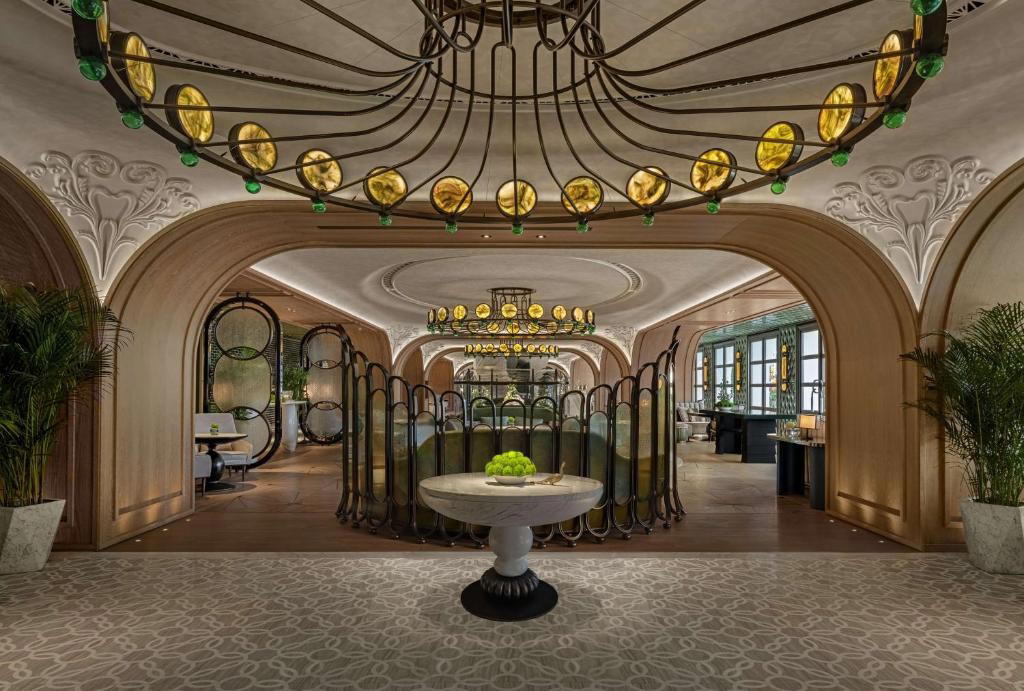
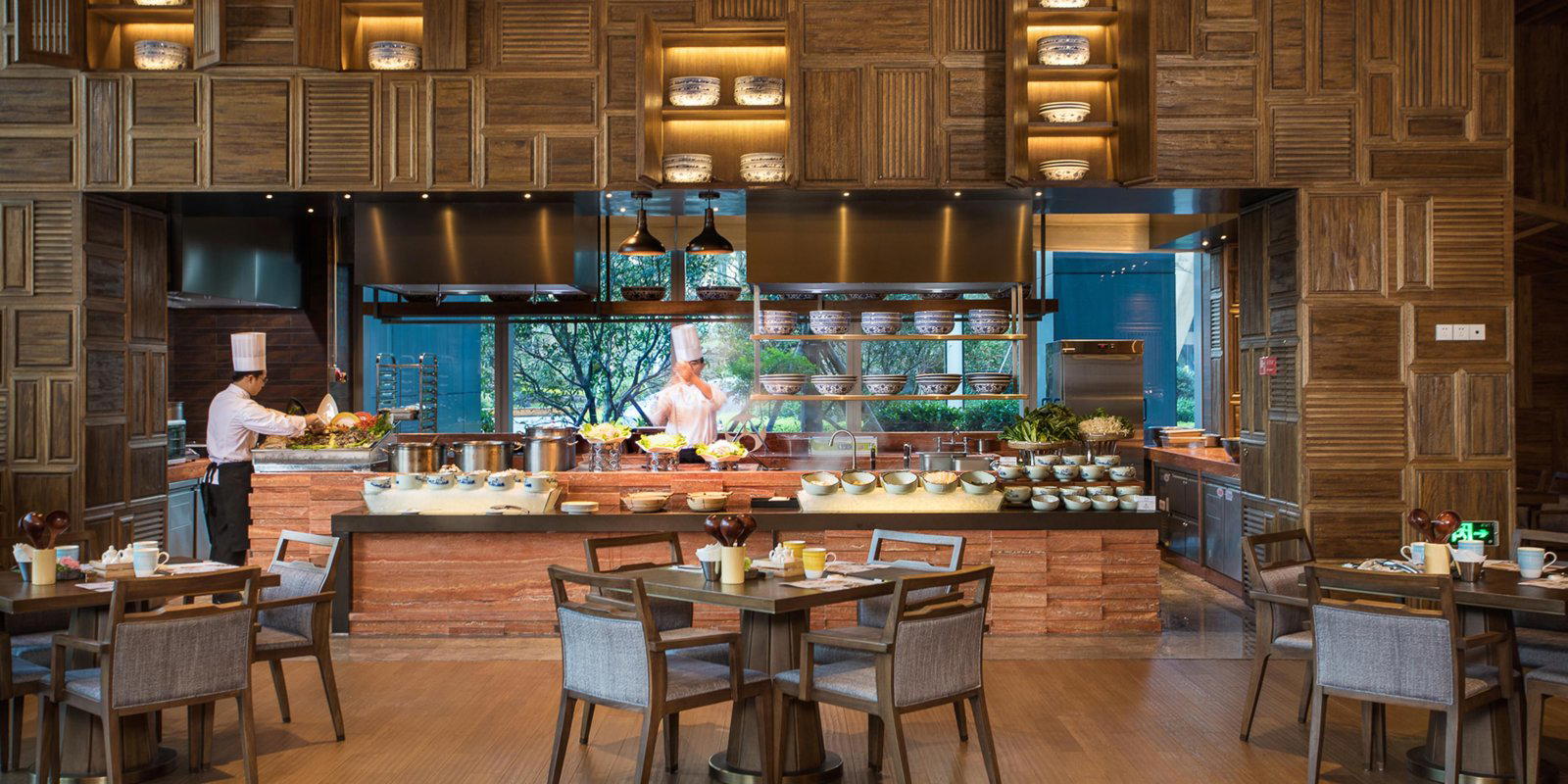
Xiamen's skyline is punctuated by a sail-shaped tower on Yanwu West Road, and the building's profile has become shorthand for the city's outward-looking ambitions. On its 39th floor, Lucheng occupies a position that is less a restaurant altitude gimmick and more a considered editorial statement about how Fujian cuisine wants to be seen: commanding, rooted, and no longer content to be treated as a regional footnote to Cantonese or Shanghainese dining. Michelin Plate 2024 and 2025 recognition underscores that ambition. The room pairs traditional Chinese motifs, abstracted and refined rather than reproduced literally, with fixtures that prioritise comfort over ceremony. Light pours across the bay from multiple directions, and the city spreads below in a way that places the meal inside a wider geography.
That geography matters. Fujian province connects China's interior mountain terrain to one of its most active coastlines, and the province's cuisine reflects both. Dried and preserved ingredients from inland kitchens meet live seafood and delicate broths along the coast. Xiamen, as a major port and the cultural heartland of the Minnan-speaking world, sits at the intersection. The cooking at Lucheng reads as an argument for that complexity, not a simplified version of it designed for outside approval.
A Kitchen Built Around Collaboration
The editorial angle here is not a single chef's biography but the way the kitchen operates as a coordinated team. The brigade is composed of Fujian natives, which matters more than a credential on paper: regional cooking traditions are transmitted through accumulated household and family-kitchen knowledge that resists formal documentation. That institutional depth within the team means the kitchen can approach creative departures from a position of real fluency rather than approximation.
The team is managed by a young Minnan chef. A number of the city's higher-end Fujian tables are run by older practitioners who treat the canon with near-liturgical reverence. Lucheng's approach, by contrast, allows for creative reinterpretation while keeping the underlying technique and ingredient logic intact. The front-of-house function within a hotel operation of this scale also shapes how the kitchen's work lands: service here has the structural support of Conrad's hospitality standards, which takes pressure off the dining room team and allows more consistent pacing across covers.
Operators like Hokklo and Yanyu (Jiahe Road) approach the same culinary tradition from different price points and formats. Lucheng, at ¥¥¥, positions itself at the upper tier of Xiamen's Fujian dining bracket, where setting, team size, and ingredient sourcing justify the premium over mid-range operators like Chic 1699 at ¥¥ or neighbourhood anchors like Bai Jia Chun Hao De Lai Jiang Mu Ya at ¥.
What the Kitchen Actually Does
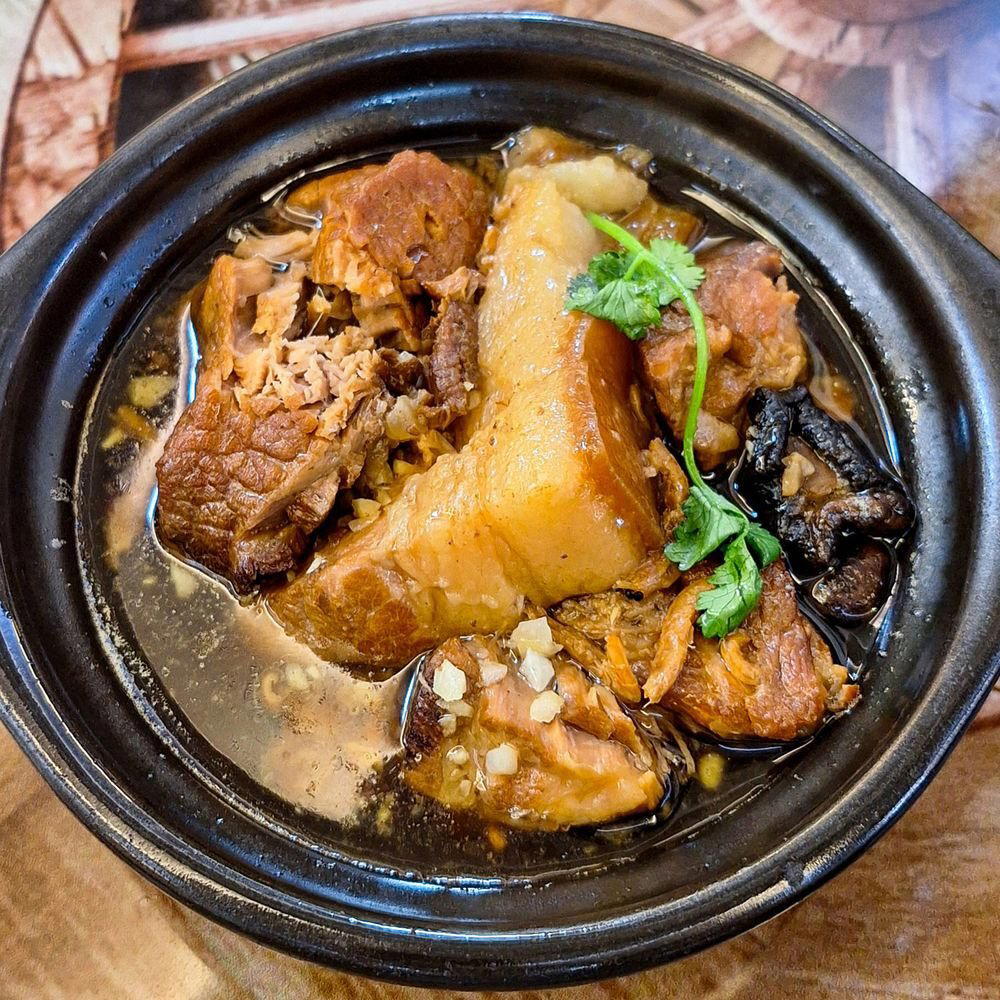
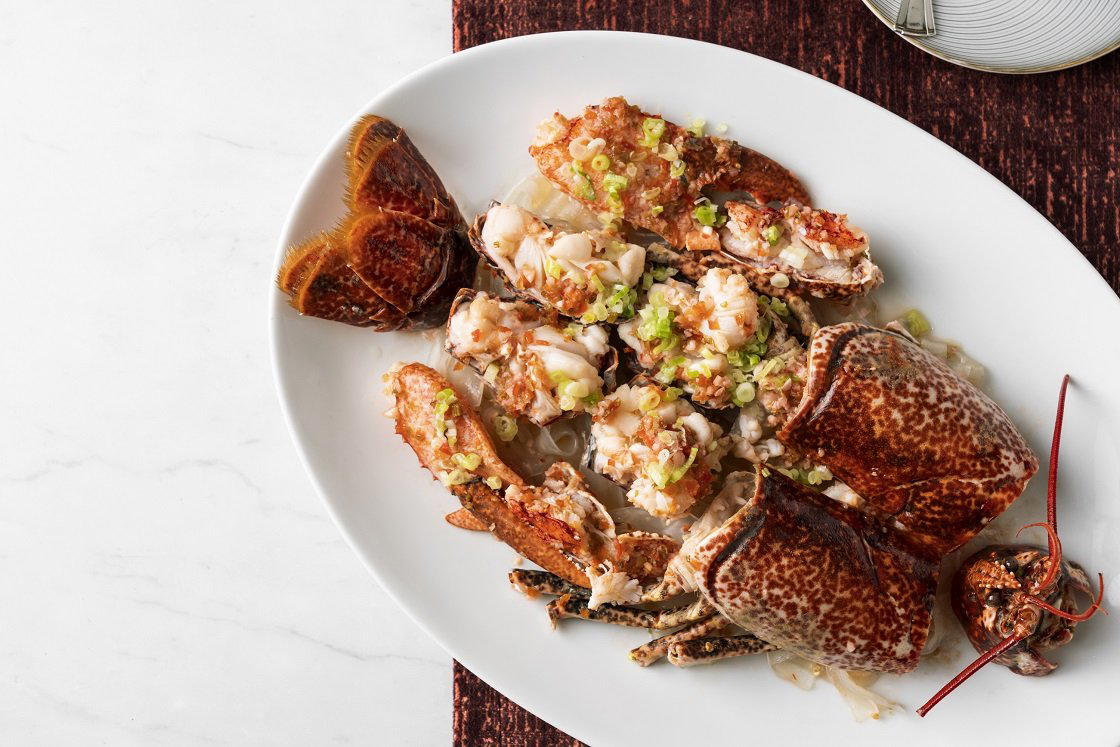
Fujian cooking has a reputation for soups and broths that can take the better part of a day to prepare, and for preserved ingredients, particularly vinegars and pickled vegetables, that carry real acidity and funk into otherwise delicate dishes. Lucheng's kitchen works inside that tradition and pushes at its edges. The deep-fried starchy taro served with an aged vinegar reduction is a useful illustration: taro appears across many Chinese regional cuisines, but the specific application of aged Fujian vinegar as a finishing element is a distinctly provincial move, sharpening a dish that might otherwise read as textural novelty. The braised river eel with fish maw and pickled cabbage demonstrates a different principle, layering preserved sourness against the gelatin-rich unctuousness of fish maw in a way that requires precise calibration to avoid the dish collapsing into heaviness.
These are not descriptions of safe crowd-pleasers. They signal a kitchen willing to work with ingredients that can punish technical lapses. That confidence, along with two consecutive Michelin Plate recognitions in 2024 and 2025, places Lucheng in the credentialed upper band of Xiamen's restaurant scene. Michelin Plate recognition marks a kitchen producing consistent cooking across service.
Fujian Cuisine in a Broader Chinese Context
Fine dining treatments of Fujian cuisine remain less common in China's major cities than Cantonese, Shanghainese, or Sichuan equivalents. Operations like Xin Rong Ji in Beijing and Xin Rong Ji in Chengdu have carved out high-end positions for Zhejiang-rooted seafood cooking, providing a loose analogy for how regional coastal cuisine can achieve premium positioning outside its home territory. In Fuzhou, Wenru No.9 works the Fujian tradition from the provincial capital's vantage point. Chengdu's Hokkien Cuisine takes Fujian cooking to a market that sits outside the province entirely.
Within Xiamen's longer dining history, operators like 1927 Dong Yuan Si Chu and A Zhong Shi Fang represent different relationships with the city's culinary past. Lucheng's positioning, contemporary in presentation and housed inside an international hotel brand, sits at a different point on that axis. The comparison is not a hierarchy; it is a map of how a single city's cuisine distributes itself across formats, price points, and intended audiences. Elsewhere in the broader regional conversation, venues like Ru Yuan in Hangzhou, 102 House in Shanghai, Chef Tam's Seasons in Macau, and Imperial Treasure Fine Chinese Cuisine in Guangzhou demonstrate how hotel-anchored and independent fine dining operations compete across different southern Chinese markets.
Planning Your Visit
Lucheng sits on the 39th floor of the Conrad Hotel at 186 Yanwu West Road, Siming District, Xiamen. The ¥¥¥ price positioning means this is not an everyday table; it operates in a bracket where the occasion, the view, and the quality of sourcing all factor into the cost.
What Regulars Order at Lucheng
The two preparations flagged by the kitchen as representative of its approach are the deep-fried starchy taro with aged vinegar reduction and the braised river eel with fish maw and pickled cabbage. Both anchor the menu in Fujian's preserved-ingredient tradition while demonstrating the team's technical range. The taro dish works as an entry point into the kitchen's logic; the eel and fish maw preparation is the more demanding of the two and the better indicator of what the kitchen can sustain at its full stretch. Regulars drawn by the Michelin Plate recognition and the Conrad setting tend to treat these not as novelties but as reference points, returning to see how the team evolves the execution across seasons and ingredient availability.
Pricing, Compared
Comparable venues nearby, for context on price, style, and recognition.
| Venue | Cuisine | Price | Awards | Notes |
|---|---|---|---|---|
| LuchengThis venue — the venue you are viewing | Siming, Modern Fujian & Cantonese | $$$ | Michelin Plate | Not listed |
| 1927 Dong Yuan Si Chu | Siming, Refined Xiamen Fujian Cuisine | $$$ | Michelin Plate | Not listed |
| Bai Jia Chun Hao De Lai Jiang Mu Ya (Zhongxing Road) | Siming, Traditional Fujian Ginger Duck | $$ | Bib Gourmand | Not listed |
| YANYU FUJIAN | Not listed | $$$ | Not listed | Siming District, Modern Fujian Fine Dining |
| Xing Wang Seafood · Rongting Hui (Siming) | Seafood | $$$ | Michelin Plate | Not listed |
| Si Xia Li (Huli) | Huli, Modern Minnan Cuisine | $$ | Bib Gourmand | Not listed |
Recognition history
Dated appearances from independent guides and award organizations, with the underlying list record or original source where available.
Michelin Plate
Michelin
Michelin Plate
Michelin
Michelin Plate
Michelin
Continue exploring
More in Xiamen
Restaurants in Xiamen
Browse all →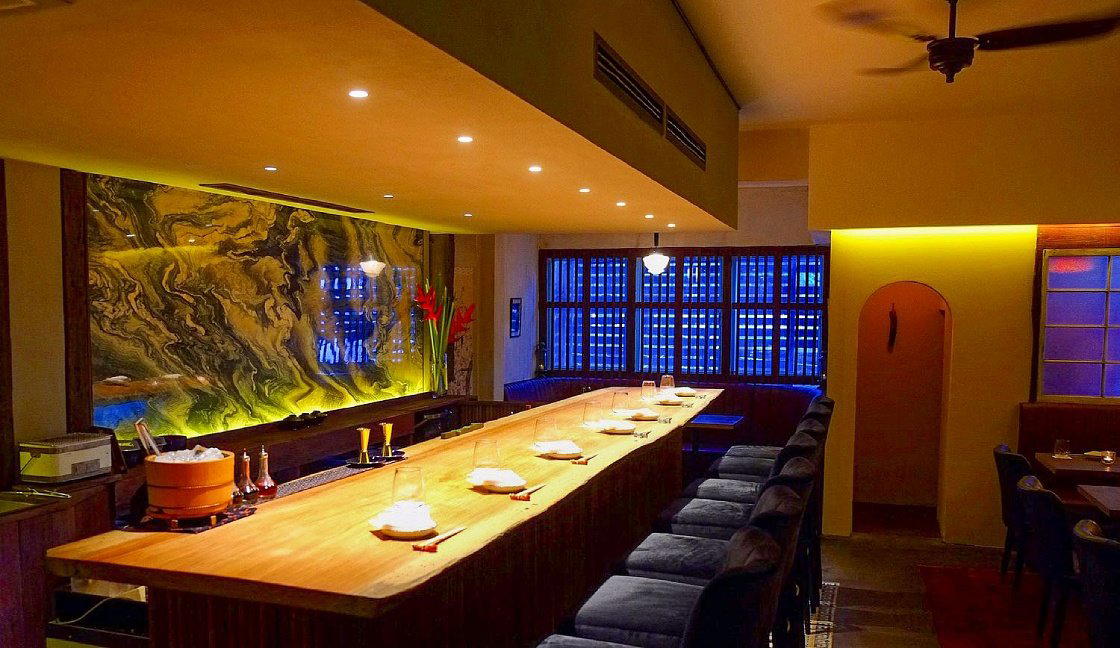
At a Glance
- Elegant
- Sophisticated
- Scenic
- Business Dinner
- Special Occasion
- Date Night
- Panoramic View
- Private Dining
- Hotel Restaurant
- Waterfront
- Skyline
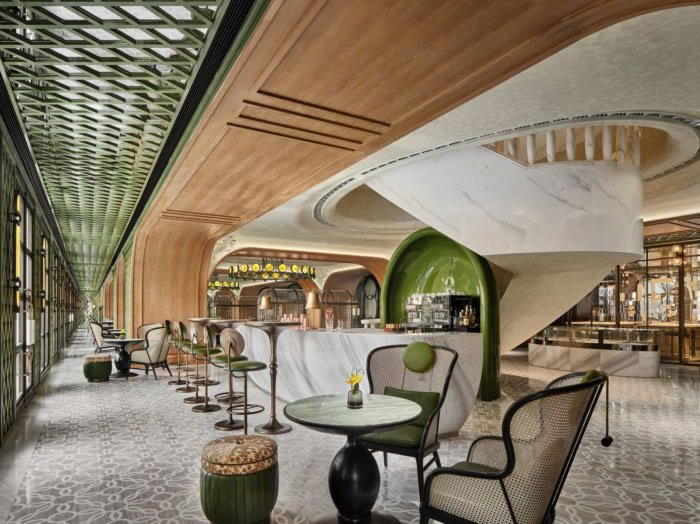
Simple and elegant decoration with stylised traditional Chinese motifs, melded with modern fixtures; moody lighting and dramatic sea views create a sophisticated, comfortable atmosphere.