
A Michelin Plate-recognised seafood destination in Xiamen's Siming District, Xing Wang traces its roots to a 1994 fishmonger and a 2016 roadside stall before arriving at this polished mall flagship in 2023. Live tanks and a museum-style display of over 100 taxidermy crustaceans frame a format built around choosing your own catch. Minnan accompaniments round out a meal grounded in the flavours of the South Fujian coast.
Pearl is the En Primeur Club membership app — saves, bookings, and concierge access live there. Same editors, same standards.
- Address
- 211-127 Jiahe Rd, 211, Siming District, Xiamen, Fujian, China, 361007
- Phone
- +86 592 678 9777
- Directions
- Get directions
 Saves & bookings on Pearl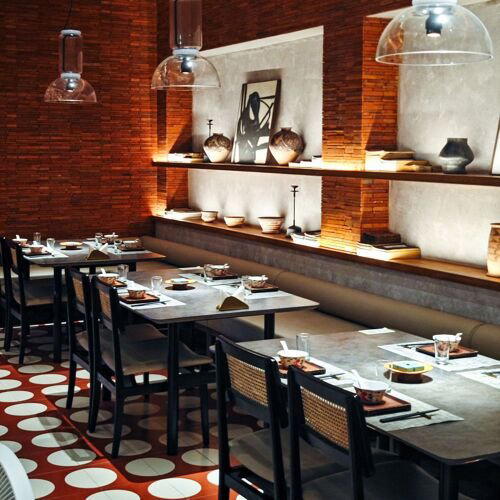
Where a Fishmonger Became a Dining Room
Mall dining in Chinese cities has a complicated reputation, but the better Fujian seafood houses have learned to use the format rather than be diminished by it. The upmarket flagship of Xing Wang Seafood at Rongting Hui shopping centre in Siming District is a case in point. Walk in and you are immediately oriented by two things: a wall of live tanks in which fish, crab, shrimp, and molluscs circulate in aerated seawater, and a museum-style installation of more than 100 taxidermy crustaceans mounted along an adjacent display wall. The combination is deliberate. It situates the restaurant inside a longer coastal narrative rather than presenting itself as simply another seafood counter inside a shopping centre.
That coastal narrative runs back to 1994, when the business began as a fishmonger. A roadside food stall followed in 2016, and the 2023 Rongting Hui flagship represents the third and most considered iteration of that evolution. The progression from fish market to Michelin Plate recognition in consecutive years follows a pattern seen elsewhere in Chinese regional dining, where family seafood businesses have formalised into recognised restaurant operations without fully shedding the directness of the market tradition they came from.
The Live-Tank Format and What It Demands of the Diner
The operative word at Xing Wang is selection. The kitchen's role begins only after you have chosen from the tanks, which means the diner carries more responsibility here than at a conventional set-menu seafood restaurant. This is the Minnan way: the South Fujian coast has long prized proximity to the source, and the live-tank format is its institutional expression. Comparable operations exist across Xiamen's seafood tier, but few pair the selection theatre with a supporting menu of Minnan accompaniments that contextualises the main catch within a regional culinary framework rather than treating it in isolation.
Once you have chosen your fish or crustacean, you specify the cooking method. Steaming is the default for whole fish of quality, as it preserves the texture and salinity that the tanks have maintained. Stir-frying with aromatics suits shellfish; braising works for certain crabs. The decision is consequential. Overseasoning or high-heat cooking on a delicate white fish from the Taiwan Strait would undo everything the sourcing has achieved.
Minnan Cuisine as the Supporting Structure
South Fujian cooking, known locally as Minnan cuisine, operates at a different register from the more widely exported Cantonese or Sichuan traditions. It is lighter in oil, restrained in spice, and built around the natural sweetness of coastal ingredients. Sauces tend toward clarity rather than depth, and the preference for steaming and minimal intervention reflects a culinary philosophy that prizes ingredient quality over transformation. Xiamen's position as a port city historically connected to Taiwan and Southeast Asia adds further inflection points: certain dishes carry traces of that long trading contact in their seasoning and technique.
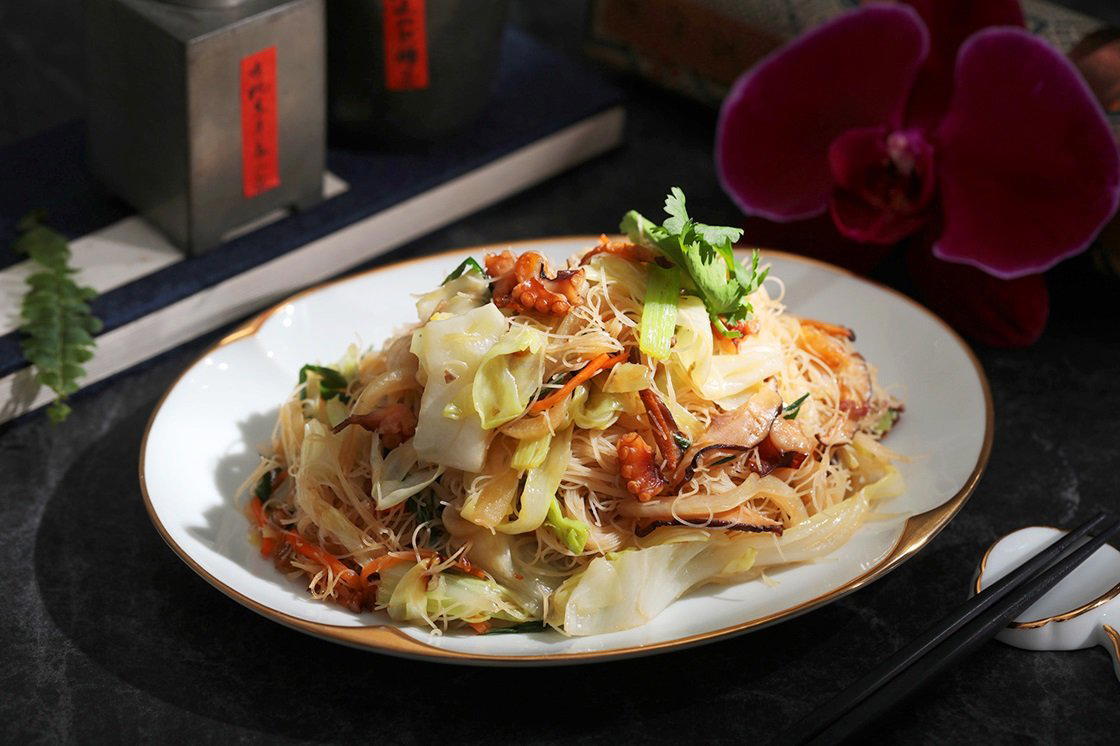
At Xing Wang, the Minnan accompaniments function as a structural frame for the meal rather than an afterthought. Congee, braised vegetables, and shellfish preparations served alongside a whole steamed fish create a table rhythm that is recognisably Fujianese. For visitors arriving from the Cantonese seafood tradition, the comparison is instructive: both cuisines prize freshness and restraint, but Minnan cooking carries less sweetness in its sauces and a saltier, more direct oceanic character. For context on how Fujian cooking is being interpreted across different price tiers in Xiamen, Hokklo (Fujian) and Yanyu (Jiahe Road) (Fujian) offer useful reference points at a comparable level of seriousness.
The Wine Question: What to Drink with Fujian Seafood
Coastal Chinese restaurants have been slow to develop wine programmes commensurate with their food ambitions, and live-tank seafood houses have historically sat outside the wine conversation almost entirely. The format invites tea and local grain spirits rather than European bottlings. That said, the food itself pairs with white wine in ways that are worth understanding, particularly for visitors who come from wine-literate dining contexts.
The key consideration with Minnan-style seafood is salinity and texture. A whole steamed fish from the Taiwan Strait, served with a light soy and ginger dressing, has the structural delicacy of a fine Dover sole, and responds to the same white wine logic: lean, mineral, low-oak wines that match rather than overpower. Muscadet from the Loire, served young with its lees character intact, is a workable benchmark. White Burgundy at village level, specifically from the Mâconnais where the wines carry ripeness without heavy wood influence, tracks well with the sweet, firm flesh of larger crustaceans such as crab or mantis shrimp. Alsatian Riesling Kabinett, with its interplay of fruit and acidity, holds its own against braised shellfish without the residual sweetness becoming a problem.
From further afield, Spanish Albariño from Rías Baixas brings a maritime character that makes intuitive sense alongside Atlantic-adjacent seafood traditions, even when the ocean in question is the South China Sea. For comparative reference on how wine is being matched to seafood elsewhere in China, Xin Rong Ji (Xinyuan South Road) in Beijing and 102 House in Shanghai offer useful points of comparison. The Italian coastal comparison is also useful: at a restaurant like Gambero Rosso, Seafood in Marina di Gioiosa Ionica or Alici Restaurant on the Amalfi Coast, the wine-and-sea relationship has been formalised into a signature of the dining experience. Minnan seafood cooking is substantively different in its seasoning, but the underlying principle of mineral-driven whites cutting through oceanic sweetness applies across both traditions.
Xing Wang in Xiamen's Seafood Tier
Within Xiamen's seafood restaurant category, Xing Wang sits at the mid-to-upper price tier, signalled by the ¥¥¥ pricing and two consecutive Michelin Plate recognitions. The Plate designation in the Michelin framework means the food is considered good cooking rather than a distinction denoting technical complexity; it is a recommendation rather than a star, and it is most useful for contextualising the restaurant within its peer group. At this tier, Xing Wang sits above casual seafood houses but operates on different terms from the more formal Chinese restaurant operations in the city.
For direct comparison in the seafood category, Hao Shi Lai operates at the ¥¥ level, making it a useful reference point for understanding the step-up that the Xing Wang flagship represents. Other Xiamen addresses worth mapping include Xian Xiong Qi and, for the Chaozhou influence on Fujian coastal cooking, Fleurs Et Festin (Chao Zhou). Across China's premium seafood tier, comparable positioning can be seen at Imperial Treasure Fine Chinese Cuisine in Guangzhou and Chef Tam's Seasons in Macau, though both operate at a higher formality level than Xing Wang's market-heritage format.
Planning Your Visit
The restaurant is located at 211-127 Jiahe Road in Siming District, inside the Rongting Hui mall, which makes it direct to combine with shopping or an afternoon in that part of Xiamen. The ¥¥¥ price range places the restaurant in Xiamen's upper mid-range for dining, well within the range expected for fresh live seafood at this quality level in a Chinese coastal city. Given the live-tank format, arriving with enough time to browse the selection before peak service is worth building into your schedule. Booking ahead is advisable for weekend evenings.
What Should I Eat at Xing Wang Seafood?
Start at the live tanks. The selection anchors everything that follows, so spend time there rather than going straight to the menu. For whole fish, steaming is the preparation that best preserves the character of fresh-caught product from the Taiwan Strait; request that cooking method unless you have a specific preference. Crustaceans respond well to stir-frying with aromatics if you want more depth of flavour, or steaming if you want the cleanest possible read on the ingredient. The Minnan accompaniments on the wider menu, including shellfish side preparations and regional vegetable dishes, are worth ordering rather than treating the meal as a single-protein exercise. They provide the structural contrast that turns a fish supper into a coherent Fujianese meal. For visitors interested in how Fujian flavours develop across different ingredient bases and price points, Ru Yuan in Hangzhou and Xin Rong Ji in Chengdu offer further reference on how coastal Chinese culinary traditions travel and adapt beyond their home regions.
Comparable Venues
Comparable venues nearby, for context on price, style, and recognition.
| Venue | Cuisine | Price | Awards | Notes |
|---|---|---|---|---|
| Xing Wang Seafood · Rongting Hui (Siming)This venue — the venue you are viewing | Seafood | $$$ | Michelin Plate | Not listed |
| Shan Gu Tang (Xiahe Road) | Fujian Herbal Soups | $$ | Bib Gourmand | Siming |
| Da Tong Shao Jiu Lang | Fujian Small Plates (Shao Jiao Pei) | $$ | Bib Gourmand | Siming |
| Pan Ya Yuan | Seasonal Vegetarian Fine Dining | $$$ | Bib Gourmand | Huli |
| Minnan Minnan (Siming) | Authentic Minnan Fujian Cuisine | $$ | Bib Gourmand | Siming |
| Yin Lu | Chinese | $$$ | Michelin Plate | Xiamen |
Recognition history
Dated appearances from independent guides and award organizations, with the underlying list record or original source where available.
Michelin Plate
Michelin
Michelin Plate
Michelin
Michelin Plate
Michelin
Continue exploring
More in Xiamen
Restaurants in Xiamen
Browse all →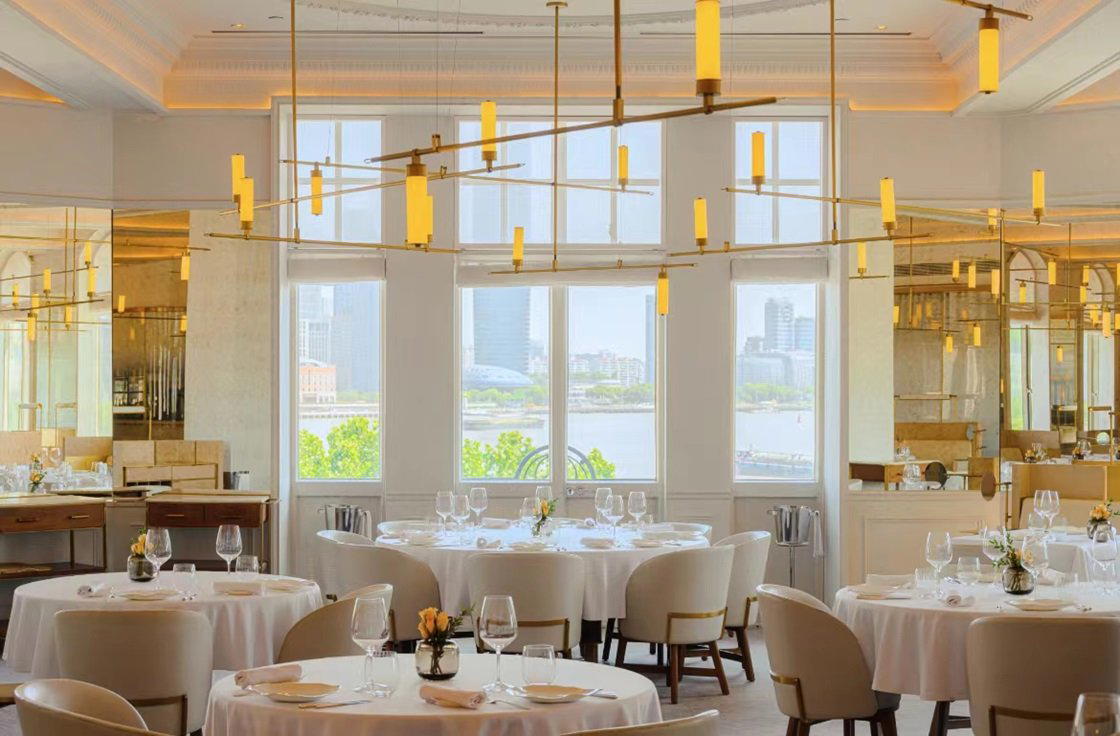




At a Glance
- Lively
- Sophisticated
- Classic
- Special Occasion
- Business Dinner
- Standalone
- Sustainable Seafood
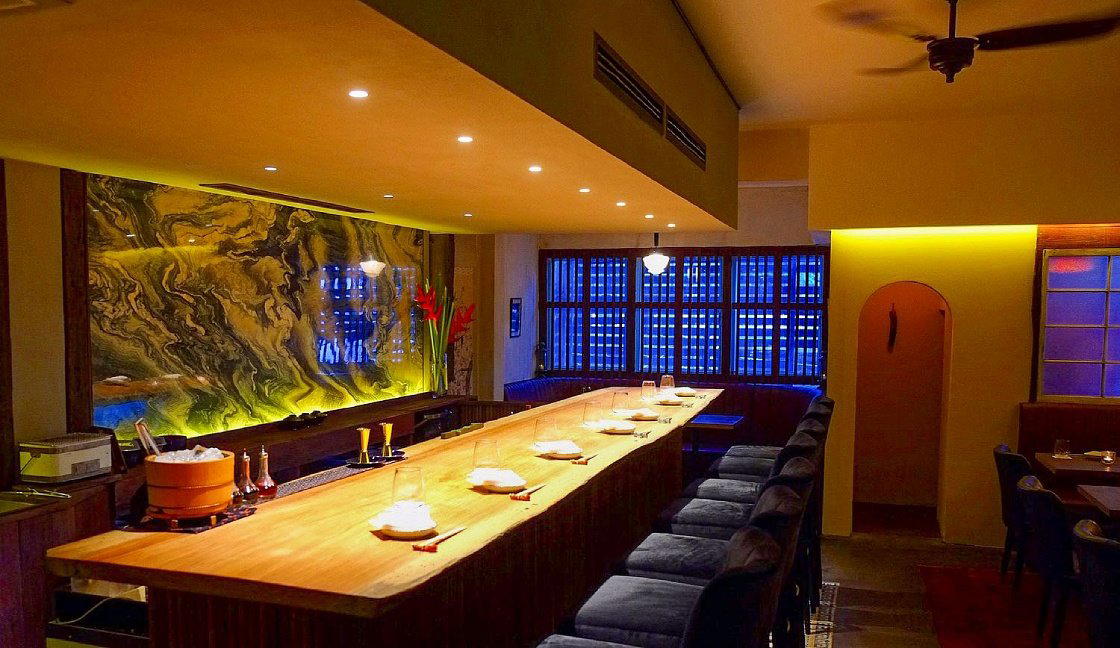
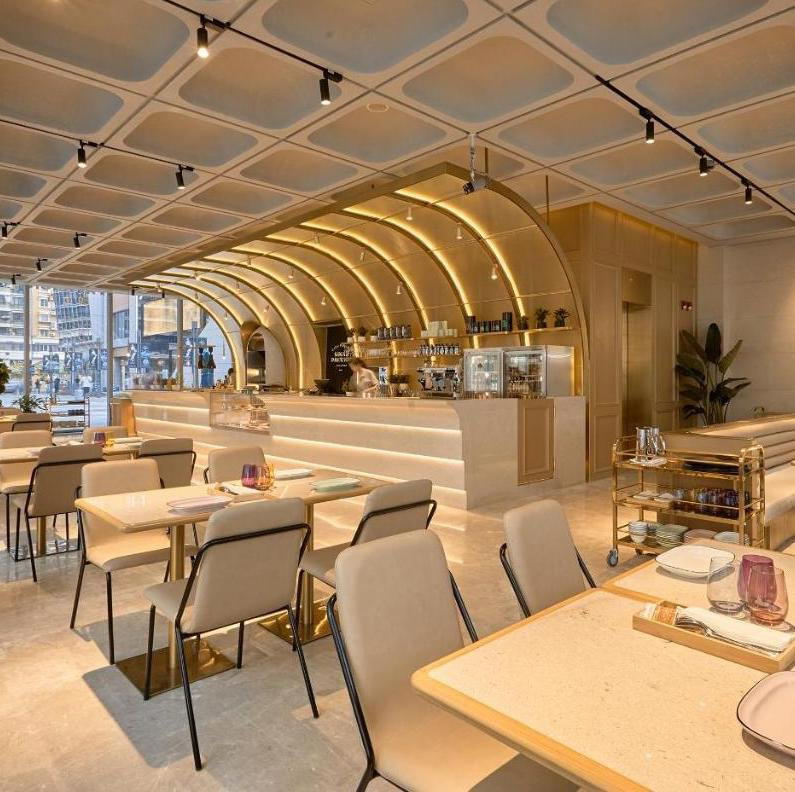
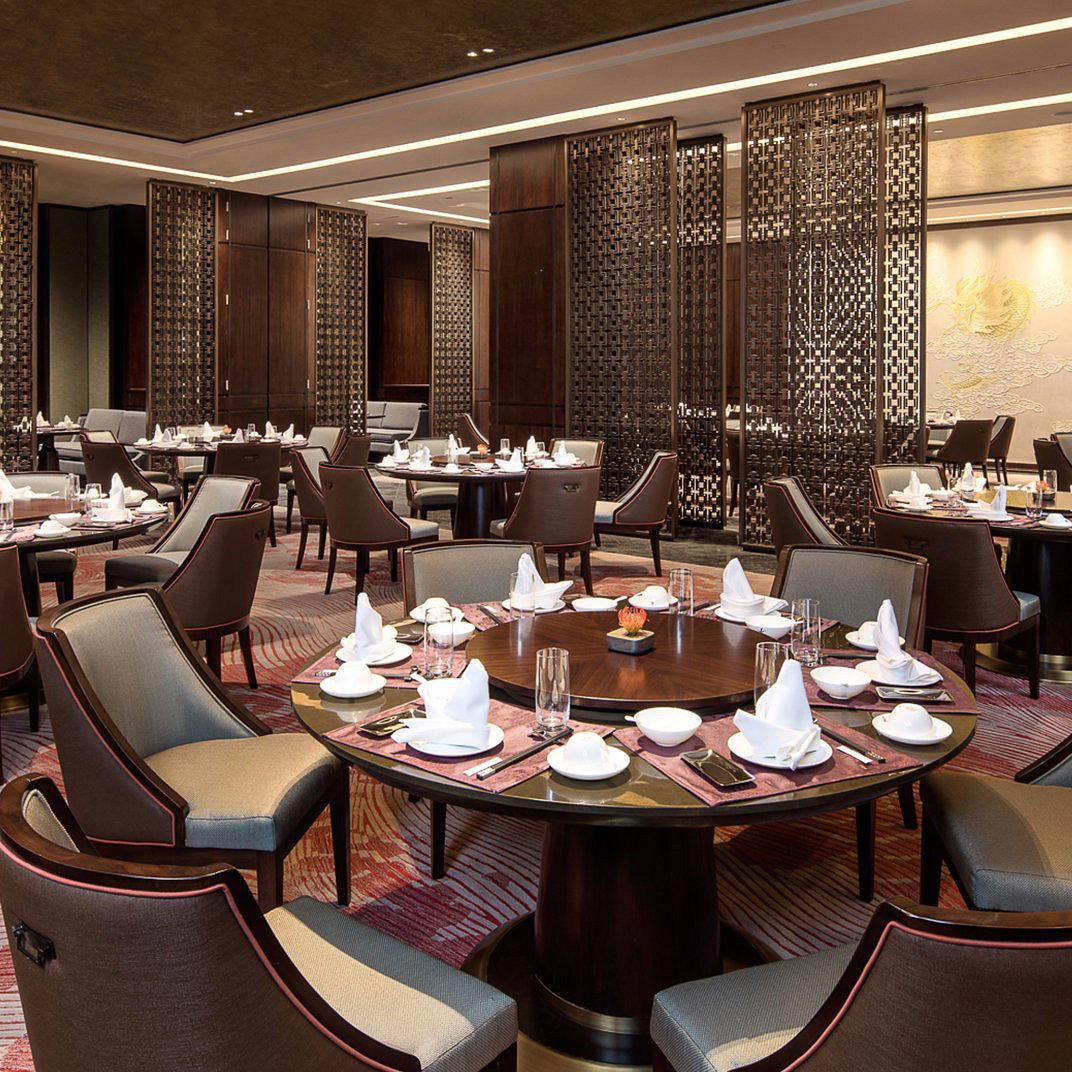
Lively but structured, with a theatrical, occasion-appropriate feel rather than a casual market-stall vibe.