
Da Tong Shao Jiu Lang has operated from Xiamen's Siming District old town for more than a decade, specialising in shao jiao pei, the Minnan tradition of small plates built around drinking. The seafood-forward menu runs to blanched octopus with a closely guarded dip and pork kidney in Sichuan pepper sauce, placing it squarely in the informal, convivial tier of Fujian eating that Xiamen does better than almost anywhere else in China.
Pearl is the En Primeur Club membership app — saves, bookings, and concierge access live there. Same editors, same standards.
- Address
- 24-101 Dayuan Rd, 24, Siming District, Xiamen, Fujian, China, 361001
- Phone
- +86 592 291 2731
- Directions
- Get directions
 Saves & bookings on Pearl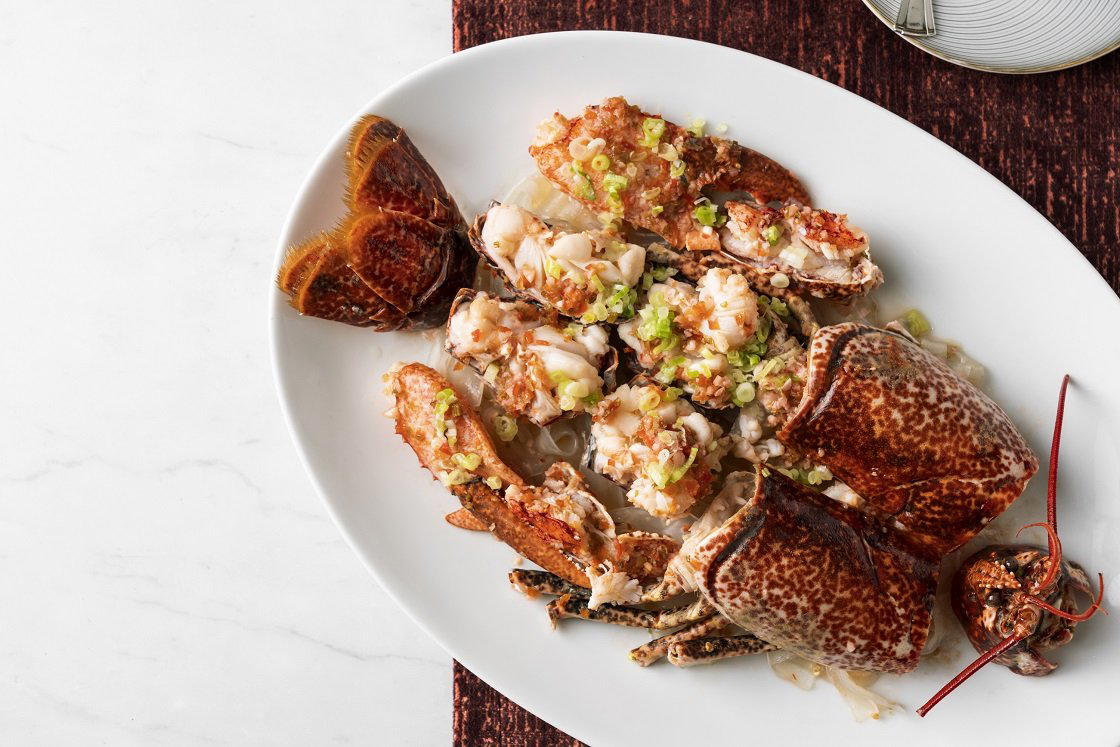
Where Drinking Culture Meets Minnan Cooking
In the older neighbourhoods of Xiamen's Siming District, a specific kind of eating house has defined local social life for generations. These are not restaurants in the formal sense. They are shao jiao pei spots, a Minnan term for a format built around small plates designed to accompany alcohol, where the sequence of dishes follows the rhythm of the table's drinking rather than any fixed progression. Da Tong Shao Jiu Lang, at 24-101 Dayuan Road, offers Fujian Small Plates (Shao Jiao Pei) in Xiamen's Siming District at about US$20 per person.
The shao jiao pei format places a particular set of demands on a kitchen. Dishes need contrast, because they are arriving across an extended sitting rather than as a composed tasting arc. Textures matter more than presentation. Bold seasoning that reads well against beer or baijiu is not incidental, it is the point. The teams running these establishments understand their audience as drinkers first, diners second, and every plate is calibrated accordingly. This is a different discipline from the refined Fujian cooking you find at places like Hokklo or the more formal Minnan table at Yanyu (Jiahe Road), and it deserves to be read on its own terms.
A Seafood-Forward Menu Built on Texture and Contrast
Da Tong Shao Jiu Lang's menu leans heavily on seafood, which is the natural starting point for any kitchen operating this close to the Fujian coastline. Among the dishes the venue has become known for, the blanched octopus is the reference point: prepared to be crisp on the outside while retaining tenderness through the body, it arrives with a dip whose precise composition is kept in-house. The restraint of the cooking method lets the octopus speak for itself, with the dip providing contrast rather than covering the ingredient.
The pork kidney in Sichuan pepper sauce takes a different approach, presenting on a bed of sliced celtuce, the tall lettuce variety common across Sichuan and Fujian cooking. The celtuce provides a clean, mild crunch against the assertive sauce and the kidney's softer texture. This kind of deliberate textural layering is characteristic of confident offal cooking, and it places this dish in a conversation with the broader Chinese tradition of organ meats done with precision rather than apology. The menu also includes meat dishes beyond offal, meaning the kitchen covers a wider range than a strict seafood focus would suggest.
Comparing this approach to the more ceremonial seafood presentations at Xin Rong Ji in Beijing or the technically precise seafood work at Le Bernardin in New York clarifies what Da Tong Shao Jiu Lang is doing. This is not refinement for its own sake. It is cooking in service of a table that is there to drink, talk, and eat late into the evening, and the menu's architecture reflects that completely.
The Team Behind the Counter
The shao jiao pei format at its most effective depends on a particular kind of front-of-house fluency. Because plates are ordered to match drinking pace, the people taking orders and running food need to read a table, not just execute a sequence. At the restaurant, the operation has been run by a couple since the venue opened more than a decade ago. This kind of owner-operator continuity, where the people who built the menu are also managing the room, creates a consistency that is difficult to replicate in larger, staffed operations.
In venues like this, the distinction between kitchen and floor collapses in useful ways. There is no sommelier tier, because the drinks are simple and the pairing logic is embedded in the dishes themselves. The coordination that matters is between whoever is reading the table and whoever is calling the kitchen, and a decade of shared operation sharpens that considerably. For a comparison at the formal end of this collaboration model, see Atomix in New York, where the kitchen-floor dynamic is choreographed to a different standard, or Chef Tam's Seasons in Macau. The restaurant operates at the informal end of the same axis, but the underlying principle, that coherence between kitchen and service produces a better meal, applies across the tier.
Xiamen's Old Town Eating Belt
Siming District carries much of Xiamen's older food identity. The streets around Dayuan Road sit within a neighbourhood that has resisted the full premium repositioning that has affected other parts of the city, and the result is a concentration of eating houses that still operate on local rather than tourist logic. This matters for how the restaurant should be approached: it is a neighbourhood venue in the fullest sense, which means busier evenings, a local crowd, and a room that fills on its own schedule rather than because of any external recognition apparatus.
The broader Xiamen dining picture has diversified considerably. For formal Chaozhou cooking, Fleurs et Festin occupies a different tier. 1927 Dong Yuan Si Chu and A Zhong Shi Fang each represent distinct angles on Fujian cooking. The restaurant sits in none of these categories. It belongs to the informal communal-eating tier that Chinese cities do at a level that formal dining cannot replicate, and that tier is often where the characterful eating in a place actually happens. For a fuller picture of where this venue fits, see our full Xiamen restaurants guide.
Planning around this venue is direct in practice. The address at 24-101 Dayuan Road, Siming District, places it in the older commercial belt, accessible from the city centre. Arriving early in the evening is one reliable approach, as the room fills with local regulars as the night progresses. The format encourages ordering in rounds rather than all at once, which suits the shao jiao pei logic. For further context on the area, our Xiamen hotels guide, bars guide, and experiences guide provide neighbourhood-level orientation.
Cuisine and Recognition
Comparable venues nearby, for context on price, style, and recognition.
| Venue | Cuisine | Price | Awards | Notes |
|---|---|---|---|---|
| Da Tong Shao Jiu LangThis venue — the venue you are viewing | Fujian Small Plates (Shao Jiao Pei) | $$ | Bib Gourmand | Not listed |
| Si Xia Li (Huli) | Modern Minnan Cuisine | $$ | Bib Gourmand | Huli |
| Minnan Minnan (Siming) | Authentic Minnan Fujian Cuisine | $$ | Bib Gourmand | Siming |
| Xia | Modern Fujian-Huaiyang Fusion | $$$ | Michelin Plate | Huli District |
| Xiao Cheng Xi | Traditional Fujian Minnan Cuisine | $$ | Bib Gourmand | Siming |
| 1927 Dong Yuan Si Chu | Refined Xiamen Fujian Cuisine | $$$ | Michelin Plate | Siming |
Recognition history
Dated appearances from independent guides and award organizations, with the underlying list record or original source where available.
Michelin Bib Gourmand
Michelin
Continue exploring
More in Xiamen
Restaurants in Xiamen
Browse all →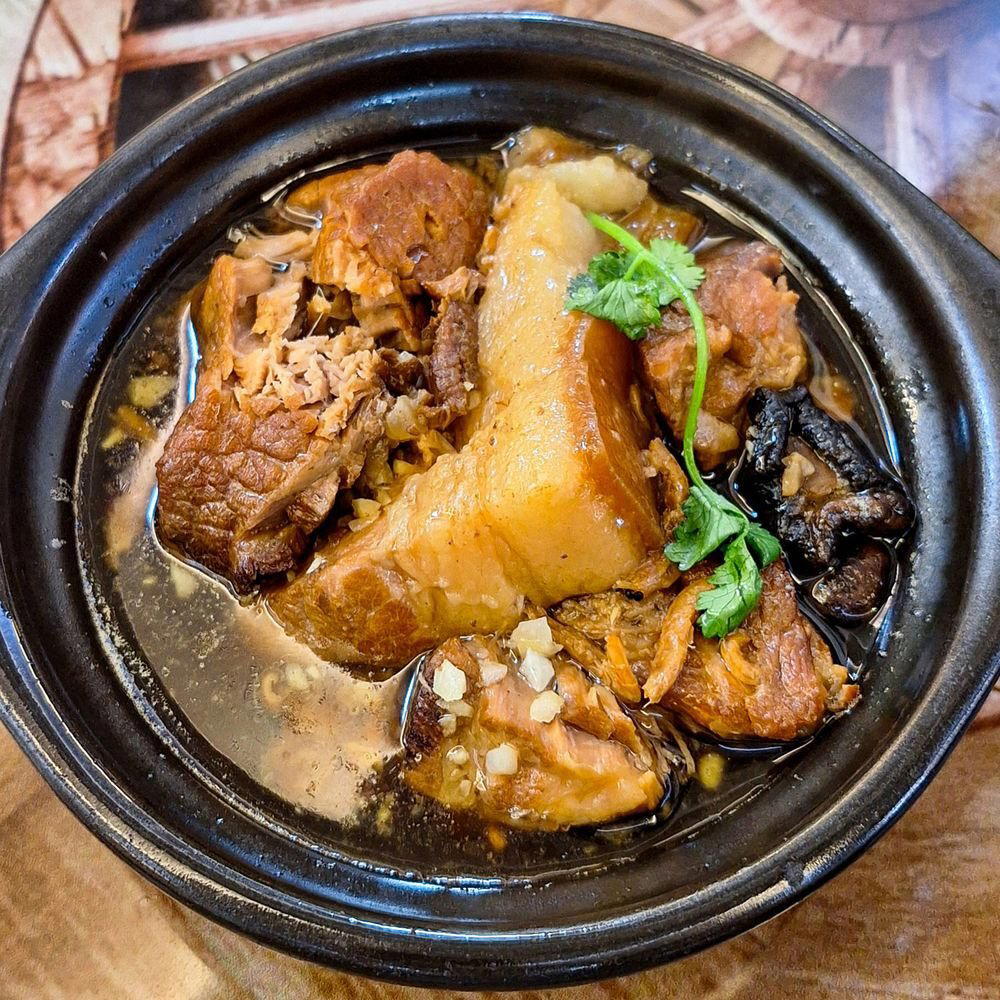

At a Glance
- Lively
- Cozy
- Casual Hangout
- After Work
- Standalone
- Sake Program
- Local Sourcing
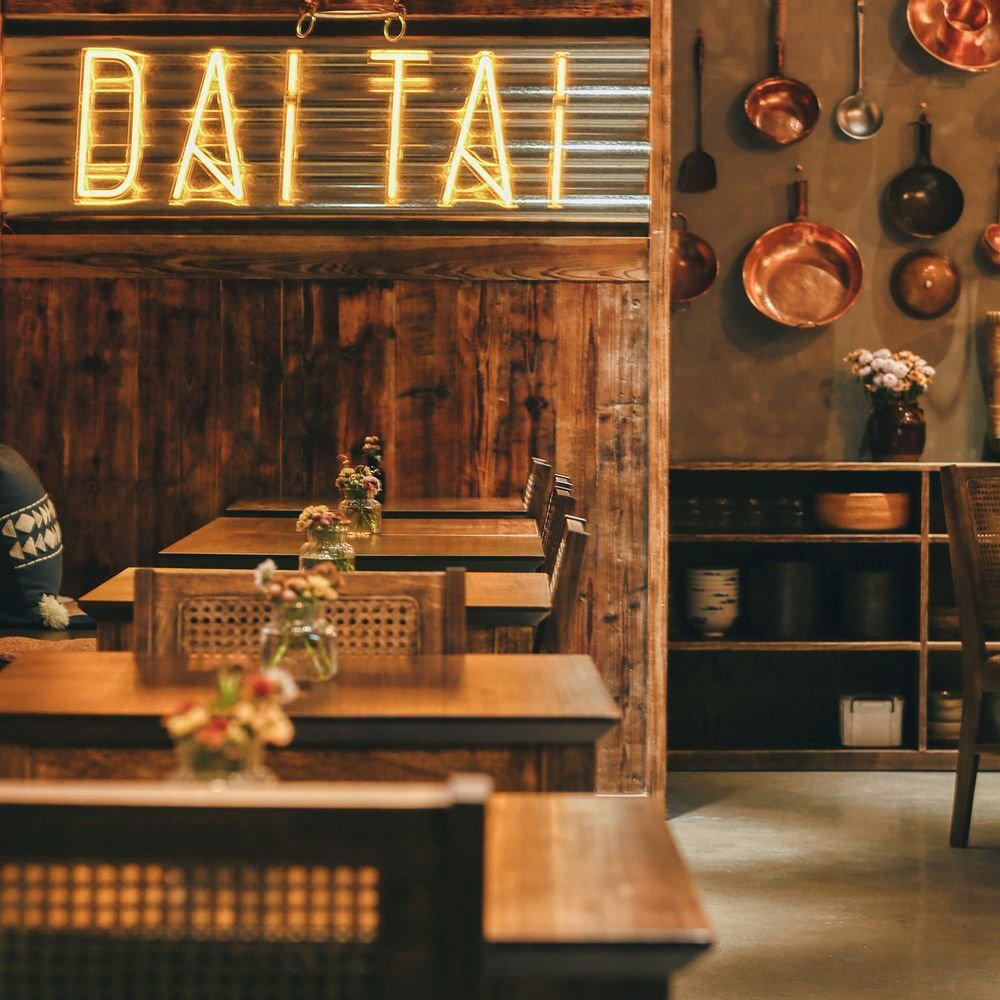
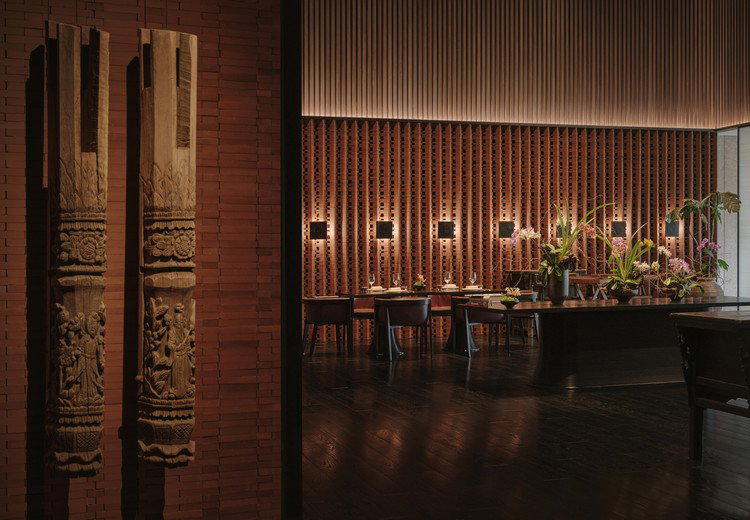
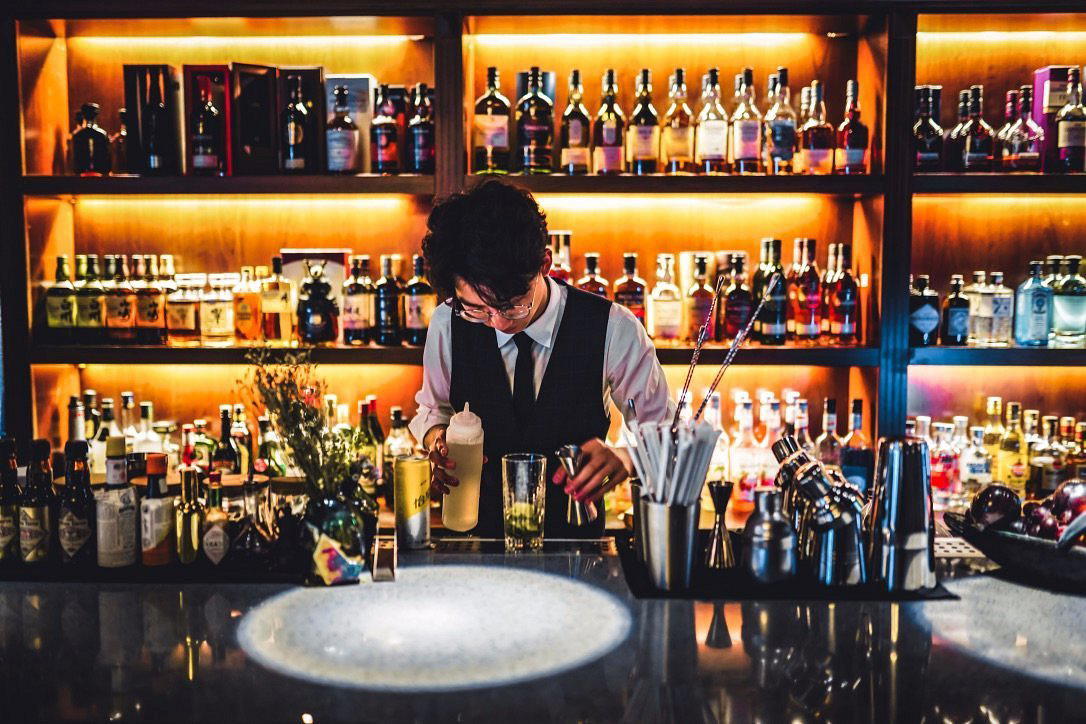
Lively and practical old-town atmosphere with functional lighting, warm environment, wok hisses, knife chops, and convivial conversations.