
Michelin Bib Gourmand
Our verdict
A Michelin Bib Gourmand-recognised address in Xiamen's Huli district, Si Xia Li brings nearly three decades of Minnan culinary knowledge to a mid-range format that makes creative Fujian cooking broadly accessible. The chef-owner folds Western techniques into regional tradition, producing dishes like oyster omelette with water chestnut and slow-cooked pork belly with shiitake that feel rooted yet current.

Pearl is the En Primeur Club membership app, where members save venues, book tables and use the concierge.
The menu
What to order
- Oyster omelette
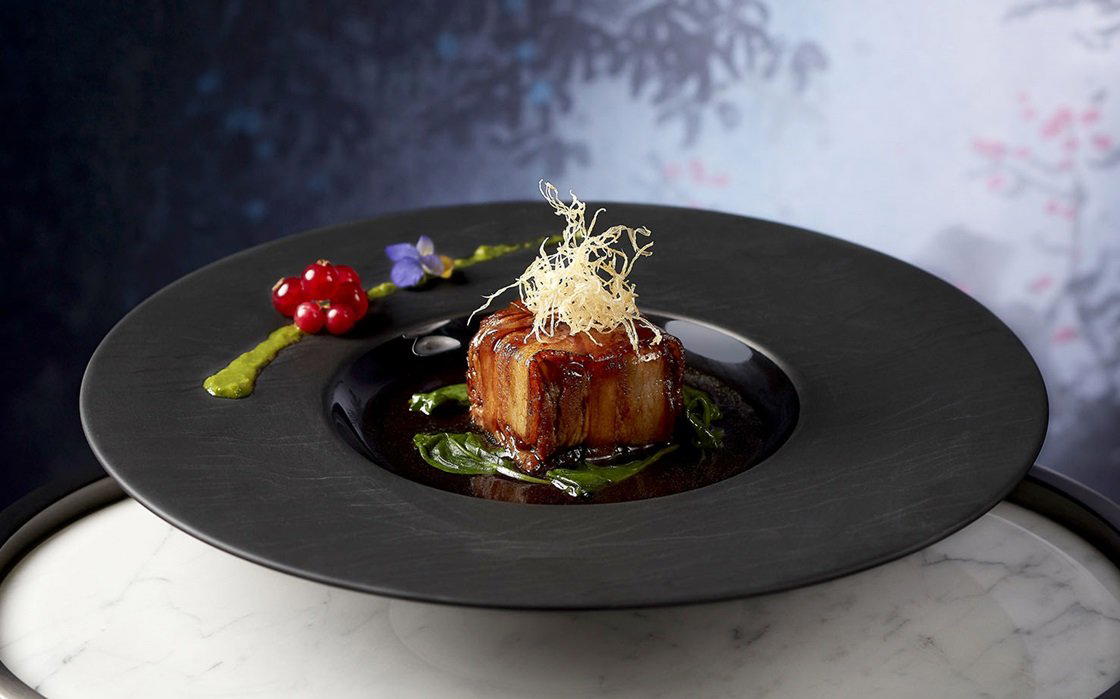
- Slow-cooked pork belly with shiitake
Where Minnan Tradition Meets Considered Restraint
Fujian cooking occupies a distinct register among China's major regional cuisines: lighter than Cantonese in its seasoning, more reliant on umami from fermented and dried seafood, and deeply tied to the coastline that shapes Xiamen's daily table. Within that tradition, a smaller tier of restaurants has been quietly working to preserve Minnan technique while introducing precision borrowed from outside the region. Si Xia Li, in Xiamen's Huli district, sits inside that movement. The Michelin Bib Gourmand recognition it earned in 2025 places it in the same tier of value-conscious, quality-driven Fujian cooking found at addresses like Hokklo and 1927 Dong Yuan Si Chu, restaurants where the emphasis falls on craft rather than ceremony.
The ¥¥ price positioning is deliberate. Bib Gourmand, by definition, flags venues where the quality-to-cost ratio outperforms expectations, and Si Xia Li earns that designation in a city where Fujian cooking at this standard more often appears inside hotel dining rooms or formal banquet settings. The informal surroundings in Dingaozai, Siming District, signal something different: a focus directed almost entirely at the plate.
A Cuisine Built from the Sea and the Land
Minnan cuisine, the cooking tradition of southern Fujian and its diaspora across Southeast Asia, has historically drawn on the abundance of the Taiwan Strait. Oysters, clams, dried seafood, and preserved vegetables anchor its pantry. The handling of these ingredients, how they are cleaned, dried, fermented, and cooked, carries as much weight as any individual recipe. Reducing waste and using every part of an ingredient is not a contemporary sustainability gesture here; it is structural to the tradition.
The oyster omelette at Si Xia Li demonstrates this economy clearly. Oysters bring deep, saline umami; water chestnut and celery add structural contrast and freshness. The dish uses inexpensive, high-turnover shellfish in a format where every element earns its place, with no ingredient present solely for appearance. Across the region, variations of this dish appear at street stalls and formal restaurants alike, but the gap between a careless version and a considered one is substantial. The version here has drawn specific mention in Michelin commentary, which points to execution rather than novelty as the distinguishing factor.
The slow-cooked pork belly with shiitake follows a similar logic. Braised meats are among the most resource-efficient preparations in Chinese cooking, transforming cheaper, collagen-rich cuts through time and controlled heat rather than premium ingredients. Shiitake, which grows on waste wood and requires minimal resources to cultivate, provides depth without the environmental cost of seafood or more intensively farmed proteins. That this combination appears repeatedly in Fujian domestic cooking reflects a tradition of doing more with less, a principle that sits quietly beneath the menu without being announced as a philosophy.
Thirty Years of Hotel Kitchens, Applied Differently
Chef-owner brings close to three decades of professional kitchen experience, including extended periods in hotel restaurants where technique is formalized and throughput is high. That background matters less as biography than as credential: hotel kitchens at scale demand consistent execution, clean mise en place, and the ability to work across cooking traditions. The Western technique elements visible in the current menu, in how certain stocks are reduced, how heat is applied to protein, how acidity is introduced, are the practical inheritance of that time.
Applying those techniques to Minnan ingredients without erasing the cuisine's identity is the tension that defines the better end of this genre. Among Xiamen's regional specialists, the same question plays out at different price points and formats. Yanyu (Jiahe Road) and A Zhong Shi Fang each take their own position on that spectrum. Si Xia Li's answer, as reflected in the Michelin assessment, is to keep the flavour profile recognisably Minnan while tightening the execution to a standard that the tradition's more casual formats rarely achieve.
Further afield, the question of how to update a regional Chinese tradition without losing its referential core also runs through kitchens like Wenru No.9 in Fuzhou, where Fujian cooking is approached with comparable seriousness, and Hokkien Cuisine in Chengdu, where Minnan flavours are transplanted into a city better known for Sichuan heat. The challenge of maintaining regional integrity in new contexts is a live conversation across Chinese fine and mid-range dining, visible also in the broader ambitions of Xin Rong Ji in Beijing, Ru Yuan in Hangzhou, and Xin Rong Ji in Chengdu. At Chef Tam's Seasons in Macau and Imperial Treasure Fine Chinese Cuisine in Guangzhou, the frame shifts to formal Cantonese, but the underlying tension between preservation and evolution is identical.
The Huli Setting and What It Signals
Huli is a district that does not trade on tourist familiarity. Xiamen's visitor attention concentrates on Gulangyu Island and the Zhongshan Road pedestrian corridor, leaving Huli to function primarily as a residential and light-commercial zone. That geography has a practical consequence for restaurants: the clientele is almost entirely local, and repeat business depends on consistent quality rather than novelty appeal. For a kitchen working in Minnan tradition, that audience is exacting.
The ¥¥ pricing sits above the bare-minimum street-food tier, represented in Xiamen by addresses like Bai Jia Chun Hao De Lai Jiang Mu Ya at a single ¥, but well below the banquet pricing that has historically defined formal Fujian restaurants. That middle tier is where most of Xiamen's serious day-to-day cooking happens, and Si Xia Li's Bib Gourmand recognition is a formal acknowledgement that this particular address operates at the tier's upper margin.
Planning a Visit
Si Xia Li is located in the Dingaozai area of Siming District. The Huli address puts it outside the immediate tourist circuit, so most visitors will arrive by taxi or ride-hailing app. The ¥¥ price range places a full meal for two comfortably within reach of most mid-range dining budgets in Xiamen. For broader context on the city's dining scene, including bars and hotels, see our full Xiamen restaurants guide, our full Xiamen hotels guide, our full Xiamen bars guide, our full Xiamen wineries guide, and our full Xiamen experiences guide.
Frequently asked questions
Is Si Xia Li (Huli) more mid-range or high-end?
Pricing at Si Xia Li (Huli) is listed as ¥¥.
What's Si Xia Li (Huli) known for in terms of accolades?
Si Xia Li (Huli) has received recognition including: The chef-owner has almost 30 years' experience under his belt, with notable stints in various hotel restaurants. Respecting traditions while re-inventing Minnan cuisine by incorporating Western techniques and creative touches, he has come u….
What should I order at Si Xia Li (Huli)?
Michelin's 2025 Bib Gourmand citation calls out two dishes specifically: the oyster omelette, where saline umami from the shellfish meets the crispness of water chestnut and celery, and the slow-cooked pork belly with shiitake. Both reflect the chef-owner's approach of grounding familiar Minnan flavours in technique borrowed from hotel kitchen training.
How do I find Si Xia Li (Huli)?
Si Xia Li (Huli) is located at C3QR+MW4, Dingaozai, Siming District, Xiamen, Fujian, China, 361005, Xiamen.
Can I walk in to Si Xia Li (Huli)?
Confirmed booking details are not currently held in EP Club's data, so phone and reservation policies cannot be verified. Given the 2025 Michelin Bib Gourmand recognition and a ¥¥ price point that makes the restaurant accessible to a wide range of diners, arriving without a reservation carries risk, particularly at peak meal times. Contacting the restaurant directly in advance is advisable.
What do critics highlight about Si Xia Li (Huli)?
Michelin's 2025 Bib Gourmand is the primary critical credential on record. The citation focuses on the chef-owner's ability to keep Minnan cooking legible and rooted while incorporating Western techniques accumulated across nearly three decades, including hotel restaurant postings. The recognition positions Si Xia Li among Xiamen's value-to-quality leaders rather than its formal fine-dining tier.
A small set of peers for context, based on recorded venue fields.
| Venue | Cuisine | Price | Awards | Notes |
|---|---|---|---|---|
| Si Xia Li (Huli)This venue (the venue you are viewing) | Modern Minnan Cuisine | Not listed | Michelin Bib Gourmand | Not listed |
| Bai Jia Chun Hao De Lai Jiang Mu Ya (Zhongxing Road) | Traditional Fujian Ginger Duck | Not listed | Michelin Bib Gourmand | Fujian |
| Chic 1699 | Modern Fujian Minnan Seafood | $30–50 | Michelin Bib Gourmand · Black Pearl 1 Diamond | Fujian |
| Dai Tai | Yunnanese Dai Ethnic Home-Style | $20–30 | Michelin Bib Gourmand | Yunnanese |
| Fu Yu Da Tong Ya Rou Zhou | Traditional Chinese Duck Congee | $1–10 | Michelin Bib Gourmand | Congee |
| Hao Shi Lai | Traditional Minnan Seafood | $10–20 | Michelin Bib Gourmand | Seafood |
Recognition history
Dated appearances from independent guides and award organizations, with the underlying list record or original source where available.
Michelin Bib Gourmand
Michelin
Full recognition history (3 entries)
Michelin Bib Gourmand
Michelin
Michelin Bib Gourmand
Michelin
Continue exploring
More in Xiamen



Details
- Modern
- Cozy
- Elegant
- Family
- Casual Hangout
- Open Kitchen
- Local Sourcing
- Street Scene
- A La Carte
Current opening hours
- Monday
- 11 AM–11 PM
- Tuesday
- 11 AM–11 PM
- Wednesday
- 11 AM–11 PM
- Thursday
- 11 AM–11 PM
- Friday
- 11 AM–11 PM
- Saturday
- 11 AM–11 PM
- Sunday
- 11 AM–11 PM
Hours can change for holidays and private events. Hours as of .
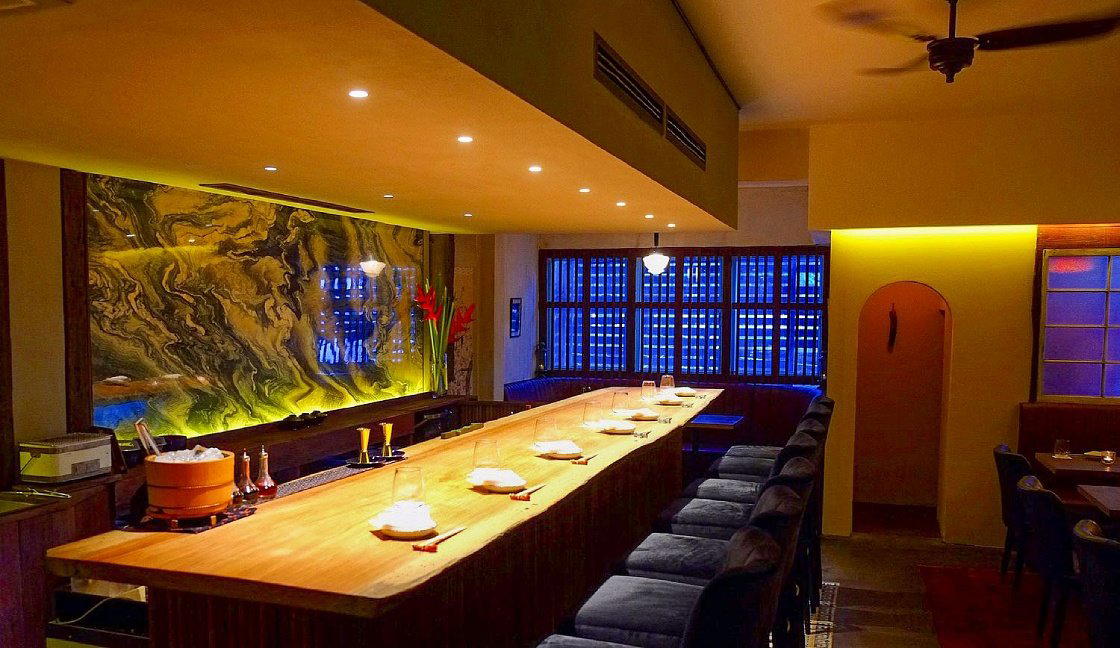
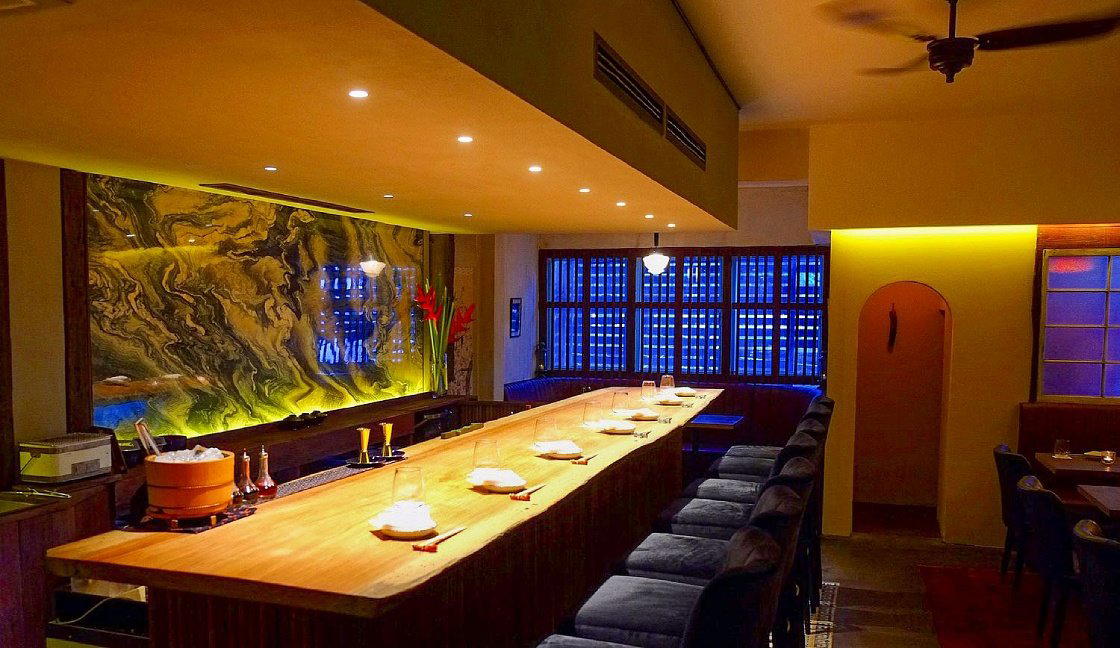
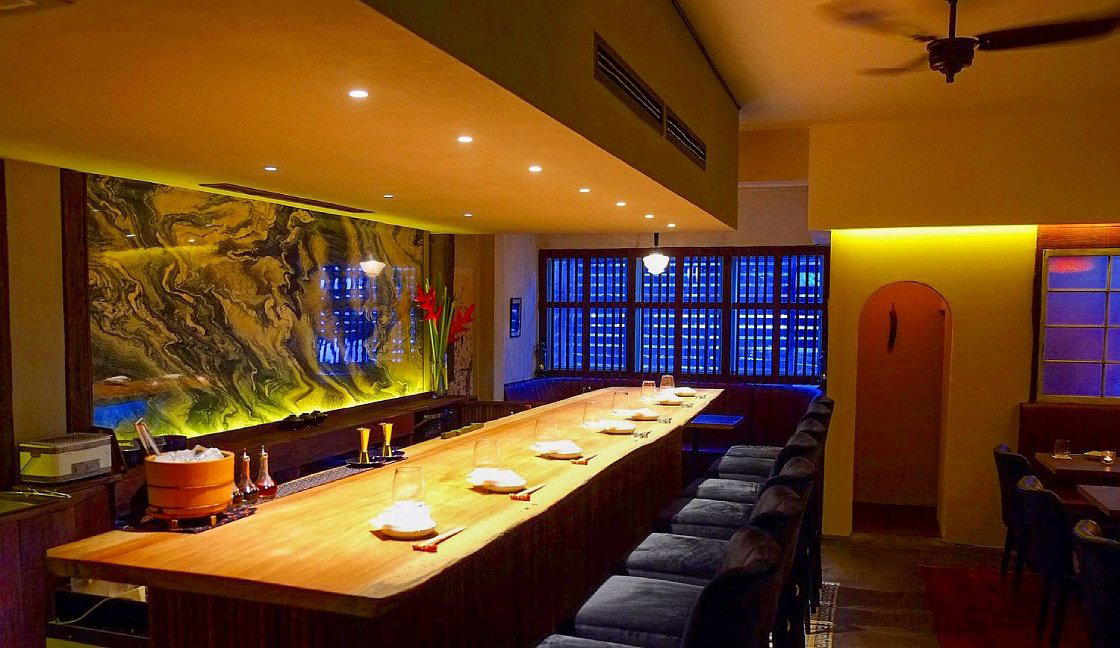
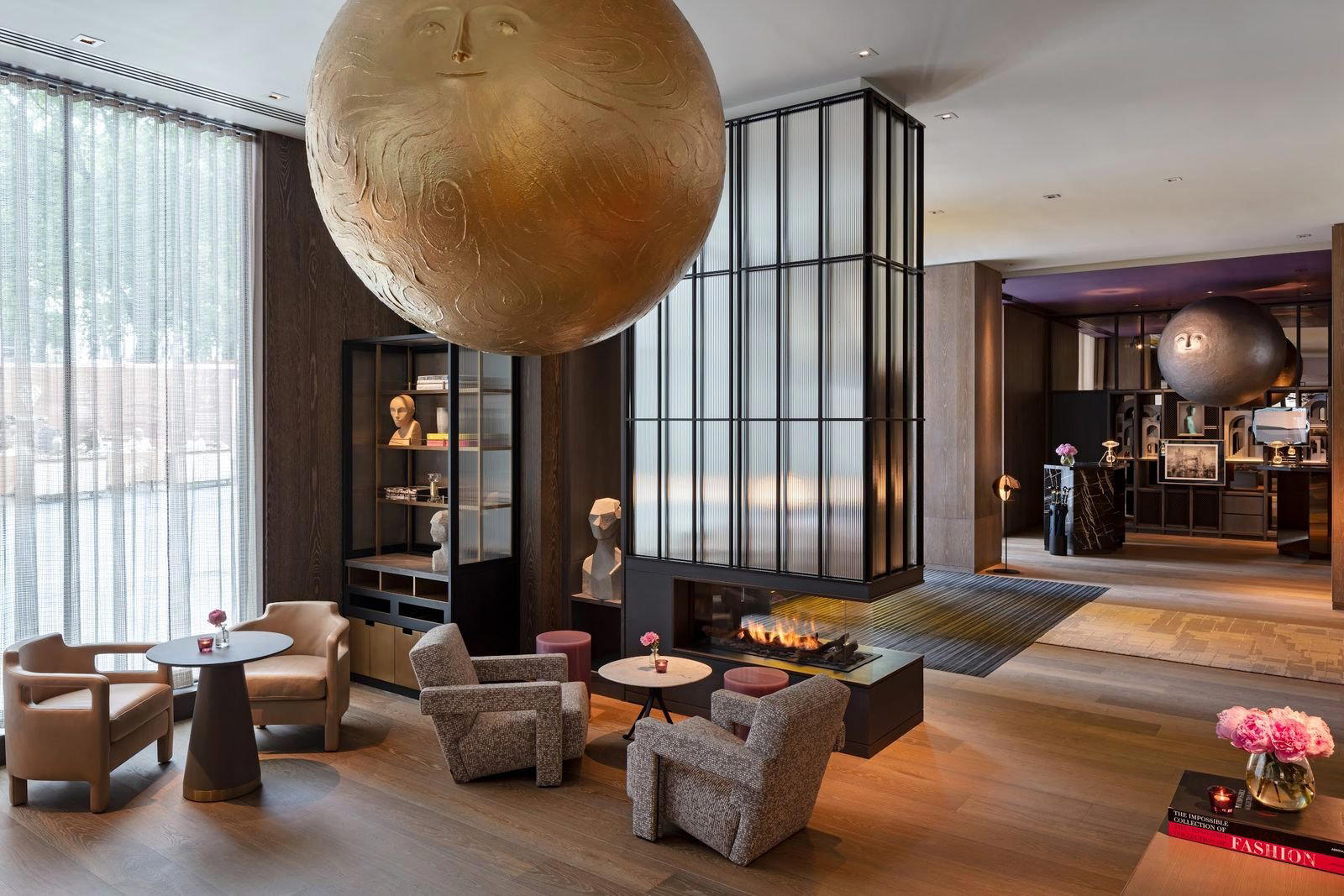
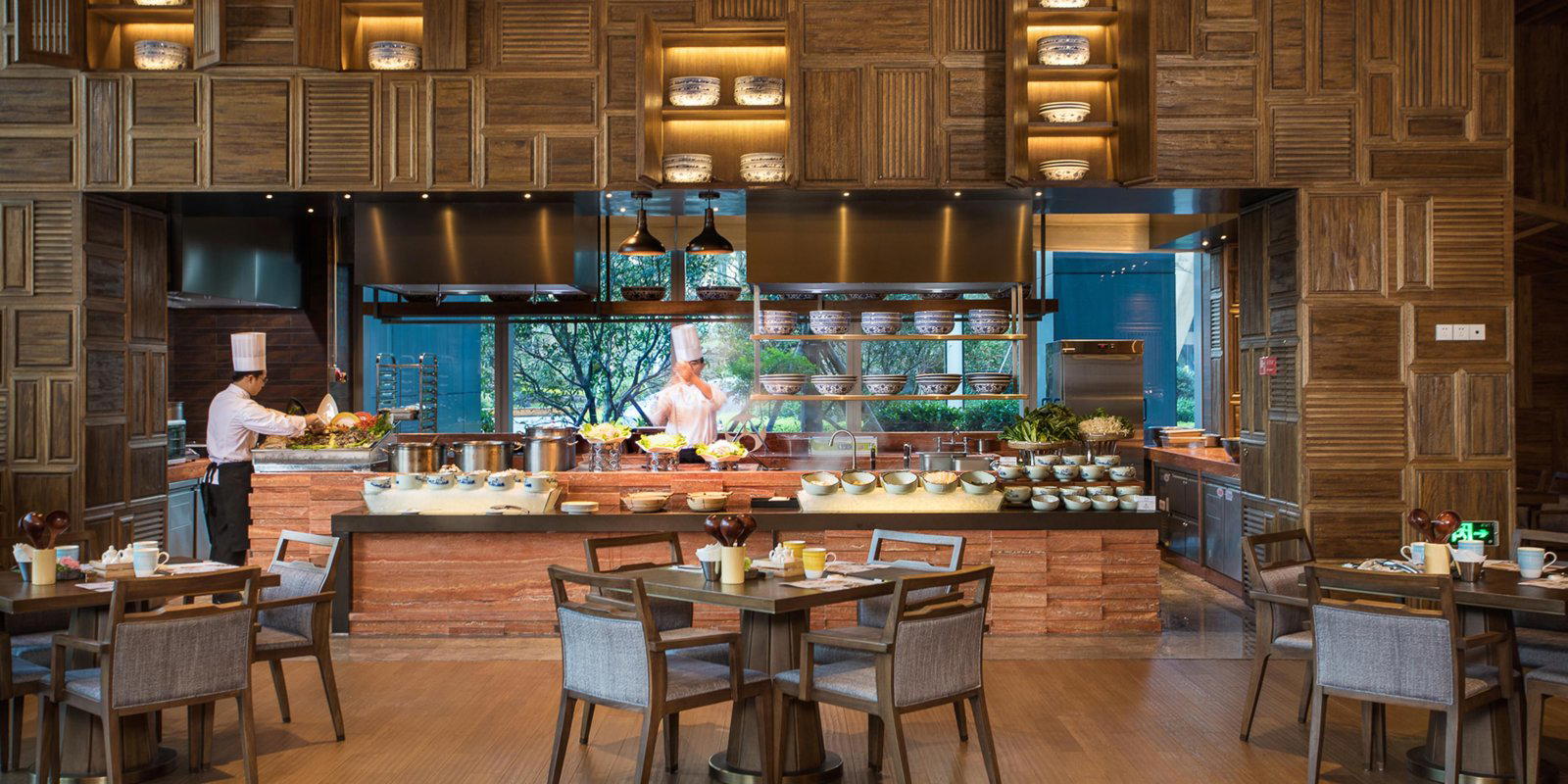
Contemporary and practical setting with natural light, restrained modern interior, functional design focusing on food presentation, quiet second-floor vantage.