
A Michelin Bib Gourmand recipient in both 2024 and 2025, Dai Tai brings Yunnan's Dai ethnic cooking to Xiamen's Zhongshan Road shopping district at a mid-range price point that puts it well below the city's Fujian-focused fine dining tier. Ingredients are sourced directly from Yunnan province, and the kitchen team is wholly Yunnanese, giving the restaurant a regional specificity that most transplant-cuisine addresses in coastal China do not match.
Pearl is the En Primeur Club membership app — saves, bookings, and concierge access live there. Same editors, same standards.
- Address
- China, Fujian, Xiamen, Siming District, Zhongshan Rd, 中山路中华城3层 邮政编码: 361001
- Phone
- +865925032045
- Directions
- Get directions
 Saves & bookings on Pearl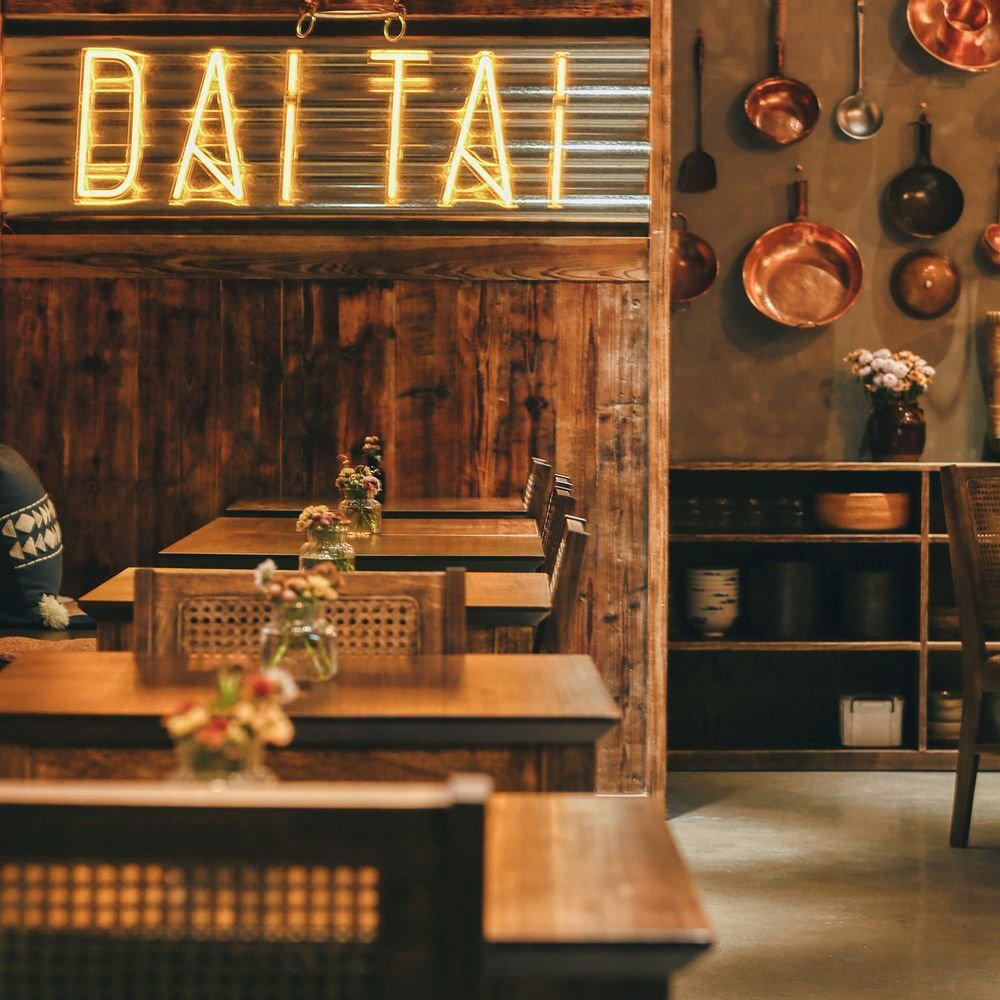
Yunnan in Coastal China: A Regional Kitchen Far From Home
Xiamen's dining scene runs heavily on Hokkien tradition. Walk the old lanes of Siming District and the food tells you exactly where you are: braised pork rice, oyster vermicelli, satay noodles in versions that trace a direct line back to Minnan cooking and its Southeast Asian offshoots. That local gravity makes Dai Tai's position at the leading floor of Zhongshan Road's Zhonghua Plaza shopping centre slightly counterintuitive, a fully committed Yunnanese kitchen, staffed entirely by cooks from that landlocked southwestern province, operating in a city whose culinary identity points in almost the opposite direction. Its Michelin Bib Gourmand recognition in 2024 and 2025 reflects consistent value and kitchen control.
The Room and What It Signals
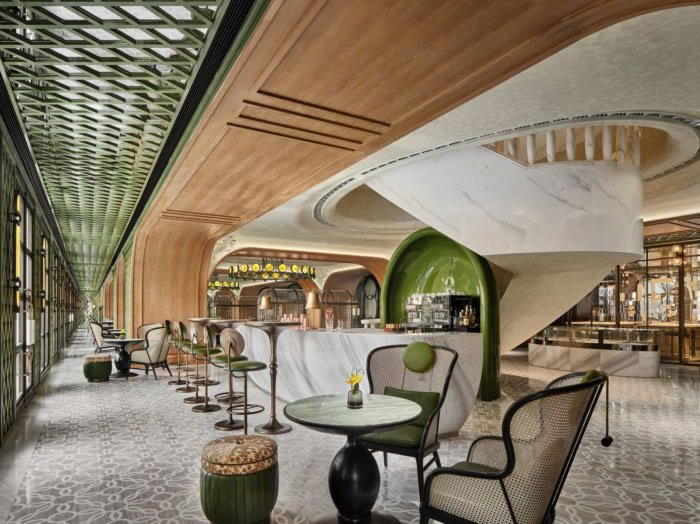
A third-floor restaurant in a busy commercial block on Zhongshan Road is not a setting that promises intimacy. The address puts Dai Tai squarely inside Xiamen's main pedestrian shopping corridor, which means foot traffic, ambient noise from the levels below, and the particular energy of a dining room that fills not because diners made a special journey, but because they were already in the neighbourhood. That context is worth understanding before you arrive: this is not a quiet retreat. The kitchen's commitment to Yunnan ingredients, with most produce and key proteins shipped from the province, creates a tonal contrast with the surroundings. The room may read as a shopping-centre restaurant; the cooking does not.
What the Bib Gourmand Actually Means Here
The Michelin Bib Gourmand designation, awarded for food that Michelin inspectors consider worth seeking out at a moderate price, frames Dai Tai's competitive position precisely. At ¥¥ pricing, moderate by Xiamen standards, it sits in a different tier from the city's Fujian-specialist fine dining addresses. Compare that to restaurants like Fleurs Et Festin, which occupies the Chao Zhou end of the regional Chinese spectrum, or Hokklo, which works the Fujian tradition at a higher register. The restaurant's two consecutive Bib Gourmand awards position it as the address where quality and value intersect specifically in the transplant-cuisine category, a smaller niche than Xiamen's mainstream Hokkien dining, but one where few competitors operate at comparable seriousness.
The Dai Ethnic Kitchen: What to Expect
Yunnanese cuisine is itself a broad category; the restaurant narrows further into the cooking of the Dai ethnic group, one of Yunnan's recognised minority nationalities whose food culture draws on ingredients, fermentation techniques, and spice profiles distinct from Han Chinese mainstream cooking. Dai cooking tends toward pronounced sour and spicy notes, liberal use of lemongrass and galangal, and preparations that involve fermented or pickled components alongside fresh herbs. The kitchen at the restaurant operates primarily within this tradition, and the heat levels are real, though the team will adjust spice on request, which is relevant for diners whose tolerance sits on the lower end.
The restaurant has over a decade of practice running this specific regional cuisine in a city that does not produce a natural local audience for it. That longevity in a competitive food city like Xiamen is itself a form of credential. For further Fujian-focused context, Yanyu on Jiahe Road and 1927 Dong Yuan Si Chu represent the broader Fujian tradition that surrounds the restaurant in the city's restaurant ecosystem.
Planning Your Visit: The Booking Reality
The editorial angle on the restaurant is partly logistical, because the booking situation here reflects something broader about how Bib Gourmand-recognised mid-range restaurants operate in Chinese cities. Unlike the high-end Michelin starred addresses, venues such as Xin Rong Ji in Beijing, 102 House in Shanghai, or Chef Tam's Seasons in Macau, where reservations require advance planning of weeks or months, the restaurant's mid-range positioning and shopping-centre location suggest a more accessible walk-in dynamic, particularly outside peak meal windows. For those travelling to Xiamen with a broader programme in mind, pairing the restaurant with a visit to A Zhong Shi Fang covers a useful span of the city's mid-range dining options across different regional traditions.
The address, third floor of Zhonghua Plaza on Zhongshan Road in Siming District, is the reliable anchor point. Zhongshan Road is one of Xiamen's most navigable streets for visitors, and the shopping centre is a recognisable landmark. Arriving by foot from the Zhongshan Road pedestrian zone is direct.
Where Dai Tai Sits in the Wider Picture
Regional Chinese cuisine operating in cities far from its origin faces a consistent pressure: adapt to local palates or maintain authenticity at the risk of narrowing the audience. The restaurant's approach, a fully Yunnanese kitchen team, ingredients shipped from home province, no softening of the core Dai flavour profile except on request, aligns it with the authenticity-first cohort rather than the adaptation-first one. That positioning is relatively rare in coastal Chinese cities, where transplant cuisines frequently smooth their edges to reach broader audiences. For comparison in how other regional specialists handle this dynamic elsewhere in China, Ru Yuan in Hangzhou and Xin Rong Ji in Chengdu are useful reference points, as is Imperial Treasure Fine Chinese Cuisine in Guangzhou for how premium regional formats position themselves in major southern cities.
The restaurant's two Bib Gourmands confirm that the authenticity-first wager has paid off. Michelin inspectors, who tend to reward kitchen consistency and value over novelty or concept, do not give consecutive Bib Gourmand awards to restaurants that are merely interesting. The restaurant earns its place in the Xiamen dining conversation not as a curiosity, Yunnan food in a Fujian city, but as a competent regional specialist with the sourcing rigour and kitchen discipline to back the claim.
A Tight Comparison
Comparable venues nearby, for context on price, style, and recognition.
| Venue | Cuisine | Price | Notes |
|---|---|---|---|
| Dai TaiThis venue — the venue you are viewing | Siming, Yunnanese Dai Ethnic Home-Style | $$ | Not listed |
| Minnan Minnan (Siming) | Siming, Authentic Minnan Fujian Cuisine | $$ | Not listed |
| Bai Jia Chun Hao De Lai Jiang Mu Ya (Zhongxing Road) | Siming, Traditional Fujian Ginger Duck | $$ | Not listed |
| Cong Hui Tongan Lao Mei Shi Fan Dian | Siming, Fujian Tong'an Home-Style | $ | Not listed |
| Zhen Zhen Hai Li Jian | Siming, Traditional Fujian Seafood | $ | Not listed |
| Xiao Cheng Xi | Not listed | $$ | Siming, Traditional Fujian Minnan Cuisine |
Recognition history
Dated appearances from independent guides and award organizations, with the underlying list record or original source where available.
Michelin Bib Gourmand
Michelin
Michelin Bib Gourmand
Michelin
Michelin Bib Gourmand
Michelin
Continue exploring
More in Xiamen
Restaurants in Xiamen
Browse all →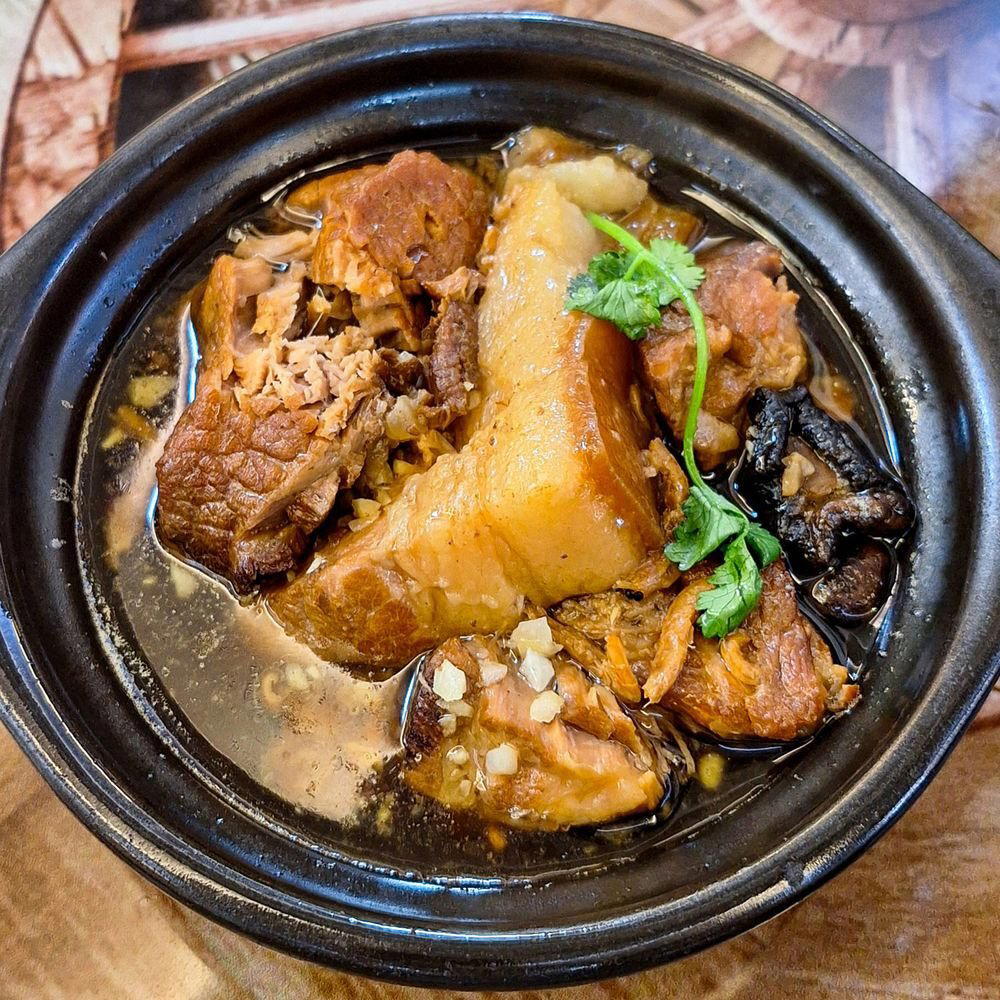







At a Glance
- Rustic
- Cozy
- Casual Hangout
- Family
- Local Sourcing
Rustic and satisfying home-style atmosphere featuring authentic Dai ethnic flavors.