Lowerline
Lowerline occupies a residential address on Washington Avenue in Prospect Heights, operating in the tradition of Brooklyn's intimate supper-club format where the apartment setting shapes the meal as much as the food does. The address signals a deliberate step back from the conventional restaurant economy, positioning this as a destination for guests who prioritise context and sourcing ethics over service theatrics.
Pearl is the En Primeur Club membership app — saves, bookings, and concierge access live there. Same editors, same standards.
- Address
- 794 Washington Ave Apartment 8, Brooklyn, NY 11238
- Phone
- +13475337110
- Website
- lowerlinebk.com
- Directions
- Get directions
 Saves & bookings on Pearl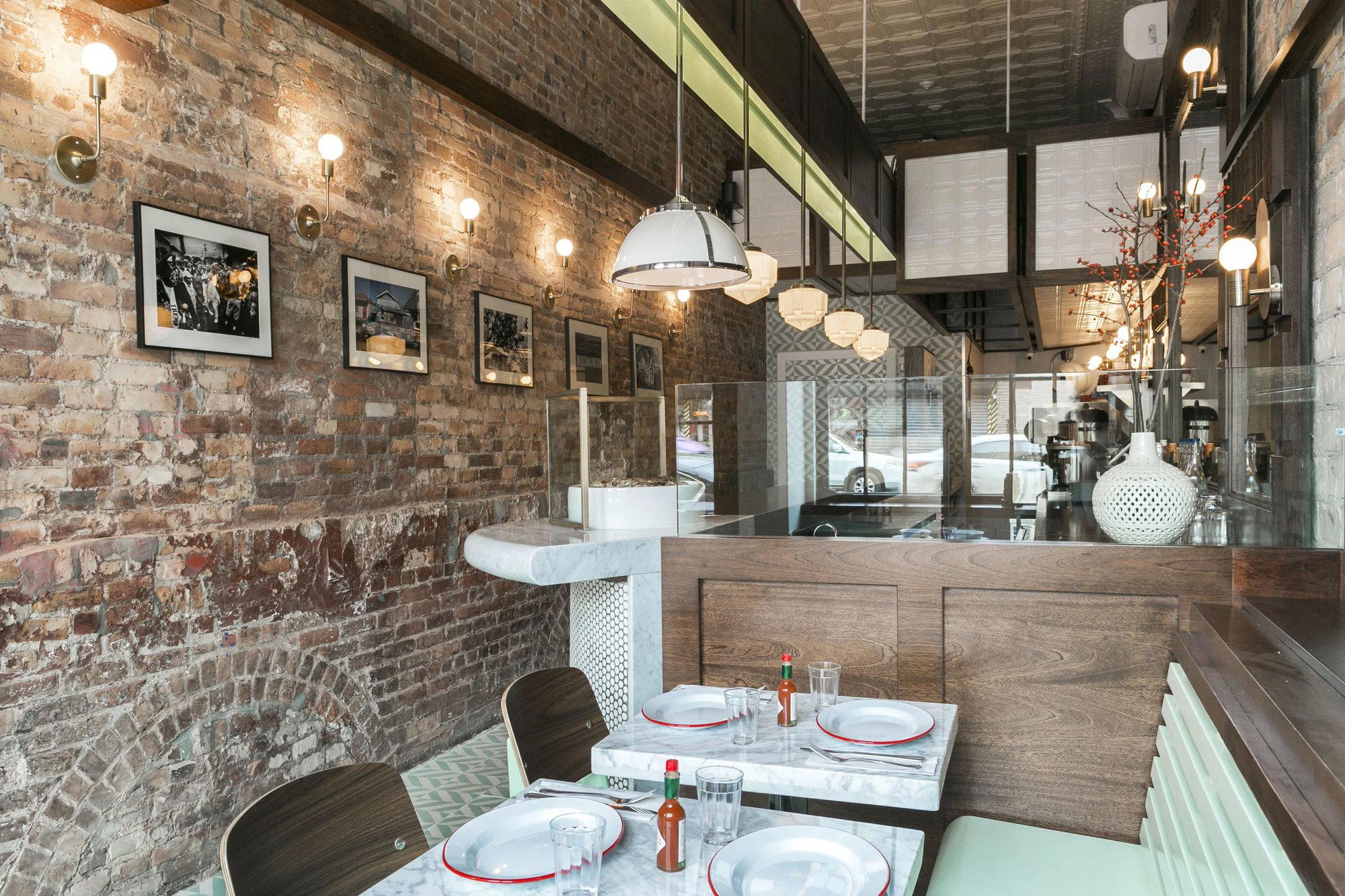
Lowerline is a New Orleans Creole Po'Boys & Oysters restaurant at 794 Washington Ave Apartment 8, Brooklyn, NY 11238. Washington Avenue in Prospect Heights is not a restaurant row. The brownstones here house families, artists, and the occasional creative enterprise that benefits from distance from the hospitality mainstream. It is precisely this residential grain that makes Lowerline legible: you arrive at an apartment building, take a lift or climb a staircase, and find yourself in a dining room that reads more like a considered private space than a purpose-built commercial one. The physical environment communicates something before a single dish arrives, that the transaction here is different, the logic of the evening structured around intimacy rather than throughput.
Brooklyn's Supper-Club Format and What It Actually Demands
New York's restaurant economy has long separated into two broad categories: the high-visibility Midtown institutions, think Le Bernardin, Per Se, and Masa, all of which operate with full front-of-house infrastructure and price points to match, and the low-key, high-intent neighbourhood formats that have taken root in Brooklyn and lower Manhattan over the past decade. Lowerline belongs firmly to the second category. The supper-club format, as it operates at this address, asks something different of the guest: a willingness to accept fixed timing, a communal pace, and a menu that reflects whatever the kitchen's sourcing has prioritised rather than a standing à la carte list.
That format has proven durable in New York precisely because it sidesteps the cost pressures that define conventional restaurant operation. Without a ground-floor commercial lease, a large front-of-house team, or the overhead of an open kitchen built for spectacle, the economics can tilt toward sourcing quality. The pattern holds across comparable American formats: Lazy Bear in San Francisco and Alinea in Chicago operate from different positions in their cities' dining hierarchies, but both demonstrate that format discipline, fixed menus, controlled capacity, deliberate pacing, correlates with sharper sourcing decisions and less waste at service.
The Sustainability Frame: Why Address Matters Here
The conversation around ethical sourcing and waste reduction in fine dining has mostly taken place at the institutional end of the market. Blue Hill at Stone Barns in Tarrytown and Single Thread Farm in Healdsburg have built entire identities around farm-to-table provenance, with documented supplier networks and the kind of agricultural land that makes sourcing claims verifiable. Lowerline operates at a different scale and without the same infrastructure, but the residential format carries its own implicit sustainability logic: smaller guest counts mean less overproduction, no-show risk is managed through intimate booking structures, and the menu's relationship to what's available, rather than what's permanently listed, allows the kitchen to use whole products more efficiently.
Across the United States, chefs working in similar low-capacity formats have increasingly framed the supper-club model as the dining configuration most compatible with reduced waste. The argument holds whether the setting is a converted garage in Atlanta, comparable in spirit to what Bacchanalia built its reputation on, or a private apartment in Brooklyn. Fixed guest counts allow for accurate portioning. The absence of a permanent menu eliminates the need to hold inventory across a broad list. And when the sourcing is local and seasonal, the feedback loop between what's bought and what's cooked stays tight in a way that larger operations struggle to achieve.
Positioning Within New York's Dining Hierarchy
The Korean tasting-menu format has set a high bar for what intimate, ambitious dining looks like in New York: Atomix and Jungsik New York both operate from a position of documented Michelin recognition, with prix-fixe structures that justify significant price points through consistent technical ambition. Lowerline does not compete in that register. Its comparable set is the smaller cohort of Brooklyn-based formats that prioritise access and philosophy over formal credential-building, closer in spirit to what Emeril's in New Orleans represented in the 1990s, a deliberate step outside the established fine-dining system to build something with its own set of values.
That positioning is neither a consolation nor a deficit. It reflects a genuine split in how serious diners in New York now think about an evening out. The $400-per-head omakase counter addresses one set of desires; the apartment supper club on Washington Avenue addresses another. Both require planning and intention. Neither is casual.
Further afield, the farm-to-table format at Providence in Los Angeles, the pastoral luxury of The French Laundry in Napa, and the historic inn format at The Inn at Little Washington all illustrate how American fine dining has built layered identities around place, season, and sourcing across different price tiers. Lowerline operates at the ground floor of that conversation, in a literal sense: an apartment, a fixed menu, a specific evening.
What the Format Signals About the Guest Experience
Booking a supper club in a residential building is a different decision than reserving at a named institution. The format self-selects for guests who have already moved past the need for validation through Michelin stars or press recognition. At Lowerline, the physical setting carries most of the atmosphere work, the domestic scale, the absence of restaurant furniture conventions, the sense of being in someone's space rather than a purpose-built commercial room. Internationally, private dining formats at this scale have precedent in the high-end European context: the private rooms at Alain Ducasse's Louis XV in Monte Carlo or the chef's table arrangements at 8 1/2 Otto e Mezzo Bombana in Hong Kong offer privacy and intimacy as a feature, though they do so at a completely different price register and with substantially more formal structure. The Brooklyn supper club compresses that logic into a more accessible format without replicating the service infrastructure.
For a broader picture of where Lowerline sits within New York's full dining spectrum, the EP Club New York City restaurants guide maps the city's range from institutional tasting menus to neighbourhood formats across all five boroughs. Similarly, the farm-driven, fixed-format approach at Addison in San Diego illustrates how the chef's-menu model has found different expressions across the country, each anchored to a specific local food culture.
Know Before You Go
- Address: 794 Washington Ave, Apartment 8, Brooklyn, NY 11238
- Format: Supper club / private dining in a residential setting
City Peers
Comparable venues nearby, for context on price, style, and recognition.
| Venue | Cuisine | Price | Notes |
|---|---|---|---|
| LowerlineThis venue — the venue you are viewing | New Orleans Creole Po'Boys & Oysters | $$ | Not listed |
| Counter & Bodega | Authentic Puerto Rican & Pan-Latin Comfort Food | $$ | Chelsea-Hudson Yards |
| Amor Cubano | Authentic Cuban | $$ | East Harlem (North) |
| Madera | Cuban Steakhouse & Grill | $$ | Long Island City-Hunters Point |
| Cabana | Nuevo Latino Caribbean & Cuban | $$ | Forest Hills |
| Aunts et Uncles | Modern Vegan Caribbean | $$ | East Flatbush-Erasmus |
Continue exploring
More in New York City
Restaurants in New York City
Browse all →
Bars in New York City
Browse all →
Hotels in New York City
Browse all →







At a Glance
- Cozy
- Intimate
- Casual
- Rustic
- Casual Hangout
- Solo
- After Work
- Group Dining
- Open Kitchen
- Standalone
- Beer Program
- Local Sourcing
Current opening hours
- Monday
- 5–10 PM
- Tuesday
- 5–10 PM
- Wednesday
- 5–10 PM
- Thursday
- 5–10 PM
- Friday
- 5–10 PM
- Saturday
- 12–10 PM
- Sunday
- Closed
Hours can change for holidays and private events. Last verified .
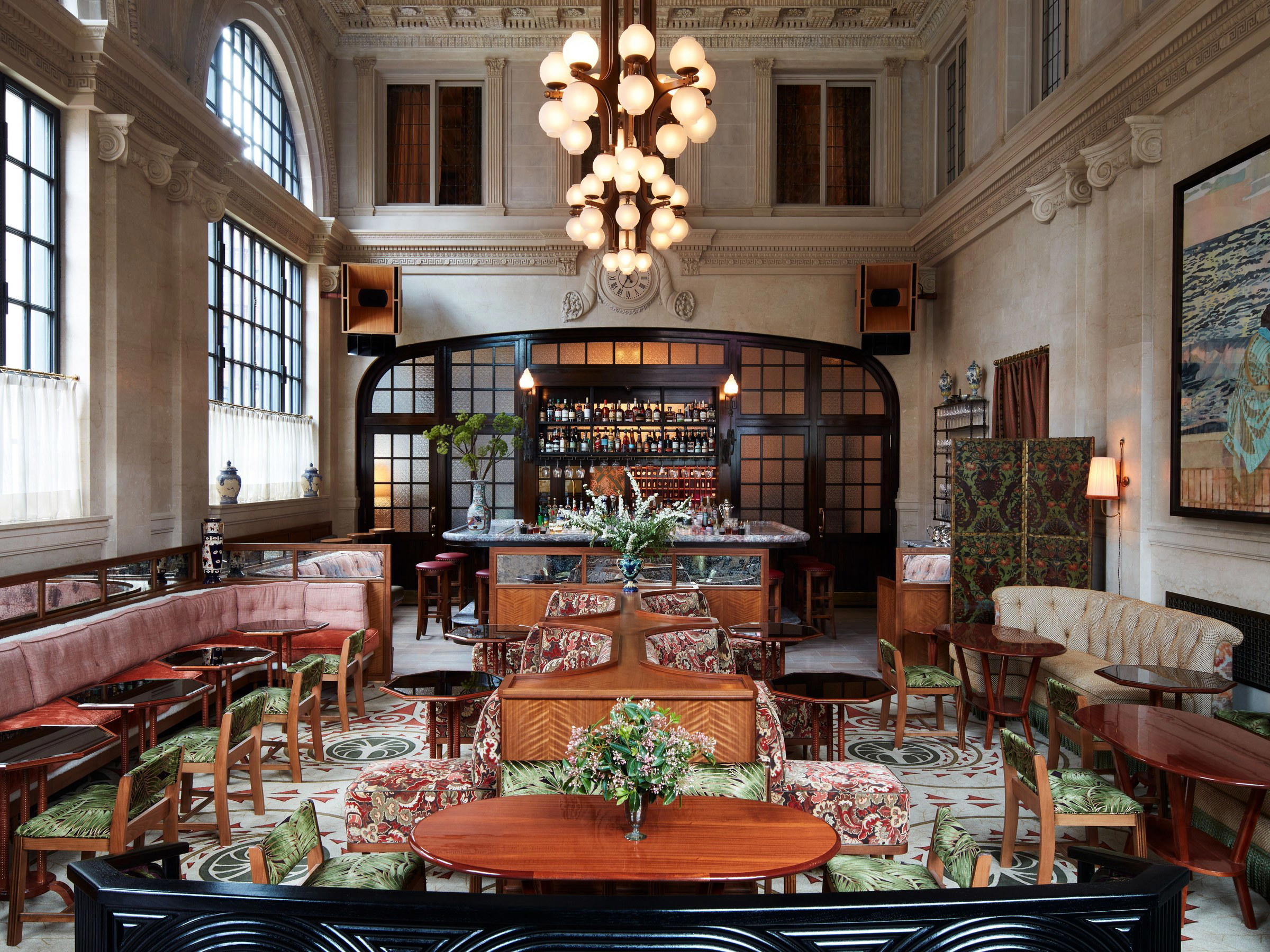
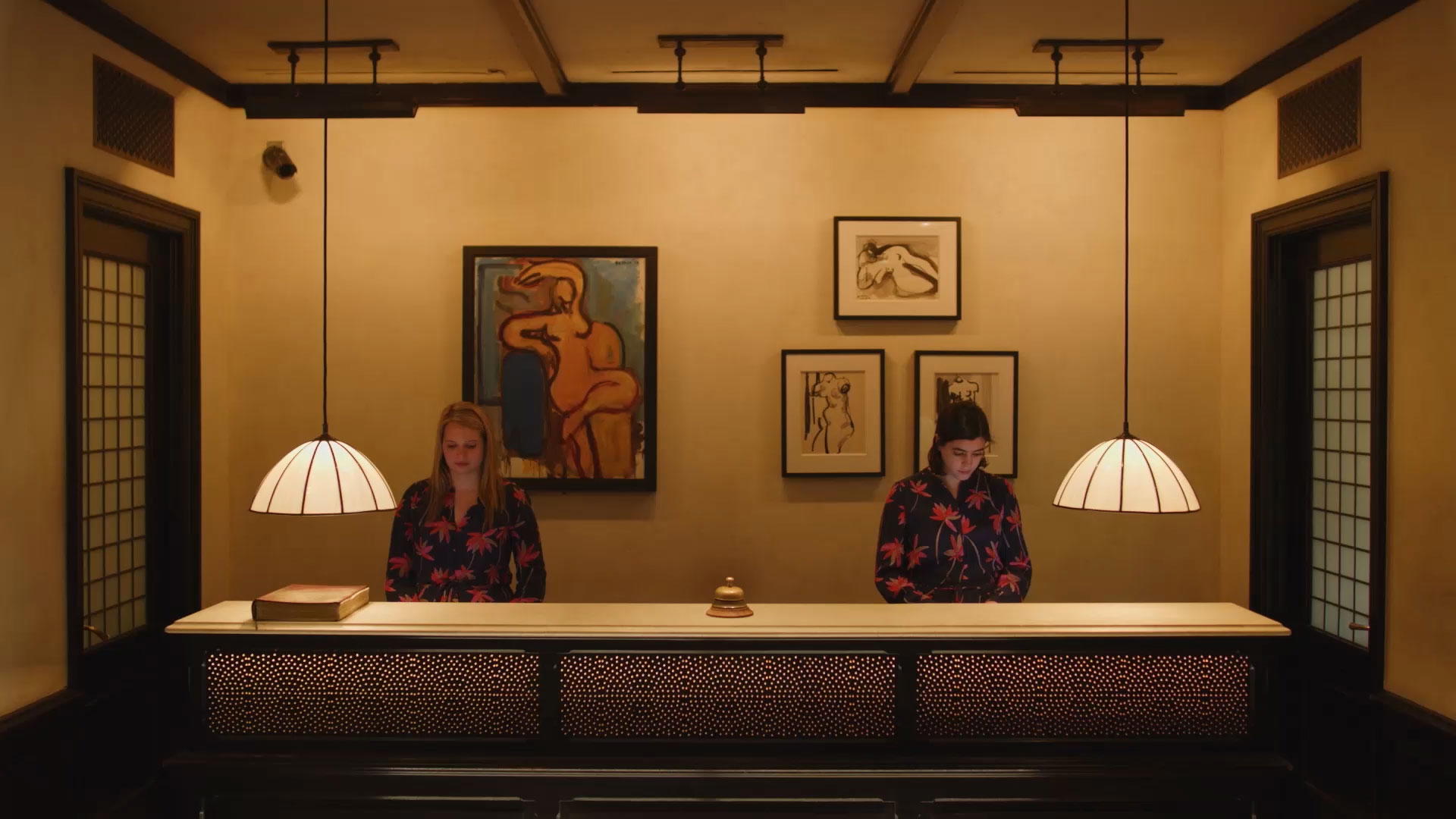
Intimate and cozy with a contemporary design inspired by historic New Orleans po-boy dives, featuring a central marble bar counter and a slender space with a few small tables up front.