Madera
Our verdict
Madera occupies a position in Long Island City that places it outside Manhattan's premium dining corridor while remaining a short distance from it — a spatial fact that shapes both its audience and its ambitions. The kitchen works at the intersection of local sourcing and globally trained technique, a combination that has become a defining characteristic of serious American cooking in the 2020s. Reservations and current hours are best confirmed directly with the venue.

Pearl is the En Primeur Club membership app — saves, bookings, and concierge access live there. Same editors, same standards.
- Address
- 47-29 Vernon Blvd, Long Island City, NY 11101
- Phone
- (718) 606-1236
- Hours
- Mon ClosedTue 5–10 PMWed–Thu 12–10 PMFri 12–11 PMSat 11 AM–11 PMSun 11 AM–10 PM
- Website
- opentable.com
- Directions
- Get directions
- Booking
- Book on OpenTable
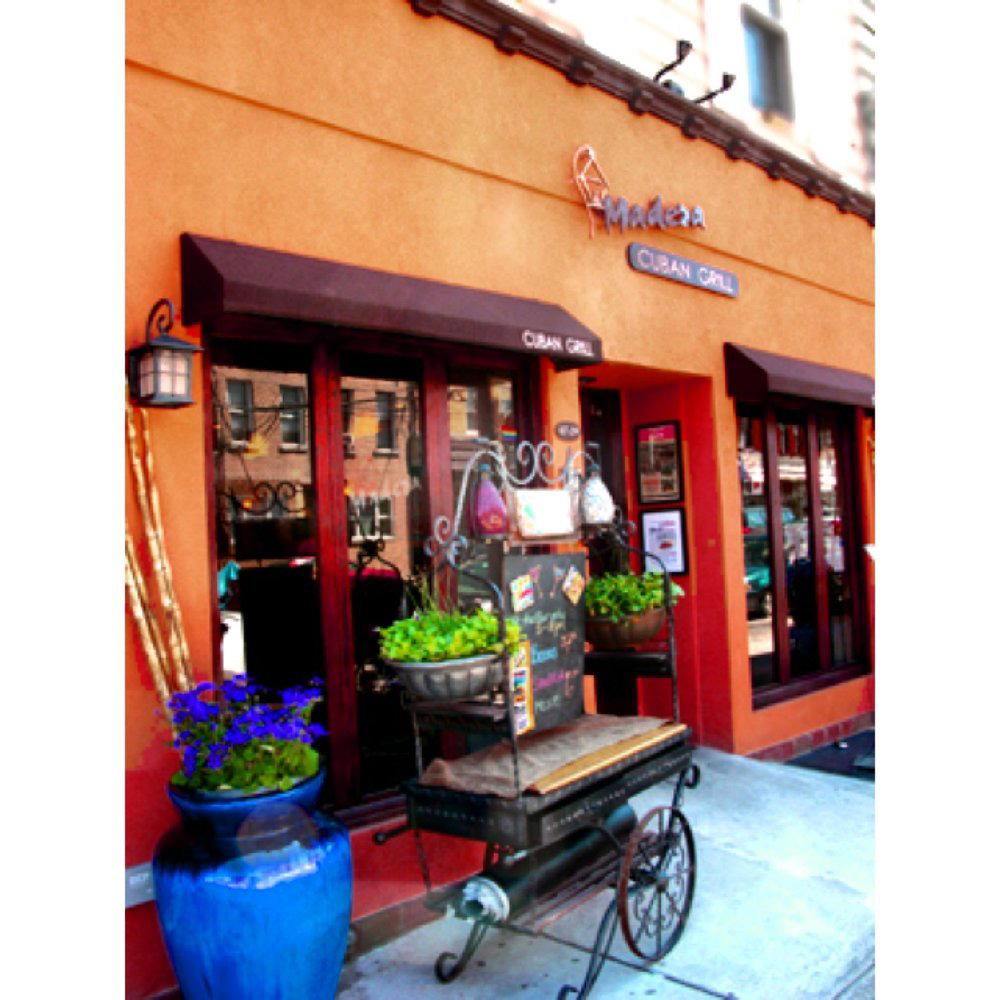
The menu
What to order
- Ropa Vieja
- Lechon Asado
- Vaca Frita
- Cuban-style Grilled Shrimp
- Paella de Mariscos
Across the Water from Manhattan's Dining Establishment
Long Island City sits one subway stop from Midtown, but its dining scene operates on a different register. Where Manhattan's premium tier — anchored by counters like Masa and tasting-menu rooms like Per Se — commands some of the highest per-seat prices in the country, the Queens waterfront has attracted a cohort of serious kitchens operating outside that pricing structure. Madera, at 47-29 Vernon Blvd, sits within that cohort. The address places it along a stretch of Vernon Boulevard that has shifted over the past decade from industrial to residential to, in patches, genuinely food-serious.
The approach to the building carries the low-key industrial character that defines this part of Queens: wide sidewalks, converted warehouse facades, the East River a few blocks to the east. Inside, the transition from that exterior context into a considered dining room is part of what these outer-borough venues trade on, the sense that you have arrived somewhere that does not announce itself from the street.
Local Ingredients, Global Method: The Framework That Defines Modern American Cooking
The most consequential shift in American fine dining over the past fifteen years has not been a cuisine but a methodology: the application of European and Asian technique to North American ingredients. Blue Hill at Stone Barns in Tarrytown codified one version of this, hyper-local, farm-to-table, seasonal to an almost dogmatic degree. Single Thread Farm in Healdsburg brought Japanese kaiseki structure to Northern California's agricultural output. Alinea in Chicago took the opposite path: technique and concept first, locality as secondary consideration.
Madera operates in this broader tradition, the intersection of imported methods and indigenous products, which has become the dominant grammar of ambitious American kitchens. The name itself signals an orientation: madera is the Spanish word for wood, a material associated with craft, locality, and the kind of slow, deliberate process that contemporary tasting-menu culture prizes. Whether that reference carries through to the plate in the form of wood-fire cooking, timber-accented interiors, or something more conceptual is a detail leading confirmed at the source, but the framing matters. Kitchens that choose names with this kind of specificity tend to be making a statement about their relationship to raw material.
In New York, this approach sits alongside a wider range of technique-heavy rooms. The Korean-inflected tasting menus at Atomix and Jungsik New York apply Korean culinary logic to global ingredients. Le Bernardin remains the benchmark for French classical technique applied to American seafood. Madera enters that conversation from a different geographic and economic position, Queens rather than Midtown, without the overhead structure that forces a $400-per-head price point, and that difference in context is itself an editorial fact worth noting.
How Madera Fits the Outer-Borough Pattern
New York's outer-borough dining story has accelerated since roughly 2015. Brooklyn's fine-dining tier grew first; Queens followed. The pattern in both cases has been similar: chefs with serious training choosing neighborhoods where rent structures allow for a different relationship between ambition and price. The result, in the leading cases, is kitchens that can take risks that a $10,000-per-month Manhattan lease would not permit.
This is the structural condition that Madera shares with a small but meaningful peer group. Across the country, the same logic has produced Lazy Bear in San Francisco, which built a high-concept tasting format in the Mission rather than in Pacific Heights, and Emeril's in New Orleans, which established its identity outside the French Quarter's tourist gravity. Location as a statement is a recurring feature of American restaurants that want to define their own terms. See also Bacchanalia in Atlanta, Addison in San Diego, and Providence in Los Angeles, each operating in a city with a dominant dining center, each choosing to establish themselves slightly apart from it.
At the international level, the discipline required to sustain serious cooking outside major luxury corridors is illustrated by rooms like The Inn at Little Washington, which built a destination identity from a rural Virginia base, or Alain Ducasse at Louis XV in Monte Carlo, where Mediterranean produce provides the raw material for classical French execution. 8½ Otto e Mezzo Bombana in Hong Kong built a similar case in Asia: Italian technique, local luxury market, ingredients sourced across both geographies. The local-ingredient, global-technique framework is not uniquely American, it is the operating logic of ambitious kitchens from Napa to Hong Kong. Madera's position in Long Island City places it in that tradition at a neighborhood scale.
Planning Your Visit
Hours, pricing, and format should be confirmed before travel, as details for venues at this level can shift with the season or with changes in format.
The venue is accessible from Manhattan via the 7 train to Vernon Blvd-Jackson Ave, a journey of under ten minutes from Times Square. For readers comparing logistics with Manhattan's leading tasting rooms, the table below provides a reference frame. Full context on the New York fine-dining tier is available in our full New York City restaurants guide. Comparable long-format experiences at destination scale include The French Laundry in Napa, where advance booking of 60-plus days is standard practice.
| Venue | Neighborhood | Price Tier | Booking Lead Time |
|---|---|---|---|
| Madera | Long Island City, Queens | Not confirmed | Confirm directly |
| Per Se | Columbus Circle, Manhattan | $$$$ | 60+ days typical |
| Masa | Columbus Circle, Manhattan | $$$$ | 60+ days typical |
| Atomix | Kips Bay, Manhattan | $$$$ | 30-60 days typical |
| Le Bernardin | Midtown, Manhattan | $$$$ | 14-30 days typical |
Frequently asked questions
What should I order at Madera?
In rooms operating at the local-ingredient, global-technique level, the kitchen's response to what is in season tends to be the most useful ordering signal. Confirm the current menu structure when booking.
What is the ideal way to book Madera?
Outer-borough rooms at this level sometimes operate on shorter lead times than their Manhattan peers, but that should be confirmed before assuming availability.
What is Madera known for?
Madera's position in Long Island City places it in a small group of Queens restaurants operating with serious kitchen ambitions outside Manhattan's premium dining corridor. The name references wood, a material associated with craft-led, locally grounded cooking, which signals an orientation toward local ingredients and considered technique.
Is Madera allergy-friendly?
The standard practice at serious tasting-menu restaurants in New York is to collect dietary information at the time of booking; contacting the venue directly before your reservation is the most reliable approach. Current contact details are leading found via a direct search by address or reservation platform.
Does Madera offer a tasting menu format, or is it à la carte?
In the outer-borough New York scene, kitchens operating at this level of ambition frequently use a set-menu format that allows the kitchen to source and execute with more precision than an open à la carte list permits. Confirming the format before booking is recommended, particularly for groups with mixed dining preferences.
A Minimal comparable set
Comparable venues nearby, for context on price, style, and recognition.
| Venue | Cuisine | Price | Notes |
|---|---|---|---|
| MaderaThis venue — the venue you are viewing | Cuban Steakhouse & Grill | $30–50 | Not listed |
| Cabana | Nuevo Latino Caribbean & Cuban | $30–50 | Forest Hills, Nuevo Latino Caribbean & Cuban |
| Arepas Cafe | Authentic Venezuelan Arepas | $10–20 | Astoria (Central), Authentic Venezuelan Arepas |
| Rebel | Authentic Haitian Caribbean | Not listed | Lower East Side, Authentic Haitian Caribbean |
| Lammy's Restaurant | Jamaican | $10–20 | Eastchester-Edenwald-Baychester, Jamaican |
| Kingston Tropical | Jamaican bakery and patty shop | $10–20 | Wakefield, Jamaican bakery and patty shop |
Continue exploring
More in New York City
Restaurants in New York City
Browse all →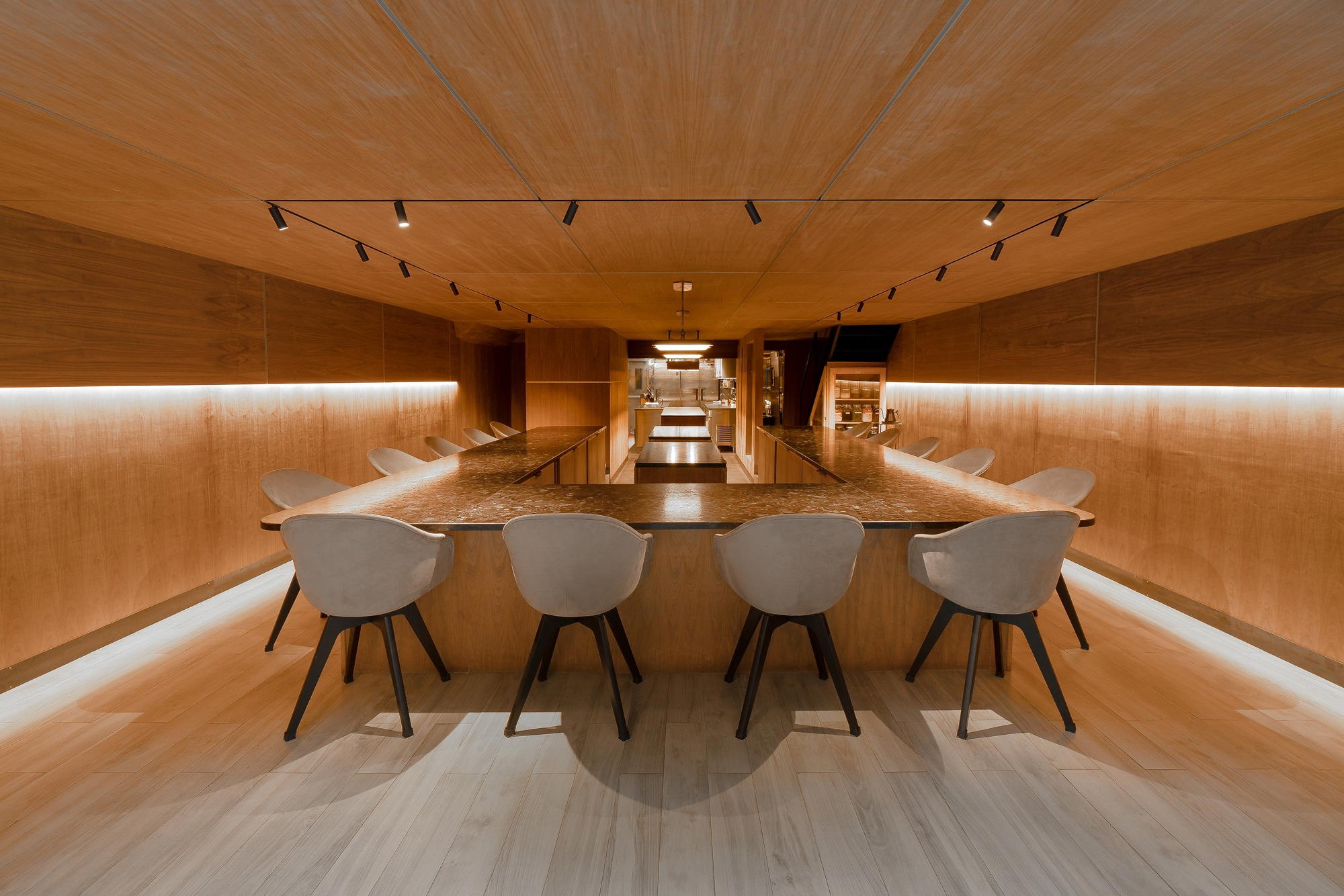
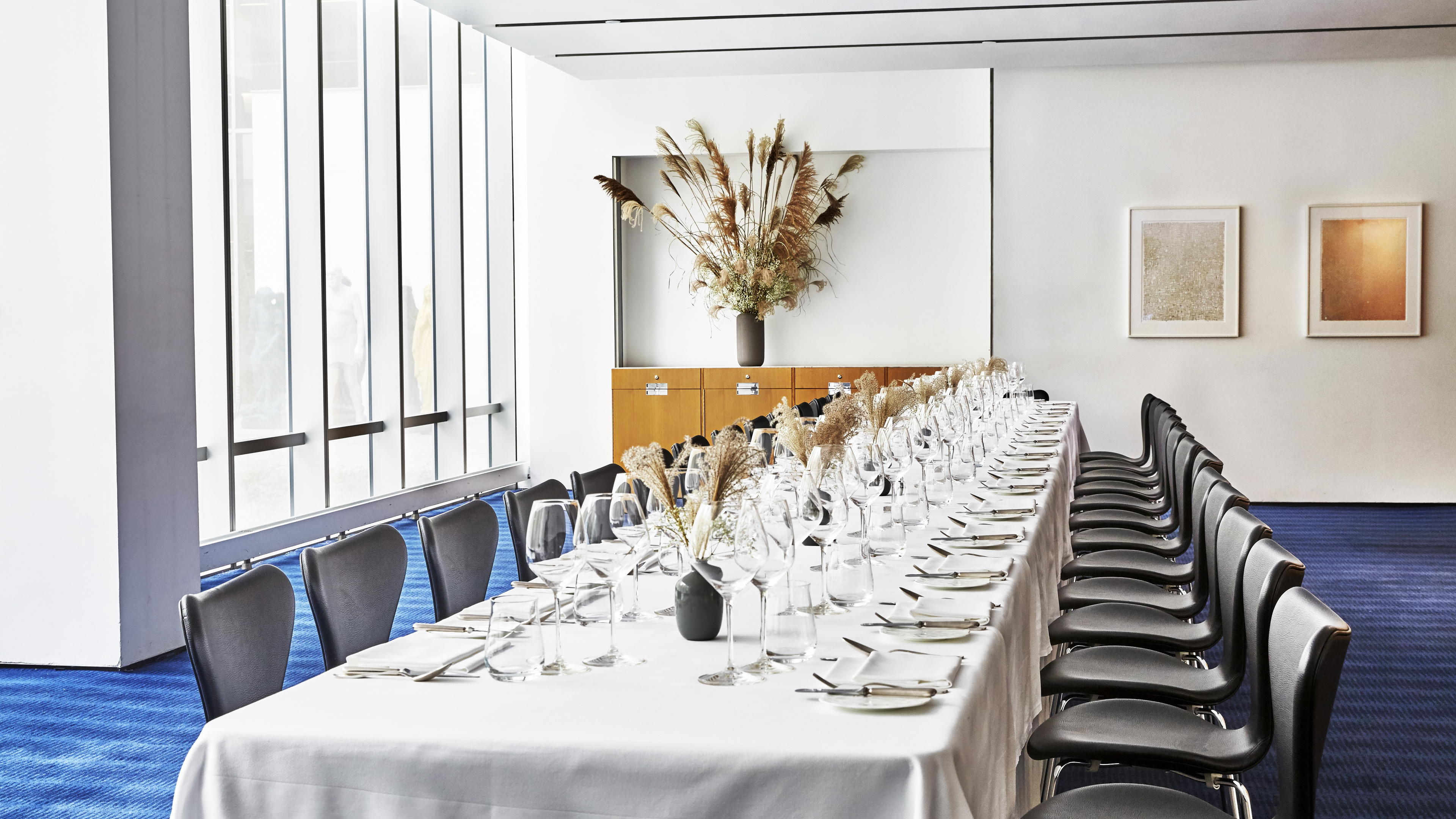
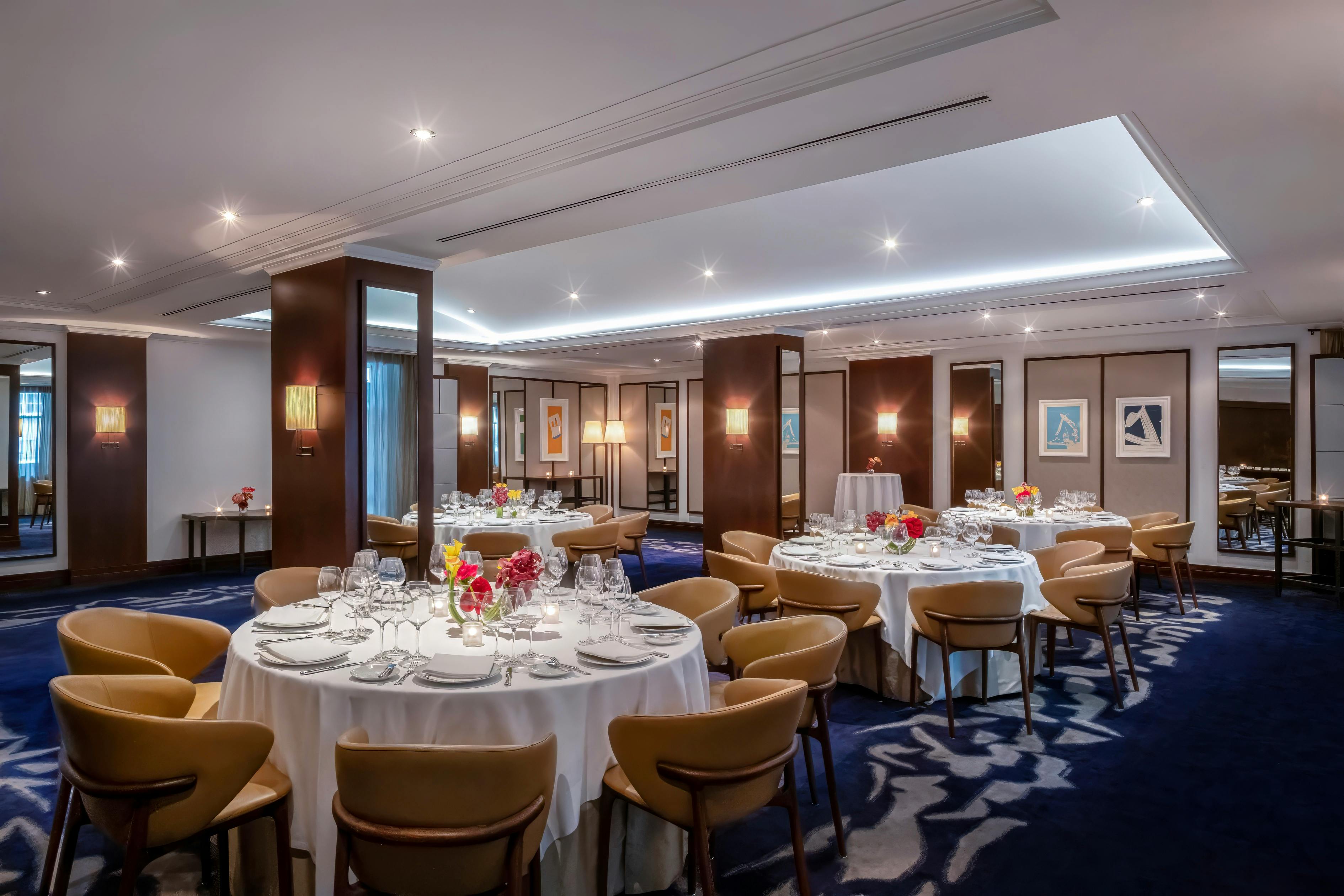
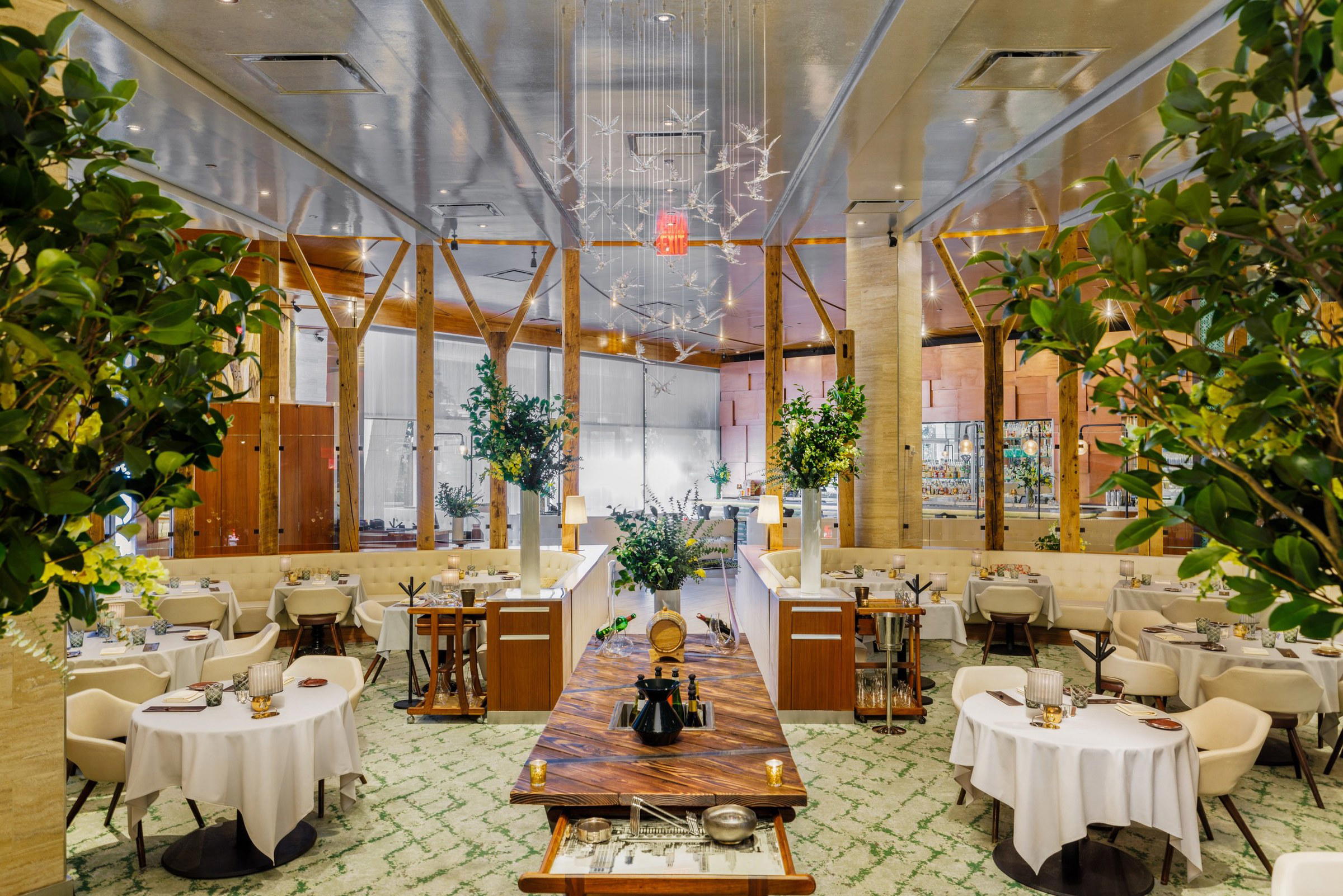
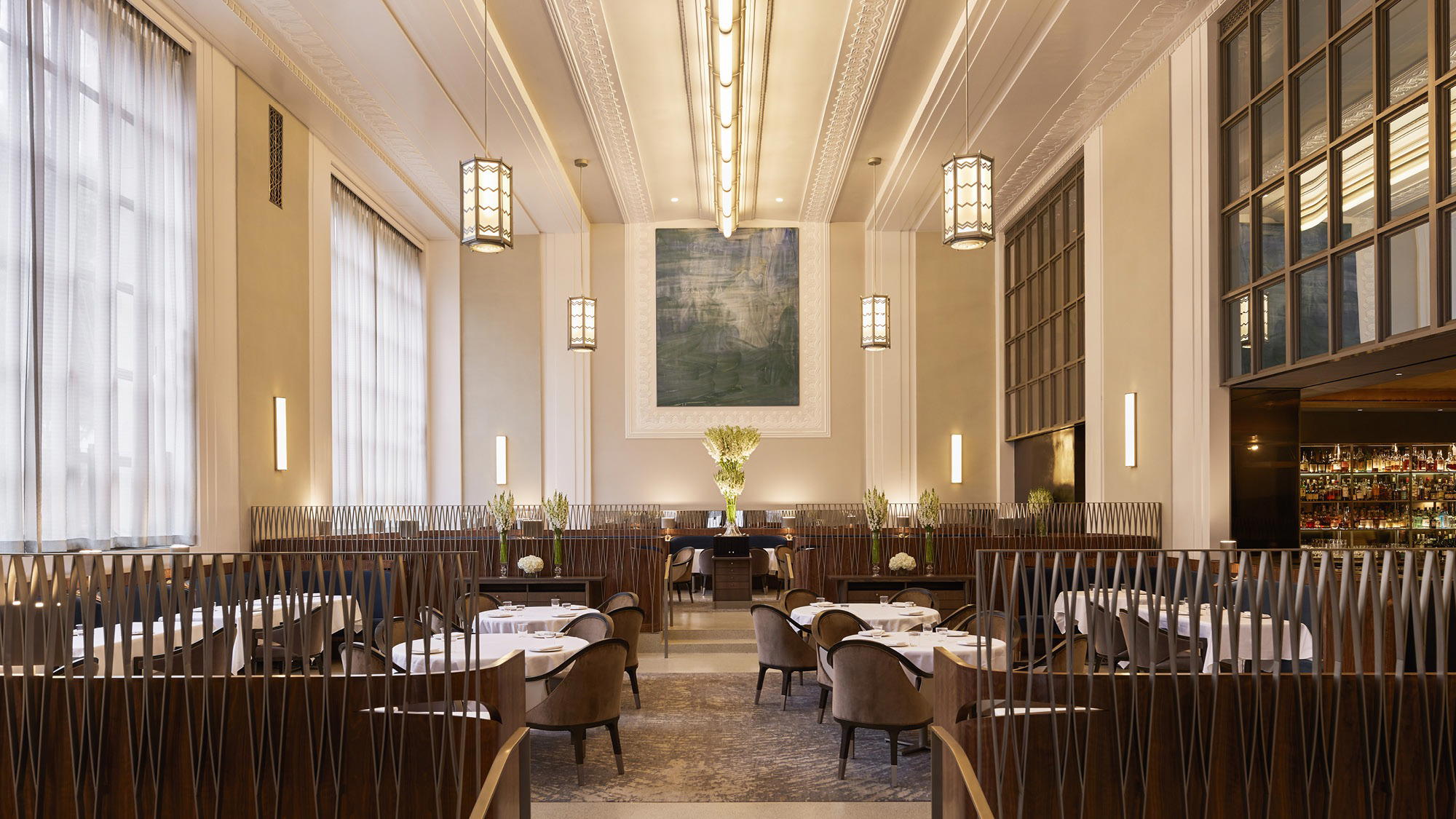
Bars in New York City
Browse all →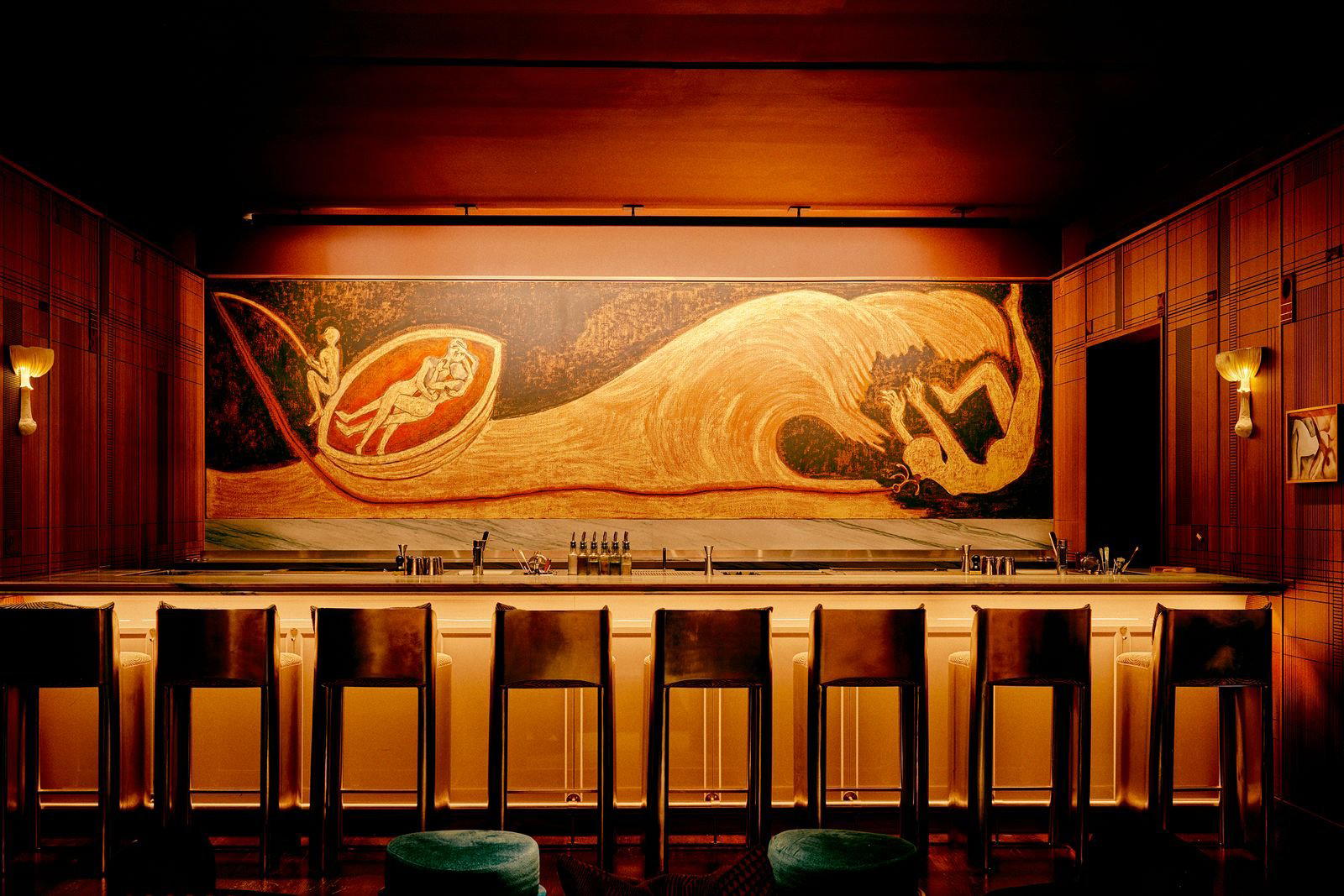
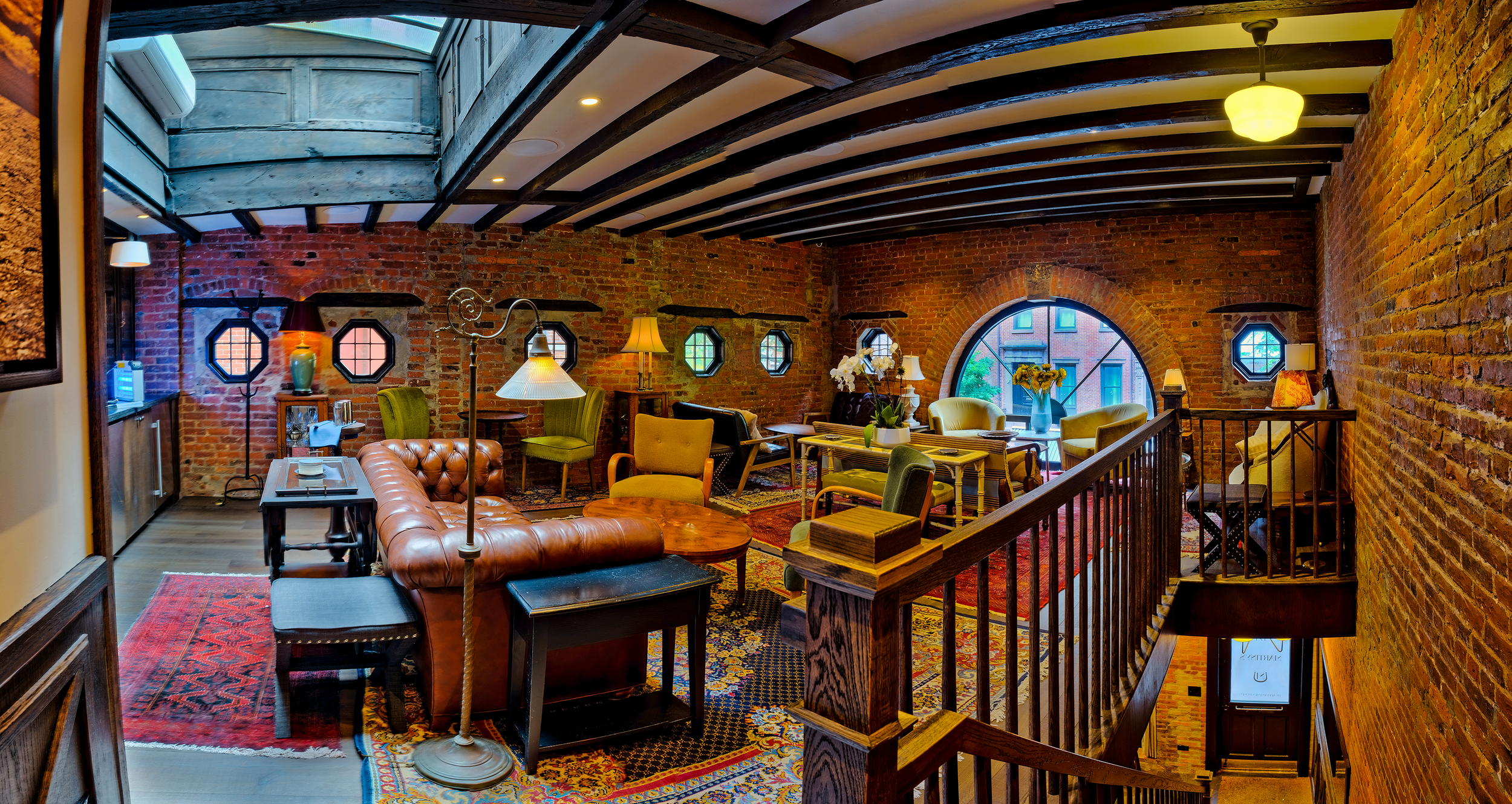
Hotels in New York City
Browse all →




Details
- Cozy
- Rustic
- Lively
- Group Dining
- Casual Hangout
- After Work
- Date Night
- Live Music
- Open Kitchen
- Craft Cocktails
- Beer Program
- A La Carte
- Mojitos
- Sangria
- Rum Cocktails
- Pescatarian Friendly
Current opening hours
- Monday
- Closed
- Tuesday
- 5–10 PM
- Wednesday
- 12–10 PM
- Thursday
- 12–10 PM
- Friday
- 12–11 PM
- Saturday
- 11 AM–11 PM
- Sunday
- 11 AM–10 PM
Hours can change for holidays and private events. Last verified .
Warm, cozy atmosphere with Cuban-inspired decor and live art gallery representing Cuba's culture; copper countertops lend an elegant rustic feel; lively weekend ambiance with live jazz performances.