Our verdict
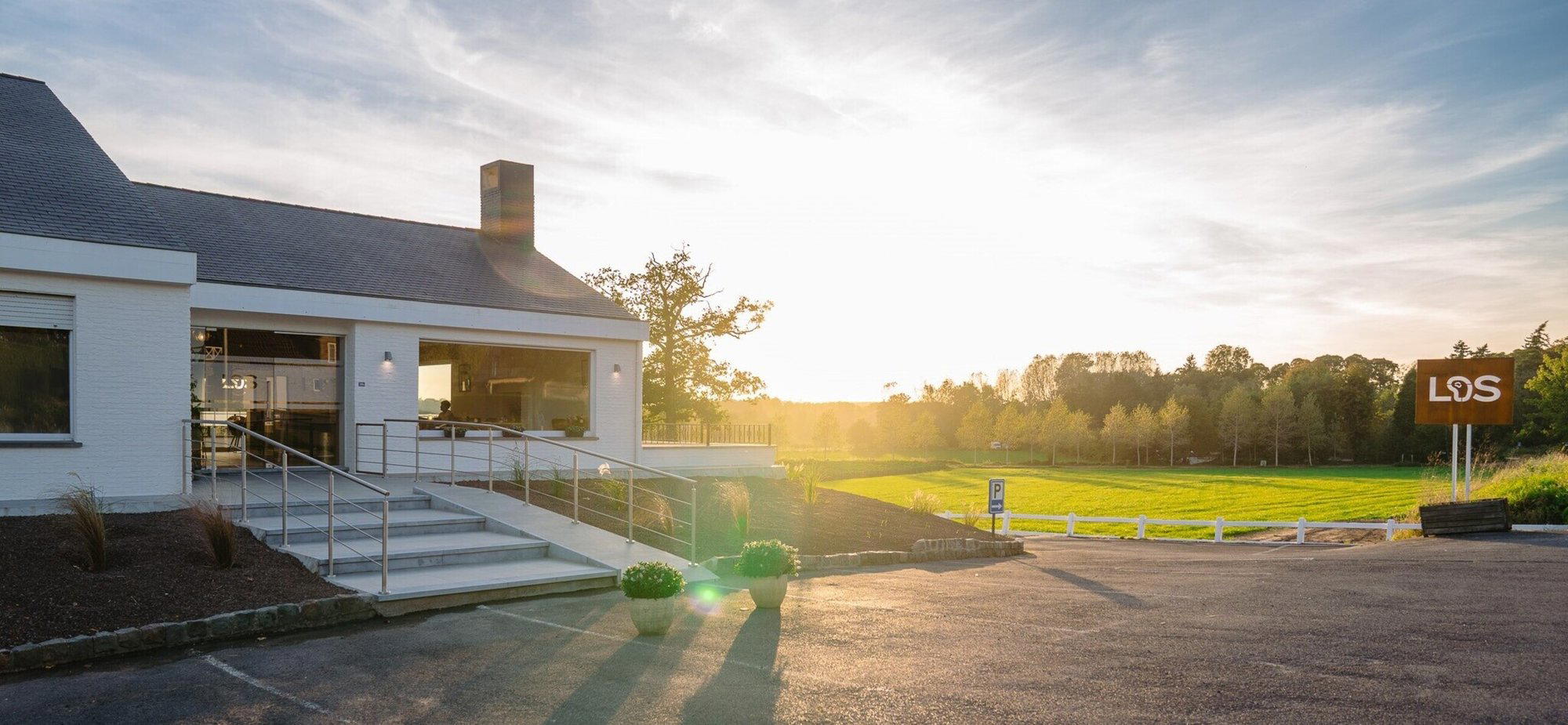
LOS sits on Oostendestraat in Torhout, a West Flemish town where serious dining is increasingly defined by regional sourcing and restraint rather than spectacle. Within a Belgian fine-dining scene that prizes ingredient provenance, LOS occupies the quieter, locality-first end of the spectrum. For those tracking where Flemish cooking is heading outside the metropolitan centres, Torhout rewards attention.

Pearl is the En Primeur Club membership app, where members save venues, book tables and use the concierge.
Where West Flanders Grows Its Own Answers
The road into Torhout from the coast runs through flat agricultural land that has supplied Flemish kitchens for centuries. This is not incidental scenery. West Flanders sits at a junction of sea-influenced climate, deep polderland soil, and a farming tradition that produces some of Belgium's most consistent primary ingredients: coastal vegetables, inland game, dairy from short-chain producers, and seafood drawn from the North Sea within an hour's drive. Restaurants that understand this geography treat it as a direct brief. LOS, at Oostendestraat 384, operates inside that context, in a town that is small enough to still orient itself around what the surrounding land and sea actually produce.
Torhout itself rarely appears in the first wave of Belgian fine-dining conversation, which tends to default to Brussels, Ghent, or the Michelin-starred corridor running through Roeselare and Kortrijk. That gap is partly a function of scale and partly of visibility. Yet the West Flemish interior has produced some of Belgium's most serious cooking in recent years, with places like Boury in Roeselare demonstrating that the region's sourcing depth can support cooking at the highest tier. LOS works in a quieter register, in a town where the dining proposition depends less on destination marketing and more on what arrives from the fields and water nearby.
The Sourcing Logic Behind West Flemish Tables
Belgian fine dining has bifurcated over the past decade. One strand pulls toward Franco-Belgian classicism, technique-led and reference-heavy, the kind of cooking you find at Le Chalet de la Forêt in Uccle or, at a different register, Bozar Restaurant in Brussels. The other strand, increasingly prominent in Flanders, draws its coherence from place rather than canon: what grows here, what swims in the North Sea, what the local dairy and meat producers can deliver this week. Willem Hiele in Oudenburg is the most discussed example of this second tendency, building an entire program around coastal and agricultural foraging that reduces the distance between field and plate to almost nothing. Bartholomeus in Heist does something comparable with North Sea seafood.
LOS sits within reach of all these reference points, geographically and conceptually. The editorial angle that makes Torhout worth examining is precisely this: provincial Flemish restaurants that orient around provenance rather than prestige signals are reshaping what Belgian cooking looks like at a regional level. A table in Torhout is not a compromise version of a Ghent experience. It is a different argument about what Flemish food should do and where it should look for its authority.
That argument has support from kitchens farther afield. Hof van Cleve in Kruishoutem has long anchored East Flemish fine dining around deep agricultural relationships. De Jonkman in Sint-Kruis draws on coastal and inland sourcing across a creative Flemish format. The pattern across these kitchens is consistent: ingredient provenance functions as both constraint and creative engine, narrowing the pantry while sharpening the output. For a restaurant in a town like Torhout, with farmland and coast both accessible, that model is not a trend to adopt but a natural operating condition.
Reading Torhout Within Belgium's Broader Dining Map
Belgium punches well above its population weight in European fine dining. Michelin coverage is dense, the culinary school pipeline is serious, and the country's position between French technique and Flemish ingredient culture has produced a recognisable cooking identity that operates at multiple price tiers. Below that tier, a dense band of serious provincial restaurants work at price points and capacities that allow for more experimental or place-specific propositions.
Torhout belongs to that second tier by geography and scale. The town's dining scene, covered more fully in our full Torhout restaurants guide, includes a small number of kitchens making deliberate choices about sourcing and format. Bassud represents the modern cuisine approach within the town. LOS occupies its own position on Oostendestraat, at a distance from the centre that suggests a restaurant not dependent on foot traffic, and by implication one where the proposition is the draw rather than the location.
For comparative context outside Belgium, the structural parallel is kitchens that have deliberately chosen provincial settings to build tighter sourcing networks. L'air du Temps in Liernu is the Belgian example that most thoroughly demonstrated this logic, building a farm-to-table practice in rural Namur that attracted serious critical attention. La Table de Maxime in Our and Maison Colette in Tongerlo follow similar patterns in their respective regions. The throughline is that physical distance from metropolitan centres, when it comes with genuine agricultural proximity, can be a productive constraint rather than a limitation.
Planning Your Visit
LOS is located at Oostendestraat 384 in Torhout, a small West Flemish city approximately 15 kilometres south of Bruges and reachable by train or car from the coast. The address sits on a main road east of the town centre, which places it in the category of destination rather than casual drop-in. As with most Belgian restaurants of this type, contacting the venue directly in advance is advisable: provincial Flemish kitchens at this positioning typically operate on limited sittings, and arriving without a reservation at an out-of-centre address is a reliable way to find a closed door.
Travellers building a West Flemish itinerary around serious eating have a coherent route available. Bruges serves as a practical base, with Torhout, Roeselare, Oudenburg, and Heist all within 30 to 40 minutes by road. For those extending toward Antwerp or Brussels, kitchens like d'Eugénie à Emilie in Baudour, La Durée in Izegem, and the reference points in the capital fill out a broader Belgian dining picture. For comparison against the international tier, Le Bernardin in New York City and Atomix in New York City offer a sense of where sourcing-led precision cooking sits at global scale.
Frequently asked questions
Can I bring kids to LOS?
LOS sits in Torhout, a small West Flemish city with a quieter pace than urban restaurant scenes, which suggests a more composed dining environment rather than a family-casual one. Given the produce-driven focus implied by the West Flemish agricultural setting, the kitchen likely takes its food seriously.
What's the vibe at LOS?
Torhout is not a destination city in the way Bruges or Ghent are, which means LOS draws a local and regionally curious crowd rather than a tourist circuit. The agricultural flatlands surrounding the city have supplied Flemish kitchens for generations, and that grounded, produce-close context tends to shape a more serious, pared-back dining atmosphere. Expect a room where the food does the talking.
How does LOS fit into the broader West Flanders dining scene, and is it worth travelling from Bruges?
LOS is located approximately 15 kilometres south of Bruges, making it a plausible half-day detour for anyone already in the region. West Flanders has historically been underrepresented in Belgium's dense Michelin coverage relative to cities like Brussels and Ghent, which means quality addresses in smaller cities like Torhout often operate below the radar of international visitors. For anyone tracking where Belgian produce-led cooking is developing outside the obvious centres, Torhout is a reasonable place to look.
What do people recommend at LOS?
Belgium's broader fine dining culture rewards technical precision alongside seasonal sourcing, and Torhout's proximity to coastal and inland farms gives any serious kitchen here strong raw material to work with.
Where is LOS in Torhout?
LOS is located at Oostendestraat 384, 8820 Torhout, Belgium, Torhout.
Is LOS reservation-only?
The address is Oostendestraat 384, Torhout, and reaching out directly ahead of a visit is advisable.
A Quick Peer Check
Comparable venues nearby, for context on price, style, and recognition.
| Venue | Cuisine | Price | Awards | Notes |
|---|---|---|---|---|
| LOSThis venue (the venue you are viewing) | Modern French-Belgian | $50–100 | Not listed | Not listed |
| Bassud | Modern Farm-to-Table Belgian | $50–100 | Michelin Plate | Torhout |
| Klaver | Modern Flemish Fine Dining | Not listed | Michelin Plate | Vlamertinge |
| Le petit Prince de Ligne | French Bistro-Gastronomique | Not listed | Not listed | Ath |
| Bistro Régal | French-Belgian Bistro | Not listed | Not listed | centre |
| Rombaux | Modern French Bistro | Not listed | Michelin Plate | Sint-Kruis |
Continue exploring
More in Torhout
Restaurants in Torhout
All restaurants in Torhout →
Bars in Torhout
Browse all →
Hotels in Torhout
Browse all →
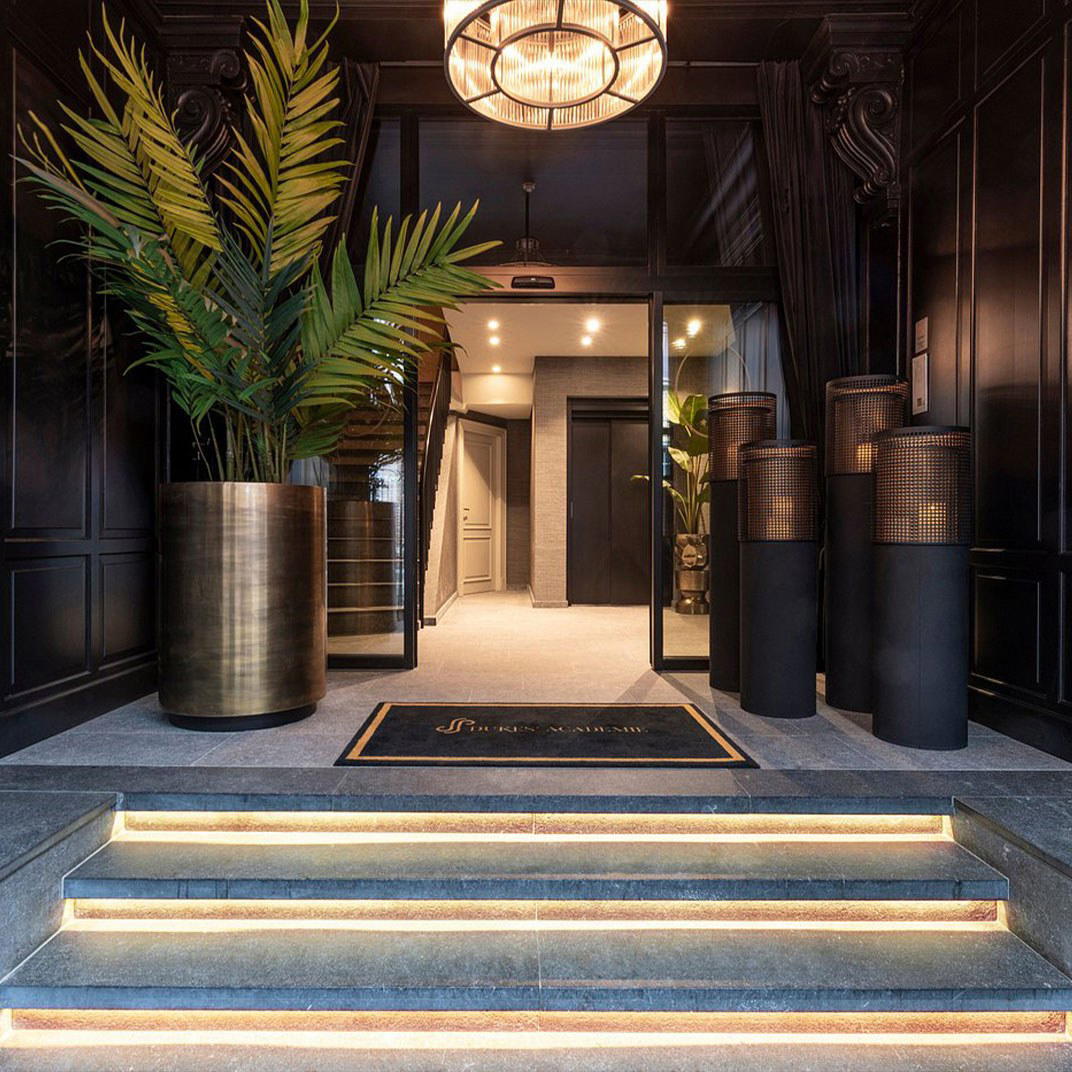
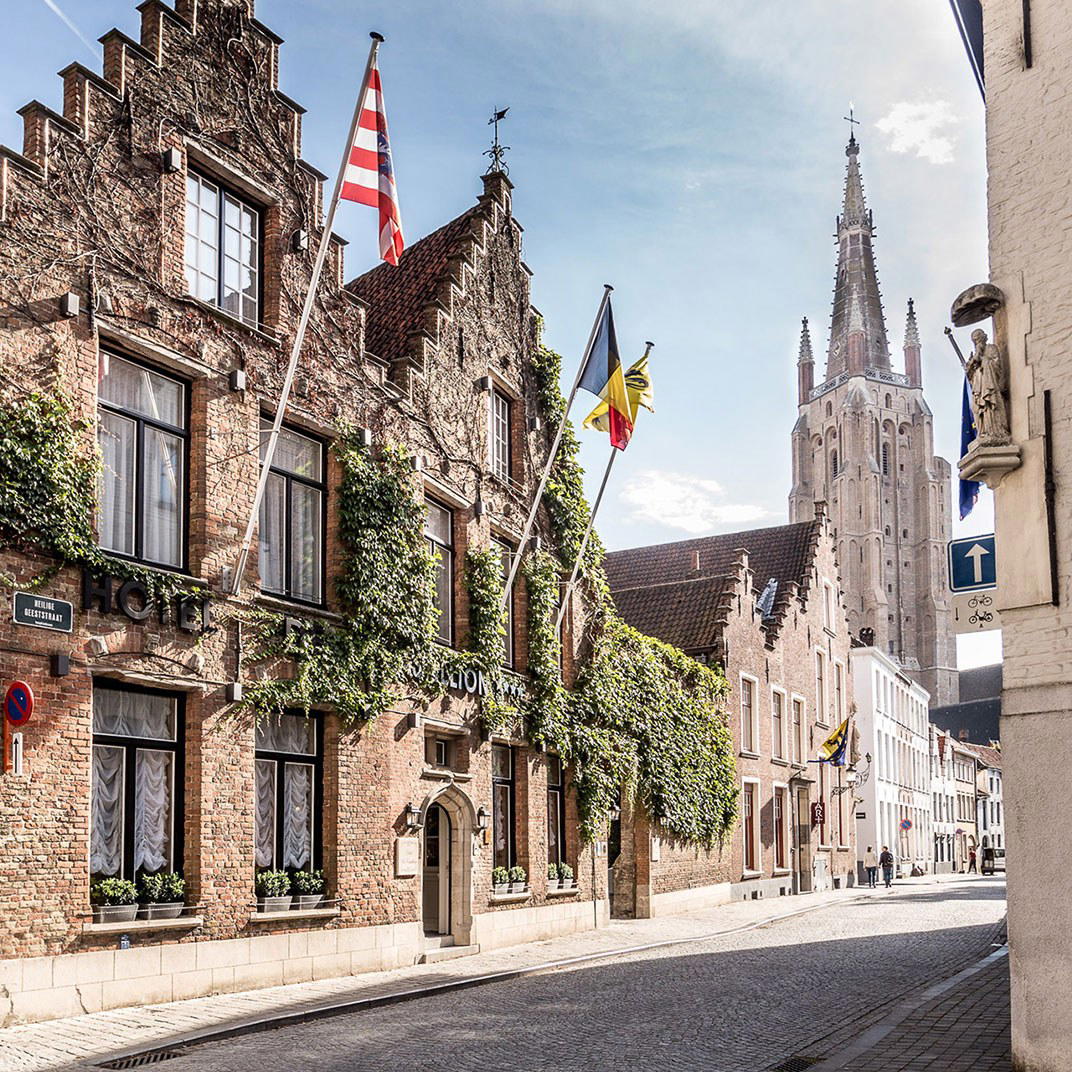
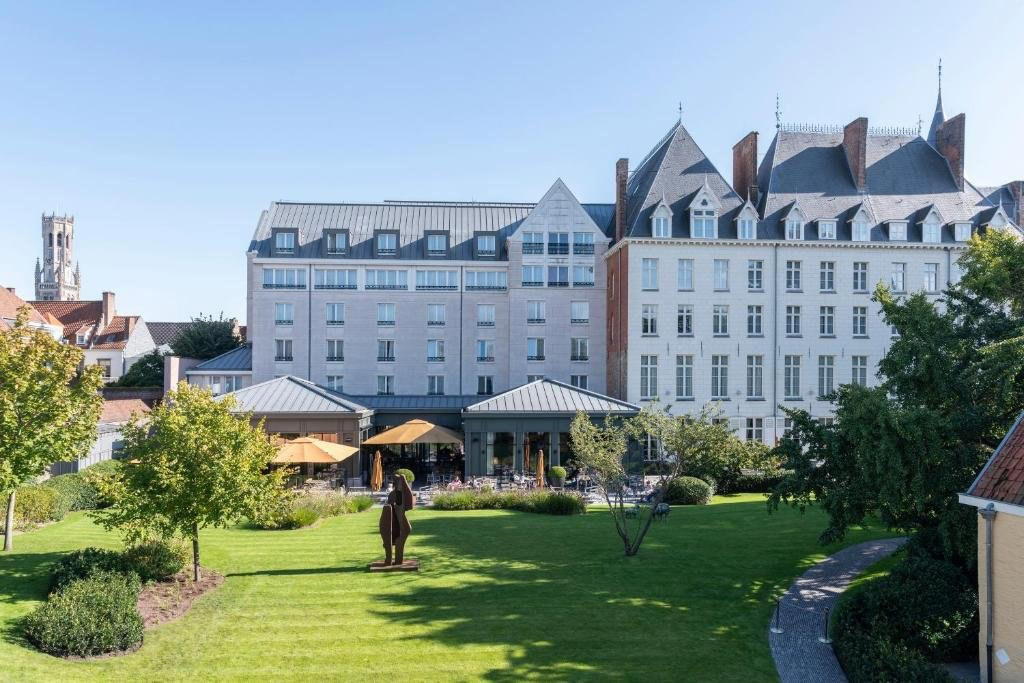
Wineries in Torhout
Browse all →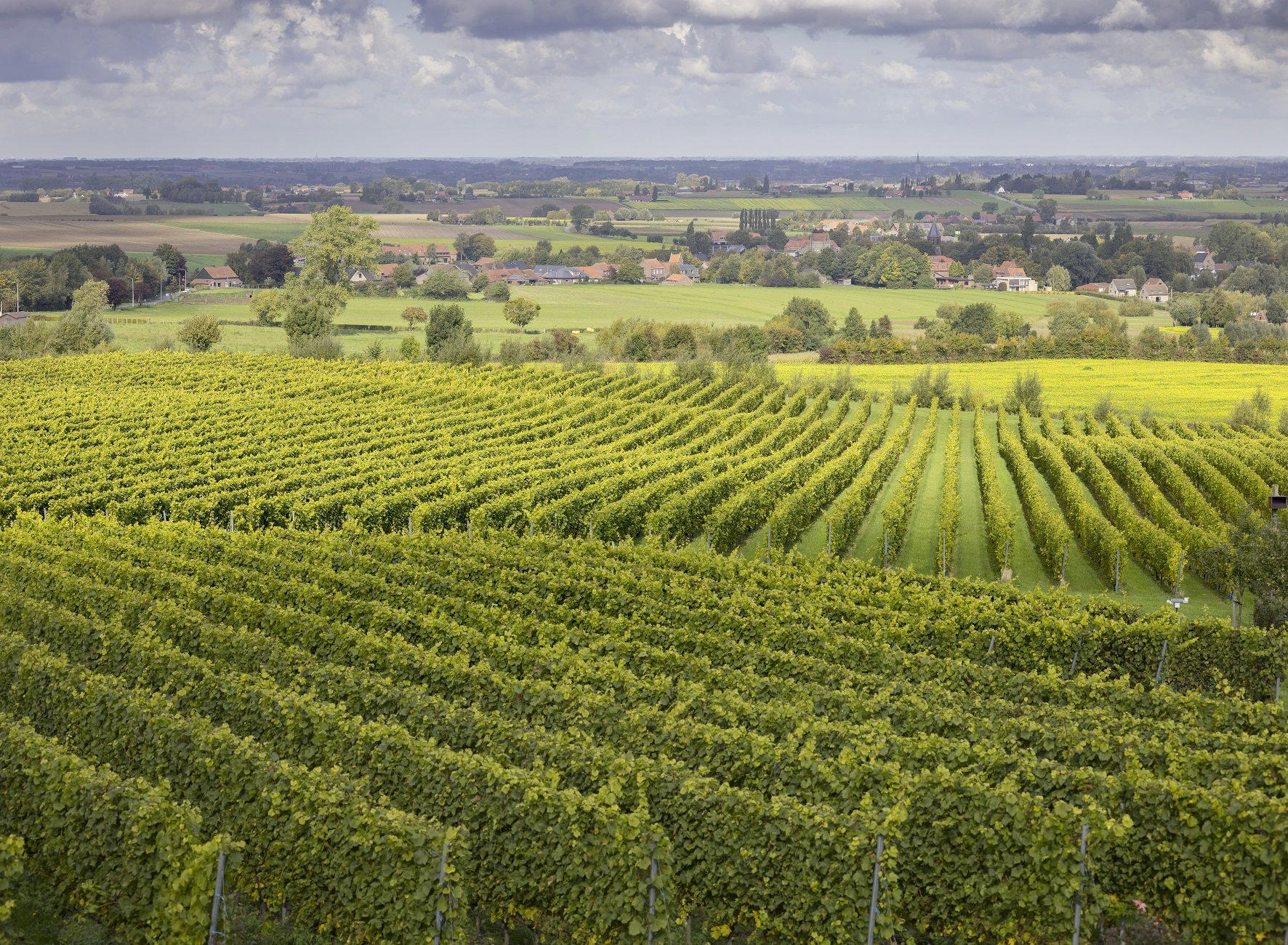
Details
- Cozy
- Charming
- Casual
- Date Night
- Special Occasion
- Family
- Terrace
- Tasting Menu
- A La Carte
Current opening hours
- Monday
- 6:30–11 PM
- Tuesday
- 6:30–11 PM
- Wednesday
- Closed
- Thursday
- Closed
- Friday
- 6:30–11 PM
- Saturday
- 6:30–11 PM
- Sunday
- 12–2 PM, 6:30–11 PM
Hours can change for holidays and private events. Hours as of .
Relaxed and loose atmosphere with cozy decor and friendly service