On Rue de Gand in Lille's Vieux-Lille quarter, La Biche & Le Renard occupies a distinct position in a city where bar culture has historically punched below its culinary weight. The address signals a programme built around craft and intention rather than volume, placing it within the smaller, more deliberate tier of French provincial cocktail bars that have emerged over the past decade.
Pearl is the En Primeur Club membership app — saves, bookings, and concierge access live there. Same editors, same standards.
- Address
- 14 Rue de Gand, 59800 Lille, France
- Phone
- +33 6 45 50 39 65
- Website
- facebook.com
- Directions
- Get directions
 Saves & bookings on Pearl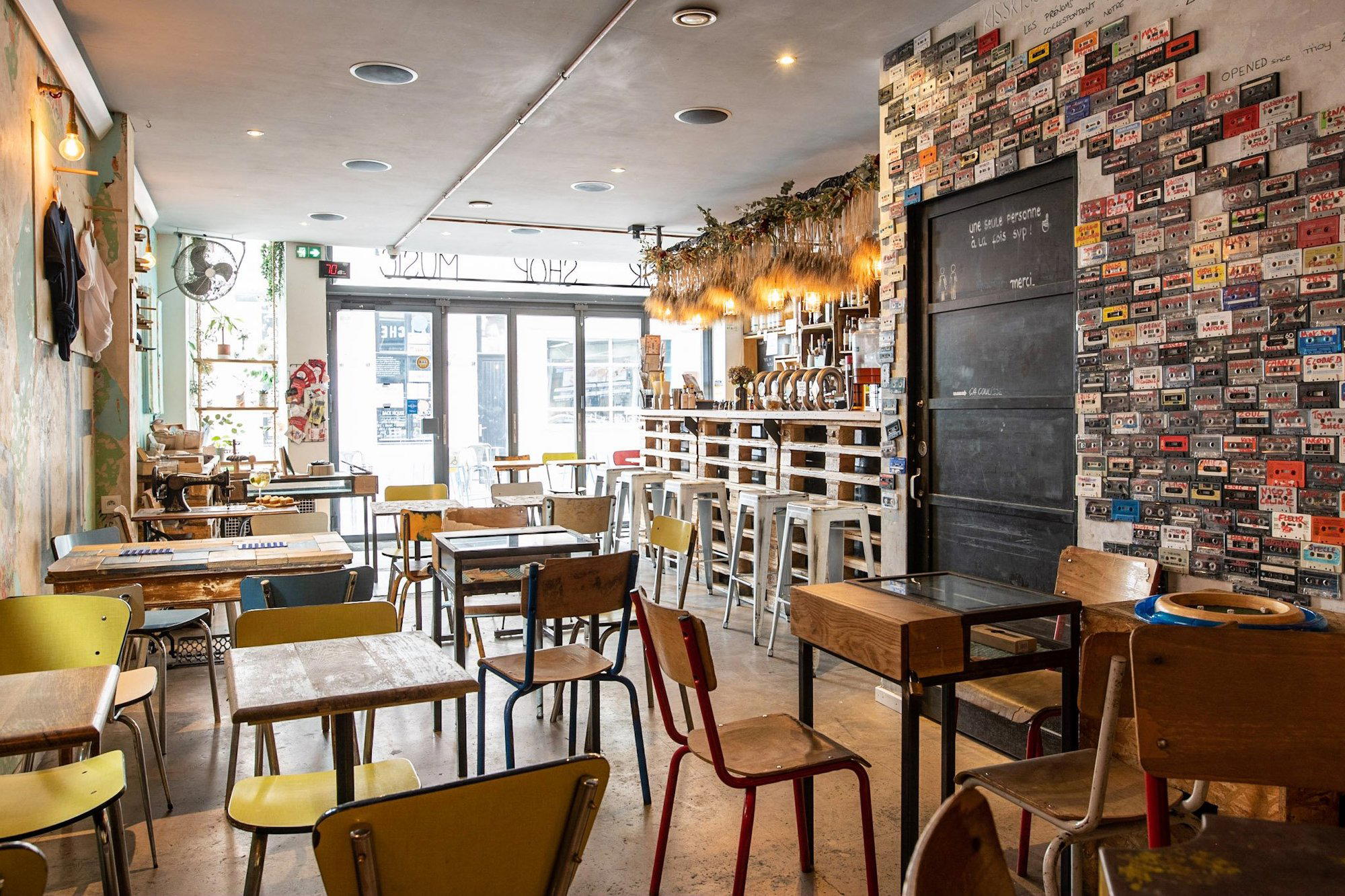
Rue de Gand and What It Signals About Lille's Bar Scene
Rue de Gand runs through the Vieux-Lille district as among the more concentrated drinking streets in northern France. On a Thursday evening the cobblestones fill early, and the buildings, most of them Flemish baroque in outline with stepped gables overhead, create a corridor where the light from bar windows spills onto stone that has hosted this kind of sociability for centuries. La Biche and Le Renard sits at number 14, and its address alone communicates something about its position: this stretch of Gand attracts a crowd that knows the difference between a rushed house pour and a considered drink.
Lille occupies an interesting position in the French bar conversation. It is close enough to Belgium that lambic and gueuze have always had a local audience, yet its city-centre bar culture has moved steadily toward the kind of cocktail seriousness that, ten years ago, was largely confined to Paris arrondissements. The shift is visible across Vieux-Lille: bars that once defined themselves by volume and Flemish beer lists now compete on programme depth. La Biche and Le Renard arrived into that context on Rue de Gand, a street where the competition is immediate and the clientele is practiced at comparison.
The Cocktail Programme as Editorial Object
In cities where bar culture is maturing, the cocktail menu is the first thing that separates operators who are responding to a trend from those who are shaping one. French regional bars have historically lagged the Parisian circuit on this measure, where venues like Bar Nouveau in Paris have set a technical and curatorial standard that provincial programmes have only recently begun to address seriously. The question for any Lille bar is where it sits on that spectrum.
La Biche and Le Renard's name, pairing the doe with the fox, carries a French folkloric register that implies a certain editorial sensibility rather than a purely commercial one. Bar names in this register tend to signal programmes that favour narrative over novelty, classic structure over novelty-forward lists. Whether that translates into a classic-leaning cocktail menu anchored in French spirits and Belgian beer culture, or something more hybrid in character, is the kind of question the Rue de Gand address does not answer by itself. What the address does confirm is that the venue operates in a competitive cluster where programme quality is tested nightly against immediate neighbours.
Across French regional bar scenes, the bars that have accumulated durable reputations have generally done so through one of two approaches: depth in a single category, such as the aged-spirits focus at La Maison M. in Lyon, or a credible wine-and-cocktail hybrid format of the type visible at Coté Vin in Toulouse. Bars that attempt breadth without a governing editorial logic tend to lose ground to more focused operators over time. The Vieux-Lille market, with its Belgian proximity and high tourism throughput from Eurostar arrivals, has the volume to sustain several formats, but the Rue de Gand cluster rewards identity.
Northern France's Drinking Tradition and Why It Matters Here
Understanding a bar on Rue de Gand requires understanding the drinking culture that surrounds it. Northern France sits at a confluence of three distinct traditions: the French café model, the Flemish estaminet with its emphasis on dark beer and genever, and a more recent cocktail-bar culture imported partly through Paris and partly through the proximity of Ghent and Brussels. Vieux-Lille has historically been the neighbourhood where the estaminet tradition persisted longest, and that legacy does not disappear simply because a bar installs a proper jigger station.
One considered bars in this part of France treat that inheritance as material rather than obstacle. Genever, a spirit that is legally produced just across the Belgian border and carries a lineage older than most classic cocktail canon, offers a regional ingredient base that few Paris bars can claim as locally as a Lille operator can. The question of whether a bar at 14 Rue de Gand is engaging with that tradition or simply running a generic European cocktail list matters to the kind of traveller who is choosing between La Biche and Le Renard and, say, the long-established Méert further into Vieux-Lille, or factoring in what the broader Lille bar and restaurant scene offers across neighbourhoods.
Elsewhere in France, bars that have rooted themselves in regional ingredient logic have created durable editorial identities. Papa Doble in Montpellier draws on southern Mediterranean produce; Au Brasseur in Strasbourg works within an Alsatian beer and spirits tradition; Bar Casa Bordeaux integrates the wine-region context that surrounds it. Each case argues that regional anchoring is a programme strategy, not just a marketing note.
How Rue de Gand Works as a Practical Context
Vieux-Lille is walkable from Lille-Flandres station in under fifteen minutes, and the neighbourhood concentrates its bar life most densely along Rue de Gand and the adjacent streets between early evening and the early hours. For visitors arriving by Eurostar from London St Pancras, the journey to Lille-Eurostar station takes around eighty minutes, making Vieux-Lille a realistic dinner-and-drinks destination even on a day trip, though the neighbourhood rewards staying. Booking behavior on Rue de Gand varies by venue.
For those assembling a comparative itinerary across French bar programmes, the range extends from the wine-bar-led format at Bouvet Ladubay in Saumur to the technically precise hotel-bar model at Le Petit Nice Passedat in Marseille and the more café-anchored format at Le Café de la Fontaine in La Turbie. Internationally, the specialist cocktail bar model as practised at Bar Leather Apron in Honolulu illustrates how far the format has spread beyond its original urban centres, which is useful context for understanding why a bar on a cobbled street in northern France is now playing in the same conversation.
Planning Your Visit
La Biche and Le Renard is at 14 Rue de Gand in the Vieux-Lille district, positioned within the main bar corridor of the old city. The neighbourhood is most active from Thursday through Saturday evenings, when Rue de Gand fills quickly and the better-known venues fill earlier. Arriving before 20:00 on a weekend gives a clearer sense of the room and the programme than arriving after the street reaches full capacity. As with most bars in this cluster, confirming current hours and any reservation requirements ahead of the visit is advisable.
Comparable Venues
Comparable venues nearby, for context on price, style, and recognition.
| Venue | Cuisine | Price | Notes |
|---|---|---|---|
| La Biche & Le RenardThis venue — the venue you are viewing | beer_bar | $$ | Not listed |
| Bar The View | cocktail_bar | $$$ | Lille |
Continue exploring
More in Lille
Restaurants in Lille
Browse all →
Hotels in Lille
Browse all →
Wineries in Lille
Browse all →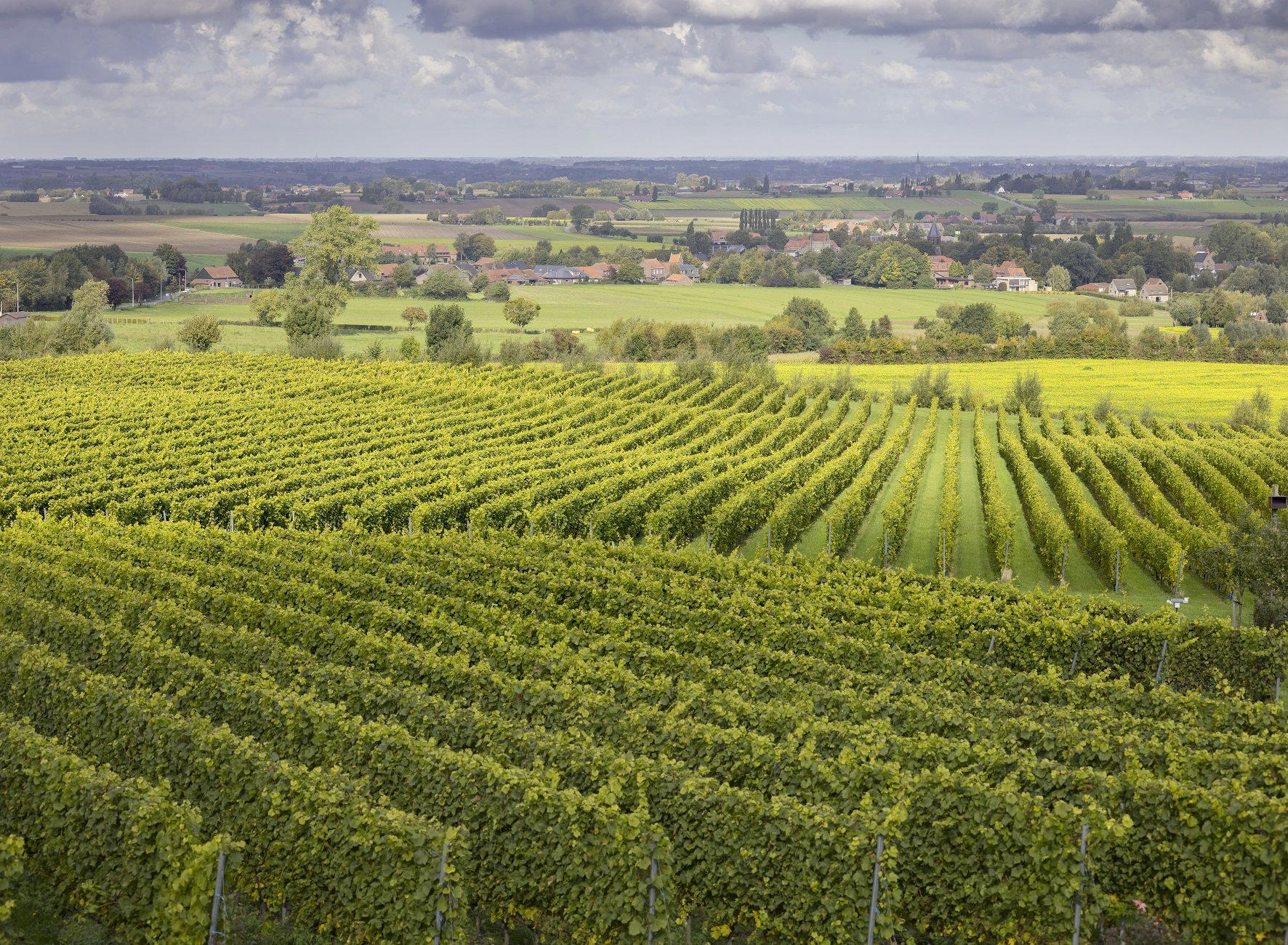
At a Glance
- Cozy
- Lively
- Trendy
- Bohemian
- Casual Hangout
- Group Outing
- After Work
- Standalone
- Live Music
- Standing Room
- Seated Bar
- Craft Beer
- Craft Cocktails
Current opening hours
- Monday
- 5 PM–1 AM
- Tuesday
- 5 PM–1 AM
- Wednesday
- 5 PM–1 AM
- Thursday
- 5 PM–2 AM
- Friday
- 5 PM–2 AM
- Saturday
- 4 PM–2 AM
- Sunday
- 4–10 PM
Hours can change for holidays and private events. Last verified .
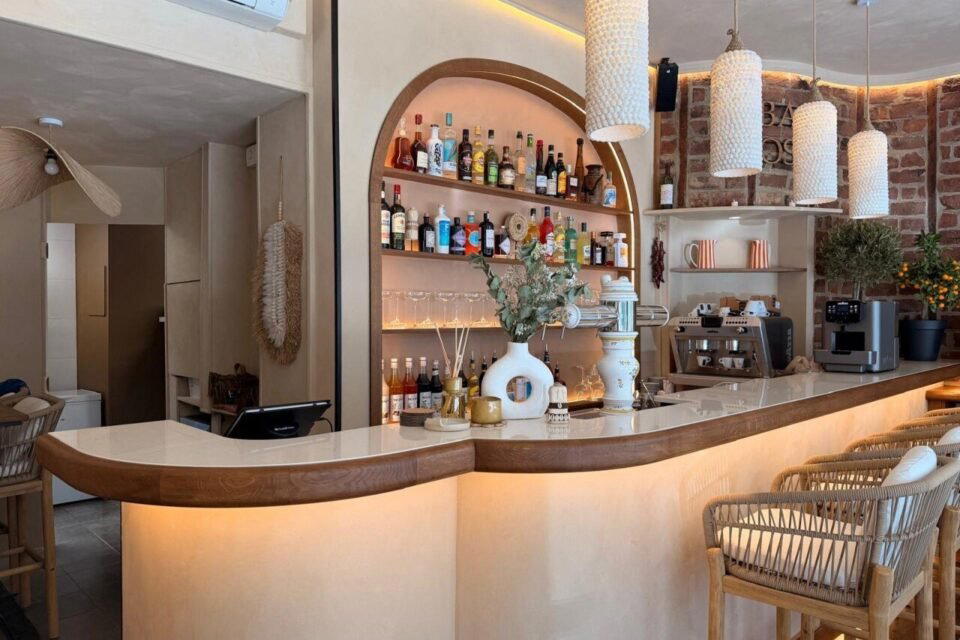
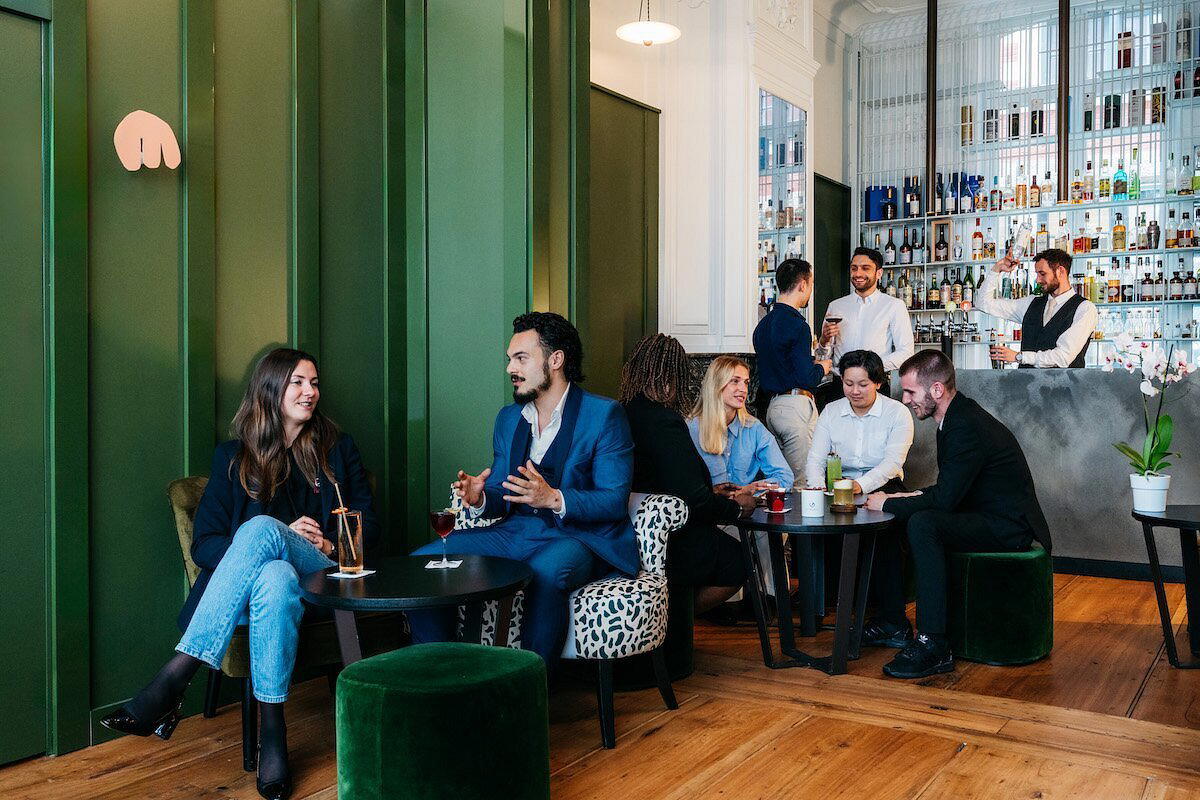
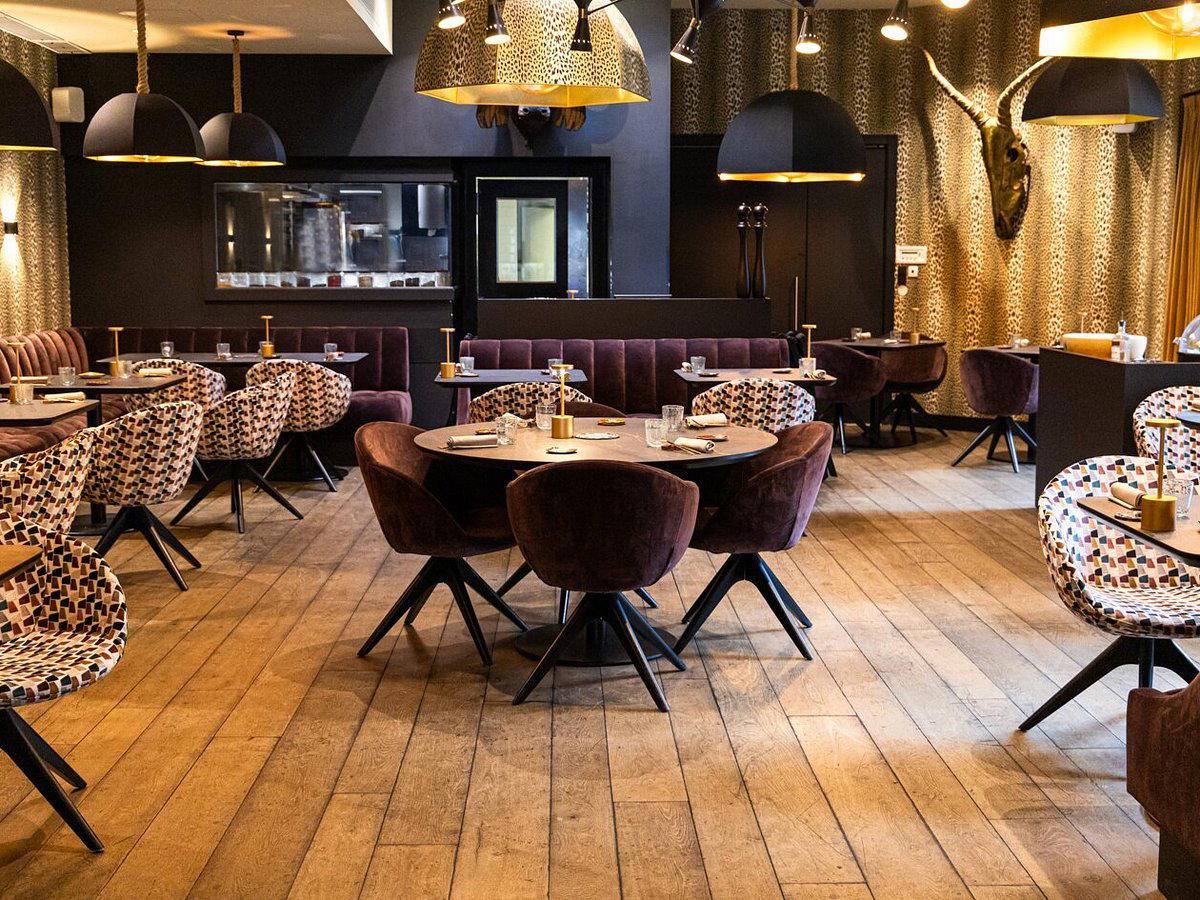
Warm and convivial with disco-funk music, carefully curated lighting, and eclectic decor that changes seasonally; calm on weekdays, festive on weekends.