

Zet'Joe by Geert Van Hecke holds a Michelin star and an Opinionated About Dining ranking among Europe's top restaurants, placing it firmly in Bruges's serious fine-dining tier. The kitchen applies French classical technique to Belgian and regional Flemish produce, operating a tight Tuesday-to-Saturday service from a Langestraat address that keeps the room focused and the pacing deliberate.
Pearl is the En Primeur Club membership app — saves, bookings, and concierge access live there. Same editors, same standards.
- Address
- Langestraat 11, 8000 Brugge, Belgium
- Phone
- +32 50 33 82 59
- Website
- zetjoe.be
- Directions
- Get directions
 Saves & bookings on Pearl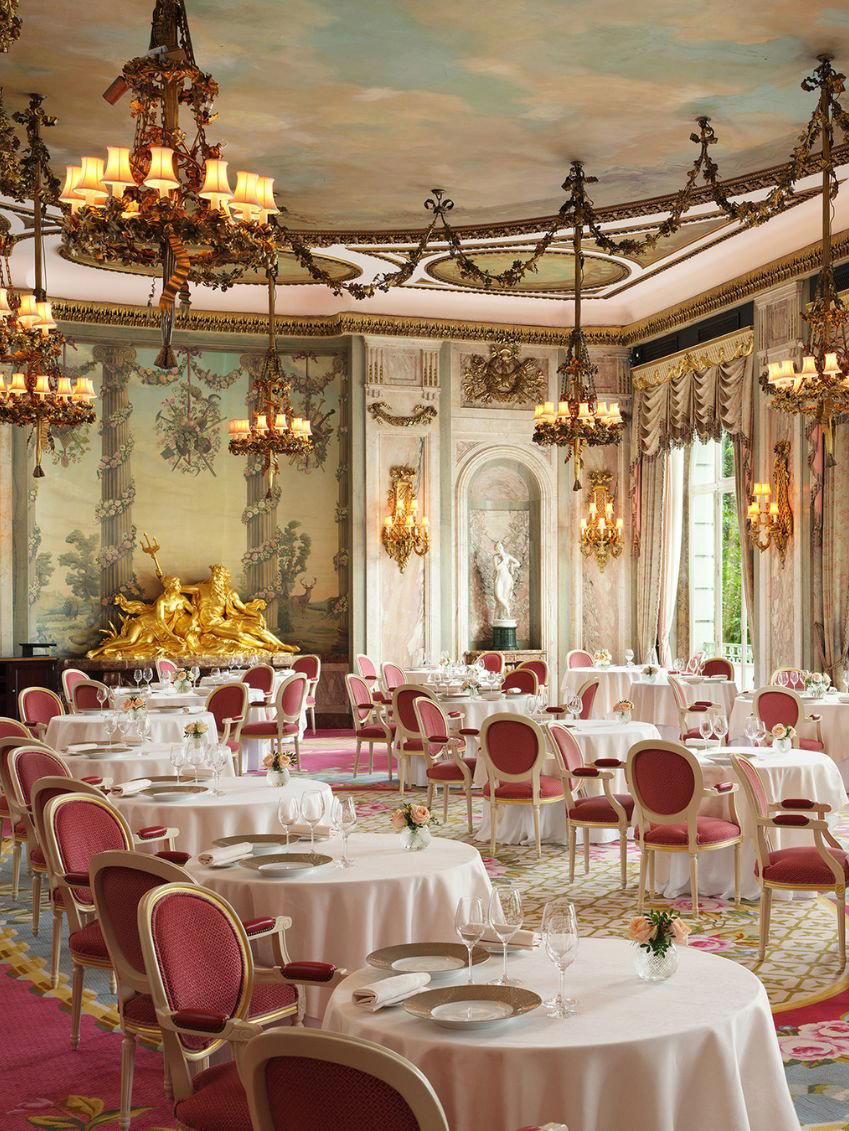
Where Classical French Rigour Meets Flemish Produce
Zet'Joe by Geert Van Hecke is a one-Michelin-star restaurant in Bruges serving Creative French Fine Dining at about $150 per person. Bruges occupies an unusual position in Belgian fine dining. Its medieval streetscape draws enough tourist volume to sustain a large number of middling restaurants running on canal views and moules-frites nostalgia, yet underneath that layer sits a genuinely serious dining culture, one that has produced and retained chefs of considerable technical depth. The city's leading end now clusters around a handful of addresses, each positioning themselves against a different slice of the regional tradition. Mémoire and Sans Cravate occupy the creative-French corner; De Karmeliet anchors the classic Belgian end. Zet'Joe by Geert Van Hecke sits at the intersection of both impulses: imported classical method applied to the produce that West Flanders and the Belgian coast actually yield.
The address is Langestraat 11, Brugge, a street that runs east from the city centre and sits outside the heavily photographed tourist circuit. That placement matters editorially: the room draws guests by reputation rather than foot traffic, which tends to self-select for a more considered crowd and allows the kitchen to operate on its own terms. The physical approach is quieter than the canal-front restaurants, and the experience once seated reflects that same register.
The Technique-Produce Argument at the Core of the Menu
French classical training, brigade discipline, sauce-led composition, precision timing, has been the dominant technical framework for Belgian fine dining since the late twentieth century. What separates the more interesting contemporary kitchens from their predecessors is how deliberately they source against that framework. The question is no longer whether a chef can execute a classical reduction or a butter-mounted fish sauce; it is whether the ingredients driving those techniques are Belgian, regional, seasonal, or otherwise specific enough to make the plate mean something beyond technical correctness.
At Zet'Joe, the cuisine is categorised as Modern European and Creative French, which in practice means the classical skeleton remains visible, the saucing, the plating precision, the course architecture, while the larder leans into what the Belgian coastal hinterland and West Flemish farms actually produce. This is a common tension in the broader West Flemish dining scene, one you see playing out across the region at addresses like Bartholomeus in Heist and Willem Hiele in Oudenburg, both of which press the coastline's ingredient vocabulary harder than most. The difference at Zet'Joe is the specifically French classical lens through which those ingredients are interpreted.
Geert Van Hecke's name carries weight in Belgian culinary circles. His earlier tenure at De Karmeliet, a three-Michelin-star restaurant in Bruges, established his standing in the highest tier of Flemish fine dining. Zet'Joe, the later chapter, operates at a different scale and a different register, more focused, presumably more personal in its execution, though the depth of the classical grounding remains legible in the format. That kind of credential functions here as a trust signal about technical baseline, not as biographical colour for its own sake: it tells you that the kitchen's French technique is not aspirational or derivative but trained and practised at the highest documented level.
How Zet'Joe Sits in the Belgian Fine-Dining Tier
A Michelin star held continuously from 2024 into 2025, combined with an Opinionated About Dining ranking at number 450 among European restaurants in 2024 and an OAD Recommended listing for new restaurants in 2023, places Zet'Joe in a specific competitive bracket. The OAD list is useful context here because it aggregates opinions from frequent fine-dining travellers rather than anonymous inspectors alone, meaning a placement there signals recognition from a self-selecting audience of serious eaters across the continent rather than a single national guide.
Within Belgium, that comparable set extends well beyond Bruges. Hof van Cleve in Kruishoutem and Boury in Roeselare represent the West Flemish kitchen at multi-star level. Zilte in Antwerp anchors the urban end of the same regional tradition. Zet'Joe occupies a one-star tier that is increasingly competitive in Belgium, where the Michelin guide has been notably active in recognising smaller, more focused rooms over the past several years.7 across 292 reviews reinforces that the kitchen is performing consistently rather than peaking for inspection cycles.
The price tier sits at €€€€, which aligns with the Michelin-starred comparable set in the city. Assiette Blanche and ATELIER D THE BISTRO operate in the city's broader French-influenced fine-dining bracket at similar or adjacent price points. In the wider European context, Belgian fine dining at this tier remains comparatively accessible against equivalent-quality rooms in Paris or London, a structural feature of the Belgian market that benefits travellers willing to position Bruges as a serious eating destination rather than a heritage day trip.
The Global Technique Conversation
It is worth contextualising what French classical training means in 2025 compared to its meaning twenty years ago. The technique is now genuinely international: chefs in Tokyo, Seoul, New York, and São Paulo have absorbed brigade method, and the reference set for a diner encountering classical French saucing or emulsion work is no longer purely European. Restaurants like Le Bernardin in New York City have demonstrated how French classical precision can anchor a kitchen for decades when the ingredient sourcing is rigorous enough. The Korean fine-dining programme at Atomix in New York City shows the opposite direction of travel: a non-European ingredient vocabulary being structured through an implicitly European fine-dining architecture.
Zet'Joe's version of this conversation is more localised but no less considered. The Belgian coastal and agricultural larder, grey shrimp, waterzooi traditions, white asparagus in season, the hop shoots and chicory that define West Flemish agriculture, is specific enough to make French technique feel like a lens rather than an import. When Belgian produce is good, and in season it is good, the classical framework amplifies rather than obscures it. That is the editorial argument the kitchen is making, and the sustained Michelin recognition across two consecutive years suggests the execution holds up under scrutiny.
Planning Your Visit
Zet'Joe operates Tuesday through Saturday, with lunch service running from midday to 1:30 pm and dinner from 7 to 9 pm. The restaurant is closed on Sundays and Mondays, which is standard for kitchens at this level in Bruges but worth noting if you are building a short-stay itinerary around a specific day. The address at Langestraat 11 is reachable on foot from the historic centre, a practical advantage in a city where parking requires planning and most serious guests arrive by train from Brussels or Ghent.
Bruges itself rewards treating the dining programme seriously. The city has enough Michelin-starred addresses and a sufficient density of well-regarded wine bars and breweries to fill two or three days without fatigue. For Belgian fine dining beyond the city, Bozar Restaurant in Brussels represents the capital's take on the same classical-technique-meets-Belgian-produce argument.
Comparison Snapshot
Comparable venues nearby, for context on price, style, and recognition.
| Venue | Cuisine | Price | Awards | Notes |
|---|---|---|---|---|
| Zet'Joe by Geert Van HeckeThis venue — the venue you are viewing | Creative French Fine Dining | $$$$ | Michelin 1 Star | Not listed |
| Sans Cravate | Creative French | $$$$ | Michelin 1 Star | St-anna |
| Mémoire | Contemporary French-Belgian Fine Dining | $$$$ | Michelin 1 Star | Historic Center |
| Tou. Gou | Creative French Farm-to-Table | $$ | Bib Gourmand | centrum Brugge |
| Bruut | Modern French Fine Dining | $$$ | Michelin Plate | St-anna |
| L.E.S.S. | Modern Asian-Influenced Fusion | $$$ | Michelin Plate | Steenstraat Quarter |
Recognition history
Dated appearances from independent guides and award organizations, with the underlying list record or original source where available.
Michelin 1 Star
Michelin
Michelin 1 Star
Michelin
Michelin 1 Star
Michelin
Opinionated About Dining Top Restaurants in Europe Ranked #450
Opinionated About Dining
Opinionated About Dining Top New Restaurants in Europe Recommended
Opinionated About Dining
Continue exploring
More in Bruges
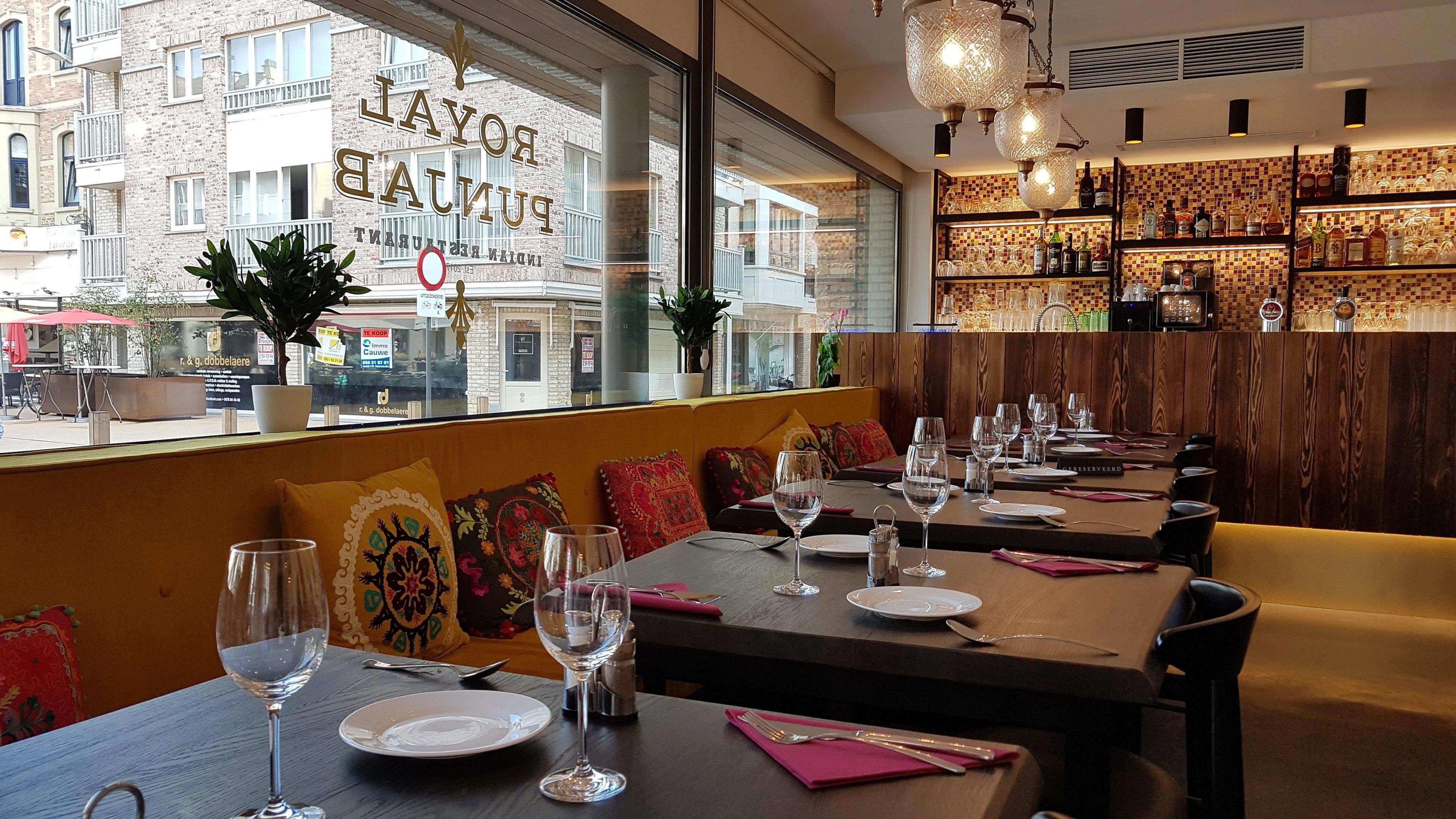
Restaurants in Bruges
Browse all →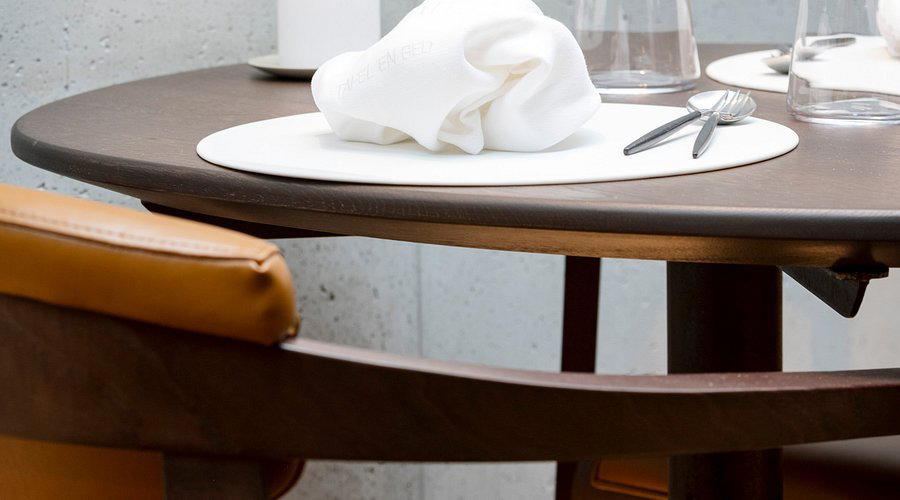
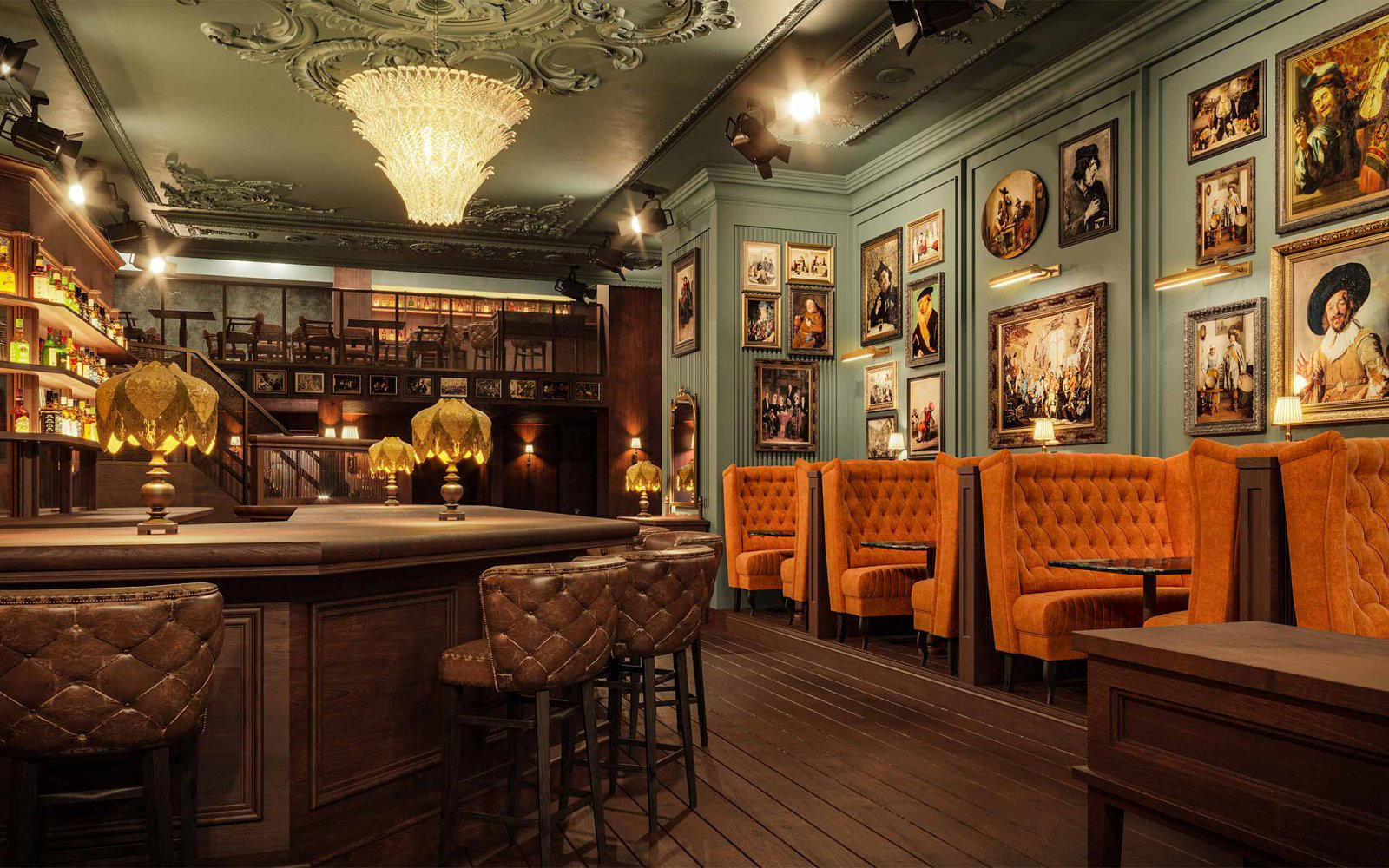
Bars in Bruges
Browse all →
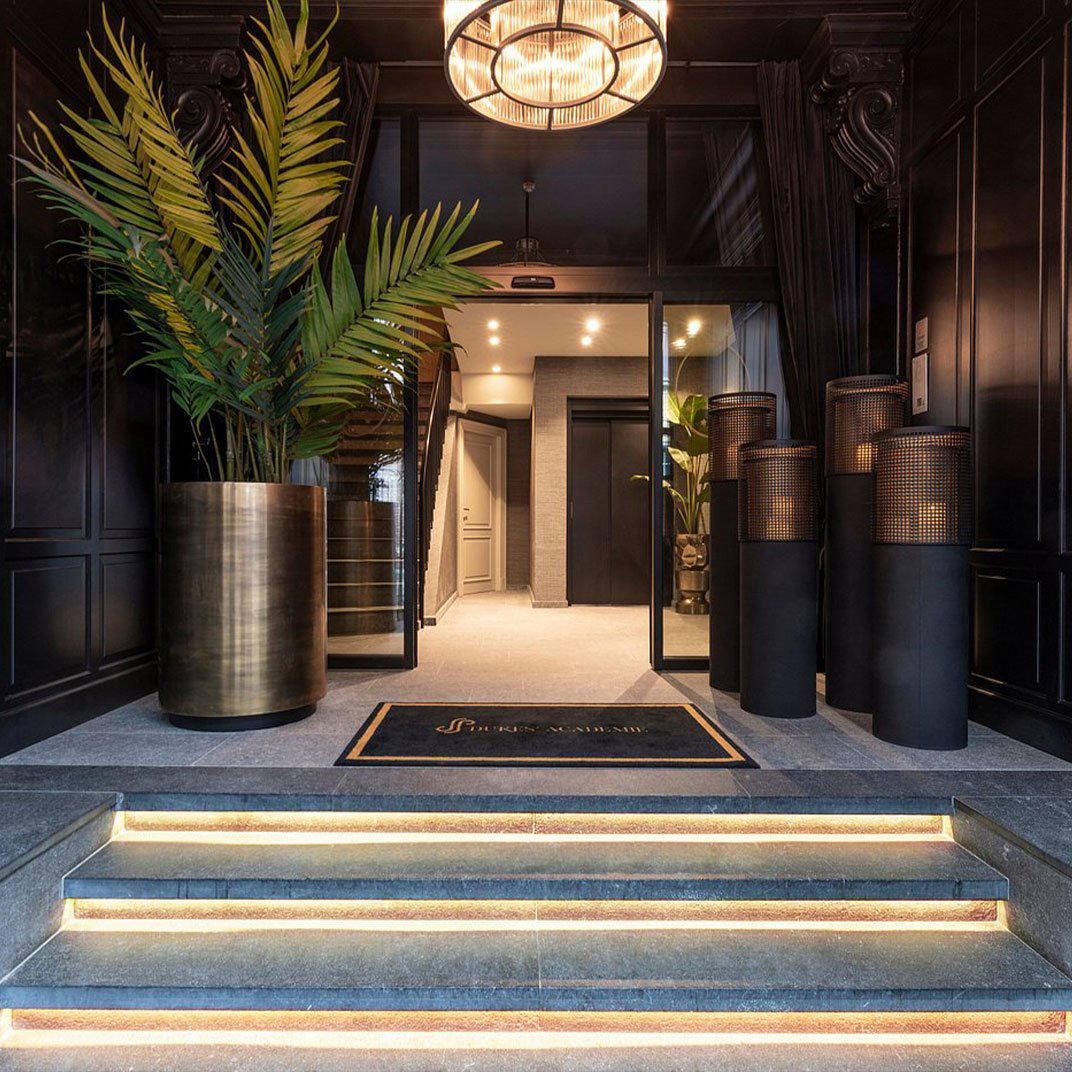
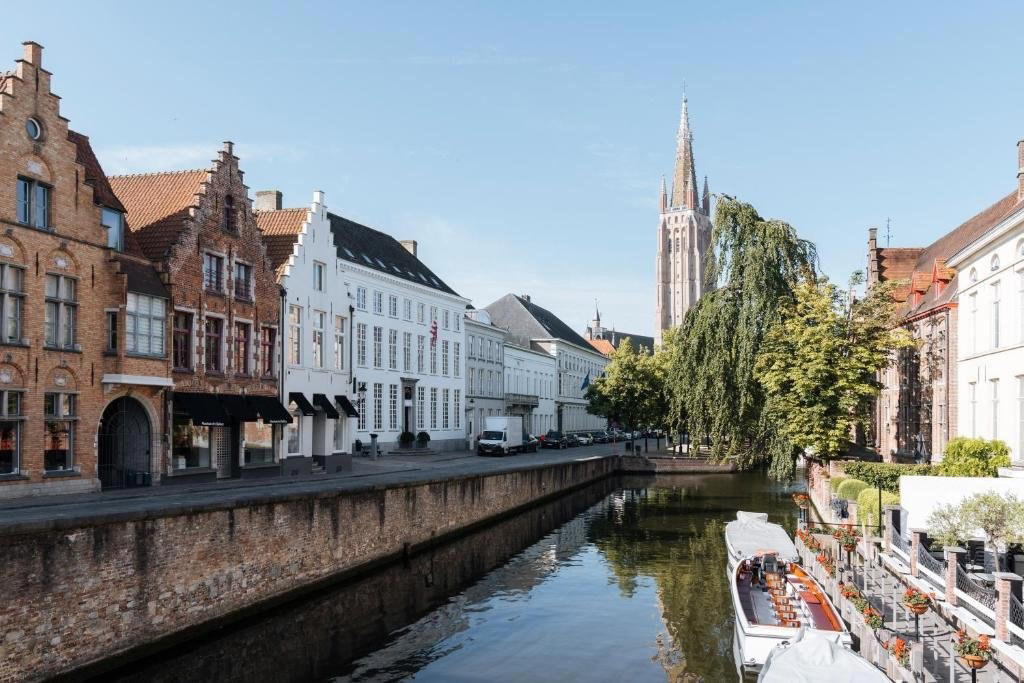
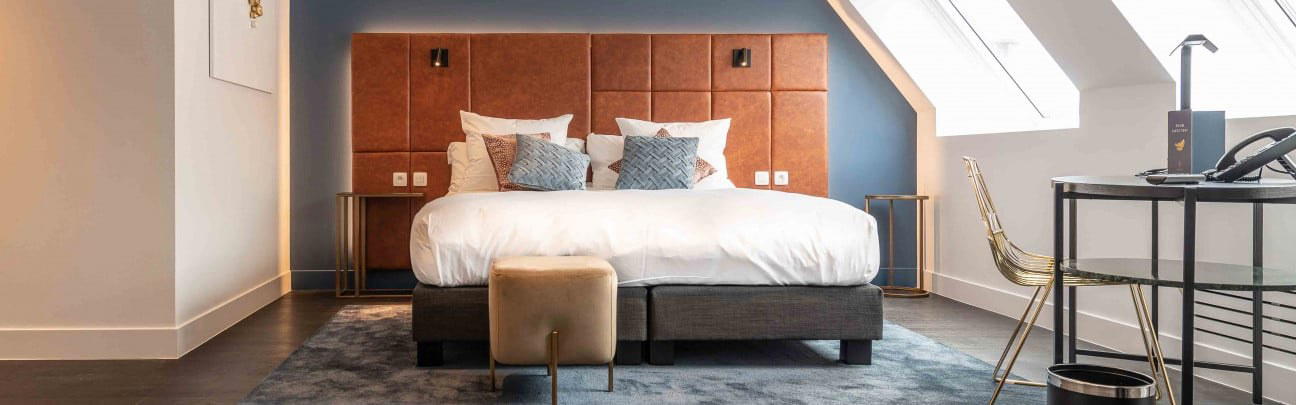
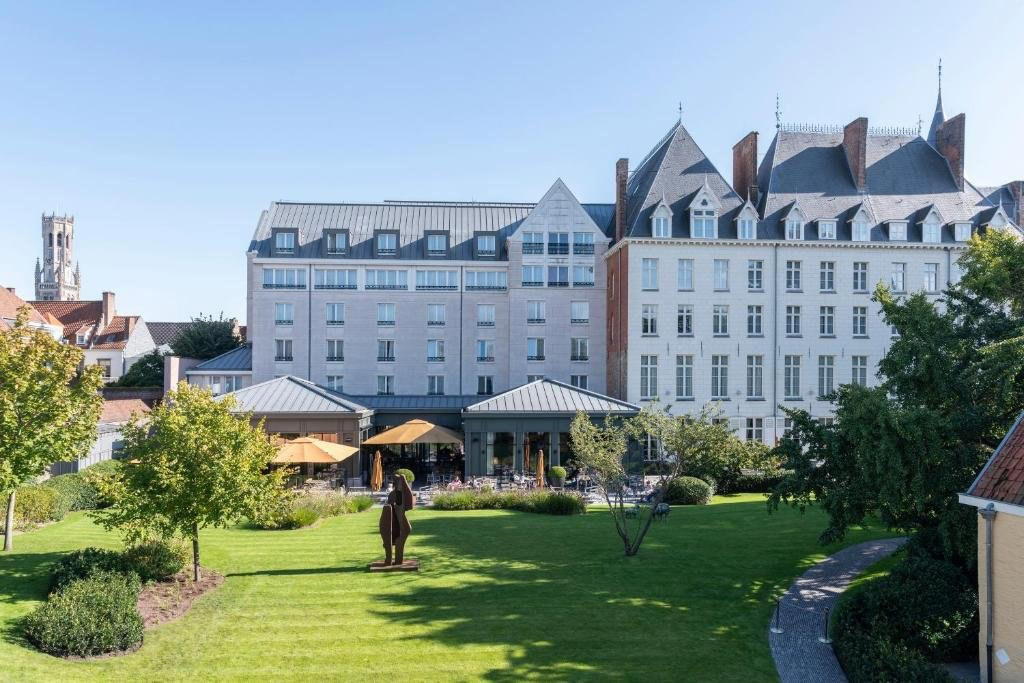
Hotels in Bruges
Browse all →
Wineries in Bruges
Browse all →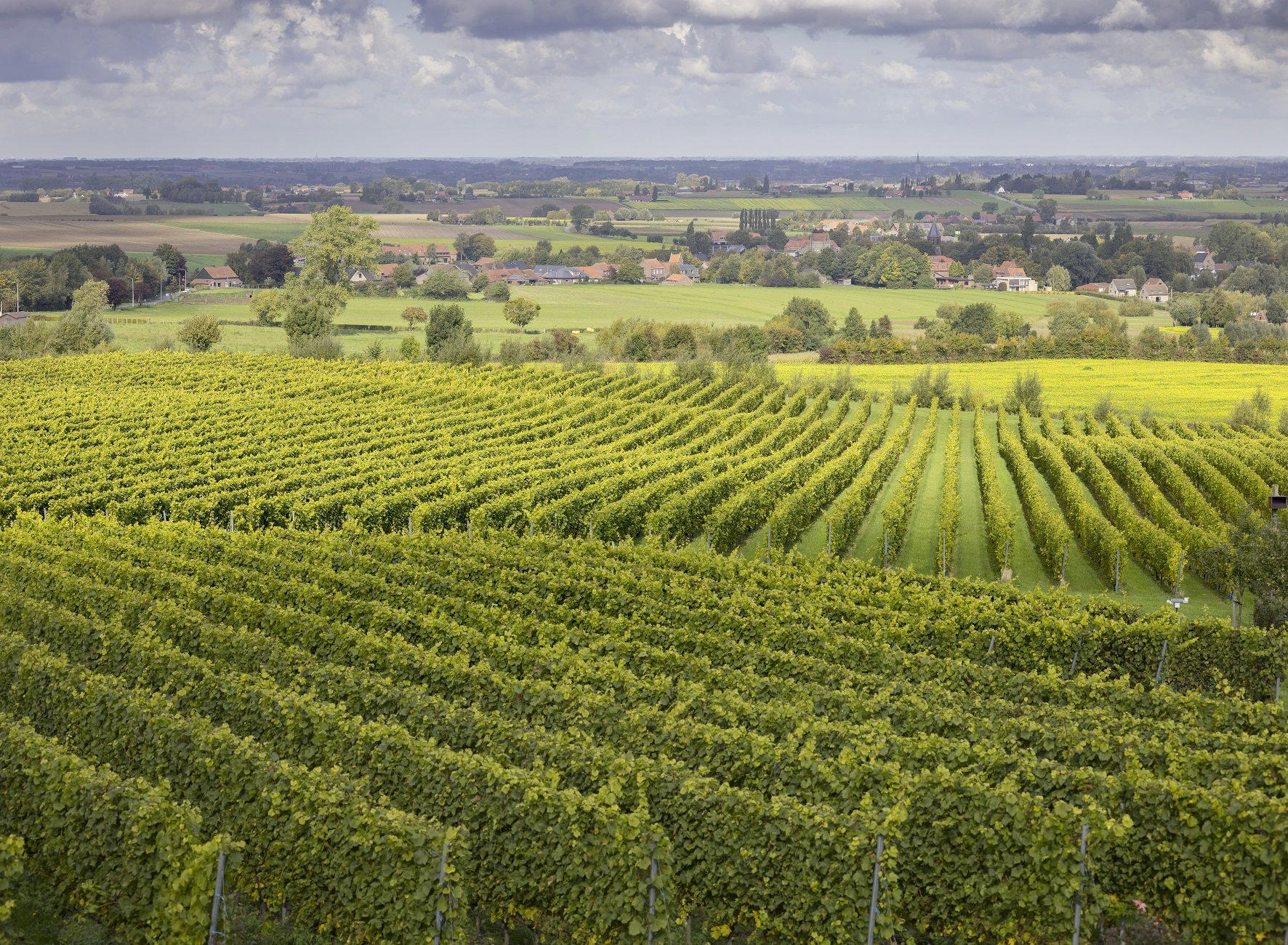
At a Glance
- Cozy
- Elegant
- Intimate
- Sophisticated
- Date Night
- Special Occasion
- Historic Building
- Extensive Wine List
- Sommelier Led
Current opening hours
- Monday
- Closed
- Tuesday
- 12–1:30 PM, 7–9 PM
- Wednesday
- 12–1:30 PM, 7–9 PM
- Thursday
- 12–1:30 PM, 7–9 PM
- Friday
- 12–1:30 PM, 7–9 PM
- Saturday
- 12–1:30 PM, 7–9 PM
- Sunday
- Closed
Hours can change for holidays and private events. Last verified .
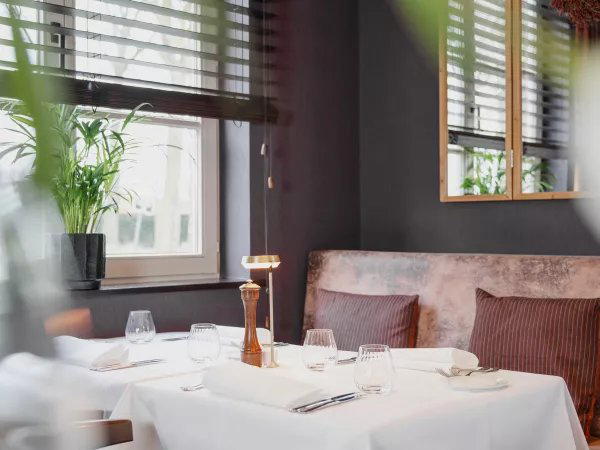
Warm, cozy interior with an impressive art collection, creating a welcoming home-like atmosphere.