Rombaux sits on Moerkerkse Steenweg in the Sint-Kruis fringe of Bruges, at a remove from the canal-district crowds that dominate the city's dining conversation. The address places it in a quieter residential corridor that Belgian diners tend to favour for occasion meals requiring some deliberation and distance from tourist traffic. Availability and current format details are best confirmed directly with the venue before planning a visit.
Pearl is the En Primeur Club membership app — saves, bookings, and concierge access live there. Same editors, same standards.
- Address
- Moerkerkse Steenweg 139, 8310 Brugge, Belgium
- Phone
- +3250737949
- Website
- bistrorombaux.be
- Directions
- Get directions
 Saves & bookings on Pearl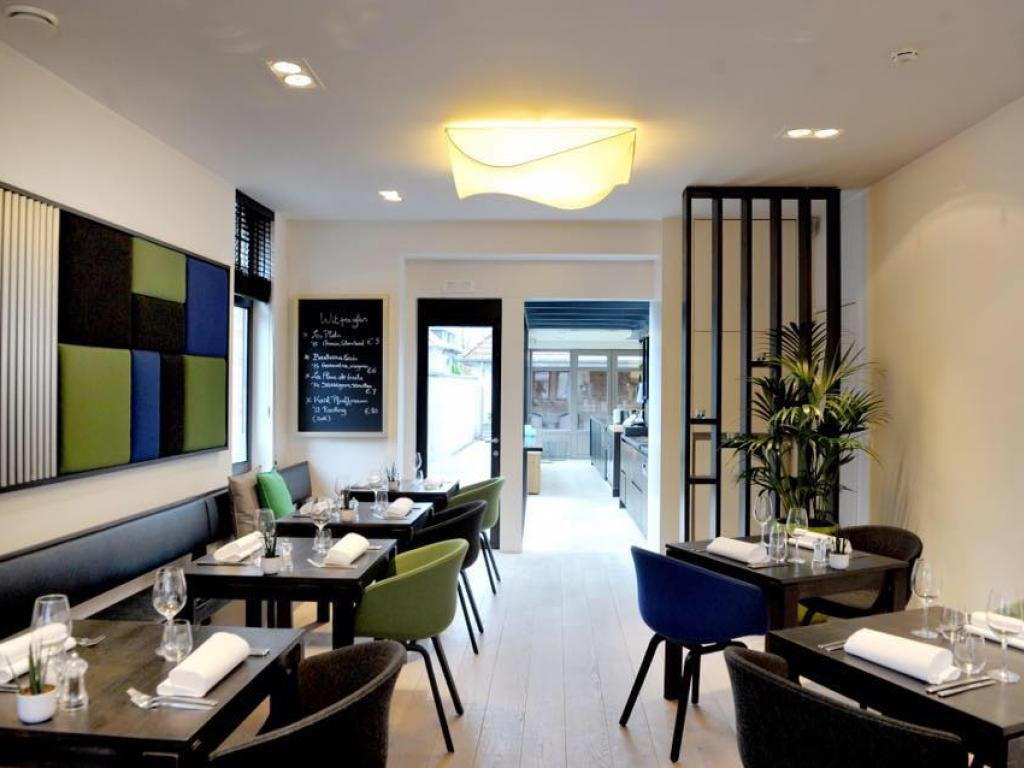
Dining on the Edges of Bruges: What the Sint-Kruis Address Signals
Rombaux is a Modern French Bistro in Bruges, at Moerkerkse Steenweg 139, 8310 Brugge, Belgium. The first is the canal-ringed historic centre, where restaurants compete for tourist footfall and tables turn faster than the kitchen sometimes prefers. The second is the broader commune, where addresses like Moerkerkse Steenweg in Sint-Kruis position a restaurant closer to the city's working residential fabric than to its postcard face. Rombaux occupies one of those outer addresses, at number 139 on a road that runs northeast out of the city core. In Belgian dining culture, that kind of address is often a deliberate signal: the kitchen is not relying on passing trade, and the clientele is making a considered journey rather than a spontaneous detour.
Bruges already supports a concentrated tier of serious cooking. Mémoire and Sans Cravate represent the city's modern French and creative French strands respectively, both in the €€€€ bracket. Zet'Joe by Geert Van Hecke extends the modern European tradition associated with the former De Karmeliet lineage. Against that comparable set, a restaurant on the Sint-Kruis periphery occupies its own positioning: less visible, more deliberate, and likely shaped by a local rather than visitor-facing clientele. Those conditions tend to produce cooking that answers to regular guests with particular expectations rather than to the pressures of high-volume covers.
West Flanders Fine Dining and the Occasion Meal Tradition
Belgium's relationship with occasion dining is unusually well developed relative to the country's size. The density of Michelin-starred tables across West Flanders is among the highest in Europe by population, and the culture of marking a birthday, anniversary, or professional milestone with a serious restaurant meal is deeply embedded in Flemish middle-class life. Bruges, as the province's most internationally recognised city, inherits that tradition and adds its own layer: the destination dinner, where visitors from Brussels, Ghent, or abroad choose the city specifically because its dining offer justifies the journey.
That context shapes how a restaurant like Rombaux functions in the city's ecosystem. Venues on the Sint-Kruis side of Bruges are more likely to draw from the local anniversary-dinner circuit than from hotel concierge recommendations. That is not a lesser position; in Belgian terms, consistent local loyalty at the occasion level is often a more reliable quality signal than award visibility alone. The regional circuit that runs from Boury in Roeselare through to Hof van Cleve in Kruishoutem demonstrates how West Flanders has built a dining culture where serious cooking is expected at multiple price points and across a wide geographic spread, not just in the provincial capital.
Where Rombaux Sits in a Broader Flemish Reference Frame
Placing Rombaux in its competitive reference frame requires looking at both the Bruges intra-city tier and the wider Flemish coastal and inland fine dining circuit. Within Bruges, the immediate comparison set includes De Karmeliet, which established the city's highest formal dining benchmark, and the newer generation represented by 't Apertje. Outside the city, the coastal axis running through Bartholomeus in Heist and inland to De Jonkman in Sint-Kruis (the same Sint-Kruis commune as Rombaux) defines a neighbourhood that has accommodated serious cooking alongside residential quietness. Willem Hiele in Oudenburg and Castor in Beveren extend the pattern further: Flemish occasion dining consistently positions itself outside city centres, in addresses that reward the drive.
Internationally, the Belgian model of densely distributed fine dining bears comparison with the way that regions like Alsace or the Basque Country in France and Spain have structured serious cooking: spread across small towns and residential communes rather than concentrated in a single capital. Restaurants like L'air du temps in Liernu and d'Eugénie à Emilie in Baudour reinforce the point nationally. Against that structural backdrop, an address on Moerkerkse Steenweg reads as consistent with Belgian fine dining norms rather than anomalous.
Planning a Visit: What to Consider Before You Book
Because Rombaux sits on a road northeast of the city centre rather than in the walkable historic district, the practical logistics of a visit require a degree of planning that the canal-side restaurants do not. A taxi or private car from central Bruges is one direct option; cycling is feasible in dry conditions given Bruges's flat topography and well-maintained cycle infrastructure, though evening return journeys on the Moerkerkse Steenweg require some familiarity with the route. Visitors arriving from Brussels by train reach Bruges station in under an hour on direct services, then require onward transport to the Sint-Kruis address.
For occasion dining specifically, that journey structure can work in a meal's favour. The deliberate travel out to a residential address sets the evening apart from the immediate city-centre experience and gives the occasion a frame that a walk from a hotel to a nearby table does not provide. The same dynamic operates at Zilte in Antwerp, where the MAS museum tower location requires intention, or at Bozar Restaurant in Brussels, where arrival through a cultural building adds a layer of ceremony to the meal. Distance from the obvious tourist circuit, in all these cases, is part of the proposition rather than a complication.
Current hours are Mon: 12–1 PM, 7–8:15 PM; Tue: Closed; Wed: Closed; Thu: 12–1 PM, 7–8:15 PM; Fri: 12–1 PM, 7–8:15 PM; Sat: 7–8:15 PM; Sun: 12–1 PM. Reservations are recommended. Expect to spend about $60 per person. Given that the venue draws from a local occasion-dining clientele, weekend availability in particular warrants early enquiry. For a broader orientation to where Rombaux sits in the city's dining offer, the EP Club Bruges restaurants guide maps the full range of options across price tiers and neighbourhoods.
Cost and Credentials
Comparable venues nearby, for context on price, style, and recognition.
| Venue | Cuisine | Price | Notes |
|---|---|---|---|
| RombauxThis venue — the venue you are viewing | Sint-Kruis, Modern French Bistro | $$$ | Not listed |
| Laissez-Faire | Not listed | $$$ | St. Pieters, Modern French Bistro |
| Bar Bulot | Not listed | $$$ | Sint-Michiels/Zedelgem, Modern Belgian-French Brasserie |
| Preus | Not listed | $$$ | St-Anna, Bruges, Contemporary Belgian Fine Dining |
| Zevensterre | Sint-Kruis, Sustainable Seasonal Belgian | $$$ | Not listed |
| MÁS | Not listed | $$ | historic city centre, Mexican Street Food |
At a Glance
- Cozy
- Intimate
- Elegant
- Date Night
- Special Occasion
- Terrace
- Historic Building
- Extensive Wine List
- Local Sourcing
Current opening hours
- Monday
- 12–1 PM, 7–8:15 PM
- Tuesday
- Closed
- Wednesday
- Closed
- Thursday
- 12–1 PM, 7–8:15 PM
- Friday
- 12–1 PM, 7–8:15 PM
- Saturday
- 7–8:15 PM
- Sunday
- 12–1 PM
Hours can change for holidays and private events. Last verified .
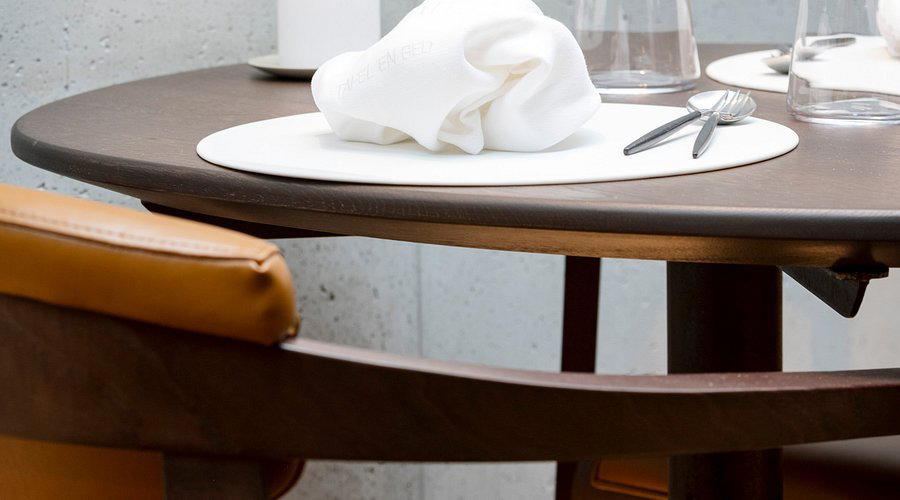
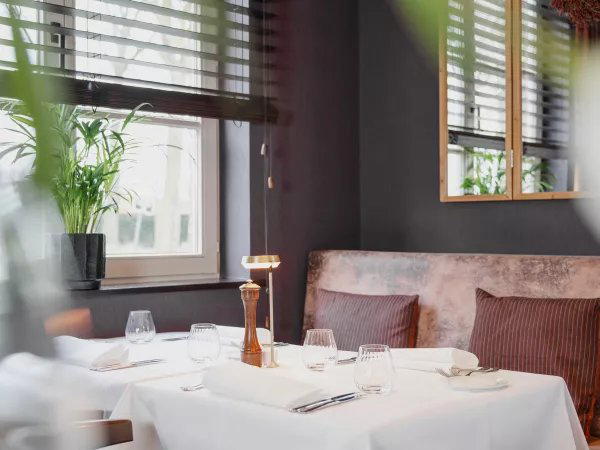
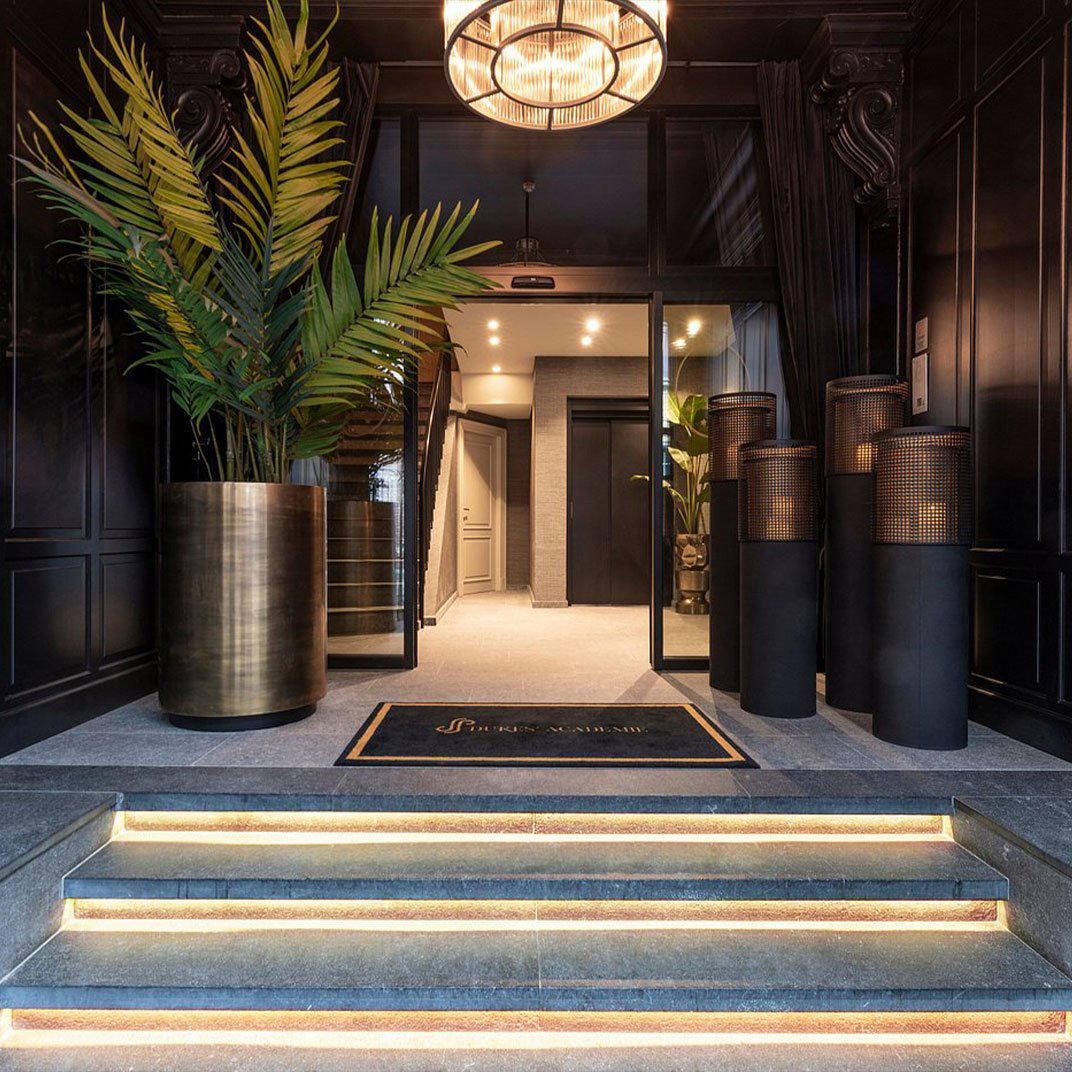
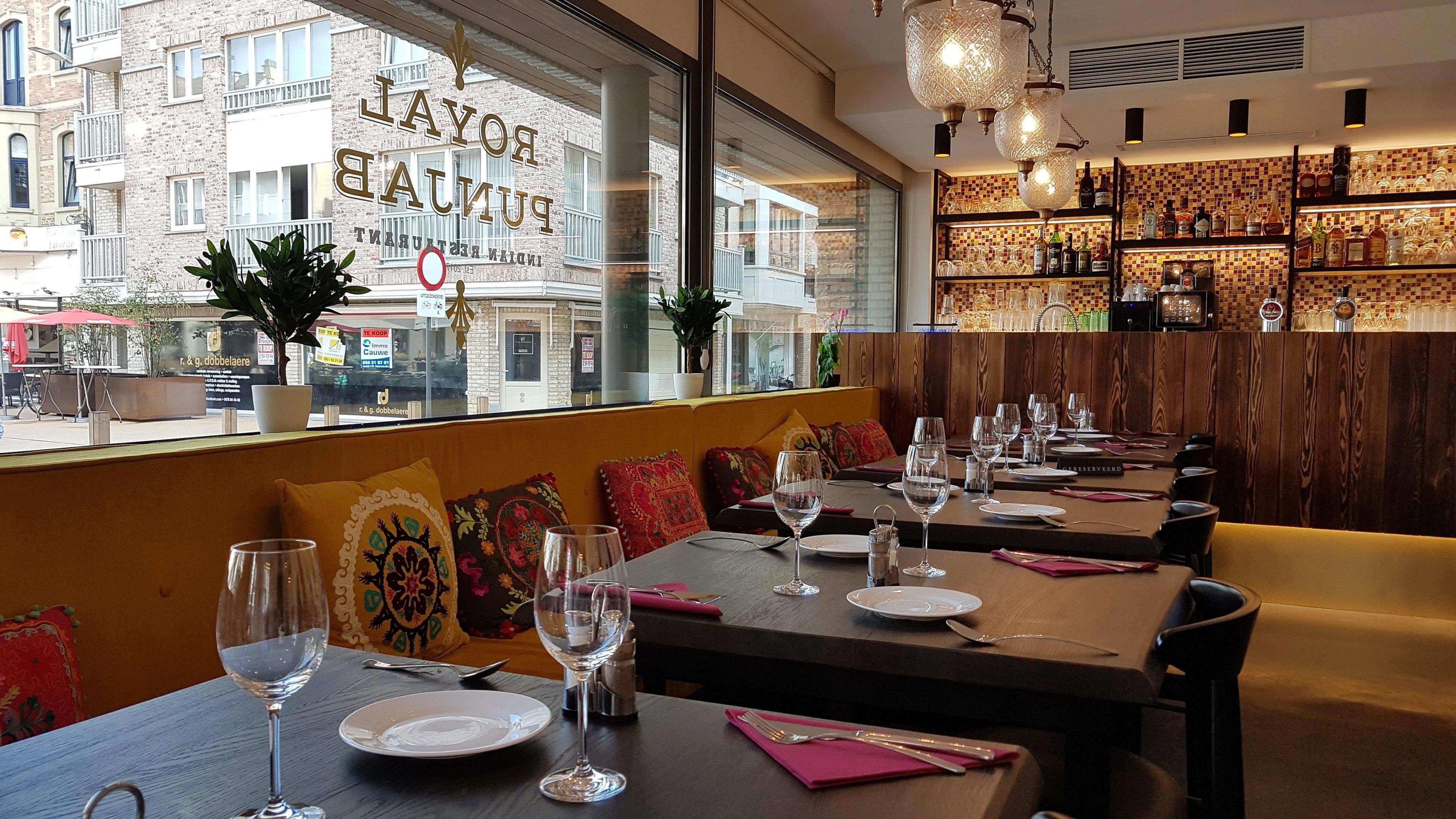
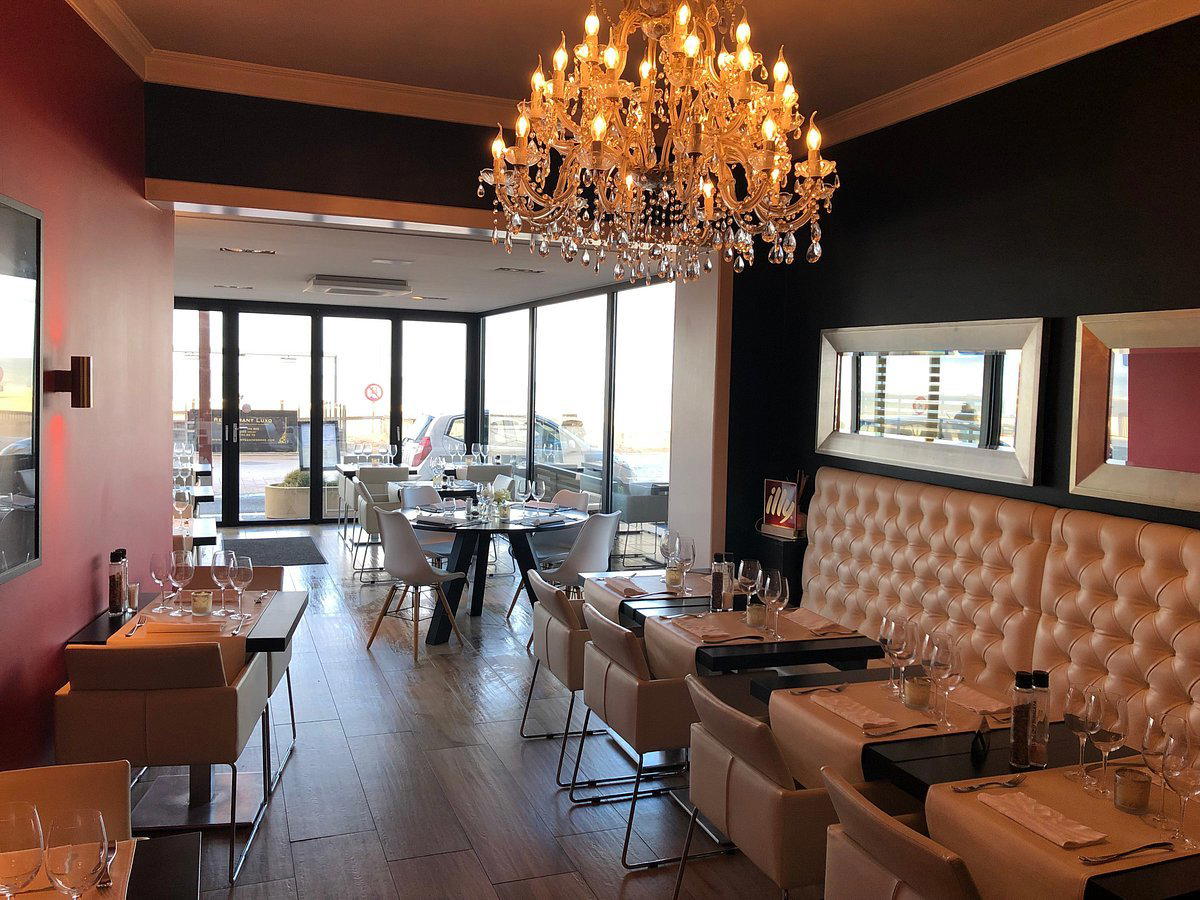
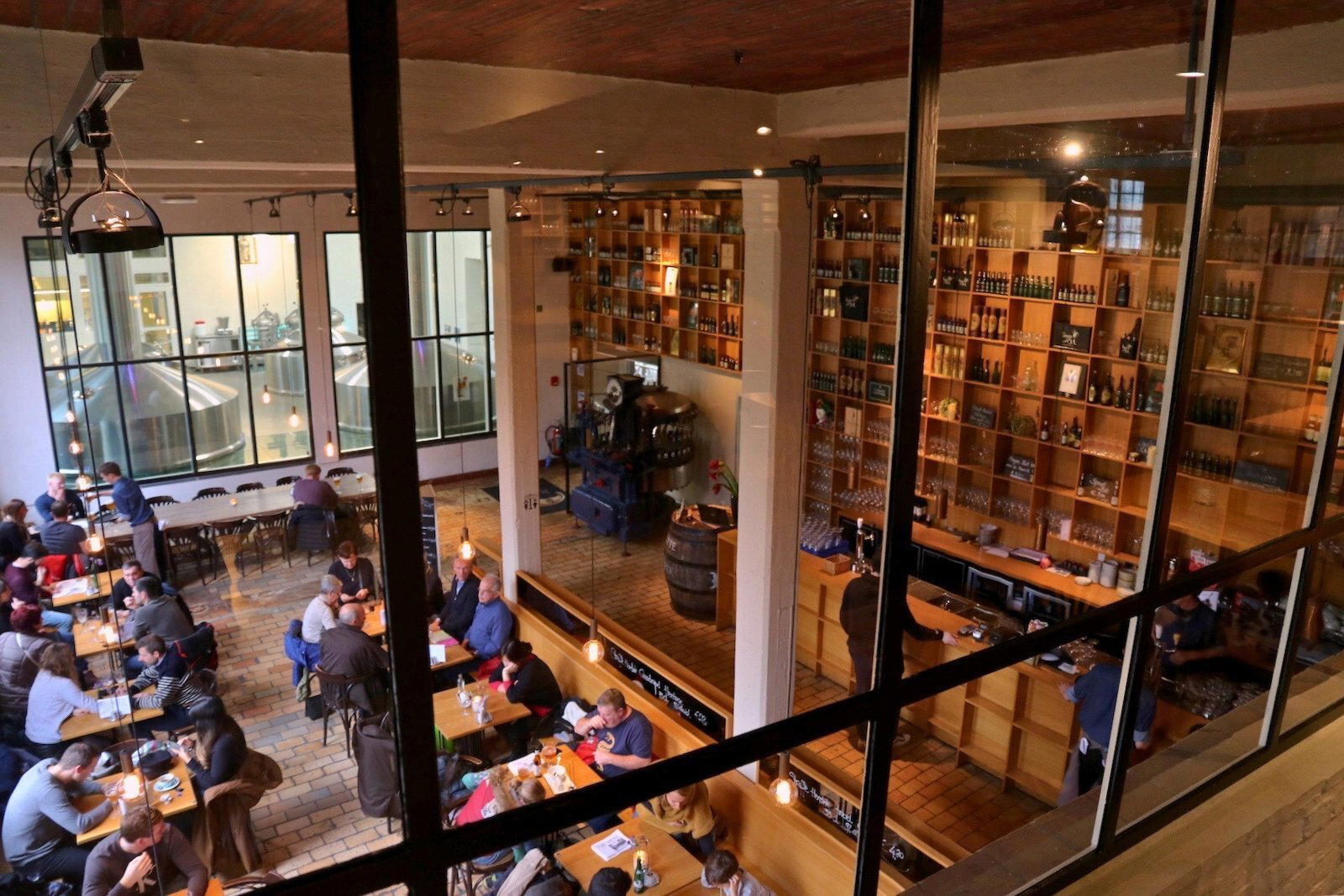
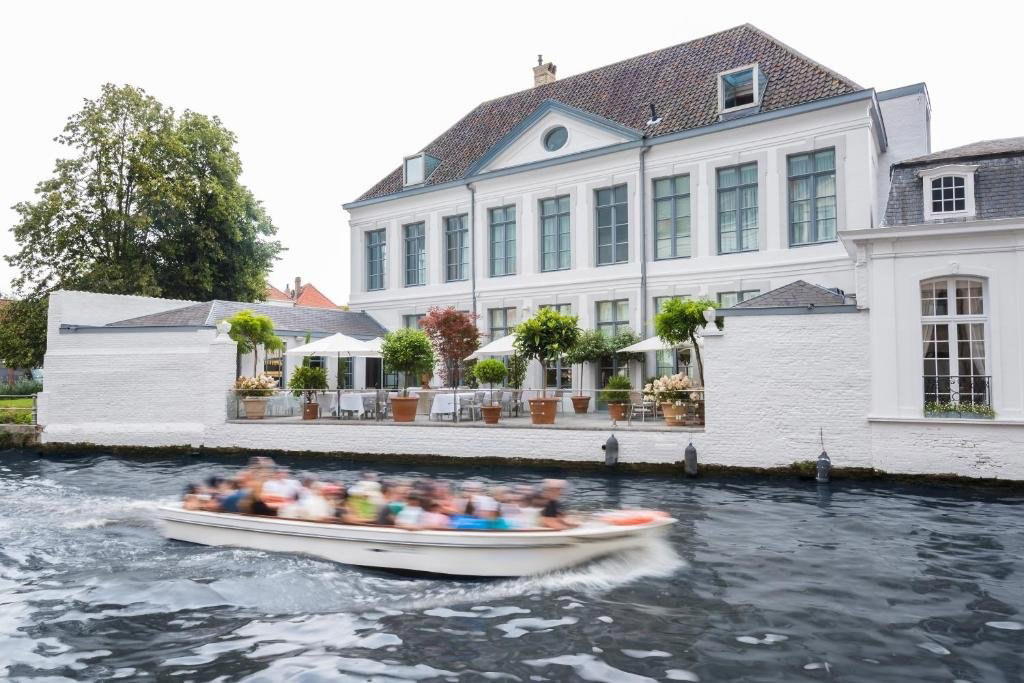
Cheerful and unstuffy vibe with cozy, intimate atmosphere in an authentic listed building.