
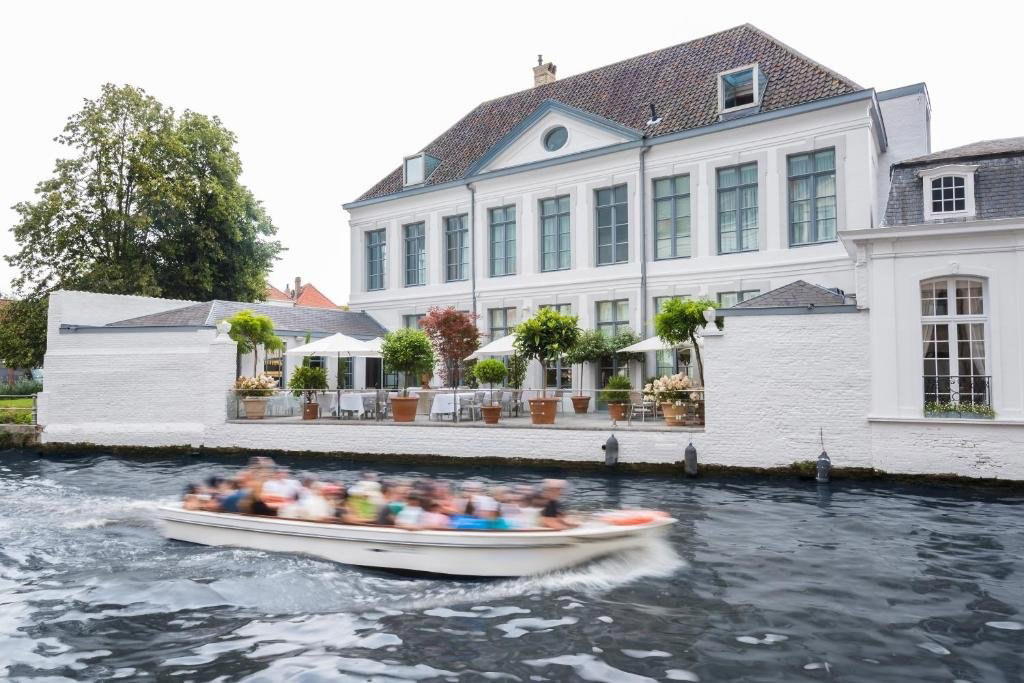
A 19th-century notary's residence on Moerstraat has been converted into an eight-suite bed and breakfast that reads less like a hotel and more like a well-appointed private house. Each suite carries its own decorative identity, ornate without tipping into excess, and the kitchen produces an elaborate Belgian breakfast alongside a Sunday afternoon tea that books up fast. Rates from $292 per night.
Pearl is the En Primeur Club membership app — saves, bookings, and concierge access live there. Same editors, same standards.
- Address
- Moerstraat 54, 8000 Brugge
- Phone
- +32 50 89 64 46
- Website
- thenotary.be
- Directions
- Get directions
 Saves & bookings on Pearl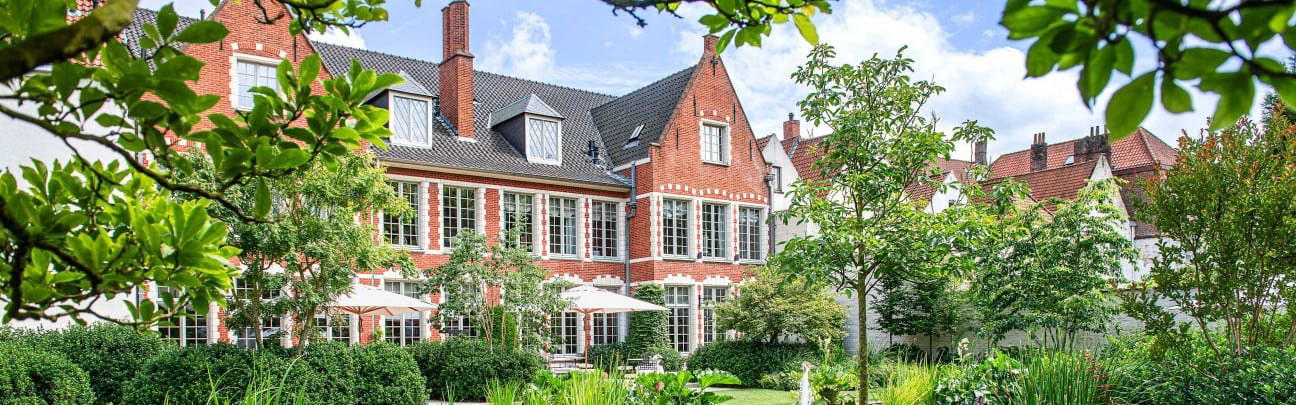
A Bruges House That Was Always Meant to Be Lived In
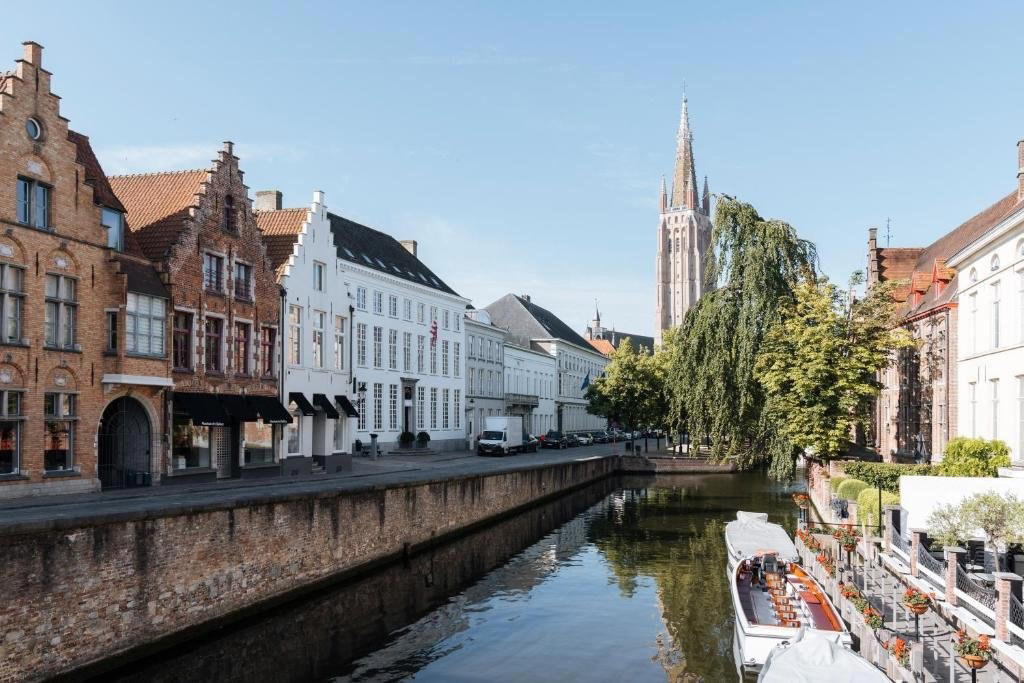
Bruges does not lack for handsome historic buildings repurposed as hotels. What it lacks, in most cases, is the feeling that someone actually thought hard about the rooms. The canal-facing facades tend to promise more than the interiors deliver: corridors of generic luxury furniture, breakfast rooms that could be anywhere. At Moerstraat 54, that pattern breaks. The 19th-century residence that now operates as The Notary has been converted into eight suites, and the conversion reads as something closer to a careful inhabitation than a hotel fit-out. The ornate bones of the house remain: the proportions, the architectural detail, the particular quality of light that comes from tall windows in a building that was designed for a family, not a corporation.
Larger Bruges institutions such as Dukes' Palace Brugge and Hotel Heritage operate at a different scale and with different logistical priorities. The Notary's eight suites place it firmly at the intimate end, where the absence of a lobby crowd is itself part of what you are paying for.
Inside the Suites: Ornate Without Excess
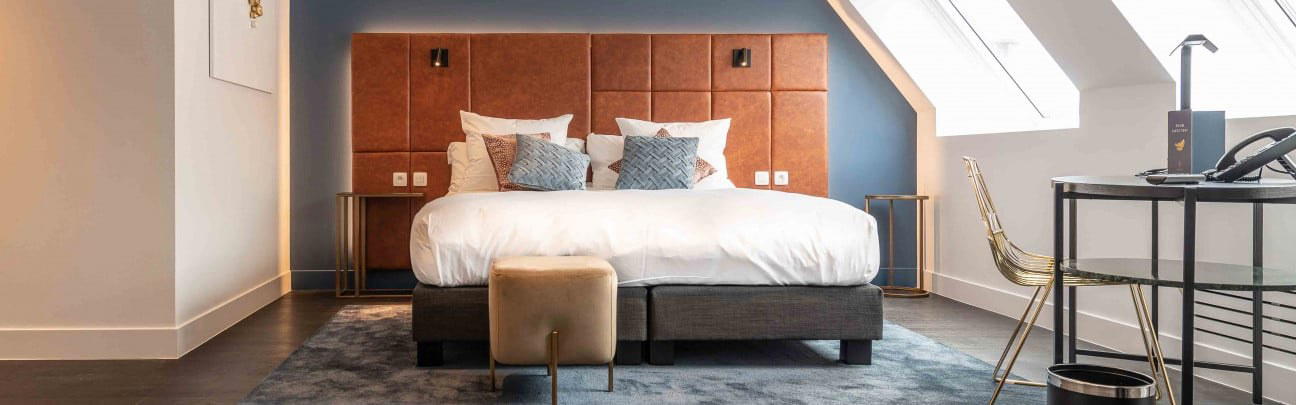
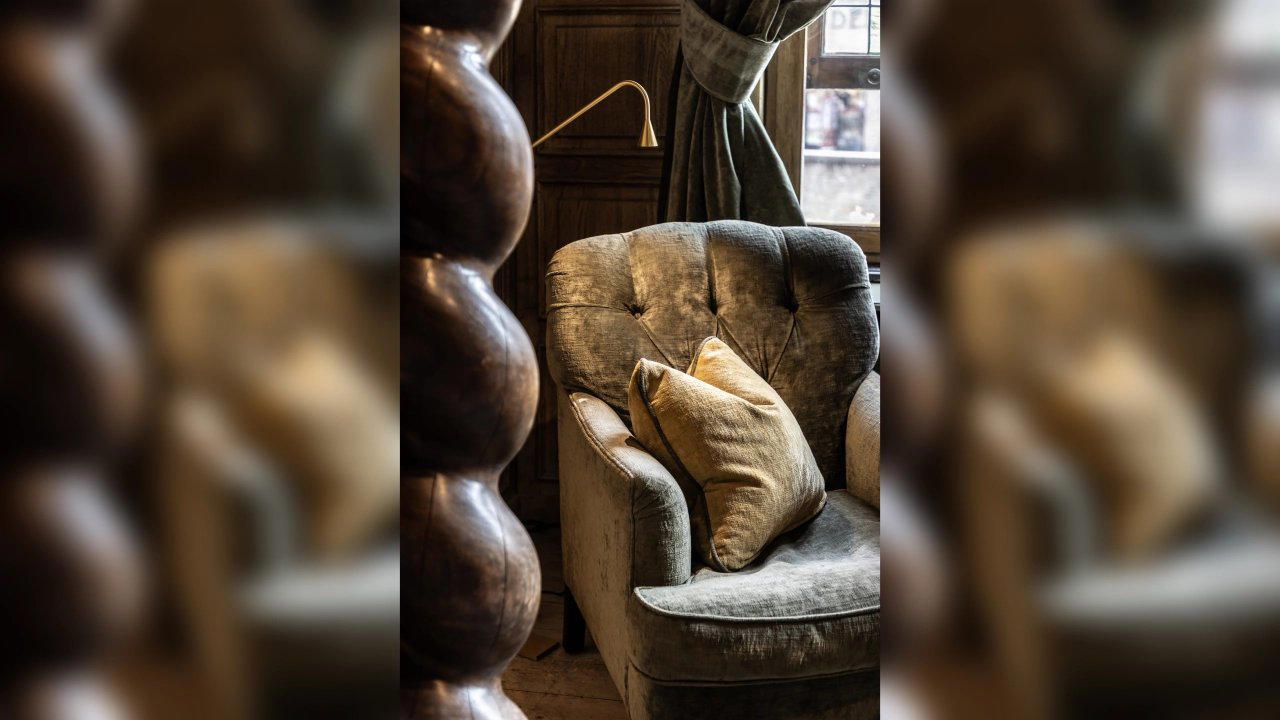
The design approach here addresses a real tension in historic-building conversions: how much to update, and how much to preserve. The answer at The Notary leans toward preservation with selective improvement. The antique atmosphere is intact, decorative density, period furniture, a visual language that is resolutely anti-minimalist, but the suites' practical comforts have been brought fully current. Each of the eight suites is decorated according to its own theme and draws on a range of stylistic references, which in a lesser project would produce an incoherent patchwork. What prevents that here is a consistent underlying tone: ornate but composed, layered but not crowded.
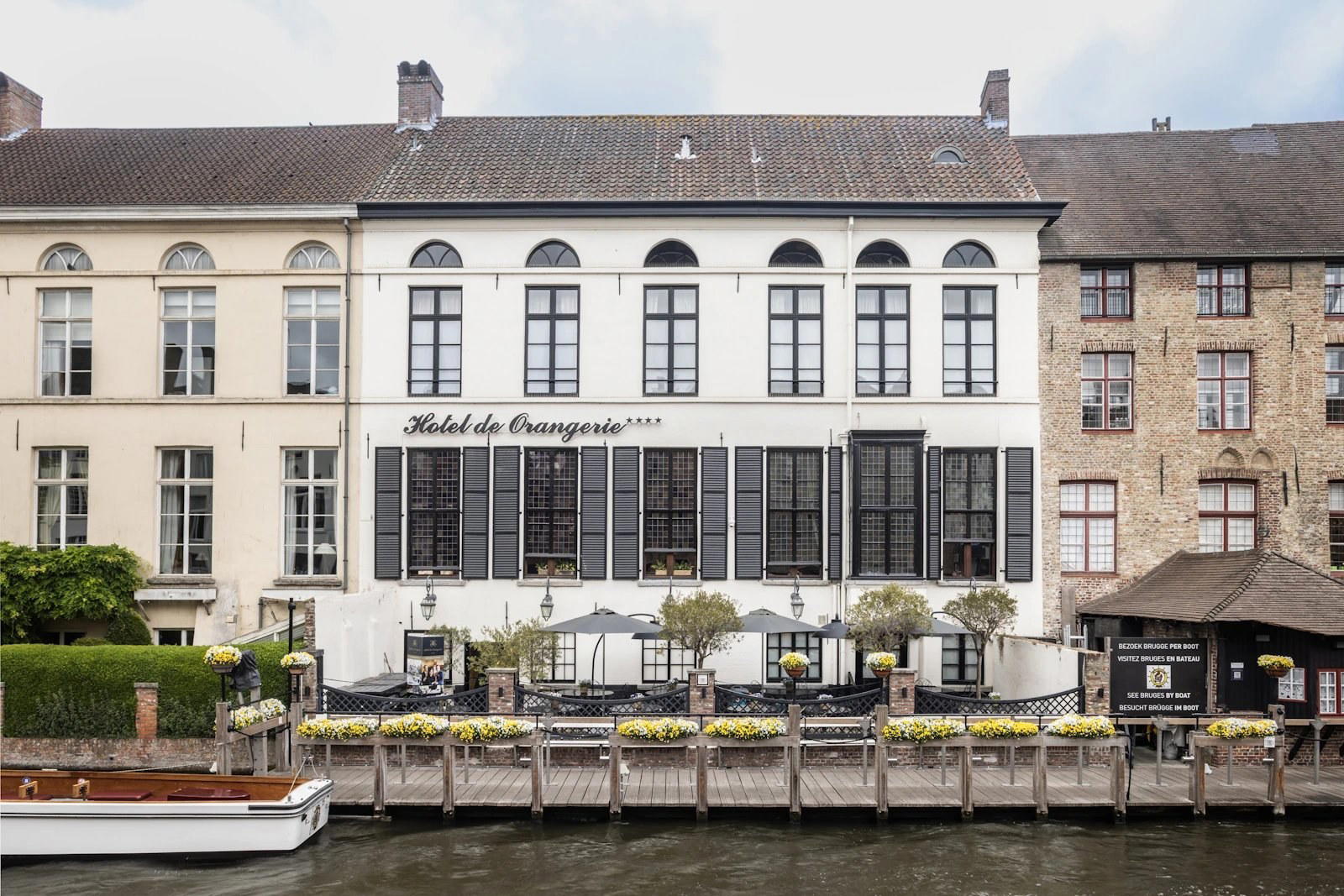
The city's medieval and baroque streetscapes are dense with detail, gabled rooflines, carved stonework, flamboyant Gothic facades, yet the overall effect is legible rather than chaotic. A small hotel that genuinely reflects its city's aesthetic register, rather than defaulting to a pan-European boutique formula, is rarer than it should be. Properties like Hotel De Orangerie and Hotel de Tuilerieën sit in similar historic-house territory, each working through its own version of that same conversion challenge. The hotel's answer is to commit fully to the period atmosphere while refusing to treat it as a museum piece.
The Kitchen and the Garden
Chef Youssef Zairi's morning spread at the hotel moves past the usual cold-cuts-and-pastry default toward something that treats Belgian culinary tradition as a genuine reference point rather than a branding exercise. The Sunday afternoon tea service operates as a separate program entirely and requires a reservation, which indicates both its reputation and its capacity constraints.
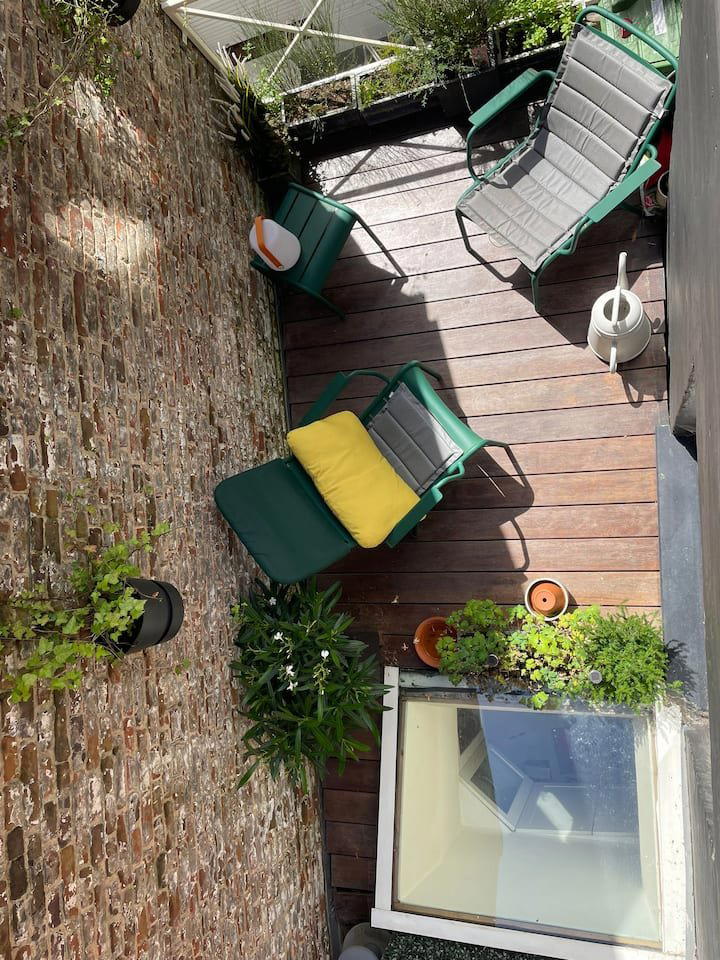
The cocktail bar extends the property's usable hours and serves both inside and, during warmer months, in the garden at the rear of the house, where a pond provides something you rarely get in the central medieval core of Bruges: quiet. The garden functions as a meaningful amenity, not an afterthought terrace. In a city where summer visitors saturate the main squares and canal-side streets from mid-morning, access to a private outdoor space belongs on any honest assessment of what the room rate includes.
At approximately $292 per night, the hotel sits in Bruges's higher price tier. For that rate, the value proposition rests on the suite experience, the kitchen program, and the garden access, rather than on facilities like a spa or a staffed concierge operation at scale.
Bruges as Context
Small luxury properties in Bruges operate in a city that presents particular advantages and particular challenges for the overnight guest. The medieval centre is compact and walkable, which makes location within it broadly equivalent for most visitors. The challenge is that Bruges absorbs day-tripper traffic from Brussels and Ghent in large volumes, a 50-minute train journey from Brussels Central deposits passengers at Bruges station from mid-morning onward throughout the week. Staying inside the historic centre, rather than day-tripping yourself, grants access to those early and late hours when the streets belong to residents and the light on the canals behaves differently than it does under afternoon tourist pressure.
Moerstraat sits within that historic core. Visitors arriving by train will find the walk from Bruges station direct; those driving should check the city's parking arrangements in advance, as the centre operates restrictions consistent with other Belgian medieval cities. For the wider Belgium itinerary, the country's small geography makes the hotel a plausible base alongside day trips to Ghent or Brussels. Belgian travellers familiar with properties like B&B The Verhaegen in Ghent or those exploring Brussels options such as Le Louise Hotel Brussels or Corinthia Grand Hotel Astoria Brussels will find the hotel occupies a comparable register of considered, architecture-led hospitality. Further afield in Belgium, properties with similar manor-house sensibilities include Kasteel van Ordingen in Sint-Truiden and Domaine La Butte aux Bois in Lanaken.
Planning Your Stay
With eight suites, availability at the hotel is limited, so booking ahead is sensible. The Sunday tea service requires a separate reservation regardless of whether you are staying as a guest. The property's address at Moerstraat 54 places it within walking distance of the city's main monuments.
Also Consider in Belgium
In Context: Similar Options
Comparable venues nearby, for context on price, style, and recognition.
| Venue | Cuisine | Price | Awards | Notes |
|---|---|---|---|---|
| The NotaryThis venue — the venue you are viewing | Restored 19th-century city palace with luxury boutique suites | $$$$ | Michelin 1 Key | Not listed |
| The Pand Hotel | Historic 18th-century carriage house converted into a luxury boutique hotel with period architecture and contemporary comfort. | $$$$ | 4-Star | Historical Center Bruges |
| Hotel De Castillion | Family-run luxury boutique in historic 17th-century bishop's palace. | $$$$ | 4-Star | Historic Centre of Brugge |
| Quay 17 | Historic townhouse B&B with modern updates | $$$ | 4-Star | Historic Centre |
| Hotel De Orangerie | Restored 15th-century monastery blending historic elegance with modern comforts | $$$ | 4-Star | Historic Center |
| Hotel Heritage | Historic boutique hotel with classic charm and modern comforts. | $$$$ | 5-Star | city center |
Recognition history
Dated appearances from independent guides and award organizations, with the underlying list record or original source where available.
Mr & Mrs Smith Smith Seal of Approval
Mr & Mrs Smith
Michelin 1 Key
Michelin
Continue exploring
More in Bruges
Hotels in Bruges
Browse all →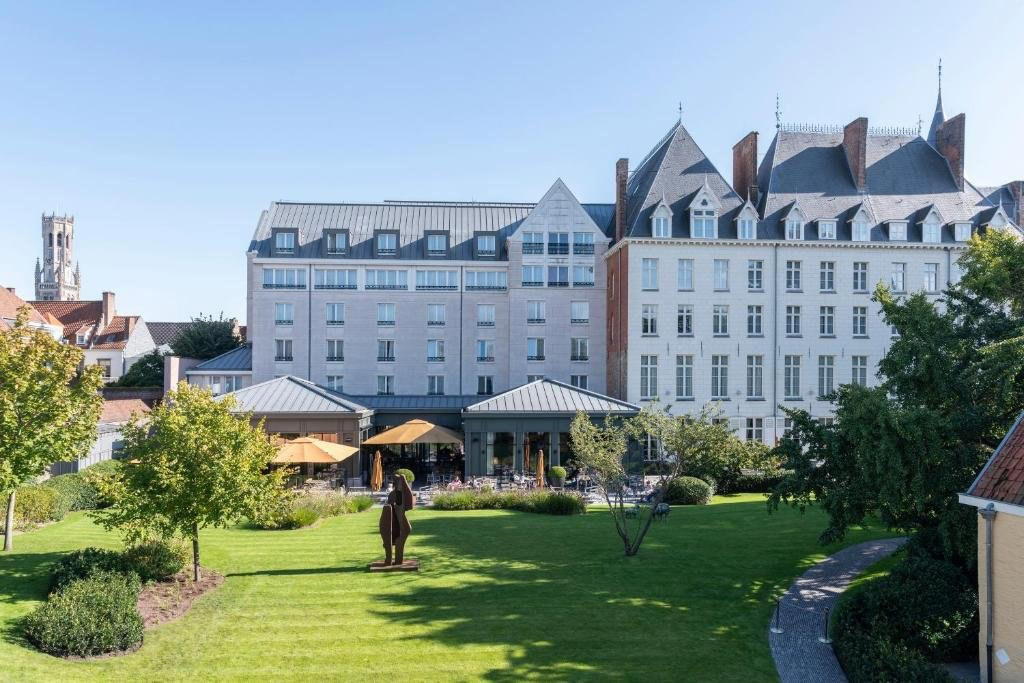
Bars in Bruges
Browse all →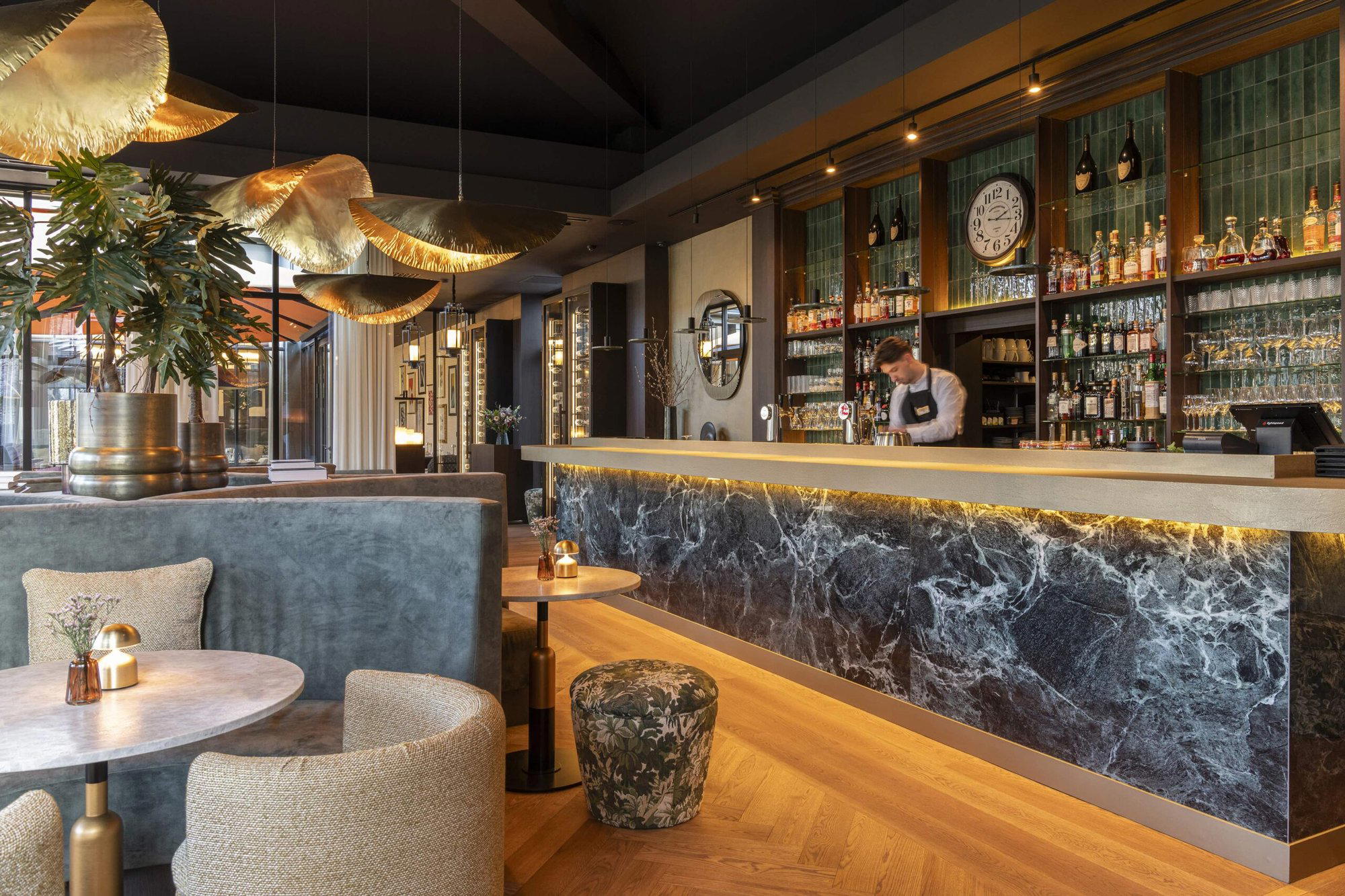
Restaurants in Bruges
Browse all →
Wineries in Bruges
Browse all →
At a Glance
- Elegant
- Romantic
- Cozy
- Sophisticated
- Intimate
- Classic
- Romantic Getaway
- Anniversary
- Honeymoon
- Weekend Escape
- Garden
- Historic Building
- Terrace
- Wi Fi
- Pool
- Spa
- Sauna
- Hot Tub
- Massage
- Room Service
- Concierge
- Garden
- Garden
- Wi Fi
- Pool
- Spa
- Sauna
- Hot Tub
- Massage
- Room Service
- Concierge
- Garden
Ornate yet sedate antique atmosphere with modern comforts, peaceful and luxurious lighting in a classic, elegant setting.