
Michelin Plate
Our verdict
Klaver holds a Michelin Plate for both 2024 and 2025, placing it firmly within the tier of recognised Modern French cooking in the West Flanders region. Located on the Poperingseweg outside Ieper's historic centre, it operates in a price bracket (€€€) that signals serious kitchen ambition without the full tasting-menu formality of Belgium's starred elite. For diners passing through the Ypres Salient, it is the clearest option for classical French technique in a contemporary register.

Pearl is the En Primeur Club membership app — saves, bookings, and concierge access live there. Same editors, same standards.
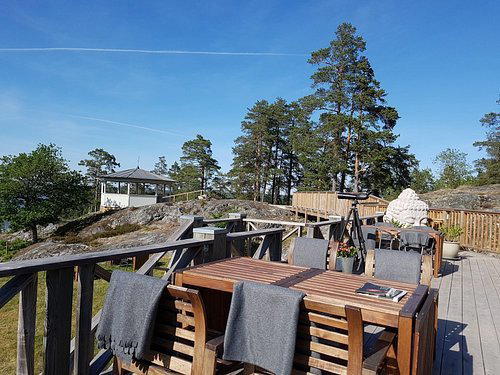
Modern French Cooking on the Edge of Ieper
The approach along Poperingseweg — a road that moves quickly from Ieper's medieval ramparts into the flatter agricultural periphery of West Flanders — does not prepare you for the level of cooking inside Klaver. The surroundings are functional rather than picturesque: the N8 corridor connecting Ieper to Poperinge is working Flemish countryside, not a stage-set for a destination restaurant. That gap between setting and ambition is, in many ways, the story of Modern French cooking in provincial Belgium. The discipline has migrated out of grand-hotel dining rooms and into mid-sized houses where the food itself is expected to carry the case for making a trip.
The Tension That Defines the Category
Modern French, as a culinary classification, covers a significant internal argument. On one side sit kitchens that treat classical French technique as the non-negotiable foundation: reduction-based sauces, precise temperature control, the hierarchy of the brigade. On the other sit those that treat France's culinary grammar as raw material for creative reinterpretation, importing product logic from Nordic and Japanese cooking, loosening classical plating conventions, and treating seasonality as ideology rather than tradition. The most interesting kitchens in the category work in the space between those positions, neither abandoning rigor nor dressing every plate in the signifiers of modernist cuisine. Klaver, holding a Michelin Plate in both 2024 and 2025, operates within that contested middle ground, recognised by the Guide but not yet carrying a star, which places it in the tier where technical foundations are audited and found present, but the full vocabulary of innovation is still being assembled or refined.
For context on what that Michelin Plate designation signals at a regional level: the 2025 Guide Michelin Belgium covers a country with a disproportionately high density of starred restaurants relative to its size, particularly in Flanders. Houses like Hof van Cleve in Kruishoutem, Boury in Roeselare, and Zilte in Antwerp represent the upper echelon of that density. The Plate sits below the star tier but above the undifferentiated mass of the Guide's coverage, functioning as a marker that the kitchen is cooking at a level worth the detour. In West Flanders specifically, where the starred count is thinner than in Ghent or Antwerp, a Plate carries more local weight.
The €€€ Bracket in West Flanders
Pricing a restaurant at €€€ in a city the size of Ieper is itself a position statement. The city draws visitors largely through its First World War memorial infrastructure, the Menin Gate, the In Flanders Fields Museum, Tyne Cot cemetery, and the accompanying tourism economy skews toward mid-range hospitality. Against that backdrop, Klaver's price tier implies a kitchen that is programming for the regional food traveller and the local anniversary dinner rather than the passing tourist looking for a quick meal near the Grote Markt. That is a narrower audience, but a more loyal one.
Within Ieper's dining options, the price comparison is instructive. Bacon, the French Seafood and Farm to Table option in the city, operates at the single-€ tier. Découverte, the farm-to-table address, sits at €€. Klei, the Modern Cuisine option, also occupies the €€ bracket. Klaver at €€€ holds the best of the local price structure. For a fuller picture of the city's options across every category, the EP Club Ieper restaurants guide maps the full range.
What the Plate Recognition Implies About the Kitchen
A Michelin Plate, in the Guide's own language, indicates that the inspectors found food prepared to a consistently good standard. It is not an indication of conceptual ambition or fine-dining polish alone; it requires that the cooking be clean, technically correct, and coherent across multiple visits. Holding it across both 2024 and 2025 suggests the kitchen has not been subject to the kind of turnover or inconsistency that causes a Plate to appear in one edition and disappear from the next. Consecutive recognition from the Guide at this level is, in the Belgian context, a signal that the operation is stable and the kitchen is doing its foundational work reliably.
What that means in practice for Modern French cooking specifically: the cuisine type demands that classical technique be visible without being theatrical. A sauce that breaks, a protein cooked unevenly, or a garnish that fights the base flavour rather than supporting it are all failures that a Michelin inspector registers. The Plate, held twice, implies those failures are not happening regularly at Klaver. That is a lower bar than a star, but it is a real bar, and in a city that does not have a dense fine-dining infrastructure to compare against, it matters.
Placing Klaver in the Broader West Flanders Circuit
The West Flanders food circuit for serious eaters has a few well-established reference points. Willem Hiele in Oudenburg and Bartholomeus in Heist represent the coastal end of the region's ambition, where product sourcing from the North Sea is part of the culinary identity. Klaver, positioned inland near the French border, sits in a different register, one where the French culinary tradition has a more direct geographic logic. Poperinge, the next stop along the N8, is the centre of Belgian hop-growing and has its own agricultural identity. The corridor between Ieper and the French border has historically been more connected to northern French food culture than to the coastal Flemish tradition, and Modern French cooking here is not an imported genre so much as a regional inheritance.
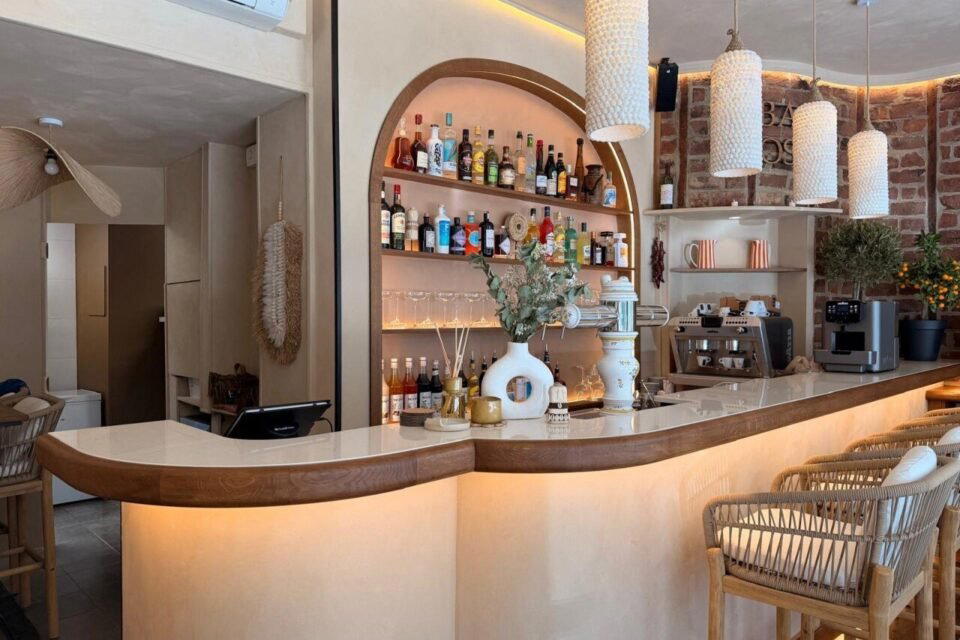
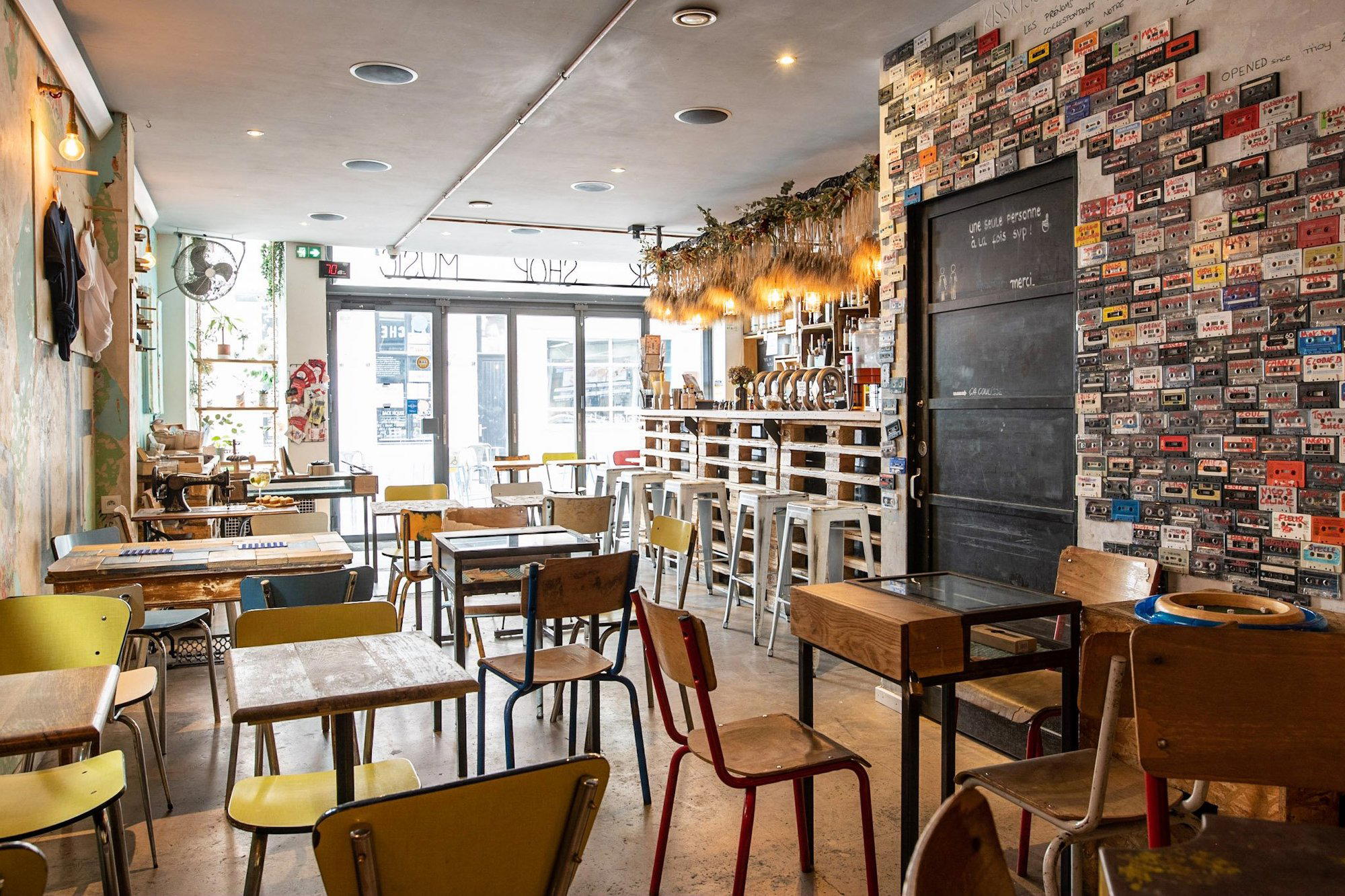
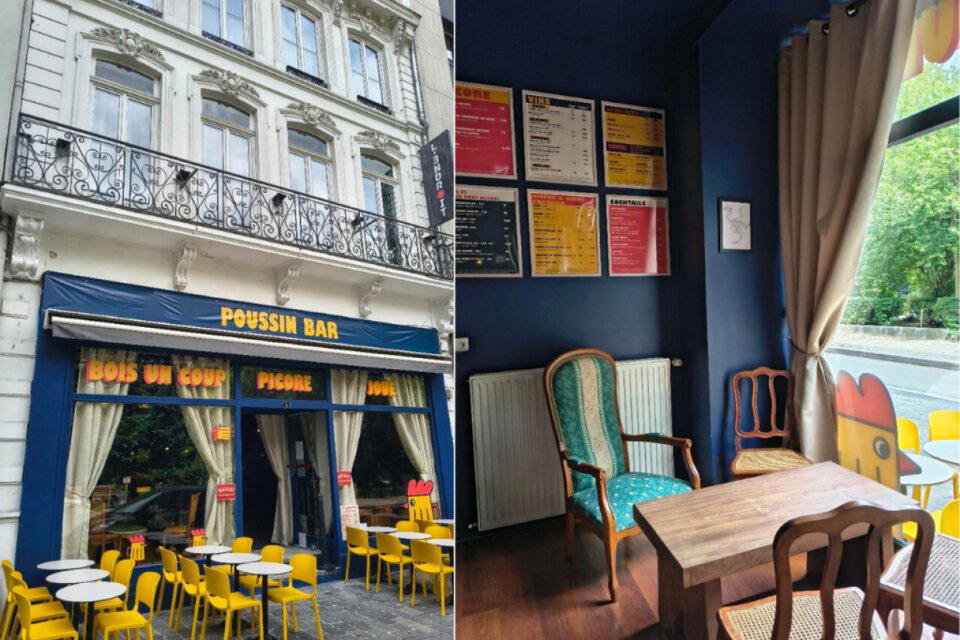
For those building a Flemish dining trip around this region, the EP Club guides for Ieper hotels, Ieper bars, and Ieper experiences provide the surrounding infrastructure. Further afield, Castor in Beveren, Cuchara in Lommel, and Bozar Restaurant in Brussels represent different points on the Belgian Modern French spectrum. For comparison outside Belgium, Sketch's Lecture Room and Library in London and Schanz in Piesport illustrate how the category performs at its higher price and recognition tiers in neighbouring markets. The EP Club Ieper wineries guide is also available for those extending the trip into the regional wine context.
Planning a Visit
Klaver is located at Poperingseweg 230, 8908 Ieper, making it most accessible by car rather than on foot from the city centre. The address places it on the western approach road out of Ieper toward Poperinge, roughly between the old town and the agricultural flatlands that characterise this stretch of West Flanders. Given the Michelin Plate recognition in consecutive years, booking ahead rather than arriving speculatively is advisable, particularly on weekend evenings when the local fine-dining audience for this part of Flanders is at its most concentrated.
Frequently asked questions
Is Klaver a family-friendly restaurant?
Klaver pitches itself at the €€€ bracket in a city the size of Ieper, which suggests a kitchen focused on deliberate, course-driven dining rather than casual family meals. The Michelin Plate recognition for both 2024 and 2025 points to a kitchen with consistent standards and a degree of formality. Families with older children who are comfortable at that register would find it manageable; younger children would be out of place with the format.
What kind of setting is Klaver?
Klaver sits at Poperingseweg 230, on the agricultural edge of Ieper where the road moves away from the medieval centre into the flatter West Flanders periphery. That address, away from the tourist circuit around the Grote Markt and the Menin Gate, positions it as a destination rather than a walk-in. The €€€ price range and consecutive Michelin Plate recognition in 2024 and 2025 indicate a room calibrated for considered, sit-down dining.
Does Klaver have a Michelin star or similar recognition?
Klaver has received recognition including: Michelin Plate (2025); Michelin Plate (2024).
What should I order at Klaver?
Klaver works within the Modern French classification, which at the €€€ level in Belgium typically means a set menu or tasting format rather than à la carte choice. The Michelin Plate for 2024 and 2025 confirms the inspectors found the kitchen consistent, so trusting the chef's structure is the reasonable approach.
Cuisine-First Comparison
| Venue | Cuisine | Price | Awards |
|---|---|---|---|
| KlaverThis venue — the venue you are viewing | Modern Flemish Fine Dining | Not listed | Michelin Plate |
| Bacon | Farm-to-Table European | $50–100 | Michelin Plate |
| Découverte | Modern Belgian Westhoek Cuisine | $50–100 | Not listed |
| Klei | Modern Seasonal French | $50–100 | Michelin Plate |
Recognition history
Dated appearances from independent guides and award organizations, with the underlying list record or original source where available.
Michelin Plate
Michelin
Full recognition history (3 entries)
Michelin Plate
Michelin
Michelin Plate
Michelin
Continue exploring
More in Ieper
Restaurants in Ieper
All restaurants in Ieper →
Bars in Ieper
Browse all →
Hotels in Ieper
Browse all →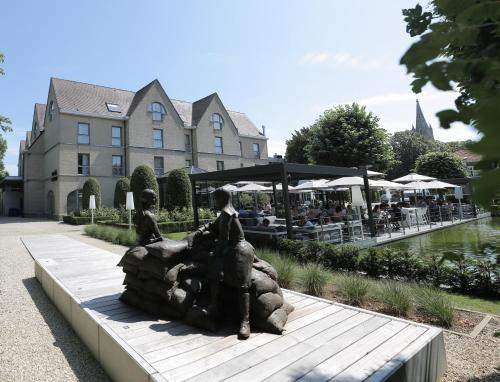
Wineries in Ieper
Browse all →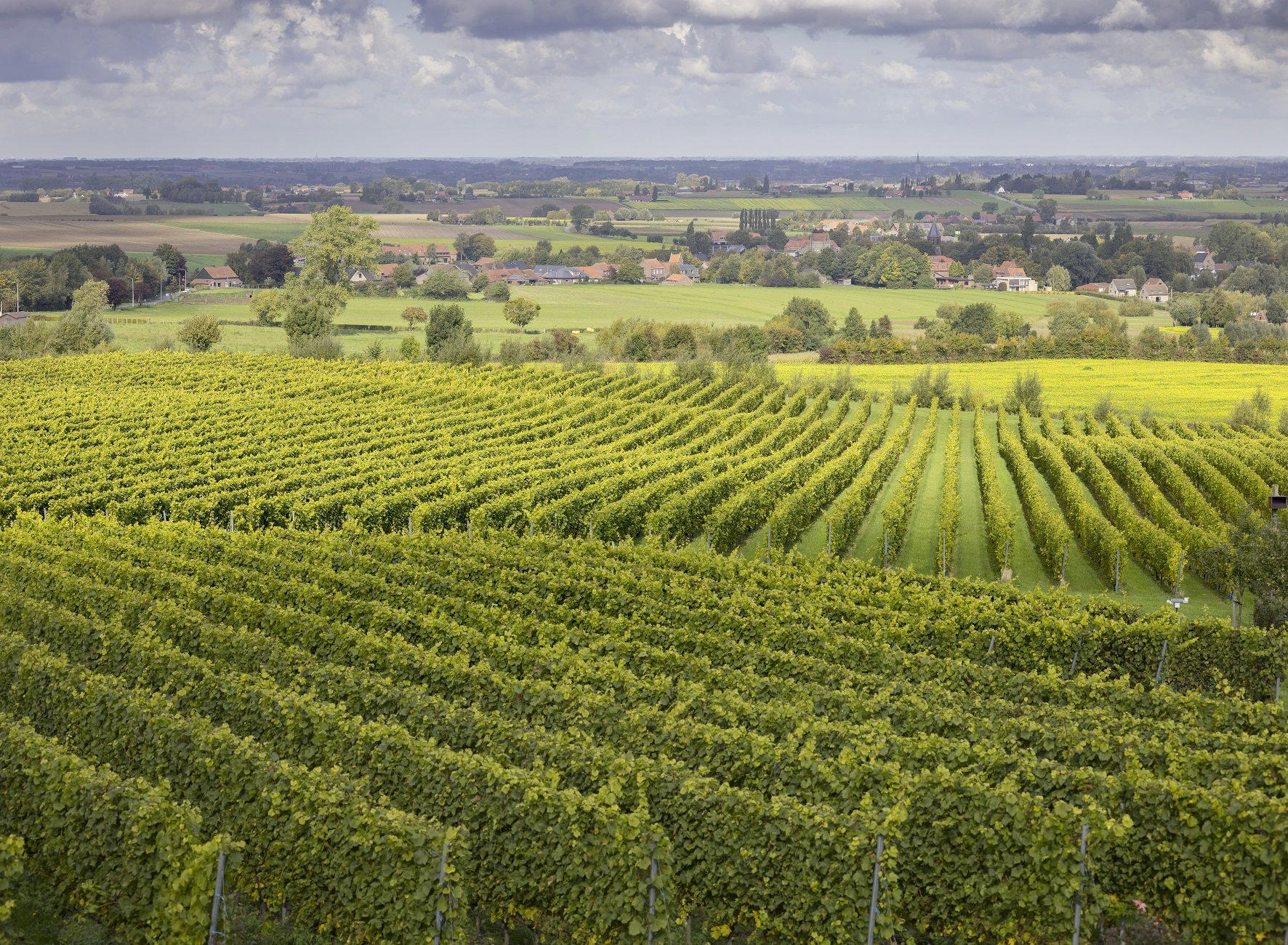
Details
- Cozy
- Intimate
- Elegant
- Sophisticated
- Date Night
- Special Occasion
- Open Kitchen
- Extensive Wine List
- Local Sourcing
- A La Carte
Current opening hours
- Monday
- Closed
- Tuesday
- 7–8 PM
- Wednesday
- 12–1 PM, 7–8 PM
- Thursday
- 12–1 PM, 7–8 PM
- Friday
- 12–1 PM, 7–8 PM
- Saturday
- 12–1 PM, 7–8 PM
- Sunday
- Closed
Hours can change for holidays and private events. Last verified .
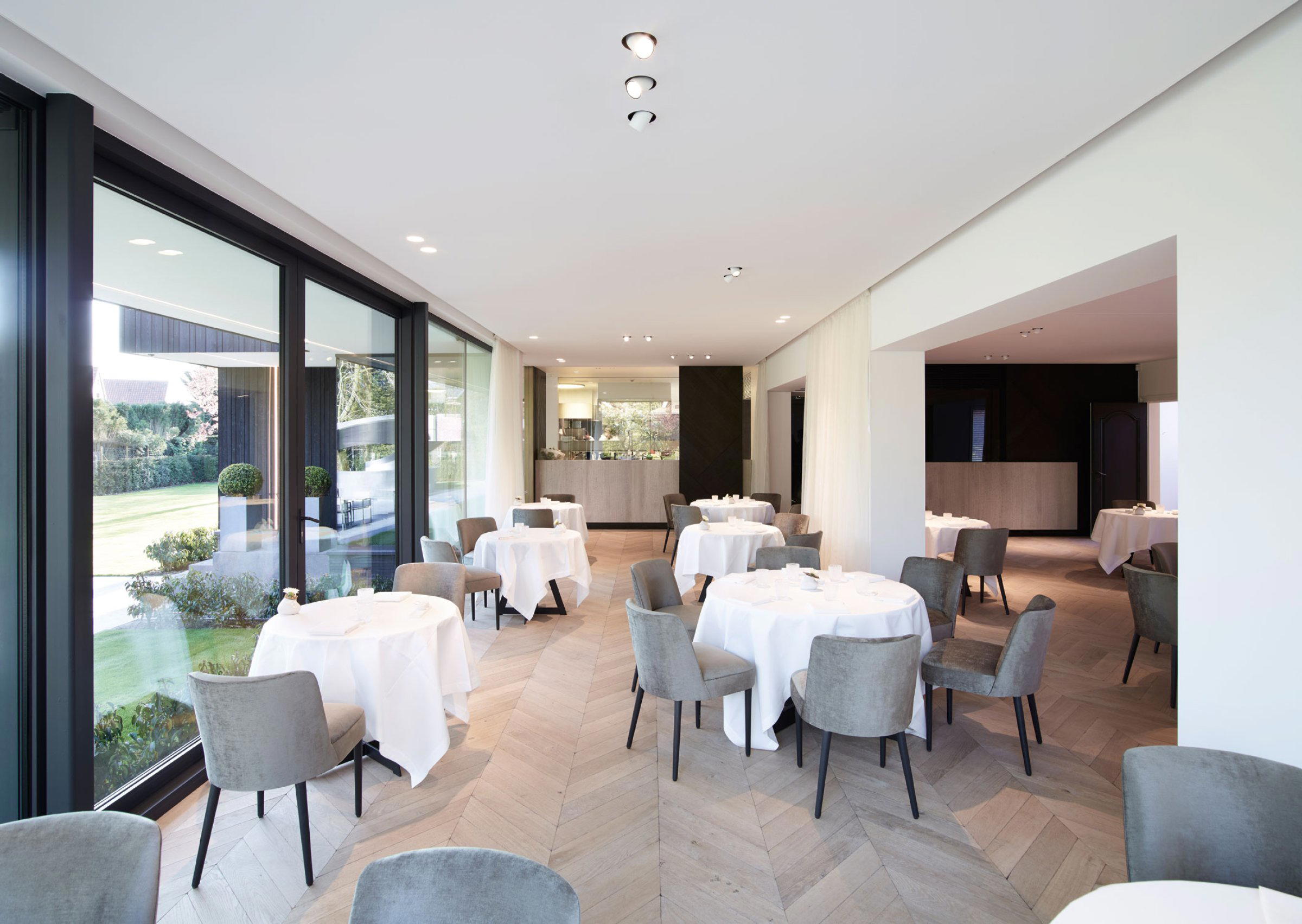
Cozy, pleasant, and intimate atmosphere in a stylish converted house with soft music, open kitchen view, and warm, elegant lighting.